Dr. KC Bierlich
@kcbierlich
Using drones to monitor the heath and body condition of large whales @GemmLabOSU
@MarineUAS alum
ID: 833759582803591168
https://www.kcbierlich.com 20-02-2017 19:25:49
418 Tweet
631 Followers
430 Following
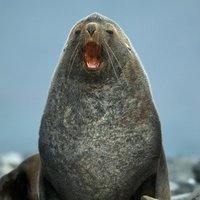
It's hard to determine if whales and dolphins are pregnant in the wild, but drones can help! This cool new paper from Duke Marine Lab UAS and Lighthouse Field Stn shows how to get the job done: …lpublications.onlinelibrary.wiley.com/doi/full/10.10…

Huge congrats to David W Johnston!! Perfect role for him! Excited to see the great new ideas he’ll bring

Introducing the Marine Mammal Bioacoustics and Ecology Lab, led by the great Dr. Kate Stafford OSU Hatfield. Yes, that's right folks. It's the MMBEL lab.🤣 A website ... and maybe even a Twitter account to follow! Logo designed by the renowned illustrator, Uko Gorter.🙏❤️
Congratulations to *Dr.* Dr. Dawn Barlow from @GemmLabOSU Oregon State University for successfully defending her PhD this week!! An incredibly impressive dissertation. Whale done! 🐳🐋🐳🐋🐳🐋🐳

I'm proud to finally share my first first-author publication (!), a summary + analysis of fine-scale seal and sea lion distributions on land, w/ drone data from a collaboration of Duke Marine Lab UAS, the Aleut Community of Saint Paul, and NOAA's Marine Mammal Lab. cdnsciencepub.com/doi/full/10.11…


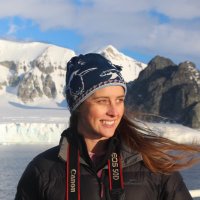
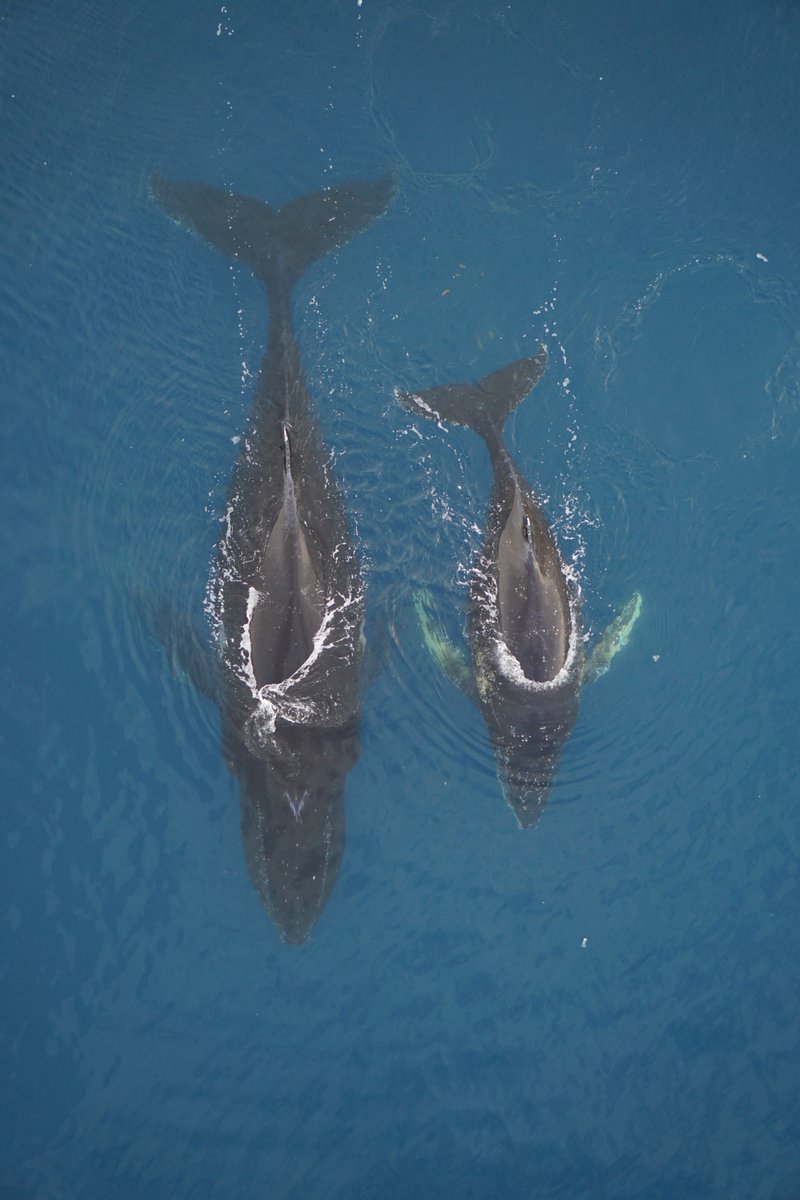
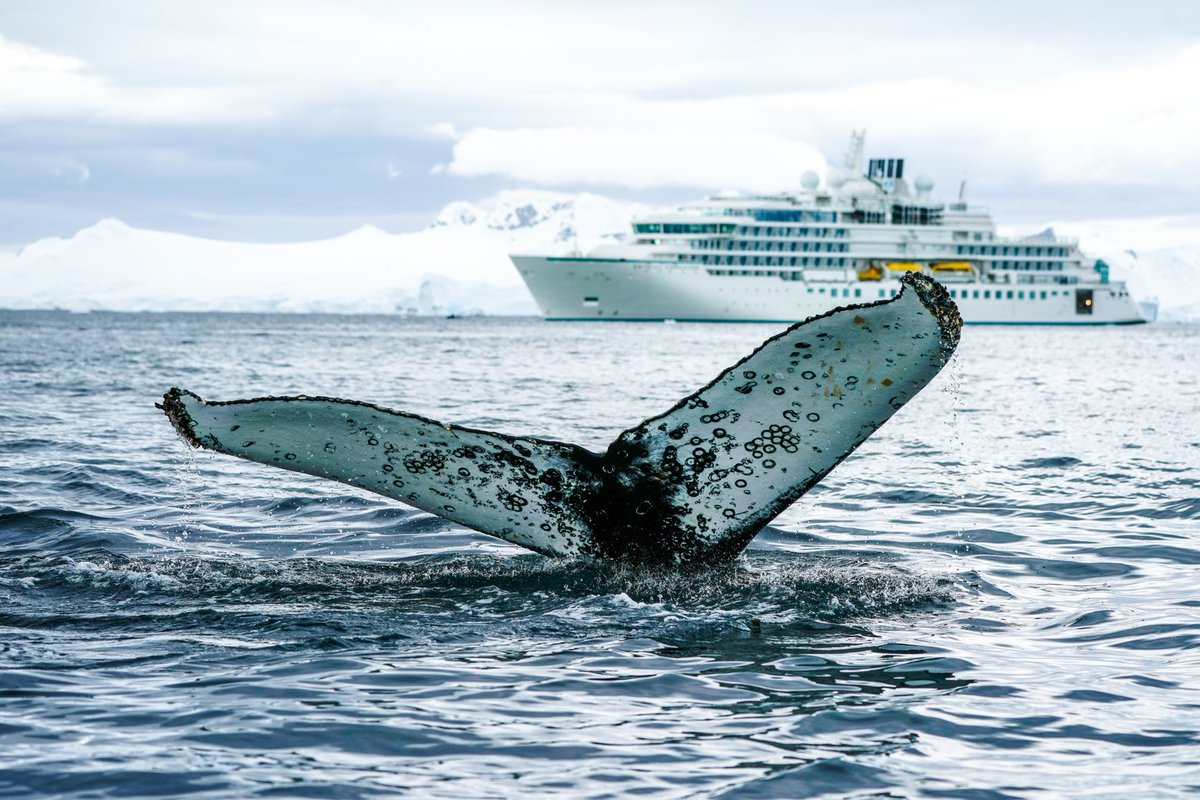
fat, faT, fAT, FAT! That’s how humpback whales grow when reaching the Antarctic feeding grounds 🇦🇶 🦐 Great way to know more is at the Marine Mammal conference #SMM2022 Marine Mammalogy; Dr. KC Bierlich et al. #humpbackwhale


New Paper Alert! Check out our study on #Antarctic #minkewhale using non-lethal methods. #conservation #climatechange Duke Marine Lab UAS antarctica.gov.au Dr. KC Bierlich Demography of an ice-obligate mysticete in a region of rapid environmental change royalsocietypublishing.org/doi/10.1098/rs…
Humpback whales really pack it on during Antarctic summers! Cool new paper led by Dr. KC Bierlich shows how drone-based photogrammetry helps us better understand how humpbacks increase energy reserves while foraging along the Western Antarctic Peninsula. doi.org/10.3389/fmars.…