Johnson Taiwo🇬🇧🇳🇬 (@hindy_johnson) 's Twitter Profile
Johnson Taiwo🇬🇧🇳🇬

@hindy_johnson

Business Analyst & Data scientist - MBA, MCIM | Transforming Marketing & IT with Analytics | Tech Enthusiast & Mentor\Speaker

ID: 765211135184338944

linkhttp://Olaoluwajtaiwo.com calendar_today15-08-2016 15:38:46

862 Tweet

283 Followers

286 Following

Johnson Taiwo🇬🇧🇳🇬 (@hindy_johnson) 's Twitter Profile Photo

Strong dashboard Olumide David 🇳🇬. it was deisgned with clear story, commercial focus, and actionable insights. Here are what leadership will look out for during boardroom meeting; >>> 1. Growth Quality Is revenue growing profitably or are margins being squeezed? >>> 2. Clear

Johnson Taiwo🇬🇧🇳🇬 (@hindy_johnson) 's Twitter Profile Photo

5 ways to speak human, not spreadsheet: - Start with the business question. - Quantify impact in money, risk or opportunity. - Remove technical jargon. - Highlight what changed and why it matters. - Make one clear recommendation. Add more

Johnson Taiwo🇬🇧🇳🇬 (@hindy_johnson) 's Twitter Profile Photo

Clean, commercially grounded dashboard Roshitnior Clear snapshot: "$742K sales but only $18.5K profit, clear margin pressure. December peak performance. Chairs leading ($328K). Standard Class dominates (59%). NYC driving top city revenue. Strong balance of sales, ops, and

Johnson Taiwo🇬🇧🇳🇬 (@hindy_johnson) 's Twitter Profile Photo

5 frameworks to level up your data storytelling: • Executive Summary first (Answer → Evidence → Implication) • What changed? Why? What next? • Before vs After narrative • Driver Tree (Goal → Levers → Metrics) • MECE structure (Mutually Exclusive, Collectively

Johnson Taiwo🇬🇧🇳🇬 (@hindy_johnson) 's Twitter Profile Photo

This tweet reminds me of a common organisational tension I’ve seen as a data analyst. High revenue. But only 18% profit margin. On the surface, Marketing gets praised for driving top-line growth. Operations gets applauded for “optimising” costs. But when you dig deeper… you

Johnson Taiwo🇬🇧🇳🇬 (@hindy_johnson) 's Twitter Profile Photo

Real analytics work is iterative. You profile data. Refine definitions. Re-run queries. Update assumptions. From the outside it looks repetitive. In reality, iteration is how analytical rigour is built.

Johnson Taiwo🇬🇧🇳🇬 (@hindy_johnson) 's Twitter Profile Photo

Optimising your LinkedIn headline for recruiter search = Improve discoverability. Recruiters don’t search for “motivated professional.” They search using keywords. If your headline isn’t aligned with how recruiters search, you’re invisible. Here’s how to optimise it

Johnson Taiwo🇬🇧🇳🇬 (@hindy_johnson) 's Twitter Profile Photo

Iteration isn’t inefficiency. It’s model refinement. As understanding improves, metrics get redefined As context shifts, assumptions get challenged. Version one is rarely decision-ready. Analytical maturity is knowing when to recalibrate.

Johnson Taiwo🇬🇧🇳🇬 (@hindy_johnson) 's Twitter Profile Photo

The reality is that SQL scales trust. SQL makes transformation logic explicit. Filters, joins, aggregations, all visible. When stakeholders can trace how a number was derived, confidence increases. Opacity erodes trust. Transparency compounds it.

Johnson Taiwo🇬🇧🇳🇬 (@hindy_johnson) 's Twitter Profile Photo

In Analytic Role, Timeliness Often Beats Optimisation. In live decision cycles, a directionally correct answer today is more valuable than a technically elegant one next week. Decision velocity matters.

Johnson Taiwo🇬🇧🇳🇬 (@hindy_johnson) 's Twitter Profile Photo

You will only learn how impact actually materialises. Impact isn’t created at the end of analysis. It’s created when insights align with incentives, reduce uncertainty, and influence decision framing.

Johnson Taiwo🇬🇧🇳🇬 (@hindy_johnson) 's Twitter Profile Photo

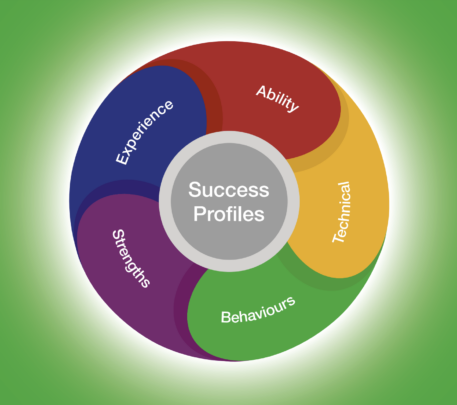
Most people misunderstand UK Civil Service Success Profiles. They’re not traditional CV assessments, they’re structured evaluations across specific pillars: Behaviours, Strengths, Experience, and Technical skills. If you’re applying for a Civil Service role, here’s the key: •

Most people misunderstand UK Civil Service Success Profiles.

They’re not traditional CV assessments, they’re structured evaluations across specific pillars: Behaviours, Strengths, Experience, and Technical skills.

If you’re applying for a Civil Service role, here’s the key:

•
Johnson Taiwo🇬🇧🇳🇬 (@hindy_johnson) 's Twitter Profile Photo

Data maturity is uneven inside companies After years in analytics, one thing is consistent: Data maturity is never evenly distributed. - One team is running proper experiments. - Another is still arguing over what “active user” means. - Another exports CSVs into Excel every

Johnson Taiwo🇬🇧🇳🇬 (@hindy_johnson) 's Twitter Profile Photo

Technical truth: pipelines beat heroics Don't triy to impress people with clever fixes. Over time, I learned this: A stable, boring pipeline beats a brilliant one-off analysis every time. Clean ingestion. Consistent transformations. Automated validation checks. Reliability

Johnson Taiwo🇬🇧🇳🇬 (@hindy_johnson) 's Twitter Profile Photo

Why teams stall?? Most data teams don’t stall because they lack talent. They stall because: - priorities keep shifting - leadership isn’t aligned - definitions change mid-quarter - no one owns the final decision You can’t optimise execution in a strategy vacuum.

Johnson Taiwo🇬🇧🇳🇬 (@hindy_johnson) 's Twitter Profile Photo

Every analysis embeds assumptions. Change the assumptions, change the answer. If you don’t state them clearly, you’re not being rigorous,you’re being risky.

Johnson Taiwo🇬🇧🇳🇬 (@hindy_johnson) 's Twitter Profile Photo

Here are the real blockers to data impact in an Org: In my experience, data impact is rarely blocked by skill. It’s blocked by structure. If ownership is unclear, analysis turns into debate. If incentives conflict, insights get ignored. If governance is weak, every metric

20-10-2020 (@ibk_groit) 's Twitter Profile Photo

Johnson Taiwo 🇬🇧 You sabi this management. The issues you raised here are so important. And they are not limited to data analyst job alone. They are what PMs, Internal Auditors, etc wrestle with.