
Foundation (@foundation_robo) 's Twitter Profile
Foundation

@foundation_robo

Building technologies that make life self sustaining on earth and beyond 🤖

ID: 1760117757528657920

linkhttp://foundation.bot calendar_today21-02-2024 01:42:36

21 Tweet

652 Followers

19 Following
The Humanoid Hub (@thehumanoidhub) 's Twitter Profile Photo

Foundation Robotics founder and CEO Sankaet Pathak says their humanoid relies solely on cameras; adding other sensors introduces noise and complexity that far outweigh the benefits.

Sankaet (@sankaet) 's Twitter Profile Photo

Our proprietary actuators are one of the features that make Phantom special. They enable us to build robots that are smooth, powerful, and safe to be around. Learn more about our design in this video.

Sankaet (@sankaet) 's Twitter Profile Photo

Like LLMs, autoregressive transformers for action tokens need a reasoning layer to reduce hallucinations and boost reliability. Grounding this layer in the physics of the action space using DVBFs makes for scalable, task-agnostic training—far simpler than creating RL reward

Sankaet (@sankaet) 's Twitter Profile Photo

This weekend marked a pivotal day for Foundation. We officially shipped our first production robot to a customer. It took us 13 months from idea to deployment—faster than any other humanoid company. But the real work starts now. The next few months will be grueling as we
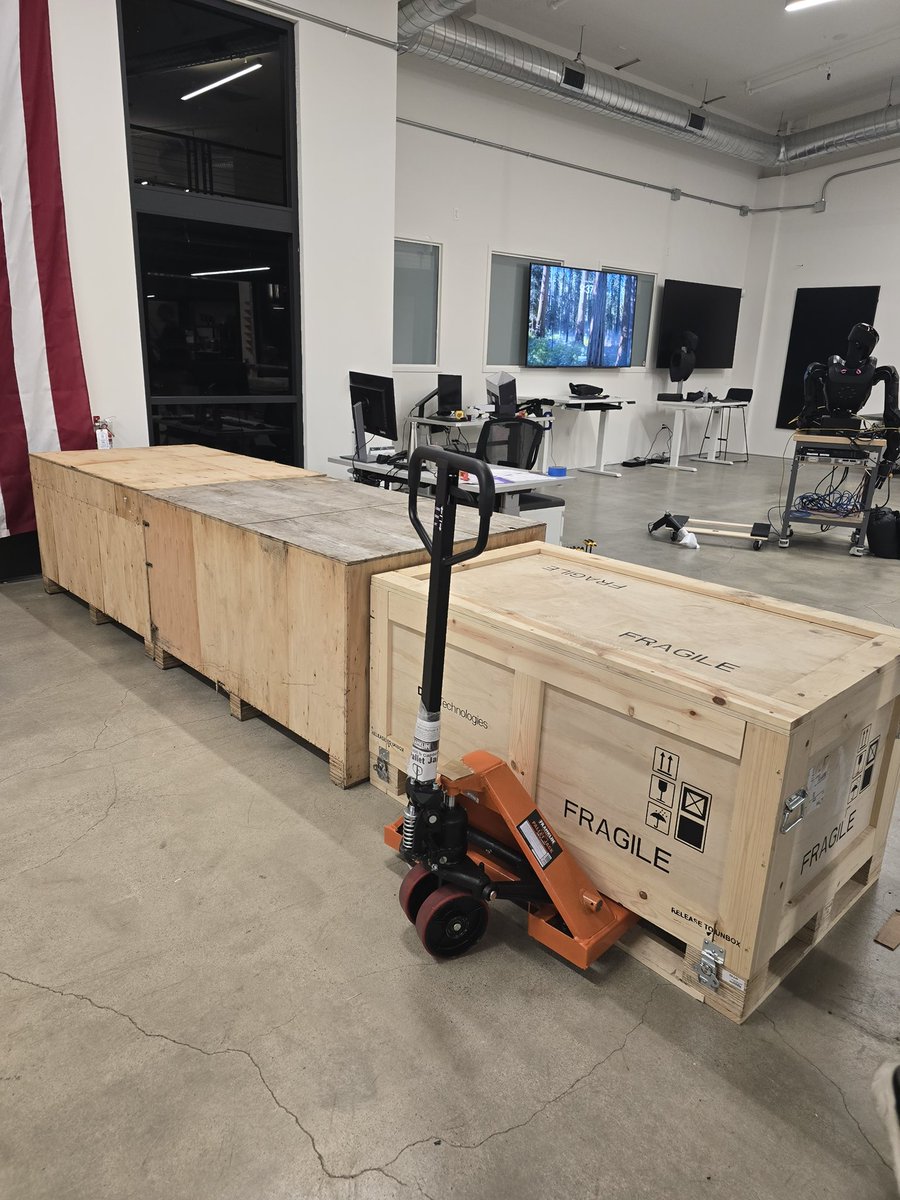

This weekend marked a pivotal day for <a href="/foundation_robo/">Foundation</a>. We officially shipped our first production robot to a customer. It took us 13 months from idea to deployment—faster than any other humanoid company. But the real work starts now. The next few months will be grueling as we
Sankaet (@sankaet) 's Twitter Profile Photo

We’ve been deep in our first auto manufacturing deployment. Meanwhile, we’re tackling next use cases for the next two customers in consumer goods manufacturing. Here’s a sneak peek of what’s coming!

Sankaet (@sankaet) 's Twitter Profile Photo

Our first training cluster is now live. It’s a small cluster we built to develop the infrastructure needed to create our compute-as-a-service platform, which will enable any developer at Foundation to provision compute for training and fine-tuning models through a simple
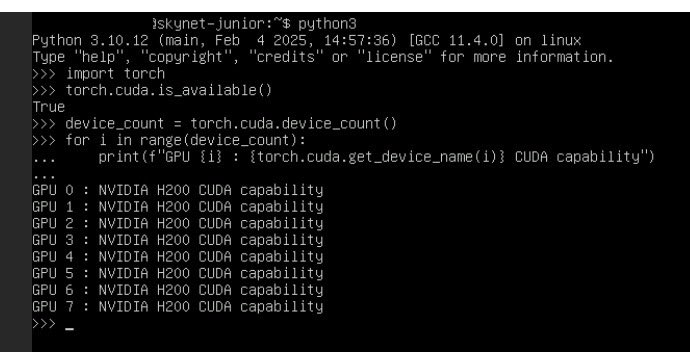
Our first training cluster is now live. It’s a small cluster we built to develop the infrastructure needed to create our compute-as-a-service platform, which will enable any developer at <a href="/foundation_robo/">Foundation</a> to provision compute for training and fine-tuning models through a simple
Sankaet (@sankaet) 's Twitter Profile Photo

These are the wheeled robots we shipped for commercial use! No more wheeled units are being built; we are only building legged robots and will decommission wheeled units by year-end.

Sankaet (@sankaet) 's Twitter Profile Photo

Update on deployment - our robot now outperforms human cycle time (the time it takes a human to complete the task from start to finish)! Full shifts are still a work in progress, but confident we are close!

Sankaet (@sankaet) 's Twitter Profile Photo

Large robot fleets will operate in cities and some held in reserve, like the military, ready to deploy to remote locations on Earth and beyond. Few people will own robots; instead, they'll request one or more on demand for various tasks they need done.

Sankaet (@sankaet) 's Twitter Profile Photo

Excited to share that Foundation achieved 87% OEE (overall equipment effectiveness), the key metric for manufacturing efficiency, at our first deployment! We're close to running full shifts.

The Humanoid Hub (@thehumanoidhub) 's Twitter Profile Photo

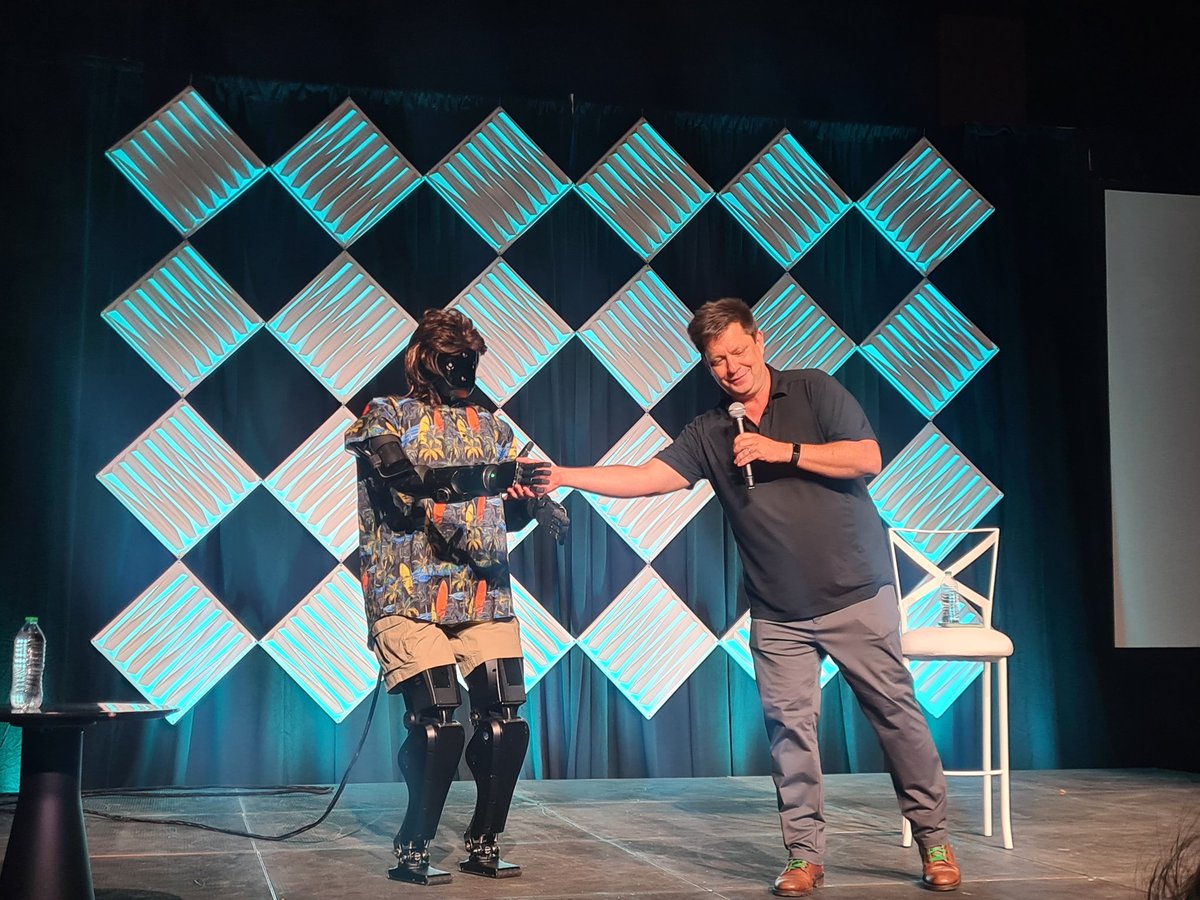
.Sankaet is the founder and CEO of Foundation. Sankaet believes humanoids are the obvious, hard answer to automating work humans don’t want to do. We sat down at Foundation’s San Francisco office to talk about the vision, actuator technology, business case, AI, and more.

Sankaet (@sankaet) 's Twitter Profile Photo

We’ve kicked off the build of our first production manufacturing cell in downtown San Francisco, capable of producing hundreds of robots per year. Next year, our goal will be to scale these cells in a larger factory to produce 10,000+ robots in 2026.

Sankaet (@sankaet) 's Twitter Profile Photo

We are moving from model controller to RL for locomotion. The policy is starting to look quite robust. Even more convinced now that legs are easier than wheels, given the software complexity has shrunk tremendously with RL.