Emily Puckett (@e_puckk) 's Twitter Profile
Emily Puckett

@e_puckk

PhD student studying a fungus-bark beetle symbiosis. she/her

ID: 305001813

calendar_today25-05-2011 13:37:43

1,1K Tweet

270 Followers

521 Following
invertebrate (@crevicedwelling) 's Twitter Profile Photo

repeating unfounded claims about animals’ “uselessness” is not productive. all living things have intrinsic worth as species, but it’s still stupid from a selfish standpoint—we do not know enough about how biodiversity allows us to exist to let any part of it disappear

Puri🤍 @ Sakuracon 2517 (@purilly) 's Twitter Profile Photo

It would be a shame if there was an extension that basically fixed every twitter problem spacemanchild caused as well as getting rid of the clutter and it's free to download like it'd be so unfortunate chrome: chrome.google.com/webstore/detai… firefox: addons.mozilla.org/en-CA/firefox/…

It would be a shame if there was an extension that basically fixed every twitter problem spacemanchild caused as well as getting rid of the clutter and it's free to download like it'd be so unfortunate 

chrome: chrome.google.com/webstore/detai…

firefox: addons.mozilla.org/en-CA/firefox/…
Noah Whiteman (@nkwhiteman) 's Twitter Profile Photo

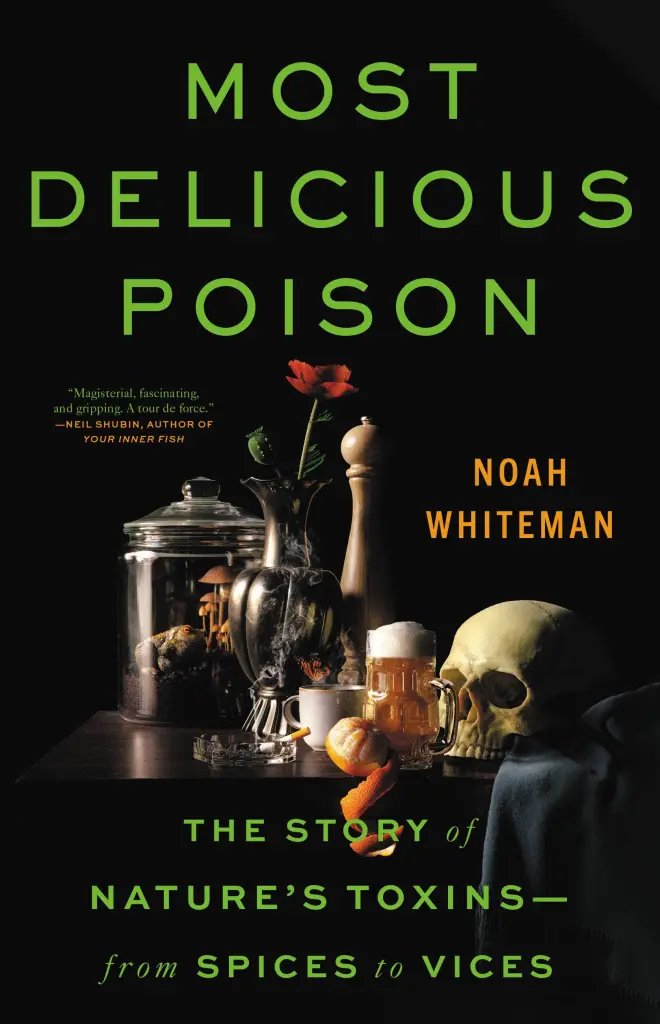
Why are alcohol and opioids addictive, but not psilocybin or menthol? Why do fungi and plants make such chemicals in the first place? Why are many plants toxic to cats? Why did a Mexican yam lead to "The Pill"? Why did the Spice Trade hasten the Opioid Crisis? For answers...👇

Why are alcohol and opioids addictive, but not psilocybin or menthol? Why do fungi and plants make such chemicals in the first place? Why are many plants toxic to cats? Why did a Mexican yam lead to "The Pill"? Why did the Spice Trade hasten the Opioid Crisis? For answers...👇
Max Planck Institute for Chemical Ecology (@mpi_ce) 's Twitter Profile Photo

If you are working with insects and need histological techniques have a look at this great new book. Benjamin Weiss, technician and histology expert in the Insect Symbiosis Lab published the book based on his many years of experience in the field! shaker.de/de/content/cat…

invertebrate (@crevicedwelling) 's Twitter Profile Photo

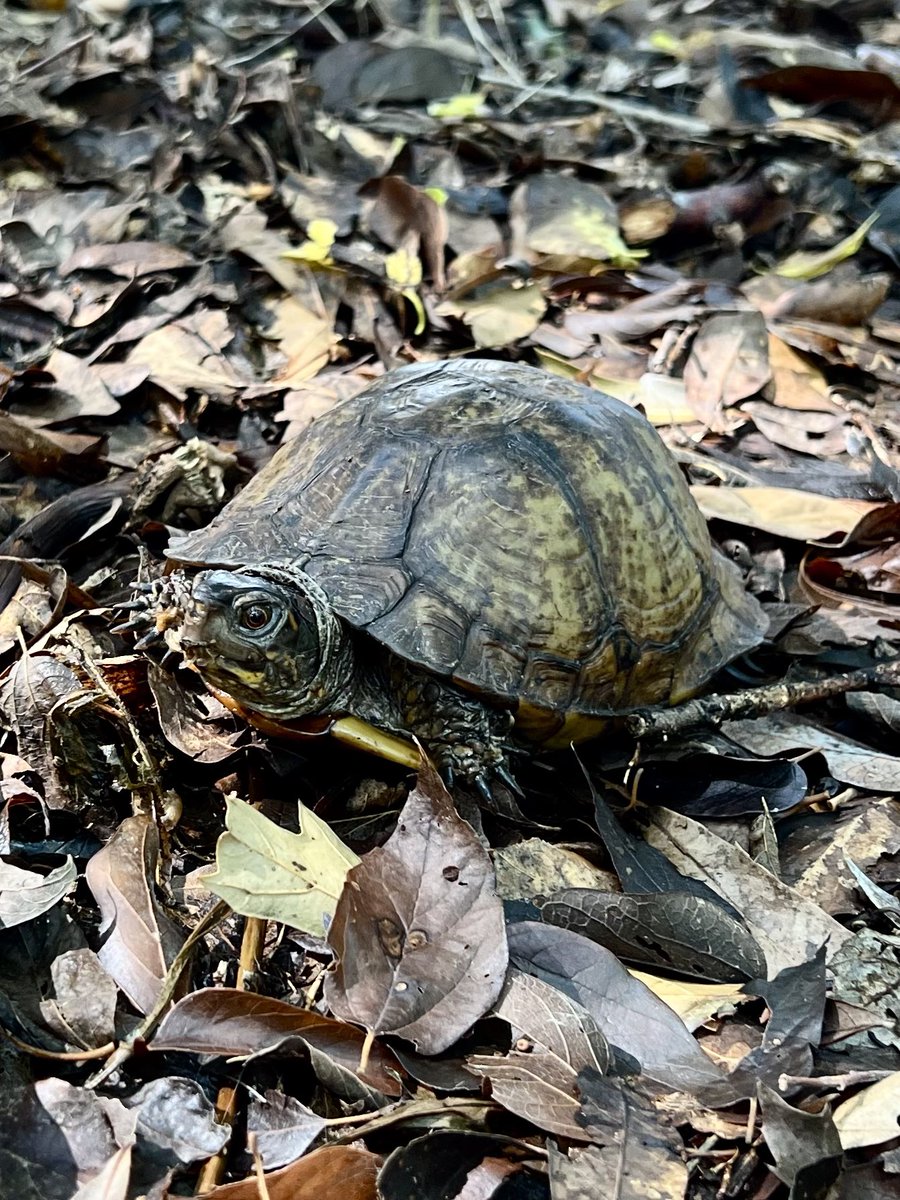
I don’t even like having to justify the existence of animals to people because, oh, these pollinate chocolate or those ones are important predators. there are little shrimps in a cave that have 0 impact on the outside world but they deserve to exist too

Emily Puckett (@e_puckk) 's Twitter Profile Photo

A fun read those interested in how human activity shapes ecosystems and how organisms respond to those changes (and for fans of conservation and birds!)

The New Yorker (@newyorker) 's Twitter Profile Photo

Germany has long regulated the ways the Holocaust is remembered and discussed. This has involved not only memorializing the Holocaust as a unique historical atrocity but also a special responsibility to support the security of Israel, Masha Gessen writes. nyer.cm/rsAku7b

Henry Lee (@hhlee) 's Twitter Profile Photo

How to grow (almost) any microbe. A New Hope. Using just 10% of a genome sequence, we can estimate the required environmental (salt, pH, oxygen, and temp) conditions for growing a microbe in the lab.

Noah Whiteman (@nkwhiteman) 's Twitter Profile Photo

You can still sign up for this online conversation on the science of psychedelics tomorrow (March 27 at 1pm PDT) featuring colleagues from Cal and led by Imran Khan from the UC Berkeley Center for the Science of Psychedelics. I will be focusing on a BIG unanswered question: Why did natural psychedelics evolve?
Emily Puckett (@e_puckk) 's Twitter Profile Photo

Northern lights in Jena! The first image is true to what I saw. The colors of the other two were enhanced by my phone's night vision setting, but I could still see bands of light and faint colors with the naked eye.

Northern lights in Jena! The first image is true to what I saw. The colors of the other two were enhanced by my phone's night vision setting, but I could still see bands of light and faint colors with the naked eye.
Nathaniel St. Clair (@natstclair) 's Twitter Profile Photo

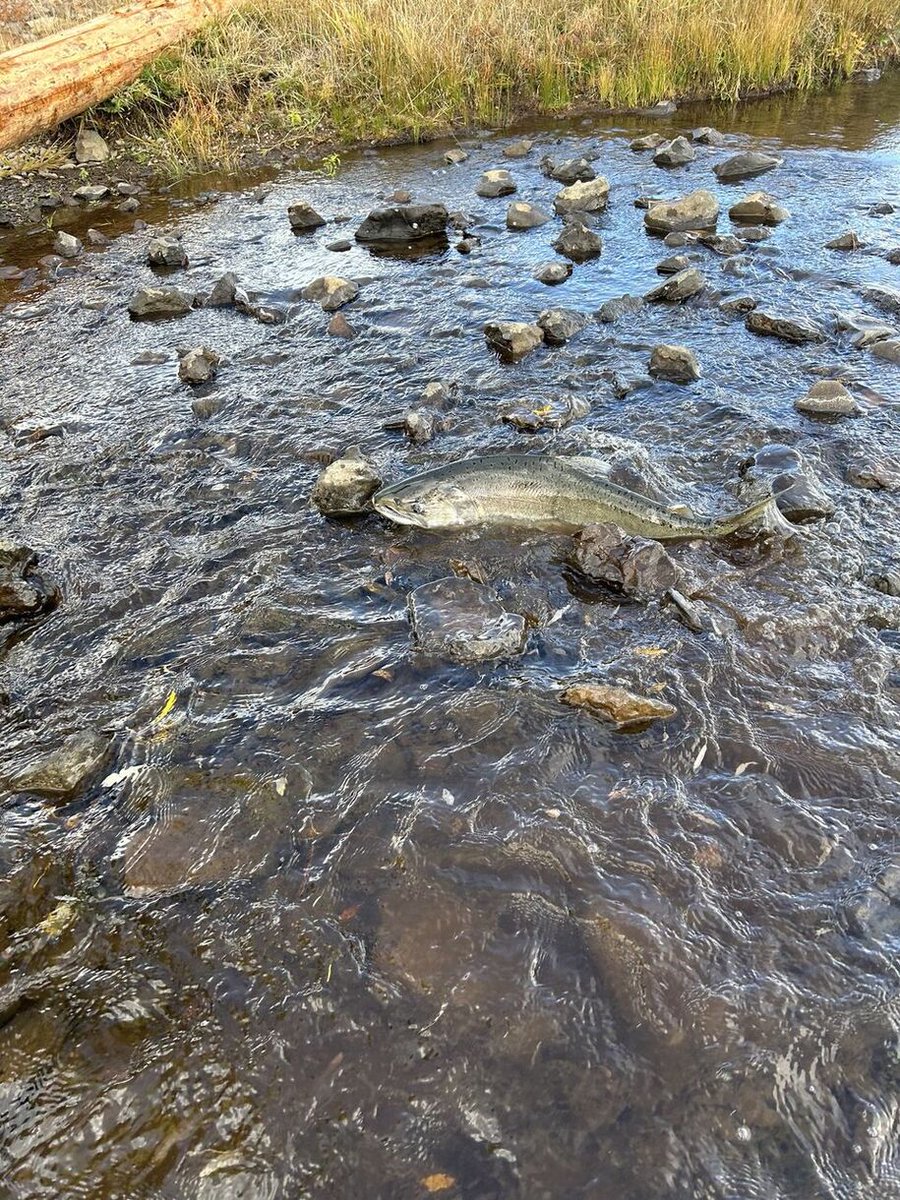
For the first time in 114 years, biologists from the Oregon Department of Fish and Wildlife have observed a fall-run Chinook salmon returning to spawn in the Klamath Basin in Oregon, after dam removal.

For the first time in 114 years, biologists from the Oregon Department of Fish and Wildlife have observed a fall-run Chinook salmon returning to spawn in the Klamath Basin in Oregon, after dam removal.