Heir Of The Dog (@dogheir) 's Twitter Profile
Heir Of The Dog

@dogheir

Husband, Dad, from NW Kent to SE Florida via everywhere else, dual citizenšŸ‡¬šŸ‡§ šŸ‡ŗšŸ‡ø.

ID: 1038604839025082368

calendar_today09-09-2018 01:47:44

45,45K Tweet

566 Followers

1,1K Following

Aaron Manning (@amanninghistory) 's Twitter Profile Photo

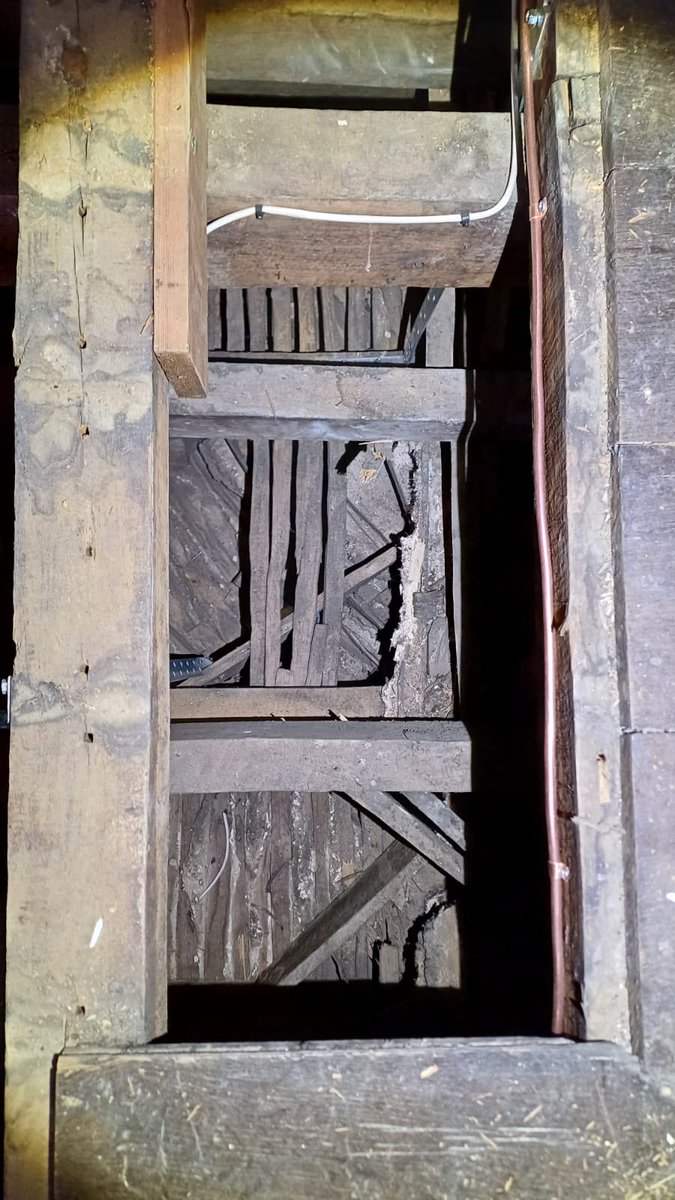
It also changes our knowledge of the Castle’s history. The Dudley period is known as a period of ruin and neglect, deliberately left to rot to emphasise its antiquity. This plasterwork, found in the old medieval Solar, suggests it may been renovated with the latest 16th designs.

It also changes our knowledge of the Castle’s history. The Dudley period is known as a period of ruin and neglect, deliberately left to rot to emphasise its antiquity.

This plasterwork, found in the old medieval Solar, suggests it may been renovated with the latest 16th designs.
Daniel Goldman (@danielsgoldman) 's Twitter Profile Photo

It’s called the ā€œrule of lawā€ @jdvance. Our constitution created three co-equal branches of government to provide checks and balances on each other (ā€œseparation of powersā€). The judiciary makes sure that the executive follows the law. If you do, then you won’t have problems.

Liz Cheney (@liz_cheney) 's Twitter Profile Photo

.JD Vance -If you believe any of the multiple federal courts that have ruled against you so far are exceeding their statutory or Constitutional authority, your recourse is to appeal. You don’t get to rage-quit the Republic just because you are losing. That’s tyranny.

Medieval Digger (@medieval_digger) 's Twitter Profile Photo

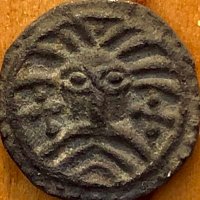
Two coins that I found a couple of years ago! Top: 1st Century Roman silver from emperor Vespasian. Bottom: A silver 17th Century Danish coin! šŸ˜šŸ‘Œ #metaldetecting

Two coins that I found a couple of years ago! Top: 1st Century Roman silver from emperor Vespasian. Bottom: A silver 17th Century Danish coin! šŸ˜šŸ‘Œ #metaldetecting
Lara Maiklem FSA - The London Mudlark (@londonmudlark) 's Twitter Profile Photo

A perfect clay pipe, c.1620, still blackened with soot inside the bowl from the last person who smoked it 400 years ago. A fairly common find, but they still send shivers of delight down my spine when I pick them up. #mudlarking

A perfect clay pipe, c.1620, still blackened with soot inside the bowl from the last person who smoked it 400 years ago. A fairly common find, but they still send shivers of delight down my spine when I pick them up.

#mudlarking
ThinkingWest (@thinkingwest) 's Twitter Profile Photo

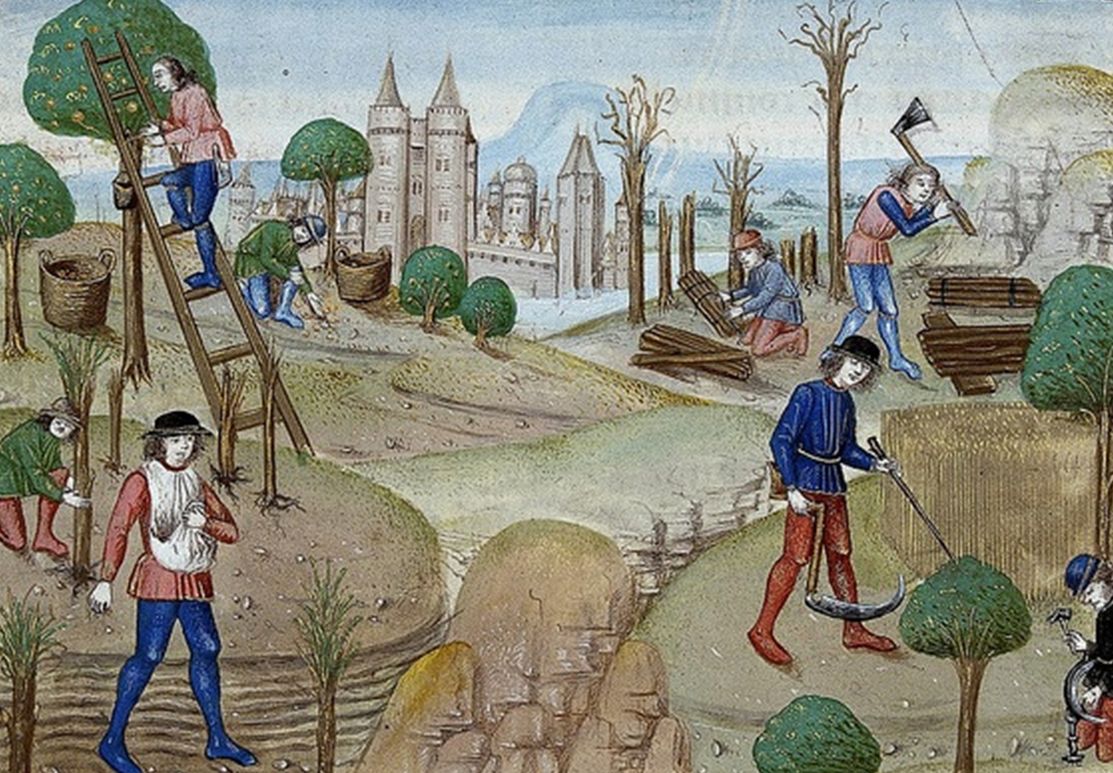
You’re a medieval peasant farmer. You’re at the bottom rung of society—bound to the land with limited social mobility… But life isn’t all bad. Here’s what it looks like🧵

You’re a medieval peasant farmer. 

You’re at the bottom rung of society—bound to the land with limited social mobility…

But life isn’t all bad. Here’s what it looks like🧵
ThinkingWest (@thinkingwest) 's Twitter Profile Photo

Even compared to the glorified Roman Empire, the average ā€œDark Ageā€ peasant likely saw lower taxes, more freedom, and a weaker ruling class under the Manorial system—a type of Feudalism where peasants worked the land under a lord.

Even compared to the glorified Roman Empire, the average ā€œDark Ageā€ peasant likely saw lower taxes, more freedom, and a weaker ruling class under the Manorial system—a type of Feudalism where peasants worked the land under a lord.
ThinkingWest (@thinkingwest) 's Twitter Profile Photo

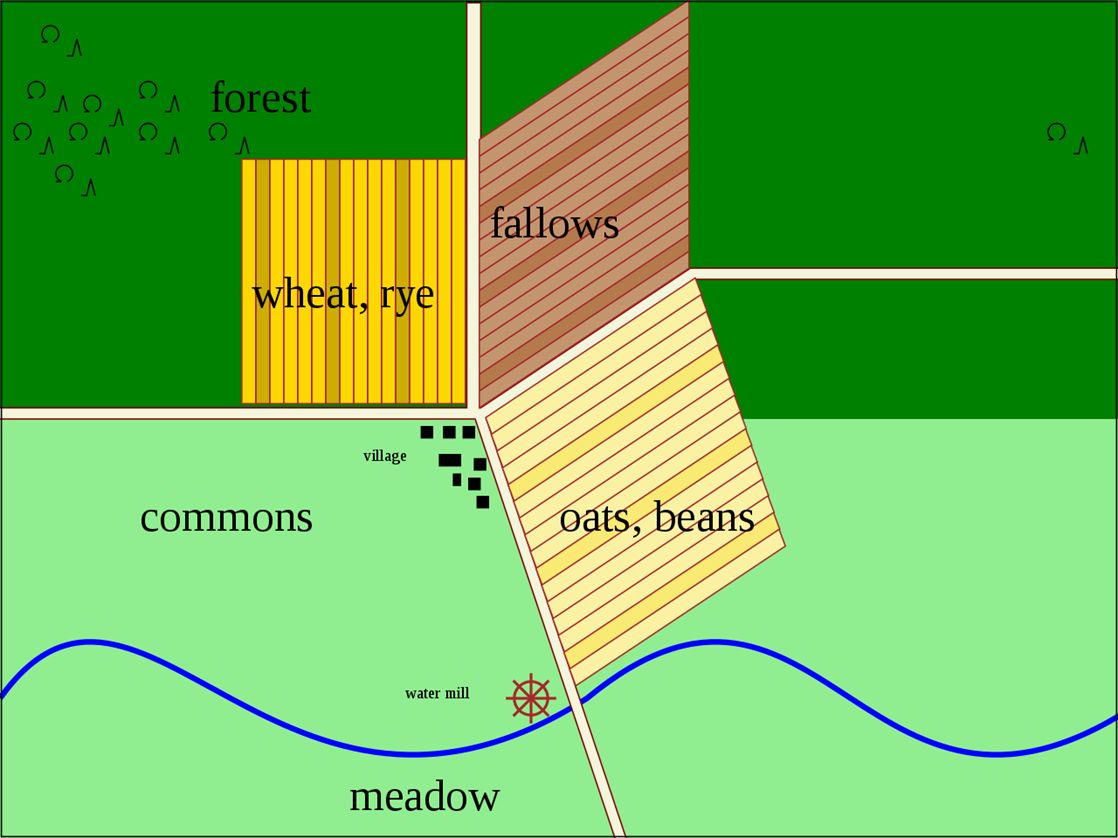
In this system, the manor was the epicenter of rural life, often surrounded by several hundred acres, hovels, a church, and community grain mill. The lord of the manor was usually a bishop or abbot of the local church, or a wealthy noble.

In this system, the manor was the epicenter of rural life, often surrounded by several hundred acres, hovels, a church, and community grain mill. 

The lord of the manor was usually a bishop or abbot of the local church, or a wealthy noble.
ThinkingWest (@thinkingwest) 's Twitter Profile Photo

The manor system was community-oriented. Farms were concerned with self-sufficiency rather than outside trade. This, on the heels of the Roman Empire’s high taxes, imperial trade, and military oversight, suggests a freer, more locally-minded early Medieval society.

The manor system was community-oriented. Farms were concerned with self-sufficiency rather than outside trade. 

This, on the heels of the Roman Empire’s high taxes, imperial trade, and military oversight, suggests a freer,  more locally-minded early Medieval society.
ThinkingWest (@thinkingwest) 's Twitter Profile Photo

They typically used open-field systems with no barriers between neighboring farmers’ plots. A peasant laborer would farm a dozen or so narrow strips of arable land. Ridges and furrows were intensively plowed for removing weeds, adding drainage, and preparing the next planting.

They typically used open-field systems with no barriers between neighboring farmers’ plots.  A peasant laborer would farm a dozen or so narrow strips of arable land. Ridges and furrows were intensively plowed for removing weeds, adding drainage, and preparing the next planting.
ThinkingWest (@thinkingwest) 's Twitter Profile Photo

To accomplish all this plowing, oxen and horses served as Medieval "tractors." In fact, if you wander among the British countryside today, you can still find these furrows and ridges in memorial to the great labors of the Medieval peasant and his beasts of burden.

To accomplish all this plowing, oxen and horses served as Medieval "tractors."

In fact, if you wander among the British countryside today, you can still find these furrows and ridges in memorial to the great labors of the Medieval peasant and his beasts of burden.
ThinkingWest (@thinkingwest) 's Twitter Profile Photo

Other animals were kept for meat, dairy, and wool. Cattle, sheep, and goats were grazed on common fields. Chickens likely roamed the village. The manor forest was used for raising pigs and gathering lumber and firewood for the long winters.

Other animals were kept for meat, dairy, and wool. 

Cattle, sheep, and goats were grazed on common fields. Chickens likely roamed the village. The manor forest was used for raising pigs and gathering lumber and firewood for the long winters.
ThinkingWest (@thinkingwest) 's Twitter Profile Photo

About 12 acres of land were needed to support a large family. Peasants mostly grew rye, wheat, barley, and oats in northern Europe. Peas, beans, and fruits were secondary.

About 12 acres of land were needed to support a large family. Peasants mostly grew rye, wheat, barley, and oats in northern Europe. Peas, beans, and fruits were secondary.
ThinkingWest (@thinkingwest) 's Twitter Profile Photo

Even with virtually no understanding of soil nutrients or microfauna, Medieval farmers still knew the importance of crop rotation and letting farmland rest fallow. Many practices used a three-field rotation of communally-planned fields.

Even with virtually no understanding of soil nutrients or microfauna, Medieval farmers still knew the importance of crop rotation and letting farmland rest fallow. 

Many practices used a three-field rotation of communally-planned fields.
ThinkingWest (@thinkingwest) 's Twitter Profile Photo

Still, yields were low compared to modern farms. One theory for the low yields was a shortage of animal dung—nature’s best fertilizer—due to too few grazing livestock and pasture to support them.

Still, yields were low compared to modern farms. One theory for the low yields was a shortage of animal dung—nature’s best fertilizer—due to too few grazing livestock and pasture to support them.
ThinkingWest (@thinkingwest) 's Twitter Profile Photo

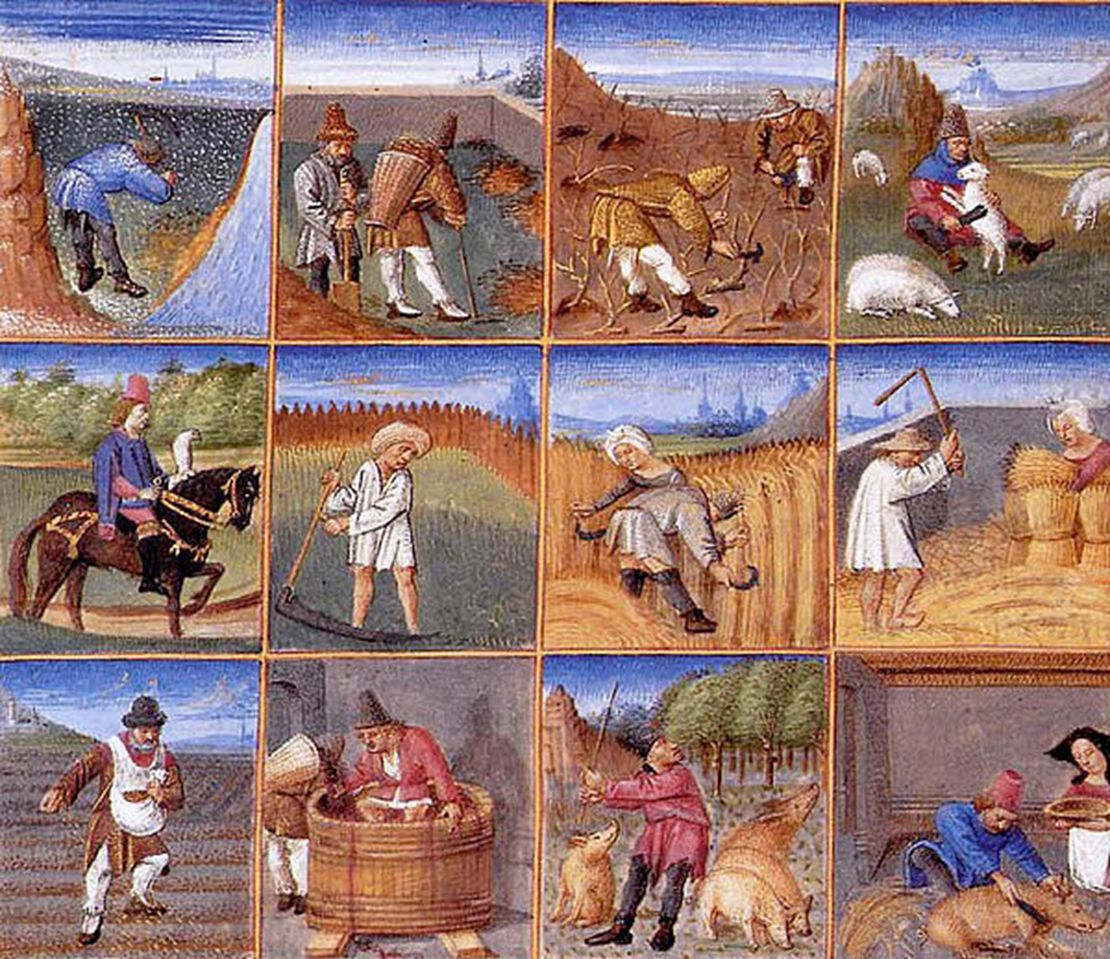
Because farmers were at the whim of the four seasons, only so much farm work could be done in a year. Winter was a time for rest. The Church mandated holy days (holidays) not only for religious observance but also to appease revolting populations.

Because farmers were at the whim of the four seasons, only so much farm work could be done in a year. Winter was a time for rest. 

The Church mandated holy days (holidays) not only for religious observance but also to appease revolting populations.
ThinkingWest (@thinkingwest) 's Twitter Profile Photo

Sunday was always a day of rest and Mass, and the peasant could expect time off for births, weddings, and whenever traveling entertainment came through. Scholars estimate the number of days off varied from 50 to 150 days a year. Surprising, right?

Sunday was always a day of rest and Mass, and the peasant could expect time off for births, weddings, and whenever traveling entertainment came through. 

Scholars estimate the number of days off varied from 50 to 150 days a year. Surprising, right?
ThinkingWest (@thinkingwest) 's Twitter Profile Photo

While peasants were the bottom of medieval society, they enjoyed several rights, lived under protection from knights and lords, and worked less than you probably do. So, how does your life compare to that of a Medieval peasant?

While peasants were the bottom of medieval society, they enjoyed several rights, lived under protection from knights and lords, and worked less than you probably do.

So, how does your life compare to that of a Medieval peasant?
ThinkingWest (@thinkingwest) 's Twitter Profile Photo

If you enjoyed this thread and would like to join the mission of promoting western tradition, kindly repost the first post (linked below) and consider following: ThinkingWest