Brewhaus👁️❤️🍺 (@brewhaus_crypto) 's Twitter Profile
Brewhaus👁️❤️🍺

@brewhaus_crypto

Living on the razor's edge of crypto innovation. | @Hyve_DA

ID: 50738983

linkhttp://thehyve.xyz calendar_today25-06-2009 19:18:51

2,2K Tweet

2,2K Followers

272 Following

Hyve DA (@hyve_da) 's Twitter Profile Photo

Decentralized systems should not rely on centralized components. Otherwise, the system will be as fragile as its weakest link. It's time to make the switch to a censorship-resistant, decentralized cloud.

Decentralized systems should not rely on centralized components.

Otherwise, the system will be as fragile as its weakest link.

It's time to make the switch to a censorship-resistant, decentralized cloud.
Brewhaus👁️❤️🍺 (@brewhaus_crypto) 's Twitter Profile Photo

A lot of hard work went into bringing this to you all! Changing the landscape of Web3 is no small task, but the team at Hyve is pulling it off. Data is the new currency, if you're not building data economies in Web3, what are you doing?

Douwe 𞀆 (@0xdouwe) 's Twitter Profile Photo

Universal Staking is what powers Hyve multi-chain architecture. See you soon at @DeFiConnect! Discount code: SPKR12_42832_50 #DeFiConnect2025

Universal Staking is what powers <a href="/HyveXYZ/">Hyve</a> multi-chain architecture. See you soon at @DeFiConnect! 

Discount code: SPKR12_42832_50 

 #DeFiConnect2025
Hyve DA (@hyve_da) 's Twitter Profile Photo

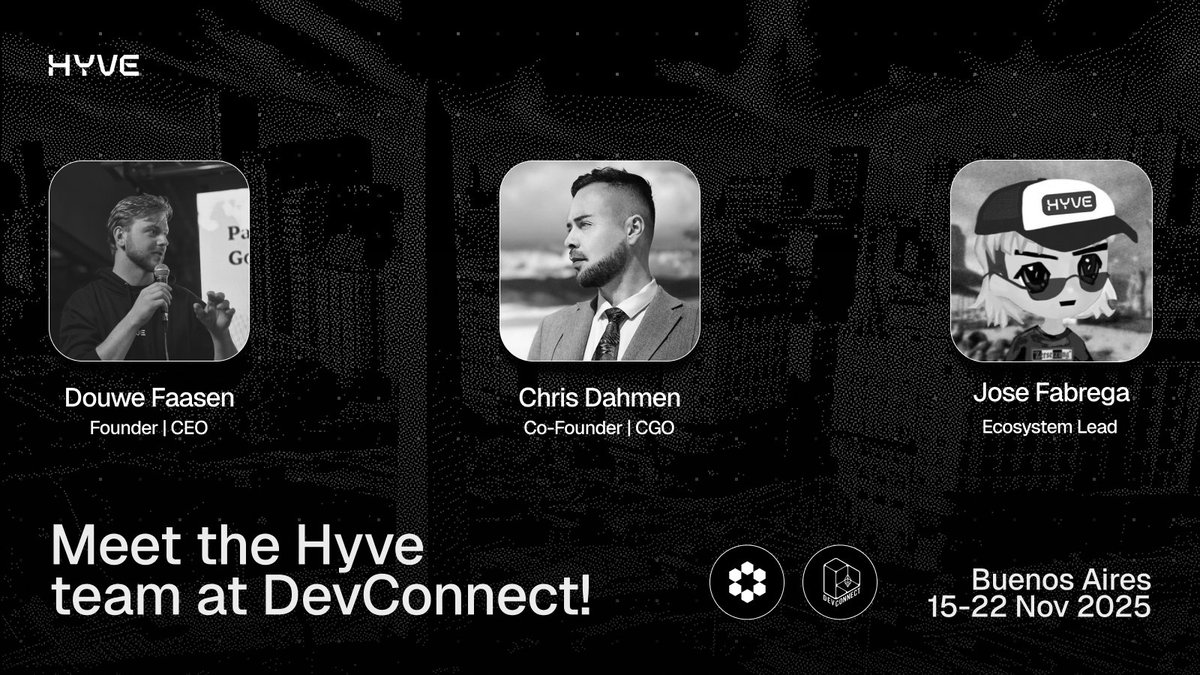
Che, Hyve is heading to Buenos Aires for DevConnect! 🇦🇷 If you’re building high-performance or consumer-facing apps that rely on real-time, verifiable data whether in DePIN, AI, RWAs, or CLOBs: let’s connect.

Che, Hyve is heading to Buenos Aires for DevConnect! 🇦🇷

If you’re building high-performance or consumer-facing apps that rely on real-time, verifiable data whether in DePIN, AI, RWAs, or CLOBs: let’s connect.
Radarblock | Web3 Marketing (@radarblock) 's Twitter Profile Photo

On The Radar: Hyve Deep Dive Luki sits down w/ jfab.eth (Ecosystem, Hyve) to talk onchain data, this week’s crypto hottest news, and more. Live at 3:30 PM UTC! 🎙️

Puffer Finance 🐡 (@puffer_finance) 's Twitter Profile Photo

Huge turnout for today’s rollup panel at Staking Summit – Cannes 🇫🇷 BA! amiru.eth 🕶️🐡🦇🔊 led the discussion as moderator, bringing together voices from Ethereum Foundation Arbitrum and Hyve to unpack how Ethereum rollups move toward a trust-minimized, decentralized future. Momentum is strong.
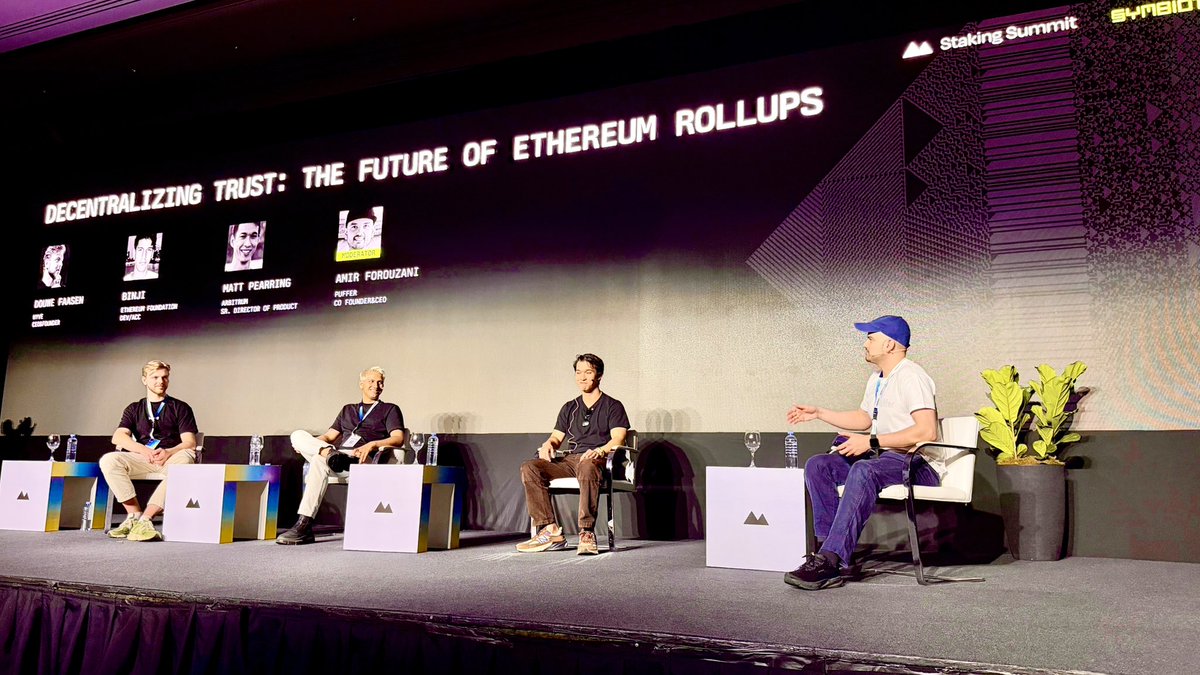

Huge turnout for today’s rollup panel at <a href="/StakingSummit/">Staking Summit – Cannes 🇫🇷</a> BA!
<a href="/AmirOnchain/">amiru.eth 🕶️🐡🦇🔊</a> led the discussion as moderator, bringing together voices from <a href="/ethereumfndn/">Ethereum Foundation</a> <a href="/arbitrum/">Arbitrum</a> and <a href="/HyveXYZ/">Hyve</a> to unpack how Ethereum rollups move toward a trust-minimized, decentralized future.
Momentum is strong.
Hyve DA (@hyve_da) 's Twitter Profile Photo

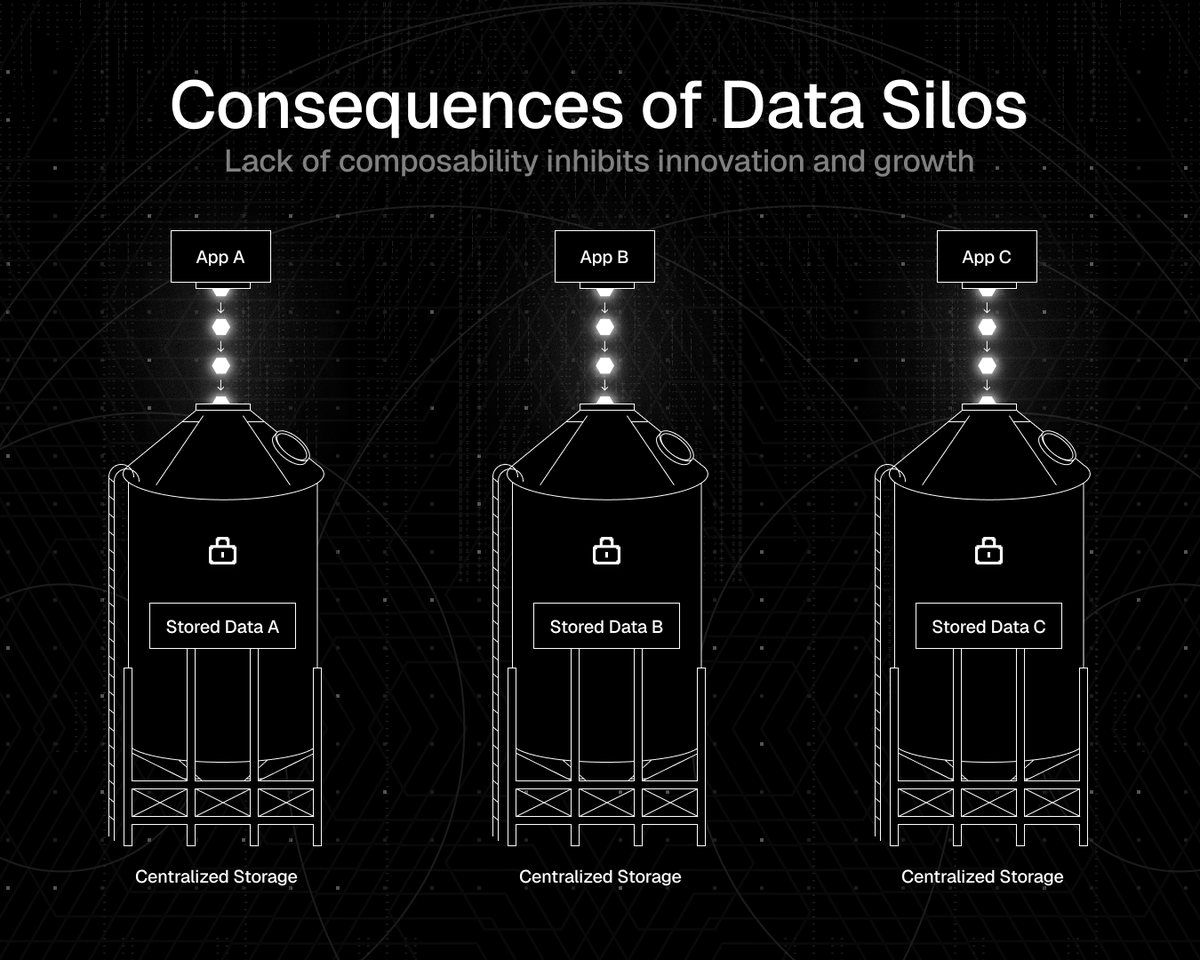
The difference between a market and an economy is composability. When data is locked in S3 or centralized alternatives, nothing composes, value stays siloed. Hyve makes real-time data sovereign and programmable, enabling true Web3 economies instead of isolated markets.

The difference between a market and an economy is composability.

When data is locked in S3 or centralized alternatives, nothing composes, value stays siloed.

Hyve makes real-time data sovereign and programmable, enabling true Web3 economies instead of isolated markets.
Hyve DA (@hyve_da) 's Twitter Profile Photo

Data generated by protocols and applications today is typically locked within proprietary or centralized systems. It exists, but it is siloed, fragmented and non-composable, becoming a significant roadblock to innovation among tokenized real world assets (RWAs).

Data generated by protocols and applications today is typically locked within proprietary or centralized systems.

It exists, but it is siloed, fragmented and non-composable, becoming a significant roadblock to innovation among tokenized real world assets (RWAs).
Hyve DA (@hyve_da) 's Twitter Profile Photo

Most decentralized protocols rely on centralized cloud providers such as AWS S3. Instead of igniting an economic flywheel, fees go to external monopolies that don't contribute to network security or growth. Increased onchain activity → Increased economic extraction offchain

Most decentralized protocols rely on centralized cloud providers such as AWS S3.

Instead of igniting an economic flywheel, fees go to external monopolies that don't contribute to network security or growth.

Increased onchain activity → Increased economic extraction offchain
Hyve DA (@hyve_da) 's Twitter Profile Photo

Offchain data storages have real, negative impacts on Web3. 1. Data fees are paid in fiat and extracted from the ecosystem’s economic loop 2. Validators, operators, and token holders get none of this value 3. Data infrastructure becomes a permanent net cost, not a shared asset

Hyve DA (@hyve_da) 's Twitter Profile Photo

Decentralized storage and data availability networks failed in replacing centralized cloud infrastructure for modern applications. Simply put: they optimized for the wrong kind of data, and lack proper economic alignment

Frens Validator 🤝 (@frensvalidator) 's Twitter Profile Photo

Our conversation with Dobby on why much of crypto remains centralized beneath the surface is now live. We discuss how Hyve approaches decentralization at the infra & data layer, hidden points of centralization, Hyve’s revenue model, and much more! youtu.be/3nTn1cuQiG0

Douwe 𞀆 (@0xdouwe) 's Twitter Profile Photo

150+ countries want sovereignty of their data, but 80% of cloud data centers are concentrated in just 10 countries. You can't solve a trust problem with more AWS regions. Fun chat with Juri Maibaum about a Hyve , decentralization, and data.

Hyve DA (@hyve_da) 's Twitter Profile Photo

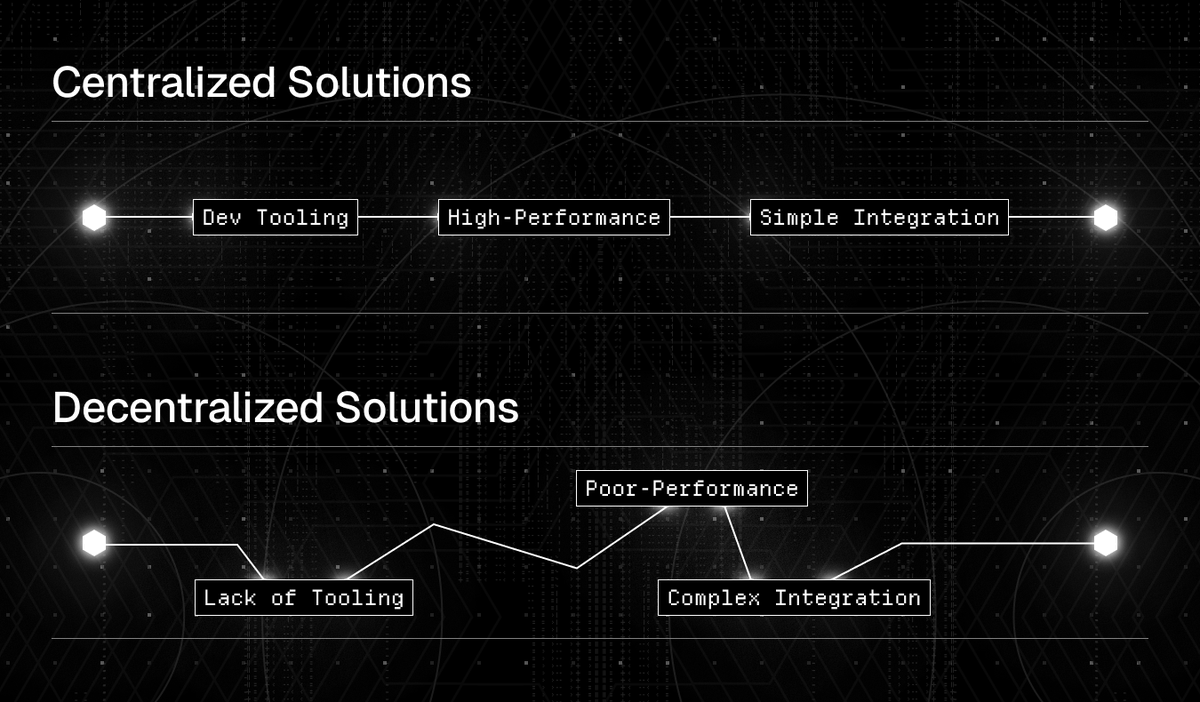
Builders optimize for reliability, speed, and time to market. When forced to choose, most teams default to centralized clouds because they work, and existing decentralized solutions are still missing economic alignment while data remains isolated. This will change soon.

Builders optimize for reliability, speed, and time to market.

When forced to choose, most teams default to centralized clouds because they work, and existing decentralized solutions are still missing economic alignment while data remains isolated.

This will change soon.