Batu Erman (@batuerman) 's Twitter Profile
Batu Erman

@batuerman

ID: 1583350565962137600

calendar_today21-10-2022 06:53:09

18 Tweet

168 Followers

507 Following

Tamer Onder (@tamer_onder) 's Twitter Profile Photo

Happy to share out latest paper, out today StemCellReports. We discover BRD9 as a chromatin-related barrier to somatic cell reprogramming cell.com/stem-cell-repo…

Ming "Tommy" Tang (@tangming2005) 's Twitter Profile Photo

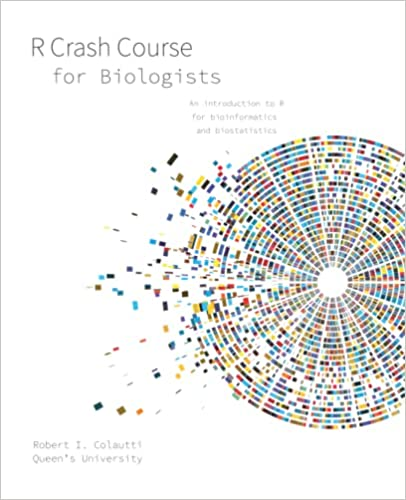
tip: Create a special repository in your GitHub Profile github.com/Open-Source-Ge… #github #readme #markdown take a look at mine github.com/crazyhottommy

tip: Create a special repository in your GitHub Profile
github.com/Open-Source-Ge…
#github #readme #markdown
take a look at mine github.com/crazyhottommy
Denis Wirtz (@deniswirtz) 's Twitter Profile Photo

Here is our largest database of PhD fellowships yet: we found 195 fellowships and funding opportunities. For each fellowship, this searchable database lists description, deadline, amount, and eligibility criteria. Download it here: research.jhu.edu/rdt/funding-op…

Here is our largest database of PhD fellowships yet: we found 195 fellowships and funding opportunities.

For each fellowship, this searchable database lists description, deadline, amount, and eligibility criteria.

Download it here: research.jhu.edu/rdt/funding-op…
Allen Institute (@alleninstitute) 's Twitter Profile Photo

There is a treasure trove of neuroscience data waiting to be explored by the next generation. ✨🔭🧠 Recent PhDs from non-neuroscience fields can now apply for a three-year fellowship, working with neuroscientists from Allen Institute and UW Computational Neuroscience Center. More: alleninstitute.org/careers/intern…


There is a treasure trove of neuroscience data waiting to be explored by the next generation. ✨🔭🧠

Recent PhDs from non-neuroscience fields can now apply for a three-year fellowship, working with neuroscientists from Allen Institute and <a href="/UWCNC/">UW Computational Neuroscience Center</a>.
 
More: alleninstitute.org/careers/intern…

Erdinc Sezgin (@sciezgin) 's Twitter Profile Photo

Last year was a blast! Hands-on sessions with advanced imaging, very informative lectures and fun socials to form new collaborations! AND registration free!!! April 18-19, Istanbul...

Batu Erman (@batuerman) 's Twitter Profile Photo

AlphaFold 3 predicts the structure and interactions of all of life’s molecules - Isomorphic Labs isomorphiclabs.com/articles/alpha…

Ming "Tommy" Tang (@tangming2005) 's Twitter Profile Photo

Trends in the approval of cancer therapies by the FDA in the twenty-first century | Nature Reviews Drug Discovery nature.com/articles/s4157…

MPI of Immunobiology & Epigenetics (@mpi_ie) 's Twitter Profile Photo

Hooray! We are #recruiting! Our Max Planck #gradschool #PhD program is looking for the next generation of talents in #epigenetics, #biophysics, #metabolism & many more areas. Get details about our MPI of Immunobiology & Epigenetics Universität Freiburg faculty & the application process: imprs-iem.mpg.de
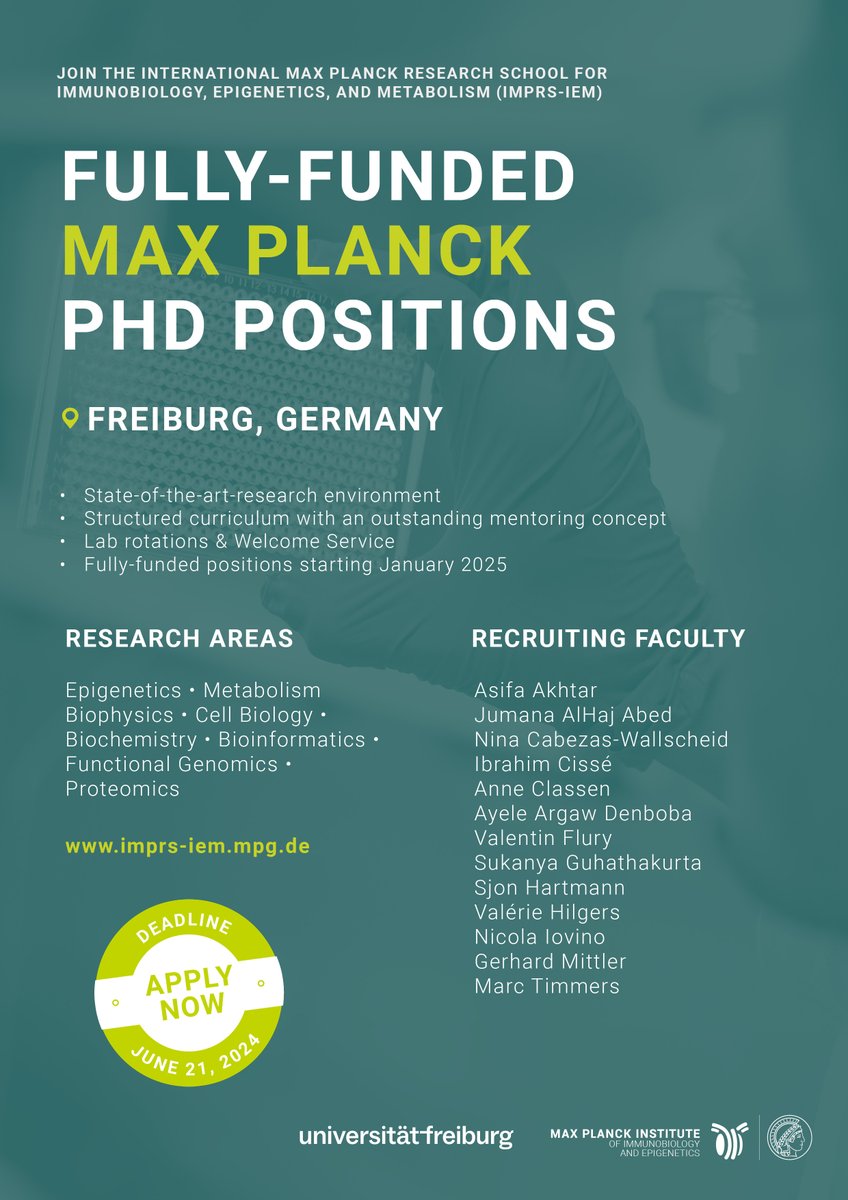
Hooray! We are #recruiting! Our Max Planck #gradschool #PhD program is looking for the next generation of talents in #epigenetics, #biophysics, #metabolism &amp; many more areas. Get details about our <a href="/mpi_ie/">MPI of Immunobiology & Epigenetics</a> <a href="/UniFreiburg/">Universität Freiburg</a> faculty &amp; the application process: 

imprs-iem.mpg.de
DrawImpacts (@drawimpacts) 's Twitter Profile Photo

📿🧬New cover from the studio in Molecular Cell ! "Polymerization of ZBTB transcription factors regulates chromatin occupancy"👐 📰 About the cover: Park et al. identify a subset of transcription factors that polymerize through their BTB domains. Self-assembly of these ZBTB TFs
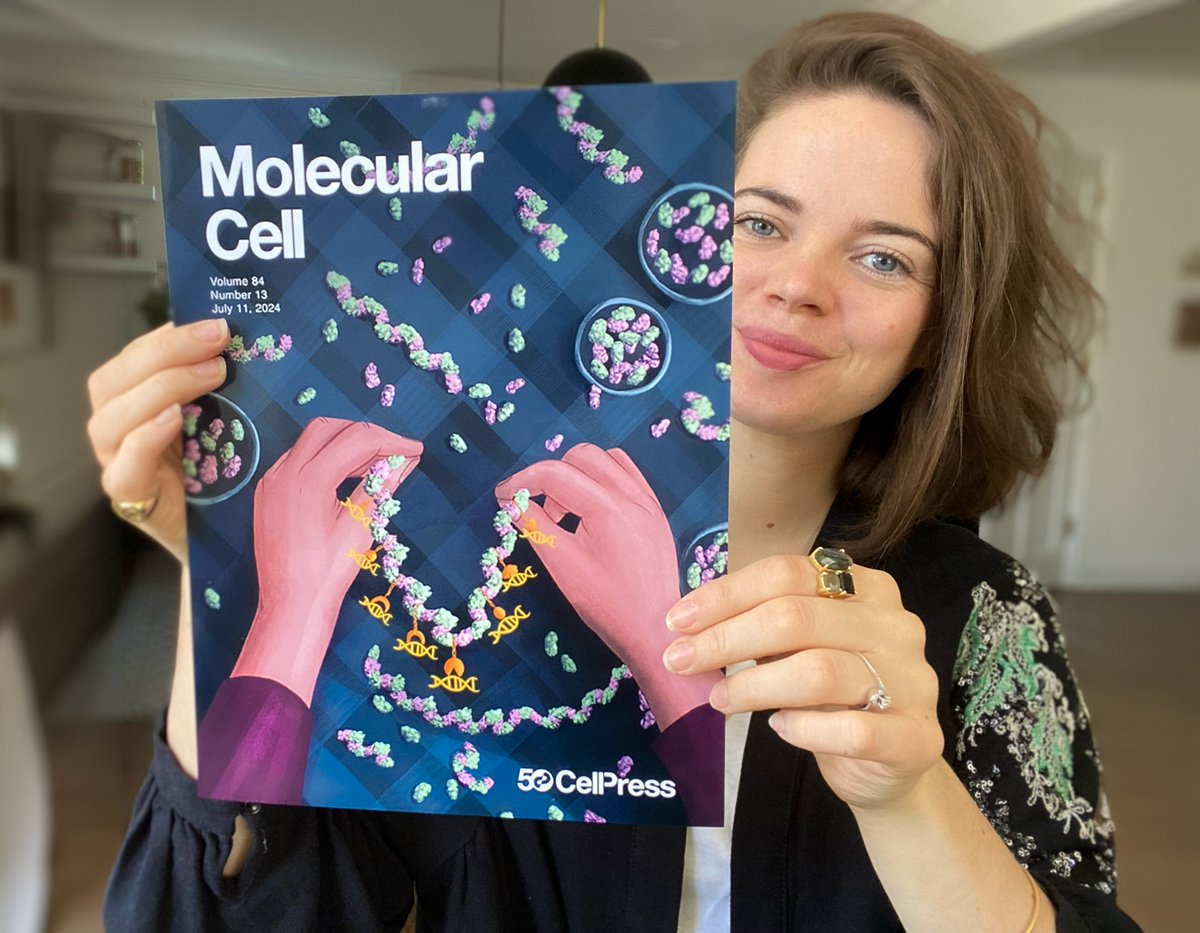
📿🧬New cover from the studio in <a href="/MolecularCell/">Molecular Cell</a> ! 
"Polymerization of ZBTB transcription factors regulates chromatin occupancy"👐

📰 About the cover: Park et al. identify a subset of transcription factors that polymerize through their BTB domains. Self-assembly of these ZBTB TFs
Vahidi Lab@UofGuelph 🇨🇦 (@vahidilab) 's Twitter Profile Photo

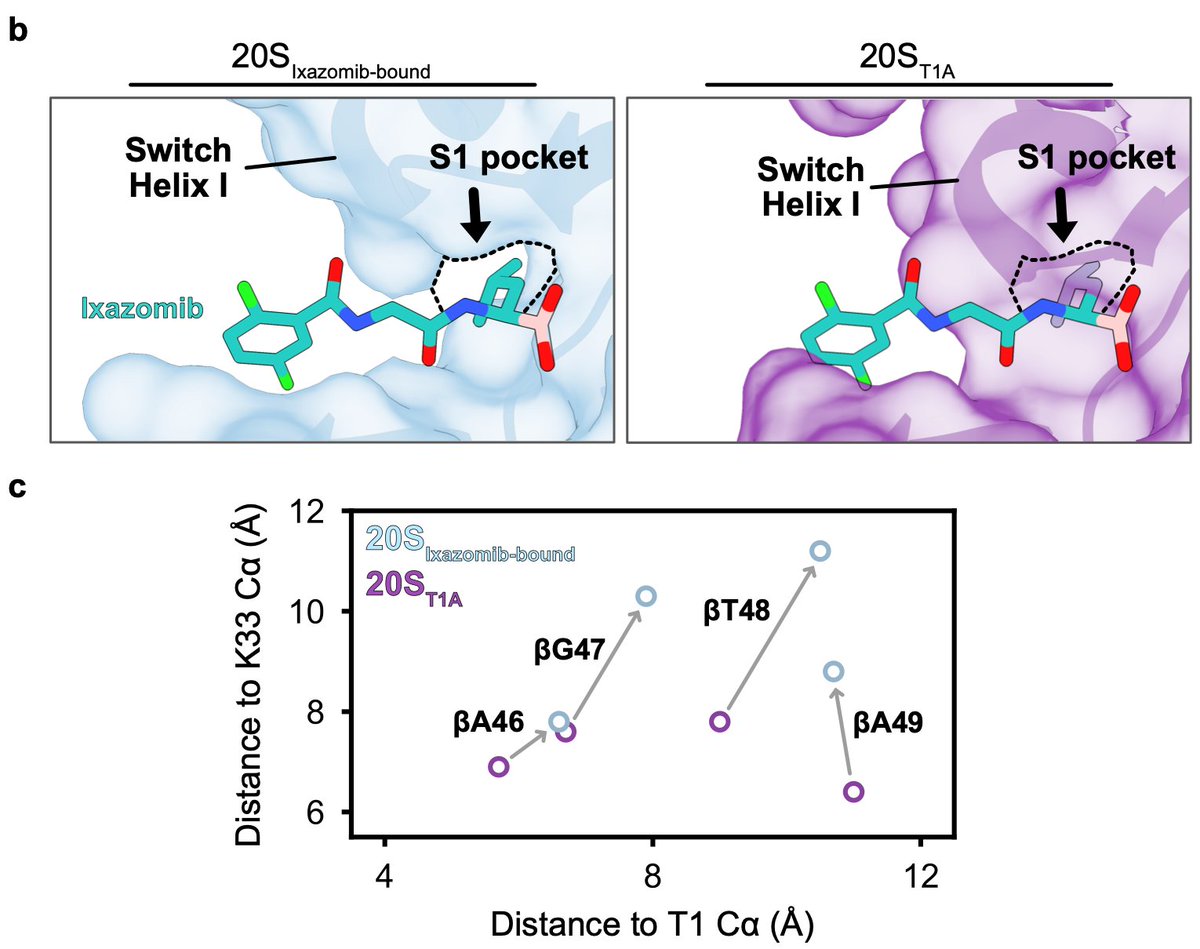
The proteasome is vital in cellular health and selectively degrades proteins. We report the first structure of the 20S core particle in its inactive form, termed 20SOFF, showcasing how switch helices I and II control access to the enzyme’s active site. doi.org/10.1101/2024.0…

The proteasome is vital in cellular health and selectively degrades proteins. We report the first structure of the 20S core particle in its inactive form, termed 20SOFF, showcasing how switch helices I and II control access to the enzyme’s active site.
doi.org/10.1101/2024.0…
Science Magazine (@sciencemagazine) 's Twitter Profile Photo

Scientists have uncovered a molecular player that supports V(D)J recombination, a critical genetic rearrangement process that facilitates the diversity of antibodies and antigen receptors in the immune system. @SciSignal scim.ag/47pYAHS

Scientists have uncovered a molecular player that supports V(D)J recombination, a critical genetic rearrangement process that facilitates the diversity of antibodies and antigen receptors in the immune system. @SciSignal scim.ag/47pYAHS
Nature Biotechnology (@naturebiotech) 's Twitter Profile Photo

An antivenom combining eight alpaca- and llama-derived nanobodies neutralizes toxins from a broad range of snake venoms #NBThighlight nature.com/articles/s4158…

Tatta Bio (@tatta_bio) 's Twitter Profile Photo

From Sequence to Insights Part 2: Genomic Context & Literature Context is critical to understanding our genomes and proteins. SeqHub shows where a gene is found in its native genomic neighborhood and connects it with papers and predicted functions. Start exploring →

Jorge Bravo (@bravo_abad) 's Twitter Profile Photo

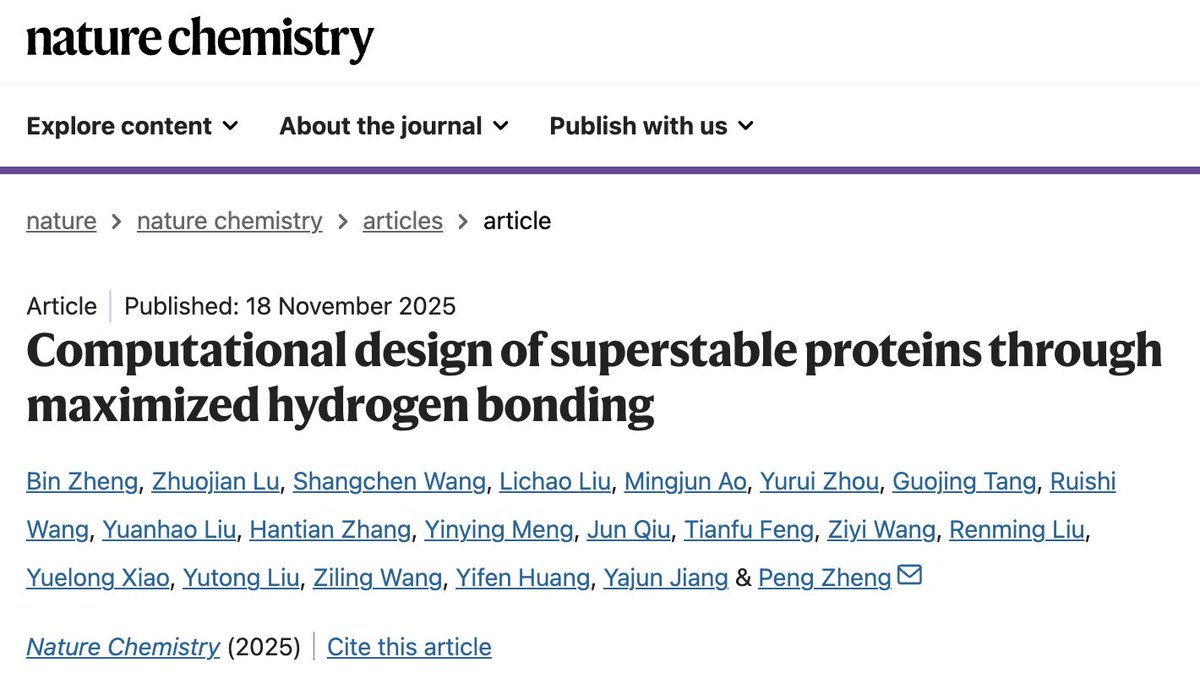
AI-designed proteins that survive 150 °C and nanonewton forces Proteins are usually fragile machines. Heat them, pull on them, or send them through a high-temperature sterilization step (like those used in hospitals), and most will unfold and aggregate, losing their function.

AI-designed proteins that survive 150 °C and nanonewton forces

Proteins are usually fragile machines. Heat them, pull on them, or send them through a high-temperature sterilization step (like those used in hospitals), and most will unfold and aggregate, losing their function.