Ali (@archaeo_ali) 's Twitter Profile
Ali

@archaeo_ali

MA Landscape Archaeology. ACIfA. Sharing my ❤️ for the historic environment from big landscapes to hidden spaces. All 📸 my own unless stated

ID: 1606576473812488193

linkhttp://archaeoali.bluesky.social calendar_today24-12-2022 09:04:35

945 Tweet

462 Followers

404 Following

Ali (@archaeo_ali) 's Twitter Profile Photo

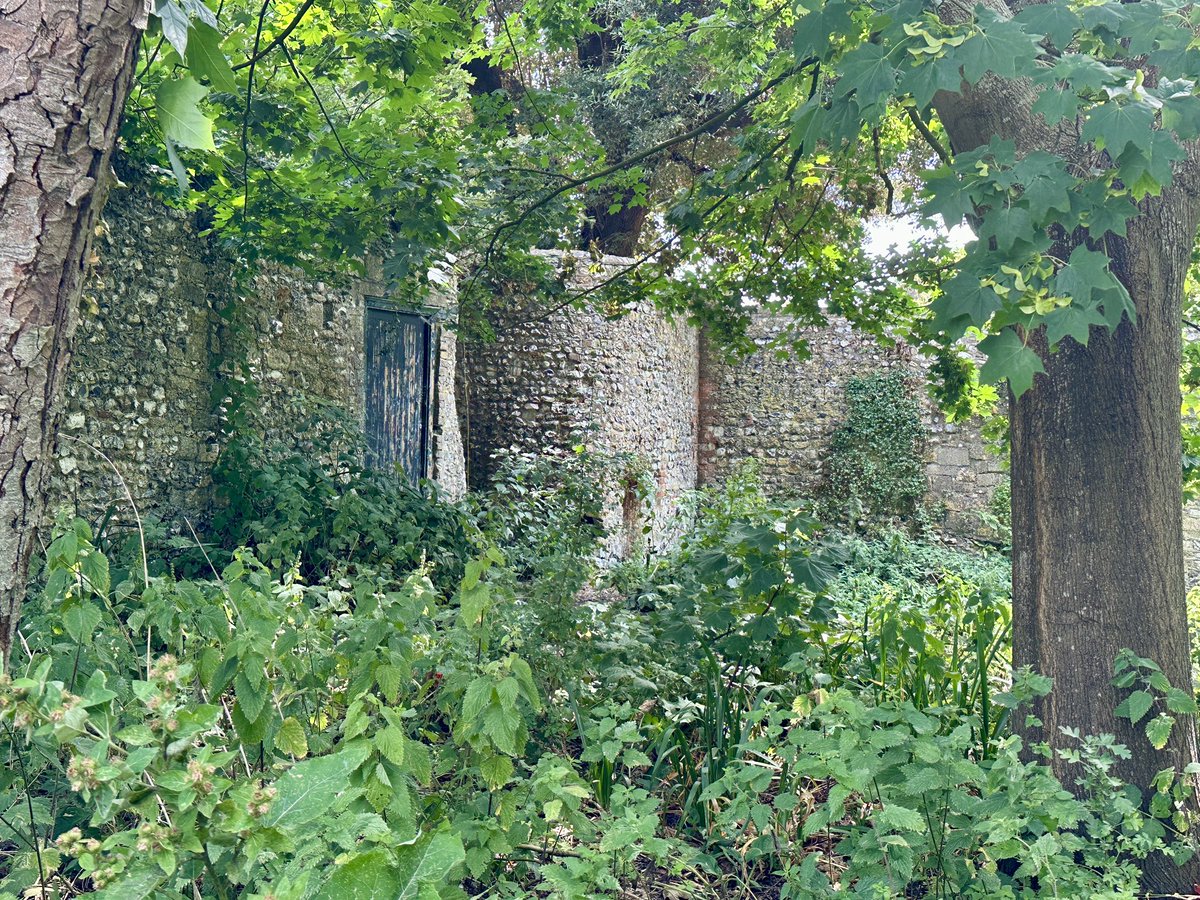
Yesterday I visited Carisbrooke Castle on the Isle of Wight. The site began life in the C11th as a Saxon “burh” before being converted into a motte & bailey after the Norman conquest. The remains of the Saxon stone wall can still be seen half way up the current bank #SaxonSunday

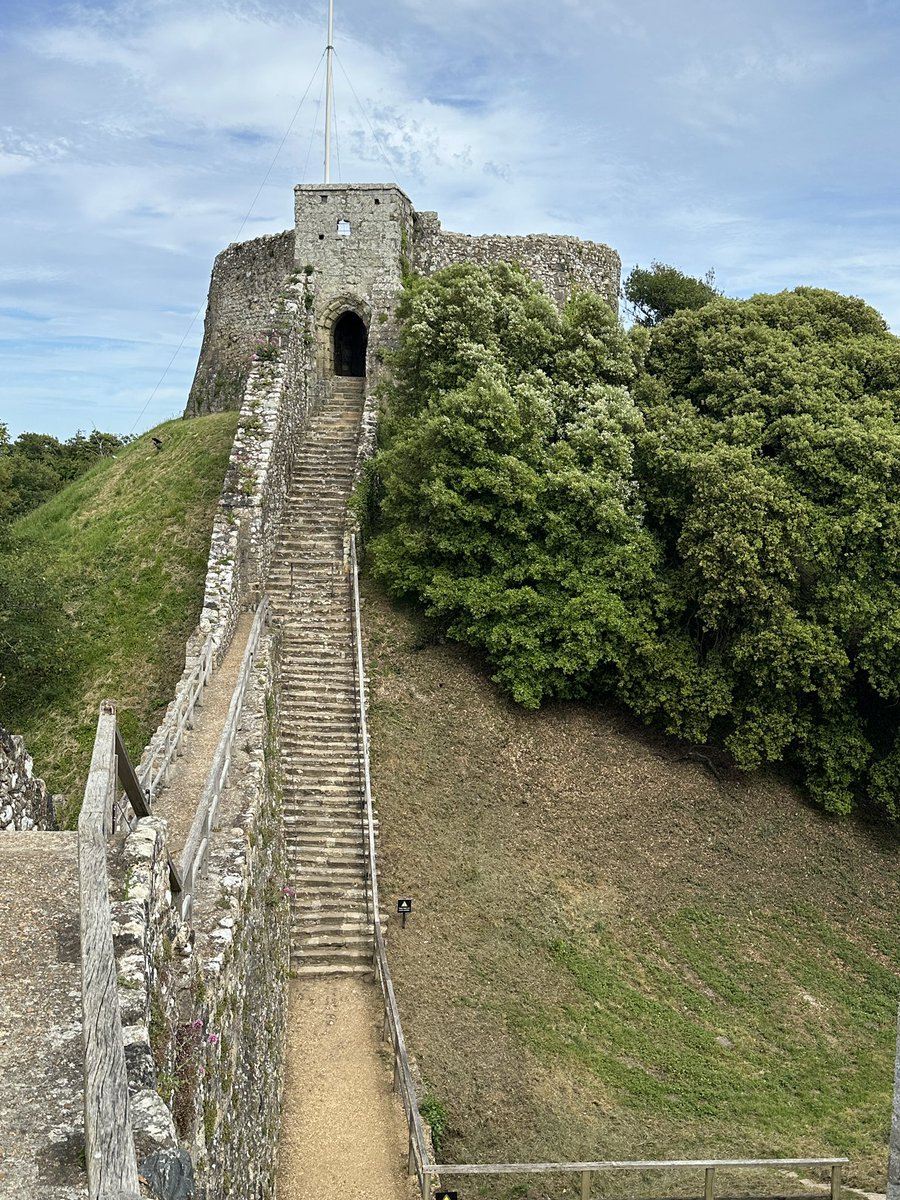
Yesterday I visited <a href="/EHCarisbrooke/">Carisbrooke Castle</a> on the Isle of Wight. The site began life in the C11th as a Saxon “burh” before being converted into a motte &amp; bailey after the Norman conquest. The remains of the Saxon stone wall can still be seen half way up the current bank
#SaxonSunday
Ali (@archaeo_ali) 's Twitter Profile Photo

Today you get more @EHCarisbrooke for #MedievalMonday. The surviving motte & bailey was probably built in the early C12th when the Isle of Wight was under the lordship of Baldwin de Redvers.

Today you get more @EHCarisbrooke for #MedievalMonday. 
The surviving motte &amp; bailey was probably built in the early C12th when the Isle of Wight was under the lordship of Baldwin de Redvers.
Ali (@archaeo_ali) 's Twitter Profile Photo

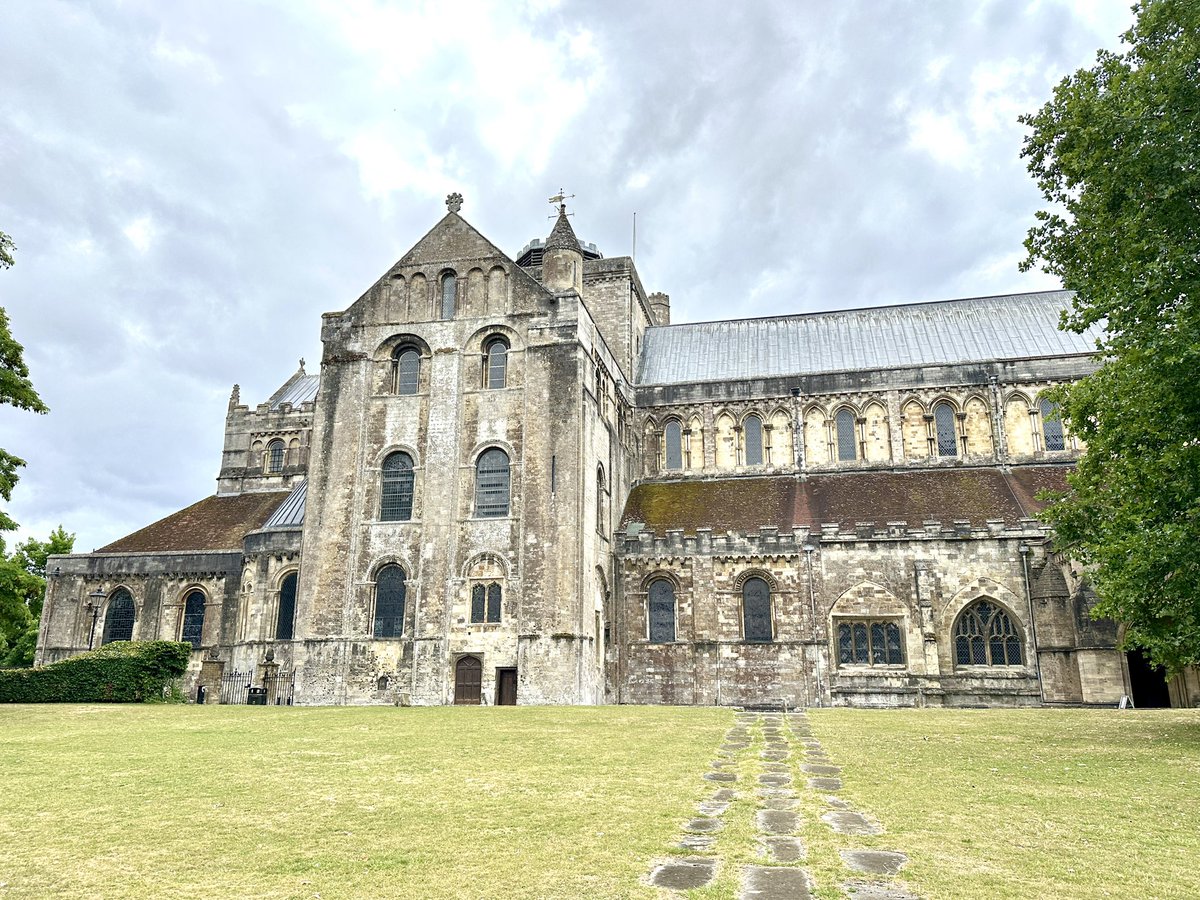
Yesterday I visited Romsey Abbey in Hampshire. More Norman windows for #WindowsonWednesday than you can shake a stick at! Beautiful! #norman #medieval #architecture #hampshire #romsey #ecclesiastical

Yesterday I visited Romsey Abbey in Hampshire. More Norman windows for #WindowsonWednesday than you can shake a stick at! Beautiful! 
#norman #medieval #architecture #hampshire #romsey #ecclesiastical
Ali (@archaeo_ali) 's Twitter Profile Photo

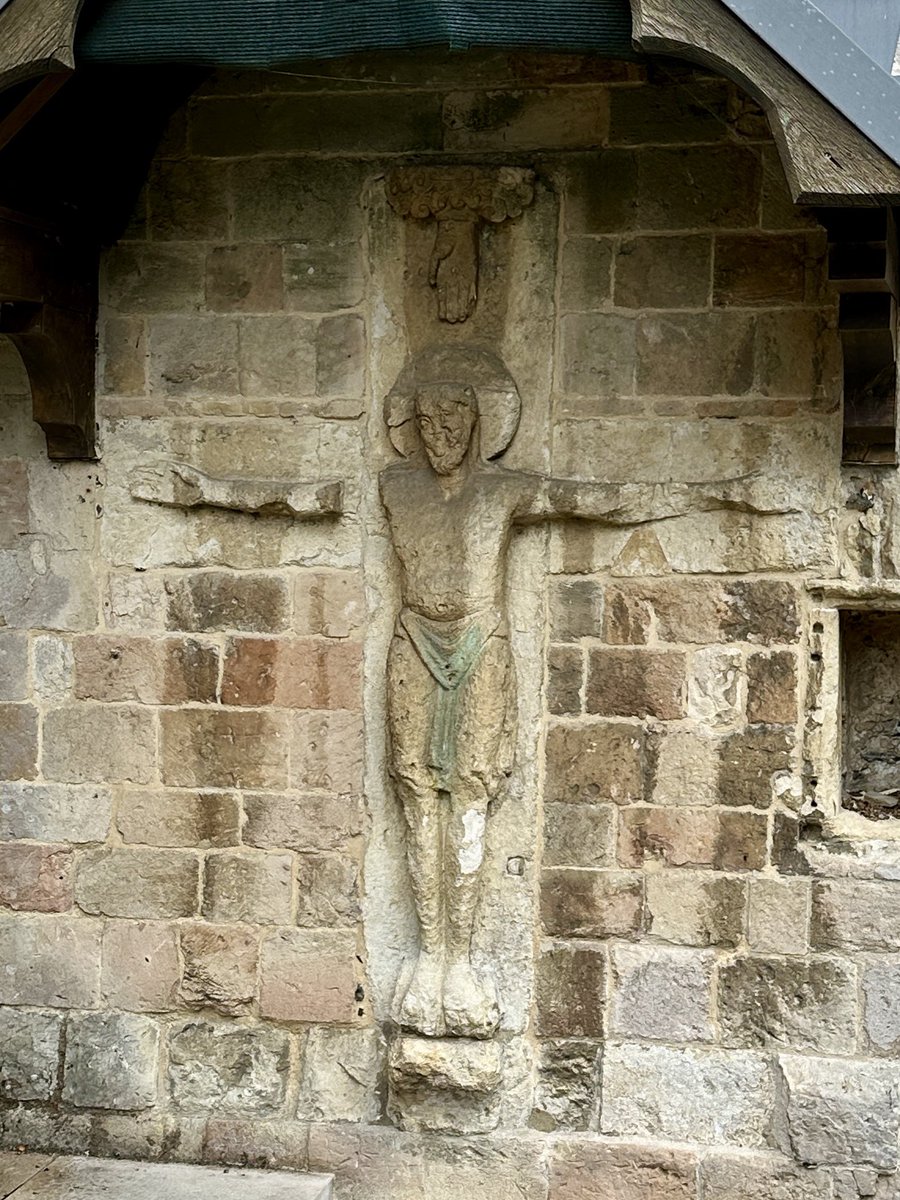
Anglo Saxon rood on the exterior west wall of the south transept of Romsey Abbey. The rood dates from the first half of the 11th century and it is thought that it was originally placed above a chancel arch. #SaxonSunday #SaxonHampshire #RomseyAbbey

Anglo Saxon rood on the exterior west wall of the south transept of Romsey Abbey. 
The rood dates from the first half of the 11th century and it is thought that it was originally placed above a chancel arch. 
#SaxonSunday #SaxonHampshire #RomseyAbbey
Ali (@archaeo_ali) 's Twitter Profile Photo

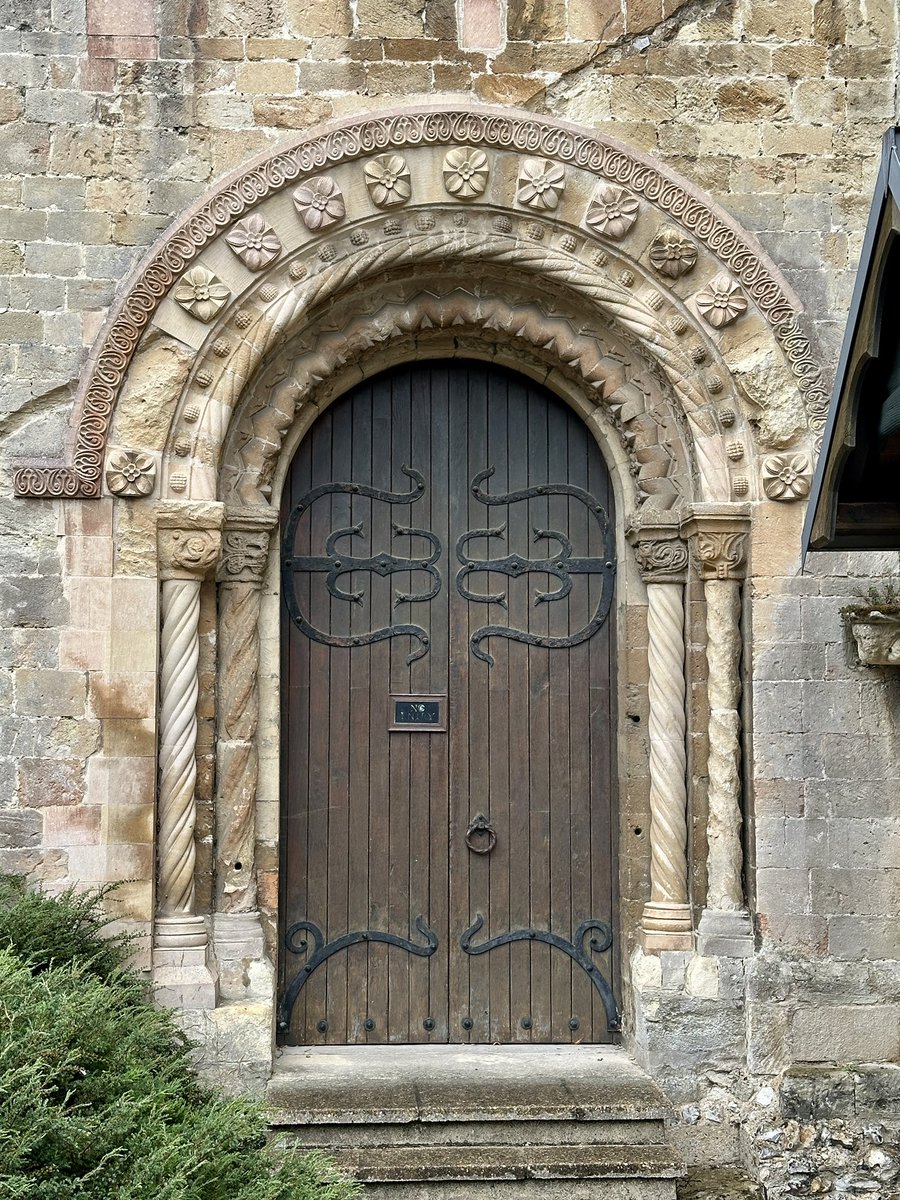
The Romanesque “Abbess’s” Doorway on the south side of the nave at Romsey Abbey. The door once opened from the cloisters into the abbey #MedievalMonday

The Romanesque “Abbess’s” Doorway on the south side of the nave at Romsey Abbey.  The door once opened from the cloisters into the abbey #MedievalMonday
Ali (@archaeo_ali) 's Twitter Profile Photo

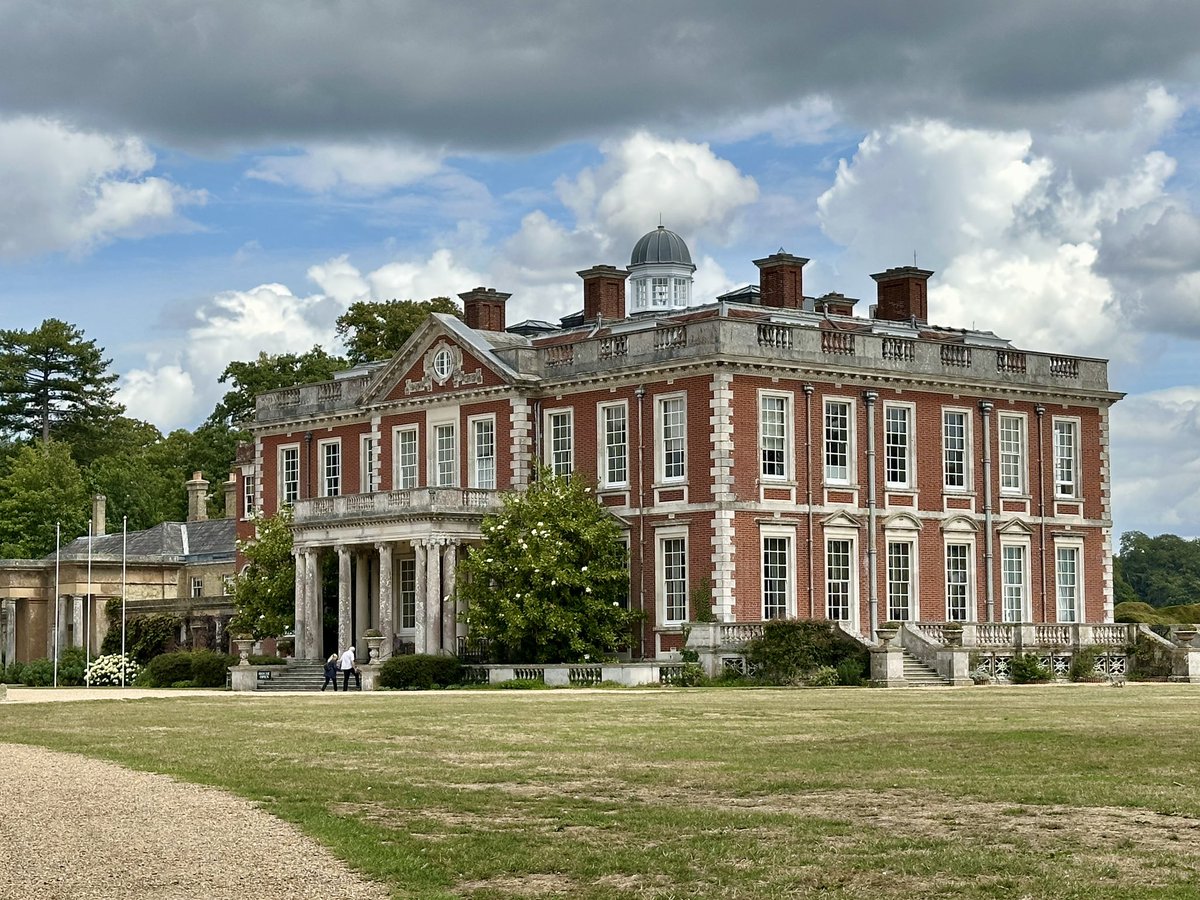
Squeezing in a #WindowsonWednesday with only 5 minutes to spare (in the UK). More windows than you could dream of at Stansted House, West Sussex. Build in the 1903 on the exact footprint of the former C17th house destroyed by fire 3 years earlier

Squeezing in a #WindowsonWednesday with only 5 minutes to spare (in the UK).
More windows than you could dream of at Stansted House, West Sussex. Build in the 1903 on the exact footprint of the former C17th house destroyed by fire 3 years earlier
Ali (@archaeo_ali) 's Twitter Profile Photo

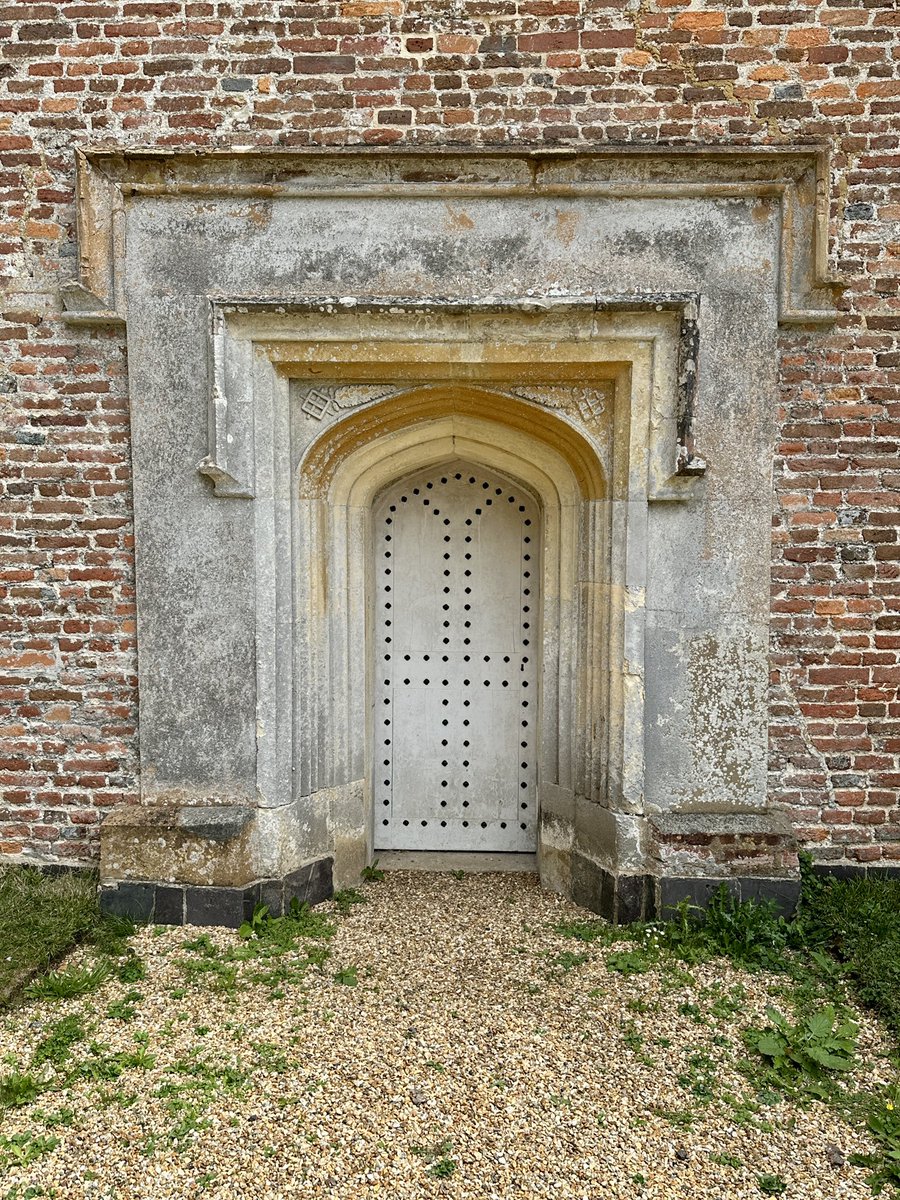
The West door of the Chapel of St Paul, Stansted Park, West Sussex - Originally part of the main Stansted House built in 1480, before being ruined in the Civil War, the building was converted into a place of worship in 1807. #adoorablethursday

The West door of the Chapel of St Paul, Stansted Park, West Sussex - Originally part of the main Stansted House built in 1480, before being ruined in the Civil War, the building was converted into a place of worship in 1807.
#adoorablethursday
Ali (@archaeo_ali) 's Twitter Profile Photo

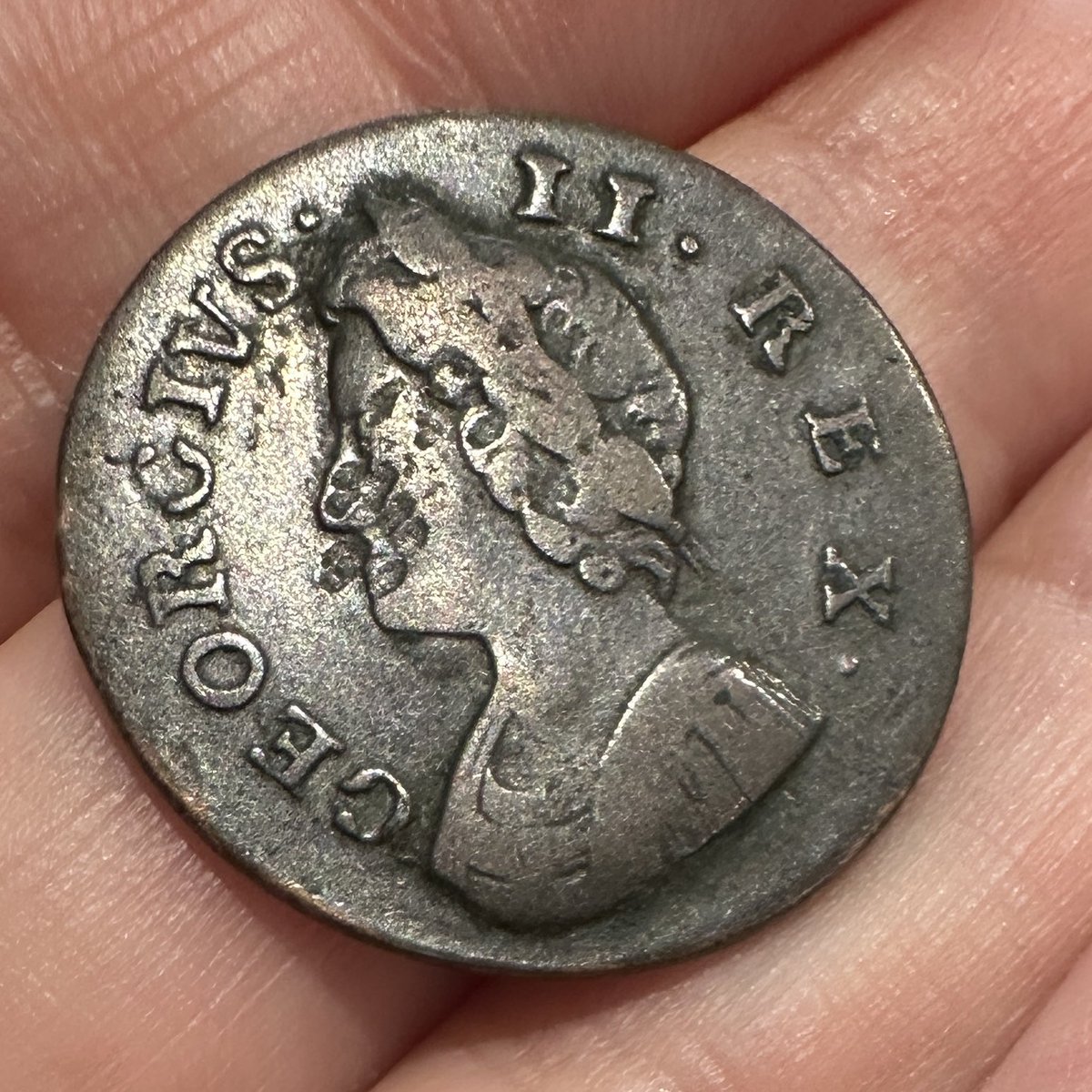
For #FindsFriday here is lovely little George II farthing dating to 1736 that I picked up at an antiques fair this week

For #FindsFriday here is lovely little George II farthing dating to 1736 that I picked up at an antiques fair this week
Ali (@archaeo_ali) 's Twitter Profile Photo

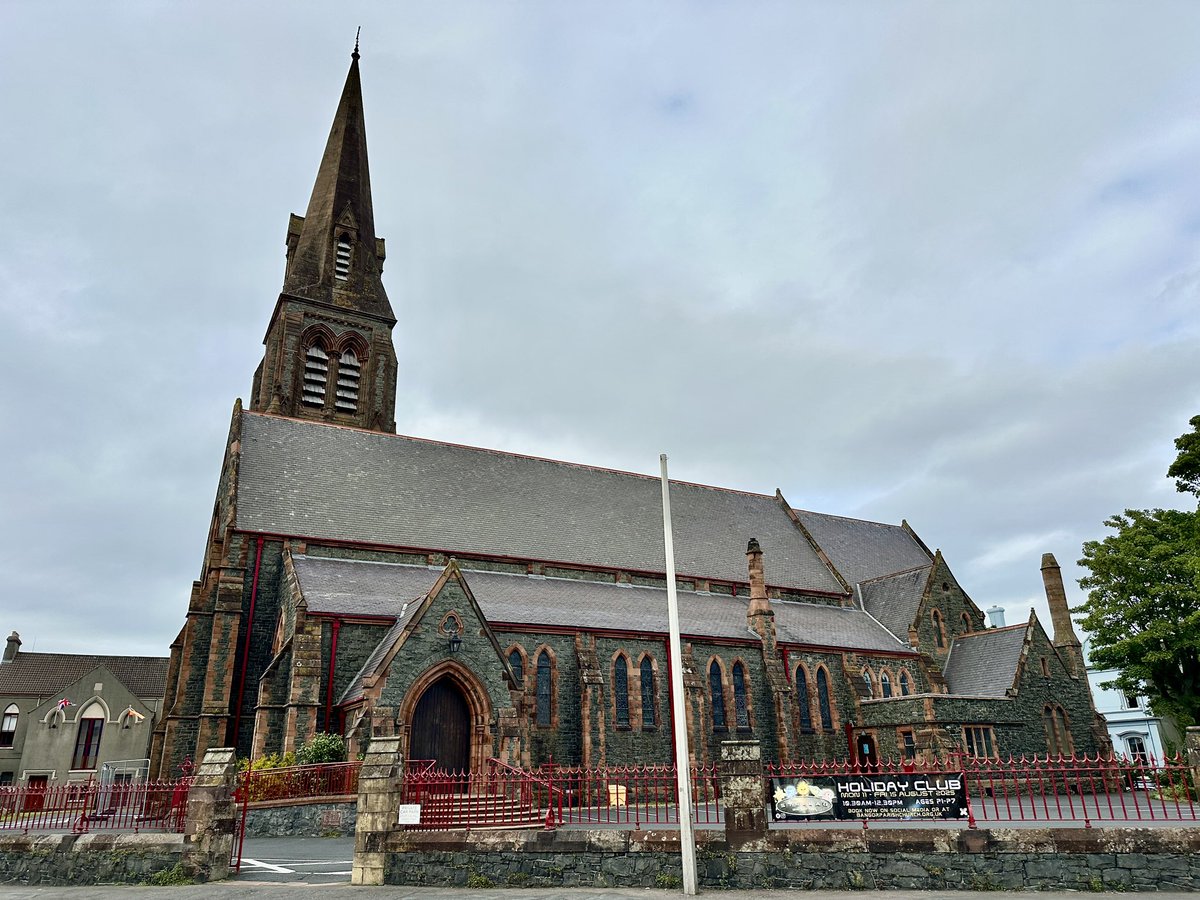
St.Comgall's parish church, Bangor (N. Ireland) was built in 1882 to replace the church at Bangor Abbey which was deemed too small for Bangor’s expanding population #SteepleSaturday

St.Comgall's parish church, Bangor (N. Ireland) was built in 1882 to replace the church at Bangor Abbey which was deemed too small for Bangor’s expanding population #SteepleSaturday
Ali (@archaeo_ali) 's Twitter Profile Photo

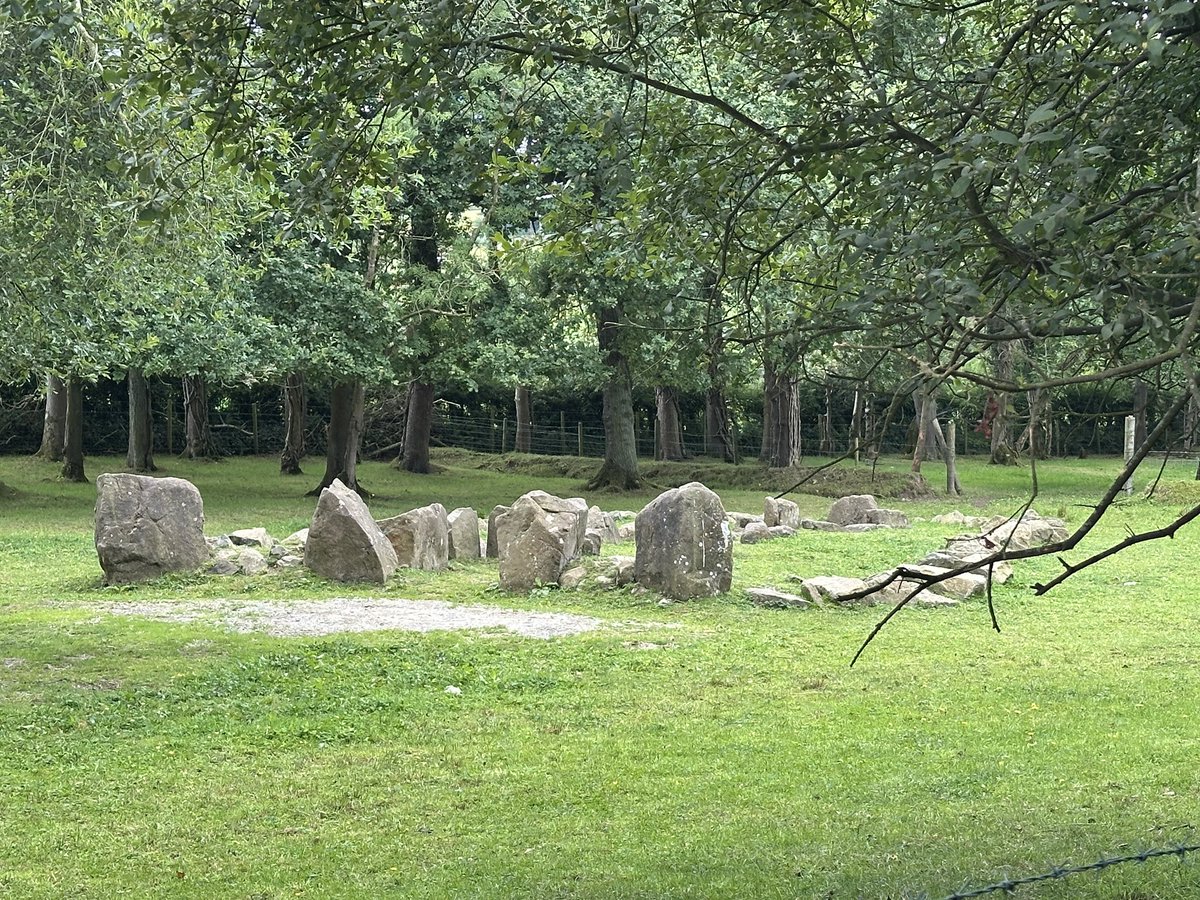
This Neolithic Court tomb from Ballintaggart County Armagh was at risk of destruction from expansion of a neighbouring quarry.  In 2006, the court tomb was dismantled and moved to the Ulster Folk Museum. #TombTuesday

This Neolithic Court tomb from Ballintaggart County Armagh was at risk of destruction from expansion of a neighbouring quarry. 
In 2006, the court tomb was dismantled and moved to the Ulster Folk Museum.
#TombTuesday
Ali (@archaeo_ali) 's Twitter Profile Photo

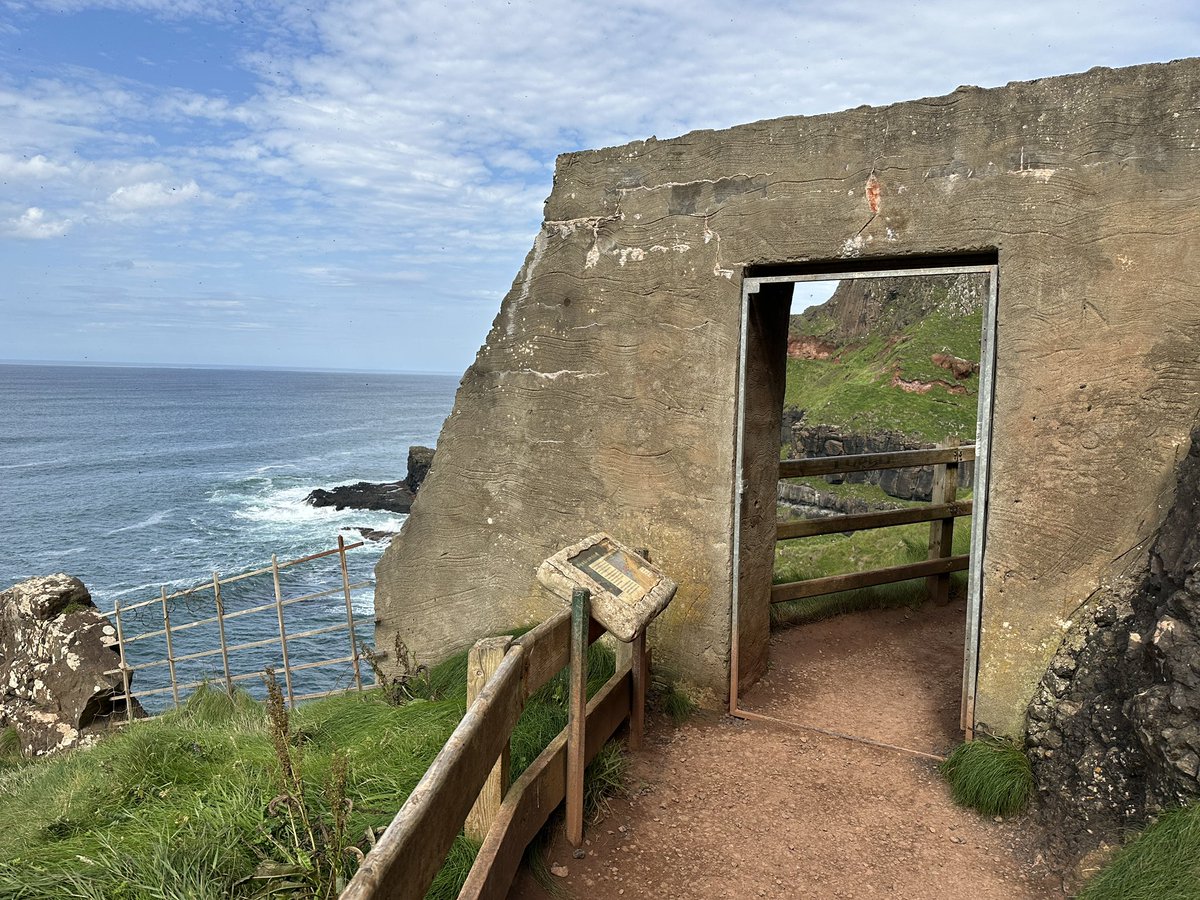
A doorway on the cliff. Causeway coastal path (nr the Giants Causeway), N. Ireland #AdoorableThursday #Thursgate #NoContextDoors

A doorway on the cliff. Causeway coastal path (nr the Giants Causeway), N. Ireland #AdoorableThursday #Thursgate #NoContextDoors
Ali (@archaeo_ali) 's Twitter Profile Photo

Bangor Abbey church - the main body of the building dates from the 1830's and 1840's but the tower is from the 15th century and the octagonal steeple dates from around 1693. #SteepleSaturday #NorthernIreland

Bangor Abbey church - the main body of the building dates from the 1830's and 1840's but the tower is from the 15th century and the octagonal steeple dates from around 1693. 
#SteepleSaturday #NorthernIreland
Ali (@archaeo_ali) 's Twitter Profile Photo

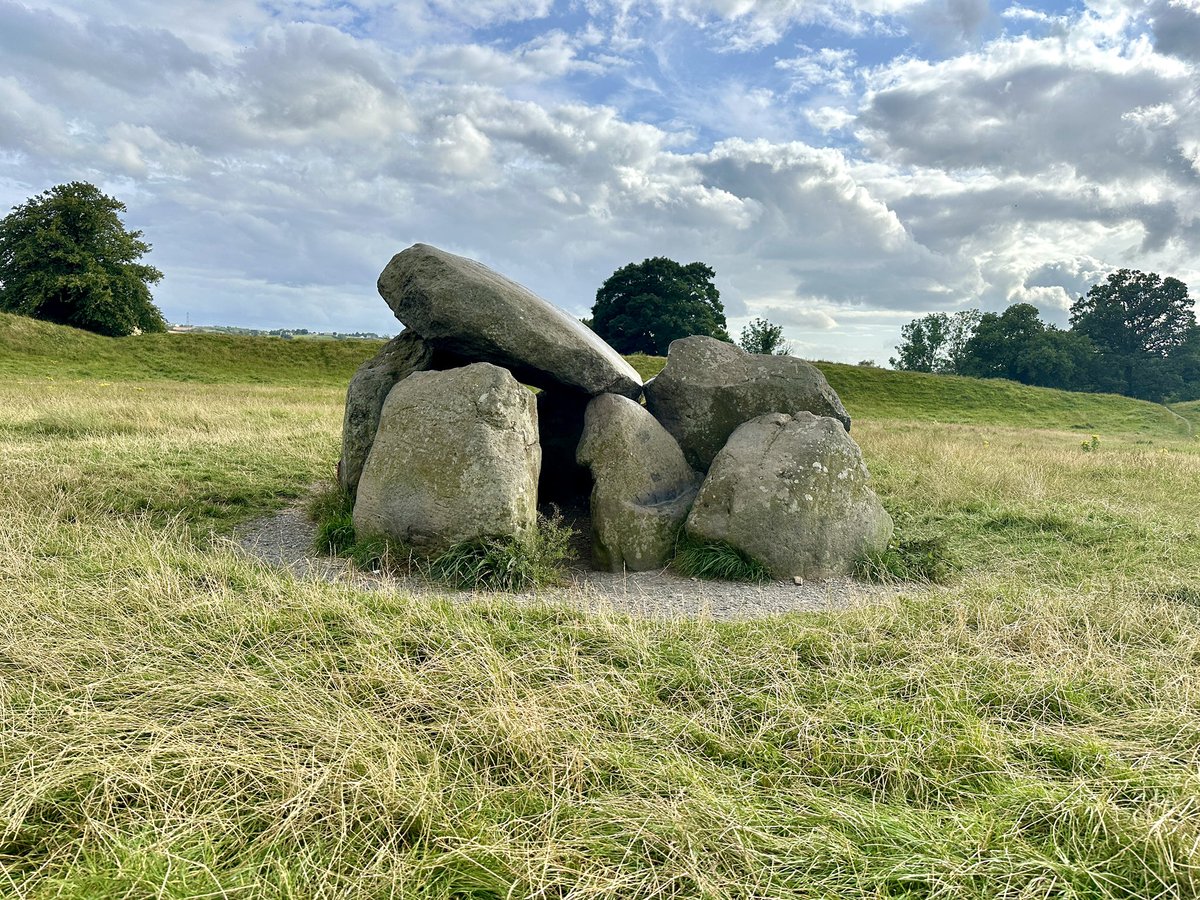
The remains of a passage grave, situated in the centre of Giant’s Ring henge in Northern Ireland. Although both Neolithic in date, it is believed the passage grave was constructed first & the henge built around it #TombTuesday

The remains of a passage grave, situated in the centre of Giant’s Ring henge in Northern Ireland. Although both Neolithic in date, it is believed the passage grave was constructed first &amp; the henge built around it #TombTuesday
Ali (@archaeo_ali) 's Twitter Profile Photo

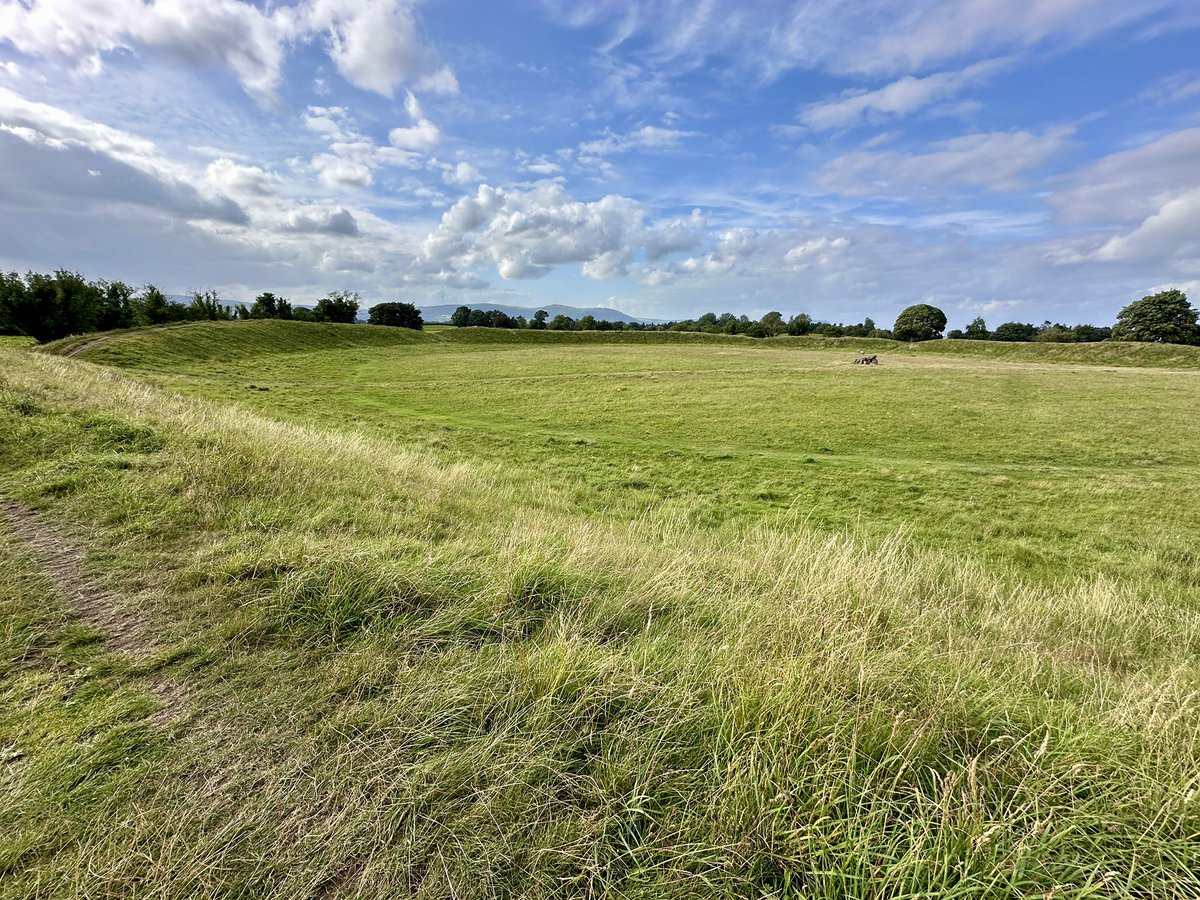
Following on from yesterday, it is only right that today’s #HengeWednesday is Giant’s Ring henge itself. Situated in Ballynahatty, Northern Ireland, this well preserved henge is 180m In diameter, enclosing an area of 6.9 acres. 3 of the 5 entrances are thought to be original

Following on from yesterday, it is only right that today’s #HengeWednesday is Giant’s Ring henge itself. Situated in Ballynahatty, Northern Ireland, this well preserved henge is 180m In diameter, enclosing an area of 6.9 acres. 3 of the 5 entrances are thought to be original
Ali (@archaeo_ali) 's Twitter Profile Photo

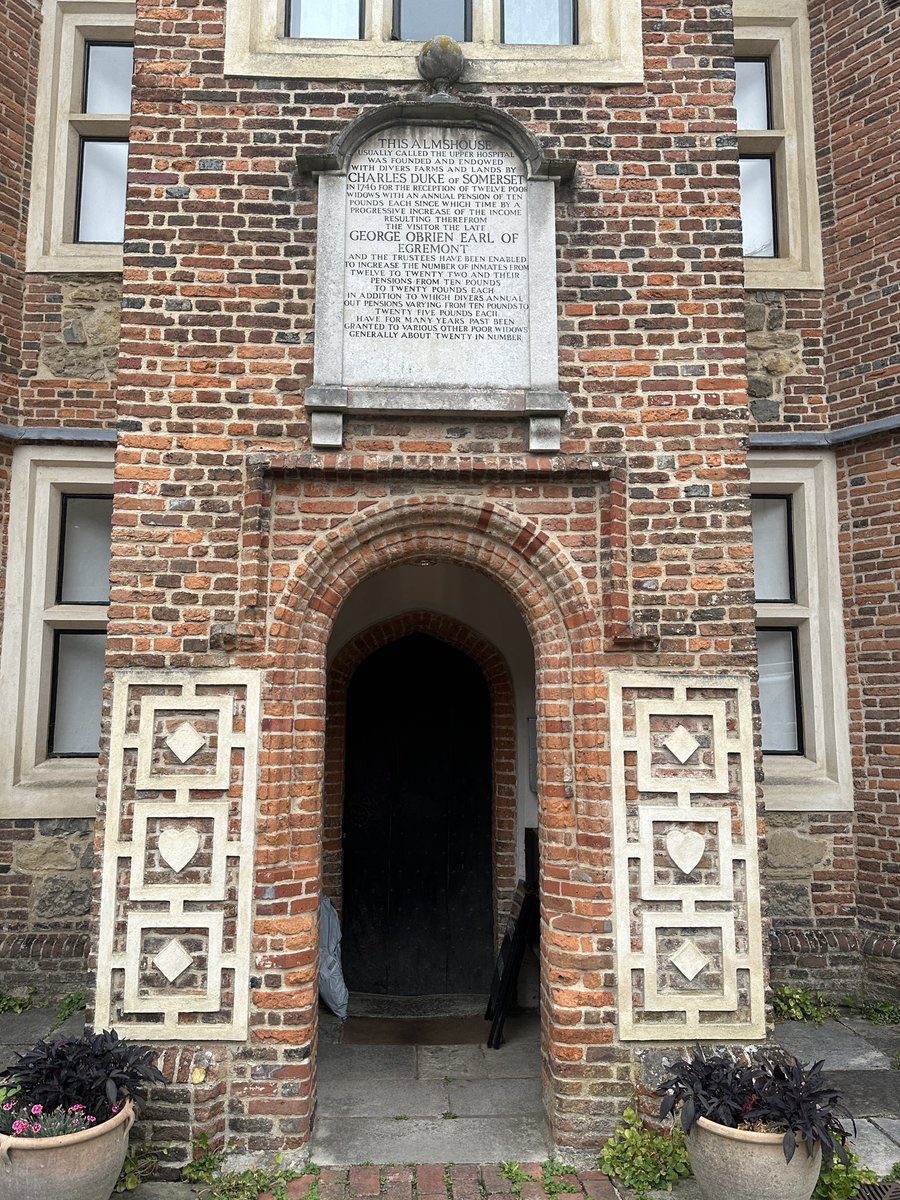
The Almshouse in Petworth (known as the Upper Hospital) opened in 1746, initially to provide housing & pension for 12 local widows. This eventually increased to 22 as a result of donations from benefactors #AdoorableThursday

The Almshouse in Petworth (known as the Upper Hospital) opened in 1746, initially to provide housing &amp; pension for 12 local widows. This eventually increased to 22 as a result of donations from benefactors #AdoorableThursday
Ali (@archaeo_ali) 's Twitter Profile Photo

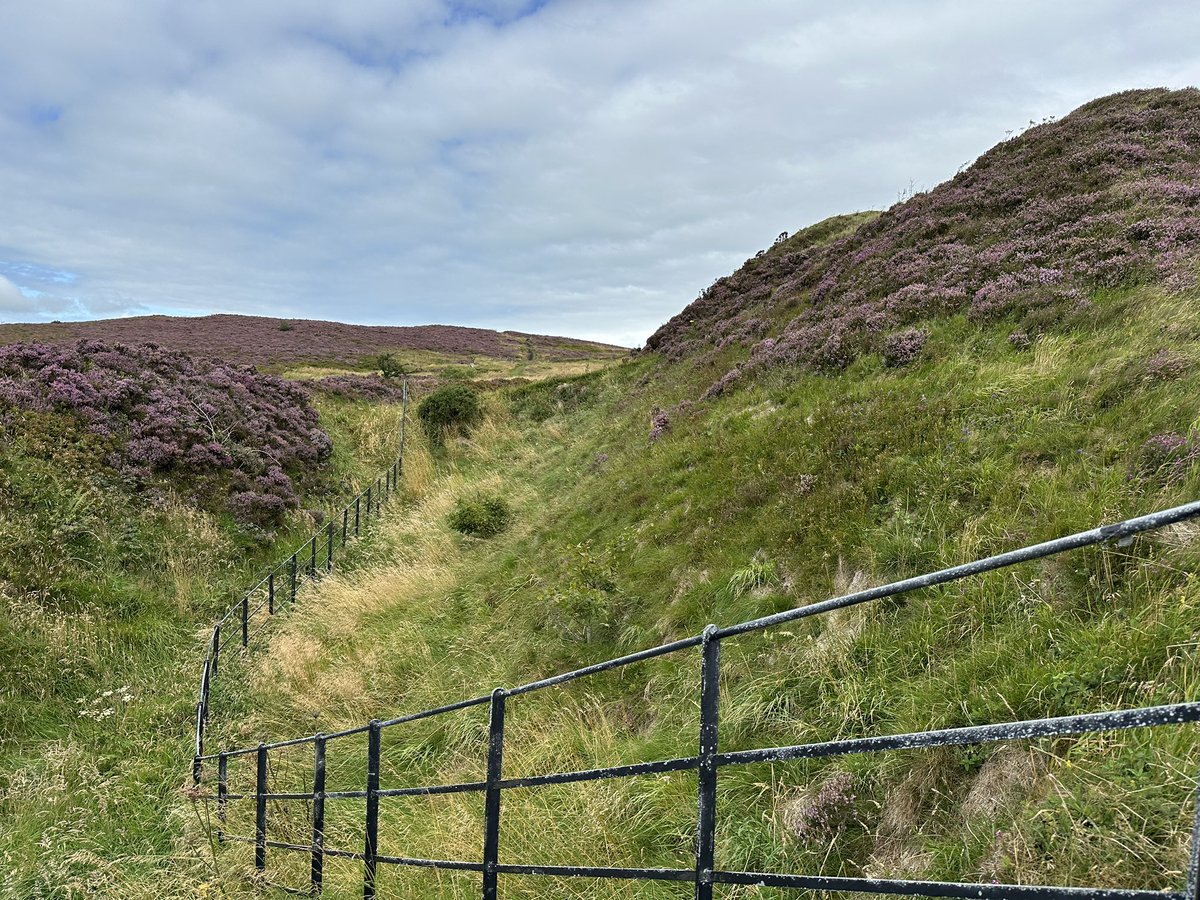
McArt’s Fort, Belfast. Standing 368m above see level, this promontory fort (or ráth) is defended on the landward side by a deep ditch and on its other two sides by precipitous cliffs. While it is assumed to be Iron Age, very little investigation of the site has taken place

McArt’s Fort, Belfast. Standing 368m above see level, this promontory fort (or ráth) is defended on the landward side by a deep ditch and on its other two sides by precipitous cliffs. While it is assumed to be Iron Age, very little investigation of the site has taken place
Ali (@archaeo_ali) 's Twitter Profile Photo

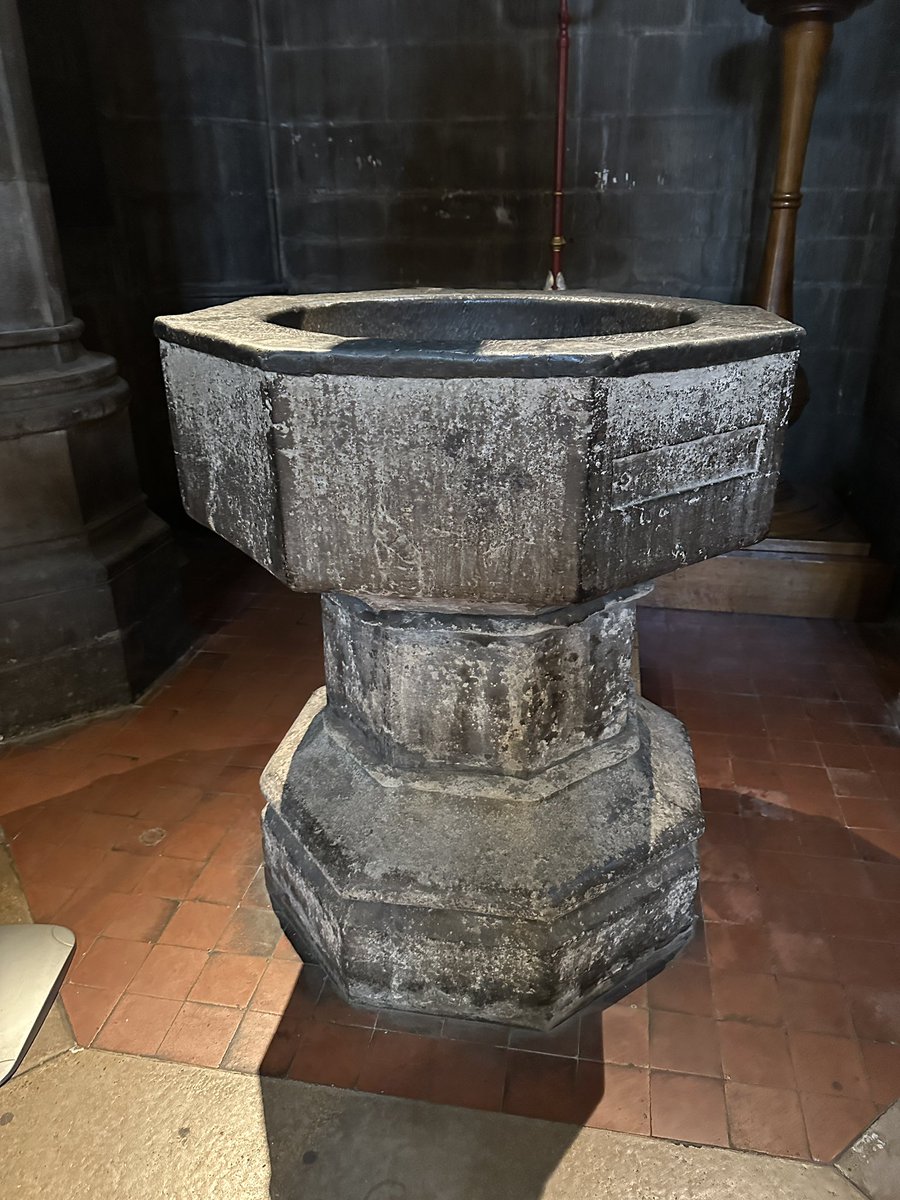
The font in St Bartholomew the Great church in the City of London dates from 1405. It is believed to be one of only two pre-Reformation fonts in London. The painter William Hogarth was baptised here in 1697. #FontsOnFriday #CityofLondon

The font in St Bartholomew the Great church in the City of London dates from 1405. It is believed to be one of only two pre-Reformation fonts in London. The painter William Hogarth was baptised here in 1697. #FontsOnFriday #CityofLondon