Emma K. Grigg, PhD, CAAB (@emmakgrigg1) 's Twitter Profile
Emma K. Grigg, PhD, CAAB

@emmakgrigg1

Researcher, writer, lecturer in companion animal behavior, cognition, and human animal bond (aka animal behavior nerd) at UC Davis Vet Med; she/her

ID: 1241073311825588224

linkhttp://emmakgrigg.com calendar_today20-03-2020 18:45:29

2,2K Tweet

853 Followers

588 Following

Dogs Trust's Canine Behaviour & Research Teams 💛 (@dtscholars) 's Twitter Profile Photo

📢 Looking for some #WednesdayWisdom? 'Cry wolf: a major misunderstanding about dog behaviour' was recently published in The Veterinary Nurse by Dogs Trust's Canine Behaviour & Research Teams 💛' Tamsin Durston 🤩 Check it out 👇 theveterinarynurse.com/review/article…


📢 Looking for some #WednesdayWisdom? 

'Cry wolf: a major misunderstanding about dog behaviour' was recently published in <a href="/TheVetNurseJnl/">The Veterinary Nurse</a> by <a href="/DTScholars/">Dogs Trust's Canine Behaviour & Research Teams 💛</a>' Tamsin Durston 🤩 Check it out 👇

theveterinarynurse.com/review/article…

Patrick Dexter (@patrickdextervc) 's Twitter Profile Photo

Amazing Grace. Sending thoughts and prayers across the Atlantic today from the west coast of Ireland on this important day for America🇺🇸

Emma K. Grigg, PhD, CAAB (@emmakgrigg1) 's Twitter Profile Photo

❤️ “We tend to define dog misbehavior as those things they do that we simply do not like, regardless of whether the dog is equipped to understand or appreciate the rules they are breaking. Your dog’s “misbehavior” is telling you one thing, and it’s not that they’re bad dogs.”

Emily Bray (@dremilybray) 's Twitter Profile Photo

1/7 Early experiences that puppies share with their mothers can impact their lives for years! In a 4.5-yr study w/ Canine Companions® & University of Arizona, we explored mothering effects on behavior and life outcomes in dogs from 59 litters, testing 235 as puppies + 189 as adults. #AnimBehav2023

PetCenterEd (@petcentered) 's Twitter Profile Photo

"One thing Benjamin studiously avoids: scented litter. Cats have a strong sense of smell and might find the scent objectionable. Plus, as Benjamin wisely points out: “Masking the odor isn’t really taking care of it.” washingtonpost.com/home/2022/11/1…

Emma K. Grigg, PhD, CAAB (@emmakgrigg1) 's Twitter Profile Photo

I talked to Popular Science about distinguishing positive from negative interactions in companion cats, with Dr Mikel Delgado, PhD. Cat Behavior Consultant! - Fun or feud? These are the tell-tail signs that a catfight has gone sour. popsci.com/environment/ca…


UAZ College of Veterinary Medicine (@uazvetmed) 's Twitter Profile Photo

We are excited to share that our Human-Animal Interaction research house is up and running! We look forward to benefiting from the incredible research generated by our incredible team. #research ohairelab

We are excited to share that our Human-Animal Interaction research house is up and running! We look forward to benefiting from the incredible research generated by our incredible team. #research <a href="/OHAIRElab/">ohairelab</a>
UCD Animal Behavior and Cognition Lab (@animalmindsucd) 's Twitter Profile Photo

What is #animalcognition ? 🧵 One common misconception is that #cognition is the same as intelligence, but they are NOT equivalent! Intelligence is an arbitrary term, as it is not possible to evaluate one species as 'smarter' than another. (1/4)

What is #animalcognition ? 🧵 One common misconception is that #cognition is the same as intelligence, but they are NOT equivalent! Intelligence is an arbitrary term, as it is not possible to evaluate one species as 'smarter' than another. (1/4)
The Intercept (@theintercept) 's Twitter Profile Photo

For more than a quarter century, biologist Doug Smith led one of the most historic and controversial government conservation initiatives of all time. He shares critical observations on the way wolves are seen, managed, and killed in the Northern Rockies. interc.pt/41zLtz6

Hal Herzog (@herzoghal) 's Twitter Profile Photo

Some of the classic research on animal behavior is based on studies now considered horrendous (think Pavlov, Harlow, Seligman). This new paper looks at the paradox, the problem, and possible solutions. onlinelibrary.wiley.com/doi/10.1111/br… Holly Root-Gutteridge @ShellyVPhD Alexandra Horowitz
Emma K. Grigg, PhD, CAAB (@emmakgrigg1) 's Twitter Profile Photo

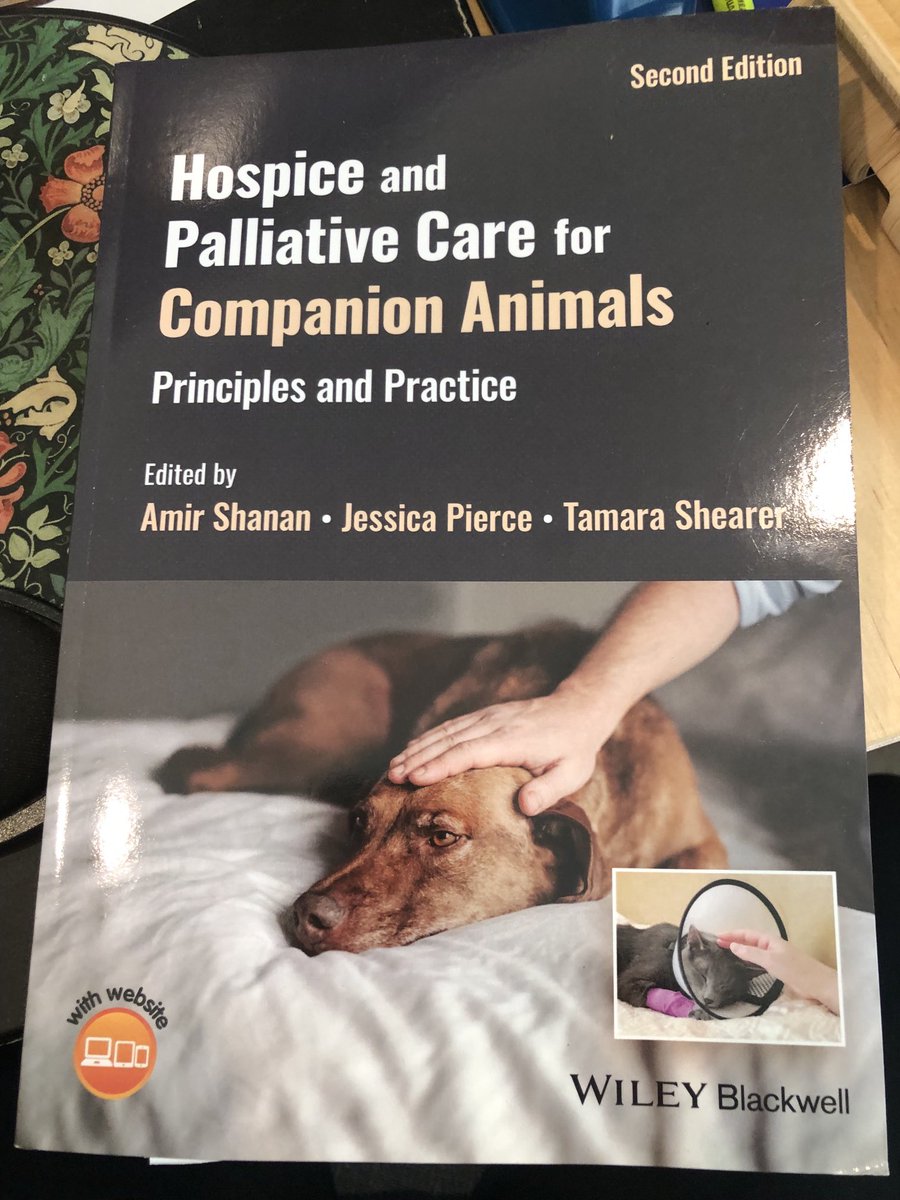
So important - human companions of ‘dogs with issues’, don’t forget to take care of yourself, too. We know it can be really tough, and we’re with you.