Egypt Museum (@egyptomuseum) 's Twitter Profile
Egypt Museum

@egyptomuseum

Ancient Egypt art culture and history

ID: 1662014693320302593

linkhttp://bit.ly/egypt-museum calendar_today26-05-2023 08:36:18

4,4K Tweet

7,7K Takipçi

144 Takip Edilen
Egypt Museum (@egyptomuseum) 's Twitter Profile Photo

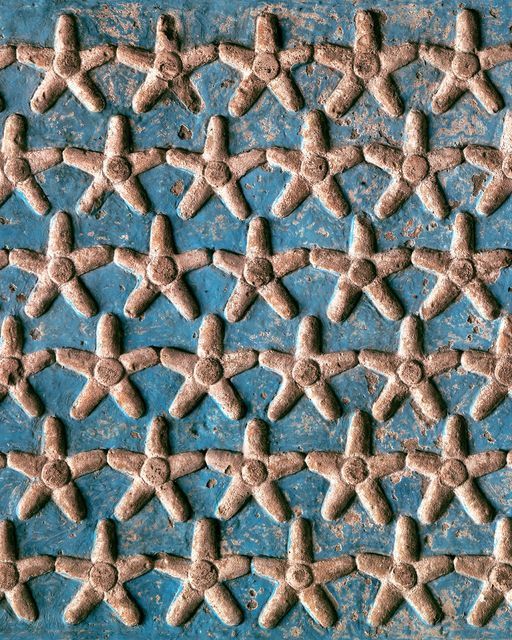
Starry ceiling of the Temple of Hathor at Dendera. The Temple of Hathor is the dominant structure in the Dendera Temple complex. It is apparent that, like other Temple Complexes in Egypt, the temples at Dendera were constantly under construction. Evidence suggests, work at

Starry ceiling of the Temple of Hathor at Dendera.

The Temple of Hathor is the dominant structure in the Dendera Temple complex. It is apparent that, like other Temple Complexes in Egypt, the temples at Dendera were constantly under construction. Evidence suggests, work at
Egypt Museum (@egyptomuseum) 's Twitter Profile Photo

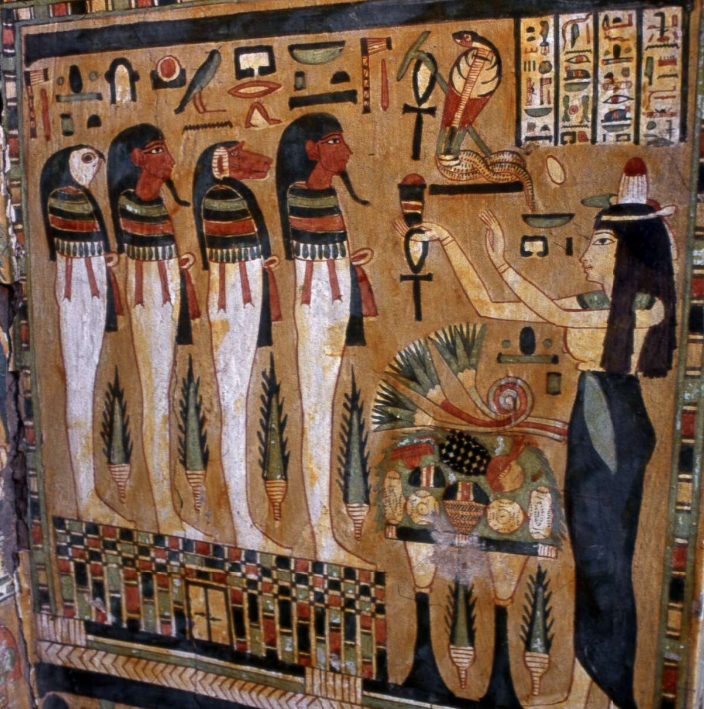
Detail of the coffin of Amenemipet, c. 950-900 B.C. From Deir el-Bahari. Now at the British Museum. EA22941 ▫ In this scene, a woman wearing a perfume cone (possibly a relative of Amenemipet) is seen offering tribute before the uraeus who delivers life through an ankh. The

Detail of the coffin of Amenemipet, c. 950-900 B.C.

From Deir el-Bahari. Now at the British Museum. EA22941

▫ In this scene, a woman wearing a perfume cone (possibly a relative of Amenemipet) is seen offering tribute before the uraeus who delivers life through an ankh.

The
Egypt Museum (@egyptomuseum) 's Twitter Profile Photo

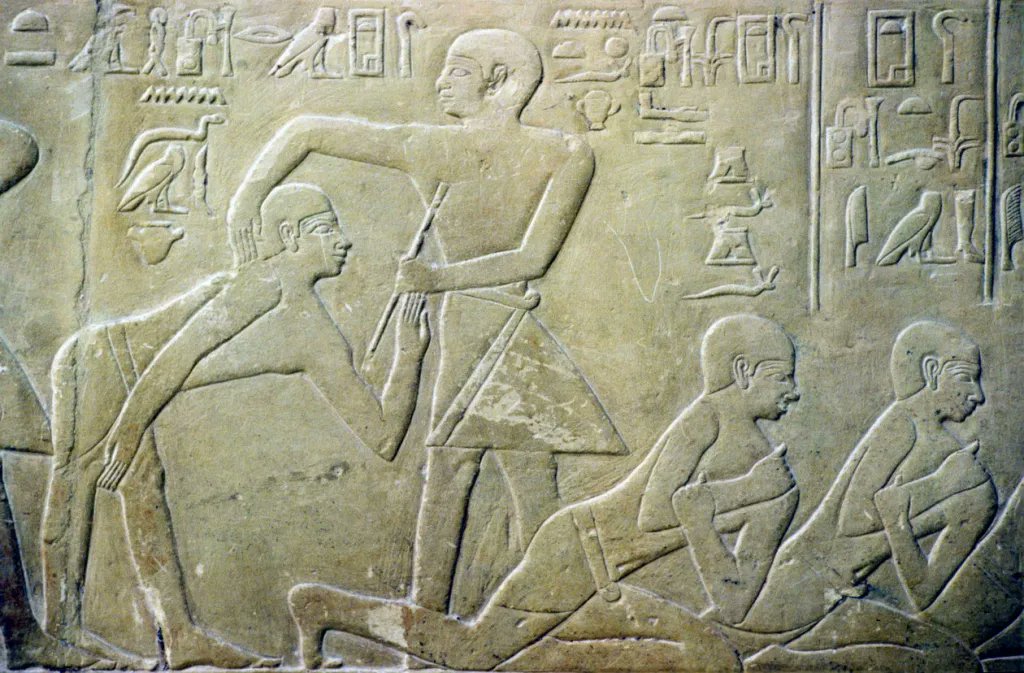
Village elders compelled to confess discrepancies in their Tax Declarations before the Scribes Old Kingdom, 6th Dynasty, reign of Teti, c. 2323-2291 B.C. Tomb of Mereruka, Saqqara Necropolis ▫️Punishment for tax debt in Ancient Egypt was a public spectacle of shame and

Village elders compelled to confess discrepancies in their Tax Declarations before the Scribes

Old Kingdom, 6th Dynasty, reign of Teti, c. 2323-2291 B.C.

Tomb of Mereruka, Saqqara Necropolis

▫️Punishment for tax debt in Ancient Egypt was a public spectacle of shame and
Egypt Museum (@egyptomuseum) 's Twitter Profile Photo

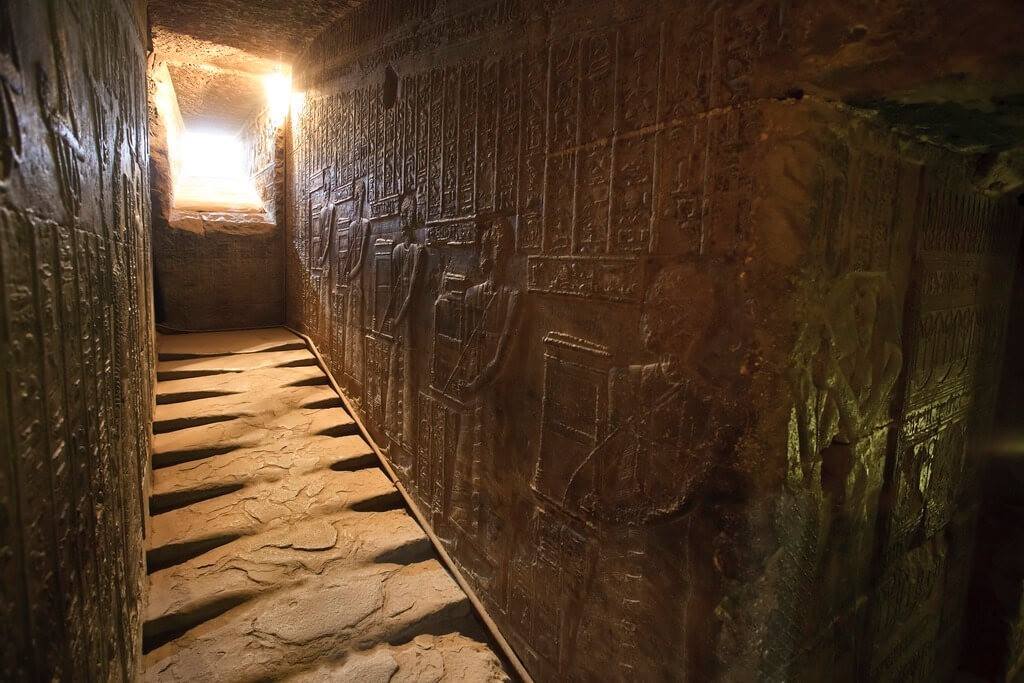
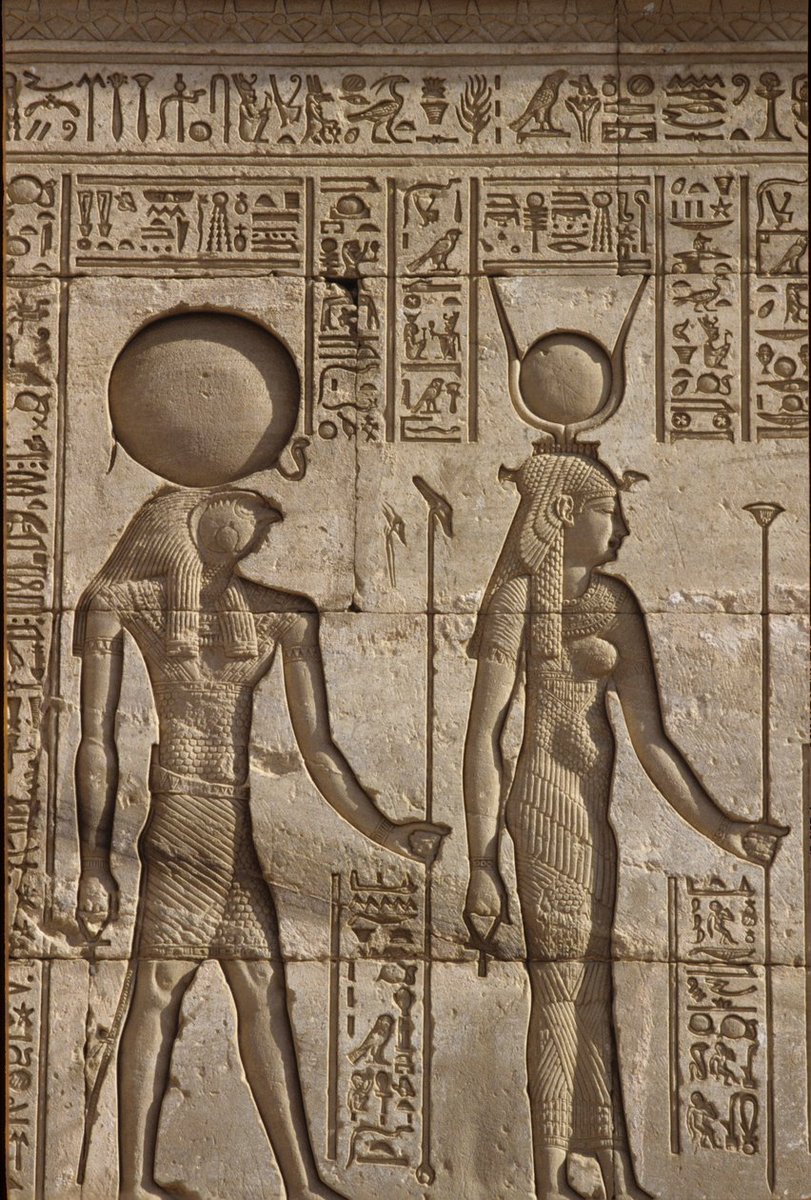
Ra-Horakhty and Hathor, depicted at the Temple of Hathor at Dendera, c. 54 B.C. – 100 A.D. “Ra-Horakhty, great god, lord of the sky, who gives life” & “Hathor, great one, lady of Dendera, eye of Ra, queen of the gods”. egypt-museum.com/the-dendera-zo…

Ra-Horakhty and Hathor, depicted at the Temple of Hathor at Dendera, c. 54 B.C. – 100 A.D.

“Ra-Horakhty, great god, lord of the sky, who gives life” & “Hathor, great one, lady of Dendera, eye of Ra, queen of the gods”.

egypt-museum.com/the-dendera-zo…
Egypt Museum (@egyptomuseum) 's Twitter Profile Photo

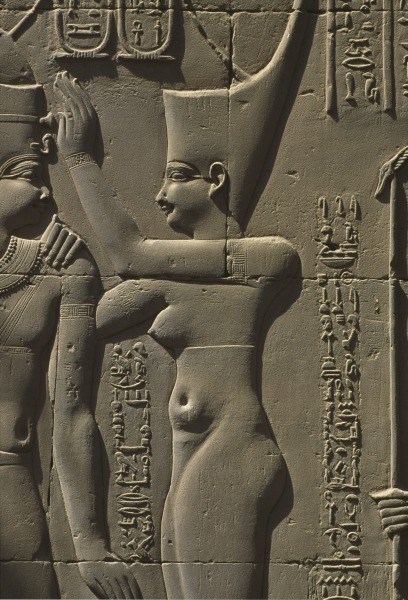
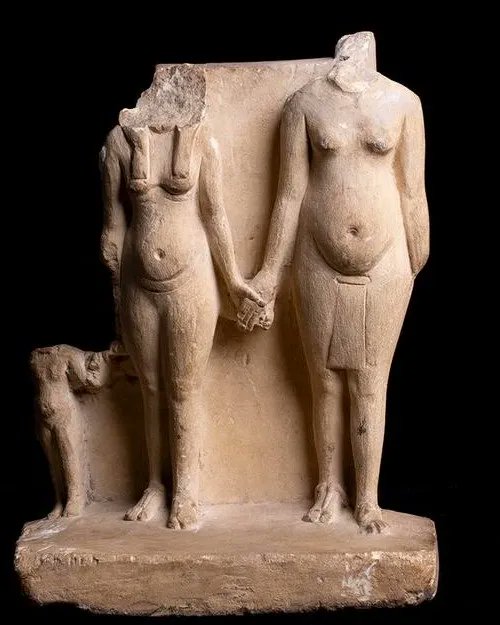
“... As my heart is sweetened Over the king's wife, over her children, That old age be granted to the great king's wife Neferneferuaten Nefertiti granted life eternally, In this million years, While she is under the hand of Pharaoh, May he live, prosper and be well, And old age

“... As my heart is sweetened
Over the king's wife, over her children,
That old age be granted to the great king's wife
Neferneferuaten Nefertiti granted life eternally,
In this million years,
While she is under the hand of Pharaoh, 
May he live, prosper and be well,
And old age
Egypt Museum (@egyptomuseum) 's Twitter Profile Photo

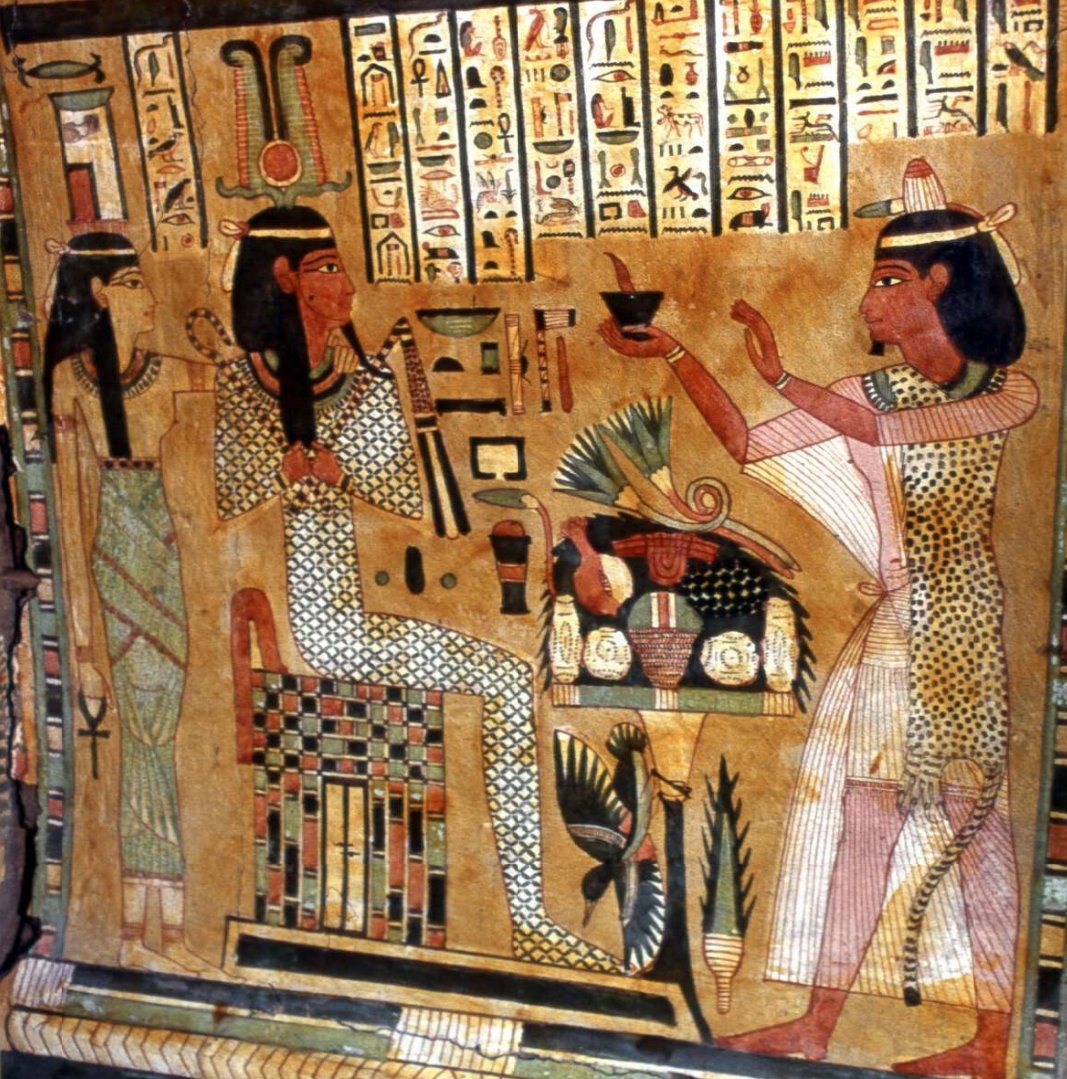
Osiride Amenemipet, c. 950-900 B.C. ▫️In this scene, we witness the deceased resurrected in his Osiride form. Behind him (far left) stands Nephthys, recognisable from the basket-and-house hieroglyph (Nebet-Het: “Lady of the Mansion”) that sits upon her head. Her protective arm

Osiride Amenemipet, c. 950-900 B.C.

▫️In this scene, we witness the deceased resurrected in his Osiride form. Behind him (far left) stands Nephthys, recognisable from the basket-and-house hieroglyph (Nebet-Het: “Lady of the Mansion”) that sits upon her head. Her protective arm
Egypt Museum (@egyptomuseum) 's Twitter Profile Photo

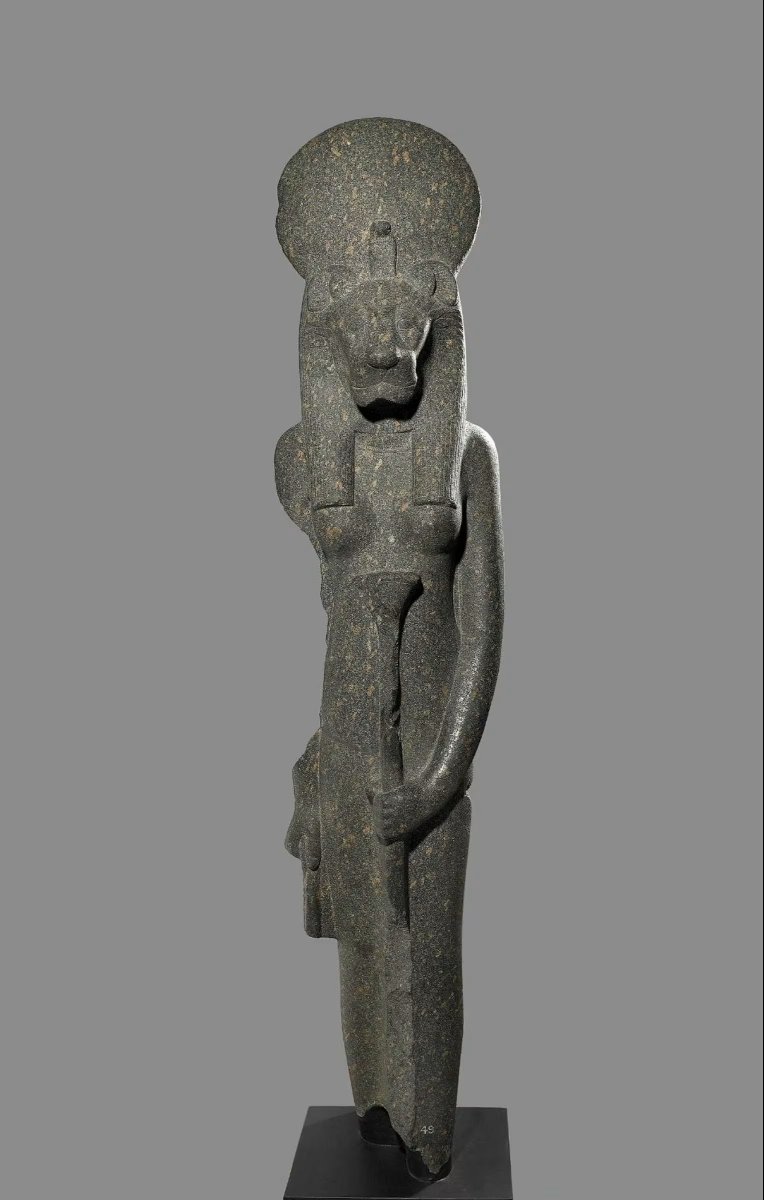
Granite statue of the warrior goddess Sekhmet, wearing sun-disc and holding a lotus-sceptre, lower section and part of right arm damaged. New Kingdom, 18th Dynasty, ca. 1550-1292 BC. From Thebes. Now in the British Museum. EA49

Granite statue of the warrior goddess Sekhmet, wearing sun-disc and holding a lotus-sceptre, lower section and part of right arm damaged.

New Kingdom, 18th Dynasty, ca. 1550-1292 BC.
From Thebes. Now in the British Museum. EA49
Egypt Museum (@egyptomuseum) 's Twitter Profile Photo

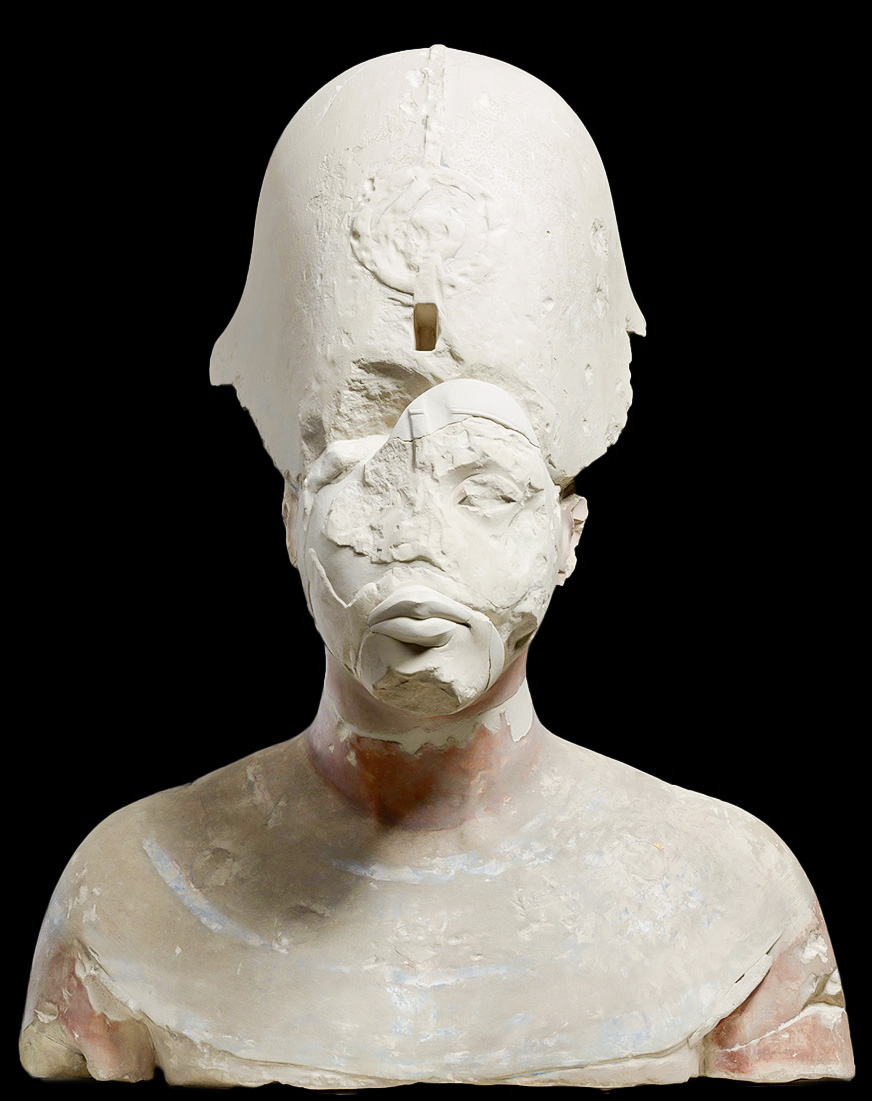
Bust of king Akhenaten (painted limestone with traces of gilding), c. 1351–1334 B.C. From Amarna, House P 47.2 (Workshop of Thutmose) Neues Museum, Berlin. ÄM 21360 ▫️While looking at this bust of Akhenaten, one's mind goes straight to thinking of the bust of Akhenaten's

Bust of king Akhenaten (painted limestone with traces of gilding),  c. 1351–1334 B.C.

From Amarna, House P 47.2 (Workshop of Thutmose)

Neues Museum, Berlin. ÄM 21360

▫️While looking at this bust of Akhenaten, one's mind goes straight to thinking of the bust of Akhenaten's
Egypt Museum (@egyptomuseum) 's Twitter Profile Photo

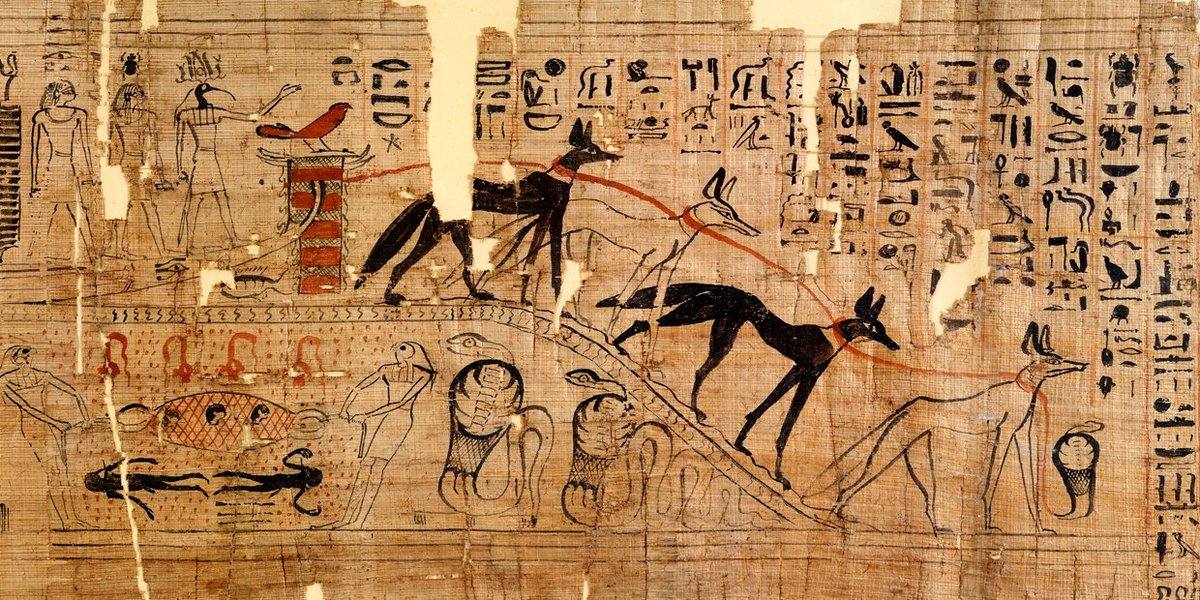
Vignette from the funerary papyrus of the scribe Djehutymes In ancient Egypt, jackals and dogs were very common in the land between desert and urban areas, so they were associated with the world of necropolis and the dead. Specifically, their wandering among the tombs was

Vignette from the funerary papyrus of the scribe Djehutymes

In ancient Egypt, jackals and dogs were very common in the land between desert and urban areas, so they were associated with the world of necropolis and the dead. Specifically, their wandering among the tombs was
Egypt Museum (@egyptomuseum) 's Twitter Profile Photo

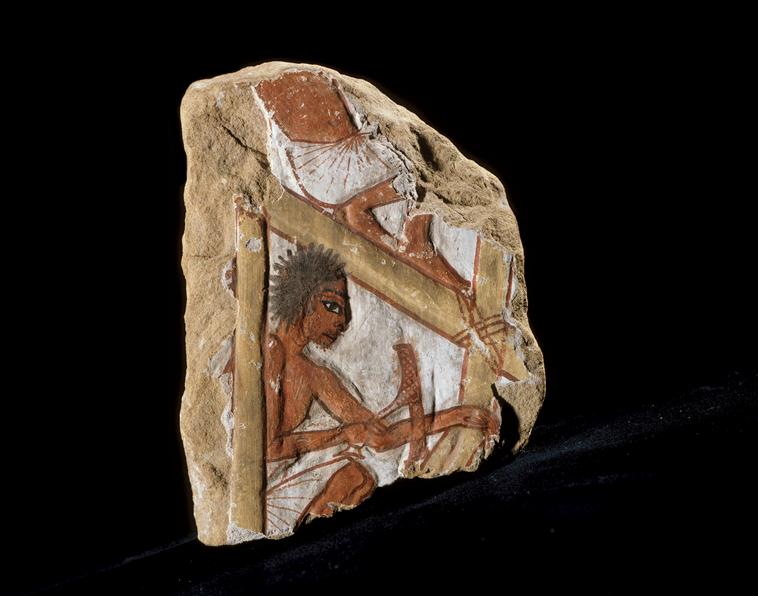
A carpenter at work on a scaffolding The image depicts a carpenter sitting on a piece of scaffolding or a workbench, using an adze (a tool similar to an axe) to shape wood. Unlike the more common representations of gods, kings, or idealized figures in ancient Egyptian art, this

A carpenter at work on a scaffolding

The image depicts a carpenter sitting on a piece of scaffolding or a workbench, using an adze (a tool similar to an axe) to shape wood. Unlike the more common representations of gods, kings, or idealized figures in ancient Egyptian art, this
Egypt Museum (@egyptomuseum) 's Twitter Profile Photo

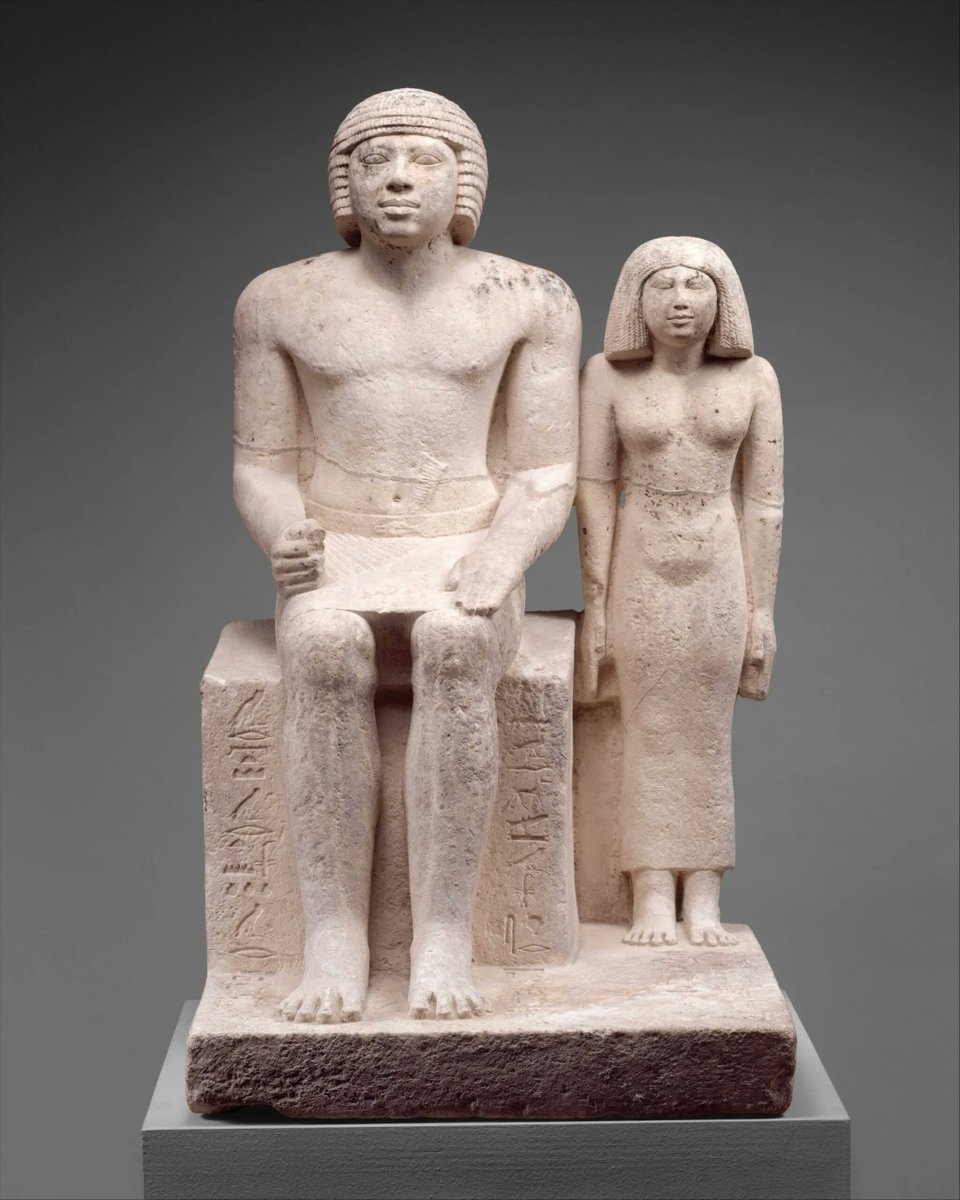
Limestone statue of Demedji and his wife, Hennutsen Old Kingdom, 5th Dynasty, reign of Neferirkare or earlier, c. 2465–2438 B.C. From either Memphite Region, Giza or Saqqara. Now at the Met Museum via the Rogers Fund, 1951. 51.37 ▫ Demedji was an Official during Egypt’s Old

Limestone statue of Demedji and his wife, Hennutsen

Old Kingdom, 5th Dynasty, reign of Neferirkare or earlier, c. 2465–2438 B.C.

From either Memphite Region, Giza or Saqqara.

Now at the Met Museum via the Rogers Fund, 1951. 51.37

▫ Demedji was an Official during Egypt’s Old
Egypt Museum (@egyptomuseum) 's Twitter Profile Photo

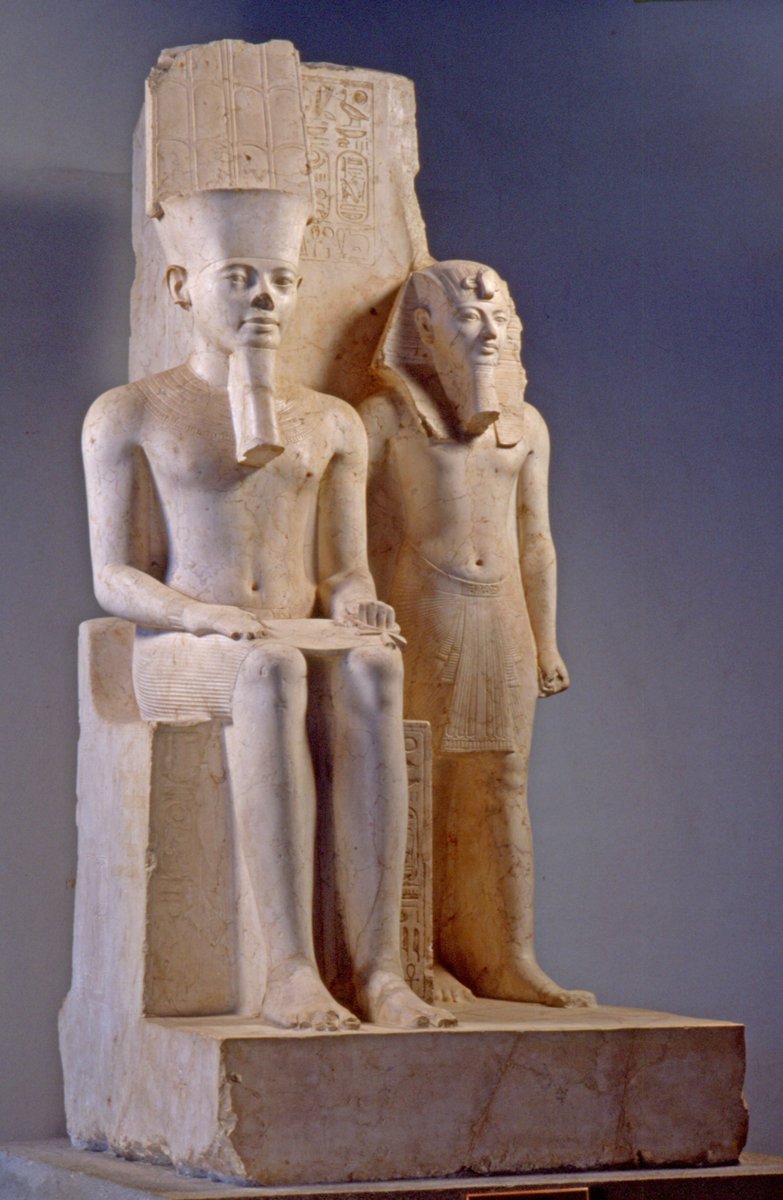
King Horemheb stood beside the enthroned god Amun ▫ Carved from pale limestone and towering just over two metres high (Egyptian Museum, Turin, Cat. 768), this late-18th-Dynasty group statue from Thebes presents king Horemheb standing deferentially beside the enthroned god Amun.

King Horemheb stood beside the enthroned god Amun

▫ Carved from pale limestone and towering just over two metres high (Egyptian Museum, Turin, Cat. 768), this late-18th-Dynasty group statue from Thebes presents king Horemheb standing deferentially beside the enthroned god Amun.
Egypt Museum (@egyptomuseum) 's Twitter Profile Photo

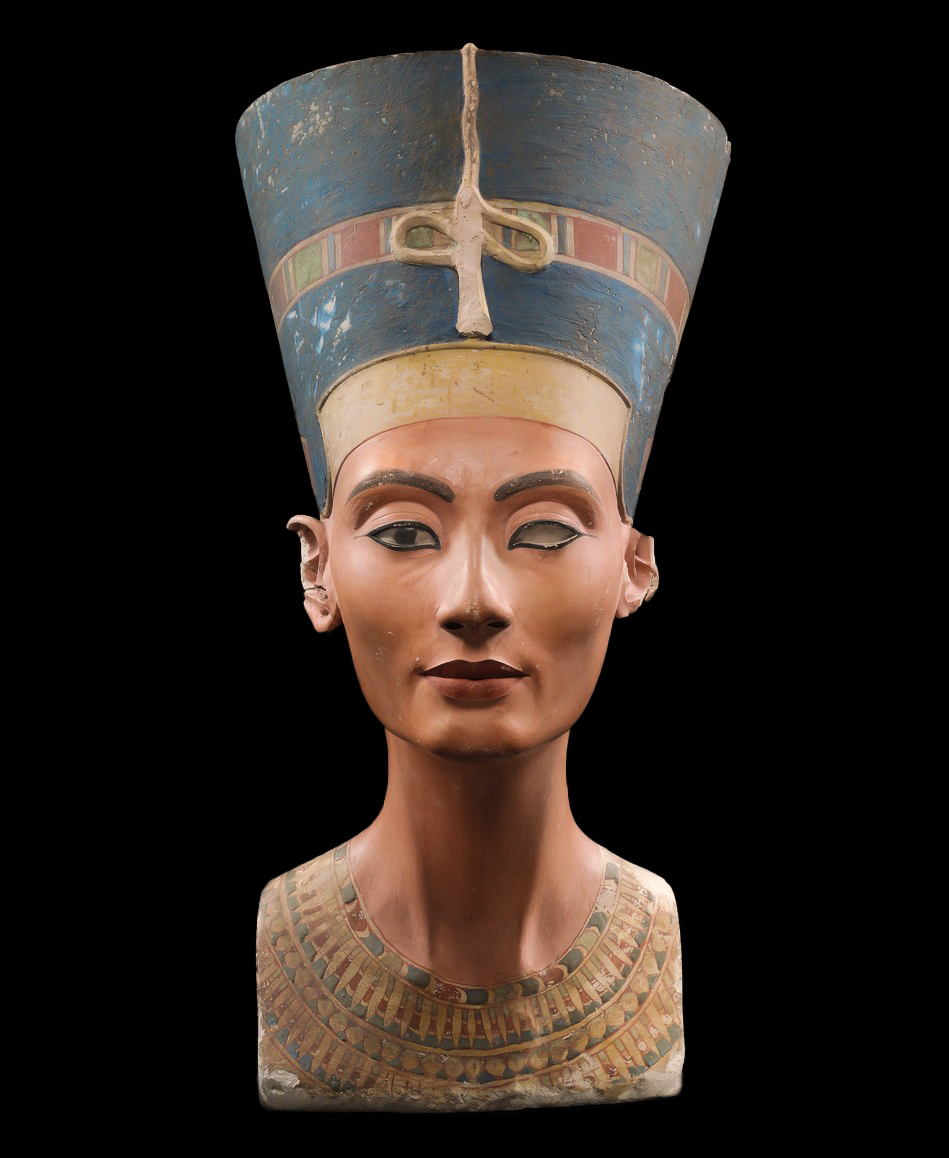
The celebrated bust of Nefertiti, c. 1351–1334 B.C. ▫️Fashioned from fine limestone and overlaid with delicately modelled stucco, the portrait still retains its original polychrome paintwork, with inlays of quartz and touches of wax heightening the queen’s luminous complexion.

The celebrated bust of Nefertiti, c. 1351–1334 B.C.

▫️Fashioned from fine limestone and overlaid with delicately modelled stucco, the  portrait still retains its original polychrome paintwork, with inlays of  quartz and touches of wax heightening the queen’s luminous complexion.