𝐀𝐫𝐩𝐚𝐧 𝐌𝐞𝐡𝐭𝐚
@drarpan100
Neurologist with an interest in studying the role of kinases in ALS/MND @mrcppu. SAP member @MNDScotland. Trustee @PhysicsPartners.
ID: 1159191825397235712
https://www.ppu.mrc.ac.uk/research/principal-investigator/arpan-mehta 07-08-2019 19:57:22
3,3K Tweet
1,1K Takipçi
2,2K Takip Edilen
Funding announced for projects to improve the lives of those with #MND - calling Speech therapists and #AHPs! RCSLT Scotland Glenn Carter
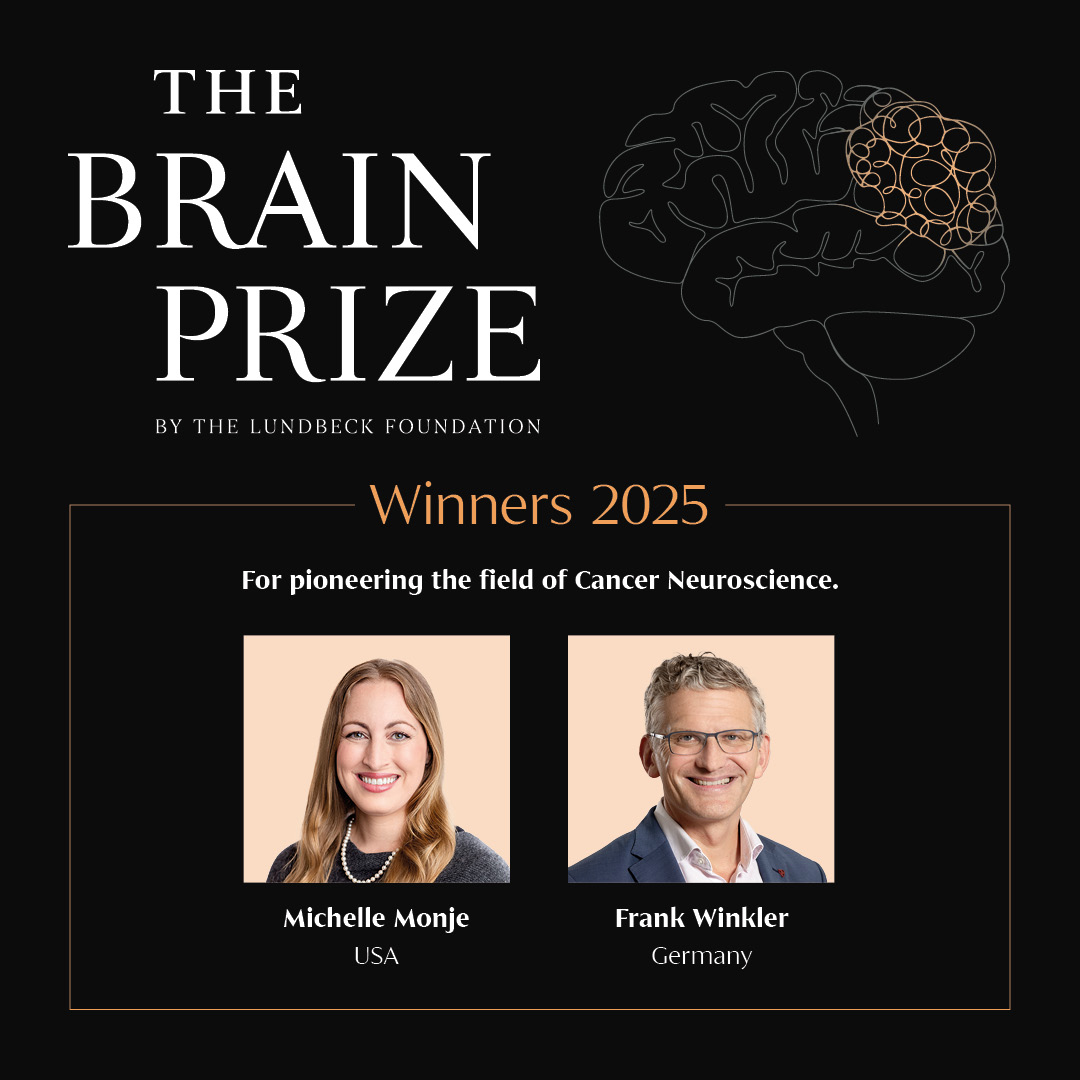
Congratulations to winners of The Brain Prize 2025! Professors Michelle Monje🎗️ 🟦, Stanford Medicine and HHMI Investigator, and Frank Winkler, Heidelberg University Hospital, have pioneered the field of Cancer Neuroscience. They have revealed a profound connection between cancer and
Trace Neuroscience FrattaLab 5/ Puja R. Mehta 🩺🧠🧪💙 shares what inspired her to contribute to the research as well as the message she hopes to one day deliver to her own patients. #BrainAwarenessWeek #UCLBrainSciences


Congratulations Stefanie Stantcheva. So well deserved. Your research has greatly influenced fiscal policy advice at the IMF.
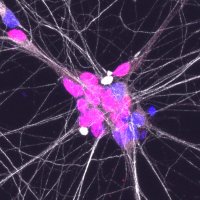
🚨Come and join us! Postdoc position here at Oxford MND Research Nuffield Department of Clinical Neurosciences, working on local subcellular dysfunction in synapses of neurons from #ALS/#FTD patients using multi-omics with Ruxandra D. Check out the details below: jobs.ac.uk/job/DMV265/pos…
Deeply honored and humbled by this recognition from the AEA Information. I owe so much to my co-authors, colleagues, mentors, students & many others: support, inspiration, generosity. Endlessly grateful for all I have learned from you & hope to continue contributing to our field

We are excited to join MND Association and My Name'5 Doddie Foundation today at #BNAFest2025! The session will spotlight the cutting-edge work happening across the UK to better understand, diagnose, and ultimately treat motor neuron disease (MND) 💙 Read more: lnkd.in/eb5f7sYS

A formidable grouping of people dedicated to ALS research & clinical care! Puja R. Mehta 🩺🧠🧪💙 #BNA2025

Great day discussing the MND research at Dundee University and St Andrews University. Excited to strengthen our links! Thank you for your support MND Scotland Judith Sleeman @judithsleeman.bsky.social Ale Gareth Miles Juan Varela Raja S. Nirujogi Chris Henstridge Ilary Allodi 𝐀𝐫𝐩𝐚𝐧 𝐌𝐞𝐡𝐭𝐚

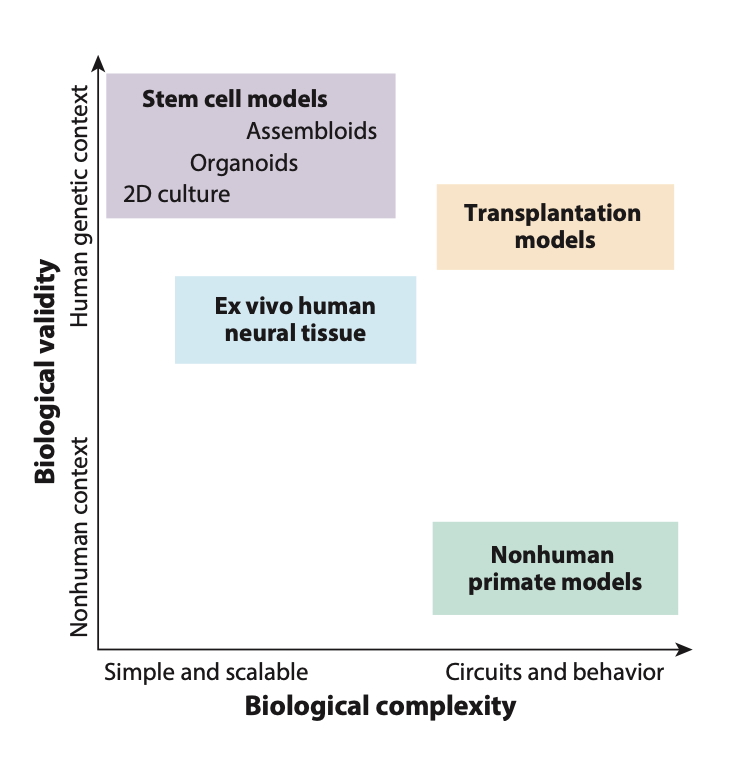
What human experimental models do we currently have to study brain disorders—and where do they fall short? In our recent Annual Reviews of Neuroscience, Rebecca J. Levy and I examine the current landscape of human stem cell models—2D systems, 3D #organoids, #assembloids, and