Tundra Copper (@tundracopper) 's Twitter Profile
Tundra Copper

@tundracopper

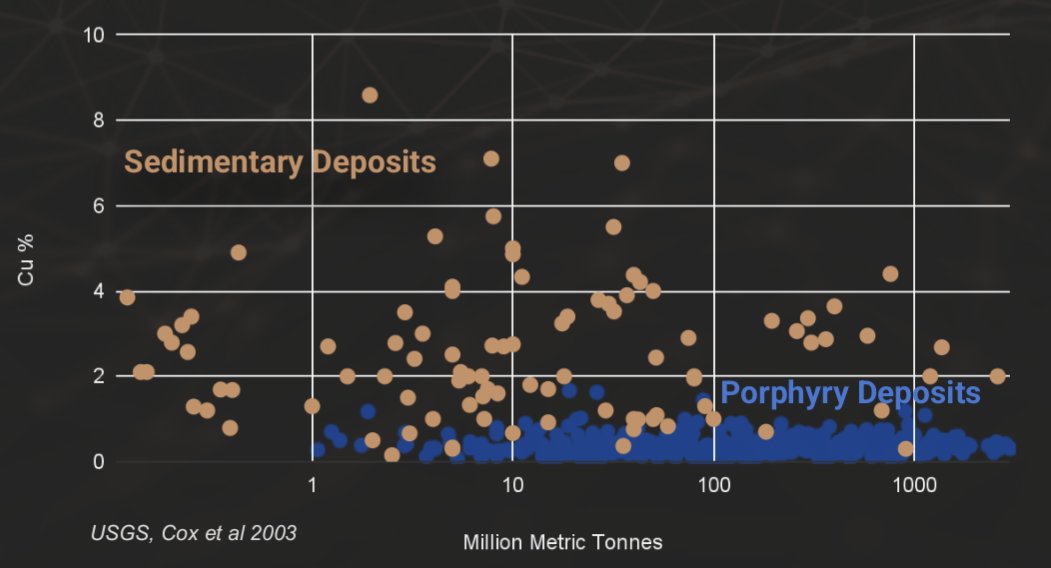
Targeting 300 Million metric tons at 1-2% Cu in a Sed Hosted Copper Region with 80km of exposed strike in Nunavut. The African Central Copper Belt In Canada

ID: 1922263169013346304

calendar_today13-05-2025 12:10:44

23 Tweet

92 Followers

29 Following
Tundra Copper (@tundracopper) 's Twitter Profile Photo

Coppermine River, drilling hole #1 just south-east of the 2015 blind discovery by Robert Friedland's group. Through the Gabro Sill and into the Rae Group with mineralization already in the core box ~40m of depth. True target depth of ~180m
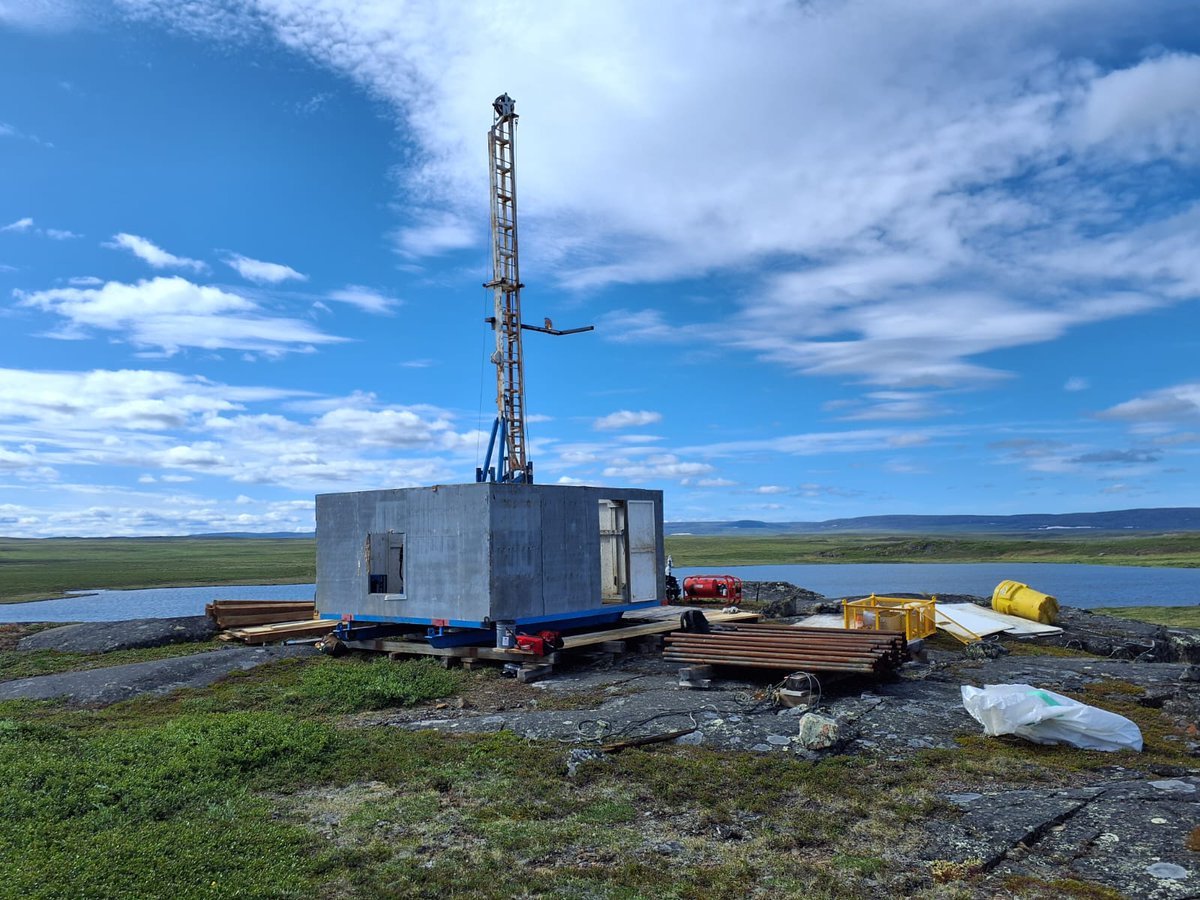
Coppermine River, drilling hole #1 just south-east of the 2015 blind discovery by <a href="/robert_ivanhoe/">Robert Friedland</a>'s group. Through the Gabro Sill and into the Rae Group with mineralization already in the core box ~40m of depth. True target depth of ~180m
Tundra Copper (@tundracopper) 's Twitter Profile Photo

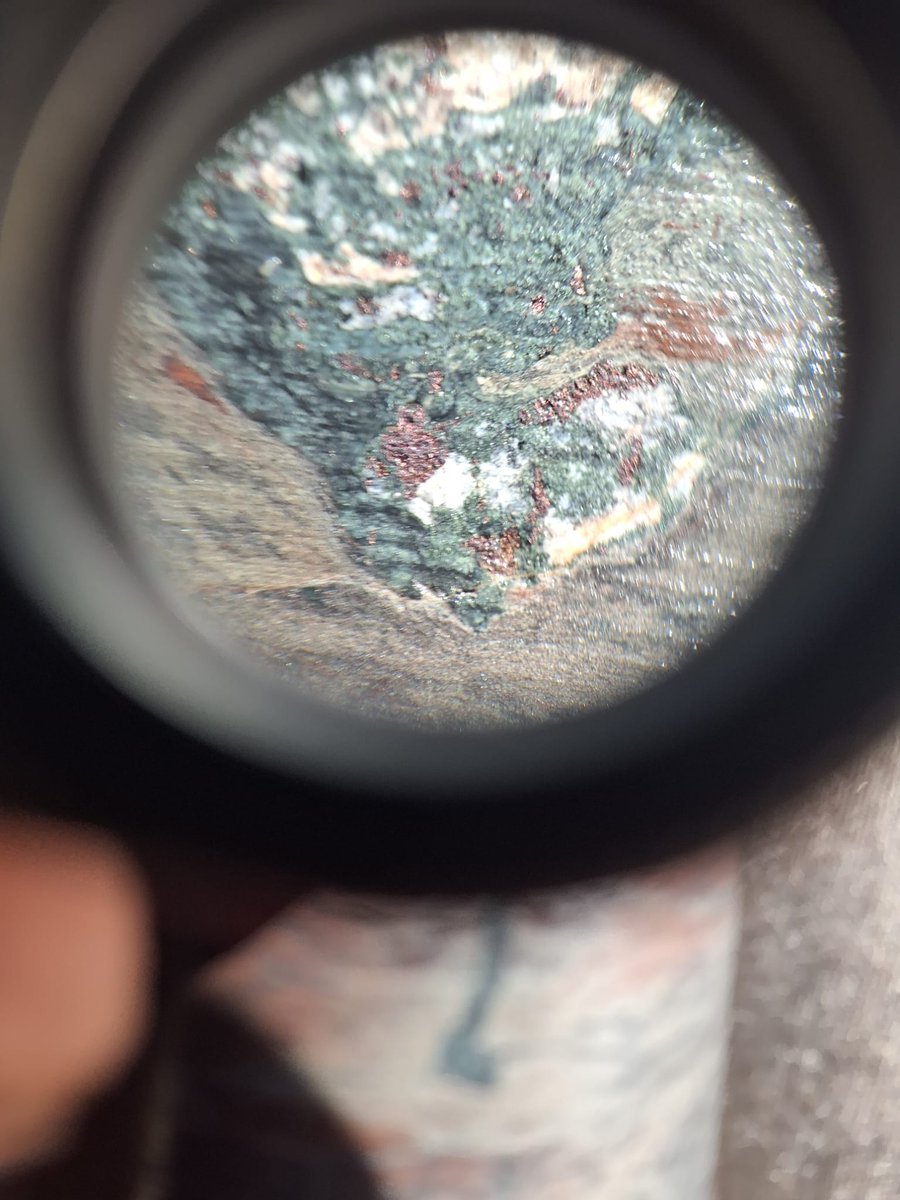
Hole #1 in a material step out south of Ivanhoe's CP 15-09 to test the outer margin extent of this system and we are seeing consistent mineralization and continuity. Bornite and Chalcocite in the sediments ending in volcanics and Native Copper.

Hole #1 in a material step out south of Ivanhoe's CP 15-09 to test the outer margin extent of this system and we are seeing consistent mineralization and continuity. Bornite and Chalcocite in the sediments ending in volcanics and Native Copper.
Tundra Copper (@tundracopper) 's Twitter Profile Photo

We are pleased to announce the closing of a $4.125m private placement to continue drilling in the Coppermine River region, Nunavut. We are looking for the next Kamoa Robert Friedland maybe even bigger.

Tundra Copper (@tundracopper) 's Twitter Profile Photo

Incredible to see our neighbors White Cliff Minerals $WCN.ax getting into the same exciting system! This area on Earth could be the next major African Central Copper Belt (Sedimentary Hosted Copper District) Well done! discoveryalert.com.au/news/white-cli…
Tundra Copper (@tundracopper) 's Twitter Profile Photo

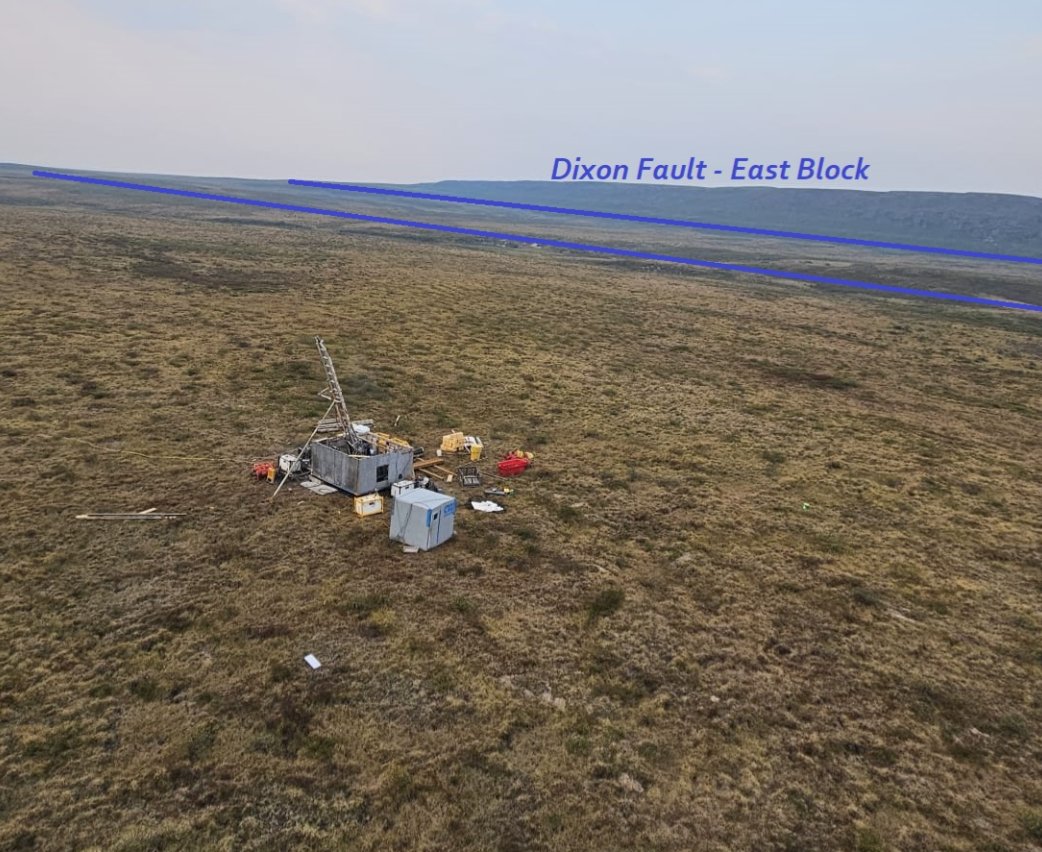
Drilling a 60 degree angled hole toward the Dixon fault, from about 400m west. The idea is to drill through the fault and better understand the regional controls. Initial drilling has already encountered the upper seds and the right kind of temperature we'd hope to see.

Drilling a 60 degree angled hole toward the Dixon fault, from about 400m west. The idea is to drill through the fault and better understand the regional controls. Initial drilling has already encountered the upper seds and the right kind of temperature we'd hope to see.
Tundra Copper (@tundracopper) 's Twitter Profile Photo

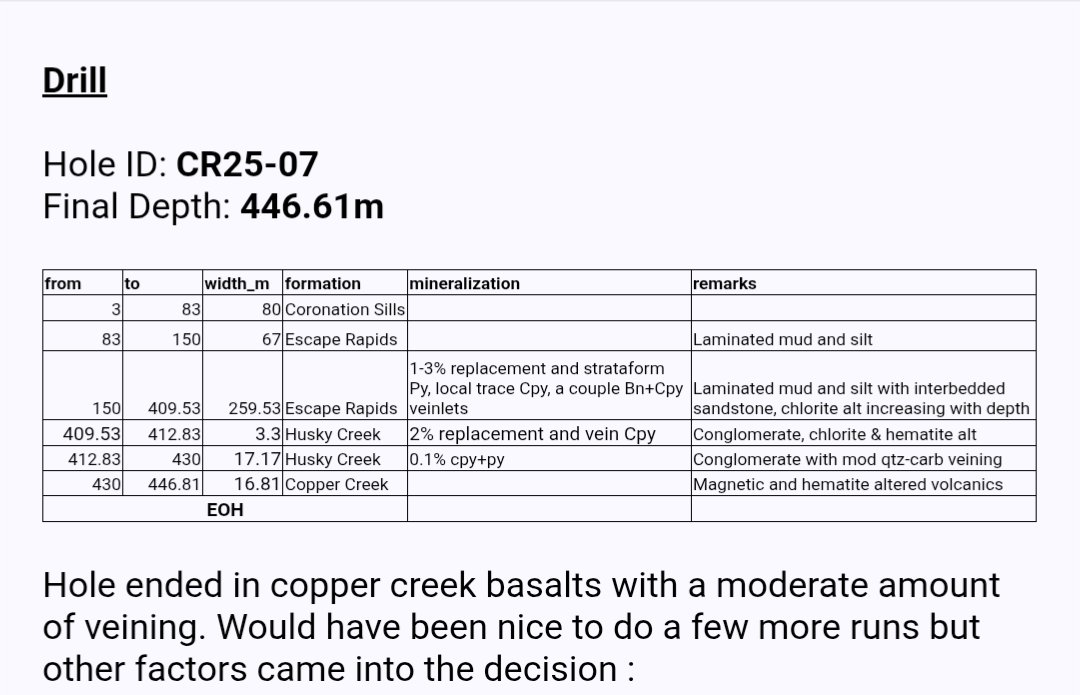
Hole #7 was recently completed testing a new basin along the Strike Lake Fault, about 6km away from the Dixon Fault. The hole encountered a conglomerate style of mineralization that is similar to the African Central Copper Belt. We will be sharing more about this shortly.

Hole #7 was recently completed testing a new basin along the Strike Lake Fault, about 6km away from the Dixon Fault. The hole encountered a conglomerate style of mineralization that is similar to the African Central Copper Belt. We will be sharing more about this shortly.
Tundra Copper (@tundracopper) 's Twitter Profile Photo

Very exciting from the core box today. Hole #8 has drilled the Strike Lake Fault and at 225m intersected brecciated veining carrying bornite. More importantly, hosted within a larger silica flooded (which means good fluid flow) sandstone unit.

Very exciting from the core box today. Hole #8 has drilled the Strike Lake Fault and at 225m intersected brecciated veining carrying bornite. More importantly, hosted within a larger silica flooded (which means good fluid flow) sandstone unit.