Health & Nutrition for Swimmers (@swimnutrition) 's Twitter Profile
Health & Nutrition for Swimmers

@swimnutrition

Nutritional, health and fitness advice for competitive swimmers, from an ex-National swimmer and current Sport & Exercise Science MSc student.

ID: 947848744149700608

calendar_today01-01-2018 15:15:25

26 Tweet

159 Followers

103 Following
Health & Nutrition for Swimmers (@swimnutrition) 's Twitter Profile Photo

Should I eat before morning training? 🕔 Training on empty is more than likely to hinder you during a session, causing premature fatigue and possibly nausea, so even a small snack with high carb content such as a banana, cereal bar or piece of toast will help! #nutrition

Health & Nutrition for Swimmers (@swimnutrition) 's Twitter Profile Photo

After a long training session your glycogen stores (a key energy source) will be depleted, so try to eat a high-carb meal or snack immediately post-session to help replenish these! x.com/jeukendrup/sta…

Health & Nutrition for Swimmers (@swimnutrition) 's Twitter Profile Photo

To help your muscles repair and recover, consumption of protein post-training is also important. If you're short of time, pack a shake made with whey protein and a banana in your bag and drink it as you get changed! 🍌

Health & Nutrition for Swimmers (@swimnutrition) 's Twitter Profile Photo

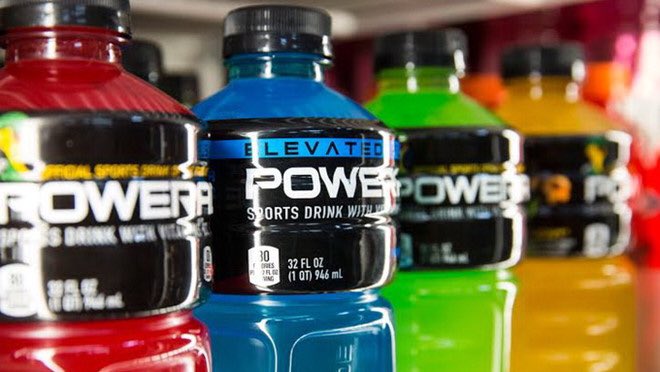
The type of carbs you consume should differ depending on when you are eating them ⏰ Contrary to popular belief, SIMPLE carbs are not all bad, and are useful before/during/post training as they rapidly provide fuel for our bodies! Sports drinks are a great example of these.

The type of carbs you consume should differ depending on when you are eating them ⏰ Contrary to popular belief, SIMPLE carbs are not all bad, and are useful before/during/post training as they rapidly provide fuel for our bodies! Sports drinks are a great example of these.
Health & Nutrition for Swimmers (@swimnutrition) 's Twitter Profile Photo

COMPLEX carbs should be eaten outside of training, as these release energy much more slowly and have a higher nutritional value. See the pic below for some examples 📸 #nutrition

COMPLEX carbs should be eaten outside of training, as these release energy much more slowly and have a higher nutritional value. See the pic below for some examples 📸 #nutrition
Health & Nutrition for Swimmers (@swimnutrition) 's Twitter Profile Photo

Although you won't notice it when you're in the pool, swimmers sweat A LOT. This means you need to ensure you arrive at training well hydrated, and are taking a good swig of your drink every 10-15 mins throughout your session 💦 #hydration #nutrition

Health & Nutrition for Swimmers (@swimnutrition) 's Twitter Profile Photo

As we sweat, we also lose electrolytes. A great way to replenish these is by filling your bottle up with squash and adding a pinch of salt - a cheap and easy energy drink! #hydration #nutrition

Health & Nutrition for Swimmers (@swimnutrition) 's Twitter Profile Photo

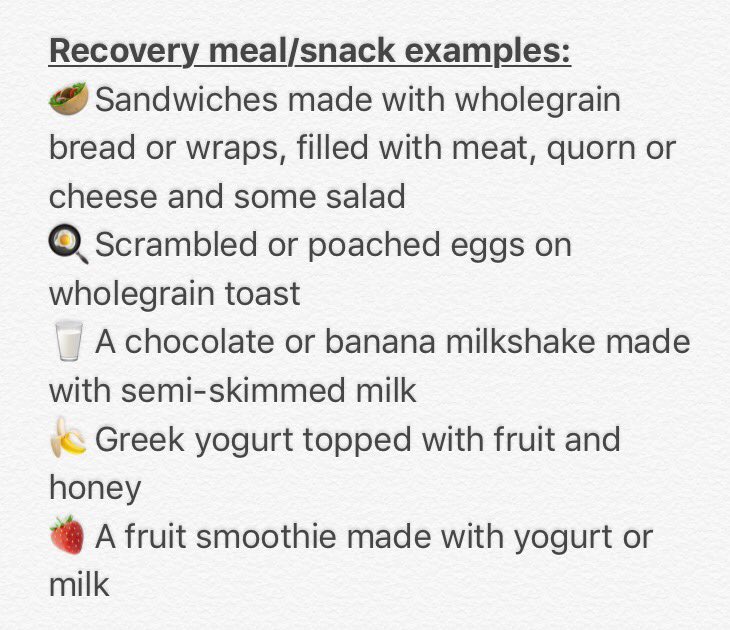
Evidence shows that eating a combination of protein and carbs (in a ratio of about 1:4) post-training promotes muscle repair and enables faster recovery than carbs alone 💪🏼 See the pic below for some ideas #recovery #nutrition

Evidence shows that eating a combination of protein and carbs (in a ratio of about 1:4) post-training promotes muscle repair and enables faster recovery than carbs alone 💪🏼 See the pic below for some ideas #recovery #nutrition
Health & Nutrition for Swimmers (@swimnutrition) 's Twitter Profile Photo

WADA have recently released their updated list of banned substances - be sure to check any medication/supplements you take against it as it may surprise you what is and isn't allowed! 💊 #wada #antidoping #nutrition x.com/britishswimmin…

Health & Nutrition for Swimmers (@swimnutrition) 's Twitter Profile Photo

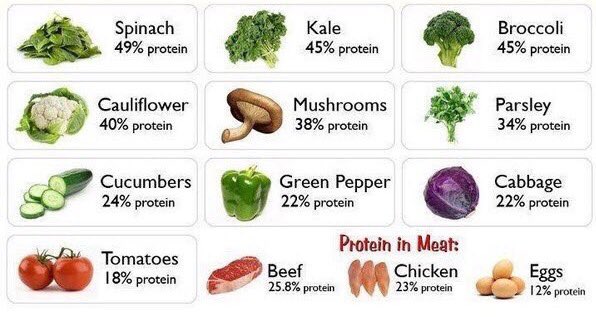
Eating a lot of meat isn't the only way to get enough protein into your diet - lots of vegetables have a high protein content and are also packed with nutrients and much less fat! 🌽🥒 #nutrition #protein

Eating a lot of meat isn't the only way to get enough protein into your diet - lots of vegetables have a high protein content and are also packed with nutrients and much less fat! 🌽🥒 #nutrition #protein
Health & Nutrition for Swimmers (@swimnutrition) 's Twitter Profile Photo

Sometimes when you feel nervous before a race, swapping solid foods for a high-carb liquid alternative (e.g. sports drinks, fruit smoothies) can help. These generally sit better on a nervous stomach and are a much better option than skipping a meal altogether! 🏊🏼 #nutrition

Health & Nutrition for Swimmers (@swimnutrition) 's Twitter Profile Photo

Although us swimmers love our carbs, carbo-loading is not necessary before a swim meet - it will probably just make you feel bloated and groggy. This strategy should be used prior to events lasting longer than 90 mins - not a 30 second sprint! 🍝 #nutrition #swimming

Health & Nutrition for Swimmers (@swimnutrition) 's Twitter Profile Photo

The optimal time to eat your pre-training meal is around 2-3 hours prior to the start of a session. Aim for this meal to be about 60% carbs and 40% protein, see the pic below for some ideas! ⬇️ #swimming #nutrition

The optimal time to eat your pre-training meal is around 2-3 hours prior to the start of a session. Aim for this meal to be about 60% carbs and 40% protein, see the pic below for some ideas! ⬇️ #swimming #nutrition
Health & Nutrition for Swimmers (@swimnutrition) 's Twitter Profile Photo

COMPETITION TIP 🏆 Never eat or drink anything you haven't tried during competition or training before! Avoid any nasty surprises on the day by practicing your competition eating strategy in training a couple of weeks beforehand #swimming #nutrition

Health & Nutrition for Swimmers (@swimnutrition) 's Twitter Profile Photo

Swimmers, have a read of this article by Olympian Aimee (Willmott) Booker! To summarise - wearing warm clothing and shoes on poolside between your warm-up and race can improve performance! 👕👟🌡 #swimming fb.me/3R6dvaGrI

Health & Nutrition for Swimmers (@swimnutrition) 's Twitter Profile Photo

If time is of the essence and eating a big meal a few hours before training is not practical, fuel up with a quick snack along with plenty of fluids 30-60 mins prior to your session. See the pic below for some easy ideas 📸:

If time is of the essence and eating a big meal a few hours before training is not practical, fuel up with a quick snack along with plenty of fluids 30-60 mins prior to your session. See the pic below for some easy ideas 📸:
Health & Nutrition for Swimmers (@swimnutrition) 's Twitter Profile Photo

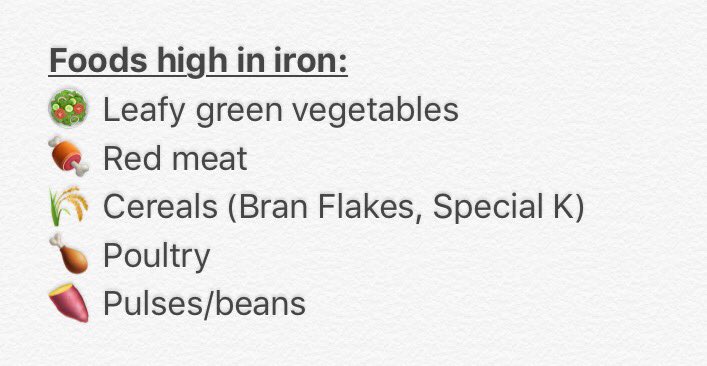
Iron is an extremely important nutrient that aids in the delivery of oxygen to the rest of your body - however those who take part in high-volume training programmes (especially females!!) are prone to deficiencies 📉 See below for some good, nutritional sources of iron:

Iron is an extremely important nutrient that aids in the delivery of oxygen to the rest of your body - however those who take part in high-volume training programmes (especially females!!) are prone to deficiencies 📉 See below for some good, nutritional sources of iron:
Health & Nutrition for Swimmers (@swimnutrition) 's Twitter Profile Photo

COMPETITION TIP 🥇To avoid feeling bloated or uncomfortable on the morning of a race, refrain from consuming large meals the day before and swap these for smaller, more frequent meals (every 3-4 hours) #nutrition #swimming