Channeling Jewish History (@jhistorychannel) 's Twitter Profile
Channeling Jewish History

@jhistorychannel

Aiming to spread knowledge of Jewish History and Culture.

ID: 945818736270987265

calendar_today27-12-2017 00:48:54

124 Tweet

354 Followers

667 Following

Simcha Gross (@simcha_gross) 's Twitter Profile Photo

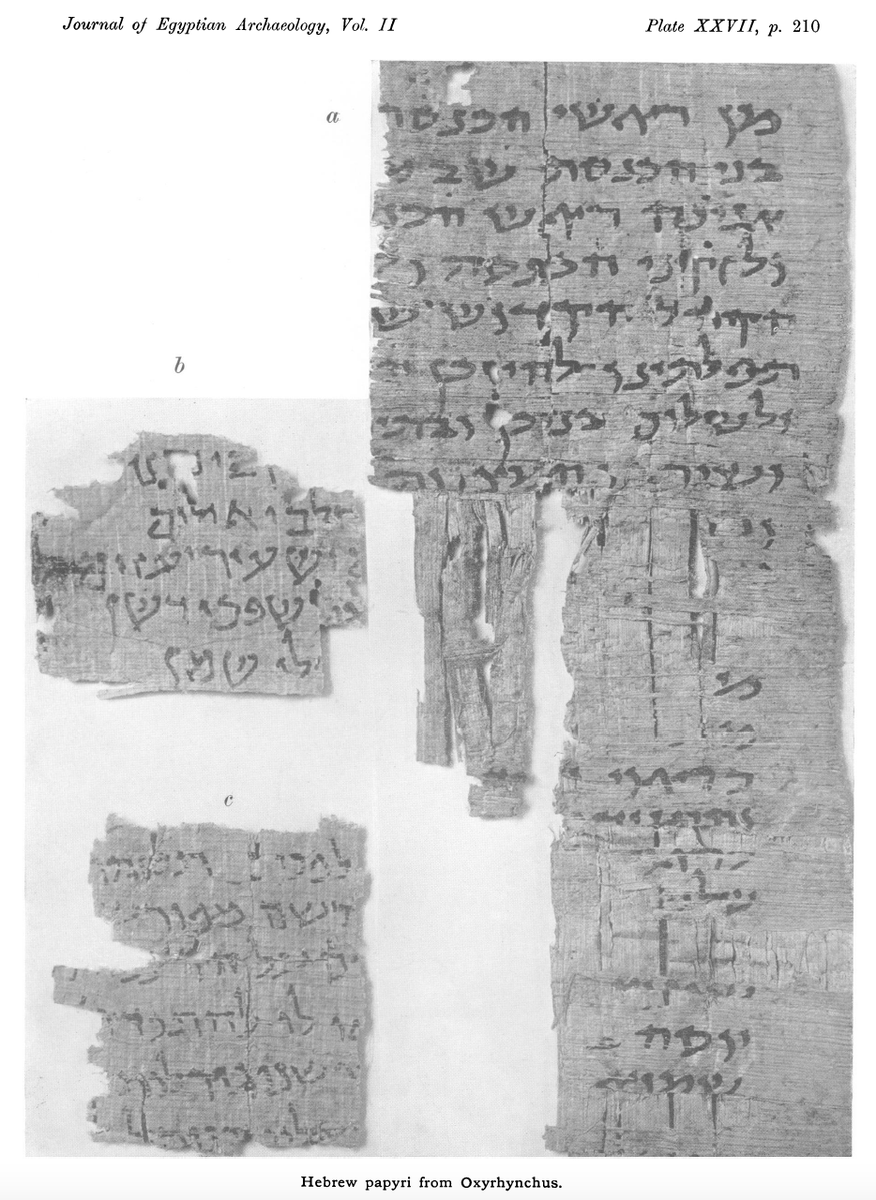
Yom Kippur, the Day of Atonement, begins tonight. The liturgy is now thoroughly rabbinic, but over 100 years ago, a fragmentary Hebrew papyrus was discovered at Oxyrhynchus, Egypt, which dates to around the 4th century CE. It contains some form of liturgy for Yom Kippur. 1/4

Yom Kippur, the Day of Atonement, begins tonight.

The liturgy is now thoroughly rabbinic, but over 100 years ago, a fragmentary Hebrew papyrus was discovered at Oxyrhynchus, Egypt, which dates to around the 4th century CE.

It contains some form of liturgy for Yom Kippur.

1/4
Reuven Goldstein (@curatorwh) 's Twitter Profile Photo

In 1870, the Italian Army conquered Rome and all of its territory. The Jews had full emancipation.The community was able to erect their monumental Synagogue in the very spot in the ghetto where they had been locked in for centuries.

In 1870, the Italian Army conquered Rome and all of its territory. The Jews had full emancipation.The community was able to erect their monumental Synagogue in the very spot in the ghetto where they had been locked in for centuries.
David/Dovid Bashevkin (@dbashideas) 's Twitter Profile Photo

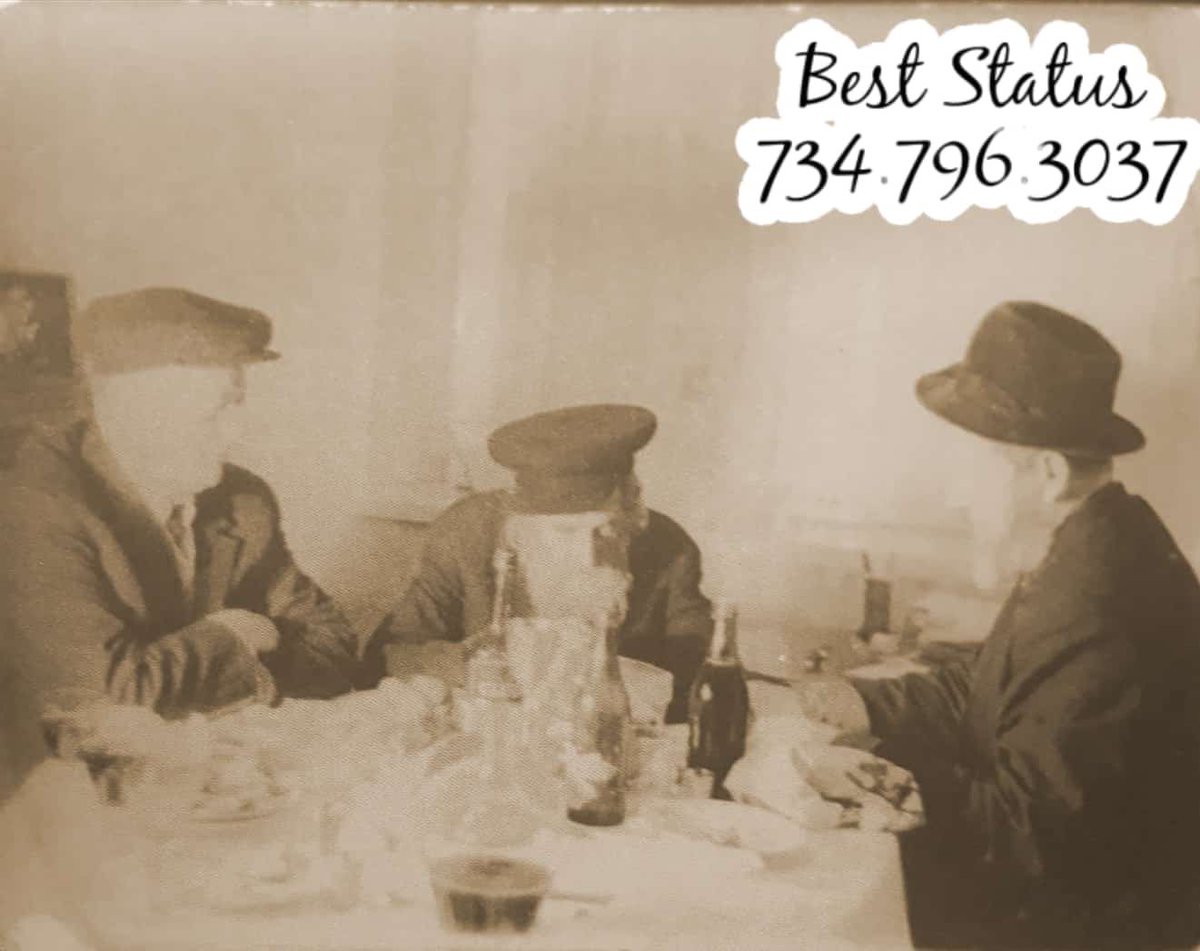
New photograph of the Chofetz Chaim possibly uncovered. May his merit and love for the Jewish People serve as a merit for us. ❤️

New photograph of the Chofetz Chaim possibly uncovered. 

May his merit and love for the Jewish People serve as a merit for us. ❤️
Cowboy Tcherno Bill (@rudigeerts) 's Twitter Profile Photo

Auschwitz Exhibition 6/ Zalmen Gradowski was a Sonderkommando at Auschwitz. He also became a significant chronicler. He was killed during an uprising on 7 October 1944. His manuscripts were found buried next to crematorium III.
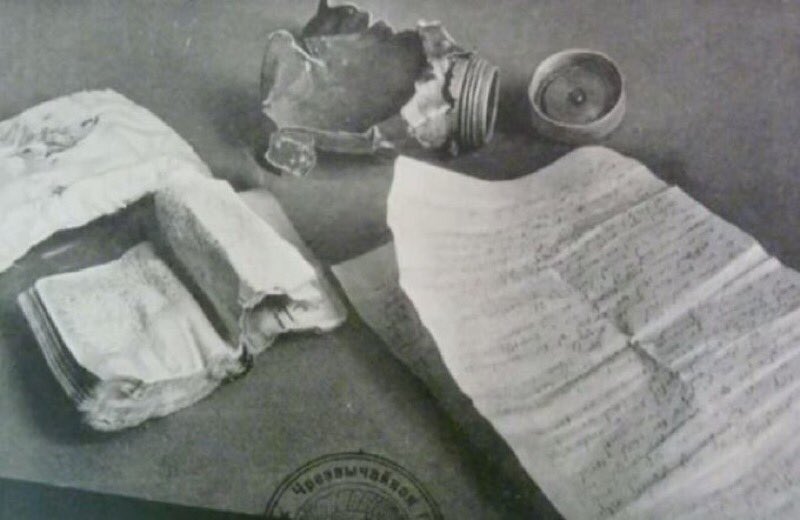
<a href="/auschwitzxhibit/">Auschwitz Exhibition</a> 6/ Zalmen Gradowski was a Sonderkommando at Auschwitz. He also became a significant chronicler. He was killed during an uprising on 7 October 1944. His manuscripts were found buried next to crematorium III.
Holocaust News (@holocaustnews) 's Twitter Profile Photo

80 years ago on Oct. 7, Jewish Sonderkommando workers staged a failed revolt at Auschwitz timesofisrael.com/80-years-ago-o… via @timesofisrael

The YIVO Institute (@yivoinstitute) 's Twitter Profile Photo

Marek Tuszewicki examines folk healing practices performed by Eastern European Jews and their intersection with modern medical knowledge, in a discussion led by cultural critic and playwright Rokhl Kafrissen.

David/Dovid Bashevkin (@dbashideas) 's Twitter Profile Photo

There was a long period in Jewish history when wearing tefillin was neglected by the mainstream Jewish community. Tosafos writes about this explicitly. One reason people stopped is because they felt they weren’t holy or righteous enough. The Sefer HaChinuch lived during this

Reuven Goldstein (@curatorwh) 's Twitter Profile Photo

This remarkably well-preserved sukkah from the 19th century Austria, is located in the Museum of Jewish Art and History in Paris. The panels are decorated with paintings of an Austrian village, and a view of Jerusalem.

This remarkably well-preserved sukkah  from the 19th century Austria, is located in the Museum of Jewish Art and History in Paris. The panels are decorated with paintings of an Austrian village, and a view of Jerusalem.
Reuven Goldstein (@curatorwh) 's Twitter Profile Photo

In the Israel Museum in Jerusalem there is a decorated sukkah from the early nineteenth century. It was built for the Deller family in the Bavarian town of Fischach not far from Augsberg, Germany. Jews lived in Fishach since 1573.

In the Israel Museum in Jerusalem there is a decorated sukkah from the early nineteenth century. It was built for the Deller family in the Bavarian town of Fischach not far from Augsberg, Germany. Jews lived in Fishach since 1573.
Princeton Geniza Lab (@genizalab) 's Twitter Profile Photo

A very sweet letter reminiscing on a visit to the house of Maimonides, who is depicted here enjoying lemon drops and playing with a cute toddler. "I kissed his noble hand, and he received us with a most cordial welcome. He said to me, 'Come and sit...'" geniza.princeton.edu/en/documents/1…
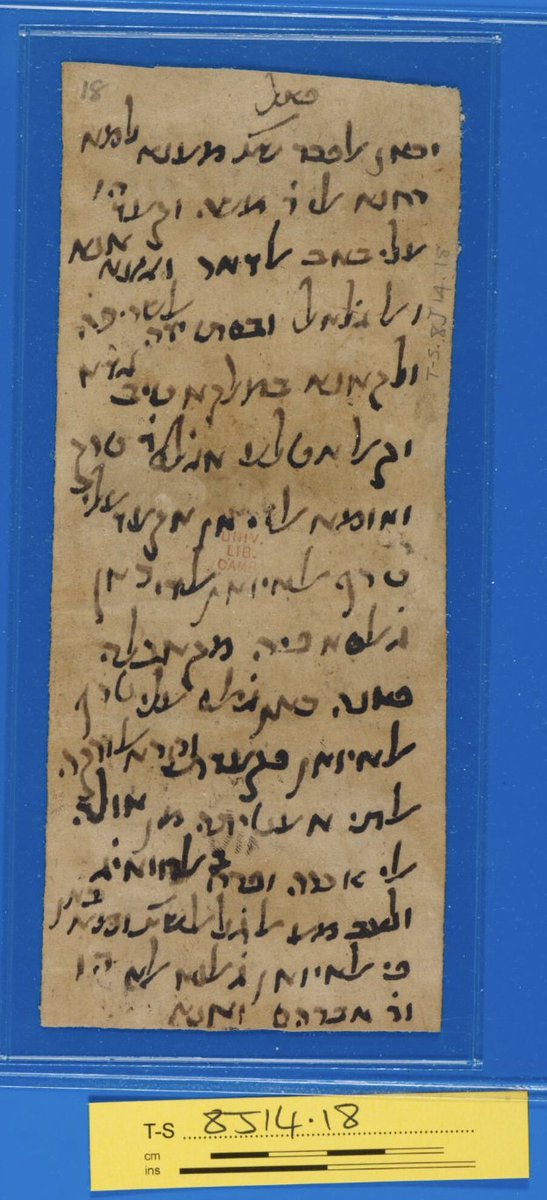
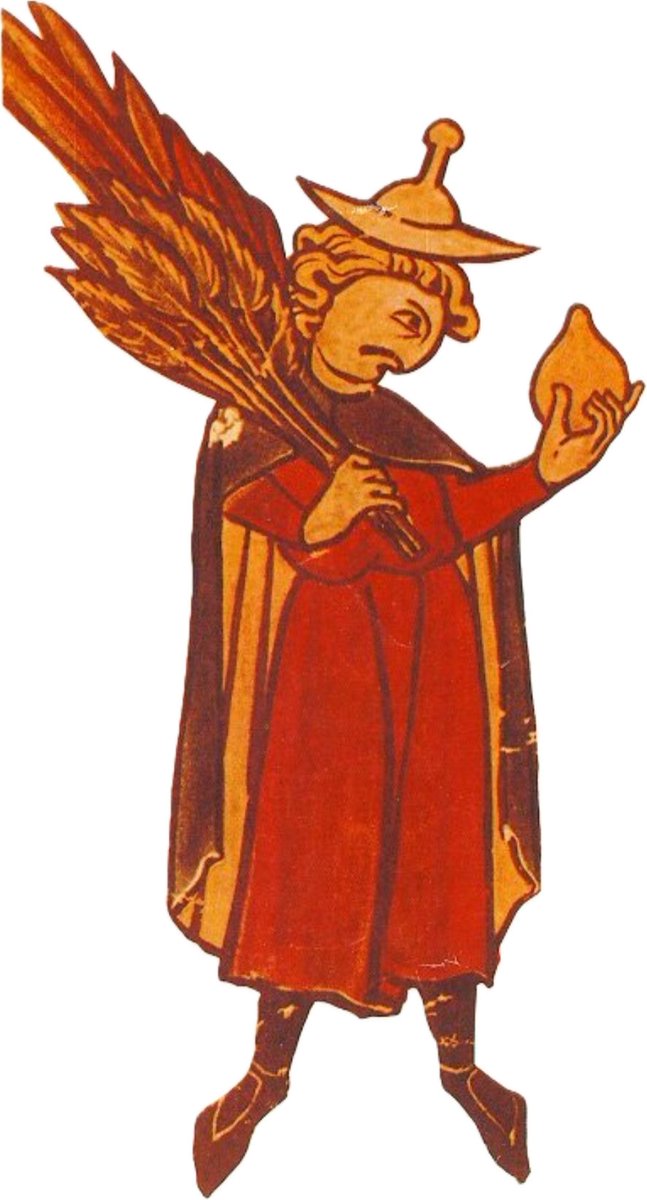
A very sweet letter reminiscing on a visit to the house of Maimonides, who is depicted here enjoying lemon drops and playing with a cute toddler. 

"I kissed his noble hand, and he received us with a most cordial welcome. He said to me, 'Come and sit...'"

geniza.princeton.edu/en/documents/1…
Reuven Goldstein (@curatorwh) 's Twitter Profile Photo

The Jewish hat of the Middle Ages is often seen in illustrated Hebrew manuscripts, and was later included by German Jews in their seals and coats of arms,suggesting that initially it was regarded by European Jews as a traditional garb rather than an imposed discrimination.

The Jewish hat of the Middle Ages  is often seen in illustrated Hebrew manuscripts, and was later included by German Jews in their seals and coats of arms,suggesting that initially it was regarded by European Jews as a   traditional garb rather than an imposed discrimination.
Reuven Goldstein (@curatorwh) 's Twitter Profile Photo

An illuminated Hebrew prayerbook from Italy, often referred to as the Forlì Siddur written in 1383 contains various whimsical illustrations of the holiday of Sukkot and two jousting knights.

An illuminated Hebrew prayerbook from Italy, often referred to as the Forlì Siddur written in 1383 contains various whimsical illustrations of the holiday of Sukkot and two jousting knights.
Malka Simkovich (@malka_simkovich) 's Twitter Profile Photo

I enjoyed speaking with Alan Rosenbaum of the Jerusalem Post who cites me in his fascinating piece on pilgrimage and Sukkot in the ancient world. For anyone looking for an edifying distraction from current events, you might enjoy this article - not least because it speaks to the

The YIVO Institute (@yivoinstitute) 's Twitter Profile Photo

Marek Tuszewick sheds light on Jewish folk medicine in Eastern Europe, revealing little-known aspects of Ashkenazi culture and how the need to treat sickness brought Jews and their neighbors together.

Today's Yahrtzeits (@yahrtzeits) 's Twitter Profile Photo

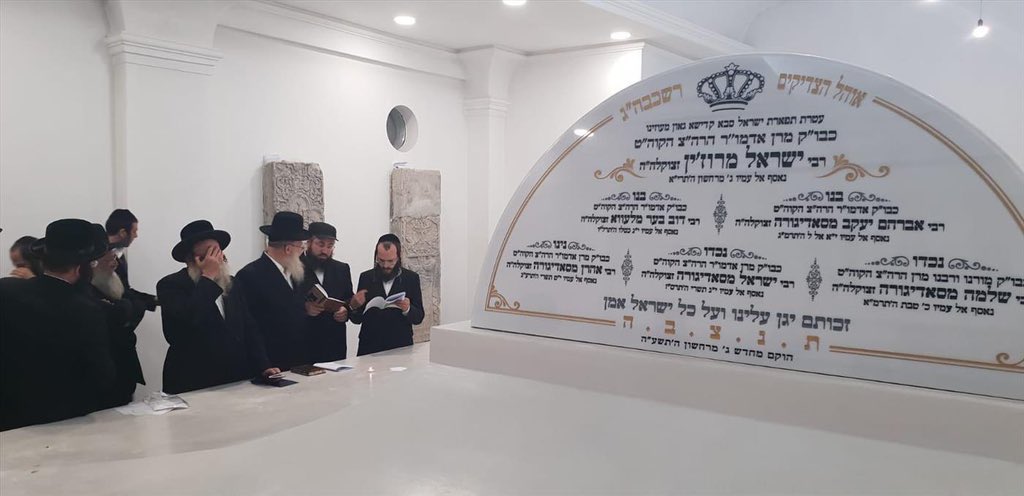
3 Cheshvan: R'Yisrael Friedman of Ruzhin (1797-1850). Great grandson of Maggid MiMezerich. Though he was the first & only Ruzhiner Rebbe, he began the "House of Ruzhin" through his 6 sons who all established dynasties - Sadigura, Boyan, Chortkov, Husyatin, Bohush, & Shtefanesh.

3 Cheshvan: R'Yisrael Friedman of Ruzhin (1797-1850). Great grandson of Maggid MiMezerich. Though he was the first &amp; only Ruzhiner Rebbe, he began the "House of Ruzhin" through his 6 sons who all established dynasties - Sadigura, Boyan, Chortkov, Husyatin, Bohush, &amp; Shtefanesh.
Dovi Safier (@safier) 's Twitter Profile Photo

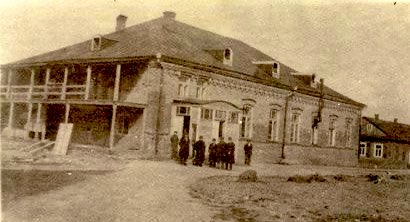
On this day 85 years ago, the Mir Yeshiva hastily departed its home of over 120 years—heading toward Vilna—and setting in motion a miraculous journey that would not only save their lives, but helped ignite a Torah revival that continues to illuminate the Jewish world.

On this day 85 years ago, the Mir Yeshiva hastily departed its home of over 120 years—heading toward Vilna—and setting in motion a miraculous journey that would not only save their lives, but helped ignite a Torah revival that continues to illuminate the Jewish world.