Darwin Does Dating
@datingdarwin
Using an evolutionary lens to uncover the mysteries behind finding a partner and maintaining relationships. Feed run by @DrThomasAG.
ID: 1267749367756271617
02-06-2020 09:26:23
526 Tweet
2,2K Followers
11 Following

Bit of a milestone - my Darwin Does Dating blog has over 600,000 reads on Psychology Today! For those not in the loop: it's my monthly blog about evolutionary perspectives on mating behaviour and sex differences. Here's 5 recent posts that you should check out!

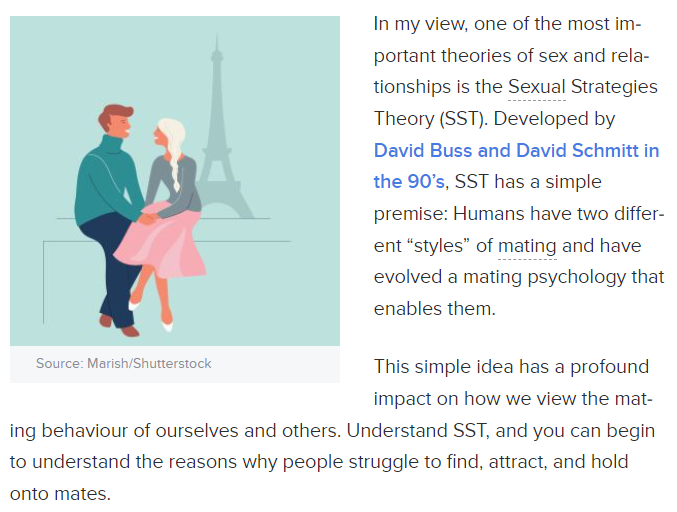
This month's blog post just dropped. I discuss the findings from our latest study on self-enhancing behaviours among singles. Remarkable similarities across 14 countries! @mapostolou4 Psychology Today @SwanseaPsych psychologytoday.com/gb/blog/darwin…

Not everyone is equally desirable as a prospective romantic partner. Luckily, there are ways to maximize one’s attractiveness. Here are some of the most common across different countries, explains Darwin Does Dating psychologytoday.com/us/blog/darwin…


"There is a Chinese term that roughly means ‘Revenge bedtime procrastination’ — when 'people who don’t have much control over their daytime life refuse to sleep early in order to regain some sense of freedom during late night hours.'” — Lu-Hai Liang
Groundbreaking study reveals the dating psychology of incels swansea.ac.uk/press-office/n… @SwanseaPsych Swansea University
Here are at least 6 ways loneliness can get “under our skin” and affect our mind and body negatively, by Darwin Does Dating psychologytoday.com/us/blog/darwin…

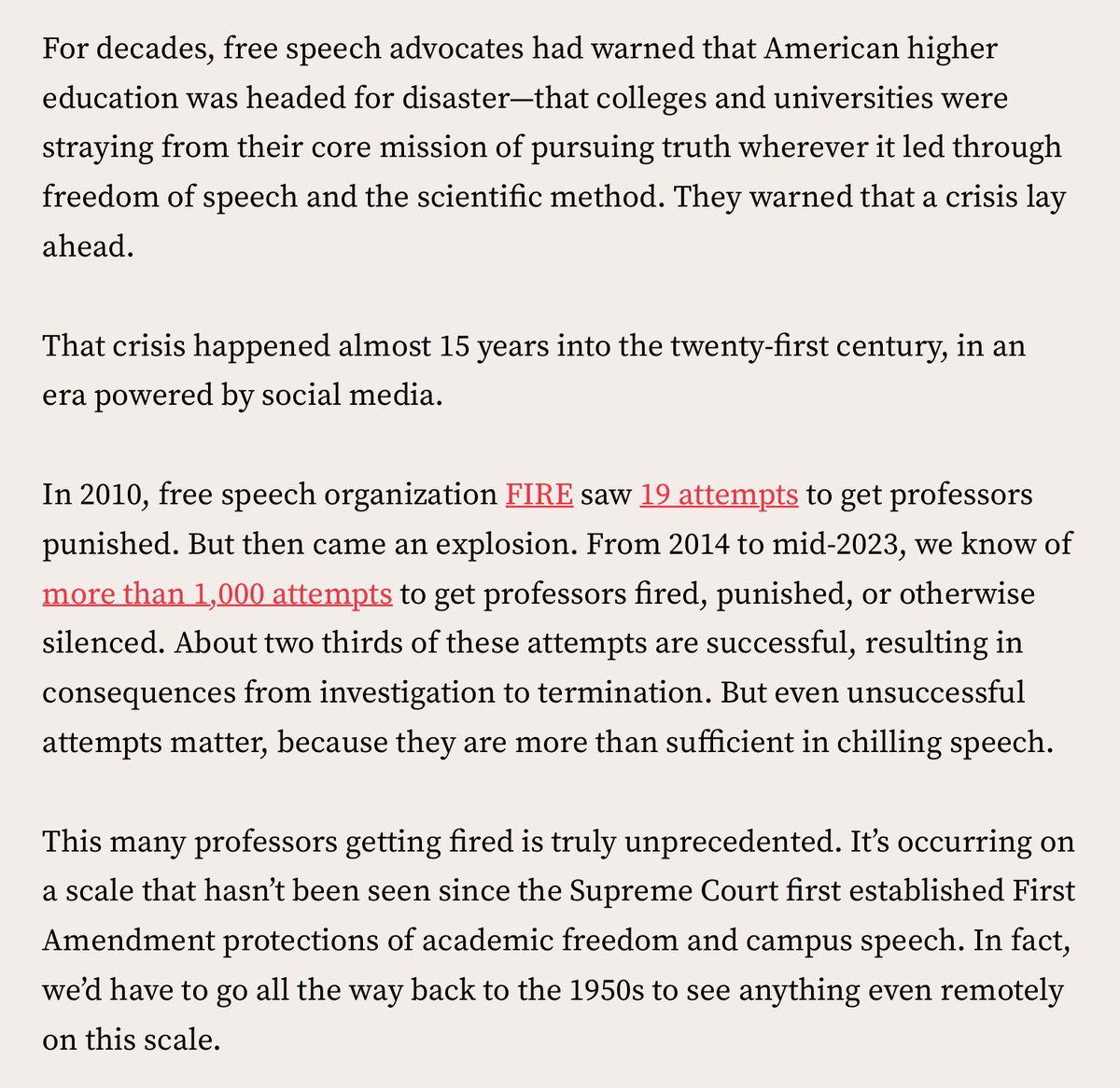
As a professor who favors free speech on campus, I can sympathize with the "nuanced" answers given by U. presidents yesterday, about whether calls to attack or wipe out Israel violate campus speech policies. What offends me is that since 2015, universities have been so quick to

The Physical Consequences of Loneliness | Psychology Today psychologytoday.com/us/blog/darwin… via Psychology Today Darwin Does Dating #Loneliness


Melissa S. Kearney When I taught in a Chinese university, grade inflation was solved by prohibiting professors in any department from giving more than 20% A grades. Maybe we should do the same.

What we look for in a partner is, to some degree, unique to ourselves. Yet, on the whole, most of us actually seek pretty similar things in an "ideal" mate. Why? It likely comes down to this, writes Darwin Does Dating psychologytoday.com/us/blog/darwin…