Chuck's Astrophotography (@chucksastropho1) 's Twitter Profile
Chuck's Astrophotography

@chucksastropho1

Astrophotography and Whatever Else

ID: 1354916275588386819

calendar_today28-01-2021 22:16:44

706 Tweet

6,6K Takipçi

378 Takip Edilen

Chuck's Astrophotography (@chucksastropho1) 's Twitter Profile Photo

Hello Everyone. The nebulosity goes edge to edge on this close-up of an emission nebula. I captured this rework of NGC 7822 from Detroit in 2021. I used my Explore Scientific 127MM refractor telescope and ZWO ASI1600MM camera to capture 27 hours of exposure time.

Hello Everyone. The nebulosity goes edge to edge on this close-up of an emission nebula.  I captured this rework of NGC 7822 from Detroit in 2021.  I used my Explore Scientific 127MM refractor telescope and ZWO ASI1600MM camera to capture 27 hours of exposure time.
Chuck's Astrophotography (@chucksastropho1) 's Twitter Profile Photo

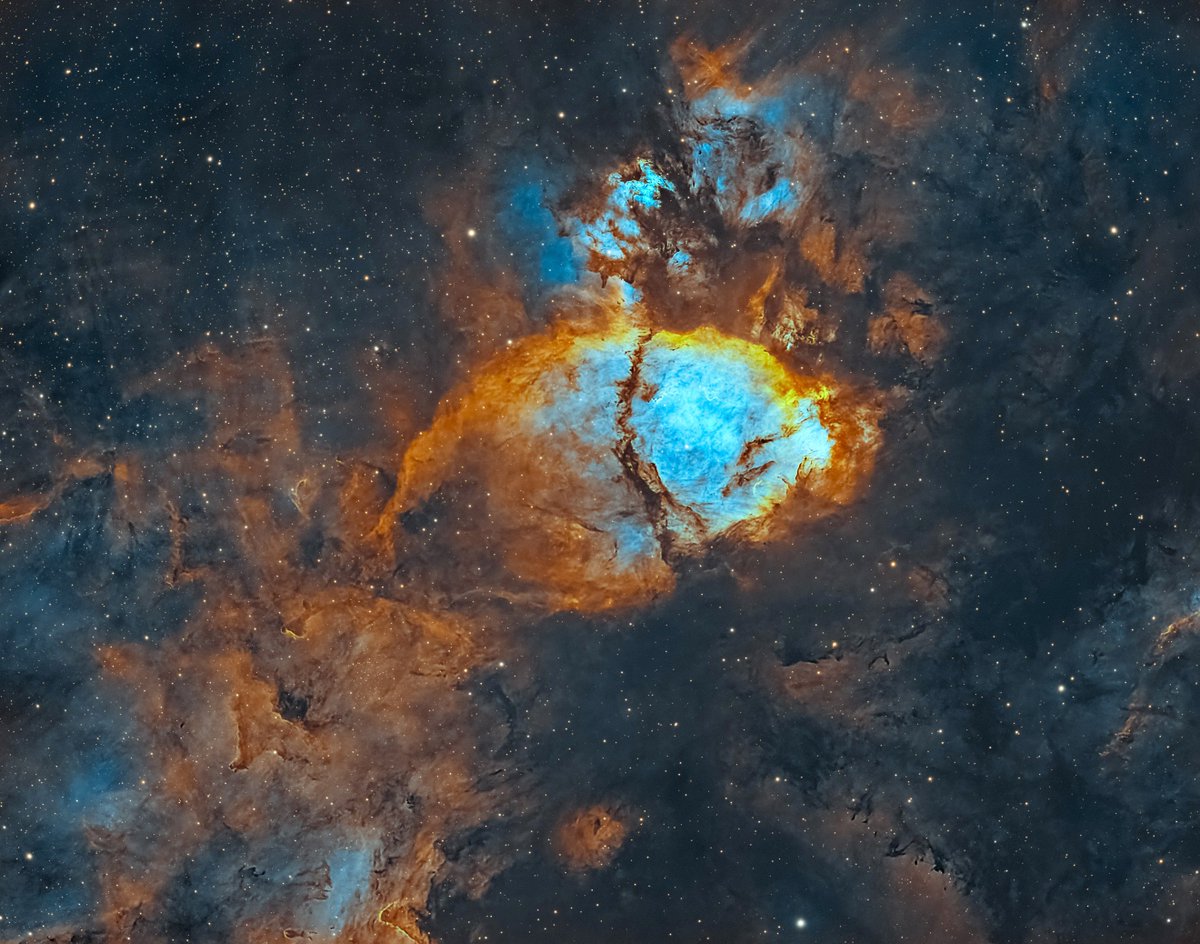
The Fishhead Nebula. Captured from Detroit. This nebula is located in the Constellation Cassiopeia, approximately 6,000 light-years from Earth. Explore Scientific 127MM telescope ZWO ASI1600MM camera

The Fishhead Nebula.  Captured from Detroit.  This nebula is located in the Constellation Cassiopeia, approximately 6,000 light-years from Earth.  

Explore Scientific 127MM telescope
ZWO ASI1600MM camera
Chuck's Astrophotography (@chucksastropho1) 's Twitter Profile Photo

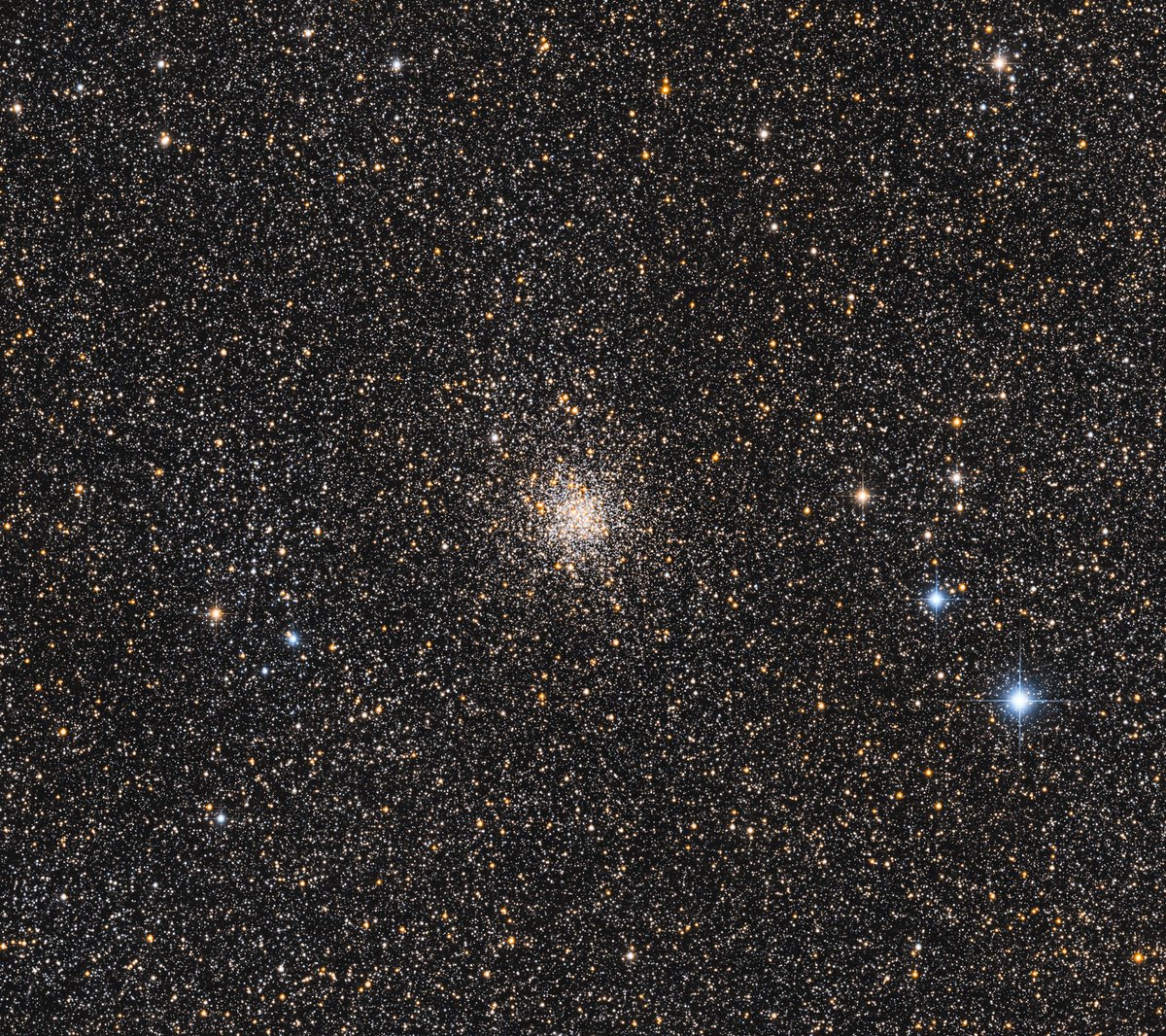
Hello Everyone, here is my latest capture - the M71 globular cluster at the center surrounded by the dense Milky Way star field. I captured this with my Celestron RASA telescope, ZWO ASI533MC color camera, and an Antlia L-Filter from Starfront Observatories, TX.

Hello Everyone, here is my latest capture - the M71 globular cluster at the center surrounded by the dense Milky Way star field. I captured this with my Celestron RASA telescope, ZWO ASI533MC color camera, and an Antlia L-Filter from Starfront Observatories, TX.
Chuck's Astrophotography (@chucksastropho1) 's Twitter Profile Photo

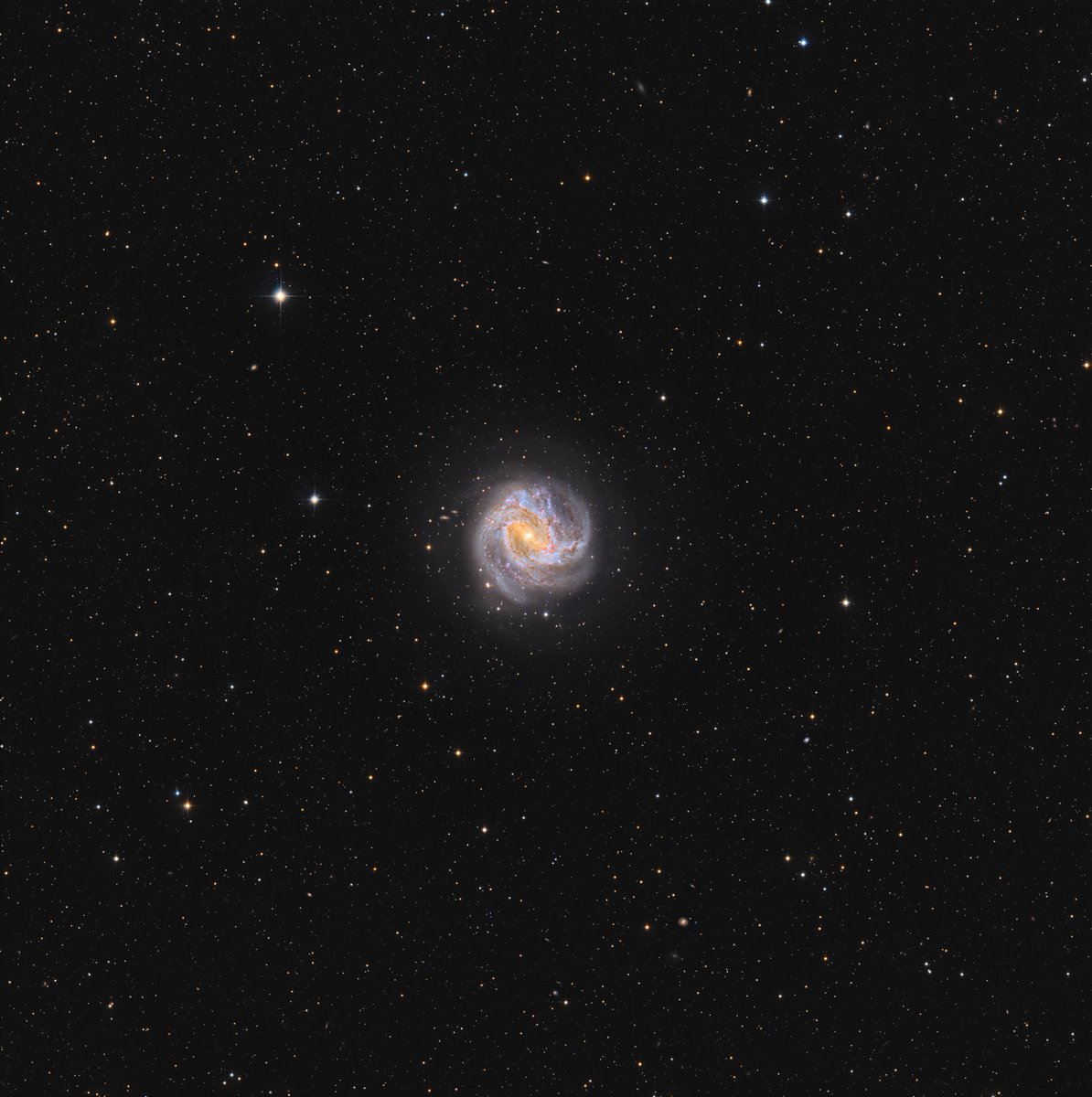
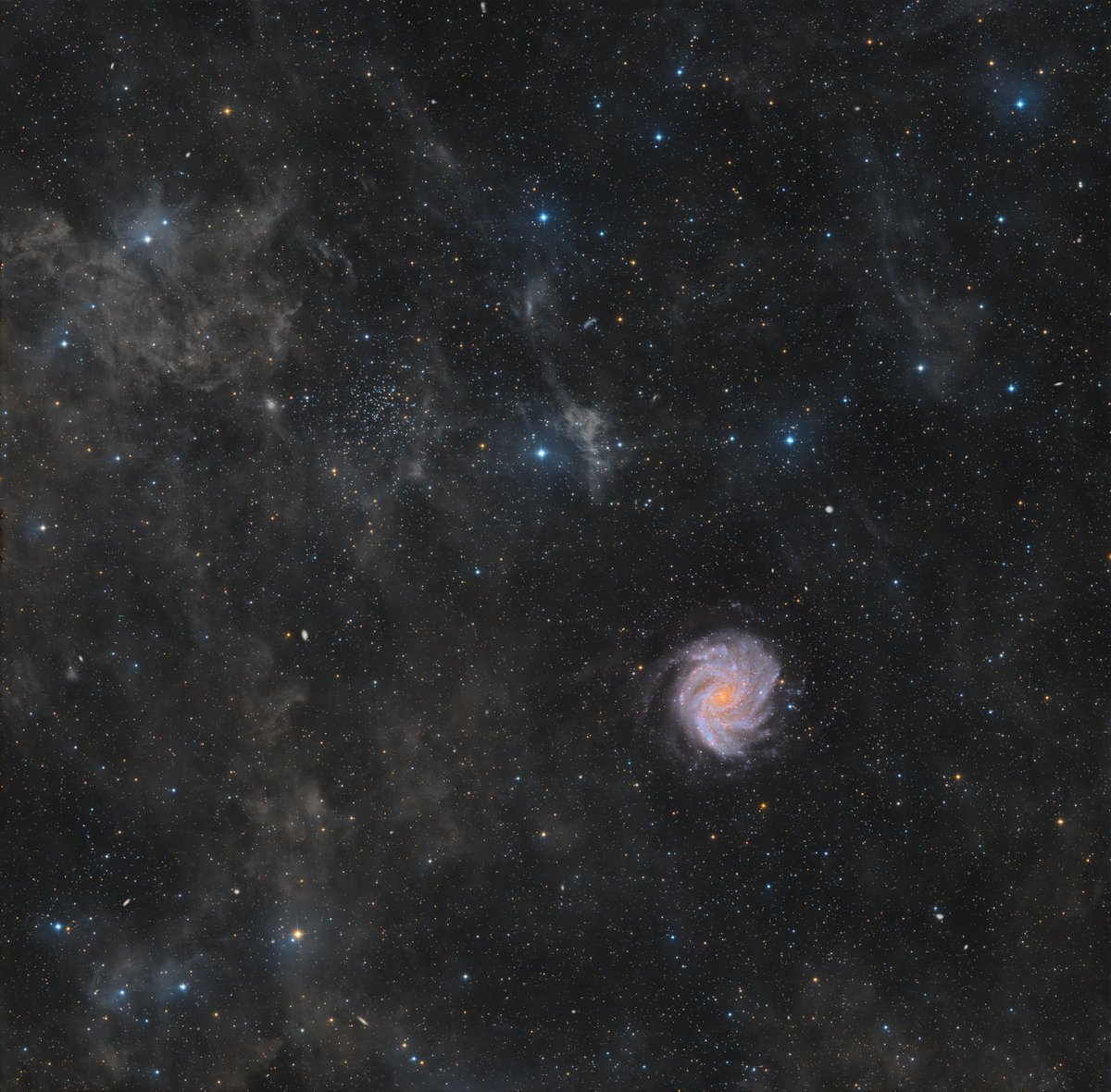
My latest. M83, the Southern Pinwheel Galaxy, is 15 million light-years away. It is one of the closest and brightest barred spiral galaxies and is visible with binoculars. Celestron RASA telescope ZWO ASI533MC color camera Antlia L-Filter Starfront Observatories, TX

My latest.  M83, the Southern Pinwheel Galaxy, is 15 million light-years away.  It is one of the closest and brightest barred spiral galaxies and is visible with binoculars.   

Celestron RASA telescope
ZWO ASI533MC color camera
Antlia L-Filter
Starfront Observatories, TX
Chuck's Astrophotography (@chucksastropho1) 's Twitter Profile Photo

Hello Everyone, here is my latest project - a close-up inside the Soul Nebula. It's 7,500 light years from Earth. I used my Explore Scientific 127MM Refractor, ASI1600MM camera, and Astronomik narrowband filters to capture this from Detroit.

Hello Everyone, here is my latest project - a close-up inside the Soul Nebula.  It's 7,500 light years from Earth.  I used my Explore Scientific 127MM Refractor, ASI1600MM camera, and Astronomik narrowband filters to capture this from Detroit.
Chuck's Astrophotography (@chucksastropho1) 's Twitter Profile Photo

My latest capture - M98. It's a spiral galaxy about 44 million light-years away. About 750 million years ago, it may have interacted with the large spiral galaxy Messier 99. Celestron RASA telescope ZWO ASI533MC color camera Antlia L-Filter Starfront Observatories, TX.

My latest capture - M98.  It's a spiral galaxy about 44 million light-years away.  About 750 million years ago, it may have interacted with the large spiral galaxy Messier 99.   

Celestron RASA telescope
ZWO ASI533MC color camera
Antlia L-Filter
Starfront Observatories, TX.
Chuck's Astrophotography (@chucksastropho1) 's Twitter Profile Photo

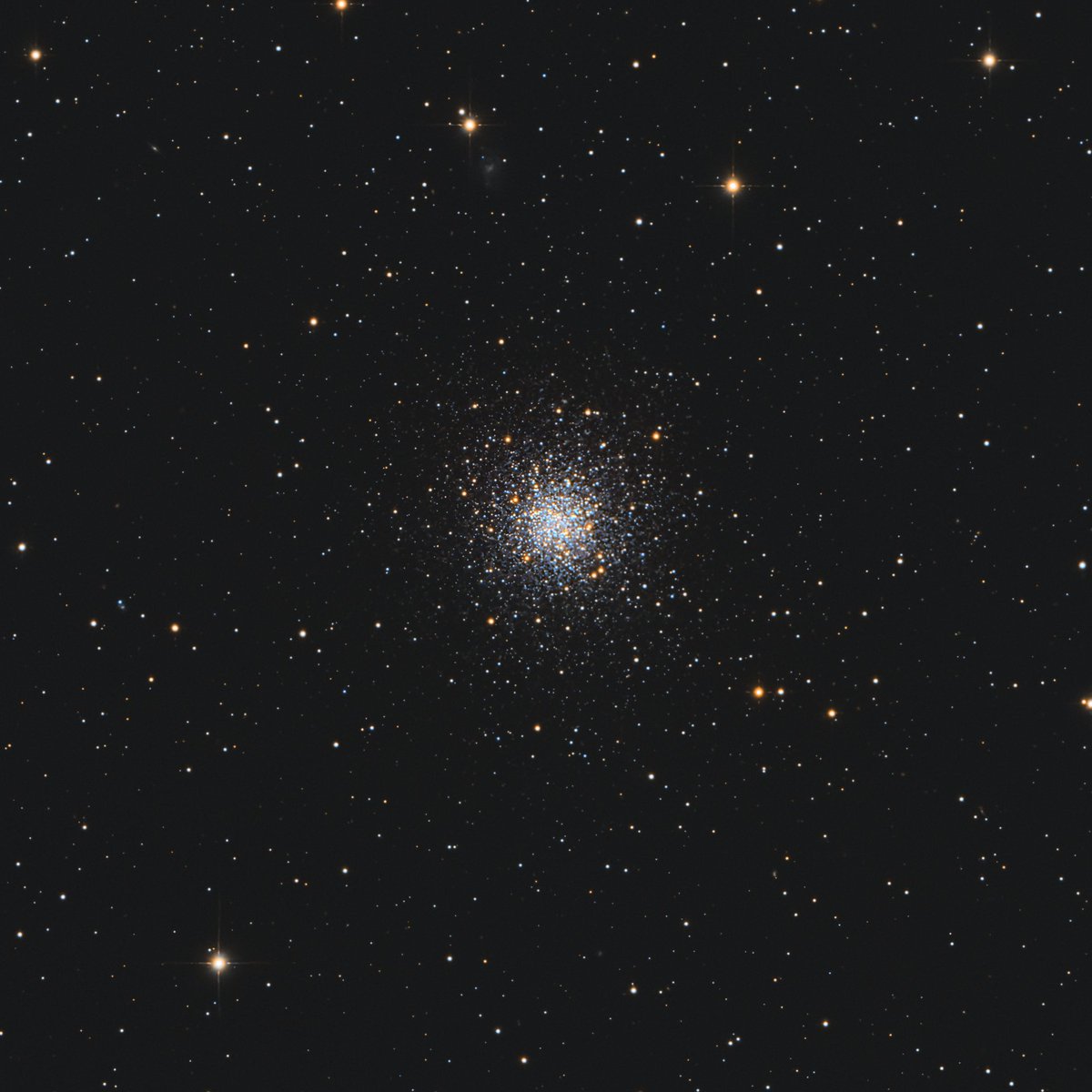
Hello everyone, here is my latest capture. Messier 68 is a globular cluster that is easily home to over 100,000 stars. It's 33,600 light-years away from Earth. Celestron RASA telescope ZWO ASI533MC color camera Antlia L-Filter Starfront Observatories, TX

Hello everyone, here is my latest capture.  Messier 68 is a globular cluster that is easily home to over 100,000 stars.  It's 33,600 light-years away from Earth.  

Celestron RASA telescope
ZWO ASI533MC color camera
Antlia L-Filter
Starfront Observatories, TX
Chuck's Astrophotography (@chucksastropho1) 's Twitter Profile Photo

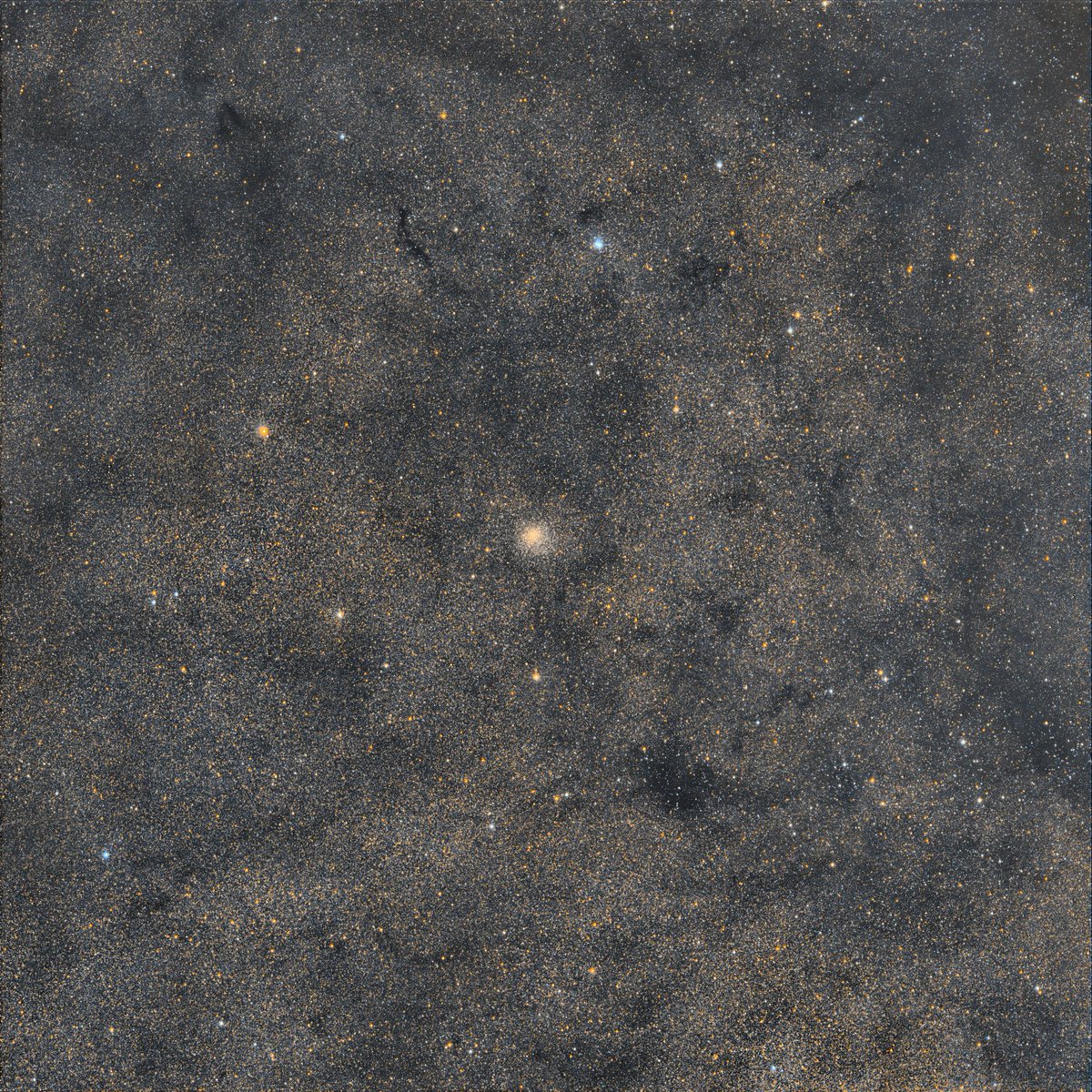
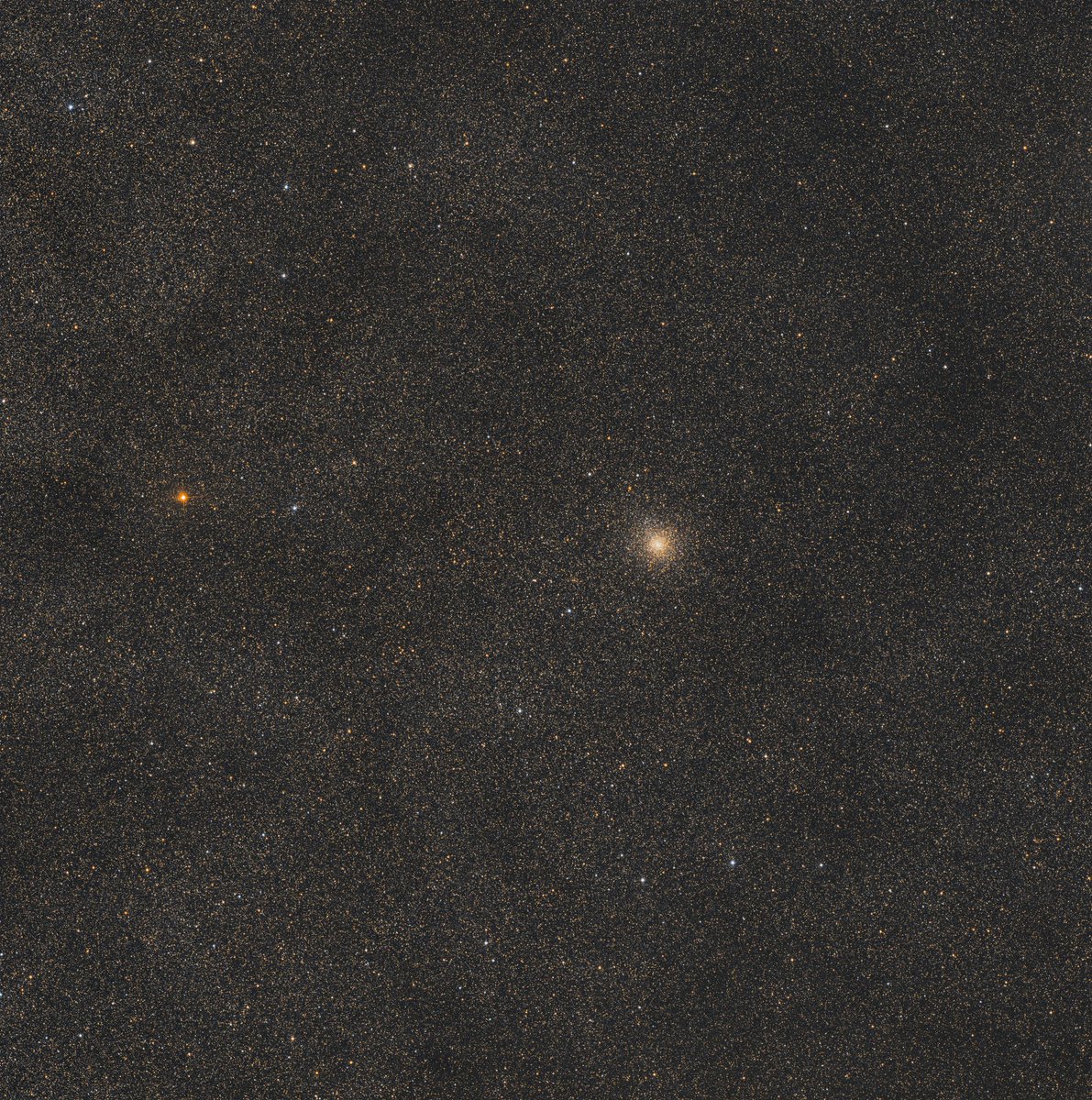
There are over 100 billion stars in our Milky Way Galaxy, so I pointed my telescope at a very dense part of it. NGC 6553 (globular cluster) is at the center of this picture. Celestron RASA telescope ZWO ASI533MC color camera, Antlia L-Filter Starfront Observatories, TX

There are over 100 billion stars in our Milky Way Galaxy, so I pointed my telescope at a very dense part of it.  NGC 6553 (globular cluster) is at the center of this picture.   

Celestron RASA telescope
ZWO ASI533MC color camera,
Antlia L-Filter
Starfront Observatories, TX
Chuck's Astrophotography (@chucksastropho1) 's Twitter Profile Photo

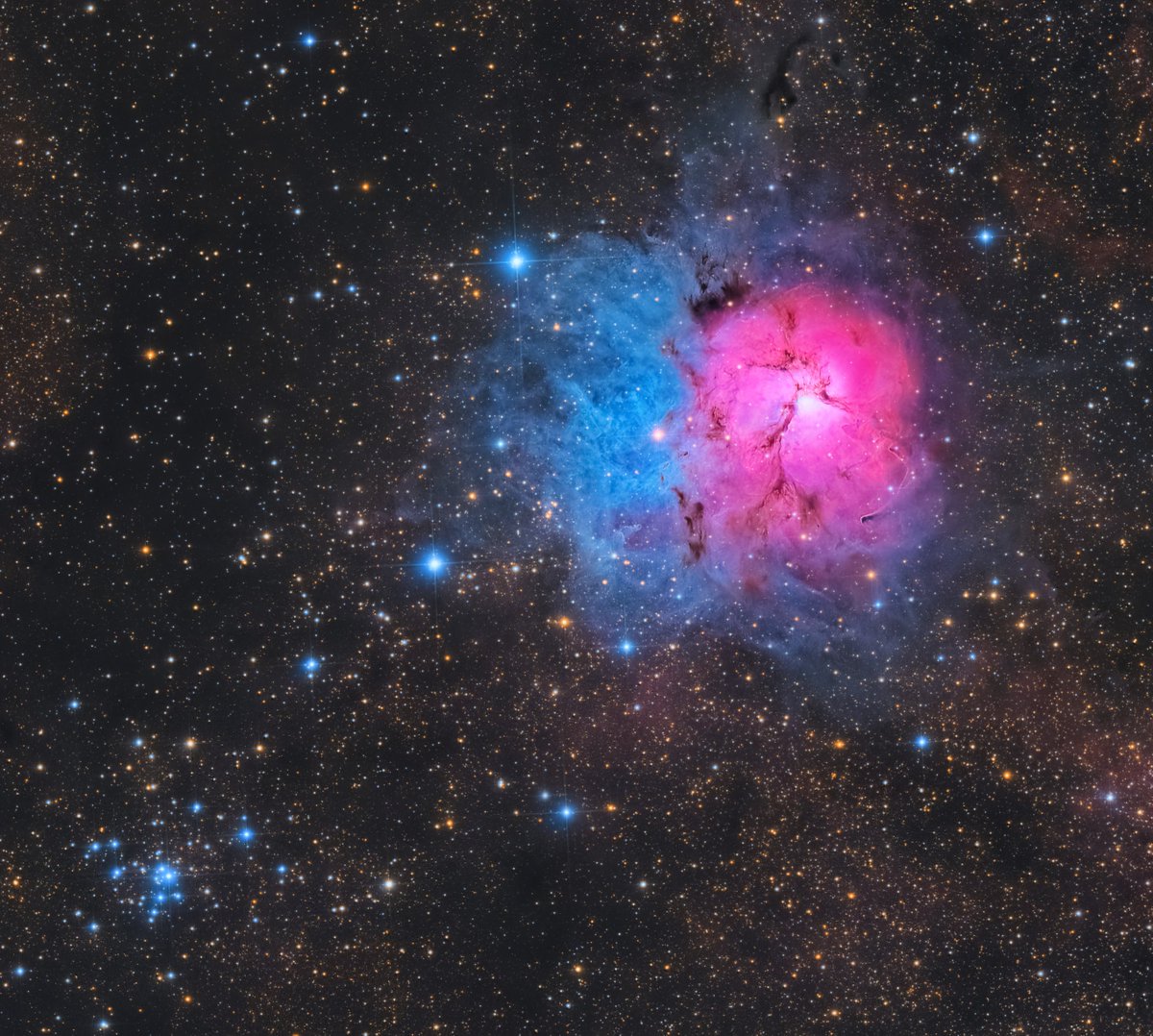
My latest capture. The Trifid Nebula is a star-forming region in the constellation Sagittarius. The red color is from glowing hydrogen, while the blue is from reflected starlight. Celestron RASA telescope ZWO ASI533MC camera Antlia L-Filter Starfront Observatories, TX

My latest capture.  The Trifid Nebula is a star-forming region in the constellation Sagittarius.  The red color is from glowing hydrogen, while the blue is from reflected starlight.  

Celestron RASA telescope
ZWO ASI533MC camera
Antlia L-Filter
Starfront Observatories, TX
Chuck's Astrophotography (@chucksastropho1) 's Twitter Profile Photo

My latest capture. M69 is a globular cluster in the southern constellation of Sagittarius. This cluster is about 28,700 light-years away from Earth and contains over 100,000 stars. Celestron RASA telescope ZWO ASI533MC camera Antlia L-Filter Starfront Observatories, TX

My latest capture. M69 is a globular cluster in the southern constellation of Sagittarius. This cluster is about 28,700 light-years away from Earth and contains over 100,000 stars.   

Celestron RASA telescope
ZWO ASI533MC camera
Antlia L-Filter
Starfront Observatories, TX
Chuck's Astrophotography (@chucksastropho1) 's Twitter Profile Photo

My latest capture, M22. It's a globular cluster of stars in the constellation Sagittarius. M22 is one of the nearest globular clusters to Earth, at about 10,600 light-years away. Celestron RASA telescope ZWO ASI533MC color camera Antlia L-Filter Starfront Observatories, TX

My latest capture, M22.  It's a globular cluster of stars in the constellation Sagittarius.  M22 is one of the nearest globular clusters to Earth, at about 10,600 light-years away.  

Celestron RASA telescope
ZWO ASI533MC color camera
Antlia L-Filter
Starfront Observatories, TX
Chuck's Astrophotography (@chucksastropho1) 's Twitter Profile Photo

My latest capture. This is the 'E' nebula - a combination of two dark nebulae, Barnard 143 (top half of the 'E') and Barnard 142 (lower half) with a background of Milky Way stars. Celestron RASA telescope ZWO ASI533MC camera Antlia L-Filter Starfront Observatories, TX

My latest capture.  This is the 'E' nebula - a combination of two dark nebulae, Barnard 143 (top half of the 'E') and Barnard 142 (lower half) with a background of Milky Way stars. 

Celestron RASA telescope
ZWO ASI533MC camera
Antlia L-Filter
Starfront Observatories, TX
Chuck's Astrophotography (@chucksastropho1) 's Twitter Profile Photo

My latest capture is a double globular cluster. M9 (lower right), NGC 6356 (upper left). Globular clusters are collections of tens of thousands to millions of stars, tightly bound together by gravity. Celestron RASA scope ZWO ASI533MC camera Starfront Observatories, TX

My latest capture is a double globular cluster.  M9 (lower right), NGC 6356 (upper left).  Globular clusters are collections of tens of thousands to millions of stars, tightly bound together by gravity. 

Celestron RASA scope
ZWO ASI533MC camera
Starfront Observatories, TX
Chuck's Astrophotography (@chucksastropho1) 's Twitter Profile Photo

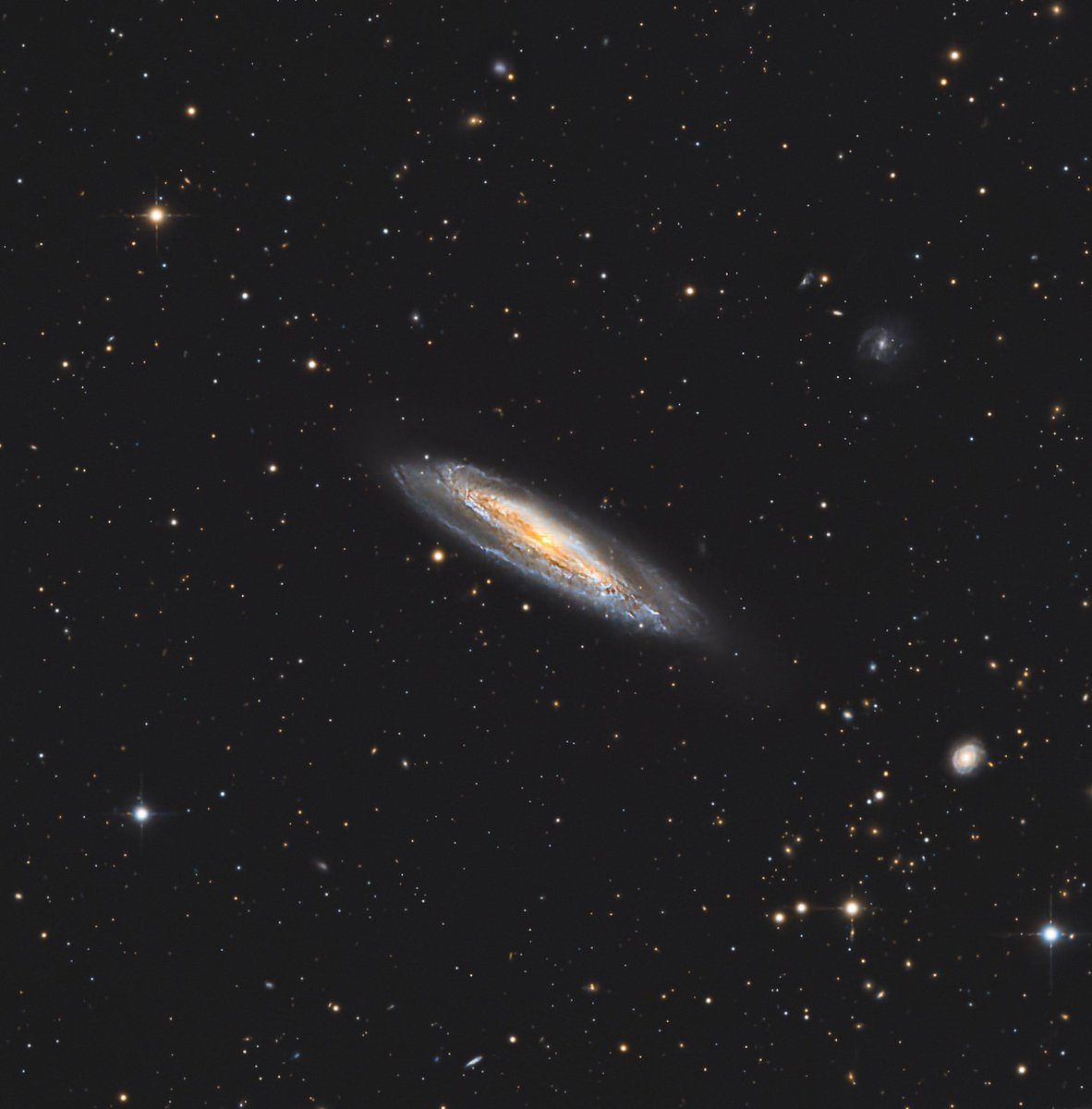
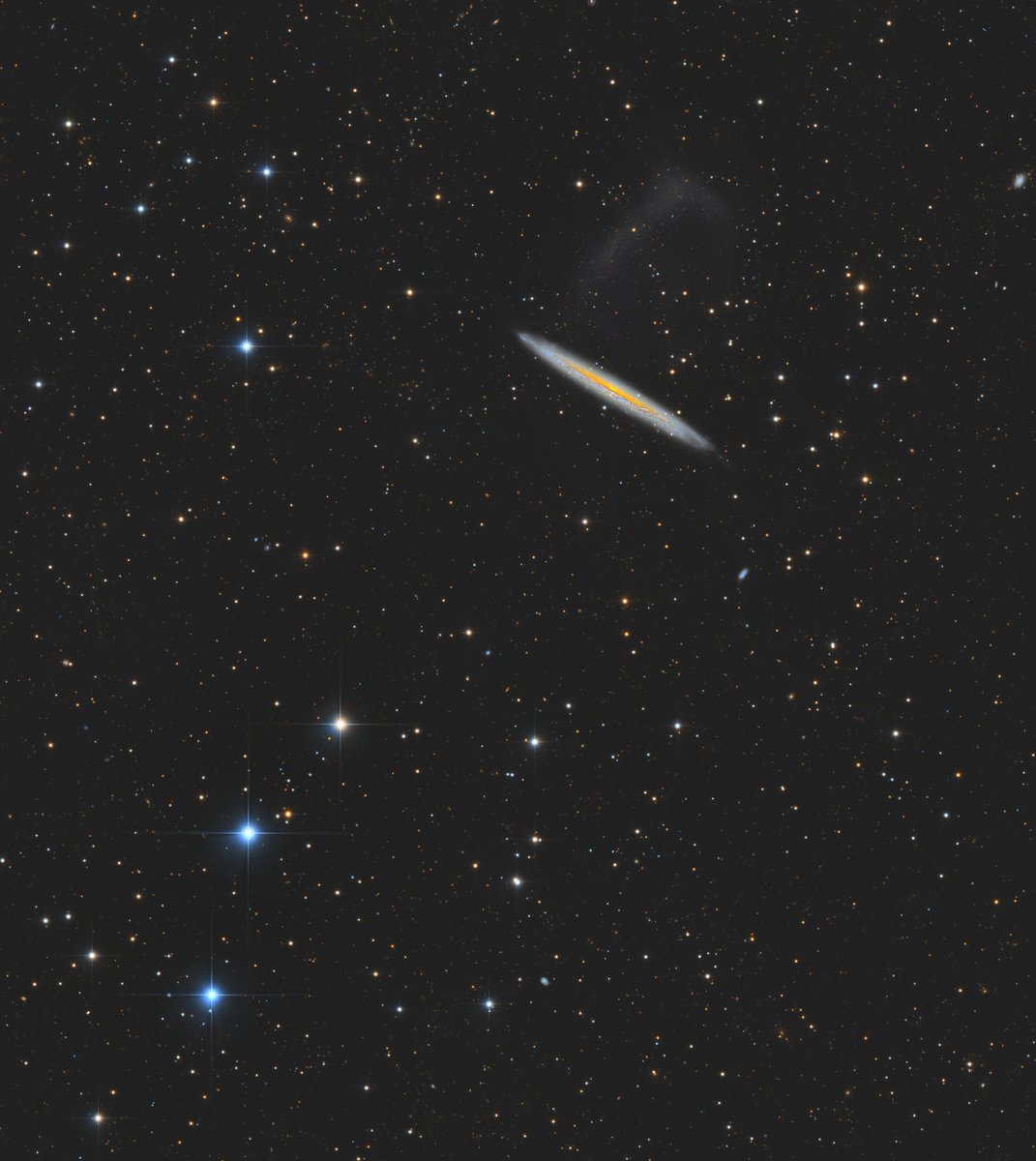
My latest capture. NGC 5906 is an edge-on galaxy 46.5 million light years away. It took 17 hours of exposure time to show the very faint tidal stream of stars extending from the disk. Celestron RASA telescope ZWO ASI533MC camera Antlia L-Filter Starfront Observatories, TX

My latest capture.  NGC 5906 is an edge-on galaxy 46.5 million light years away.  It took 17 hours of exposure time to show the very faint tidal stream of stars extending from the disk.  

Celestron RASA telescope
ZWO ASI533MC camera
Antlia L-Filter
Starfront Observatories, TX
Chuck's Astrophotography (@chucksastropho1) 's Twitter Profile Photo

Here is my latest capture - the Fireworks Galaxy. It gets that name because of the high rate of Supernovae (star explosions) observed, 10 times more than in our Milky Way galaxy. Celestron RASA telescope ZWO ASI533MC camera Antlia L-Filter Starfront Observatories, TX

Here is my latest capture - the Fireworks Galaxy.  It gets that name because of the high rate of Supernovae (star explosions) observed, 10 times more than in our Milky Way galaxy.    

Celestron RASA telescope
ZWO ASI533MC camera
Antlia L-Filter
Starfront Observatories, TX
Chuck's Astrophotography (@chucksastropho1) 's Twitter Profile Photo

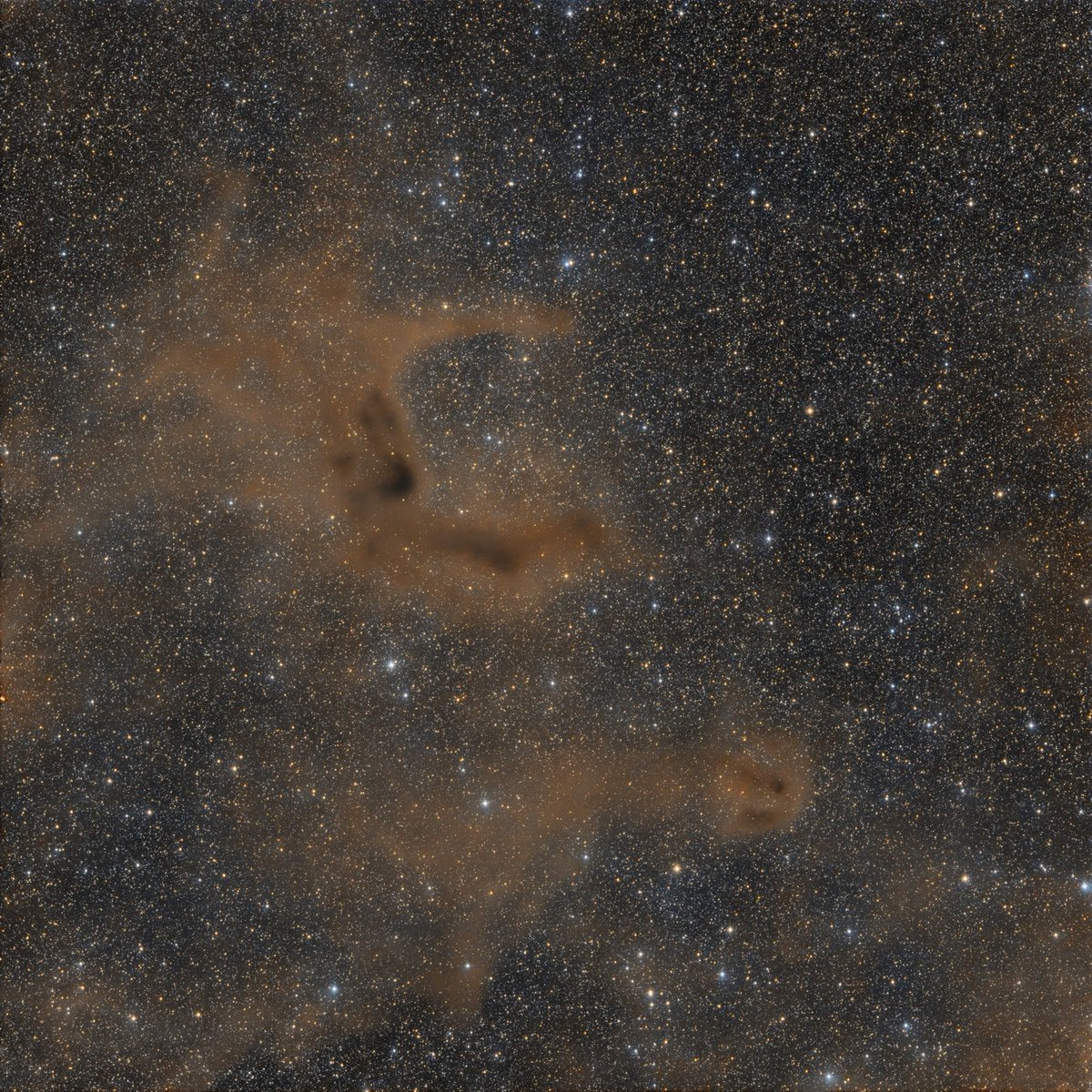
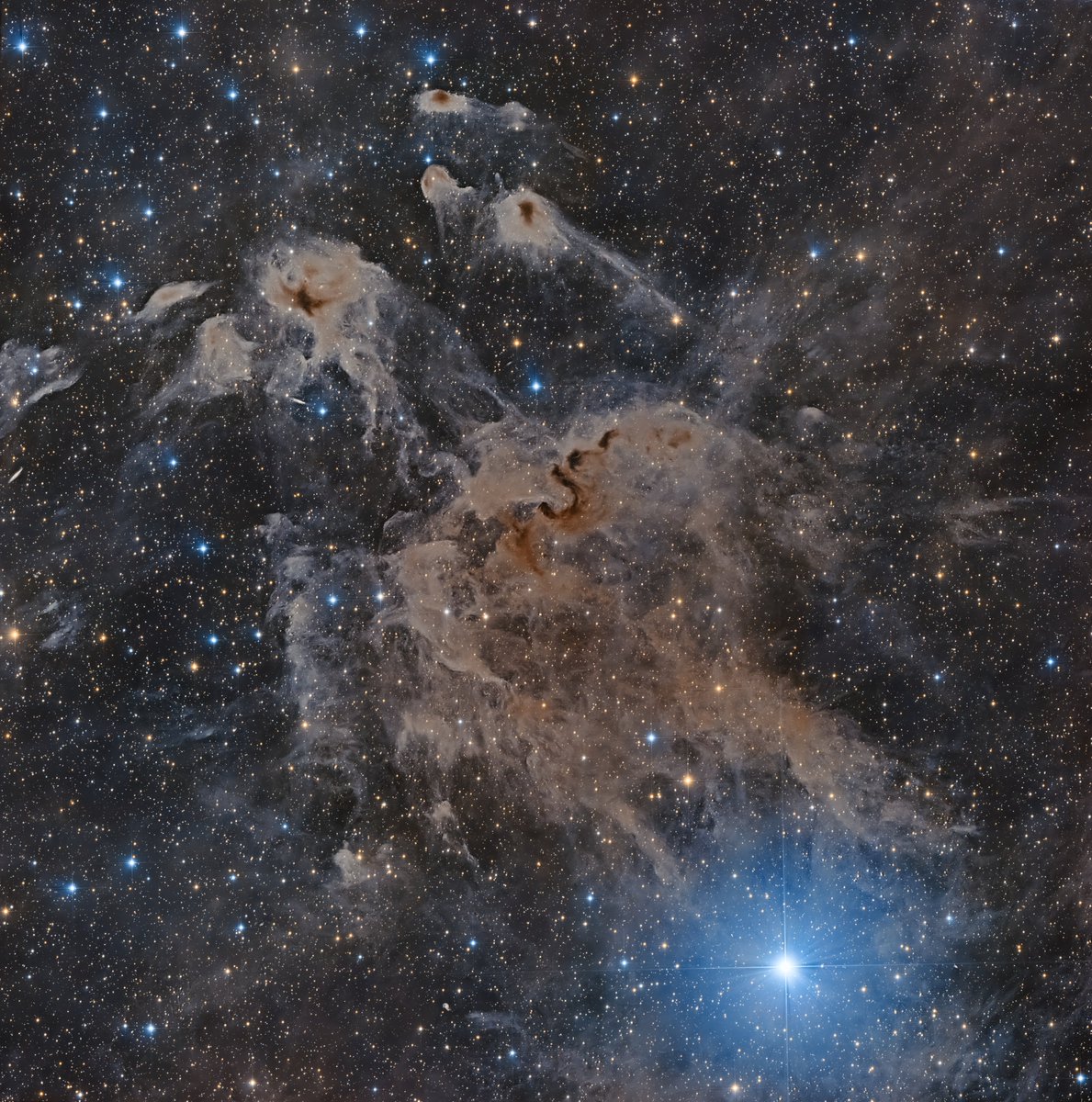
My latest capture. The LDN 1100 nebula is located in the constellation Cepheus. It's a dark nebula made up of dense regions of interstellar dust and gas that block visible light. Celestron RASA telescope ZWO ASI533MC color camera Antlia L-Filter Starfront Observatories, TX

My latest capture.  The LDN 1100 nebula is located in the constellation Cepheus.  It's a dark nebula made up of dense regions of interstellar dust and gas that block visible light.  

Celestron RASA telescope
ZWO ASI533MC color camera
Antlia L-Filter
Starfront Observatories, TX
Chuck's Astrophotography (@chucksastropho1) 's Twitter Profile Photo

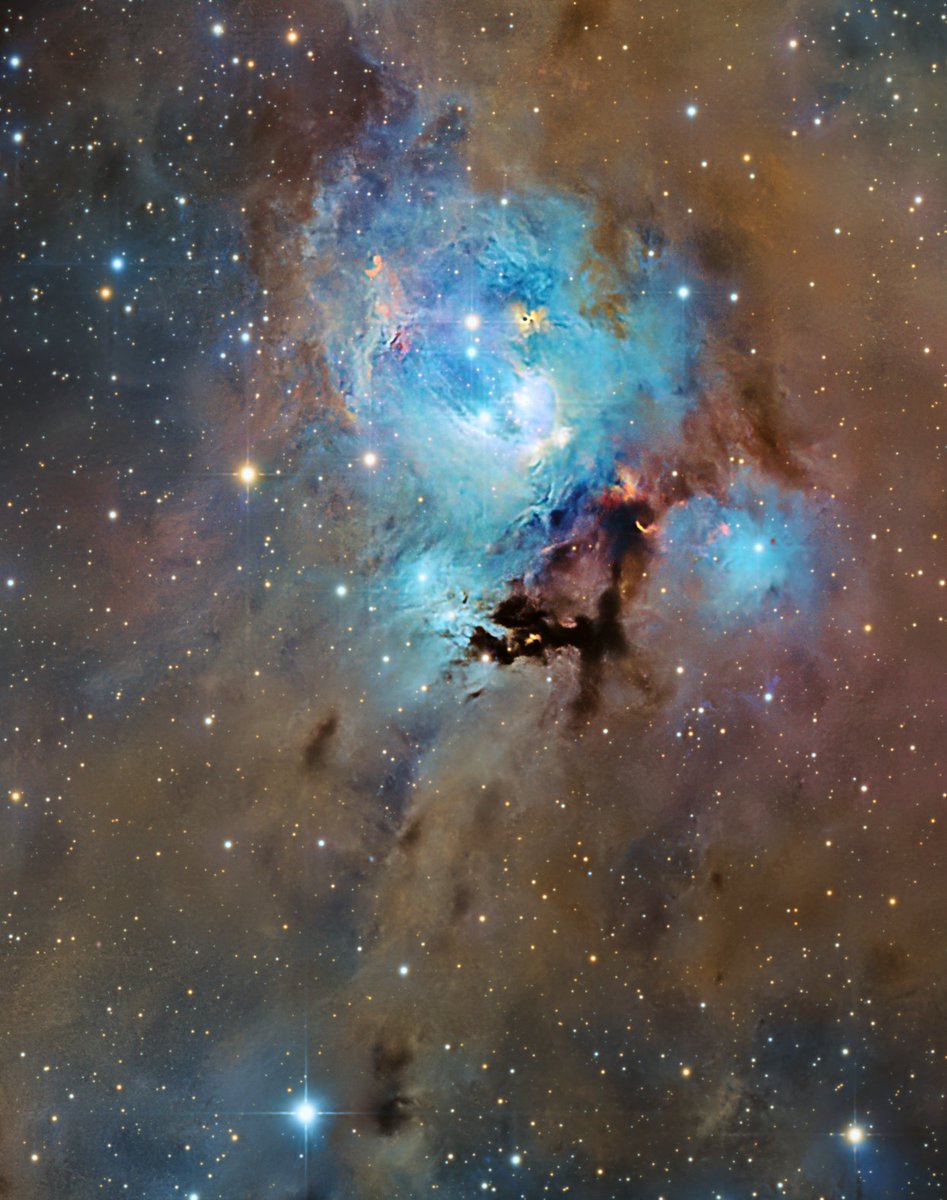
My latest - the Flower Bud Nebula (NGC 7129). Three young stars near the center are sending jets of supersonic gas, producing the complex nebulosity that appears like a stem of a rosebud. Celestron RASA telescope ZWO ASI533MC camera Antlia L-Filter Starfront Observatories, TX

My latest - the Flower Bud Nebula (NGC 7129). Three young stars near the center are sending jets of supersonic gas, producing the complex nebulosity that appears like a stem of a rosebud. 

Celestron RASA telescope
ZWO ASI533MC camera
Antlia L-Filter
Starfront Observatories, TX
Chuck's Astrophotography (@chucksastropho1) 's Twitter Profile Photo

My latest capture - globular cluster M28. It's near the center of the constellation Sagittarius. It was discovered in 1764. It's calculated to have formed around 12 billion years ago. Celestron RASA telescope ZWO ASI533MC camera Antlia L-Filter Starfront Observatories, TX

My latest capture - globular cluster M28.  It's near the center of the constellation Sagittarius.  It was discovered in 1764.  It's calculated to have formed around 12 billion years ago.  

Celestron RASA telescope
ZWO ASI533MC camera
Antlia L-Filter
Starfront Observatories, TX
Chuck's Astrophotography (@chucksastropho1) 's Twitter Profile Photo

My latest capture - a dark nebula called the Stingray Nebula (SH2-63). Dark nebulae glow primarily in infrared light, but also reflect visible light from surrounding stars. Celestron RASA telescope ZWO ASI533MC color camera Antlia L-Filter Starfront Observatories, TX

My latest capture - a dark nebula called the Stingray Nebula (SH2-63).   Dark nebulae glow primarily in infrared light, but also reflect visible light from surrounding stars.  

Celestron RASA telescope
ZWO ASI533MC color camera
Antlia L-Filter
Starfront Observatories, TX
Chuck's Astrophotography (@chucksastropho1) 's Twitter Profile Photo

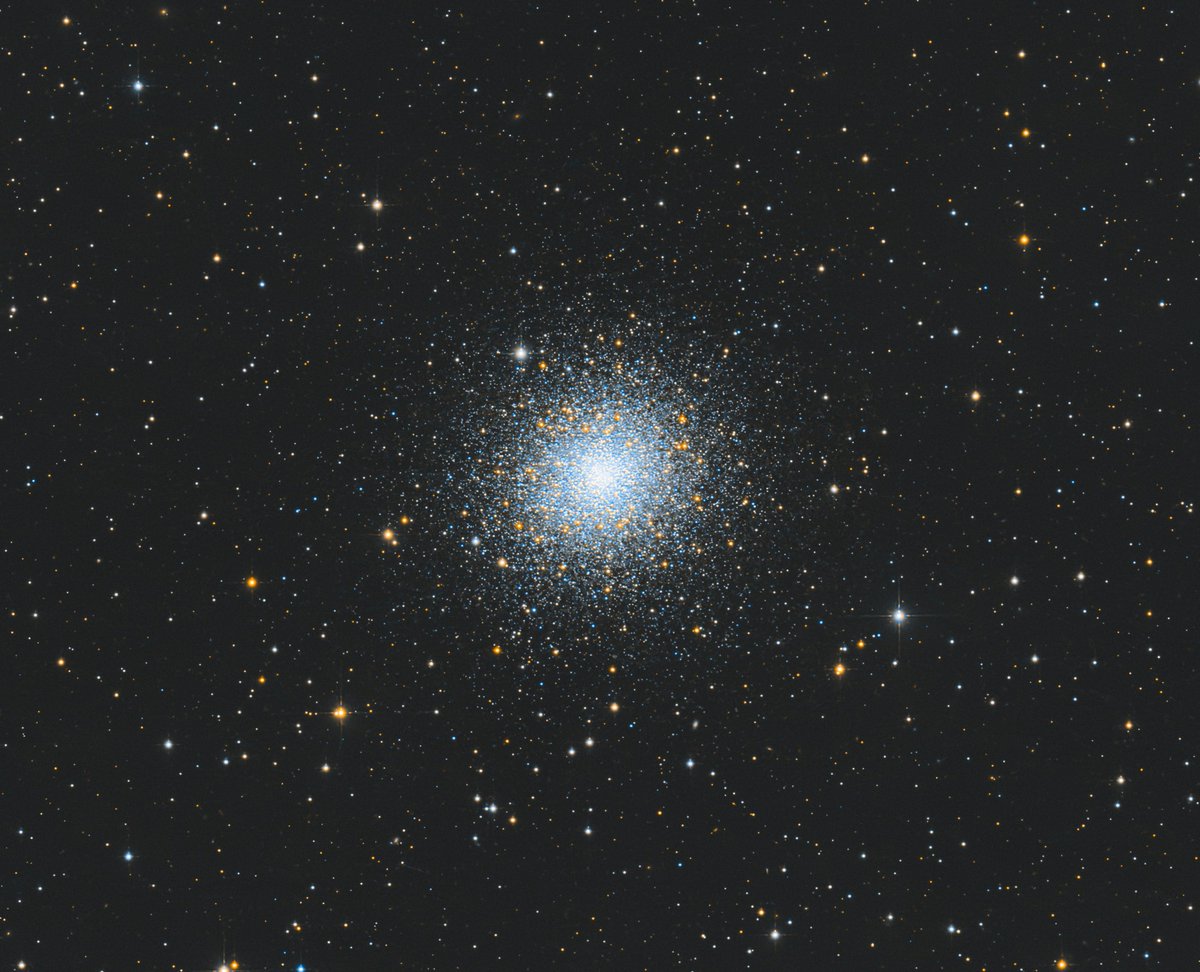
Here is my latest capture. M2 is one of the largest known globular clusters. It's 55,000 light years from Earth. Under extremely good conditions, it is visible to the naked eye. Celestron RASA telescope ZWO ASI533MC camera Antlia L-Filter Starfront Observatories, TX

Here is my latest capture.  M2 is one of the largest known globular clusters.  It's 55,000 light years from Earth.  Under extremely good conditions, it is visible to the naked eye.  

Celestron RASA telescope
ZWO ASI533MC camera
Antlia L-Filter
Starfront Observatories, TX