C.P. Cavafy (@ccavafy) 's Twitter Profile
C.P. Cavafy

@ccavafy

Poet-historian

ID: 2872159805

calendar_today11-11-2014 11:23:06

10,10K Tweet

13,13K Takipçi

2,2K Takip Edilen
C.P. Cavafy (@ccavafy) 's Twitter Profile Photo

The Anglo-Greek dictionary “An English-Greek Lexicon Abridged from the Larger Work” (1877) by Charles Duke Yonge. On the subtitle page, the bookplate stamp CPC of Cavafy is found, along with a poem in English, with monograms of John Cavafy, the poet’s brother. Cavafy Archive.

The Anglo-Greek dictionary “An English-Greek Lexicon Abridged from the Larger Work” (1877) by Charles Duke Yonge. On the subtitle page, the bookplate stamp CPC of Cavafy is found, along with a poem in English, with monograms of John Cavafy, the poet’s brother. Cavafy Archive.
🌿 Héraklès Citharède🏺 (@heraklescithare) 's Twitter Profile Photo

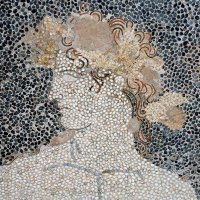
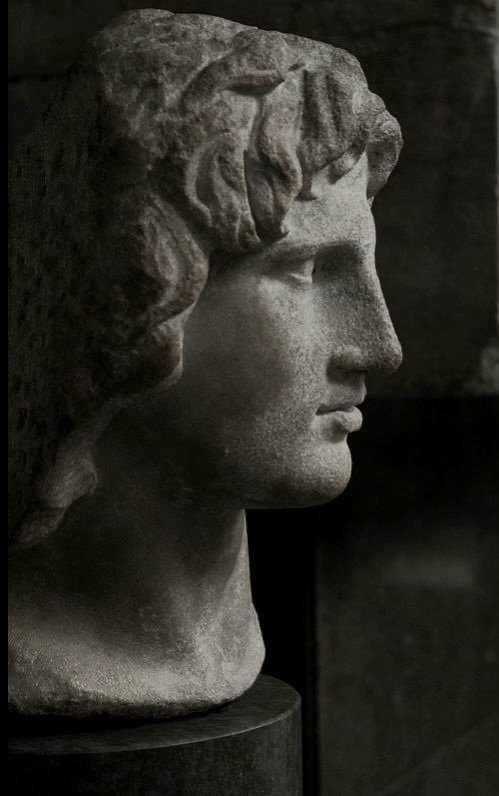
Le saviez-vous ? Les premiers portraits de rois grecs datent des successeurs d’Alexandre, avec notamment Ptolémée Ier et Démétrios Poliorcète dans les toutes premières années du IIIe siècle av. J.-C. Sur ces exemplaires, les deux rois portent le diadème des athlètes vainqueurs,

Le saviez-vous ? Les premiers portraits de rois grecs datent des successeurs d’Alexandre, avec notamment Ptolémée Ier et Démétrios Poliorcète dans les toutes premières années du IIIe siècle av. J.-C. Sur ces exemplaires, les deux rois portent le diadème des athlètes vainqueurs,
Michel Lara (@veracausa9) 's Twitter Profile Photo

According to Plutarch, Alexander took with him Aristotle's annotated copy of Homer's Iliad, aka "The Iliad of the Casket" for after judging a coffer the most precious of King Darius' treasures, Alexander declared that only 'The Iliad' was worthy of being placed inside.

According to Plutarch,  Alexander took with him Aristotle's annotated copy of Homer's Iliad, aka "The Iliad of the Casket" for after judging a coffer the most precious of King Darius' treasures, Alexander declared that only 'The Iliad' was worthy of being placed inside.
Greece in the Netherlands (@pressgreekembas) 's Twitter Profile Photo

🗣️ Fragments, Clues, and Surprises in Literary Biographies: Writing Cavafy’s Life 🗓️ 28.11.2025 ⏱️17.00 📍 SPUI25 #Amsterdam 🖇️ spui25.nl/programma/frag… #Cavafy #UvA #SPUI25 📗📕⁦ONASSIS USA C.P. Cavafy⁩ ⁦ONASSIS STEGI⁩ #NGNS #ΕΕΝΣ #FGw

🗣️ Fragments, Clues, and Surprises in Literary Biographies: Writing Cavafy’s Life

🗓️ 28.11.2025 ⏱️17.00
📍 SPUI25 #Amsterdam

🖇️ spui25.nl/programma/frag…
#Cavafy #UvA #SPUI25 📗📕⁦<a href="/OnassisUSA/">ONASSIS USA</a> <a href="/CCavafy/">C.P. Cavafy</a>⁩ ⁦<a href="/OnassisStegi/">ONASSIS STEGI</a>⁩ #NGNS #ΕΕΝΣ #FGw
C.P. Cavafy (@ccavafy) 's Twitter Profile Photo

“It was a thing of my love, that blood.” – C.P. Cavafy, “The Bandaged Shoulder”, translated by Edmund Keeley and Philip Sherrard.

“It was a thing of my love, that blood.”

– C.P. Cavafy, “The Bandaged Shoulder”, translated by Edmund Keeley and Philip Sherrard.
K.Diallo ☭ (@nyeusi_waasi) 's Twitter Profile Photo

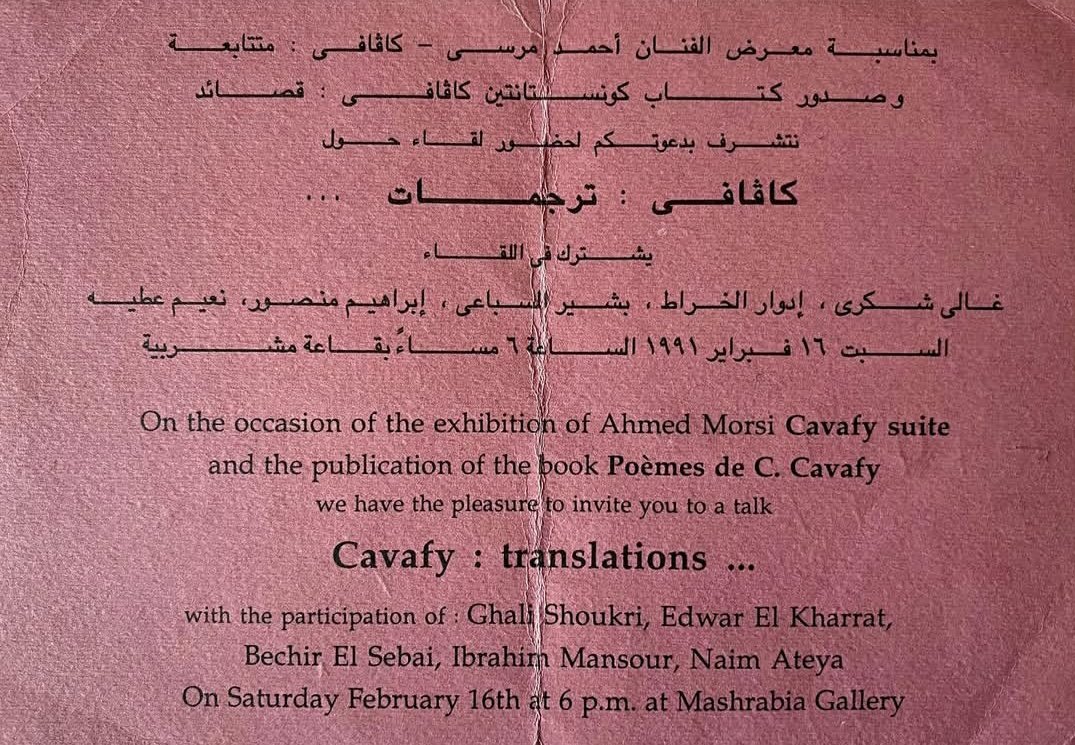
The pioneer Ahmed Morsi at the 1991 opening of his exhibition “Cavafy Suite”, accompanied by Egyptian visual artists Gamil Shafik and Abdel Hady al-Washahy, as well as writers Ibrahim Mansour and Mostafa al-Husseini.

The pioneer Ahmed Morsi at the 1991 opening of his exhibition “Cavafy Suite”, accompanied by Egyptian visual artists Gamil Shafik and Abdel Hady al-Washahy, as well as writers Ibrahim Mansour and Mostafa al-Husseini.
365 Constantinople Days (@365romandays) 's Twitter Profile Photo

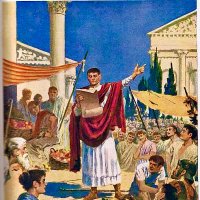
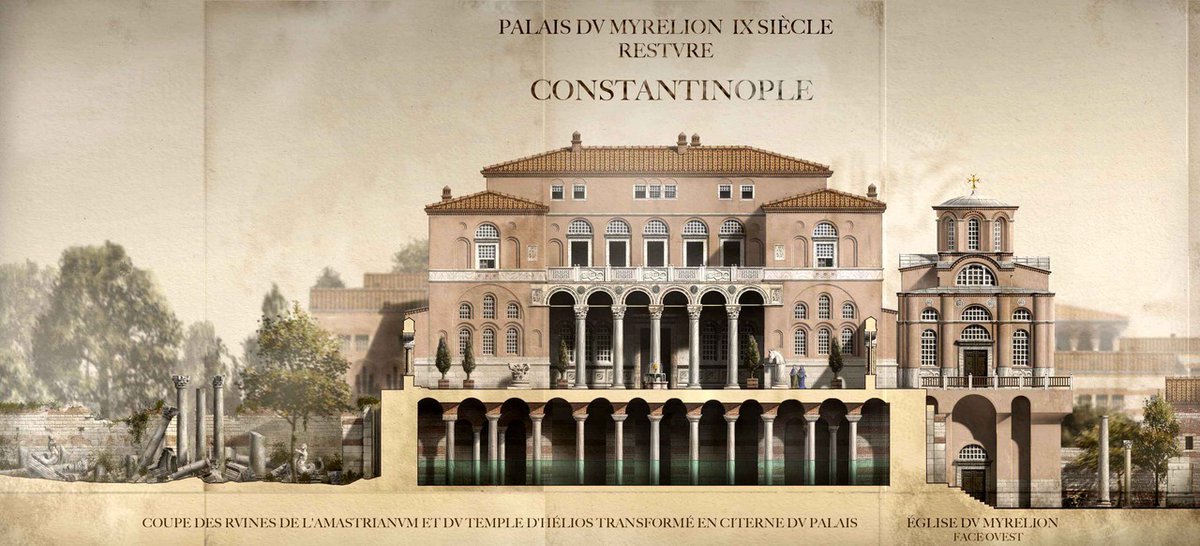
#Rom365, November 23, 870, birth of emp. Alexander, son of Basil I, brother of Leo VI. When Leo died Alexander became senior emperor over Leo's son, co-emp Constantine VII. Alexander then banished Constantine's mother, Empress Zoe Karbonopsina, from the palace at #Constantinople.

#Rom365, November 23, 870, birth of emp. Alexander, son of Basil I, brother of Leo VI. When Leo died Alexander became senior emperor over Leo's son, co-emp Constantine VII. Alexander then banished Constantine's mother, Empress Zoe Karbonopsina, from the palace at #Constantinople.
Greek News Agenda (@greeknewsagenda) 's Twitter Profile Photo

On the occasion of his translation of Cavafy's poetic work into Portuguese, Reading Greece spoke to distinguished translator José Luís Costa about the challenges οf translating the book & how appealing is Greek literature to Portuguese readers Read more👉 greeknewsagenda.gr/reading-greece…

On the occasion of his translation of Cavafy's poetic work into Portuguese, Reading Greece spoke to distinguished translator José Luís Costa about the challenges οf translating the book &amp; how appealing is Greek literature to Portuguese readers

Read more👉 greeknewsagenda.gr/reading-greece…
C.P. Cavafy (@ccavafy) 's Twitter Profile Photo

The Athenian journal “Ethnikon Imerologion”, edited by K.F. Skokos and published 1886–1918, was popular with the Greek diaspora. It was among the first to introduce Cavafy’s poetry to the general public, featuring three poems in its 1898 edition. — Cavafy Archive

The Athenian journal “Ethnikon Imerologion”, edited by K.F. Skokos and published 1886–1918, was popular with the Greek diaspora. It was among the first to introduce Cavafy’s poetry to the general public, featuring three poems in its 1898 edition. — Cavafy Archive
Krzysztof Fordonski - The Forsterian Professor (@saskers2022) 's Twitter Profile Photo

Fascinating article about literary Alexandria in the first half of the 20th century - starting from our own E. M. Forster and his encounter with C. P. Cavafy. tovima.gr/print/books-id…

ShadowsOfConstantinople (@romeintheeast) 's Twitter Profile Photo

The city of Sinope in Anatolia was a major port and a key part of the Black Sea trade network, it had strong trade relations with the Crimea. It thrived during the centuries of Arab raids as it lay outside their typical raiding area, even though it was attacked in 858. It was

The city of Sinope in Anatolia was a major port and a key part of the Black Sea trade network, it had strong trade relations with the Crimea. 

It thrived during the centuries of Arab raids as it lay outside their typical raiding area, even though it was attacked in 858. It was
C.P. Cavafy (@ccavafy) 's Twitter Profile Photo

“Those timely words that saved him: ‘Escape, Mithridatis’.” – C.P. Cavafy, “On the March to Sinopi”, translated by Edmund Keeley and Philip Sherrard.

“Those timely words that saved him: ‘Escape, Mithridatis’.”

– C.P. Cavafy, “On the March to Sinopi”, translated by Edmund Keeley and Philip Sherrard.
Juan Manuel Macías (@juanmanuelmaci) 's Twitter Profile Photo

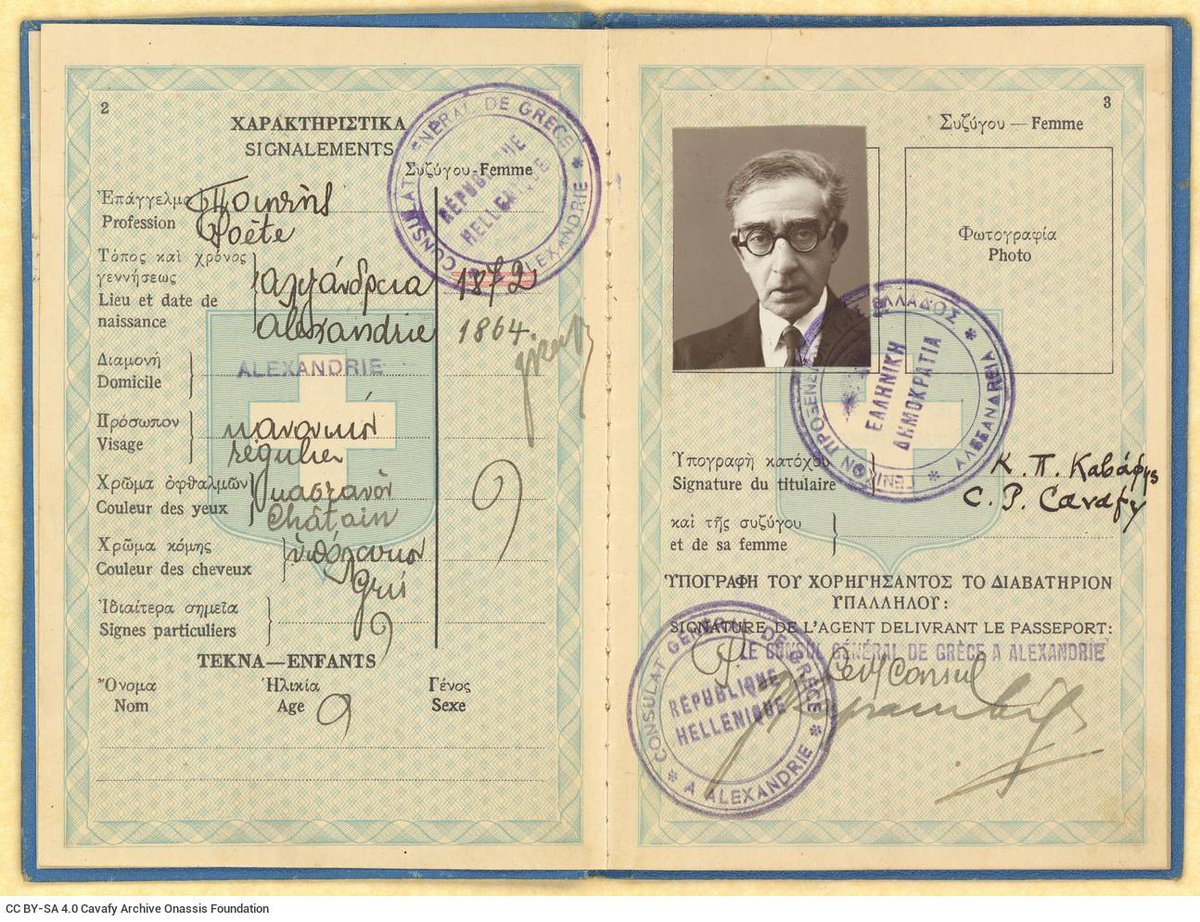
Pasaporte de Cavafis, de 1932. «Profesión: poeta» (arriba a la izqda., en griego y en francés). (Fuente: Archivo Cavafis/Fundación Onassis).

Pasaporte de Cavafis, de 1932.

«Profesión: poeta» (arriba a la izqda., en griego y en francés).

(Fuente: Archivo Cavafis/Fundación Onassis).