Auschwitz Exhibition
@auschwitzxhibit
▪️Official account of the Auschwitz Exhibition ▪️Created by @Musealia_ and @AuschwitzMuseum ▪️NEXT DESTINATION Royal Ontario Museum - Opening January 2025
ID: 791171058573402112
https://linktr.ee/notlongagonotfaraway 26-10-2016 06:54:14
14,14K Tweet
29,29K Followers
160 Following
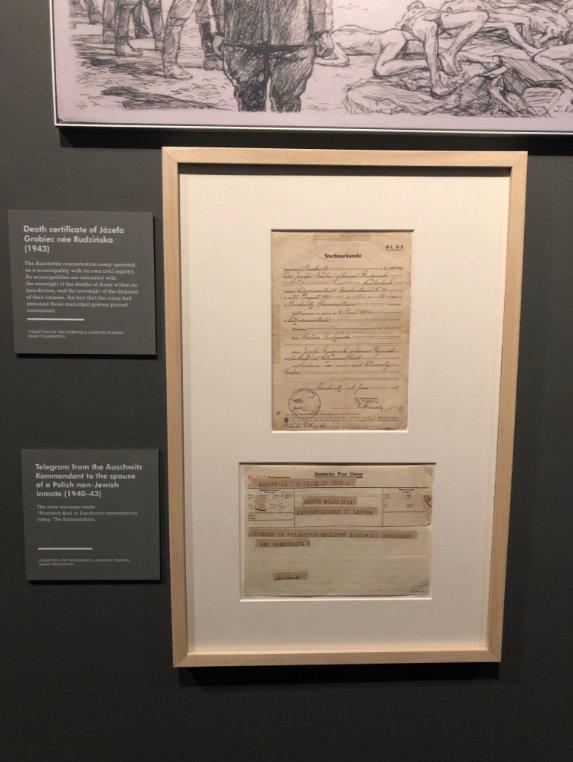
Death certificate of a Polish woman Józefa Grabiec (née Rudzińska, 1943), displayed at Auschwitz Exhibition. #Auschwitz maintained its own registry office, allowing it to issue death certificates of prisoners — and to control the handling and disposal of the victims’ bodies.
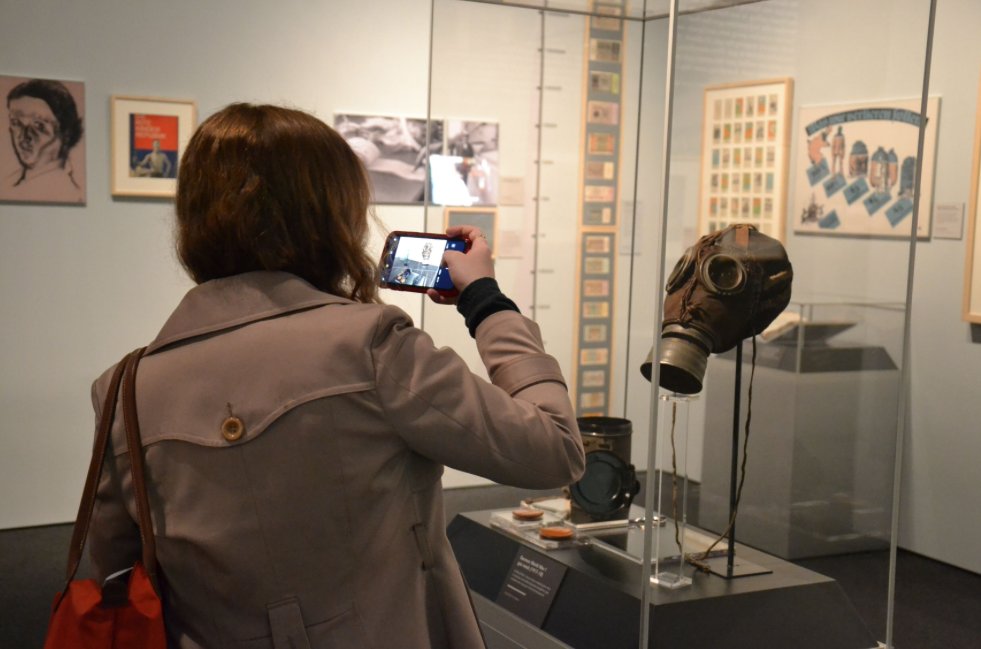
In World War I, face-to-face combat gave way to impersonal and indiscriminate slaughter — and gas attacks became a grim part of this new reality. Gas mask from @musealia_ private collection, featured in Auschwitz Exhibition
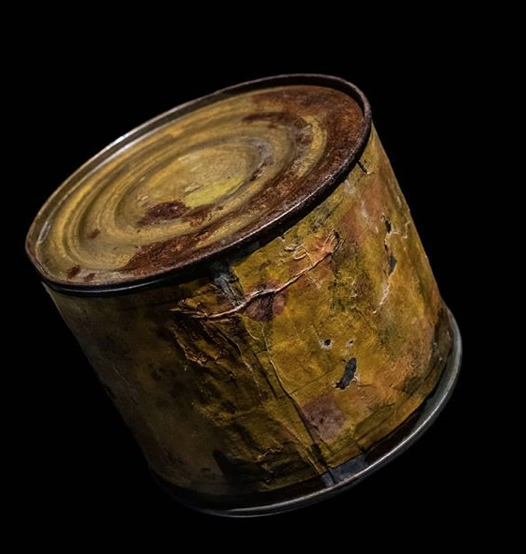
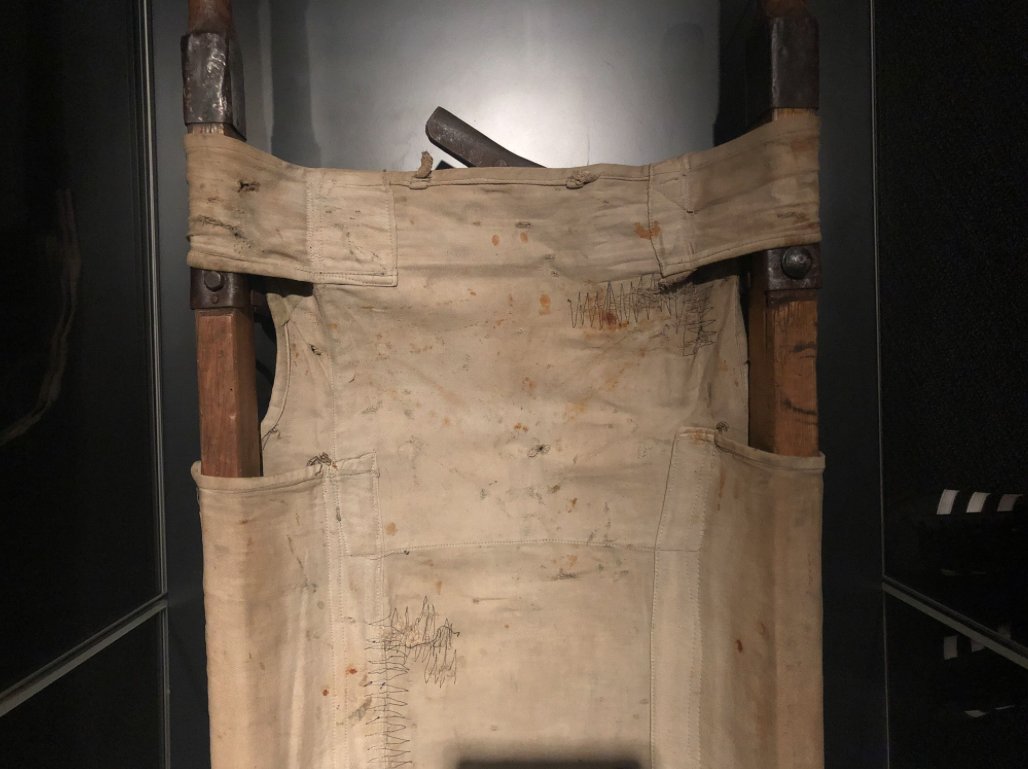
This stretcher was mainly used not to care for the injured, but to carry those exhausted and sick to a gas chamber or transport corpses to the crematorium. Stretcher from Auschwitz Memorial collections now on view at Auschwitz Exhibition
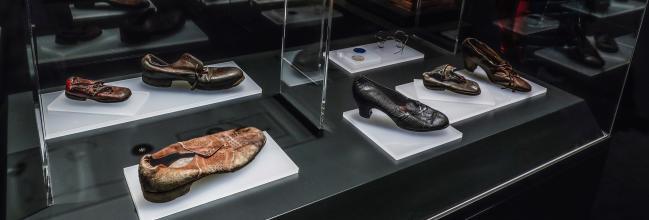
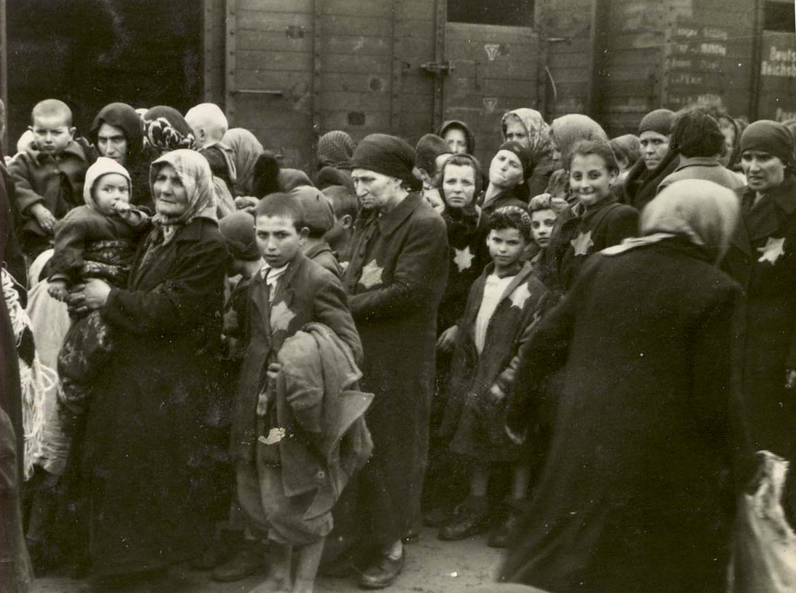
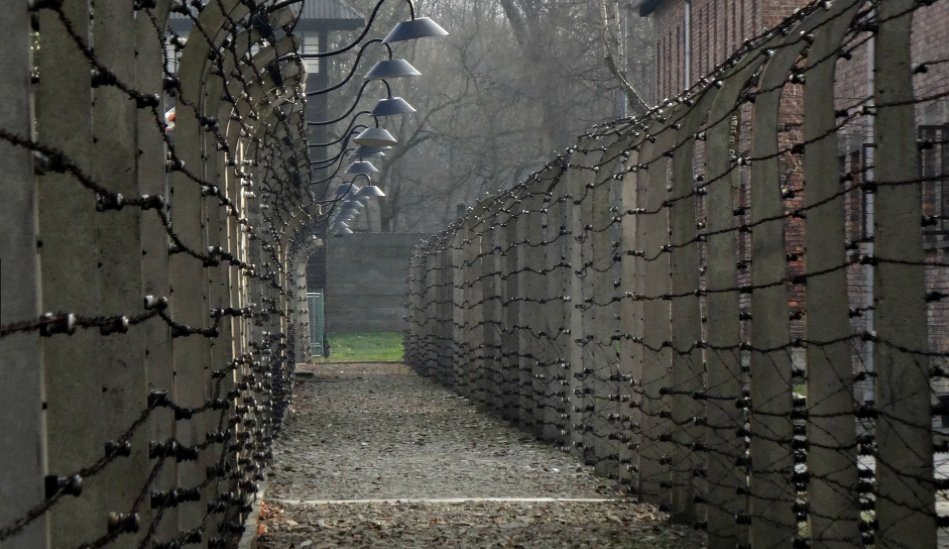
The Auschwitz Exhibition explores the dual identity of #Auschwitz as a physical location—the largest documented mass murder site in human history—and as a symbol of the borderless manifestation of hatred and human barbarity. Learn more about the exhibition at theauschwitzexhibition.com
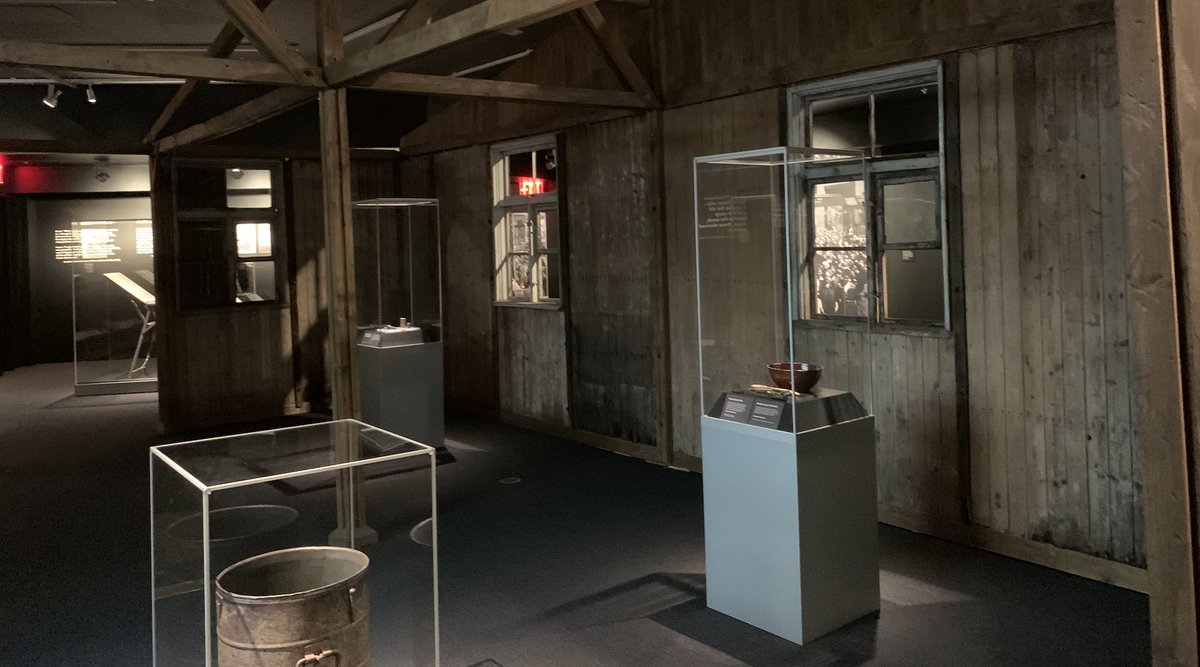
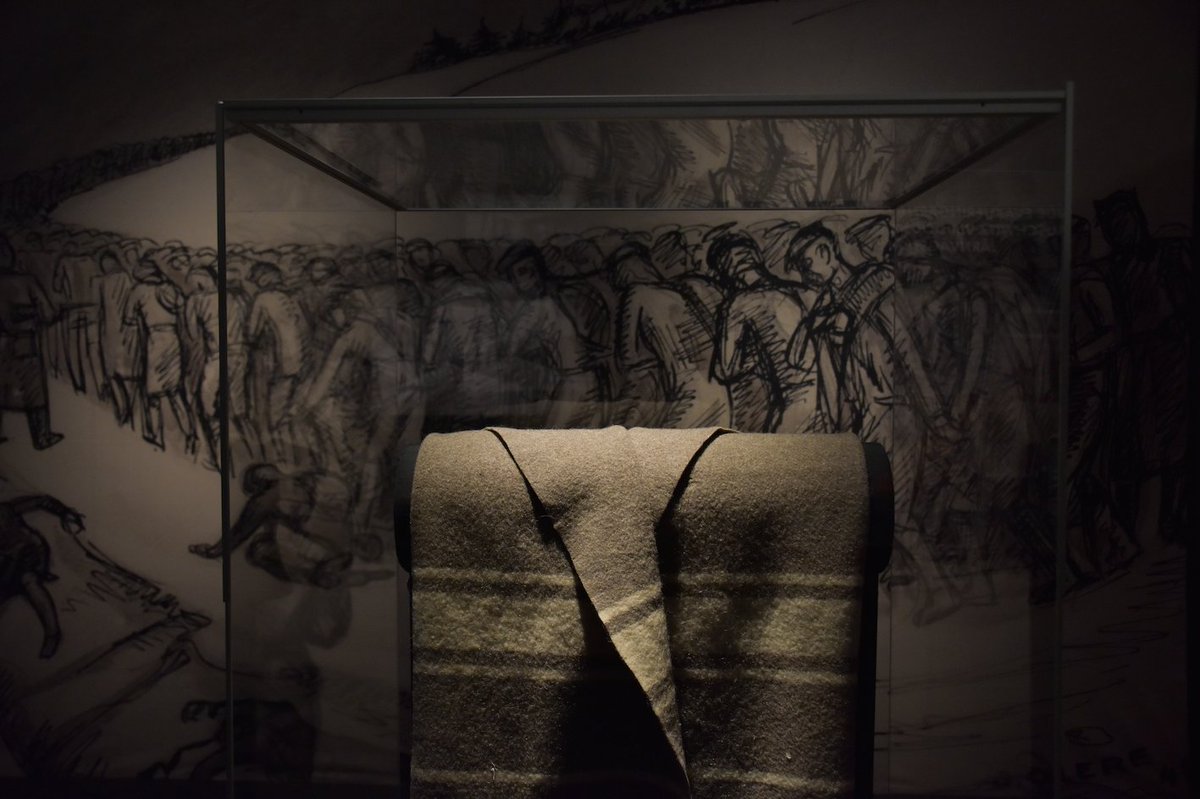
Thanks to this blanket, Siegfried Fedrid, a prisoner at #Auschwitz, along with five other inmates, managed to survive the so-called "Death March" of 1945. Fedrid was later liberated from Dachau camp. Collection from @HolocaustCtr at Auschwitz Exhibition
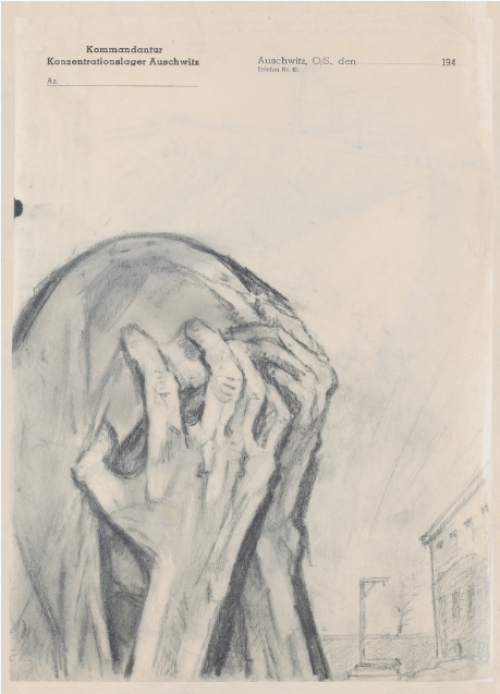
Red Army war artist Zinovy Tolkachev created drawings after arriving at #Auschwitz following liberation. When he ran out of paper, he sketched on letterhead found in the commandant’s office. Original in the collection of Yad Vashem
Makeshift knife made illegally by a prisoner (1940s) Collection of the Auschwitz Memorial displayed in Auschwitz Exhibition
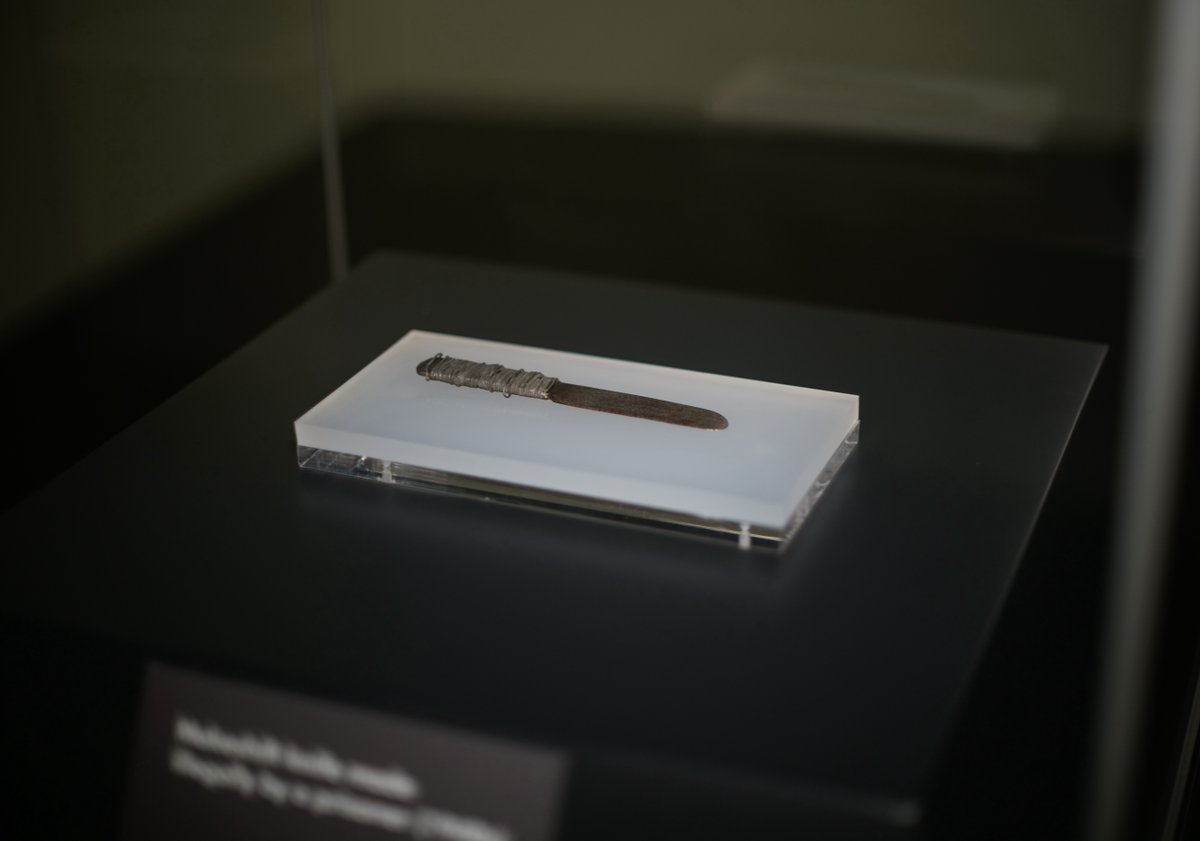
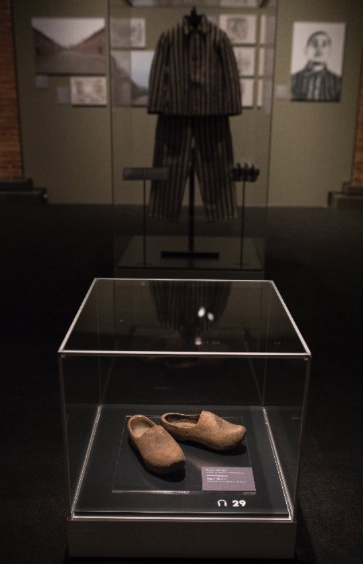
Each of the over 700 objects displayed at Auschwitz Exhibition tells the story of an individual — a man, woman, or child whom the German Nazis labeled as "enemies." #NotLongAgoNotFarAway
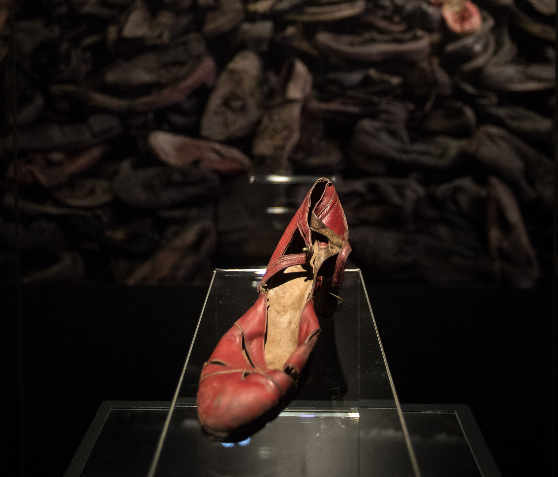
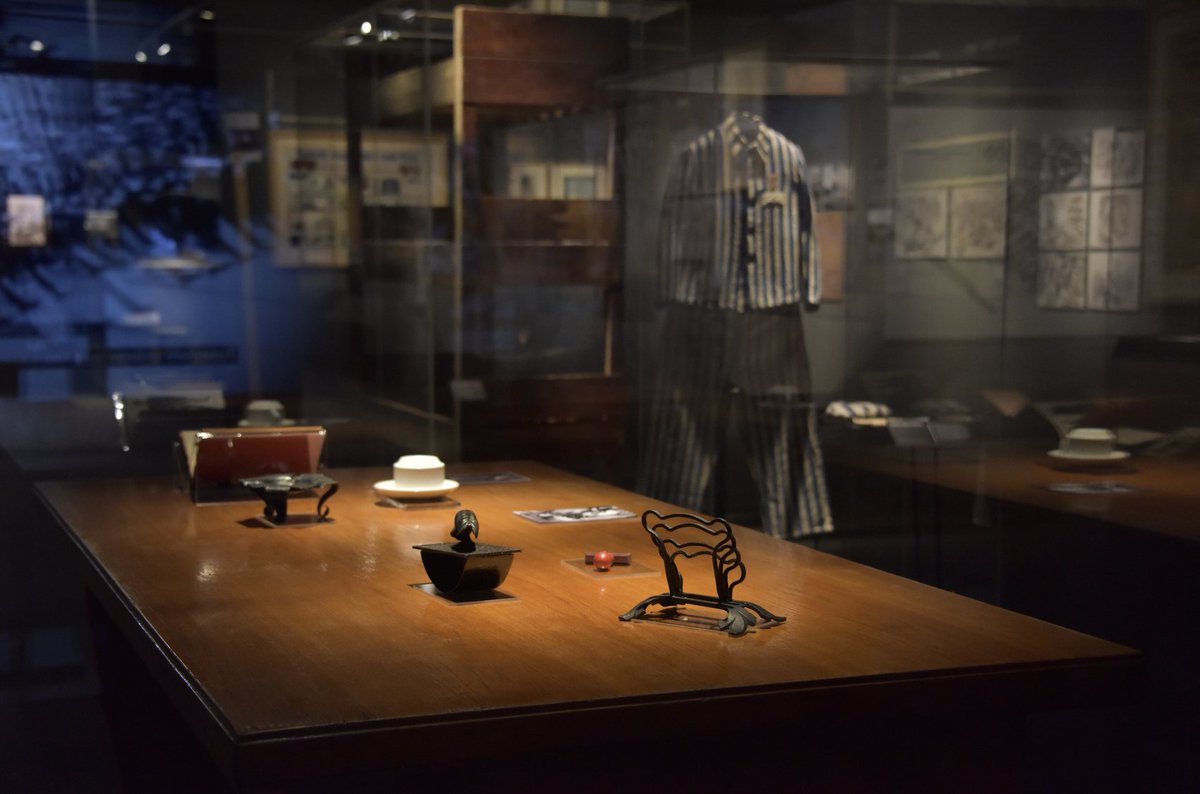
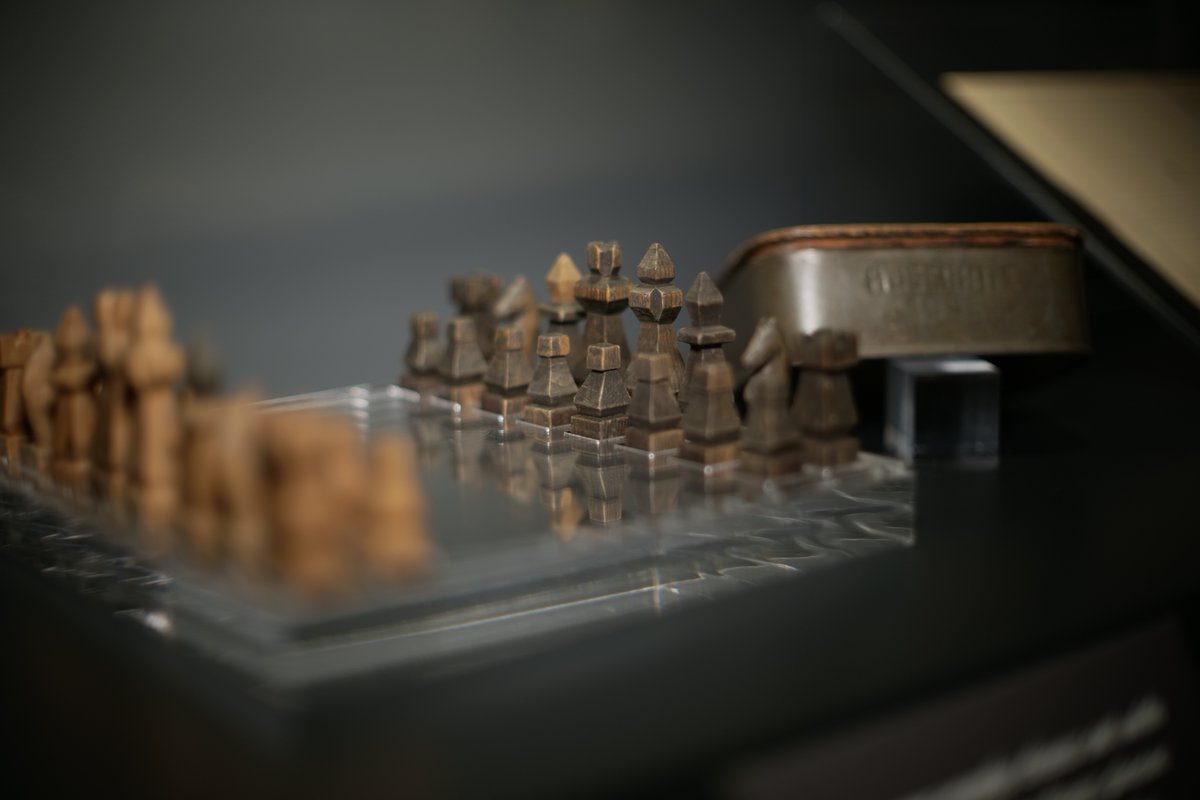
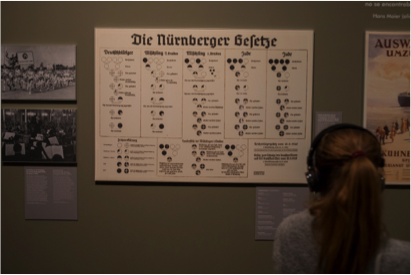
For Nazi #Germany the laws of Nuremberg (1935) showed the relationships and marriages allowed and prohibited. Anyone with 3 or 4 Jewish grandparents counted as a #Jew and could only marry another Jew; their children would be Jews. Deutsches Historisches Museum Collection.

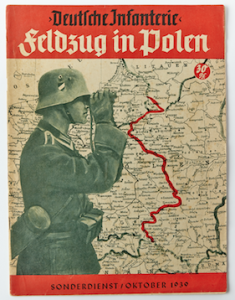
Cover of Feldzug in Polen (Campaign in Poland, 1939). This propaganda publication’s cover depicts the demarcation line dividing the German and Soviet partitions. Collection of Robert Jan van Pelt part of Auschwitz Exhibition.