Athanasius (@athanasius_45) 's Twitter Profile
Athanasius

@athanasius_45

Athanasius Contra Mundum.

ID: 992881626605645825

calendar_today05-05-2018 21:40:01

975 Tweet

147 Followers

75 Following
Athanasius (@athanasius_45) 's Twitter Profile Photo

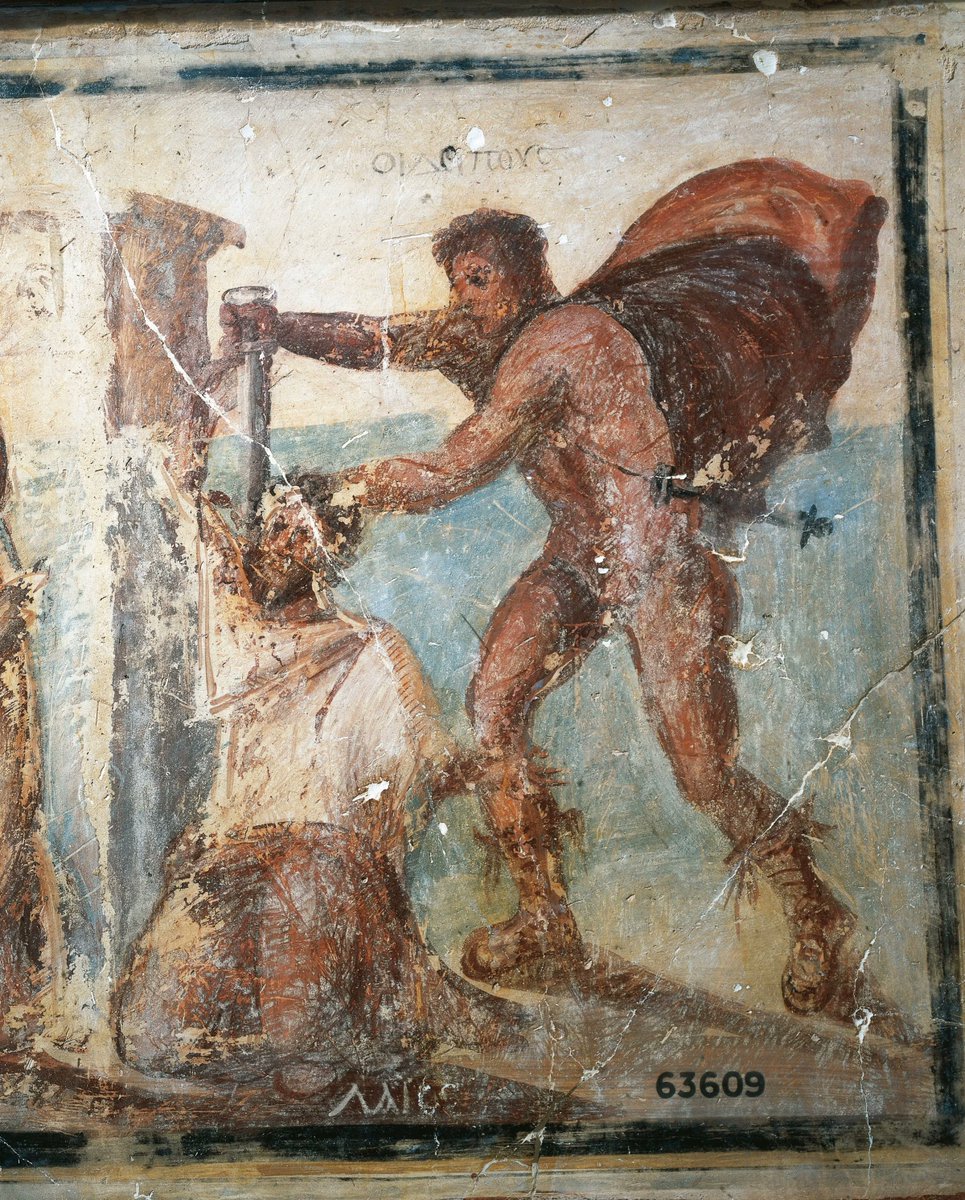
A Roman mosaic showing Oedipus killing his father Laius during a traffic dispute. From the Egyptian Museum of Cairo. Happy Father’s Day (in some parts of the world)! Πατὴρ οὐχ ὁ γεννήσας, ἀλλ’ ὁ θρέψας σε. Your father is not who gave you life, but nourishment. Menander

A Roman mosaic showing Oedipus killing his father Laius during a traffic dispute. From the Egyptian Museum of Cairo. Happy Father’s Day (in some parts of the world)!

Πατὴρ οὐχ ὁ γεννήσας, ἀλλ’ ὁ θρέψας σε.
Your father is not who gave you life, but nourishment.
Menander
Athanasius (@athanasius_45) 's Twitter Profile Photo

Red-figure Krater with a scene from the Gigantomachy, Zeus riding a chariot driven by Nike is about to lay down the law on an giant. Ca. 4th century BC. Museo Arqueológico Nacional, Madrid. Ζεὺς πάντων ἐφορᾷ τέλος. Zeus looks upon the end of all things. Solon

Red-figure Krater with a scene from the Gigantomachy, Zeus riding a chariot driven by Nike is about to lay down the law on an giant. Ca. 4th century BC. Museo Arqueológico Nacional, Madrid.

Ζεὺς πάντων ἐφορᾷ τέλος.
Zeus looks upon the end of all things.
Solon
Athanasius (@athanasius_45) 's Twitter Profile Photo

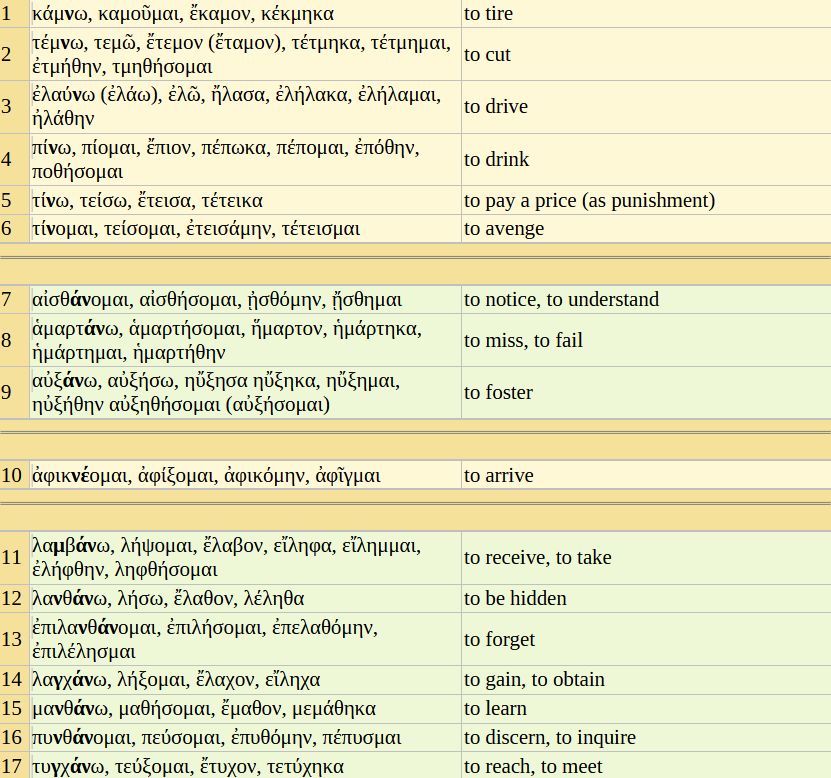
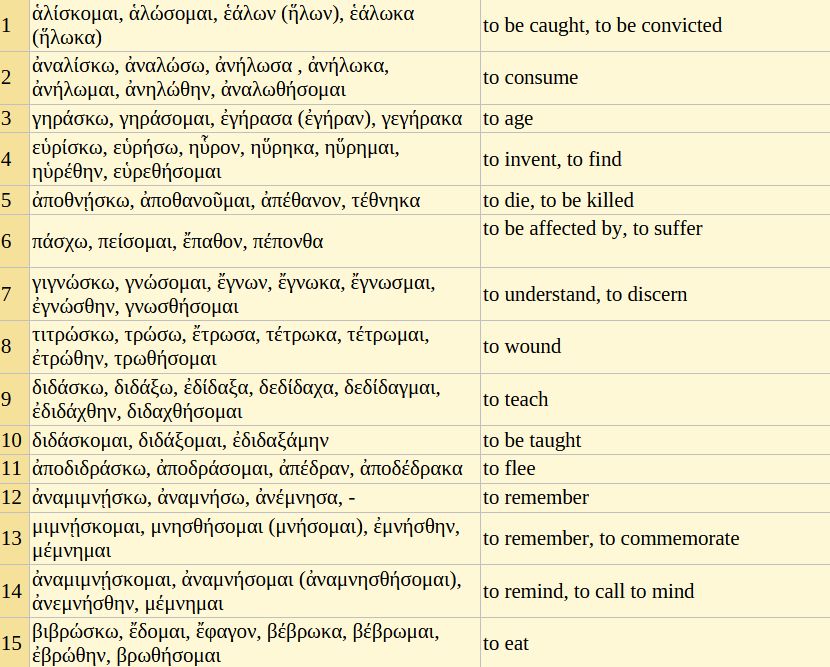
A few particularly misbehaving Ancient Greek verbs. Present -ν-, -αν- or -νε- suffixes and infixes, middle futures and second aorists galore.

A few particularly misbehaving Ancient Greek verbs. Present -ν-, -αν- or -νε- suffixes and infixes, middle futures and second aorists galore.
Athanasius (@athanasius_45) 's Twitter Profile Photo

A centaur sculpture made of silver, originally part of a rhyton. Ca. 2nd century BC. Kunsthistorisches Museum, Vienna. σὺ δὲ τὸν γηγενέταν ἄργυρον αἰνεῖς, σὺ δέ γε αἰτεῖς. Over the earth-born silver you rave, but it is what you crave. Timotheus

A centaur sculpture made of silver, originally part of a rhyton. Ca. 2nd century BC. Kunsthistorisches Museum, Vienna.

σὺ δὲ τὸν γηγενέταν ἄργυρον αἰνεῖς,
σὺ δέ γε αἰτεῖς.
Over the earth-born silver you rave,
but it is what you crave.
Timotheus
Athanasius (@athanasius_45) 's Twitter Profile Photo

Artists impression of what the acropolis of Pergamon looked like in its heyday, with the famous altar visible on the left. By Friedrich Thiersch, 1882. Ἀθανάτους μὲν πρῶτα θεούς, νόμωι ὡς διάκεινται - First, worship the immortal gods, as ordained by the law The Golden Verses

Artists impression of what the acropolis of Pergamon looked like in its heyday, with the famous altar visible on the left. By Friedrich Thiersch, 1882.

Ἀθανάτους μὲν πρῶτα θεούς, νόμωι ὡς διάκεινται
-
First, worship the immortal gods, as ordained by the law
The Golden Verses
Athanasius (@athanasius_45) 's Twitter Profile Photo

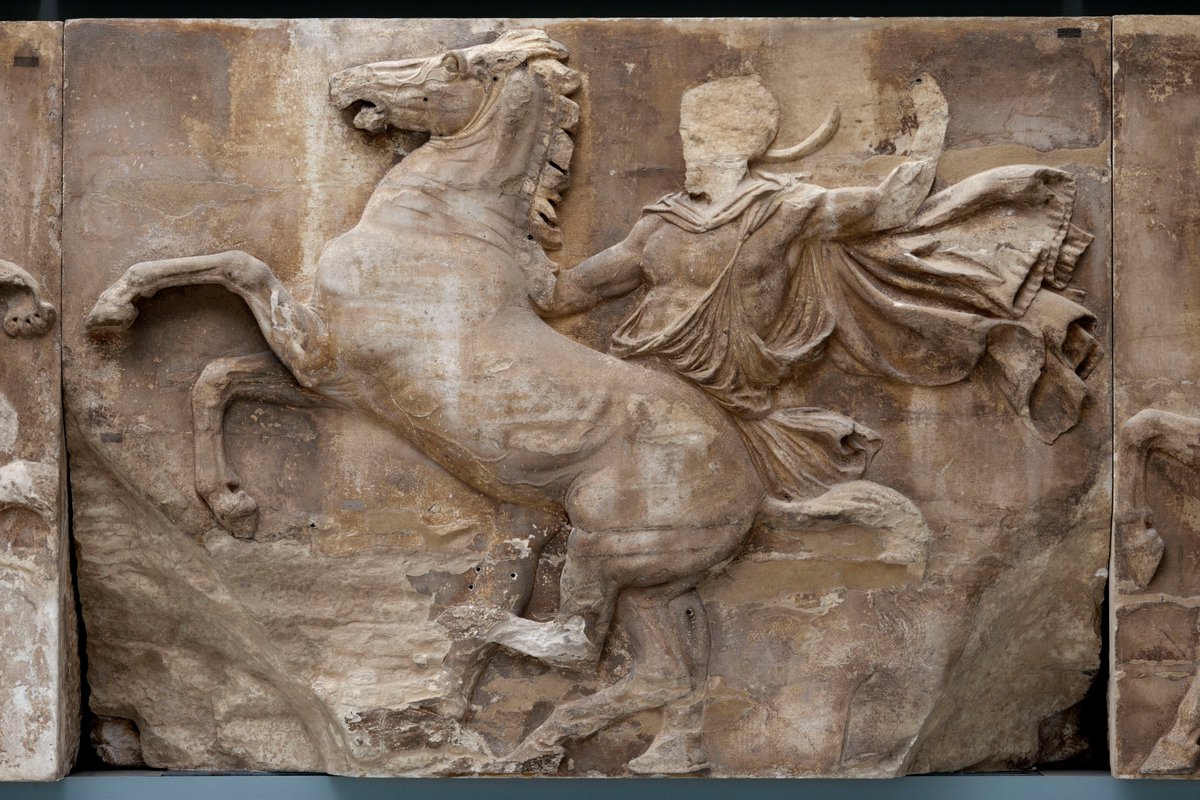
Block 8 of the Parthenon West Frieze, possibly crafted by Phidias himself. Ἣ θεὸς ἦλθ᾿ ἐπὶ γῆν ἐξ οὐρανοῦ, εἰκόνα δείξων, Φειδία· ἢ σύ γ᾿ ἔβης τὸν θεὸν ὀψόμενος. - Either god came from heaven to earth to show you his image, Phidias, or you did go to see god.

Block 8 of the Parthenon West Frieze, possibly crafted by Phidias himself.

Ἣ θεὸς ἦλθ᾿ ἐπὶ γῆν ἐξ οὐρανοῦ, εἰκόνα δείξων,
Φειδία· ἢ σύ γ᾿ ἔβης τὸν θεὸν ὀψόμενος.
-
Either god came from heaven to earth to show you his image, Phidias, or you did go to see god.
Athanasius (@athanasius_45) 's Twitter Profile Photo

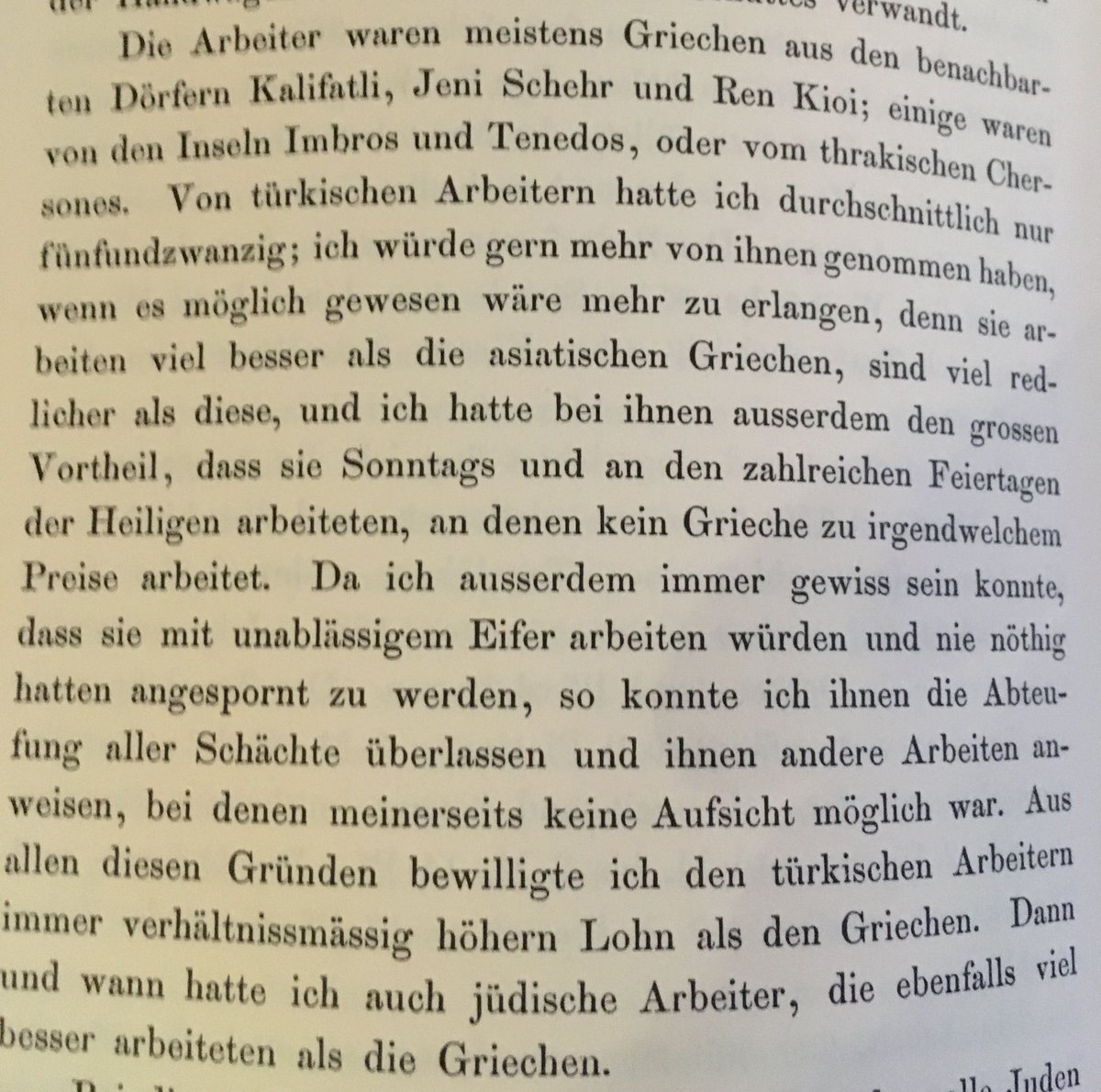
One of the many instances where Schliemann complains about his Greek workers. He wanted to hire more Turks because they were more honest, hardworking and didn't observe as many holidays. Occasionally he also employed Sephardic Jews (who also worked much harder than the Greeks).

One of the many instances where Schliemann complains about his Greek workers. He wanted to hire more Turks because they were more honest, hardworking and didn't observe as many holidays. Occasionally he also employed Sephardic Jews (who also worked much harder than the Greeks).
Athanasius (@athanasius_45) 's Twitter Profile Photo

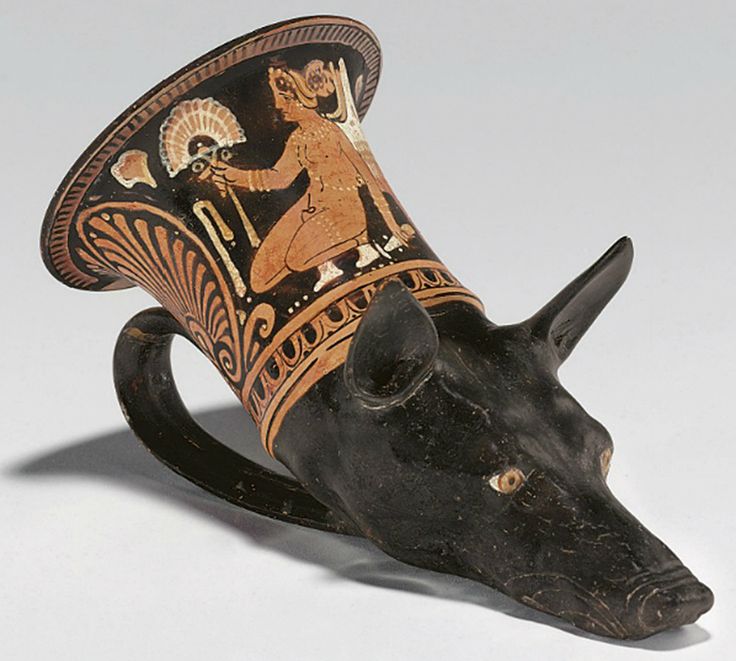
Red-figure rhyton in the shape of a Laconian hound’s head. Ca. 340 BC. Ἀντισθένης τοὺς πόνους ἔφησεν ὁμοίους εἶναι κυσί· καὶ γὰρ ἐκεῖνοι τοὺς ἀσυνήθεις δάκνουσιν. - Antisthenes said that tasks are like dogs: for they too bite those unfamiliar with them.

Red-figure rhyton in the shape of a Laconian hound’s head. Ca. 340 BC.

Ἀντισθένης τοὺς πόνους ἔφησεν ὁμοίους εἶναι κυσί· καὶ γὰρ ἐκεῖνοι τοὺς ἀσυνήθεις δάκνουσιν.
-
Antisthenes said that tasks are like dogs: for they too bite those unfamiliar with them.
Athanasius (@athanasius_45) 's Twitter Profile Photo

Marble bust of Antinous as Osiris. ἐτελεύτησεν, εἴτ᾿ οὖν ἐς τὸν Νεῖλον ἐκπεσών […] εἴτε καὶ ἱερουργηθείς, ὡς ἡ ἀλήθεια ἔχει - he had died, either by falling into the Nile […] or, as the truth has it, by being sacrificed Cassius Dio, Roman History

Marble bust of Antinous as Osiris.

ἐτελεύτησεν, εἴτ᾿ οὖν ἐς τὸν Νεῖλον ἐκπεσών […] εἴτε καὶ ἱερουργηθείς, ὡς ἡ ἀλήθεια ἔχει
-
he had died, either by falling into the Nile […] or, as the truth has it, by being sacrificed
Cassius Dio, Roman History
Athanasius (@athanasius_45) 's Twitter Profile Photo

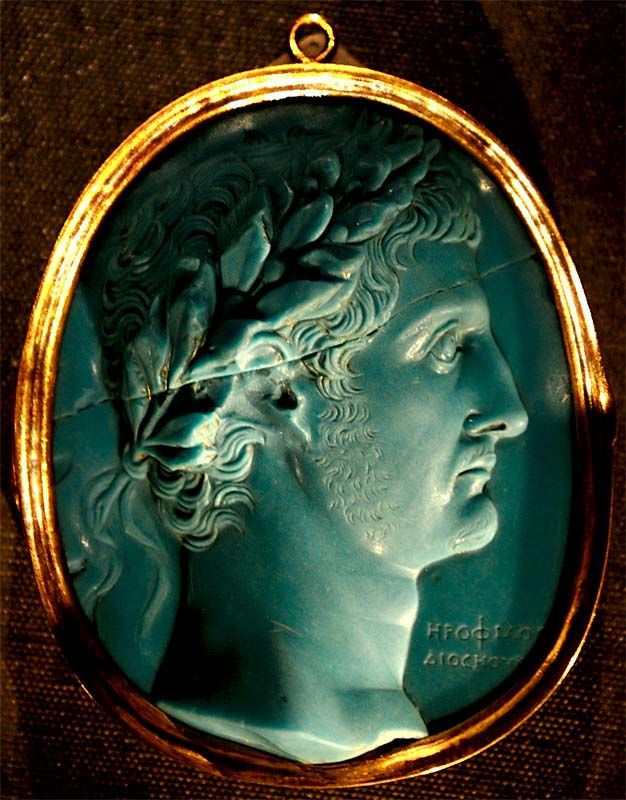
Roman glass cameo of either Drusus the elder or his son Germanicus, signed by the artist Herophilos, son of Dioskurides. Γερμανικὸς ἄστρων, οὐκ ἐμός· οὐ χωρεῖ νῆα τόσην Ἀχέρων - Germanicus belongs to the stars, not to me; Acheron has no room for so great a ship GA 7

Roman glass cameo of either Drusus the elder or his son Germanicus, signed by the artist Herophilos, son of Dioskurides.

Γερμανικὸς ἄστρων,
οὐκ ἐμός· οὐ χωρεῖ νῆα τόσην Ἀχέρων
-
Germanicus belongs to the stars,
not to me; Acheron has no room for so great a ship
GA 7
Athanasius (@athanasius_45) 's Twitter Profile Photo

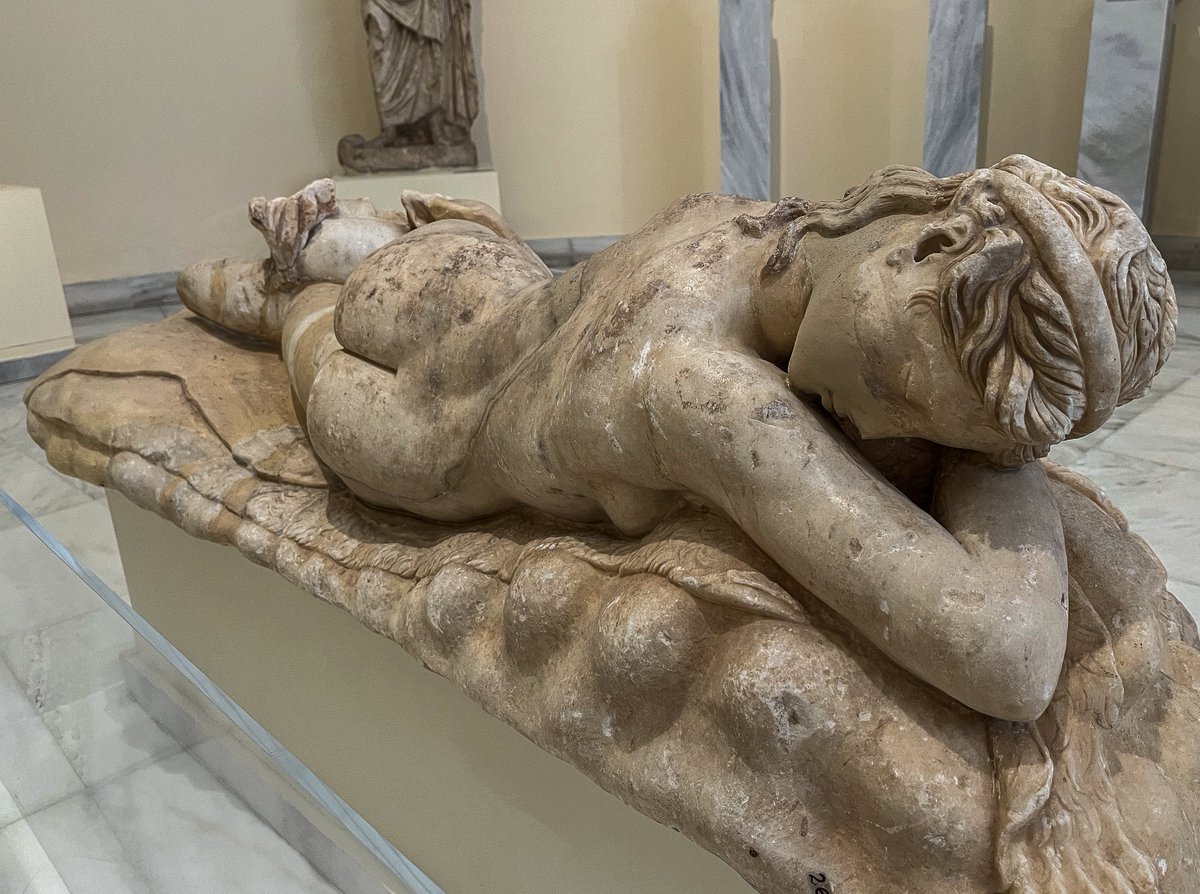
A Maenad taking a nap between debaucheries. Ca. 1st century AD. μέλπετε τὸν Διόνυσον βαρυβρόμων ὑπὸ τυμπάνων, εὔια τὸν εὔιον ἀγαλλόμεναι θεὸν - sing Dionysus’ praises to the deep-roaring drums, making ecstatic cries to the god of ecstasy Euripides, Bachae

A Maenad taking a nap between debaucheries. Ca. 1st century AD.

μέλπετε τὸν Διόνυσον
βαρυβρόμων ὑπὸ τυμπάνων,
εὔια τὸν εὔιον ἀγαλλόμεναι θεὸν
-
sing Dionysus’ praises
to the deep-roaring drums,
making ecstatic cries to the god of ecstasy
Euripides, Bachae
Athanasius (@athanasius_45) 's Twitter Profile Photo

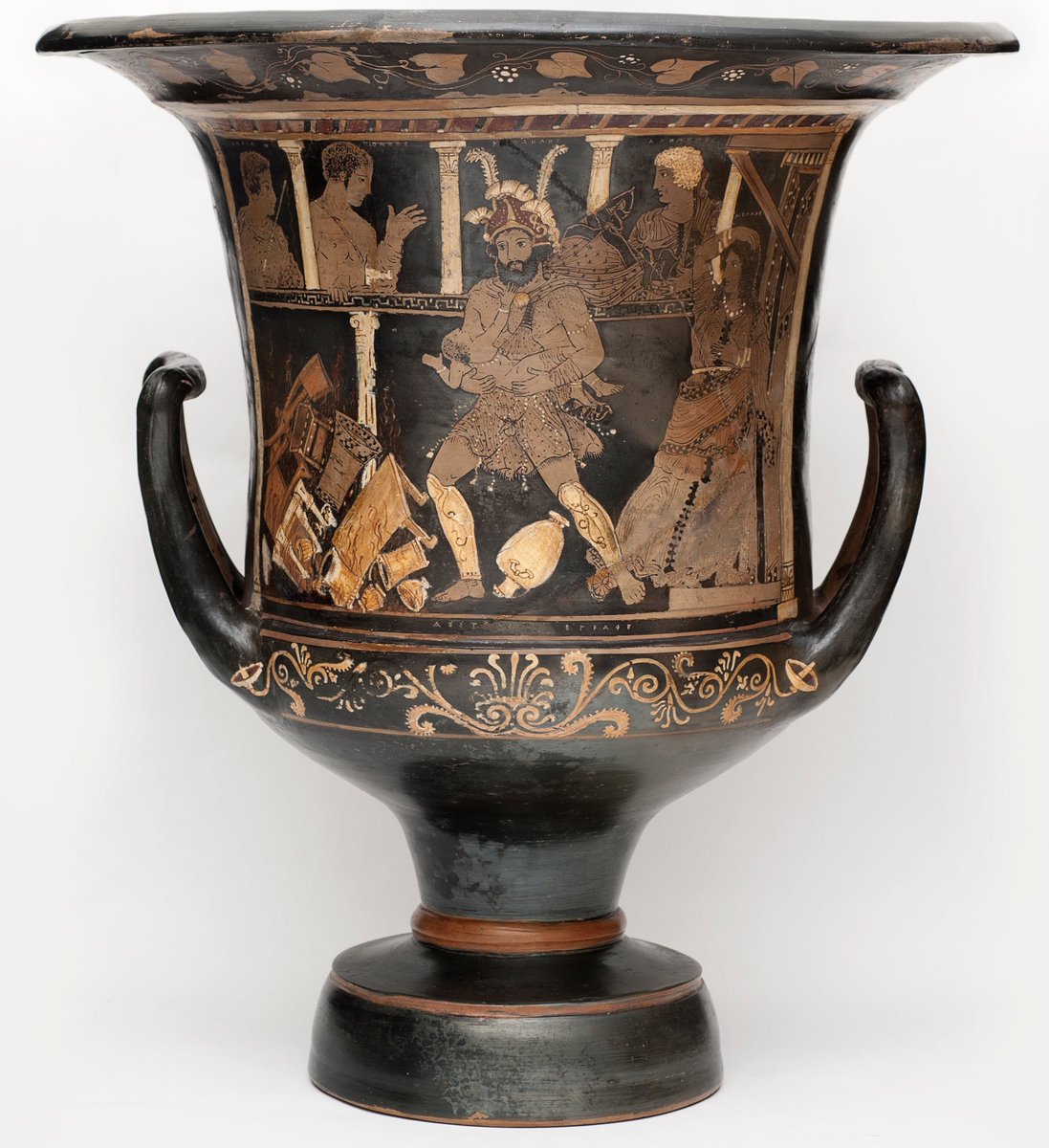
Red-figure krater showing Heracles in a frenzy induced by Hera killing his son. Ca. 350 BC. καὶ καταρρήξω μέλαθρα καὶ δόμους ἐπεμβαλῶ, τέκν᾿ ἀποκτείνασα πρῶτον - and I shall break his roof and cast his house upon him, after first killing his children. Euripides, Heracles

Red-figure krater showing Heracles in a frenzy induced by Hera killing his son. Ca. 350 BC.

καὶ καταρρήξω μέλαθρα καὶ δόμους ἐπεμβαλῶ,
τέκν᾿ ἀποκτείνασα πρῶτον
-
and I shall break his roof and cast his house upon him,
after first killing his children.
Euripides, Heracles