Sally (@sally_ogl) 's Twitter Profile
Sally

@sally_ogl

Someone who is curious, loves life, and seeks the ultimate experience. When not adventuring, I read a good book. Independent. Partner. Traveler

ID: 1585978431132602375

linkhttps://silvermirror.com/locations/coral-gables-miami-best-facial-in-mia/ calendar_today28-10-2022 12:55:07

3,3K Tweet

1,1K Takipçi

505 Takip Edilen

ISRAEL RAMIREZ (@don_proco) 's Twitter Profile Photo

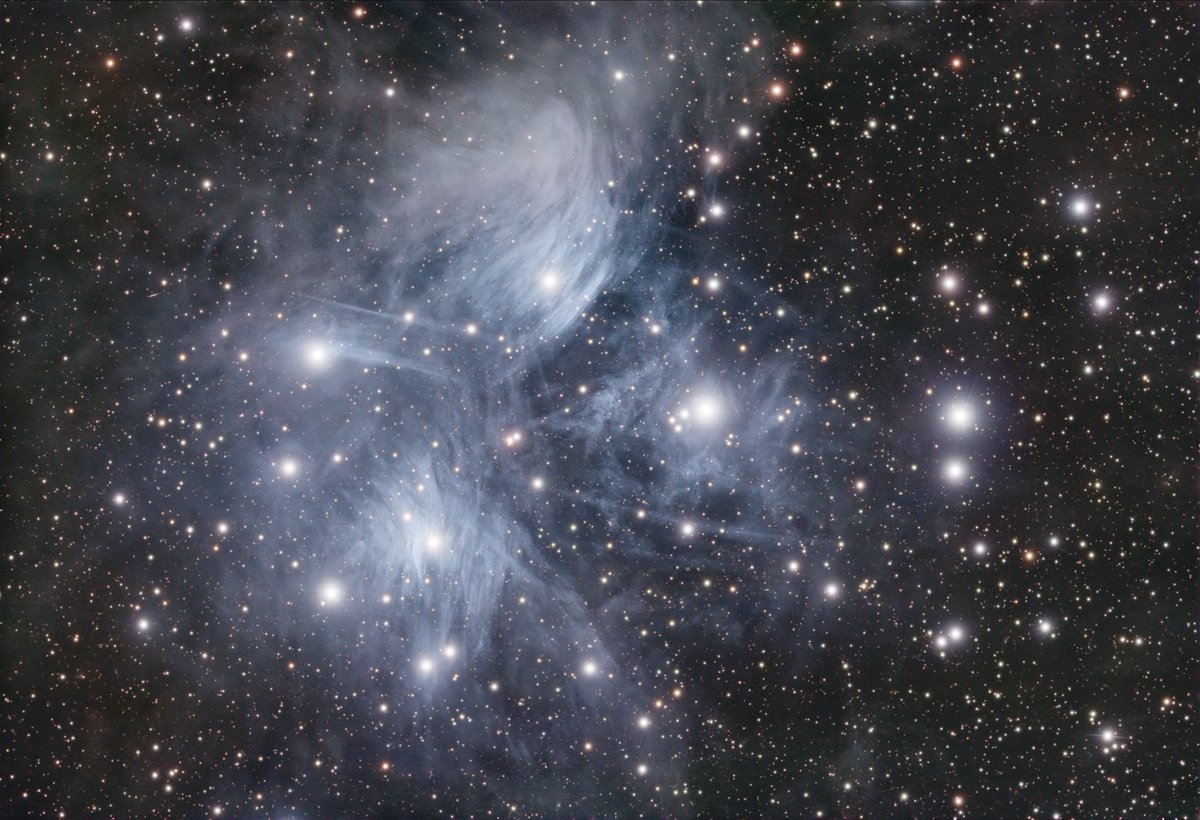
M42 The Great Orion Nebula Telescope Takahashi Epsilon180ed 🔭 From my backyard 😄 Bortle 4 166/30s 1h 23mins UVIR cut 📷 Camera ZWO asi 2600mcpro ⛰️ Mount Zwo AM5 💻 Pixinsigth #astrophotography #Cosmos #astronomy #telescope #Trending #orion #Space #3IATLAS #moon #stars

M42
The Great Orion Nebula Telescope Takahashi 
Epsilon180ed 🔭
From my backyard 😄
Bortle 4
166/30s 1h 23mins
UVIR cut 
📷 Camera ZWO asi 2600mcpro
⛰️ Mount Zwo AM5
💻 Pixinsigth 
#astrophotography #Cosmos #astronomy #telescope #Trending #orion #Space #3IATLAS #moon #stars
James Clark (@clarkjames70) 's Twitter Profile Photo

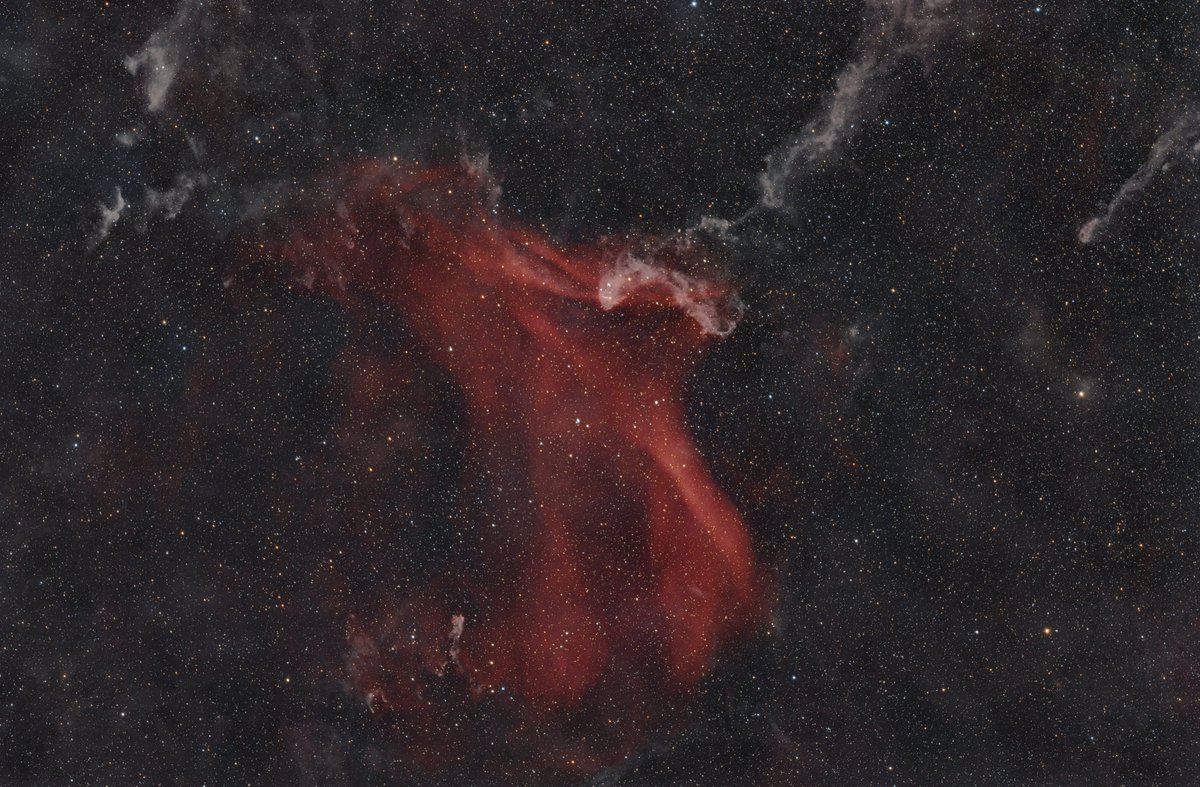
Another one I'm not convinced about, but certainly better than the other image I posted the other day. Gecko nebula in Lacerta, this time wide angle with the Samyang 135's (and FRA400 for stars and Ha) (NB It looks better on a small screen!!)

Another one I'm not convinced about, but certainly better than the other image I posted the other day.
Gecko nebula in Lacerta, this time wide angle with the Samyang 135's (and FRA400 for stars and Ha)
(NB It looks better on a small screen!!)
Xavi Bros (@xavi_bros) 's Twitter Profile Photo

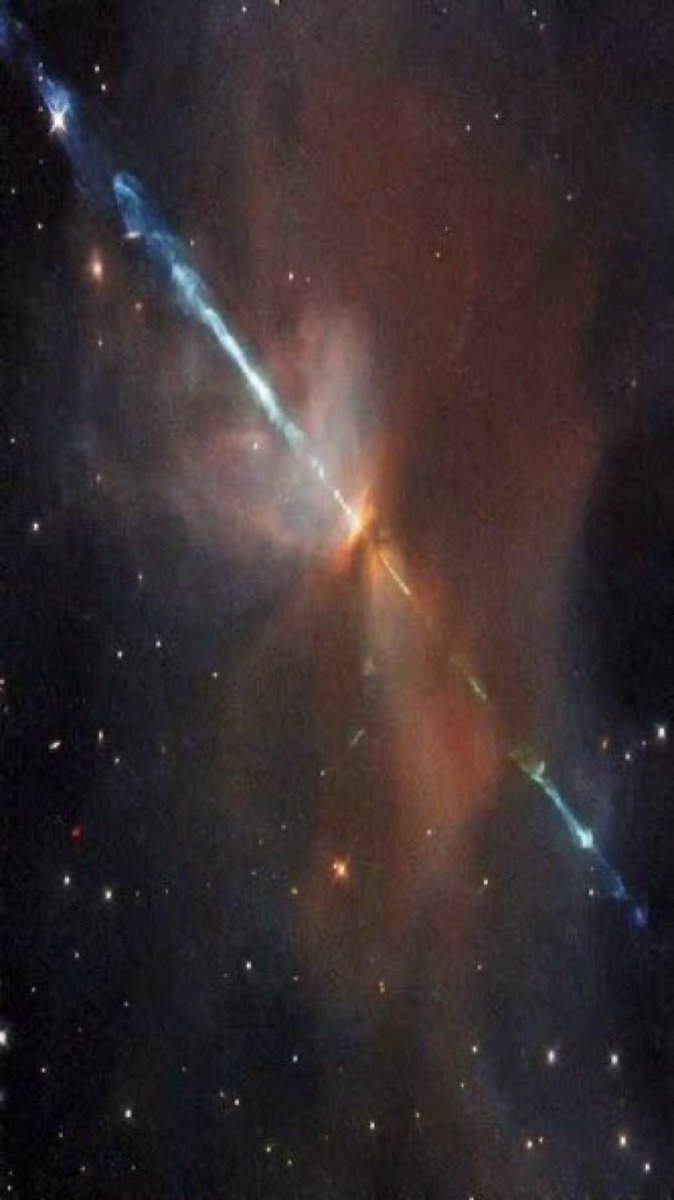
Herbig–Haro (HH) objects are bright patches of nebulosity associated with newborn stars. They are formed when narrow jets of partially ionised gas ejected by stars collide with nearby clouds of gas and dust at several hundred kilometers per second. Image: HH111 by HST/ESA

Herbig–Haro (HH) objects are bright patches of nebulosity associated with newborn stars. They are formed when narrow jets of partially ionised gas ejected by stars collide with nearby clouds of gas and dust at several hundred kilometers per second.

Image: HH111 by HST/ESA
Black Hole (@konstructivizm) 's Twitter Profile Photo

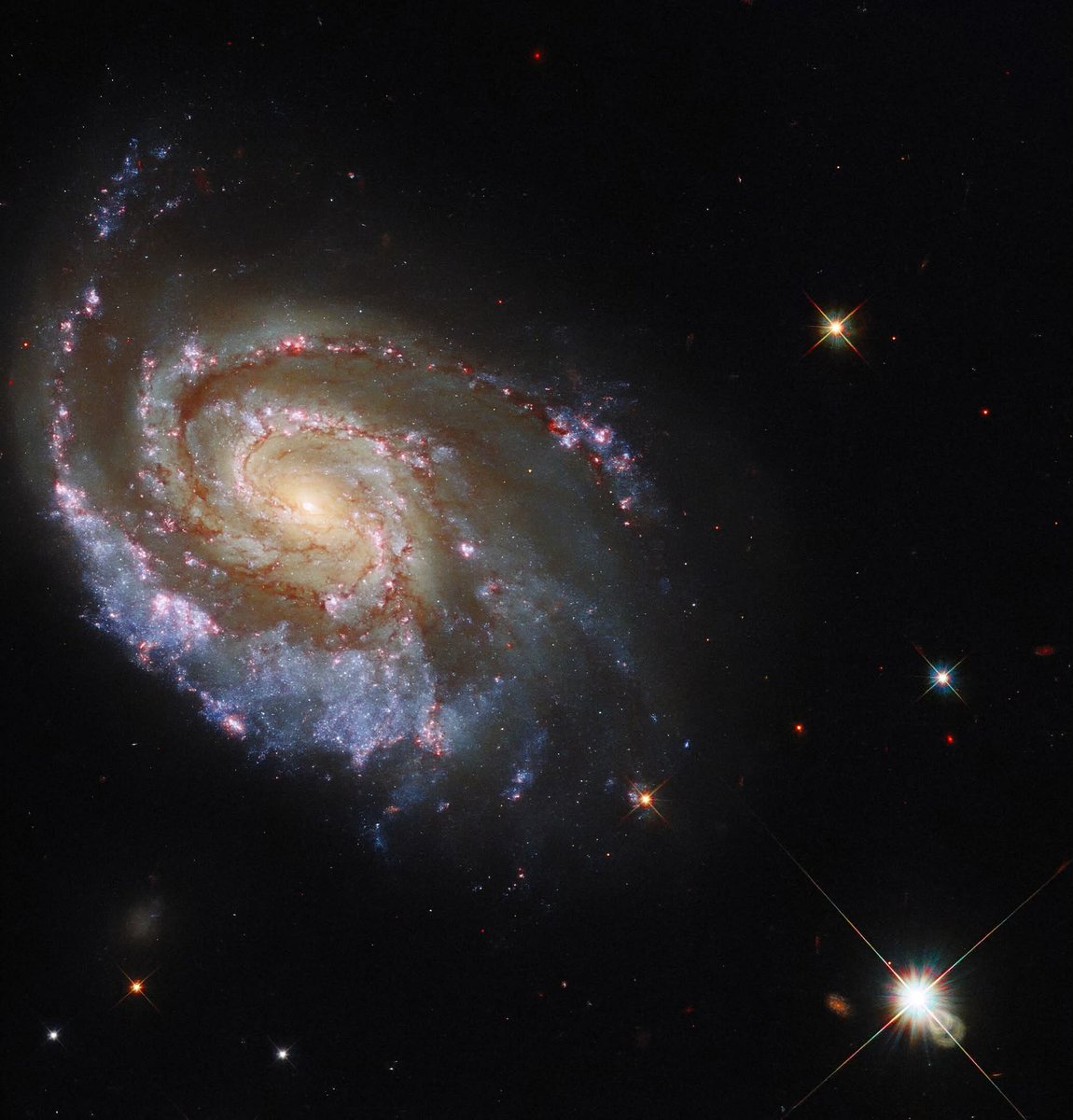
NGC 6984 Constellation: Indus NGC 6984 is a barred spiral galaxy classified as SB(s)bc in the de Vaucouleurs system, situated at a distance of 180 million light-years in the southern constellation Indus. The central bar structure channels gas and dust toward the nuclear region,

NGC 6984
Constellation: Indus
  NGC 6984 is a barred spiral galaxy classified as SB(s)bc in the de Vaucouleurs system, situated at a distance of 180 million light-years in the southern constellation Indus. The central bar structure channels gas and dust toward the nuclear region,
Thomas Hanrath - Astrophotography (@astrophotocamp) 's Twitter Profile Photo

The Wizard Nebula is an emission nebula in Cepheus, 5500 ly away. It is best observed in September. ▼ Baader Apo 95 CaF2 | Canon EOS M100(a) '23 © Thomas Hanrath '25 · CC BY-NC-ND 4.0 Details: astrocamp.eu/en/sharpless-1… #astrophotography #astronomy #deepsky #photography #nature

The Wizard Nebula is an emission nebula in Cepheus, 5500 ly away. It is best observed in September.

▼ Baader Apo 95 CaF2 | Canon EOS M100(a) '23
© Thomas Hanrath '25 · CC BY-NC-ND 4.0

Details: astrocamp.eu/en/sharpless-1…

#astrophotography #astronomy #deepsky #photography #nature
Shining Science (@shiningscience) 's Twitter Profile Photo

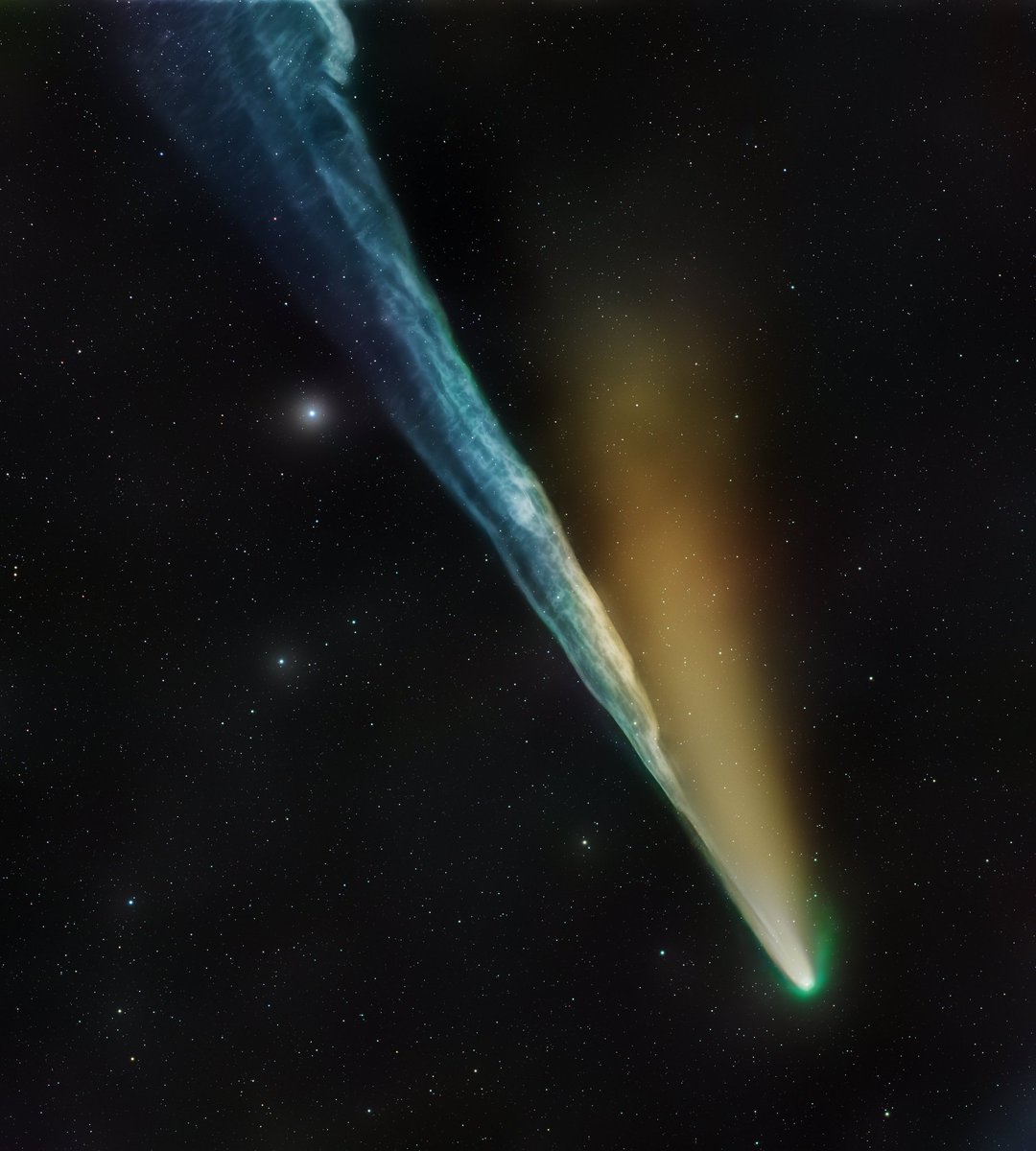
Captured last night - probably the coolest comet shot I've ever gotten. I've never seen such a dynamic tail on a come. Incredible, active, and moving quickly, which makes photographing it a challenge. 📸 credits: Andrew Mccarthy

Captured last night - probably the coolest comet shot I've ever gotten. I've never seen such a dynamic tail on a come. Incredible, active, and moving quickly, which makes photographing it a challenge. 

📸 credits: Andrew Mccarthy
Swetilein (@swetilein1) 's Twitter Profile Photo

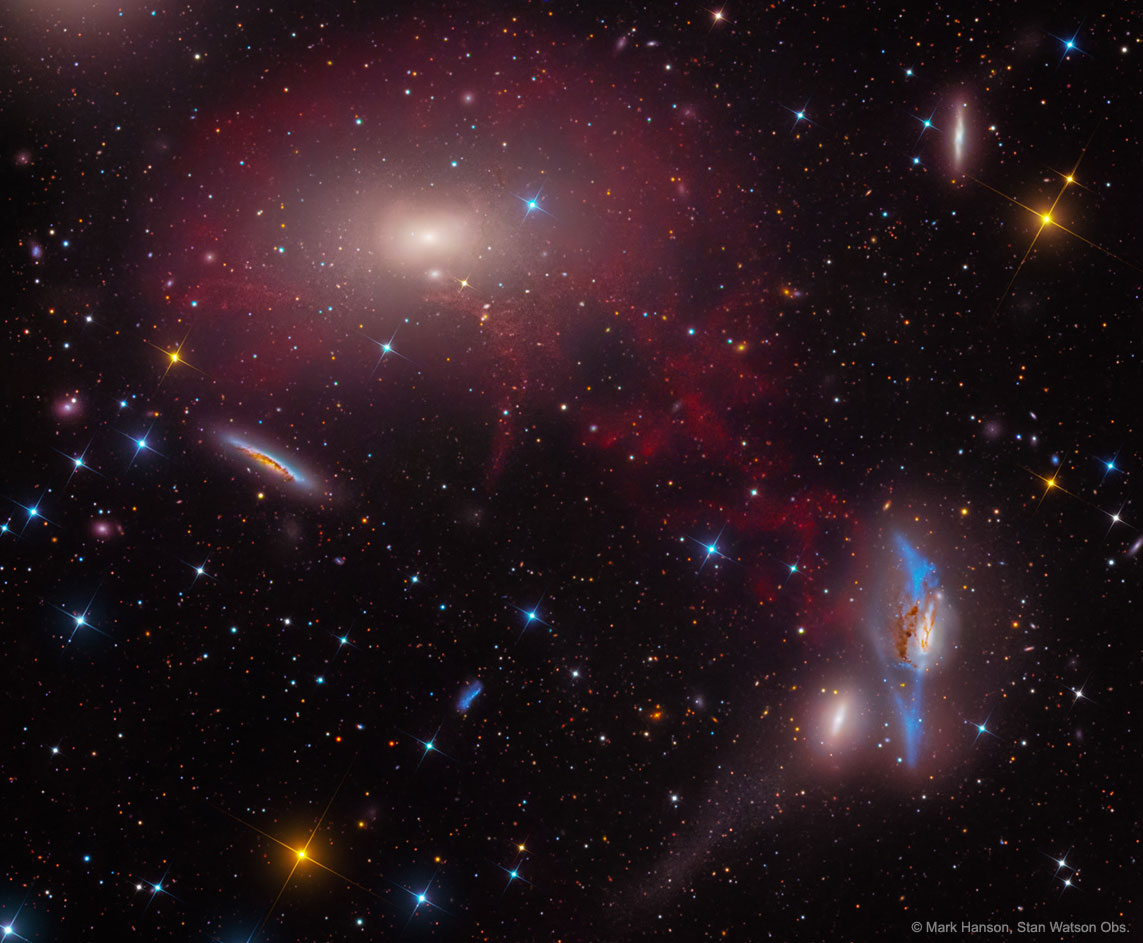
'M86 in the Central Virgo Cluster' Image Credit & Copyright: Mark Hanson, Stan Watson Obs. apod.nasa.gov/apod/ap180814.… 08-14-2018 #space #astronomy

'M86 in the Central Virgo Cluster'
Image Credit & Copyright: Mark Hanson, Stan Watson Obs. 
apod.nasa.gov/apod/ap180814.… 08-14-2018 
#space #astronomy
Physics In History (@physinhistory) 's Twitter Profile Photo

Quantum Computing: Superposition is a key principle behind quantum computers, where quantum bits (qubits) can represent multiple states (0 and 1) simultaneously, greatly enhancing computational power for certain tasks.

Quantum Computing: Superposition is a key principle behind quantum computers, where quantum bits (qubits) can represent multiple states (0 and 1) simultaneously, greatly enhancing computational power for certain tasks.
Black Hole (@konstructivizm) 's Twitter Profile Photo

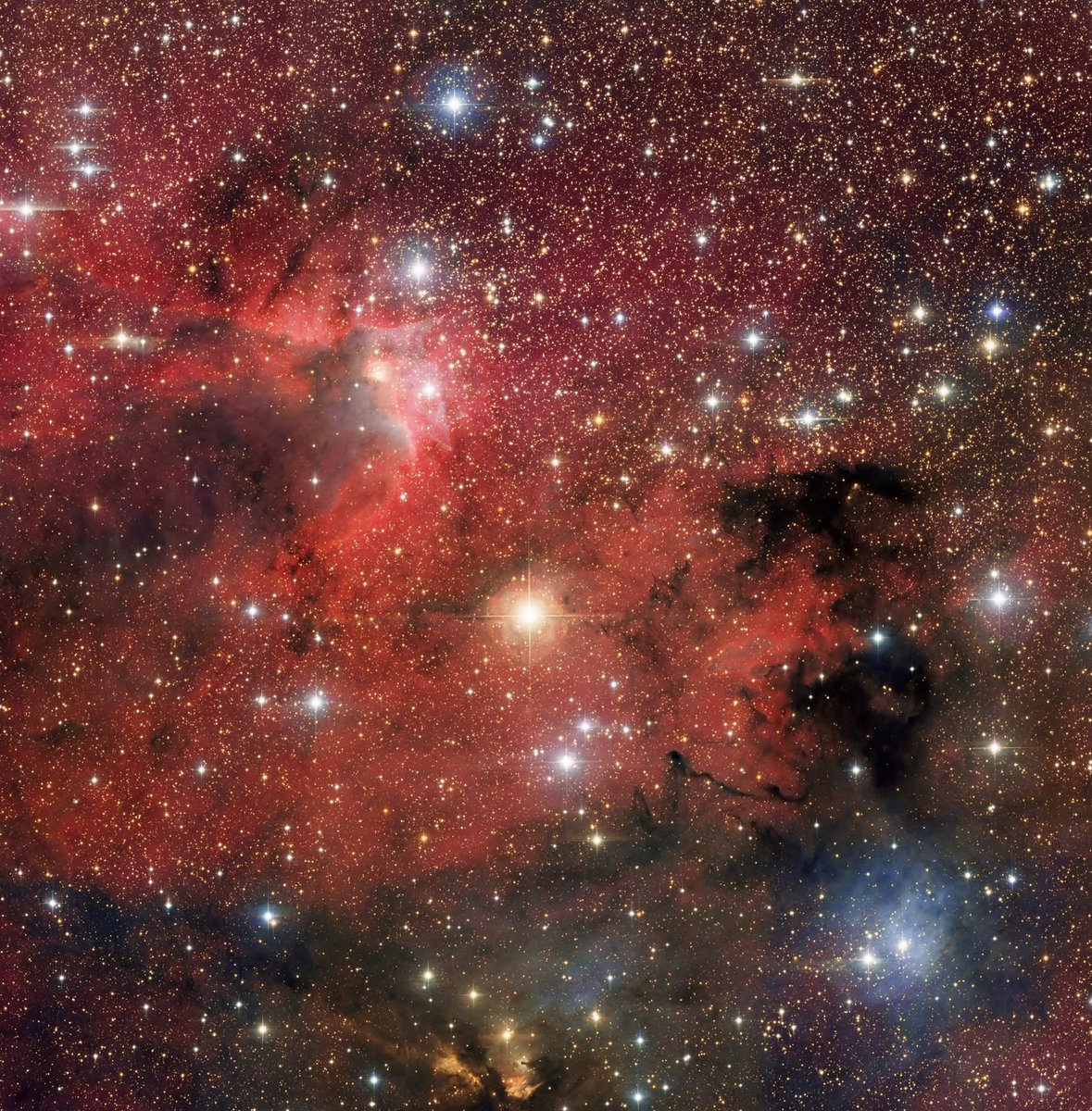
Cep OB3b — A Cosmic Nursery in CepheusBursting with newborn suns, the youthful star cluster Cep OB3b blazes in the constellation Cepheus, just 2,700 light-years away. Its brightest giants glow electric blue, while swarms of smaller stars—still veiled in shimmering veils of gas

Cep OB3b — A Cosmic Nursery in CepheusBursting with newborn suns, the youthful star cluster Cep OB3b blazes in the constellation Cepheus, just 2,700 light-years away. Its brightest giants glow electric blue, while swarms of smaller stars—still veiled in shimmering veils of gas
Black Hole (@konstructivizm) 's Twitter Profile Photo

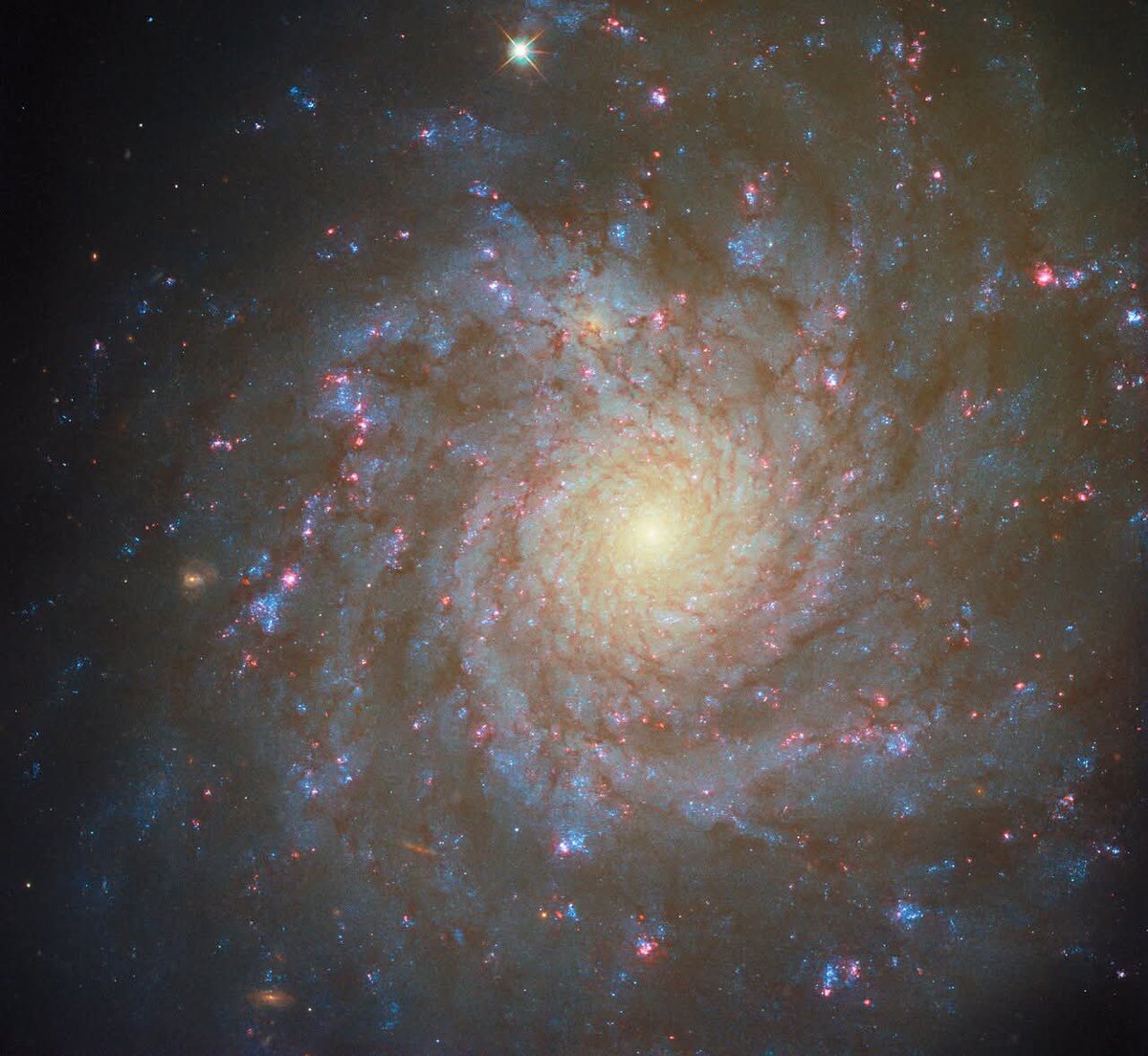
NGC 4571 is a barred spiral galaxy located ~60 million light-years away in Coma Berenices. Its arms are punctuated by luminous pink H II regions—signposts of massive O- and B-type stars recently formed within giant molecular clouds (GMCs). These clouds, with kinetic temperatures

NGC 4571 is a barred spiral galaxy located ~60 million light-years away in Coma Berenices. Its arms are punctuated by luminous pink H II regions—signposts of massive O- and B-type stars recently formed within giant molecular clouds (GMCs). These clouds, with kinetic temperatures