Karina A Hamamouche
@profhamamouche
developmental psychologist passionate about numerical cognition & the scholarship of teaching & learning // assistant professor @Butleru
she/her/hers
ID: 867416627675004928
24-05-2017 16:26:54
1,1K Tweet
765 Takipçi
1,1K Takip Edilen
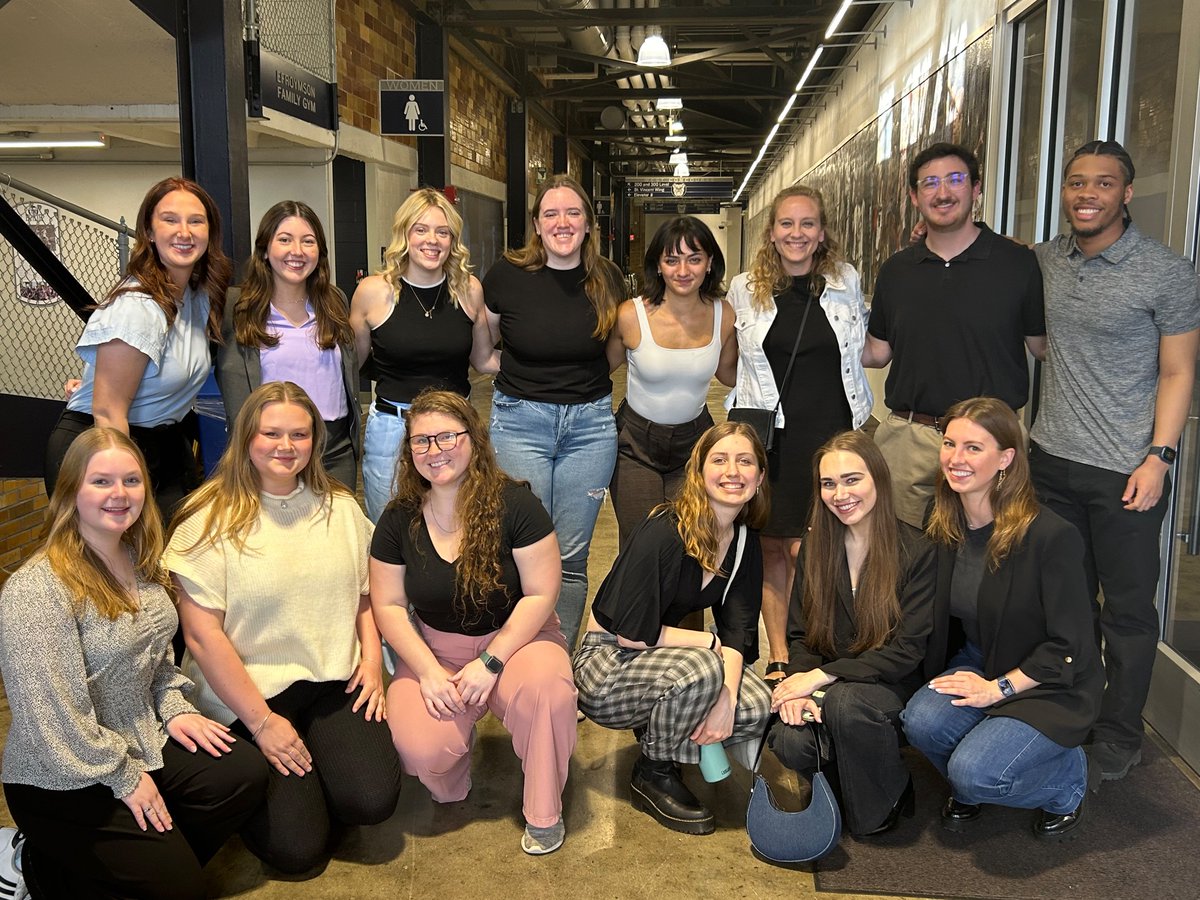





Hiring a 🌟 Full-time Lab Coordinator 🌟 for my new lab at University of Notre Dame starting this fall. Join us to support NIMH-funded research focused on emotions and depression risk in families! 👀👀👀 for more info and apply by June 2: jobs.nd.edu/postings/34478
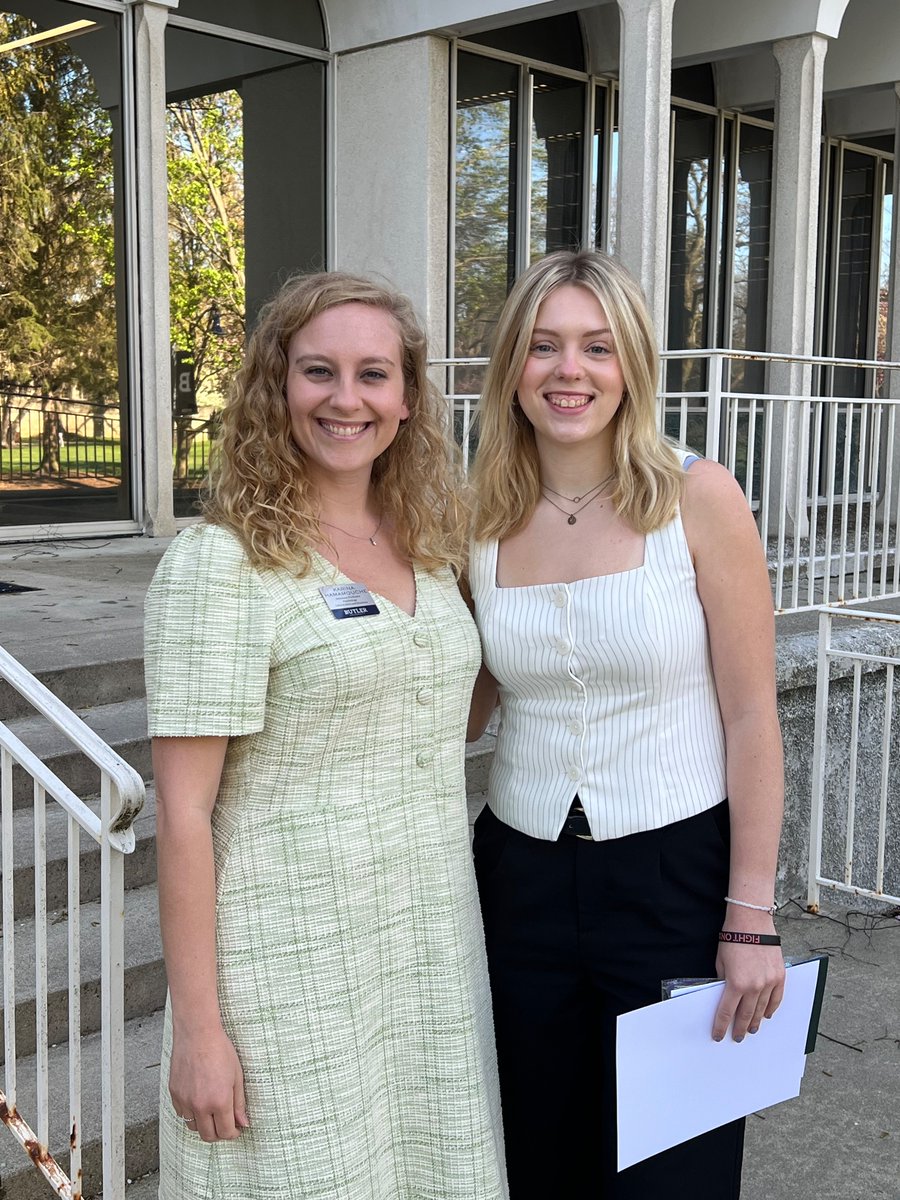
Love teaching high schoolers about the wide range of topics psychologists study! Thanks for inviting me to participate in the BU Be Real Camp at Butler University! ☀️📝

These findings are just so amazing: An 8 week group-based mindfulness pregnancy🤰intervention seems to improve babies' stress-regulation (measured w/ physio). Let's make it easier to access prenatal psych treatments & I 🩷 working with IDHPtweets. ncbi.nlm.nih.gov/pmc/articles/P…

Introducing LEVANTE, a project for measuring children's developmental and learning variability around the world! LEVANTE provides a measurement platform with data flowing to an open repository. Call for proposals coming soon from Jacobs Foundation. levante-network.org

I am organizing a #SRCD25 symposium on "emotions towards #reading" and looking for an additional presenter to add to our submission. Contact me if you or someone you know has related research & would like to join on this submission [email protected] (retweets appreciated)


Applications are now open (through Feb. 16th) for our NSF REU Site on the Scientific Study of Interpersonal Relationships across the Lifespan. If you know of an undergraduate scholar interested in relationships research broadly, send them our way! undergradresearch.missouri.edu/interpersonal-…
Our new theory paper in Acta Psychologica shows that babies change how we see the world! In our lab, we use virtual environments to study parenting. We are finding that babies actively reshape our perception in ways that help protect them. Read more at sciencedirect.com/science/articl…