NFTzaddy (@nftzaddy) 's Twitter Profile
NFTzaddy

@nftzaddy

💎🌊🏄‍♂️ Live for the thrills |

ID: 1433484393734021142

calendar_today02-09-2021 17:38:17

2,2K Tweet

252 Takipçi

775 Takip Edilen

NASA (@nasa) 's Twitter Profile Photo

We see our home planet as a whole, lit up in spectacular blues and browns. A green aurora even lights up the atmosphere. That's us, together, watching as our astronauts make their journey to the Moon.

We see our home planet as a whole, lit up in spectacular blues and browns. A green aurora even lights up the atmosphere. That's us, together, watching as our astronauts make their journey to the Moon.
Andrew McCarthy (@ajamesmccarthy) 's Twitter Profile Photo

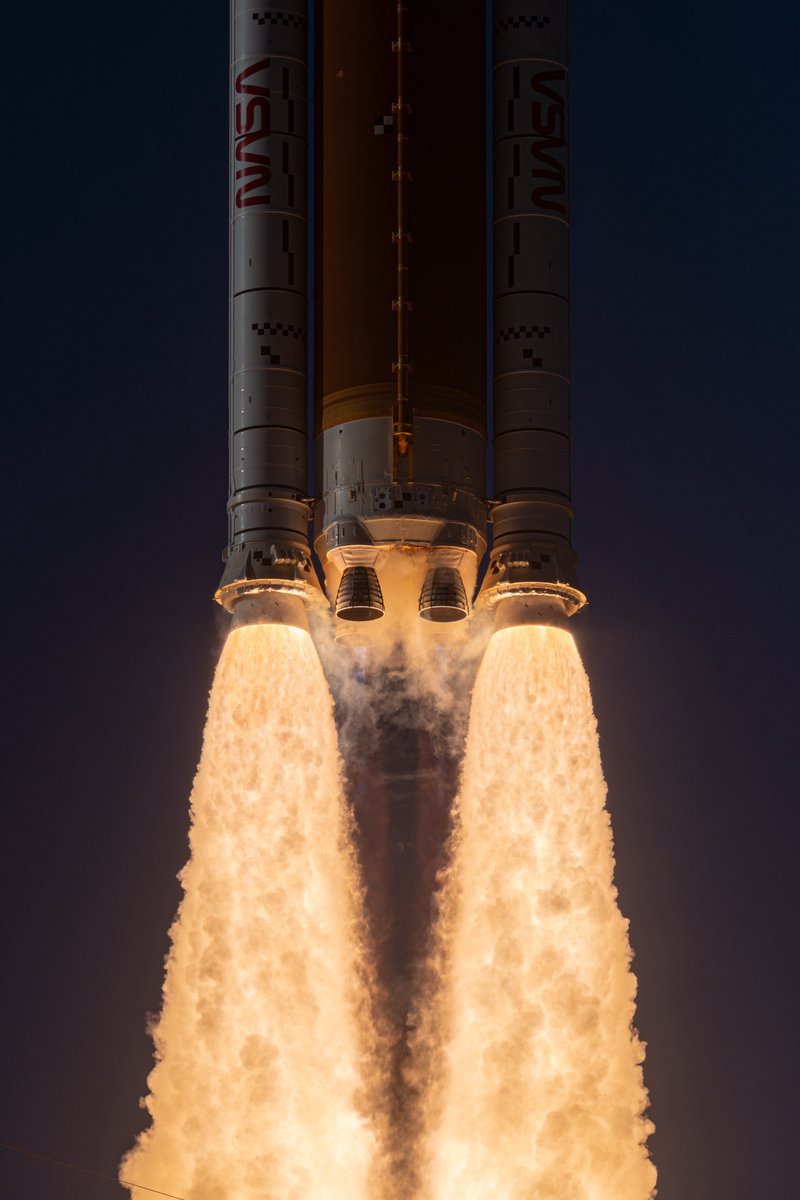
Pleased to share my favorite high-resolution capture of the Artemis II launch- the moment the SLS is clearing the tower, captured by a sound-triggered camera placed near the pad. I'll have prints linked in my bio for this one, and here's a short thread about how it was captured

Pleased to share my favorite high-resolution capture of the Artemis II launch- the moment the SLS is clearing the tower, captured by a sound-triggered camera placed near the pad.

I'll have prints linked in my bio for this one, and here's a short thread about how it was captured
NASA (@nasa) 's Twitter Profile Photo

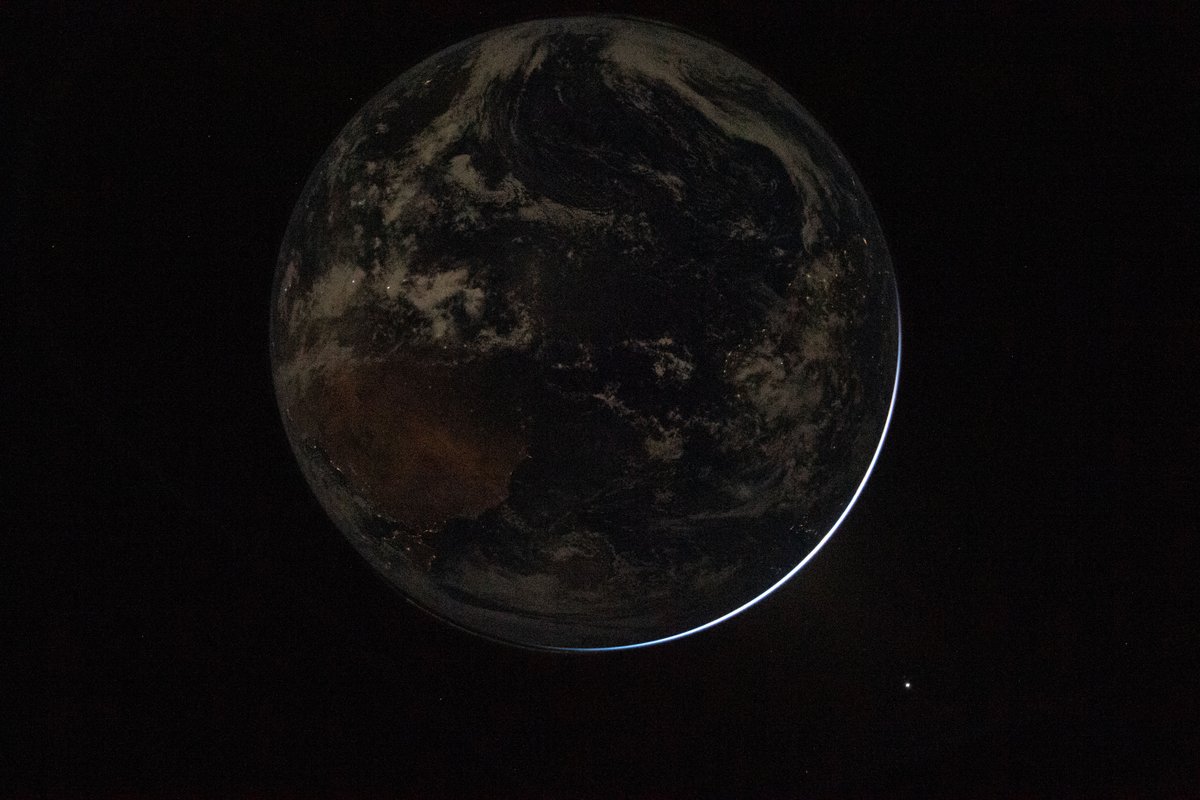
Even in darkness, we glow. In this image of Earth taken by the Artemis II crew, we can see the electric lights of human activity. In the lower right, sunlight illuminates the limb of the planet.

Even in darkness, we glow. 
 
In this image of Earth taken by the Artemis II crew, we can see the electric lights of human activity. In the lower right, sunlight illuminates the limb of the planet.
NASA (@nasa) 's Twitter Profile Photo

These two images were taken by Reid Wiseman only minutes apart. The stark difference is the result of camera settings. In the first, a longer shutter speed let in much more light from Earth, while the shorter shutter speed in the second emphasizes our planet's nighttime glow.


These two images were taken by <a href="/astro_reid/">Reid Wiseman</a> only minutes apart. The stark difference is the result of camera settings. In the first, a longer shutter speed let in much more light from Earth, while the shorter shutter speed in the second emphasizes our planet's nighttime glow.