Franz Schreiber (@fjschreiber) 's Twitter Profile
Franz Schreiber

@fjschreiber

PhD Student @ Eisert Group, FU Berlin. Quantum Information Theory.

I am interested in mapping the quantum-classical boundary.

ID: 1540261216190435328

calendar_today24-06-2022 09:11:46

214 Tweet

180 Takipçi

163 Takip Edilen

Franz Schreiber (@fjschreiber) 's Twitter Profile Photo

Grover's quadratic speedup is provably optimal in the black-box setting. We expect general SAT to be essentially unstructured and as hard as the black-box setting (strong exponential time hypothesis). It's believable that Grover is optimal there. But this is not clear for 3-SAT!

Jens Eisert (@jenseisert) 's Twitter Profile Photo

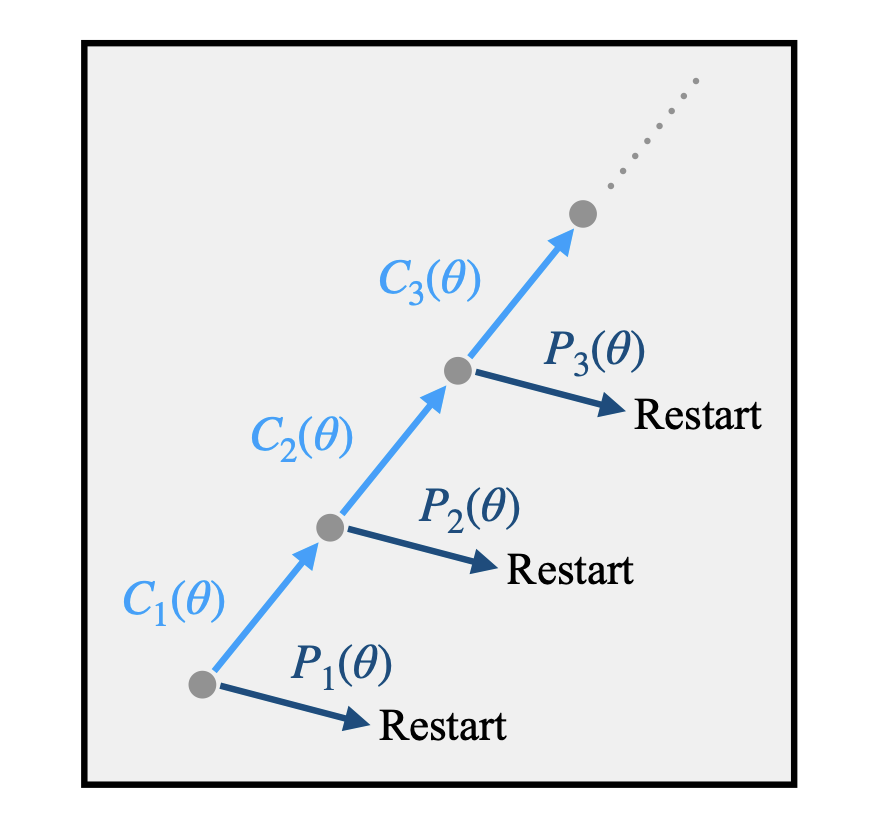
A measurement-driven quantum algorithm for SAT: Performance guarantees via spectral gaps and measurement parallelization scirate.com/arxiv/2511.096… The Boolean satisfiability problem (#SAT) is of central importance in both theory and practice. Yet, most provable guarantees for

A measurement-driven quantum algorithm for SAT: Performance guarantees via spectral gaps and measurement parallelization

scirate.com/arxiv/2511.096…

The Boolean satisfiability problem (#SAT) is of central importance in both theory and practice. Yet, most provable guarantees for
Jens Eisert (@jenseisert) 's Twitter Profile Photo

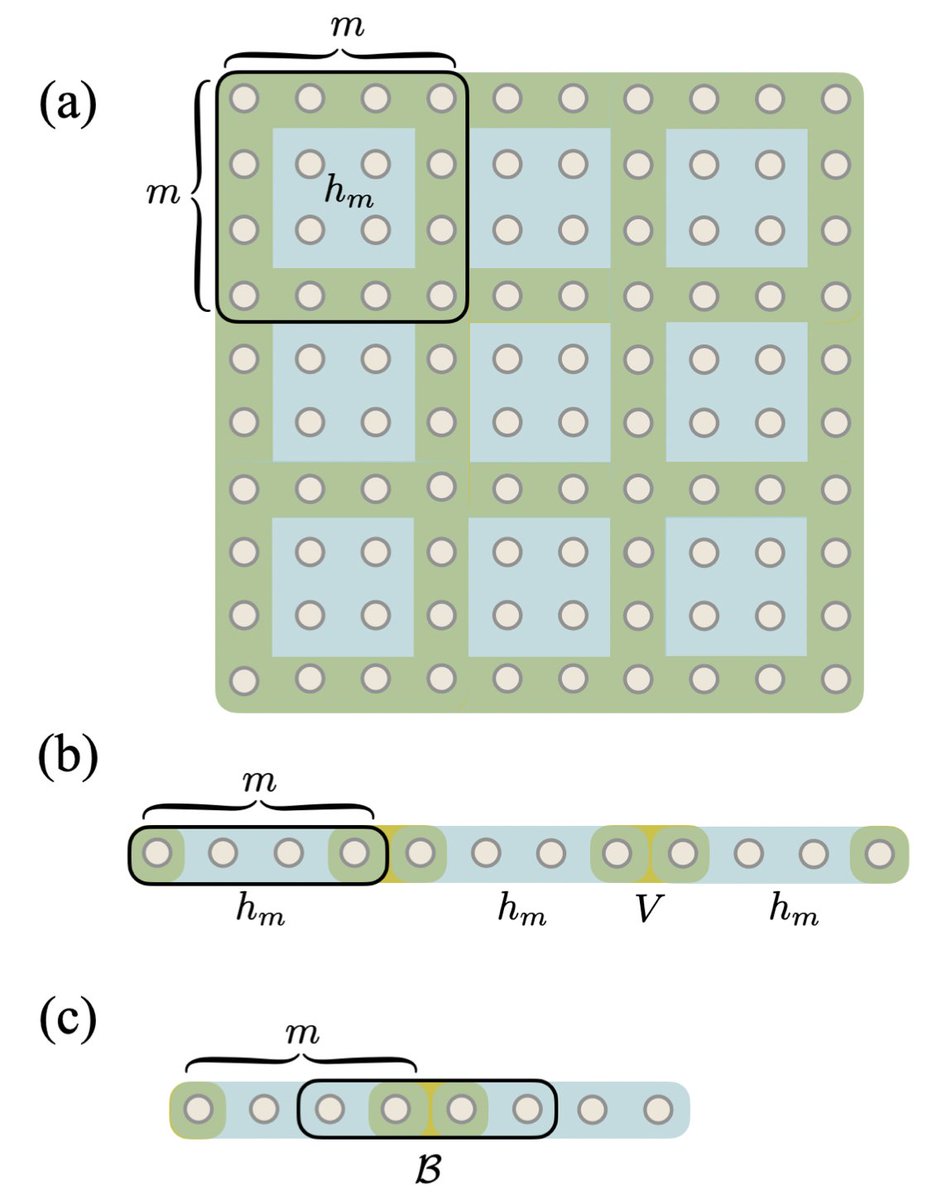
Variational quantum eigensolvers and classical tensor network methods provide upper bounds to ground-state energies. Lower bounds are known but often less appreciated, even though they can be quite tight. I have decided to turn the note scirate.com/arxiv/2301.061… into a small

Variational quantum eigensolvers and classical tensor network methods provide upper bounds to ground-state energies. Lower bounds are known but often less appreciated, even though they can be quite tight. I have decided to turn the note

scirate.com/arxiv/2301.061…

into a small
Jens Eisert (@jenseisert) 's Twitter Profile Photo

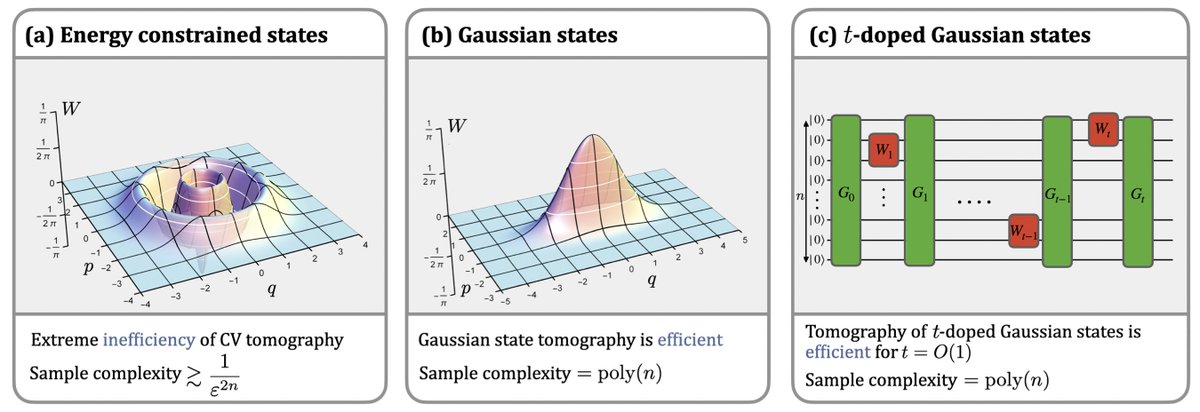
This is a publication I am extremely happy about. It is a bit rebellious, and yet it touches upon an old and important question: How can we learn an unknown quantum state from data? This is the quantum state tomography problem, and even the name “tomography” comes from the

This is a publication I am extremely happy about. It is a bit rebellious, and yet it touches upon an old and important question: How can we learn an unknown quantum state from data? This is the quantum state tomography problem, and even the name “tomography” comes from the
Elliot Glazer (@elliotglazer) 's Twitter Profile Photo

Context for “Erdős failed to solve this:” One, he was in his 80s when this was published. Two, the man wrote ~1,500 papers. That level of output requires willingness to declare papers sufficient and move on to other projects without dwelling on every possible additional theorem.

Jens Eisert (@jenseisert) 's Twitter Profile Photo

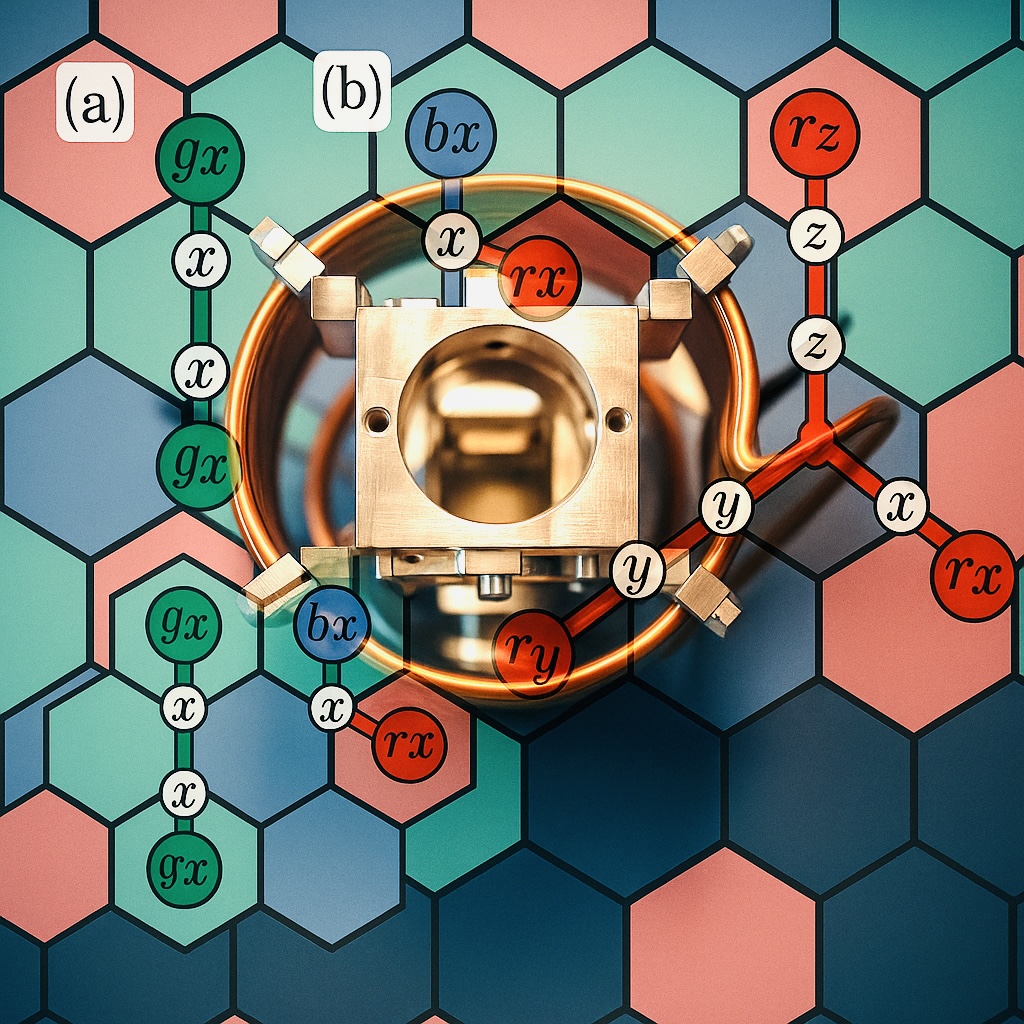
We are hiring a postdoctoral researcher and a PhD student to join a strong research team to work on #quantumerrorcorrection for cold atomic platforms, funded by the BMFTR. The topics range from abstract considerations to hardware-tailored approaches. We can provide a

We are hiring a postdoctoral researcher and a PhD student to join a strong research team to work on #quantumerrorcorrection for cold atomic platforms, funded by the <a href="/bmftr_bund/">BMFTR</a>. The topics range from abstract considerations to hardware-tailored approaches.

We can provide a
Joe Fitzsimons (@jfitzsimons) 's Twitter Profile Photo

Well over a decade ago, Alan Aspuru-Guzik and I had the idea for a quantum algorithm to efficiently simulate essentially any chemistry experiment by simulating dynamics mimicking it. After lots of hard work from people who aren’t me, it’s now finally out. pubs.rsc.org/en/content/art…


Rota (@pli_cachete) 's Twitter Profile Photo

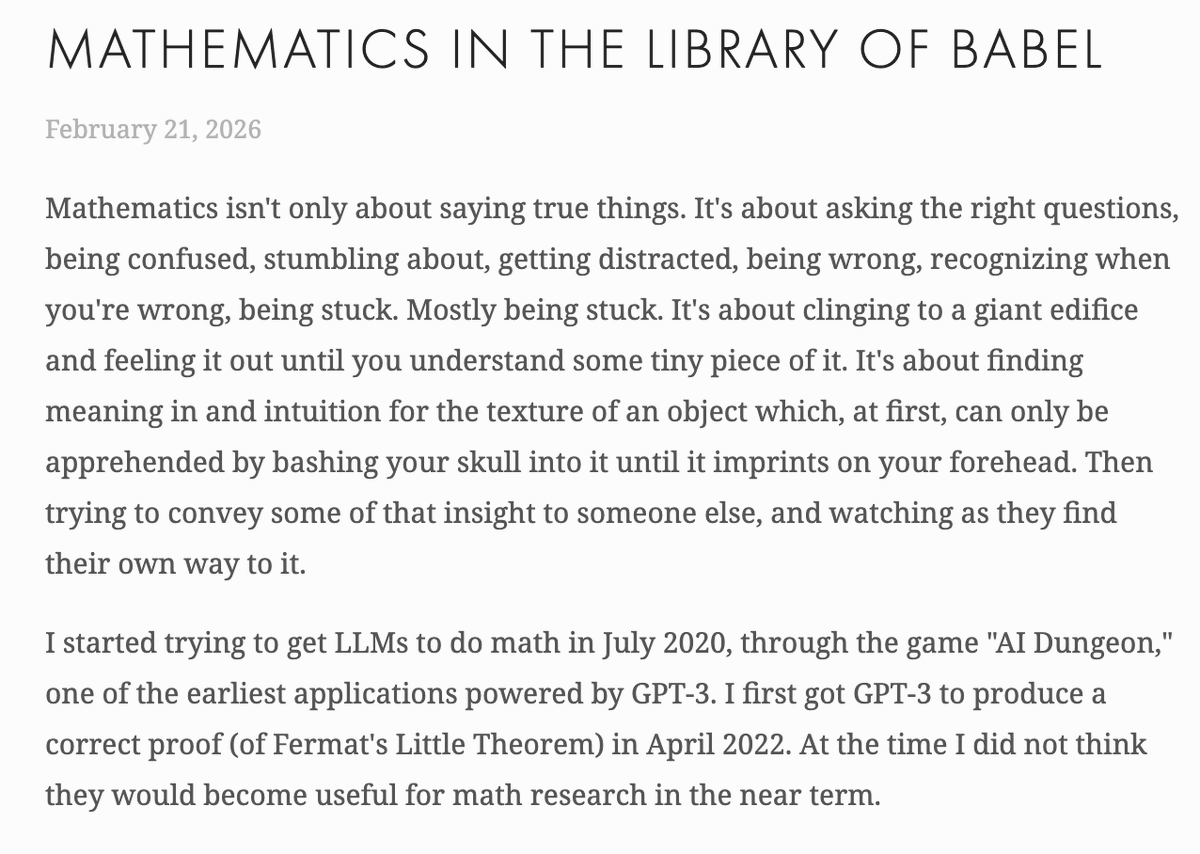
This is a fantastic essay that anyone genuinely serious about forwarding AI for the automation of science should reckon with.

This is a fantastic essay that anyone genuinely serious about forwarding AI for the automation of science should reckon with.
Craig Gidney (@craiggidney) 's Twitter Profile Photo

Stim pushed the field forward... but I worry it may also hold it back. For example, Stim doesn't understand adaptive strategies like "measure again if you see a suspicious thing". If too many researchers rely on stim, adaptivity will be under-explored!

Jens Eisert (@jenseisert) 's Twitter Profile Photo

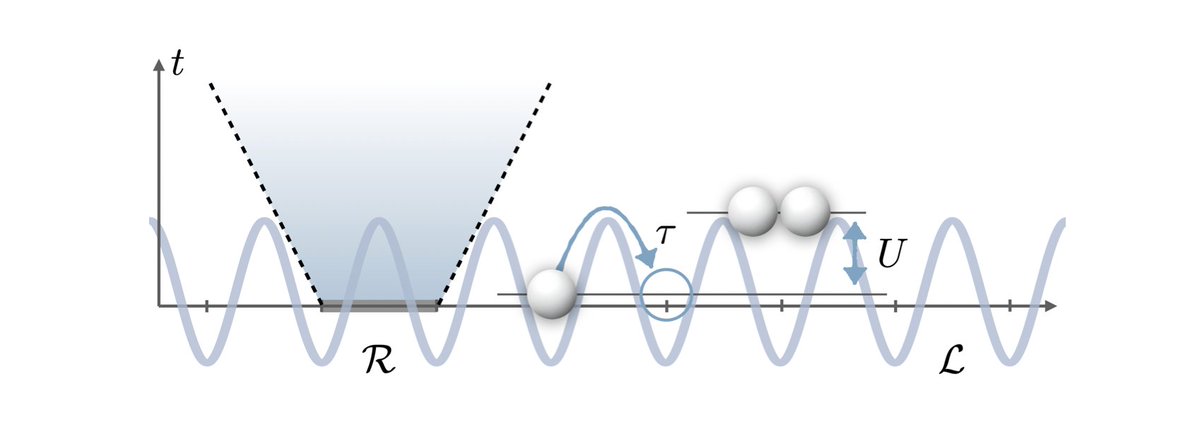
Do Bose-Hubbard type systems have a speed of sound for particle propagation? scirate.com/arxiv/2601.001… Yes. Indeed, it has long been an open question whether interacting bosonic systems also feature finite speeds of sound in information and particle propagation—a question that

Do Bose-Hubbard type systems have a speed of sound for particle propagation?

scirate.com/arxiv/2601.001…

Yes. Indeed, it has long been an open question whether interacting bosonic systems also feature finite speeds of sound in information and particle propagation—a question that
Lance Fortnow (@fortnow) 's Twitter Profile Photo

A three-decade-old open problem of mine just got solved! Matt Kovacs-Deak, Daochen Wang and Rain Zimin Yang showed that if a Boolean function f is exactly computed by a low-degree rational function, the quotient of two polynomials, then f has low decision-tree complexity. 1/2

Jens Eisert (@jenseisert) 's Twitter Profile Photo

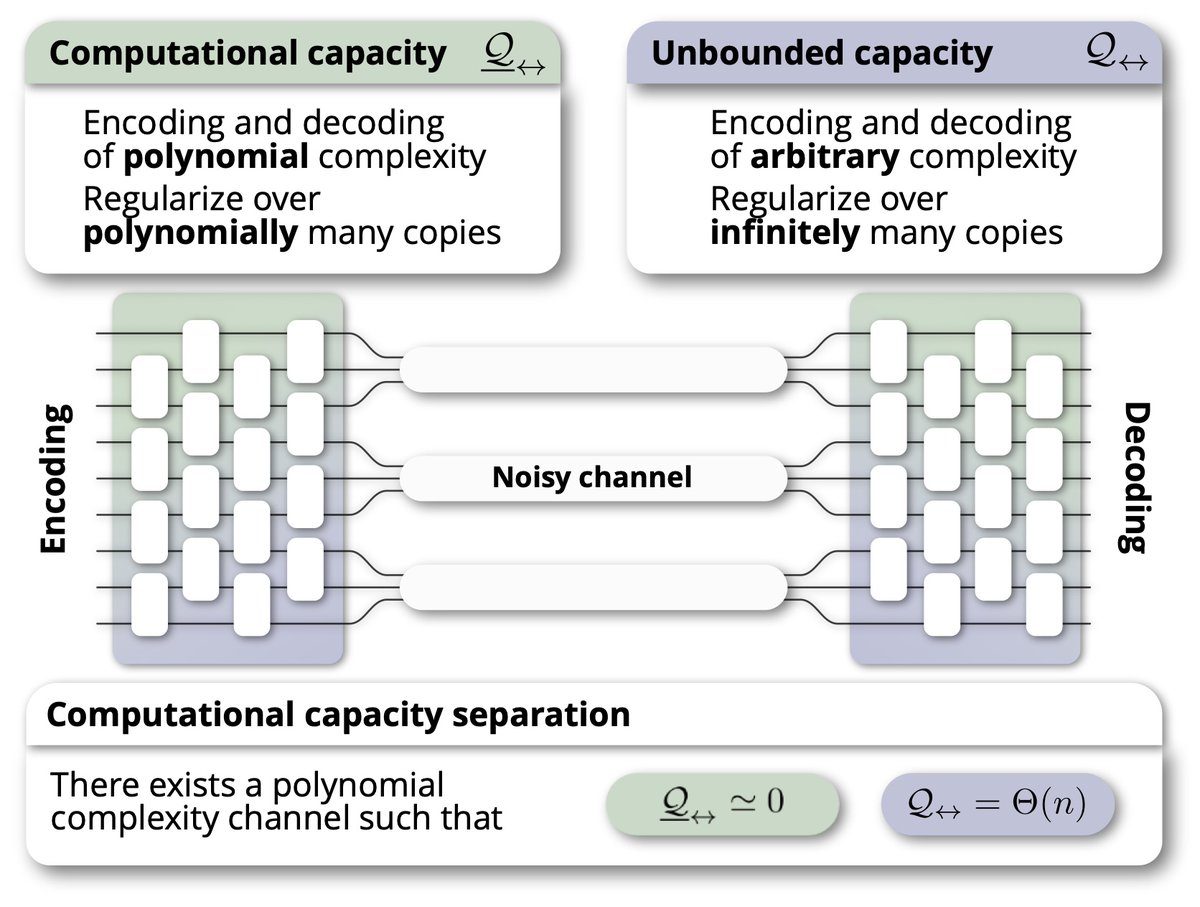
This is a paper I very much like, for its foundational and somewhat "rebellious" character: We show that notions channel capacities are strongly altered if one simply assumes that all operations one can implement are efficient. scirate.com/arxiv/2601.153… To the point,

This is a paper I very much like, for its foundational and somewhat "rebellious" character: We show that notions channel capacities are strongly altered if one simply assumes that all operations one can implement are efficient.

scirate.com/arxiv/2601.153…

To the point,
Thomas Bloom (@thomasfbloom) 's Twitter Profile Photo

This is a massive overreaction. We are seeing a few solved recently, but all of them low-hanging fruit. And humans have been solving steadily for years already! Many problems on the Erdos site are some of the most difficult in maths; some harder than the Riemann Hypothesis.