Frog Facts (@facts4frogs) 's Twitter Profile
Frog Facts

@facts4frogs

learn about frogs and what makes them amazing!

ID: 1308899750935175169

calendar_today23-09-2020 22:43:21

216 Tweet

355 Takipçi

169 Takip Edilen

Frog Facts (@facts4frogs) 's Twitter Profile Photo

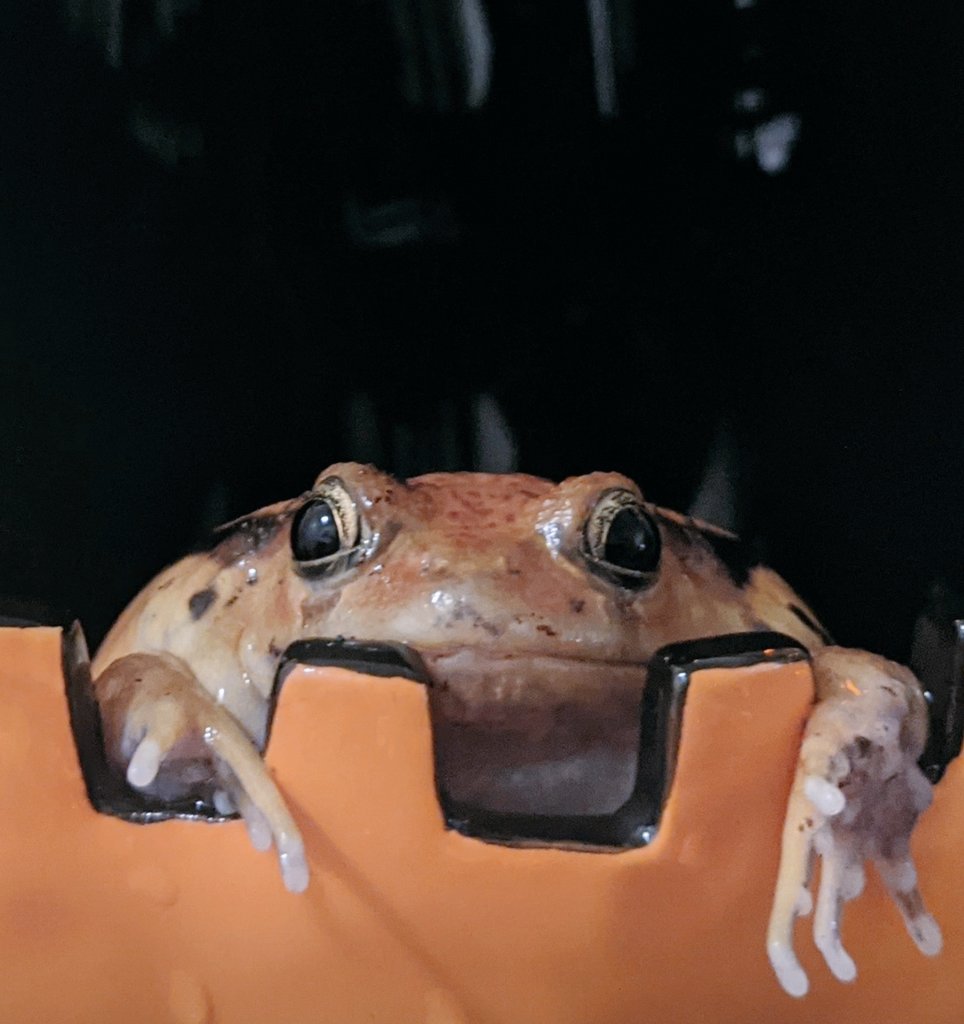
The Red-Spotted Burrowing Frog (Leptodactylus laticeps) is a S. American native! These guys hide in burrows made by rodents, even when rodents are still occupying the hole! 🐸❤️🐀 The frogs are poached from the wild for the pet trade & they're classified as near-threatened.

The Red-Spotted Burrowing Frog (Leptodactylus laticeps) is a S. American native!

These guys hide in burrows made by rodents, even when rodents are still occupying the hole! 🐸❤️🐀

The frogs are poached from the wild for the pet trade & they're classified as near-threatened.
Frog Facts (@facts4frogs) 's Twitter Profile Photo

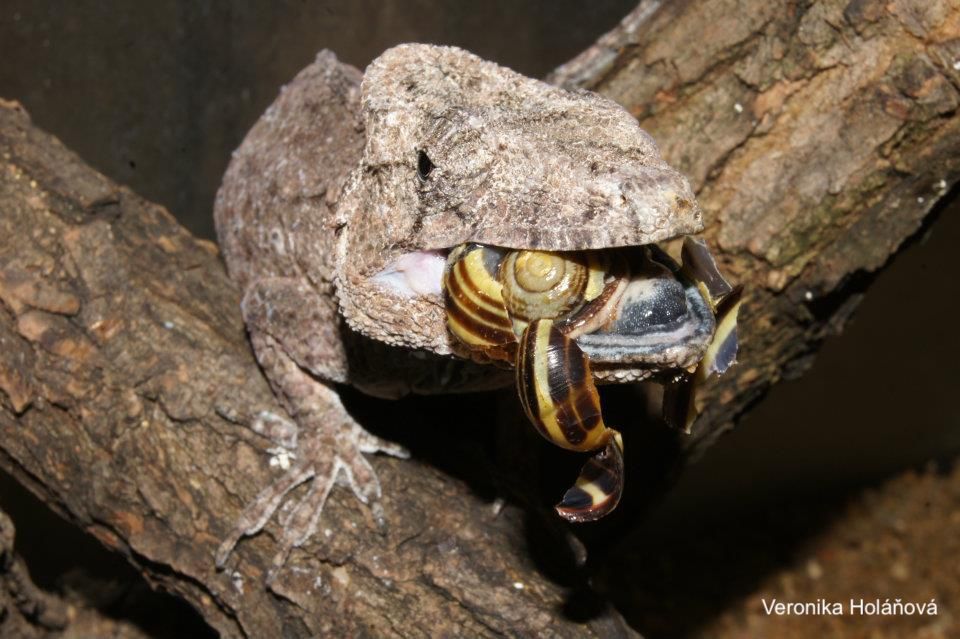
Not a frog today, just a really cool lizard! Cuban False Chameleons (Anolis barbatus) are not actually chameleons at all, but rather a large species of anole! In the wild their diet consists of mostly snails and they have special teeth to crush the shells! 🐌 What neat guys!

Not a frog today, just a really cool lizard! 

Cuban False Chameleons (Anolis barbatus) are not actually chameleons at all, but rather a large species of anole!

In the wild their diet consists of mostly snails and they have special teeth to crush the shells! 🐌 What neat guys!
Frog Facts (@facts4frogs) 's Twitter Profile Photo

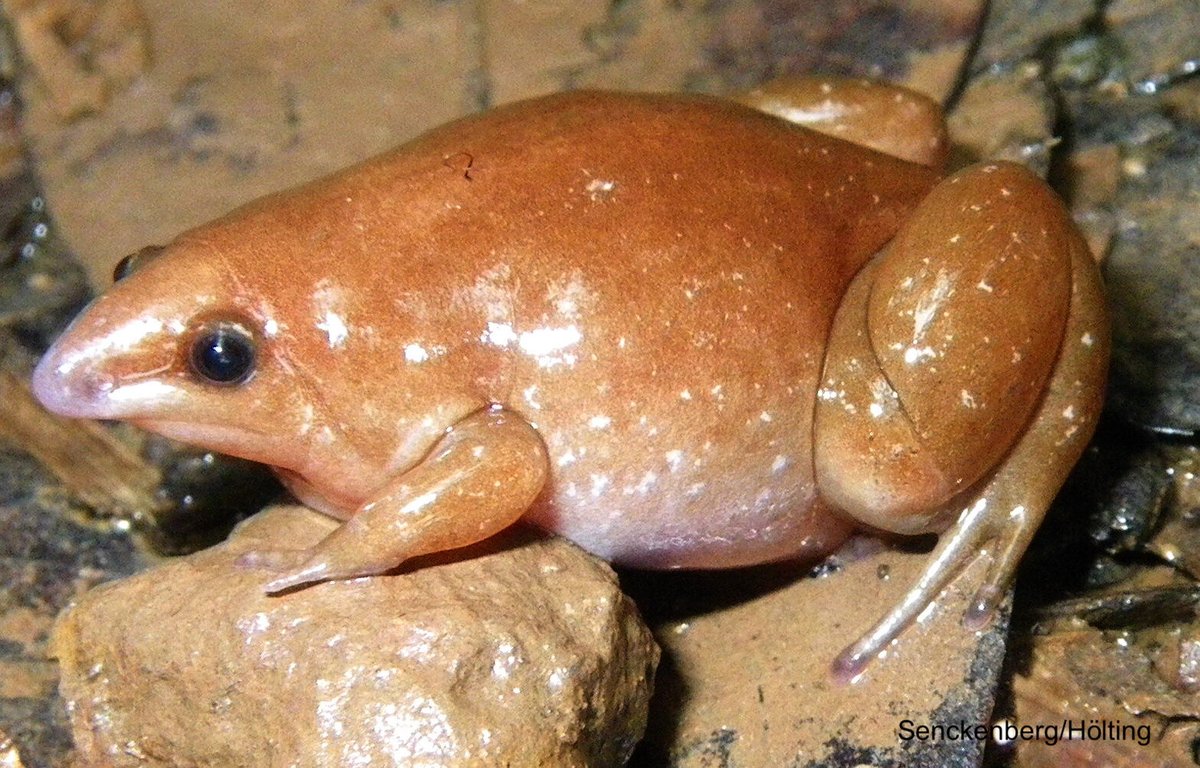
Have you heard of the newly discovered Zombie Frog (Synapturanus zombie)? They are named for the spooky conditions the researchers had to endure when searching for them, digging them out of the wet mud with their bare hands in the pouring rain! What a unique looking new pal 🥰

Have you heard of the newly discovered Zombie Frog (Synapturanus zombie)? 

They are named for the spooky conditions the researchers had to endure when searching for them, digging them out of the wet mud with their bare hands in the pouring rain!

What a unique looking new pal 🥰
Frog Facts (@facts4frogs) 's Twitter Profile Photo

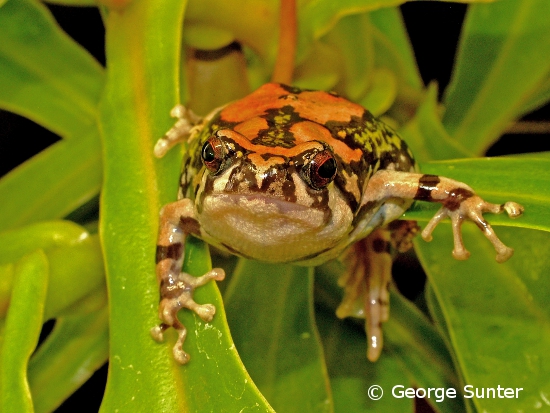
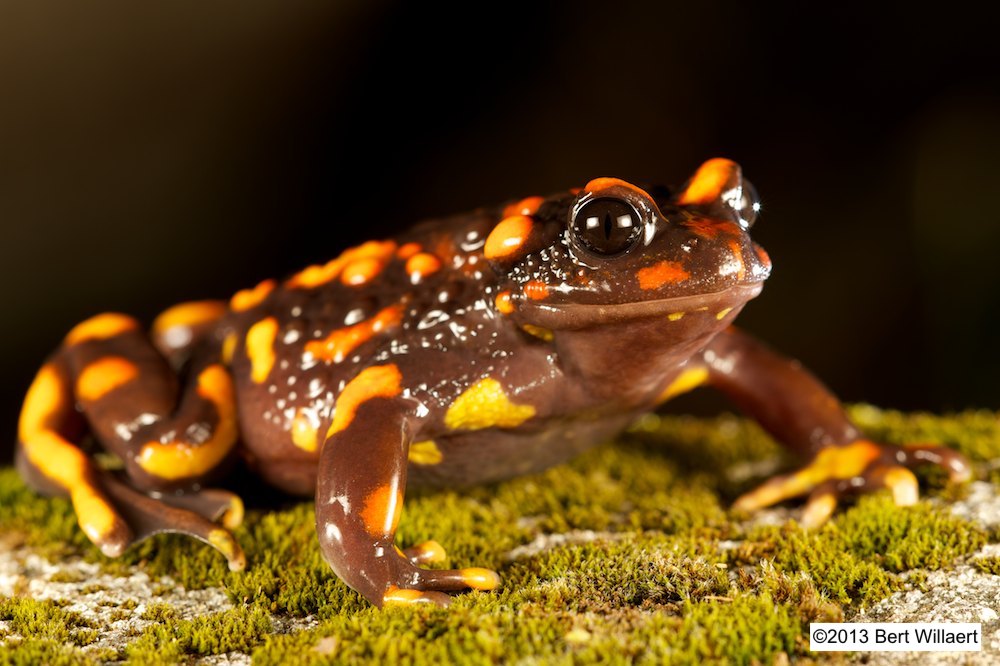
The Malagasy Rainbow Frog (Scaphiophryne gottlebei) is found in the rocky canyons of the Isalo Massif in Madagascar. This frog is talented at climbing to reach higher grounds during the flash floods that frequent the region!

The Malagasy Rainbow Frog (Scaphiophryne gottlebei) is found in the rocky canyons of the Isalo Massif in Madagascar.

This frog is talented at climbing to reach higher grounds during the flash floods that frequent the region!
Frog Facts (@facts4frogs) 's Twitter Profile Photo

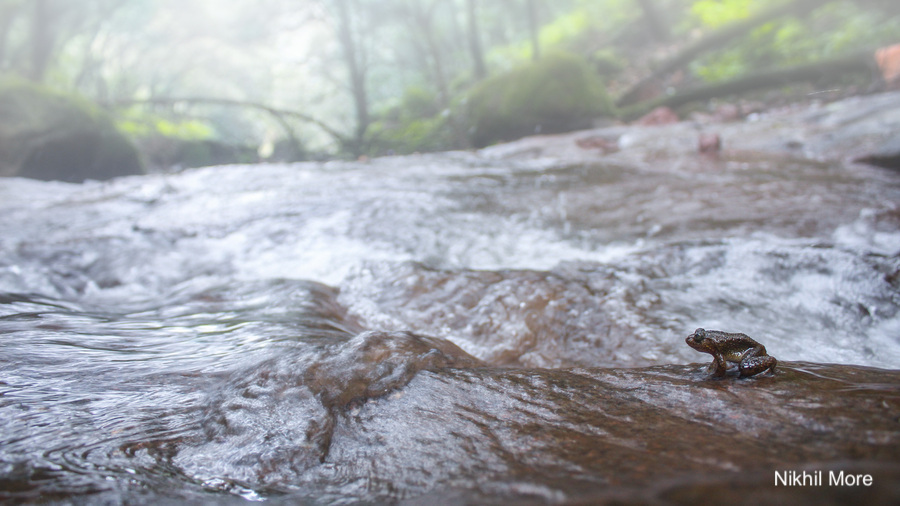
Night Frogs (genus Nyctibatrachidae) live in the Western Ghats mountain range in India and Sri Lanka. Females will deposit their eggs above the water on rocks or branches and the tadpoles slip into the water when they hatch! What a neat frog with a friendly face 🥰

Night Frogs (genus Nyctibatrachidae) live in the Western Ghats mountain range in India and Sri Lanka. 

Females will deposit their eggs above the water on rocks or branches and the tadpoles slip into the water when they hatch! 

What a neat frog with a friendly face 🥰
Frog Facts (@facts4frogs) 's Twitter Profile Photo

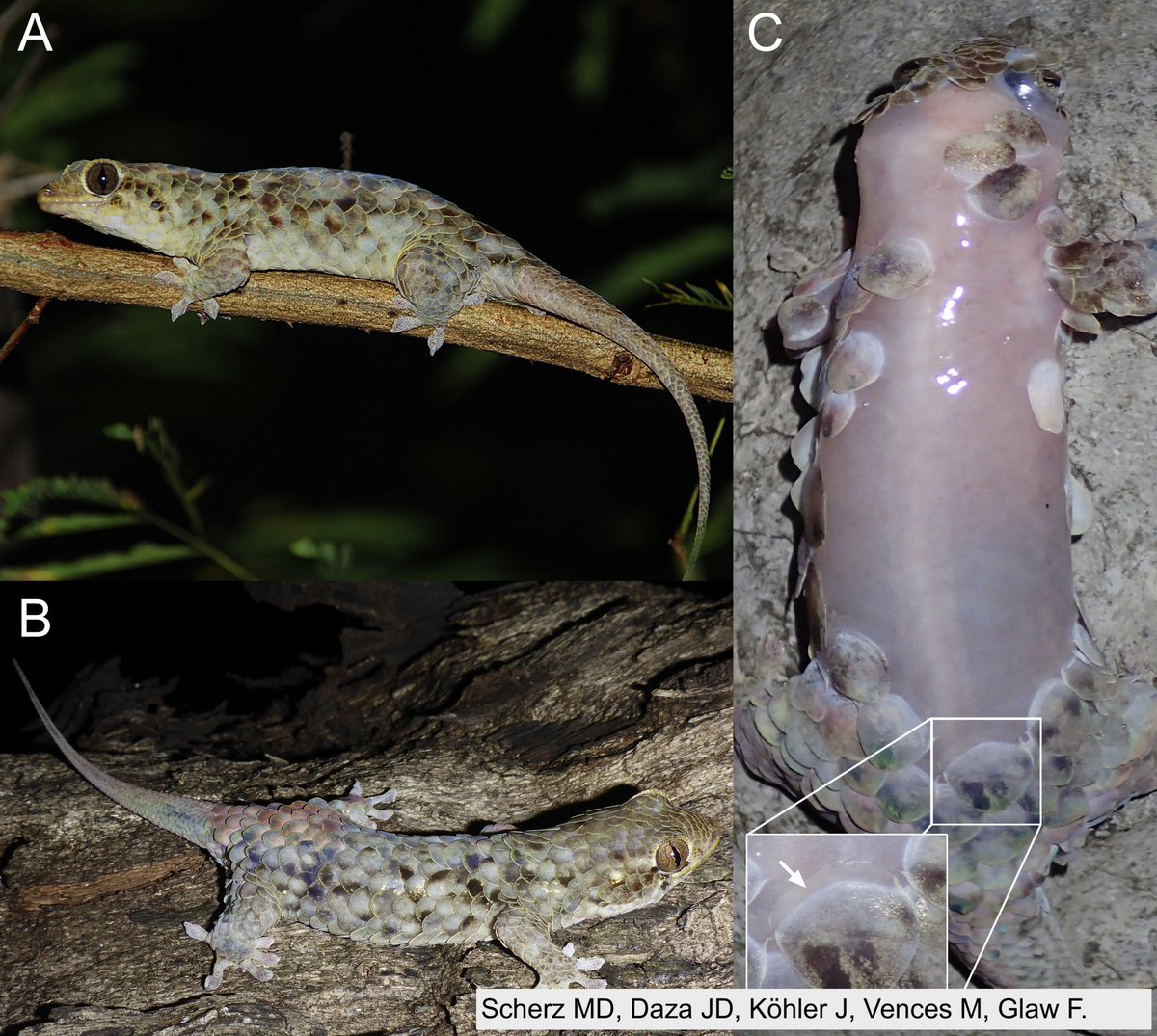
The Fish-Scale Gecko (Geckolepis megalepis) lives in the karst formations of Northern Madagascar. They have incredibly large scales that will shed off if a predator tries to grab them. What a cool adaptation for an extraordinary lizard!

The Fish-Scale Gecko (Geckolepis megalepis) lives in the karst formations of Northern Madagascar.

They have incredibly large scales that will shed off if a predator tries to grab them. What a cool adaptation for an extraordinary lizard!
Frog Facts (@facts4frogs) 's Twitter Profile Photo

The Chile Mountain False Toad (Telmatobufo venustus) is endemic to the Chilean Andes Mountains. They are very secretive and difficult to find. These frogs are endangered because of dam construction, habitat loss, & the introduction of Rainbow Trout that feed on their tadpoles.

The Chile Mountain False Toad (Telmatobufo venustus) is endemic to the Chilean Andes Mountains. They are very secretive and difficult to find.

These frogs are endangered because of dam construction, habitat loss, & the introduction of Rainbow Trout that feed on their tadpoles.
Frog Facts (@facts4frogs) 's Twitter Profile Photo

The Sonoran Green Toad (Anaxyrus retiformis) is native to the SW United States & Mexico. This toad is inactive for about 10 months out of the year and only makes an appearance during the rainy season for breeding. We respect a toad that takes time for breaks and self-care 🌦️😴

The Sonoran Green Toad (Anaxyrus retiformis) is native to the SW United States & Mexico.

This toad is inactive for about 10 months out of the year and only makes an appearance during the rainy season for breeding.

We respect a toad that takes time for breaks and self-care 🌦️😴
Frog Facts (@facts4frogs) 's Twitter Profile Photo

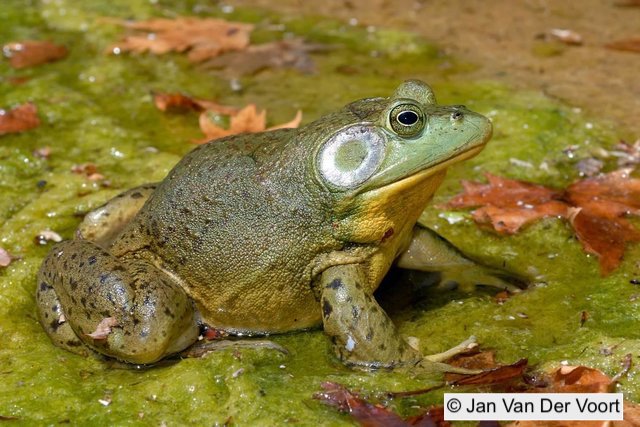
The tympanum is a circular membrane found behind the eyes of a frog. This membrane helps sound reach the inner ear and also acts as a barrier to water. Tympanum size varies by the species and sex of the frog, and this structure is absent in some frog lineages! 🔊👂

The tympanum is a circular membrane found behind the eyes of a frog. This membrane helps sound reach the inner ear and also acts as a barrier to water.

Tympanum size varies by the species and sex of the frog, and this structure is absent in some frog lineages! 🔊👂
Frog Facts (@facts4frogs) 's Twitter Profile Photo

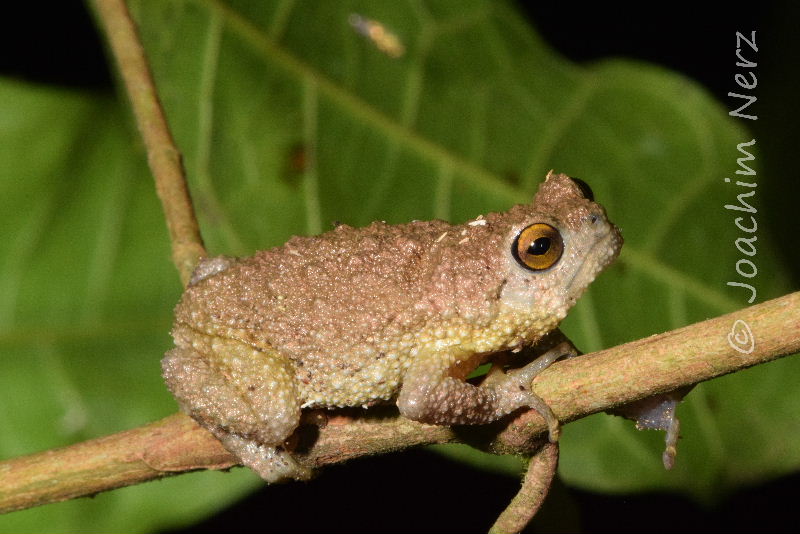
I'd like to introduce an absolute cutie, Krefft's Warty Frog (Callulina kreffti)! Though these small and stocky frogs are usually found on the forest floor in Kenya & Tanzania, they're also surprisingly good climbers! They love hiding in banana leaves and other low vegetation.

I'd like to introduce an absolute cutie, Krefft's Warty Frog (Callulina kreffti)!

Though these small and stocky frogs are usually found on the forest floor in Kenya & Tanzania, they're also surprisingly good climbers! They love hiding in banana leaves and other low vegetation.
Frog Facts (@facts4frogs) 's Twitter Profile Photo

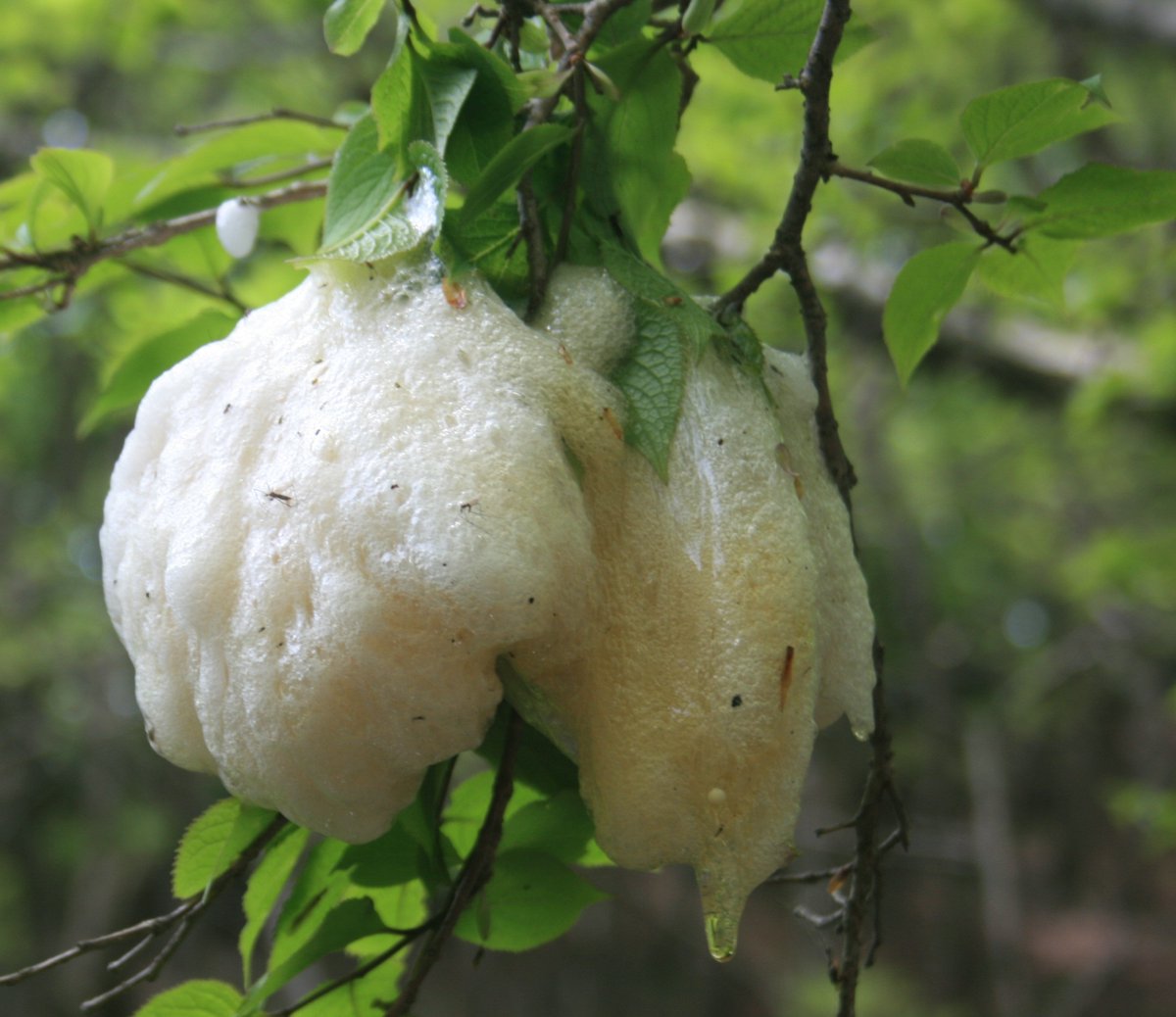
The Kinugasa Flying Frog (Rhacophorus arboreus) is native to Japan. Females make bubble nests to protect eggs from predation & from drying out! To make the nest, the frog excretes a fluid protein & beats it to a froth with her back legs. What an amazing way to protect her young!

The Kinugasa Flying Frog (Rhacophorus arboreus) is native to Japan. Females make bubble nests to protect eggs from predation & from drying out!

To make the nest, the frog excretes a fluid protein & beats it to a froth with her back legs. What an amazing way to protect her young!
FrogID (@frogidaus) 's Twitter Profile Photo

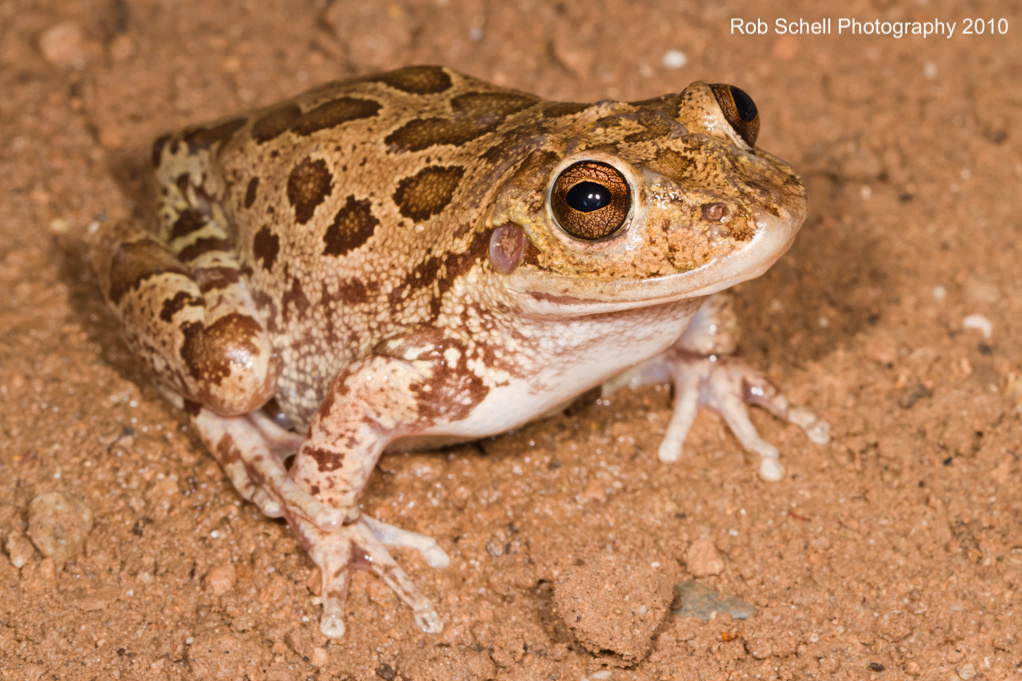
We're happy to hear Crucifix Frog (Notaden bennettii) calling after rain this #FrogIDWeek, submitted by our colleague Tom Parkin. Record frog calls with the #FrogID app now to 21st Nov and take part in Australia's biggest frog count.
Frog Facts (@facts4frogs) 's Twitter Profile Photo

This friendly face belongs to the Mexican Burrowing Tree Frog (Smilisca fodiens). Though this frog is in the family Hylidae, which are commonly arboreal frogs, this frog is adapted for burrowing! Their calls sound like duck quacks🦆🔊 What a delightful little lad!

This friendly face belongs to the Mexican Burrowing Tree Frog (Smilisca fodiens). Though this frog is in the family Hylidae, which are commonly arboreal frogs, this frog is adapted for burrowing! 

Their calls sound like duck quacks🦆🔊 What a delightful little lad!
Frog Facts (@facts4frogs) 's Twitter Profile Photo

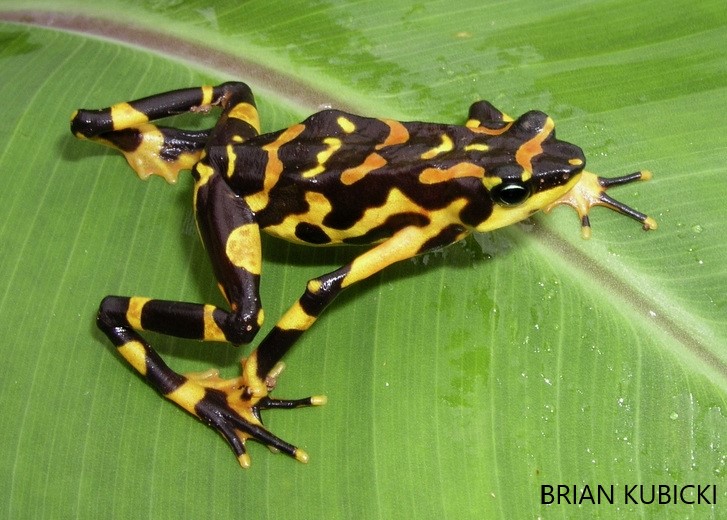
Costa Rican Variable Harlequin Toads (Atelopus varius) are aposematic, meaning they use bright colors to deter predation. Their patterns and bold colors serve as a warning to other animals that they are toxic and taste yucky 🤢

Costa Rican Variable Harlequin Toads (Atelopus varius) are aposematic, meaning they use bright colors to deter predation.

Their patterns and bold colors serve as a warning to other animals that they are toxic and taste yucky 🤢
Frog Facts (@facts4frogs) 's Twitter Profile Photo

In folklore, salamanders are often thought to materialize from flames. This legend was popularized because salamanders are found under logs and in leaf litter, which was used as fire-starter. Salamanders would attempt to flee & people assumed that they were produced by the fire.

In folklore, salamanders are often thought to materialize from flames.

This legend was popularized because salamanders are found under logs and in leaf litter, which was used as fire-starter. Salamanders would attempt to flee & people assumed that they were produced by the fire.