Michelle Molina (@connectingdata) 's Twitter Profile
Michelle Molina

@connectingdata

(she/her) Let me help you use data.

ID: 2853781759

linkhttps://www.connectingevidence.com/ calendar_today13-10-2014 02:34:56

696 Tweet

621 Takipçi

1,1K Takip Edilen

Michelle Molina (@connectingdata) 's Twitter Profile Photo

Being systematic about exploring outcomes is not mutually exclusive from working towards social justice. I'm curious to hear how your work (in & outside of evaluation) differs when you are thoughtful about your pursuit of social justice. journals.sagepub.com/doi/full/10.11… #AutomatedPost
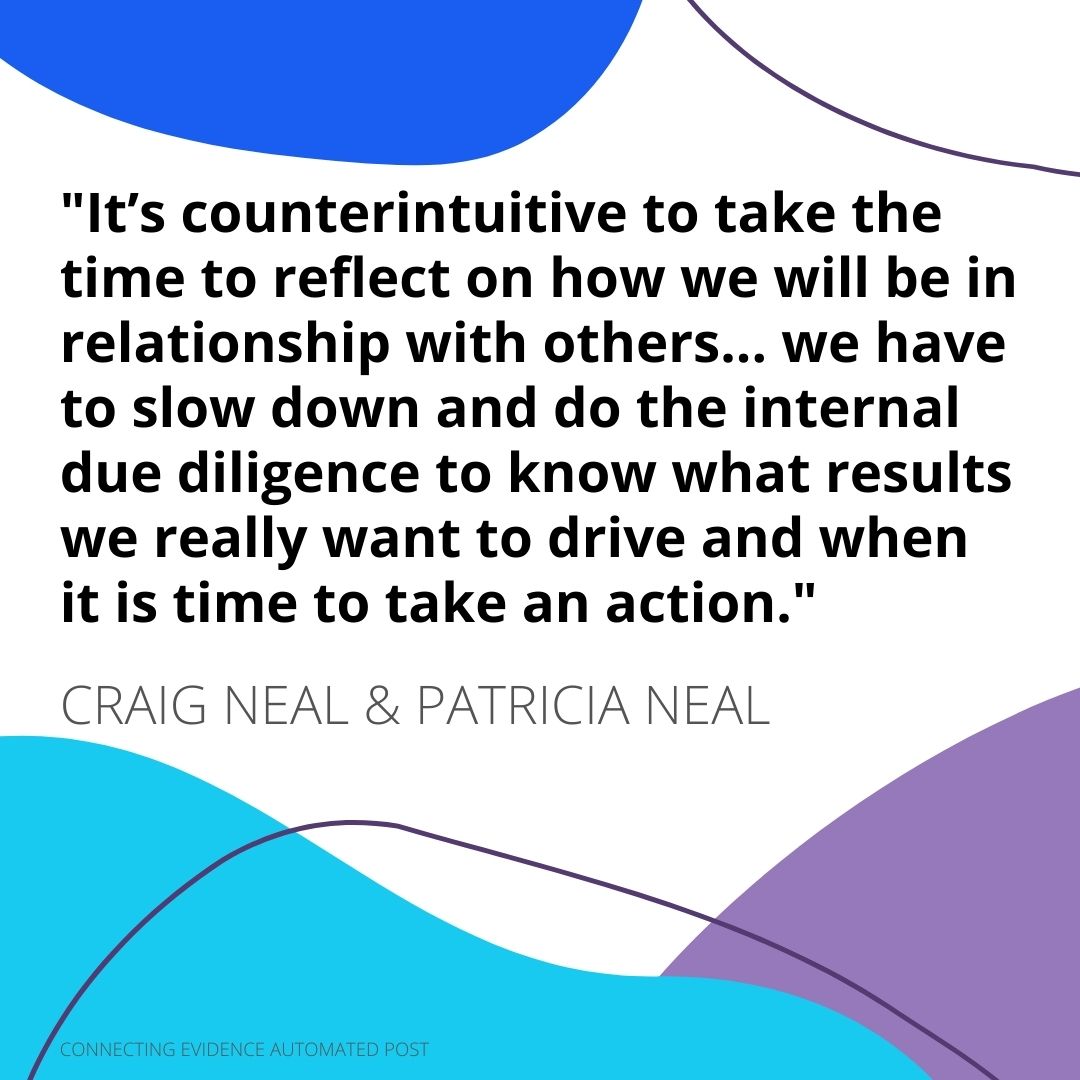
Being systematic about exploring outcomes is not mutually exclusive from working towards social justice.
I'm curious to hear how your work (in & outside of evaluation) differs when you are thoughtful about your pursuit of social justice.

journals.sagepub.com/doi/full/10.11…
#AutomatedPost
Michelle Molina (@connectingdata) 's Twitter Profile Photo

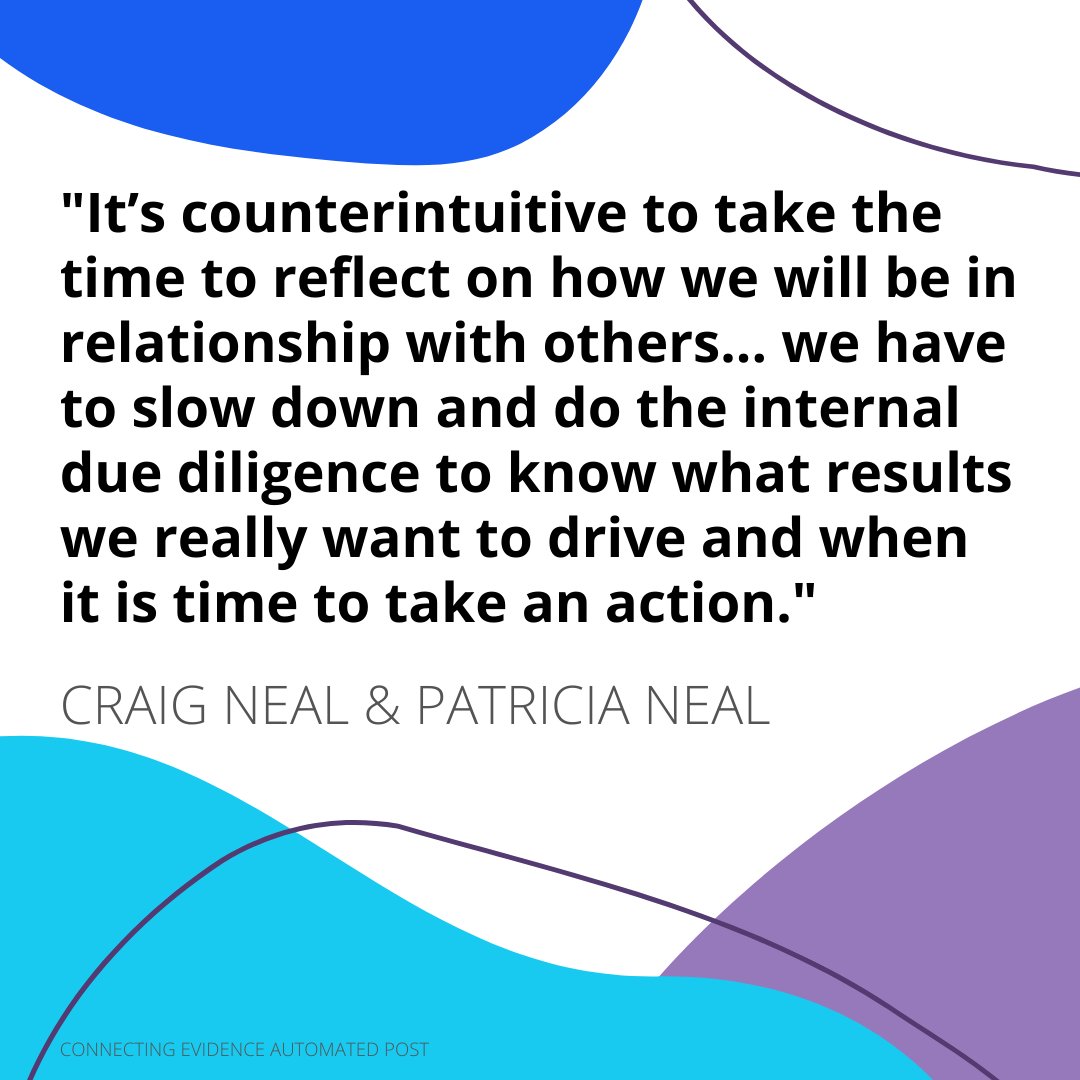
It's important to be thoughtful about the results we want so that we can better select the best actions to take. This is important when we're planning our initiatives / programs, data collection, or engagements. Doing this takes time but it's well worth the effort. #AutomatedPost

It's important to be thoughtful about the results we want so that we can better select the best actions to take. This is important when we're planning our initiatives / programs, data collection, or engagements. Doing this takes time but it's well worth the effort.
#AutomatedPost
Michelle Molina (@connectingdata) 's Twitter Profile Photo

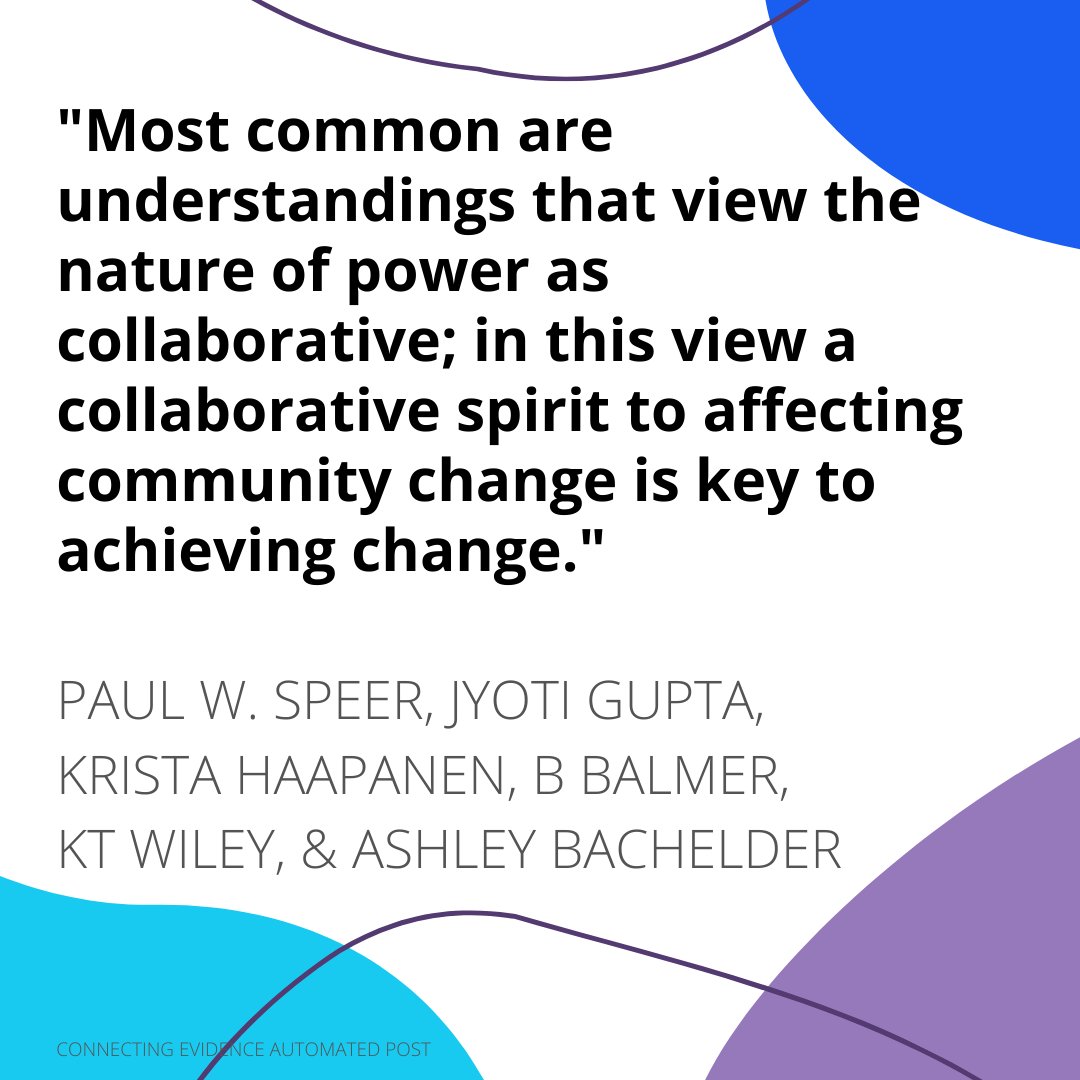
Increasing community power is hard work and requires a lot of long term investment. How do you keep in mind the nuances required to support the development of community power?

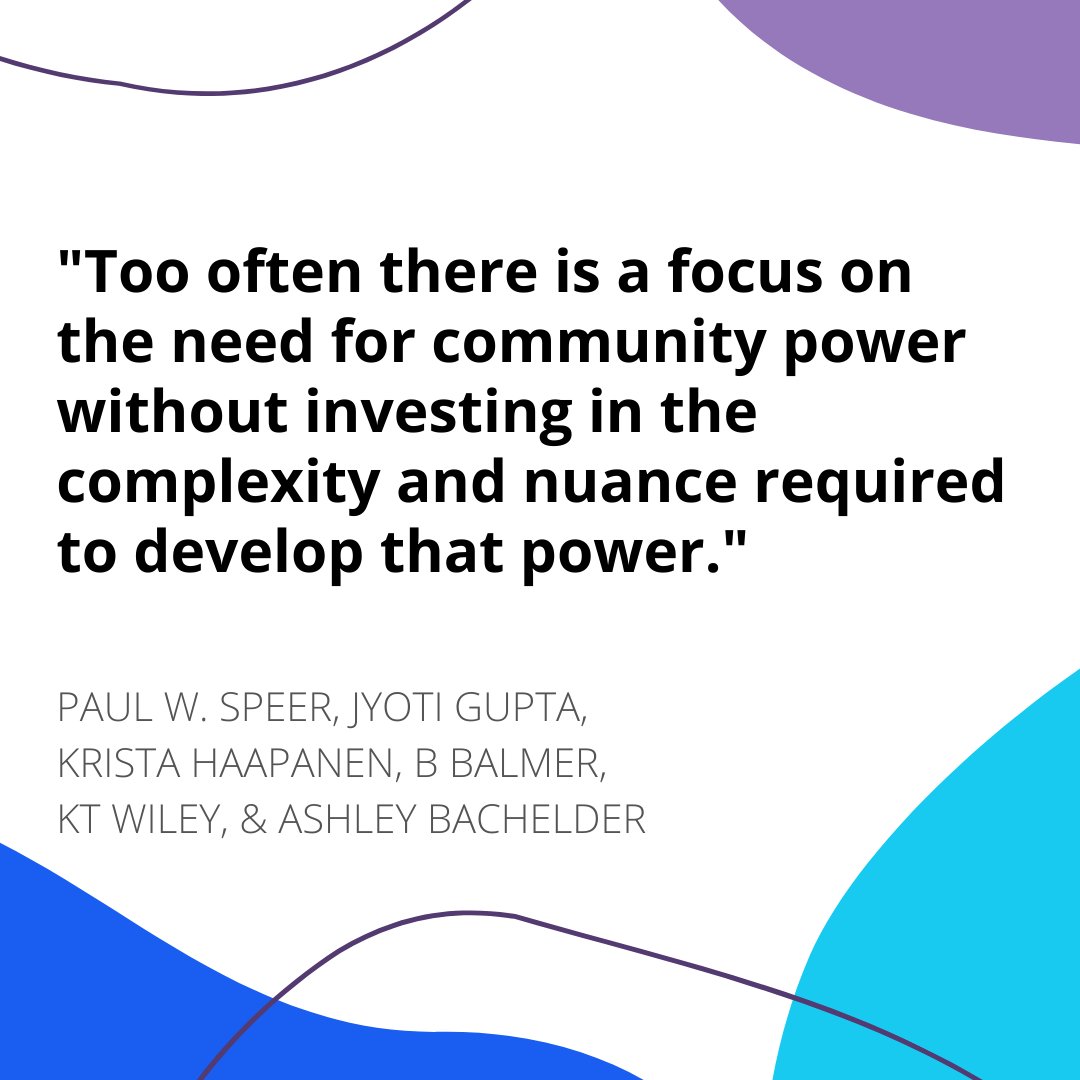
Increasing community power is hard work and requires a lot of long term investment.
How do you keep in mind the nuances required to support the development of community power?
Michelle Molina (@connectingdata) 's Twitter Profile Photo

You need to include the community in decision-making because when evaluators & funders are gone the community will remain. The issue is using limited resources to leverage community members’ knowledge and support.

You need to include the community in decision-making because when evaluators & funders are gone the community will remain. The issue is using limited resources to leverage community members’ knowledge and support.
Michelle Molina (@connectingdata) 's Twitter Profile Photo

Participatory approaches can be hard to implement. Here I provide some tips and resources you can explore: youtu.be/dgSgGj3swS8 #evaluation #nonprofit #capacityBuilding

Participatory approaches can be hard to implement. Here I provide some tips and resources you can explore: youtu.be/dgSgGj3swS8 
#evaluation #nonprofit #capacityBuilding
Michelle Molina (@connectingdata) 's Twitter Profile Photo

What values drive your behavior? Mine: 1. Be kind (kindness) 2. Be curious (curiosity) 3. Learn & apply (Ongoing learning) I’d be curious to hear what others of you have come up with.

What values drive your behavior? 

Mine: 
1. Be kind (kindness)
2. Be curious (curiosity) 
3. Learn & apply (Ongoing learning)

I’d be curious to hear what others of you have come up with.
Michelle Molina (@connectingdata) 's Twitter Profile Photo

Your decision-making process is important. Make sure collaborators feel heard by clarifying they know their role in the process. Watch this to get ideas: connectingevidence.com/post/decision-… #Nonprofit

Your decision-making process is important. Make sure collaborators feel heard by clarifying they know their role in the process. Watch this to get ideas: connectingevidence.com/post/decision-… #Nonprofit
Michelle Molina (@connectingdata) 's Twitter Profile Photo

Advice: Let people come to their own solutions. That’s hard to do when we think we already know the answer. It’s easy to ask leading questions. But, people can sense when you’re trying to lead them towards an answer and are not authentically exploring a situation with them.

Advice: Let people come to their own solutions. 
That’s hard to do when we think we already know the answer. It’s easy to ask leading questions. But, people can sense when you’re trying to lead them towards an answer and are not authentically exploring a situation with them.
Michelle Molina (@connectingdata) 's Twitter Profile Photo

Simple is always better, but for some of us, it’s hard not to get bogged down in the details of a complex situation. This quote reminded me to be more thoughtful about my work and practice not getting lost in the details, but instead to ask myself: What? So what? Now what? #HSD

Simple is always better, but for some of us, it’s hard not to get bogged down in the details of a complex situation. 

This quote reminded me to be more thoughtful about my work and practice not getting lost in the details, but instead to ask myself: What? So what? Now what? #HSD
Michelle Molina (@connectingdata) 's Twitter Profile Photo

If you want to improve your organization / programs / services this is one of the questions you should be asking yourself. This is what evaluators, #HSD professionals, and / or facilitators help you do.

If you want to improve your organization / programs / services this is one of the questions you should be asking yourself. This is what evaluators, #HSD professionals, and / or facilitators help you do.
Michelle Molina (@connectingdata) 's Twitter Profile Photo

Successful solutions are often those that have true buy-in from the community. You get this when people are able to co-create these solutions. This is probably why self-organizing teams are encouraged in HSD & Agile, and why participatory approaches are becoming so popular

Successful solutions are often those that have true buy-in from the community. You get this when people are able to co-create these solutions. This is probably why self-organizing teams are encouraged in HSD & Agile, and why participatory approaches are becoming so popular
Michelle Molina (@connectingdata) 's Twitter Profile Photo

Collecting meaningful data is important. Data should help you understand what’s working (& under what conditions) so that you can make improvements, adaptations, & decisions, as well as make your case to potential supporters. If it’s not useful, stop collecting it.

Michelle Molina (@connectingdata) 's Twitter Profile Photo

Check out this cool index: California Strong Start Index helps us understand the conditions into which babies are born, so we can raise healthy, resilient kids. strongstartindex.org/map

Michelle Molina (@connectingdata) 's Twitter Profile Photo

One of my guiding principles is that evaluation should be in the service of equity. I'm excited to find these practical guides to review and share: everychildthrives.com/doing-evaluati… I would love to hear what you all think about the content in them.

Beth Snow (@drbethsnow) 's Twitter Profile Photo

I'm teaching an evaluation course University of British Columbia and am looking for community agencies interested in having a team of graduate students develop an #evaluation plan for a program in your organization. Interested? Let me know! #EvalTwitter


Michelle Molina (@connectingdata) 's Twitter Profile Photo

It’s easy for our collaborators to run from meeting to meeting or task to task. Taking a moment for all of us to remember who we are advocating for or representing could not only help us refocus on the purpose of our gatherings. #faciliationTip

It’s easy for our collaborators to run from meeting to meeting or task to task. Taking a moment for all of us to remember who we are advocating for or representing could not only help us refocus on the purpose of our gatherings. #faciliationTip