Bill Marchel (@billmarchel) 's Twitter Profile
Bill Marchel

@billmarchel

Bill Marchel of Fort Ripley, Minnesota is
a full-time wildlife and outdoor photographer/writer.

ID: 494588923

linkhttp://www.BillMARCHEL.com calendar_today17-02-2012 01:58:54

2,2K Tweet

3,3K Takipçi

667 Takip Edilen
Bill Marchel (@billmarchel) 's Twitter Profile Photo

In dappled, early morning light, this image of a fledgling Baltimore Oriole takes on the look of a pastel watercolor painting.

In dappled, early morning light, this image of a fledgling Baltimore Oriole takes on the look of a pastel watercolor painting.
Bill Marchel (@billmarchel) 's Twitter Profile Photo

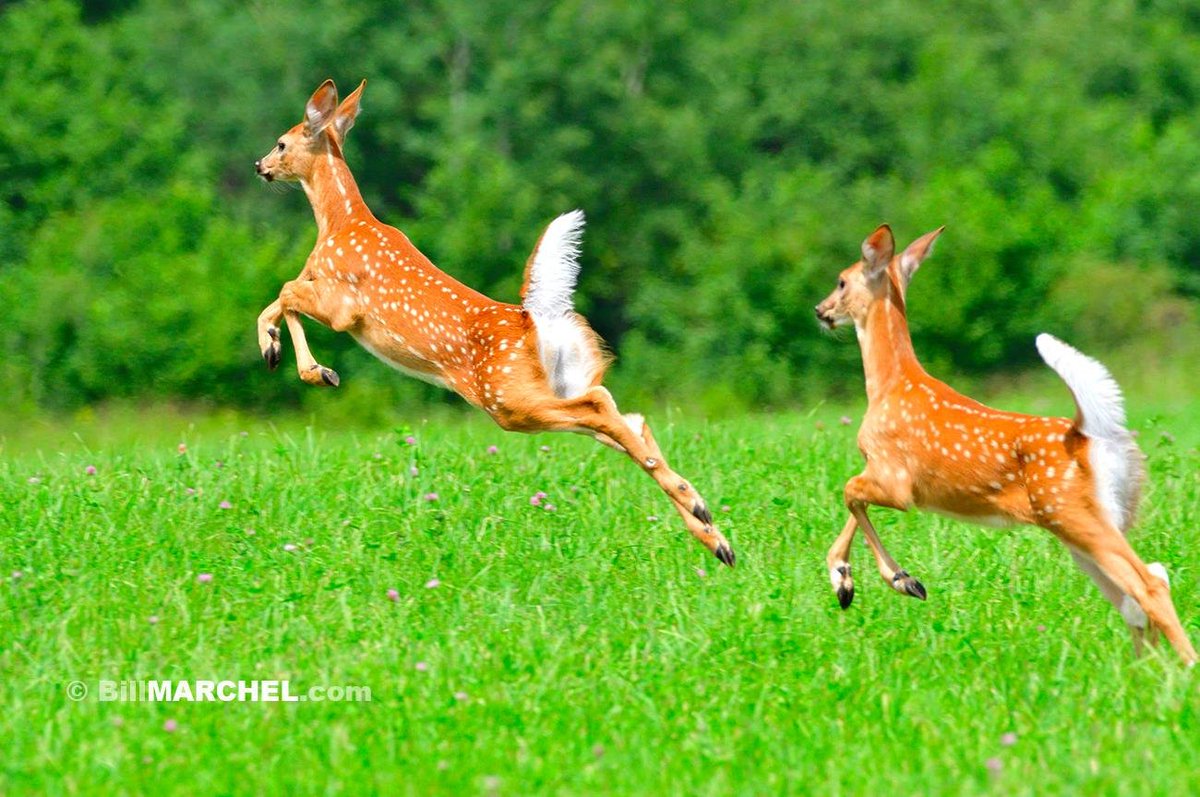
A pair of White-tailed Deer fawns bound across a hay field. Even though these young deer likely are less than two months old they sprint with the ease, grace, and speed of their mom, who was in the lead just out of the image.

A pair of White-tailed Deer fawns bound across a hay field. Even though these young deer likely are less than two months old they sprint with the ease, grace, and speed of their mom, who was in the lead just out of the image.
Bill Marchel (@billmarchel) 's Twitter Profile Photo

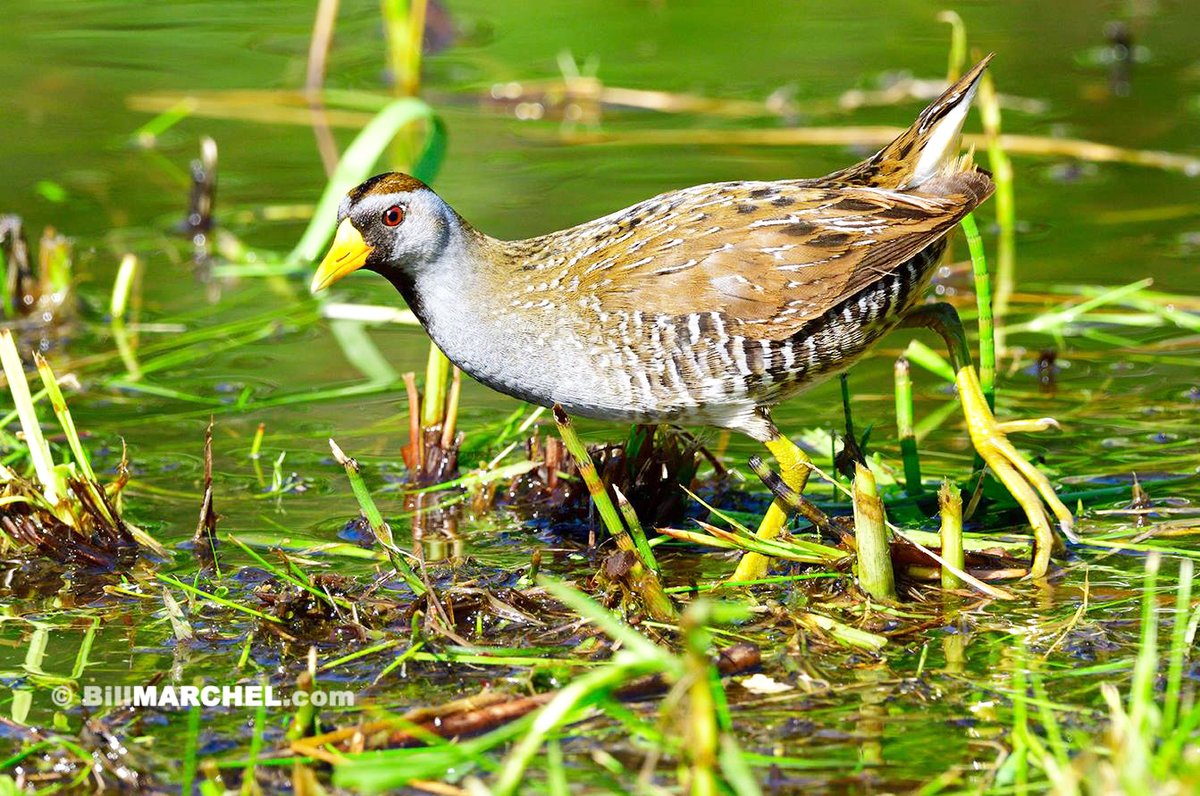
This odd-looking bird is called a Sora. Note the lengthy green toes on its rearward extended foot, an adaptation that allows them scoot through wetlands atop matted vegetation. Sora's are common, but highly secretive marsh birds.

This odd-looking bird is called a Sora. Note the lengthy green toes on its rearward extended foot, an adaptation that allows them scoot through wetlands atop matted vegetation. Sora's are common, but highly secretive marsh birds.
Bill Marchel (@billmarchel) 's Twitter Profile Photo

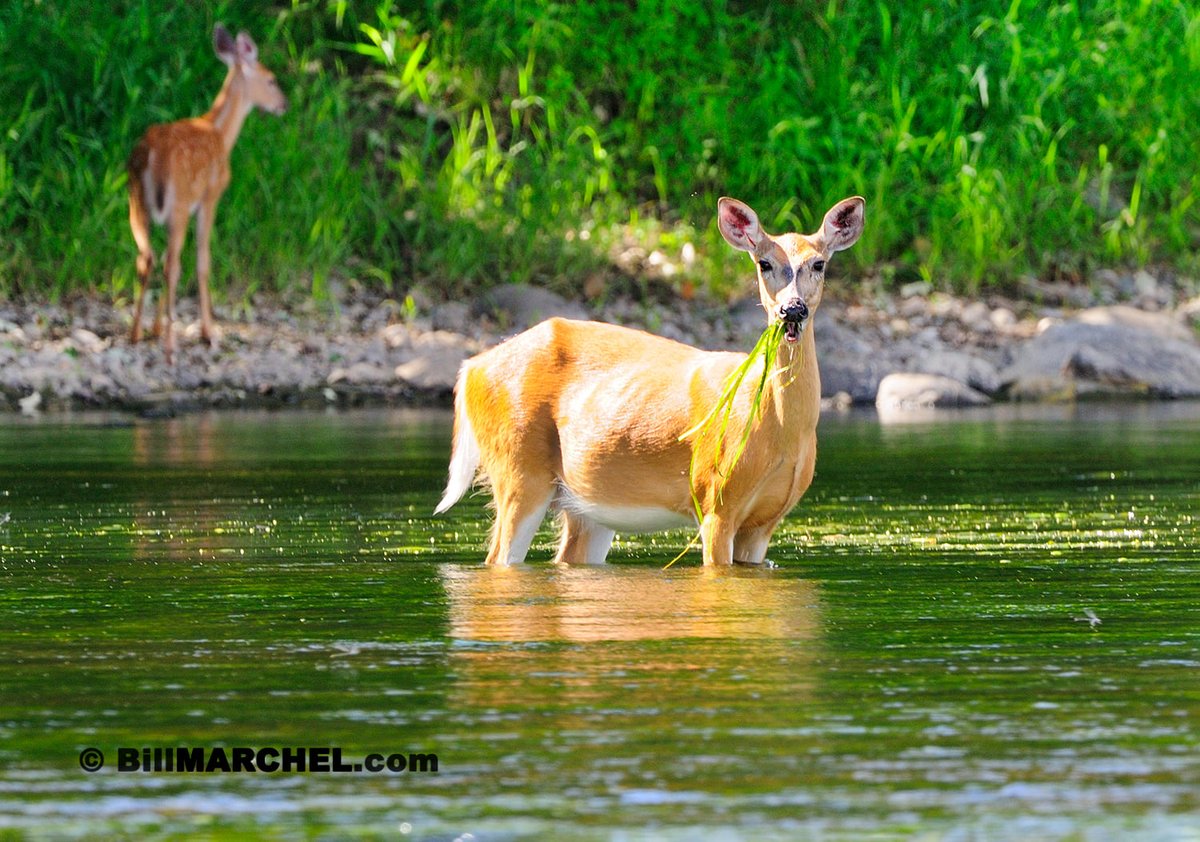
A White-tailed Deer doe is enjoying salad for lunch – a mouthful of wild celery. Her fawn remained on the bank. Wild celery is an aquatic plant savored by deer, and waterfowl, too.

A White-tailed Deer doe is enjoying salad for lunch – a mouthful of wild celery. Her fawn remained on the bank. Wild celery is an aquatic plant savored by deer, and waterfowl, too.
Bill Marchel (@billmarchel) 's Twitter Profile Photo

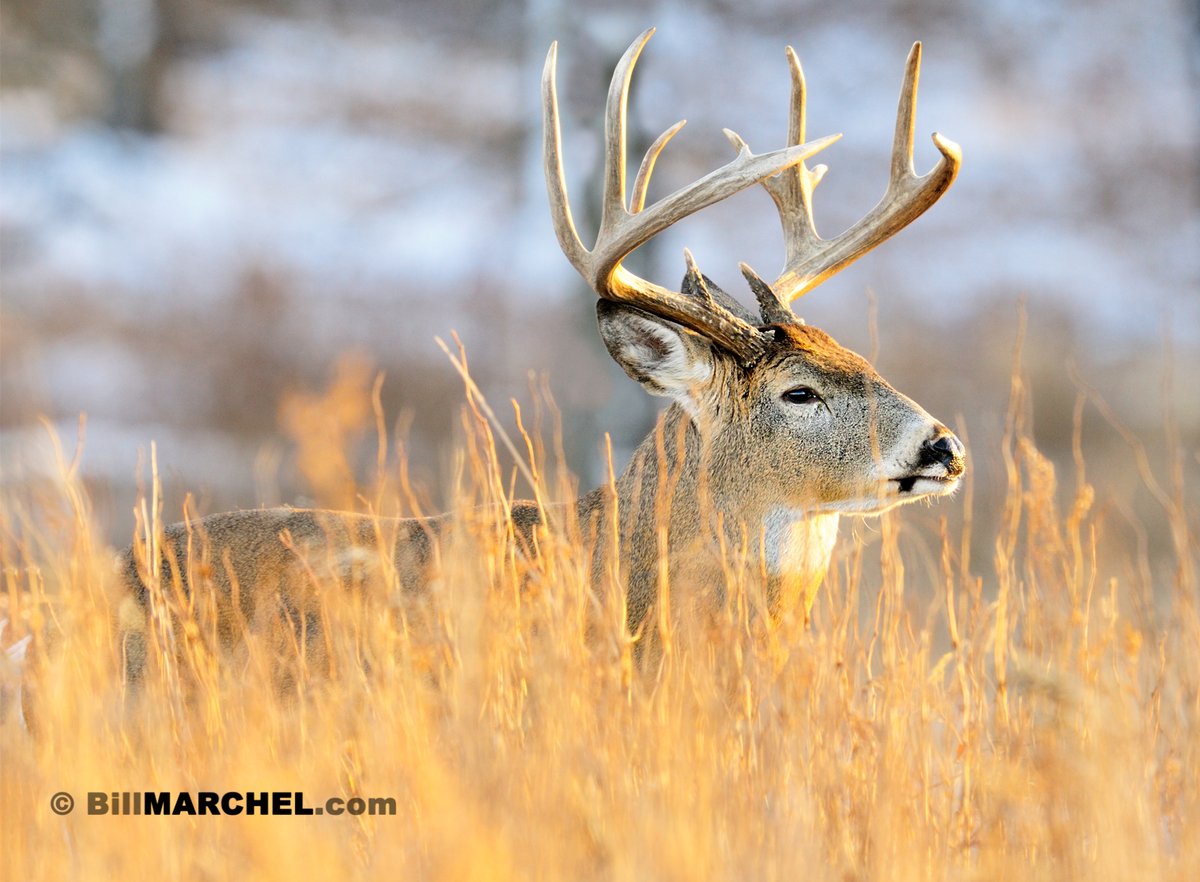
It's Throwback Thursday. You have to appreciate the big, bulky head and Roman nose of this massive Minnesota whitetail buck. Those stately traits convey maturity, majesty and wisdom. His antlers are grand, too.

It's Throwback Thursday. You have to appreciate the big, bulky head and Roman nose of this massive Minnesota whitetail buck. Those stately traits convey maturity, majesty and wisdom. His antlers are grand, too.
Bill Marchel (@billmarchel) 's Twitter Profile Photo

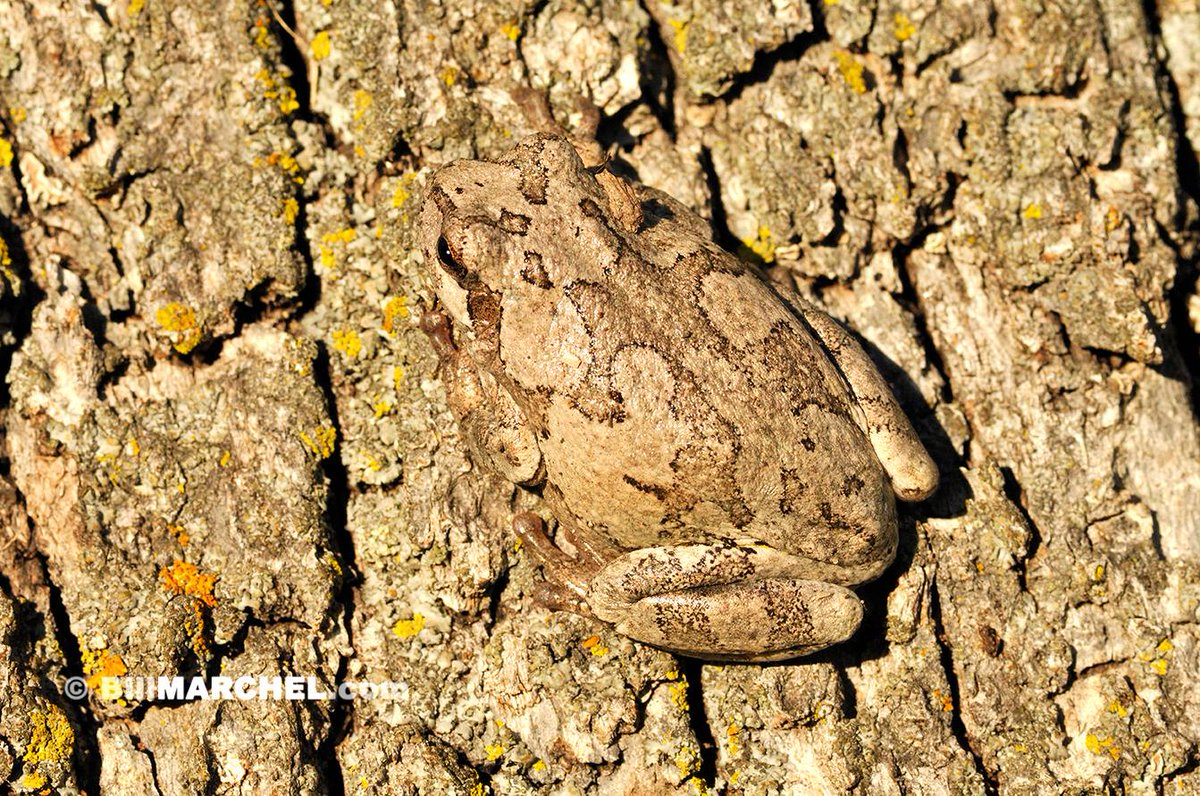
A Gray Treefrog demonstrates remarkable cryptic coloration against the bark of a bur oak. They are Nature’s Masters of Camouflage.

A Gray Treefrog demonstrates remarkable cryptic coloration against the bark of a bur oak. They are Nature’s Masters of Camouflage.
Bill Marchel (@billmarchel) 's Twitter Profile Photo

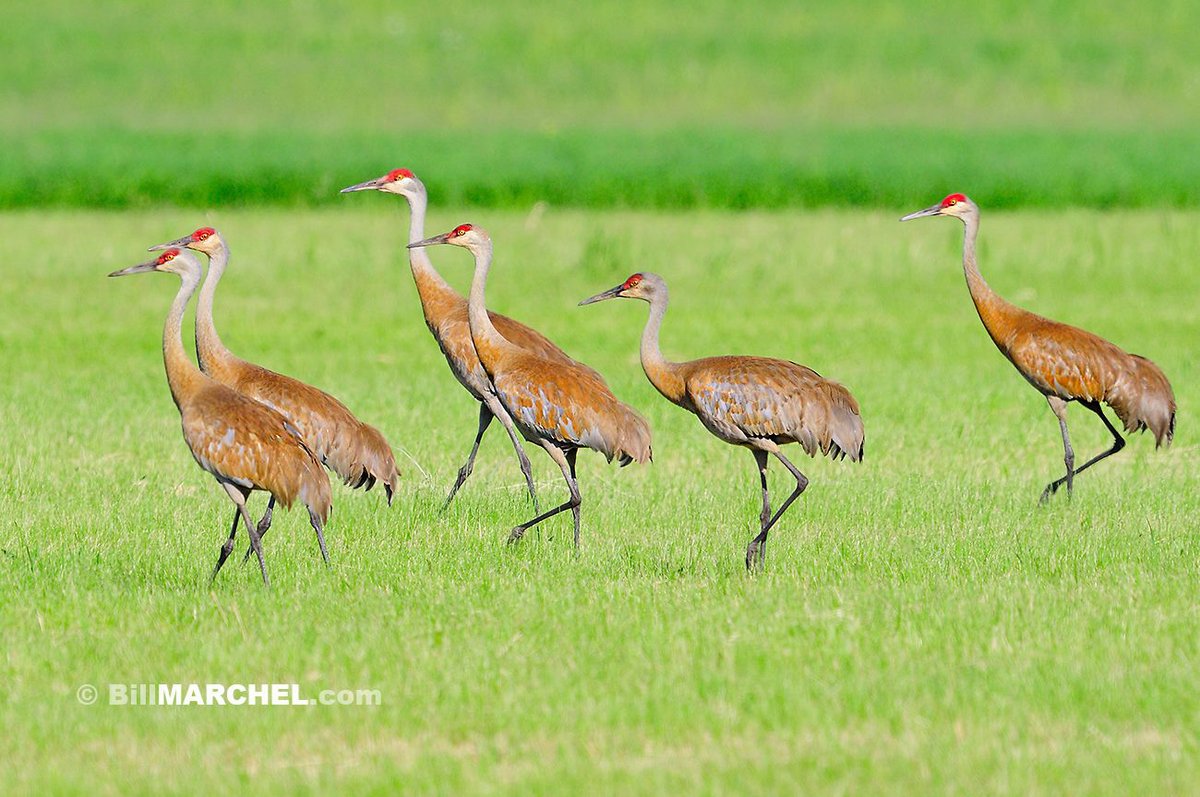
A half dozen Greater Sandhill Cranes march across a recently cut hay field. I assume the mowed field allows the big birds easy access to insects and rodents.

A half dozen Greater Sandhill Cranes march across a recently cut hay field. I assume the mowed field allows the big birds easy access to insects and rodents.
Bill Marchel (@billmarchel) 's Twitter Profile Photo

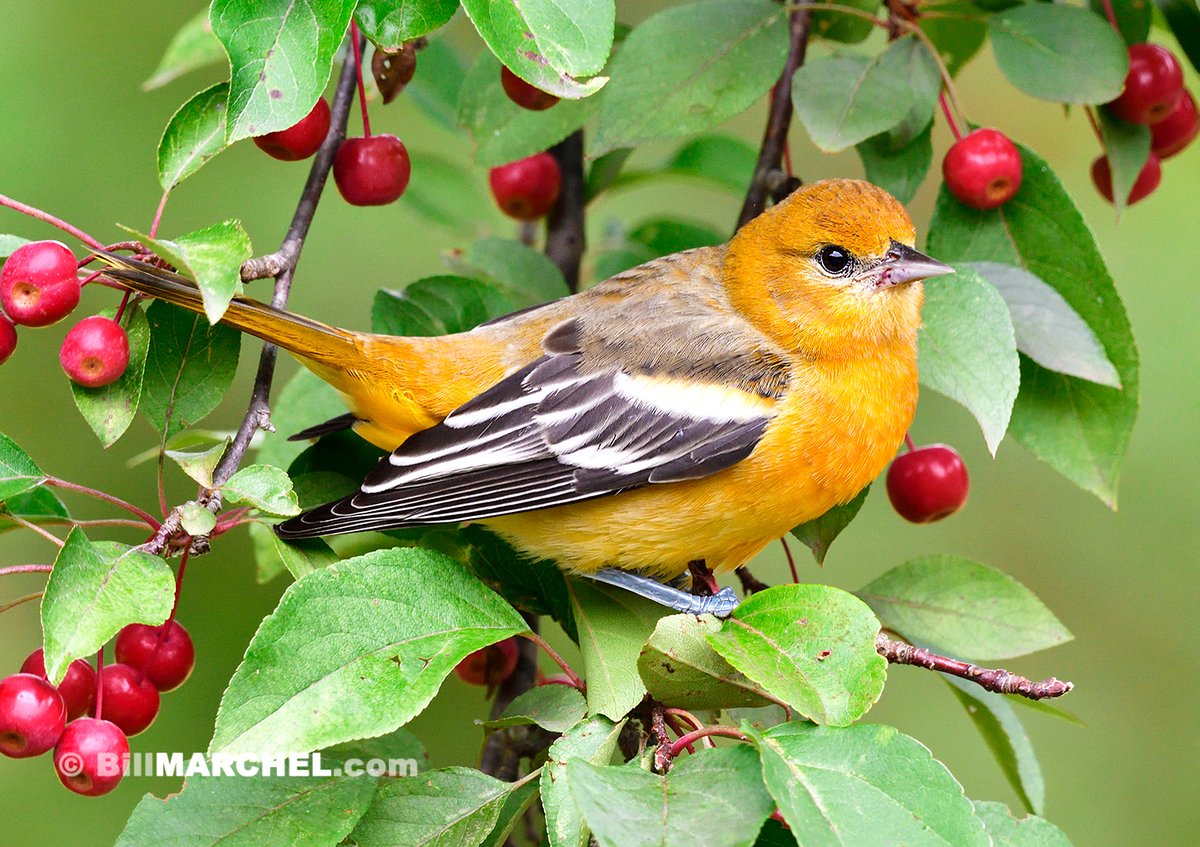
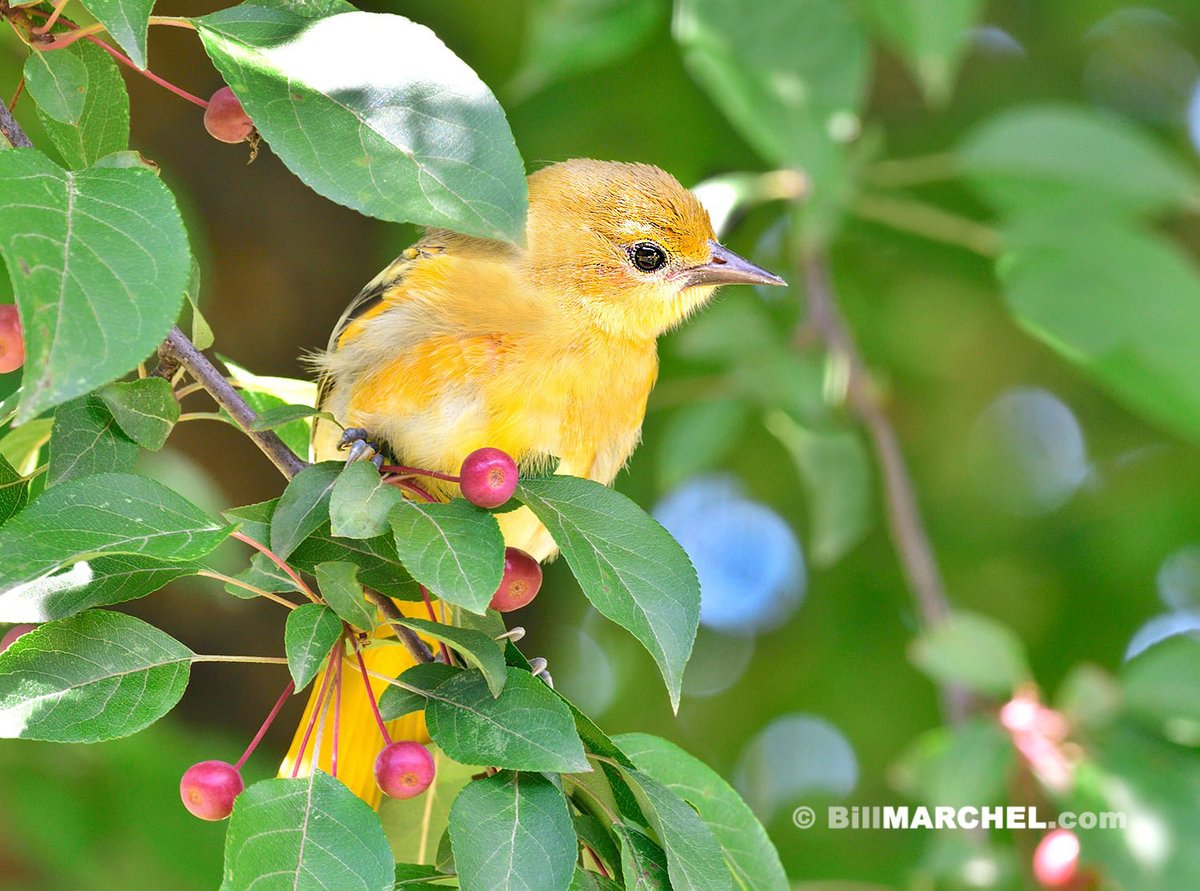
A female Baltimore Oriole posed nicely while perched in a crab apple tree. Overcast conditions provided pleasant, even lighting.

A female Baltimore Oriole posed nicely while perched in a crab apple tree. Overcast conditions provided pleasant, even lighting.
Bill Marchel (@billmarchel) 's Twitter Profile Photo

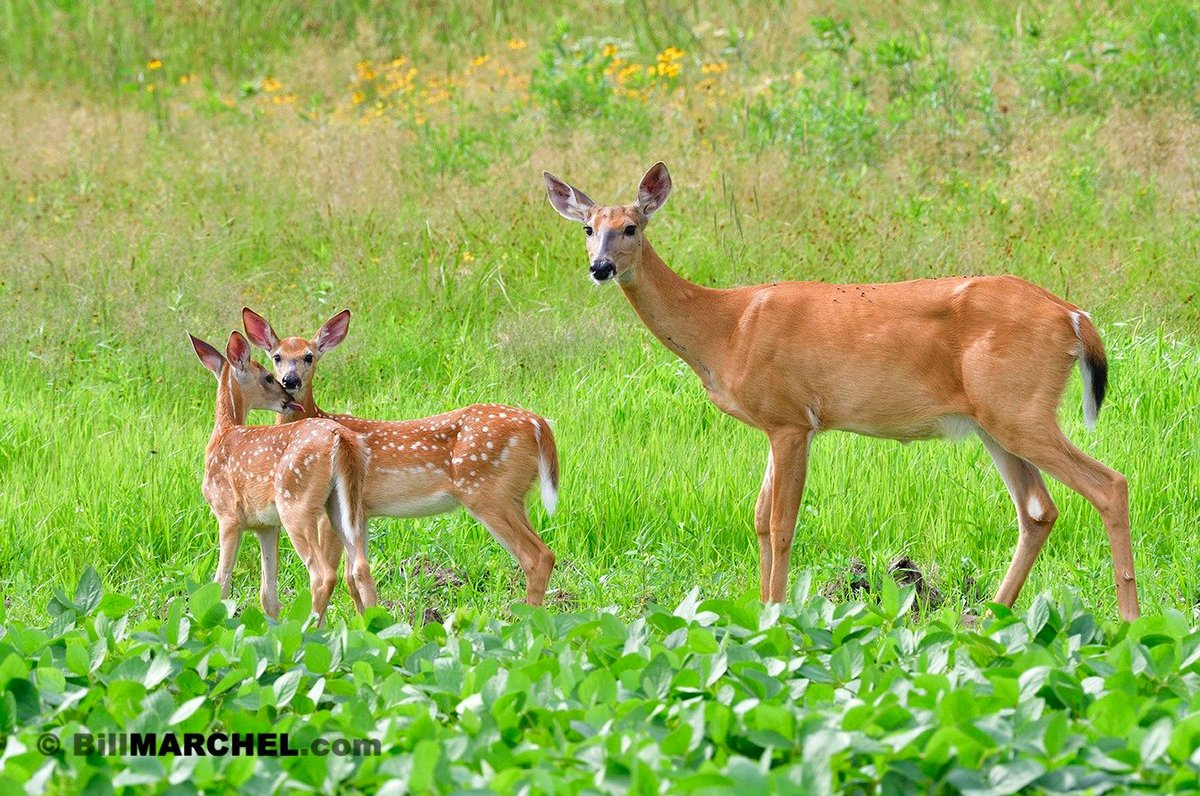
A White-tailed Deer doe and her twin fawns pause while feeding on soybeans. During summer, soybean leaves are a favorite food of whitetails, and in fall, the mature bean pods.

A White-tailed Deer doe and her twin fawns pause while feeding on soybeans. During summer, soybean leaves are a favorite food of whitetails, and in fall, the mature bean pods.
Bill Marchel (@billmarchel) 's Twitter Profile Photo

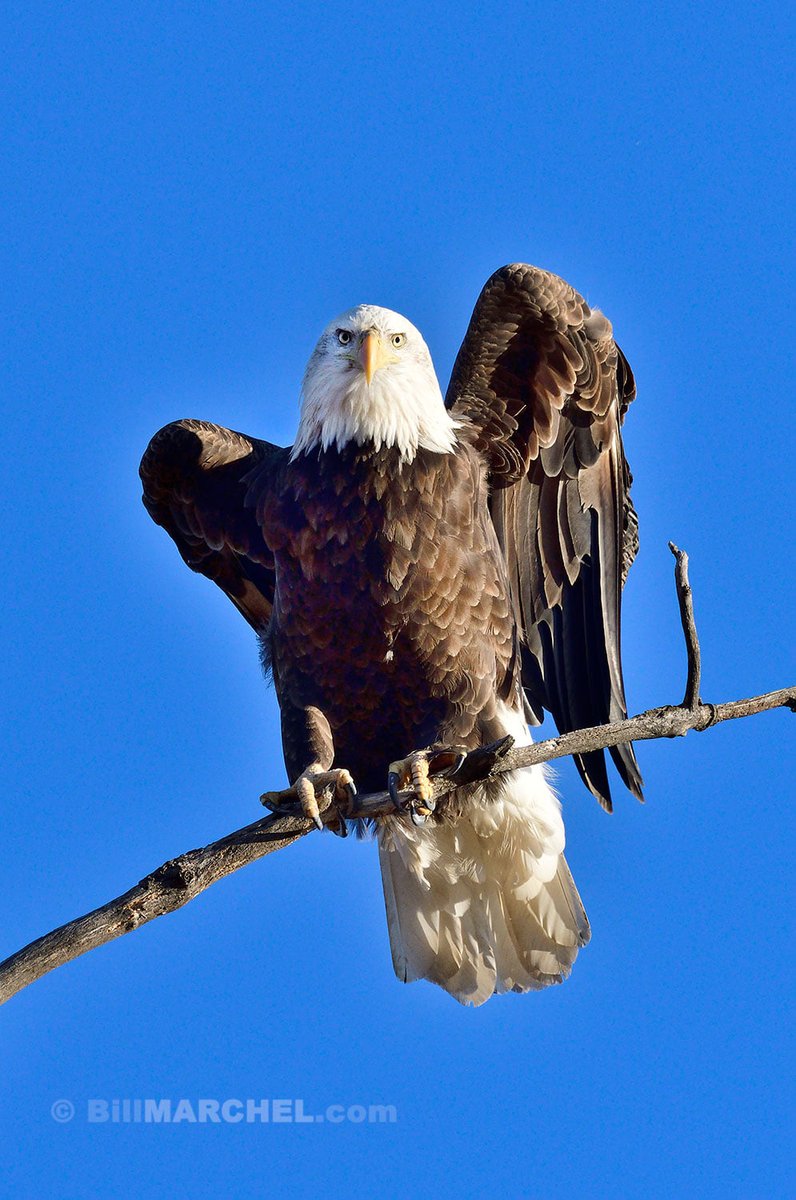
A Bald Eagle is about to take flight. Raptors have a fierce look because of the supraorbital ridge, or brow bone, above their eyes. It takes three to five years before a bald eagle attains its distinguishing white head and tail.

A Bald Eagle is about to take flight. Raptors have a fierce look because of the supraorbital ridge, or brow bone, above their eyes. It takes three to five years before a bald eagle attains its distinguishing white head and tail.
Bill Marchel (@billmarchel) 's Twitter Profile Photo

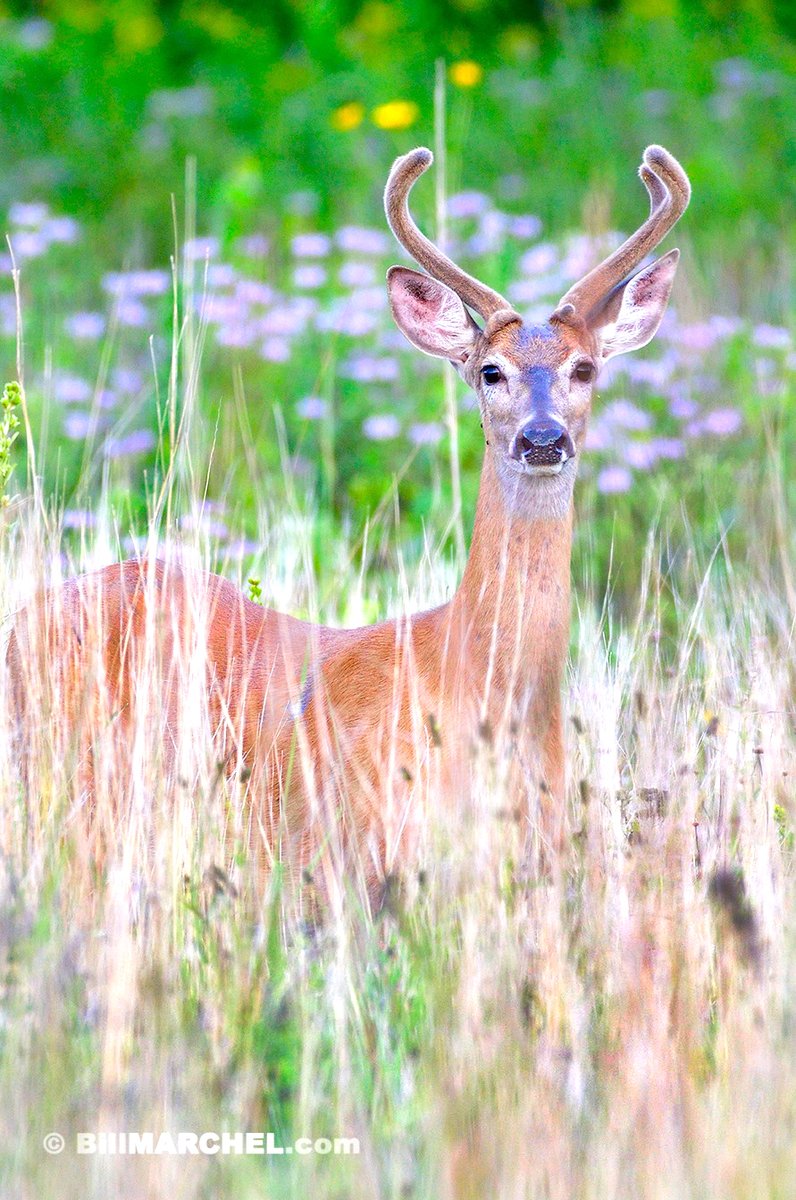
Velvet-antlered Whitetail bucks and wild bergamot (the purple flowers) in bloom speak of mid-summer in Minnesota. By early September bergamot flowers will have gone to seed, and whitetail bucks will have shed their velvet, exposing hard antlers.

Velvet-antlered Whitetail bucks and wild bergamot (the purple flowers) in bloom speak of mid-summer in Minnesota. By early September bergamot flowers will have gone to seed, and whitetail bucks will have shed their velvet, exposing hard antlers.
Bill Marchel (@billmarchel) 's Twitter Profile Photo

A Hummingbird Moth (sometimes called Clearwing Moth) is gathering nectar from a White Champion bloom. With a little imagination, one could say the hummingbird moth resembles a flying crawfish – almost prehistoric looking.

A Hummingbird Moth (sometimes called Clearwing Moth) is gathering nectar from a White Champion bloom. With a little imagination, one could say the hummingbird moth resembles a flying crawfish – almost prehistoric looking.
Bill Marchel (@billmarchel) 's Twitter Profile Photo

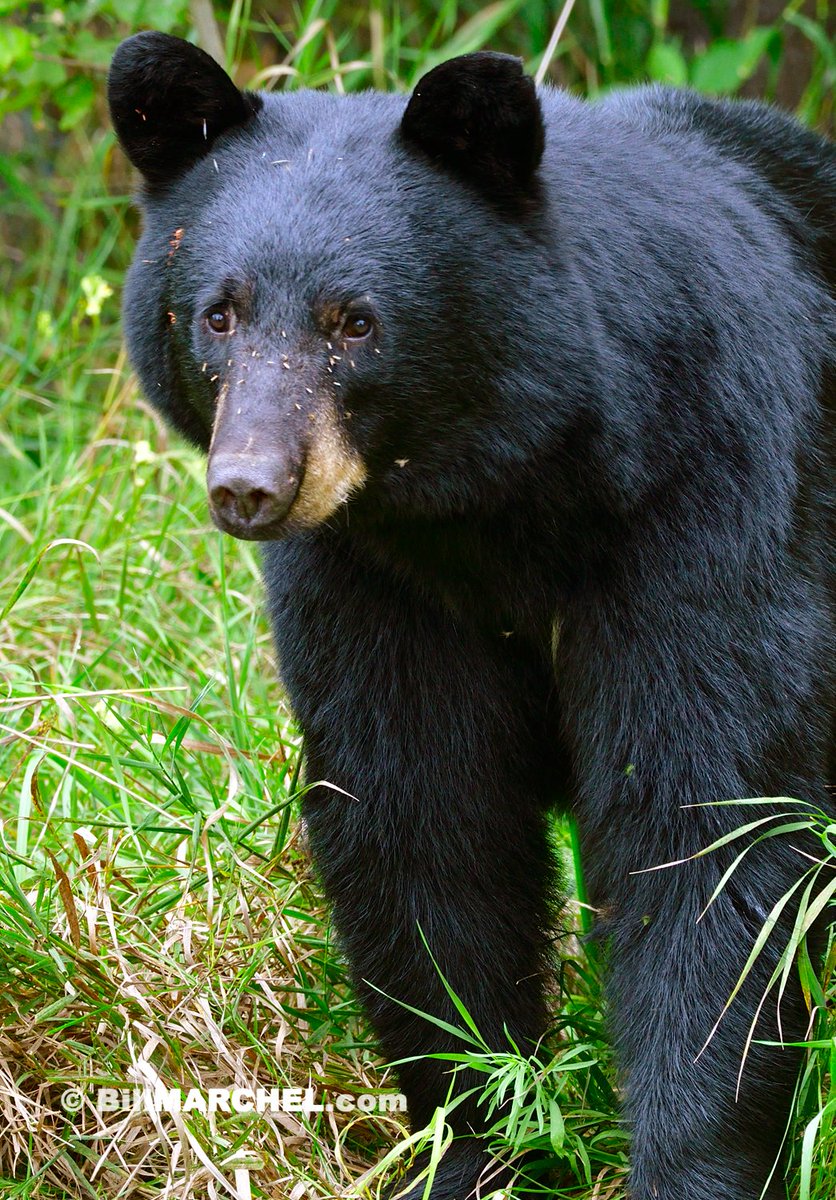
Most animals are tormented by insects during summer, and this Black Bear with a face-full of mosquitoes is no exception. But since bears commonly raid bee hives, I’m guessing biting mosquitoes aren’t much of a bother.

Most animals are tormented by insects during summer, and this Black Bear with a face-full of mosquitoes is no exception. But since bears commonly raid bee hives, I’m guessing biting mosquitoes aren’t much of a bother.
Bill Marchel (@billmarchel) 's Twitter Profile Photo

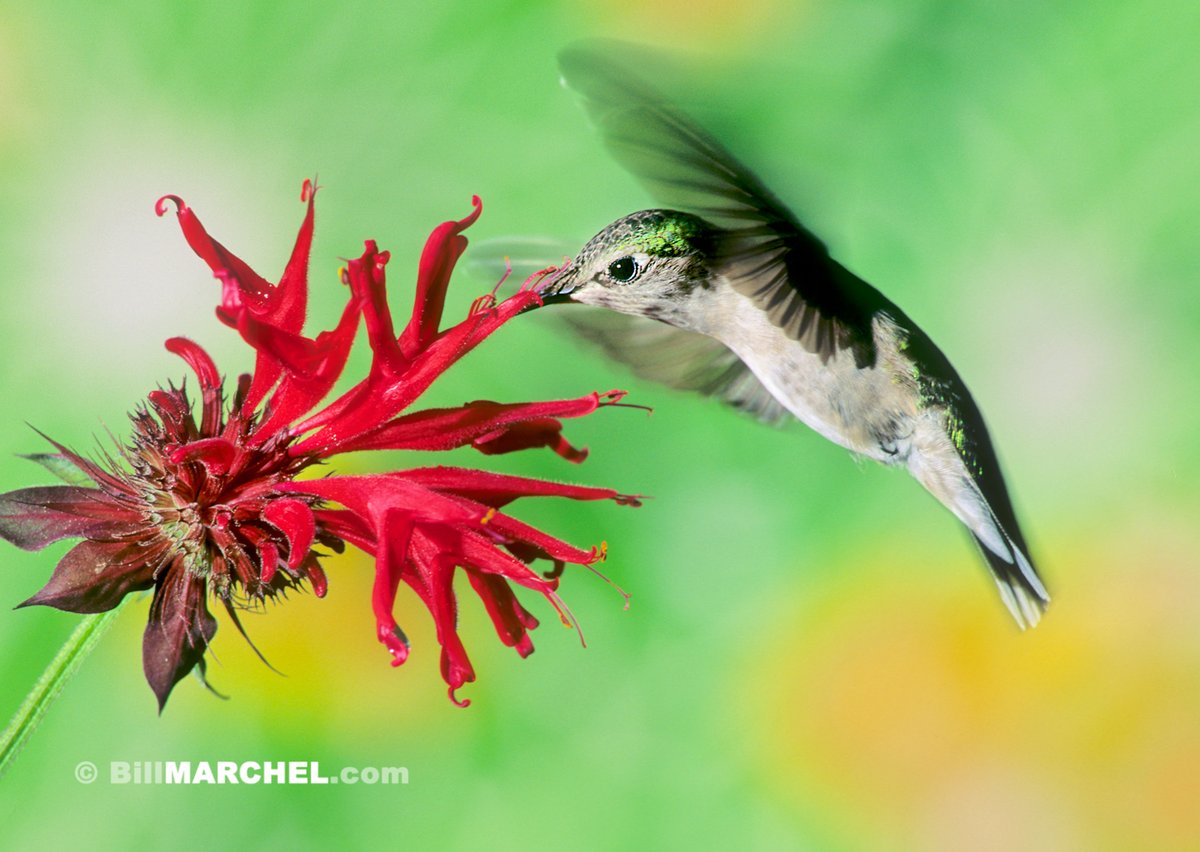
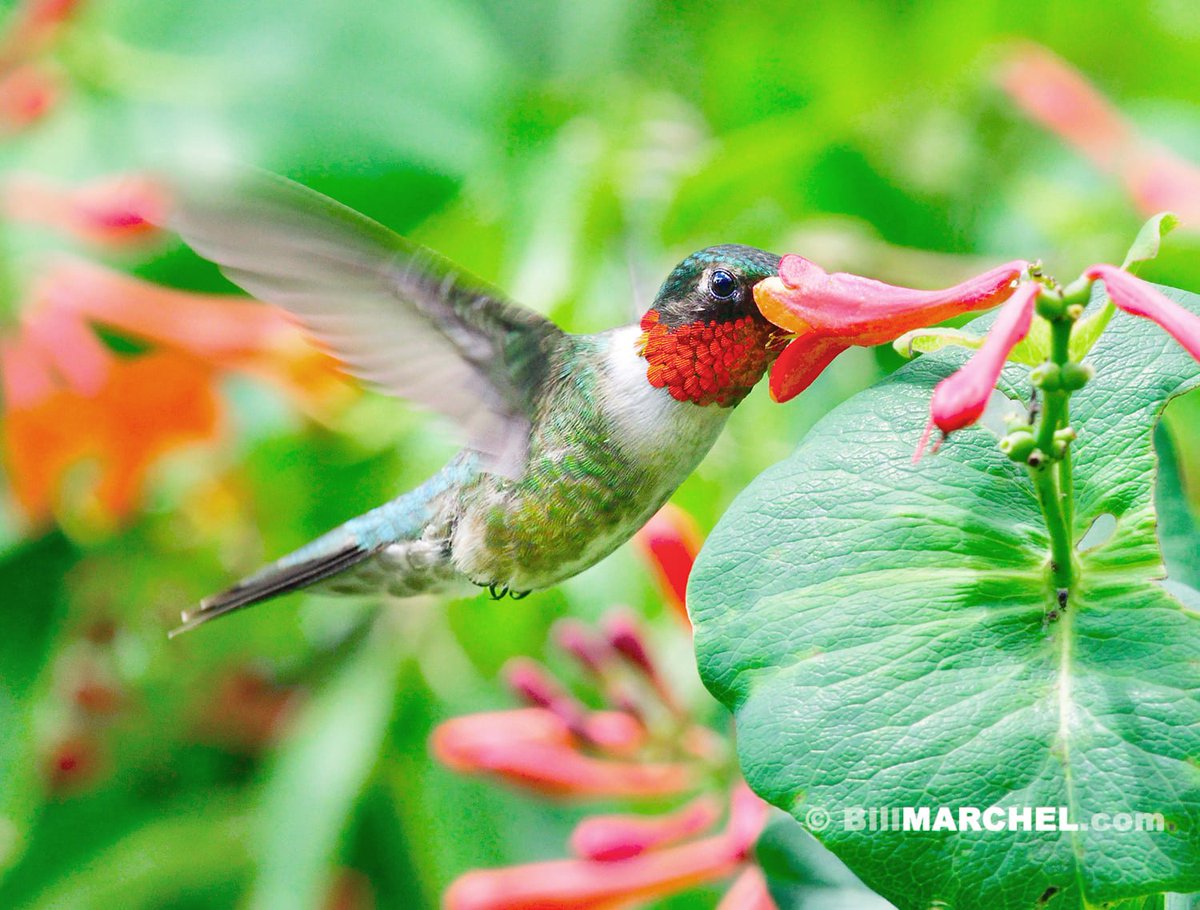
Trumpet honeysuckle is in bloom for the second time this summer, and this male Ruby-throated Hummingbird is feeding on the nectar.

Trumpet honeysuckle is in bloom for the second time this summer, and this male Ruby-throated Hummingbird is feeding on the nectar.
Bill Marchel (@billmarchel) 's Twitter Profile Photo

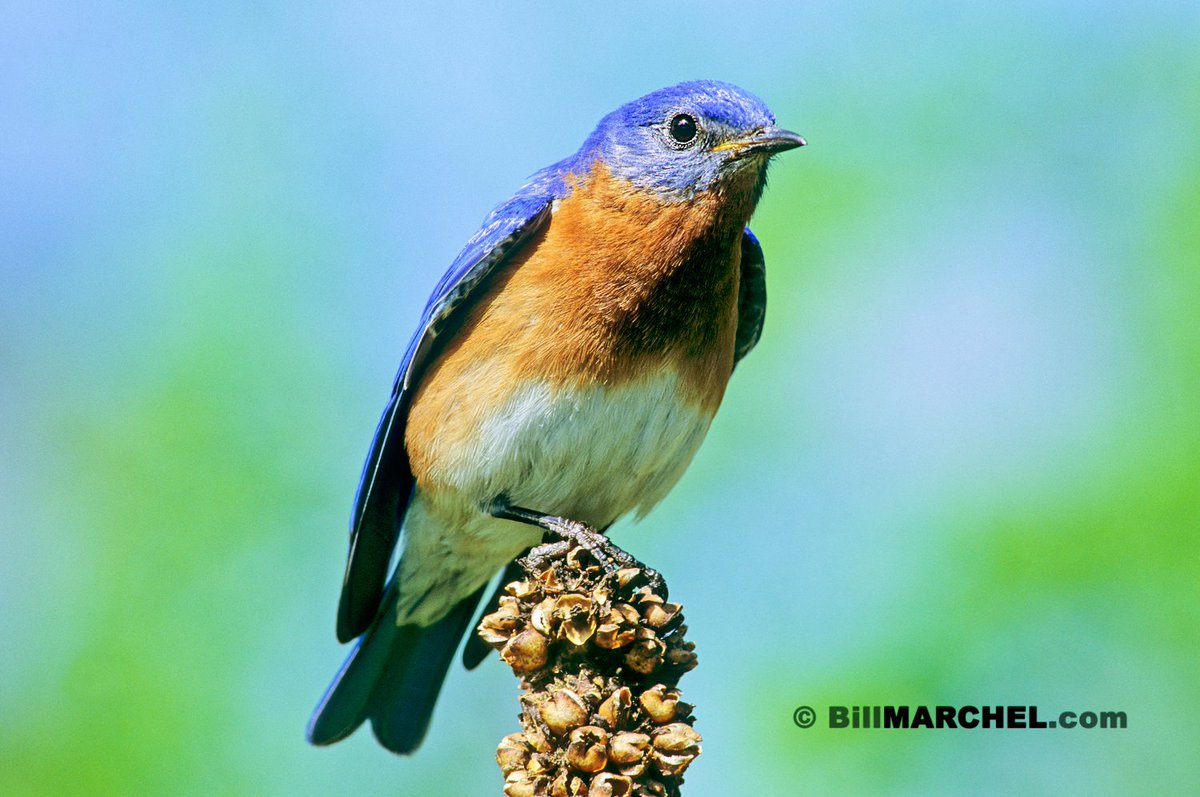
A male Eastern Bluebird is perched atop a mullein plant. Since bluebirds are primarily insect eaters, they most often hunt from open perches, which allows them to spot prey more readily.

A male Eastern Bluebird is perched atop a mullein plant. Since bluebirds are primarily insect eaters, they most often hunt from open perches, which allows them to spot prey more readily.
Bill Marchel (@billmarchel) 's Twitter Profile Photo

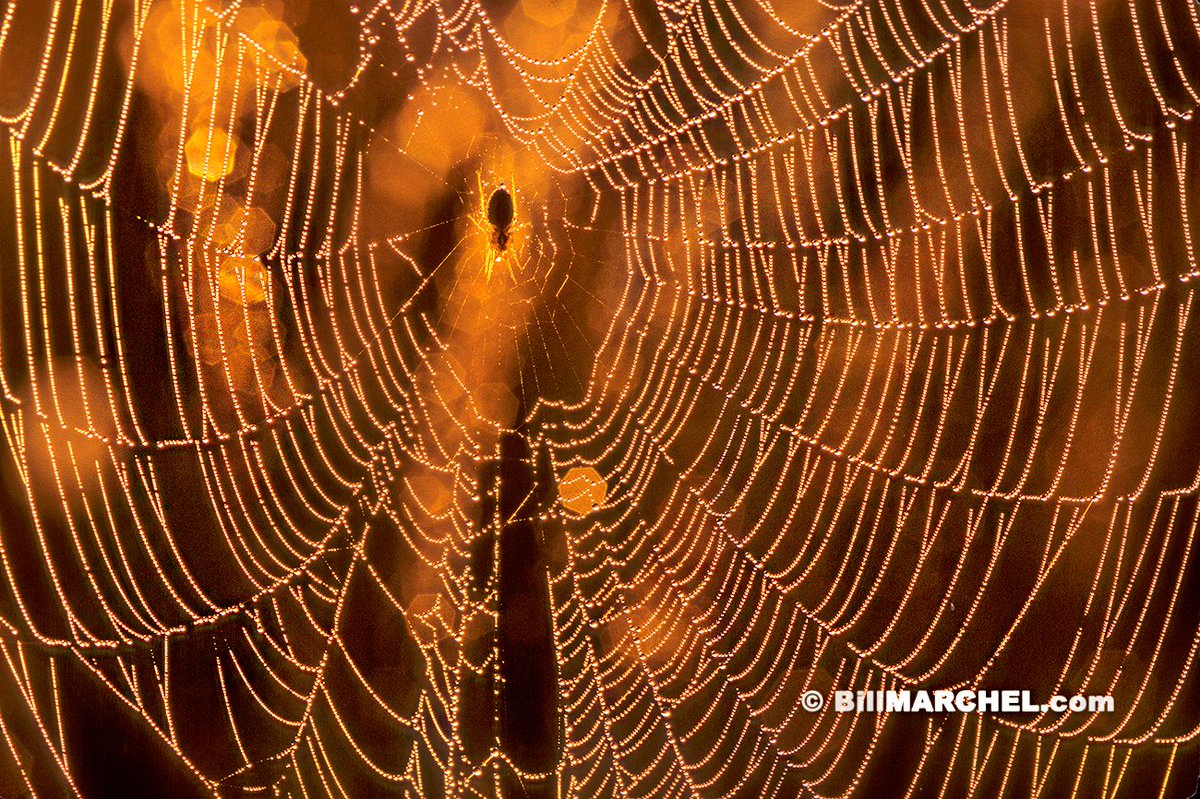
An orb-weaver spider and its intricate web containing diamond-like dew droplets are backlit on a clear calm morning shortly after sunrise. The webs are extremely delicate and collapse in the slightest breeze.

An orb-weaver spider and its intricate web containing diamond-like dew droplets are backlit on a clear calm morning shortly after sunrise. The webs are extremely delicate and collapse in the slightest breeze.
Bill Marchel (@billmarchel) 's Twitter Profile Photo

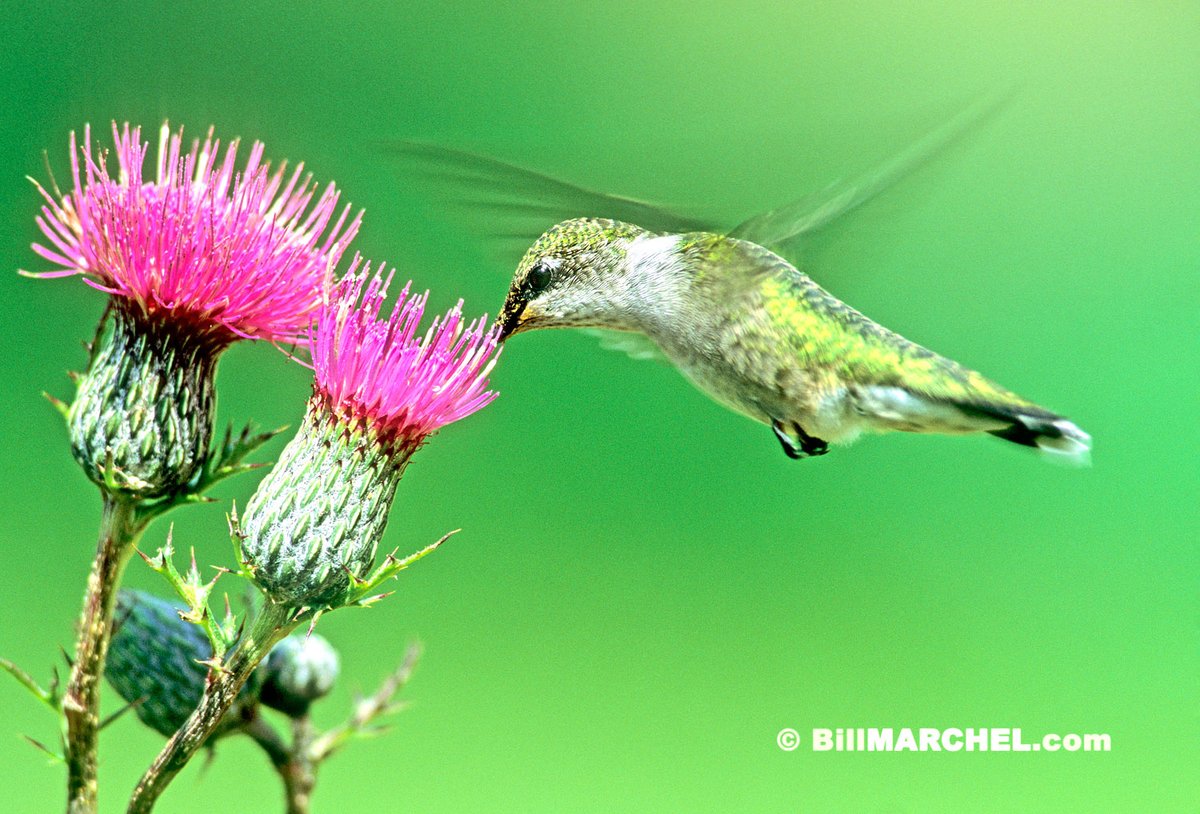
Do you realize the length of daylight tomorrow in central Minnesota will be roughly two minutes and forty seconds shorter than today? Thus, early migrating birds - like this Ruby-throated Hummingbird - are already building up fat reserves for the trip south.

Do you realize the length of daylight tomorrow in central Minnesota will be roughly two minutes and forty seconds shorter than today? Thus, early migrating birds - like this Ruby-throated Hummingbird -  are already building up fat reserves for the trip south.