Margaret McLennaghan (@behaviourmentor) 's Twitter Profile
Margaret McLennaghan

@behaviourmentor

Founder at Behaviour Mentoring | Passionate about helping Children with Social and Emotional Needs | Padel enthusiast | Thoughts are my own

ID: 1133042490926338049

linkhttps://www.behaviour-mentor.com/ calendar_today27-05-2019 16:09:15

4,4K Tweet

756 Takipçi

797 Takip Edilen

@LivesthroughFriendsCIC (@ltfcic) 's Twitter Profile Photo

Our framework recognises the need to pay careful attention to behaviour & how to be alongside someone. We just believe we need to get beyond managing behaviour to understand where it comes from. Our partner Andy McDonnell explains it succinctly & powerfully in under 60secs

Studio III (@studioiii) 's Twitter Profile Photo

We recently found that there was little to no evidence to support the effectiveness of staff training in physical interventions. Andy McDonnell urges professionals to be honest about the #restraint training industry, and to do better Read more here: frontiersin.org/articles/10.33…

Margaret McLennaghan (@behaviourmentor) 's Twitter Profile Photo

Just received a message which has made not only my day but my year so far. It highlighted the power of relationships and connection 😎

Dr Chris Moore (@drchrismooreep) 's Twitter Profile Photo

It’s so important to understand that a child’s window of tolerance changes, that something might be fun or achievable one day and overwhelming on a different day, and what we see and hear on the surface may be the result of demands building up for hours or days.

Dr Lisa Cherry (@_lisacherry) 's Twitter Profile Photo

Preparing to start our Team TICS team meeting which we simply call "Belonging." In a couple of weeks I'm hosting a session on cultivating belonging. I'd love you to join us. Click here for more information eventbrite.co.uk/e/cultivating-…

Missing The Mark (@_missingthemark) 's Twitter Profile Photo

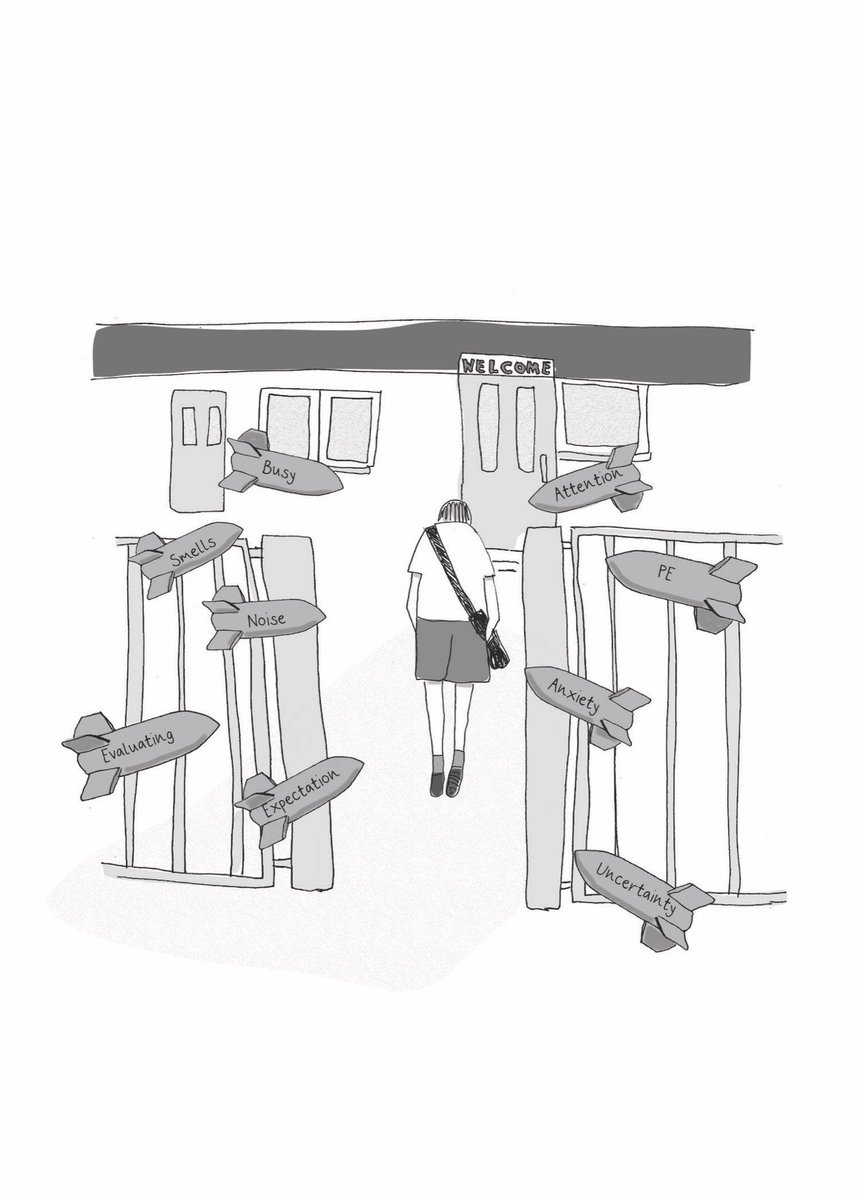
While we stay looking for a fix to one issue we continue to place the onus on the individual, the child. We are asking them to specify what isn’t specific. We are not assessing the environment as a whole. Instead we need to consider it may be all or lots. 1/

While we stay looking for a fix to one issue we continue to place the onus on the individual, the child.
We are asking them to specify what isn’t specific.
We are not assessing the environment as a whole.
Instead we need to consider it may be all or lots. 1/
Dr Lisa Cherry (@_lisacherry) 's Twitter Profile Photo

We've just released our Trauma Informed Leadership Guide and it's proving very popular for those who want to do things differently! #leadership ticservicesltd.com/product/trauma…

Studio III (@studioiii) 's Twitter Profile Photo

Join us for our next free live webinar on Monday! We will be joined 5pm (BST) by Wellbeing_in_schools, who will be speaking about 'Keeping the Tank Full: Supporting School Staff and the Wider Community with Their Well-Being' Sign up: studio3.org/news/free-webi…

Miss Watson (@misswatson_he) 's Twitter Profile Photo

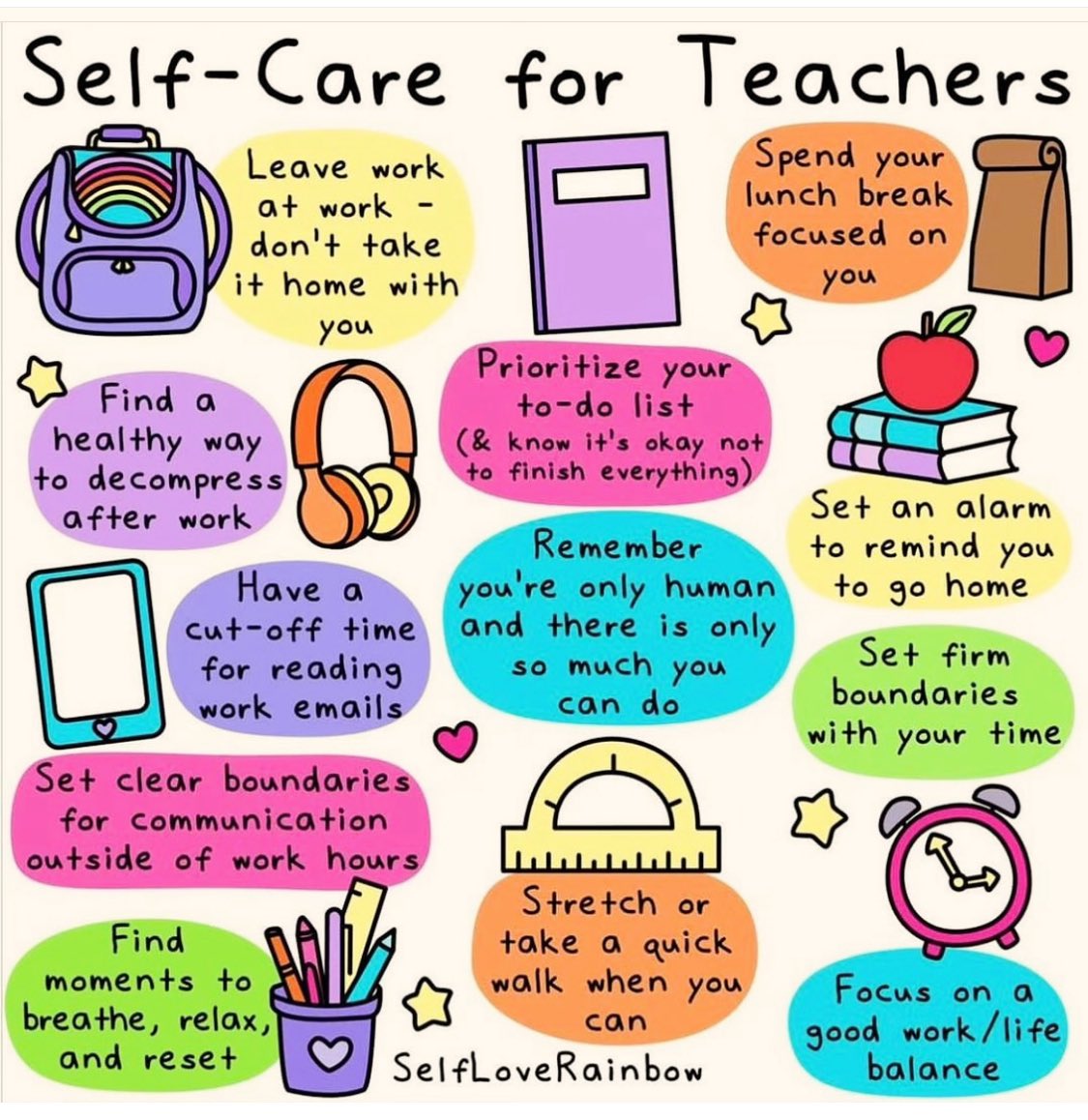
Good luck to all the probationers starting their journey today! Set yourself boundaries, use the vast amount of wisdom around you and ask for help when you need it 💕

Good luck to all the probationers starting their journey today! Set yourself boundaries, use the vast amount of wisdom around you and ask for help when you need it 💕
Studio III (@studioiii) 's Twitter Profile Photo

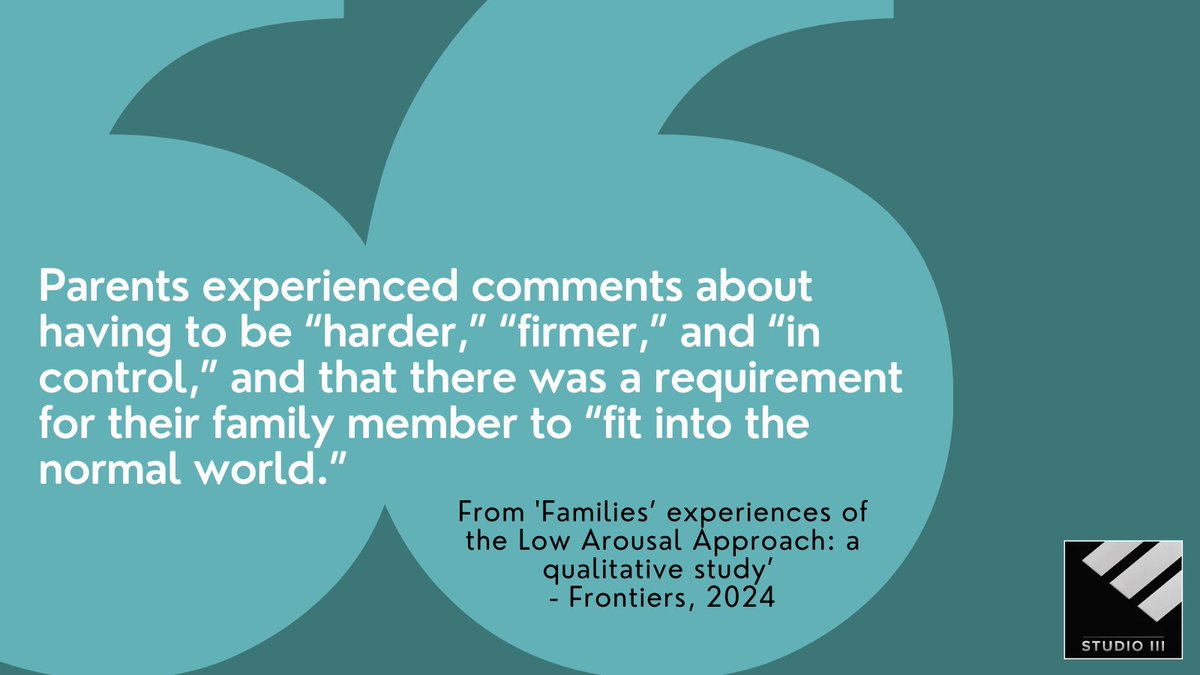
Managing the expectations of others, and society at large, can be a challenge for Low Arousal practitioners who may face criticism from those who believe in more traditional, punitive methods to managing behaviour. Read more: frontiersin.org/journals/psych…

Managing the expectations of others, and society at large, can be a challenge for Low Arousal practitioners who may face criticism from those who believe in more traditional, punitive methods to managing behaviour. 

Read more: frontiersin.org/journals/psych…
Studio III (@studioiii) 's Twitter Profile Photo

Low Arousal is about US not THEM. Being reflective and thinking proactively about the role we as supporters play in crisis situations is key. Find out more from families who apply Low Arousal in their daily lives: frontiersin.org/journals/psych…

Low Arousal is about US not THEM. Being reflective and thinking proactively about the role we as supporters play in crisis situations is key. 

Find out more from families who apply Low Arousal in their daily lives: frontiersin.org/journals/psych…