US Fish and Wildlife
@usfwsmtnprairie
Follow us for info & updates about the U.S. Fish & Wildlife Service in UT, CO, KS, NE, WY, MT, ND, & SD. Questions? DM or @ me! #USFWS #Wildlife #Conservation
ID: 161705350
http://www.fws.gov 01-07-2010 15:04:00
13,13K Tweet
45,45K Followers
10,10K Following
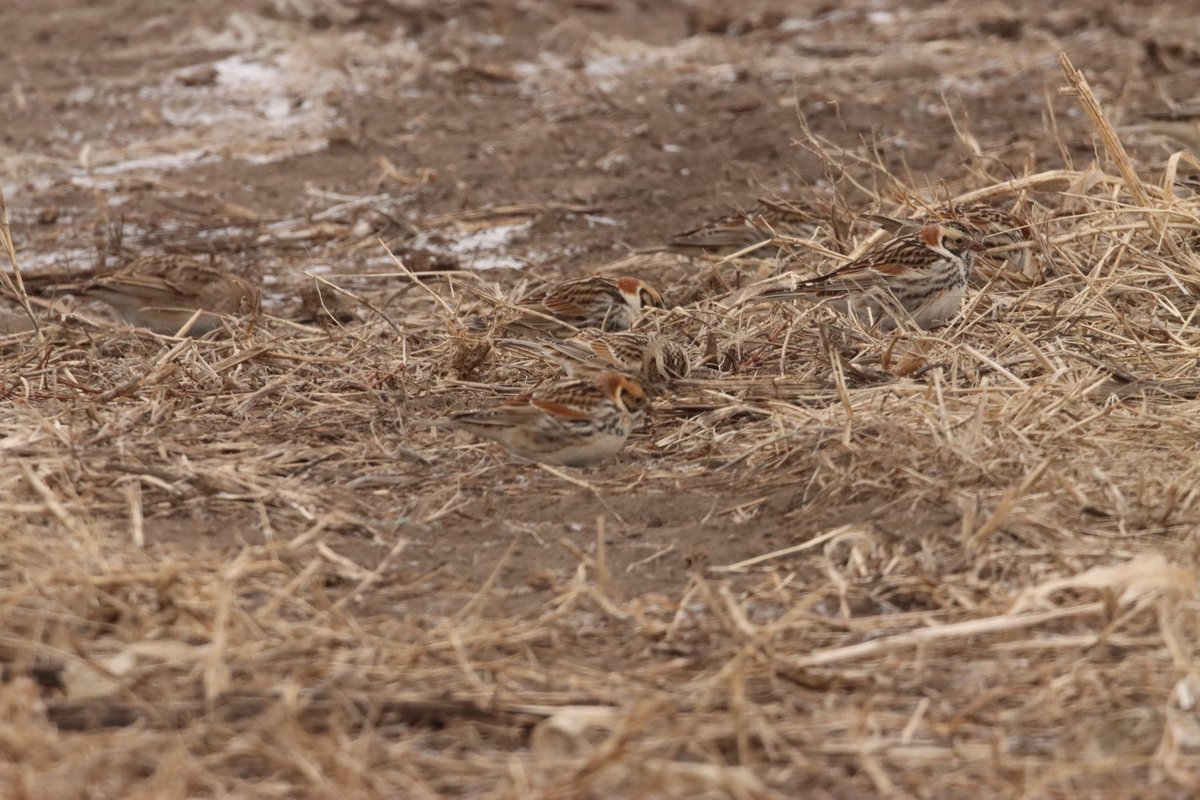
Fancy a game? See if you can find all 7 Lapland longspurs in this photo. This is a great example of how wildlife can camouflage into their environment. Photo: U.S. Fish and Wildlife Service
We just announced a 30-day comment period on a Comprehensive Conservation Plan that identifies wildlife-dependent recreational opportunities available to the public for Charles M. Russell Wetland Management District. Learn more: ow.ly/AUWe50UH2QX Photos: U.S. Fish and Wildlife Service

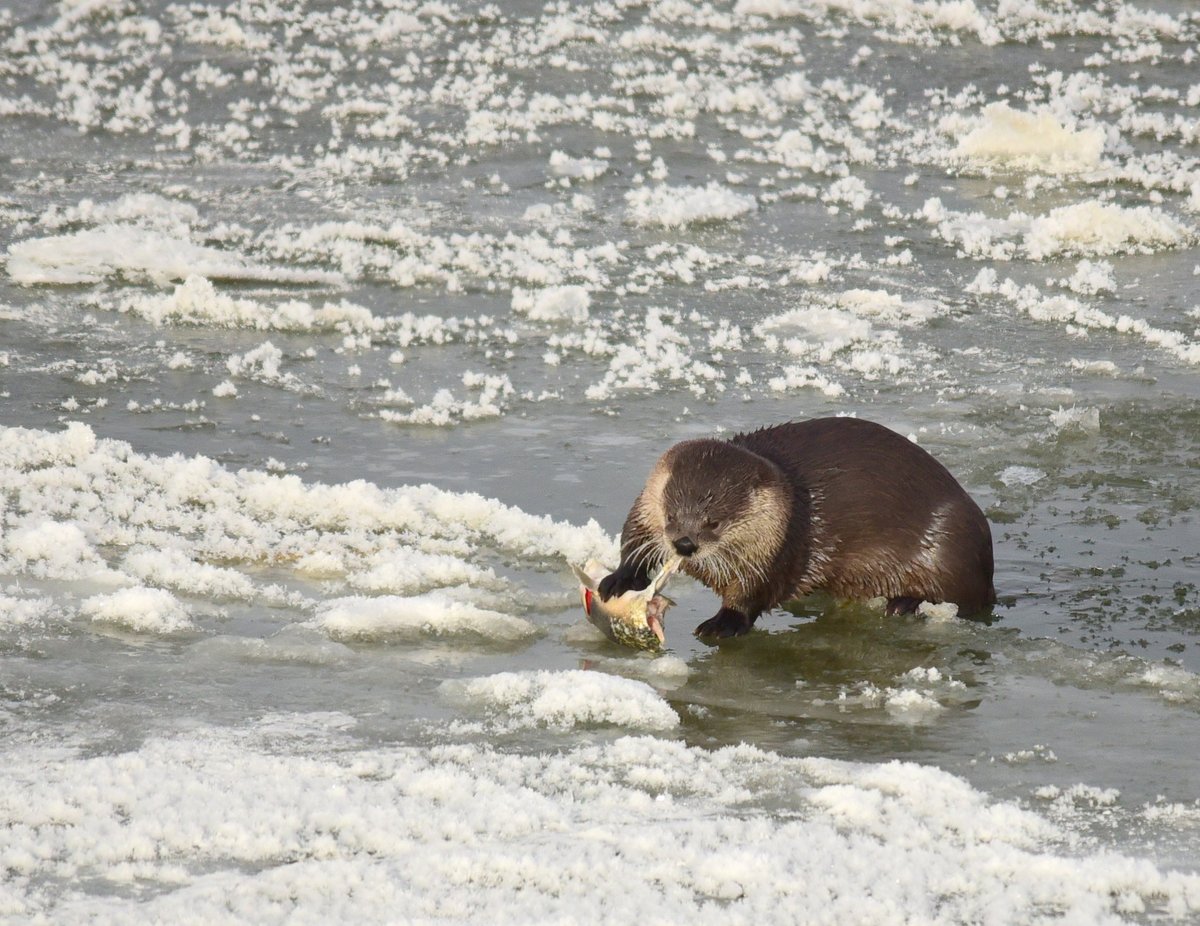
Have you ever done a polar plunge? North American river otters are very accustomed to diving into cold water during the winter months. Luckily, they have two layers of fur - the bottom layer is great for warmth and the top layer is waterproof and helps insulate. Photo: U.S. Fish and Wildlife Service


Ready to dive into the weekend? If a coyote hears a rodent scurrying under the snow, it will perform a dive in hopes of catching its next meal. Photo: U.S. Fish and Wildlife Service

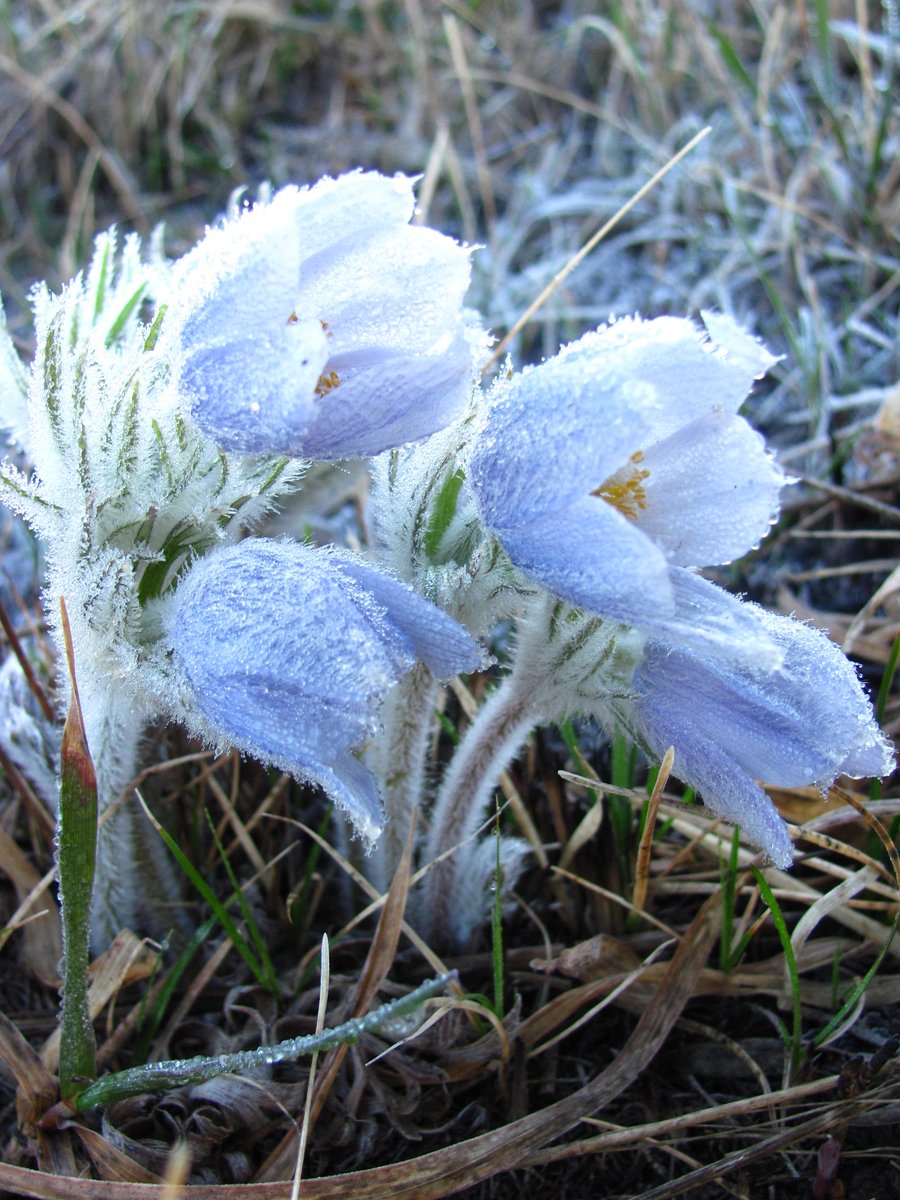
Looking for signs of spring? Next time you’re out adventuring, keep your eyes peeled for pasque flowers! Pasque flowers are early bloomers. They are also a great food source for pollinators emerging for the warmer weather. Photo: U.S. Fish and Wildlife Service
Are you bright-eyed and bushy-tailed this Monday? In March & April, kit fox pups are born! They stay in the den for about a month before emerging to learn foraging skills with their parents. Photo: U.S. Fish and Wildlife Service

Now kith. During the spring, bison start molting their winter coat. While it naturally sheds, they will rub against trees or wallow on the ground to remove it quicker. Photo: U.S. Fish and Wildlife Service

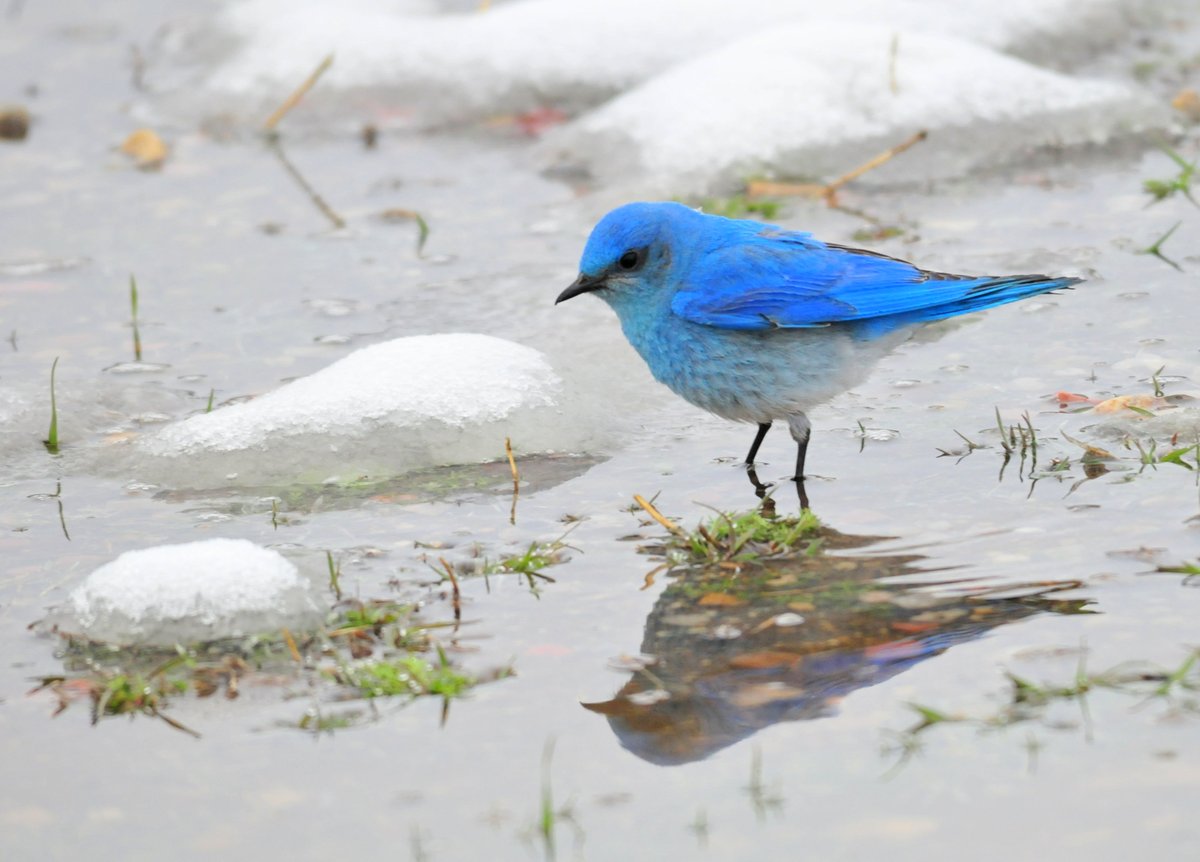
Somebody call Steve because we found a clue that’s blue! IYKYK. Mountain bluebirds are a great clue that spring has arrived. These songbirds are early arrivers so you will likely be able to spot some in meadows, plains, grasslands, & even in a nest box near you! Photo: U.S. Fish and Wildlife Service