UPSA Zooarchaeology Lab (@upsazooarchlab) 's Twitter Profile
UPSA Zooarchaeology Lab

@upsazooarchlab

Welcome to the official Twitter Page of the UP School of Archaeology - Zooarchaeology Lab!

ID: 1666340013448257536

linkhttps://archaeology.upd.edu.ph/zooarchaeology-lab calendar_today07-06-2023 07:03:34

21 Tweet

19 Takipçi

5 Takip Edilen

Juan ROFES (@juan_rofes) 's Twitter Profile Photo

WELCOME TO UPSA ZOOARCH LAB WEBSITE!! Learn about us, our facility and collections, research interests, contact info, current projects and partnerships. archaeology.upd.edu.ph/zooarchaeology…

WELCOME TO UPSA ZOOARCH LAB WEBSITE!!
Learn about us, our facility and collections, research interests, contact info, current projects and partnerships. archaeology.upd.edu.ph/zooarchaeology…
Juan ROFES (@juan_rofes) 's Twitter Profile Photo

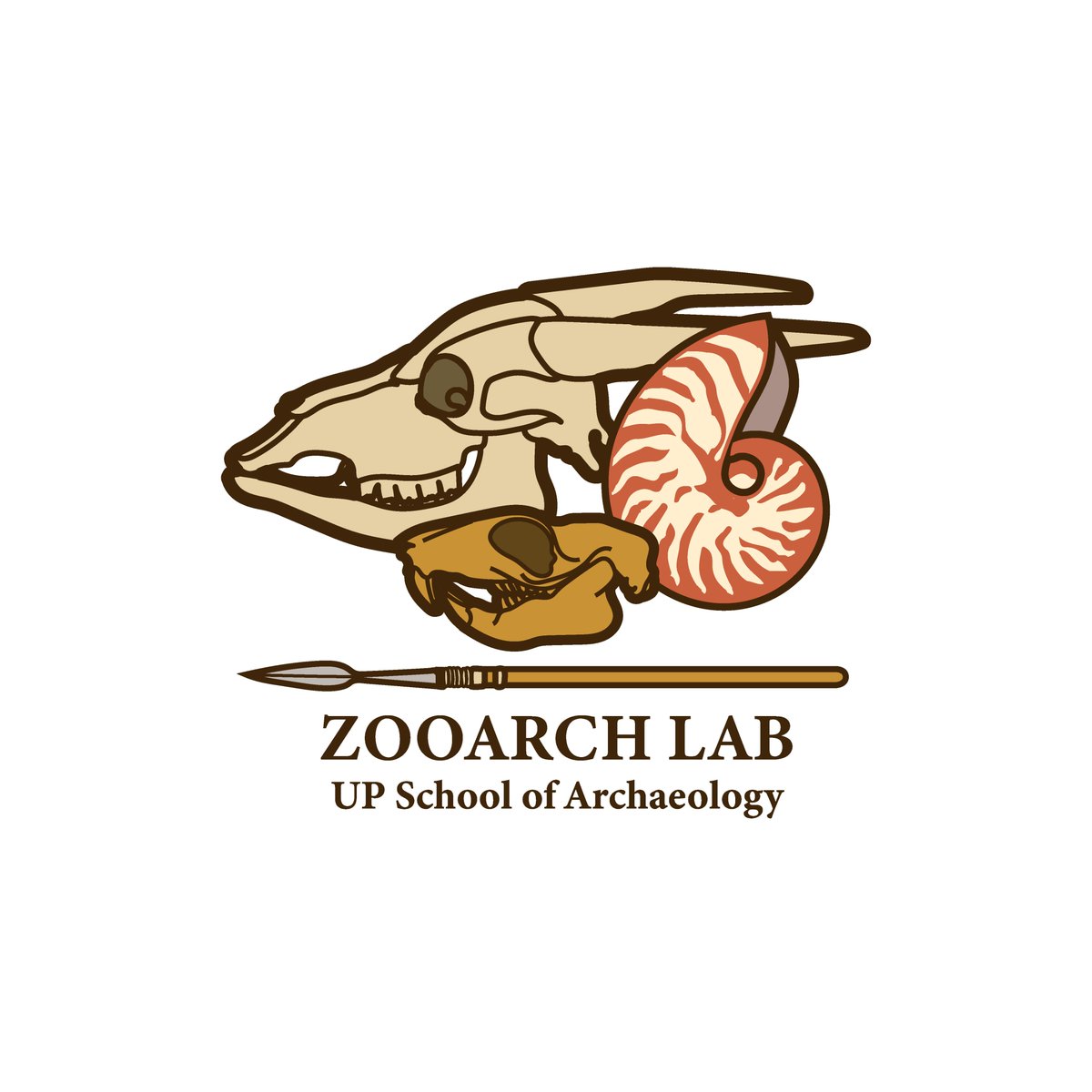
UPSA ZOOARCHAEOLOGY LAB HAS A LOGO!! It feautures some representative faunal specimens, sometimes found in Filipino archaeological sites: a cloud rat skull, a tamaraw skull and a Nautilus shell. For the human component, a Kalinga spear made of metal, wood, and rattan.

UPSA ZOOARCHAEOLOGY LAB HAS A LOGO!!
It feautures some representative faunal specimens, sometimes found in Filipino archaeological sites: a cloud rat skull, a tamaraw skull and a Nautilus shell. For the human component, a Kalinga spear made of metal, wood, and rattan.
UPSA Zooarchaeology Lab (@upsazooarchlab) 's Twitter Profile Photo

Dominique Mediodia, currently a PhD student at the National Taiwan Normal University visited the lab today. He is working at the Biodiversity Research Center, Academia Sinica. His research focuses on PH🇵🇭 fish fossil otoliths to look into palaeobiodiversity and paleoenvironment.

Dominique Mediodia, 
currently a PhD student at the National Taiwan Normal University visited the lab today. He is working at the Biodiversity Research Center, Academia Sinica. His research focuses on PH🇵🇭 fish fossil otoliths to look into palaeobiodiversity and
paleoenvironment.
UPSA Zooarchaeology Lab (@upsazooarchlab) 's Twitter Profile Photo

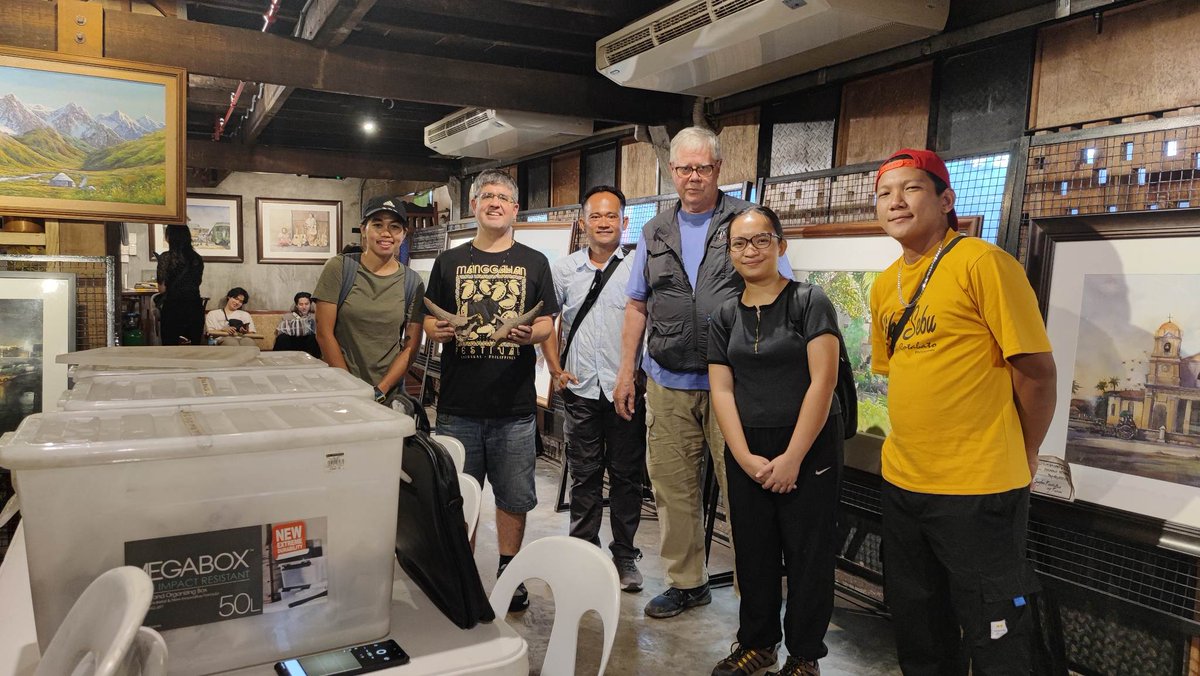
Quincy Lingao, and Juan Rofes recently visited Cebu City to assess the potential of archaeofaunal collections from pre-, Spanish contact, and post-contact periods stored in the Old Jesuit House and Museo Sugbo. Thanks to the Pantropocene Project and John Peterson & Archie Tiauzon

Quincy Lingao, and Juan Rofes recently visited Cebu City to assess the potential of archaeofaunal collections from pre-, Spanish contact, and post-contact periods stored in the Old Jesuit House and Museo Sugbo. Thanks to the Pantropocene Project and John Peterson & Archie Tiauzon
UPSA Zooarchaeology Lab (@upsazooarchlab) 's Twitter Profile Photo

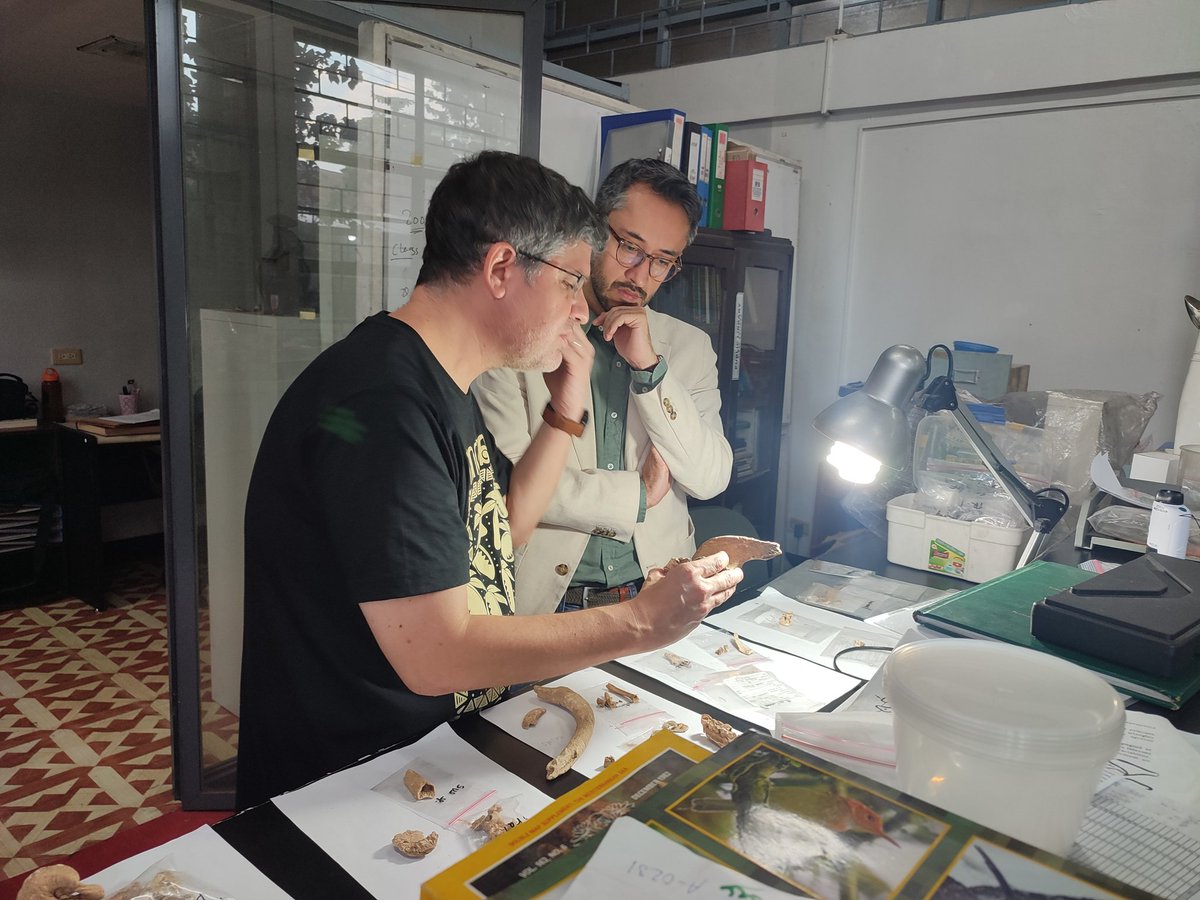
Muchas gracias to Marcos Octavio Vara Jacobo for visiting the lab today, it was our pleasure to show you our work! He is the Head of Economic-Commercial, Promotion, International Cooperation, and Cultural Affairs from the Embassy of Mexico in the Philippines.

Muchas gracias to Marcos Octavio Vara Jacobo for visiting the lab today, it was our pleasure to show you our work! He is the Head of Economic-Commercial, Promotion, International Cooperation, and Cultural Affairs from the Embassy of Mexico in the Philippines.
UPSA Zooarchaeology Lab (@upsazooarchlab) 's Twitter Profile Photo

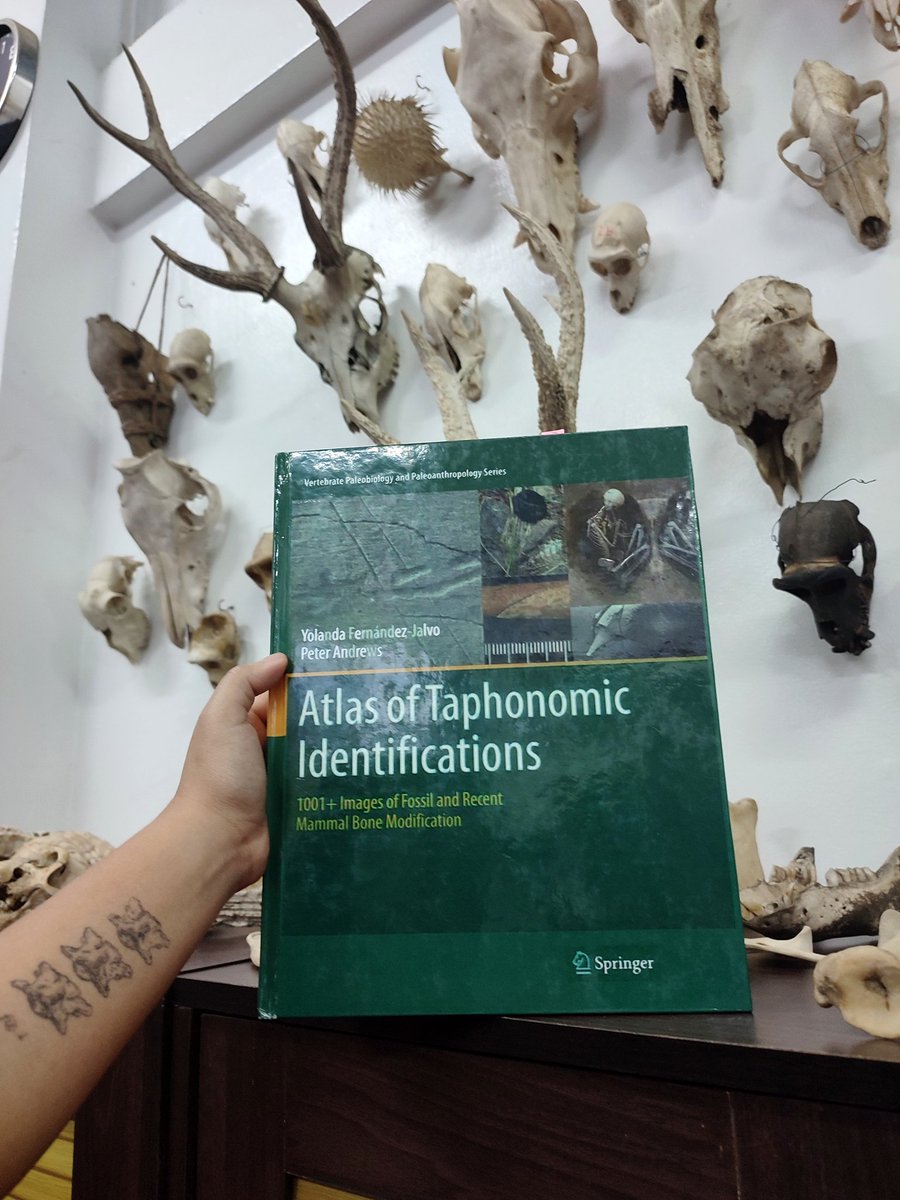
The Essentials of a Zooarchaeologist: Our favorite reference for taphonomic modifications, the Atlas of Taphonomic Identifications (2016) by Yolanda Fernández-Jalvo & Peter Andrews. You can check it out at our UP School of Archaeology Library!

The Essentials of a Zooarchaeologist: Our favorite reference for taphonomic modifications, the Atlas of Taphonomic Identifications (2016) by Yolanda Fernández-Jalvo & Peter Andrews.

You can check it out at our UP School of Archaeology Library!
UPSA Zooarchaeology Lab (@upsazooarchlab) 's Twitter Profile Photo

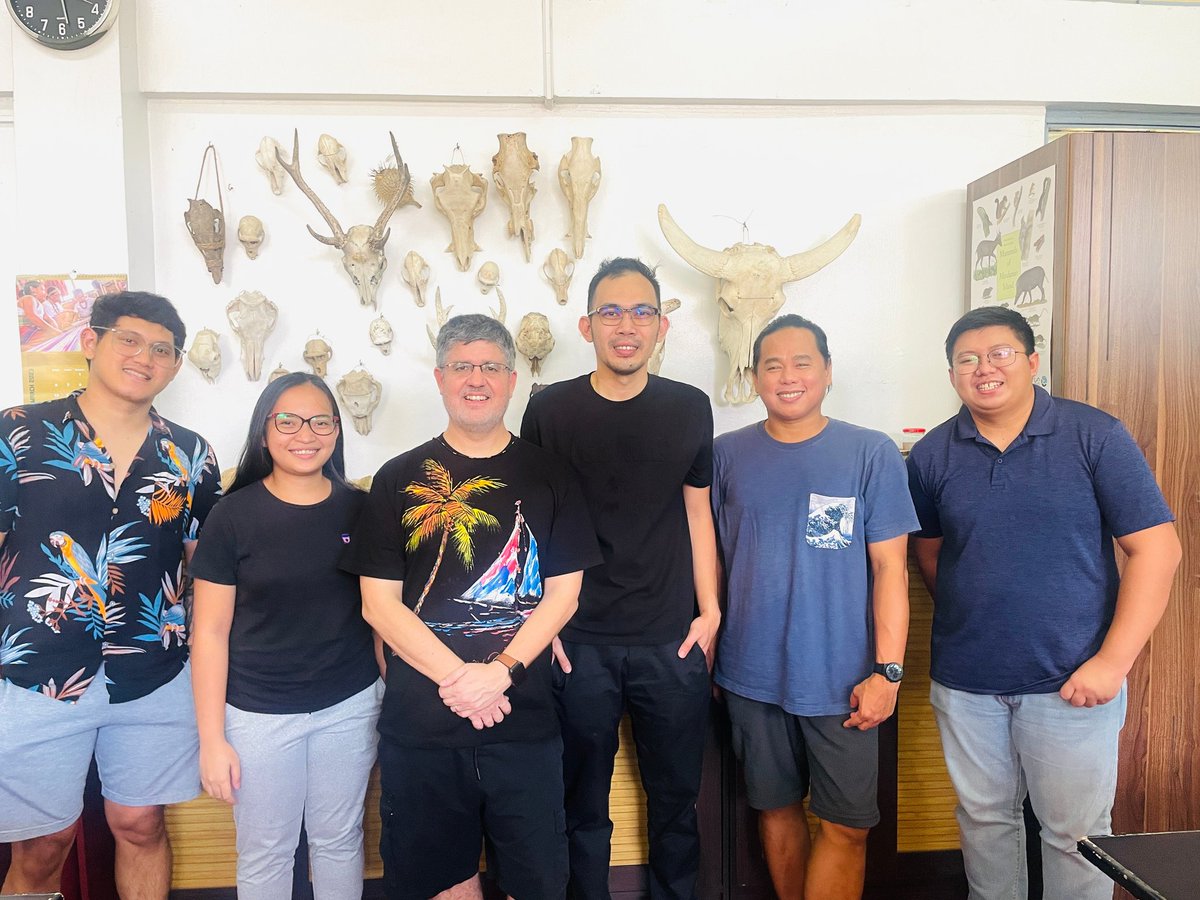
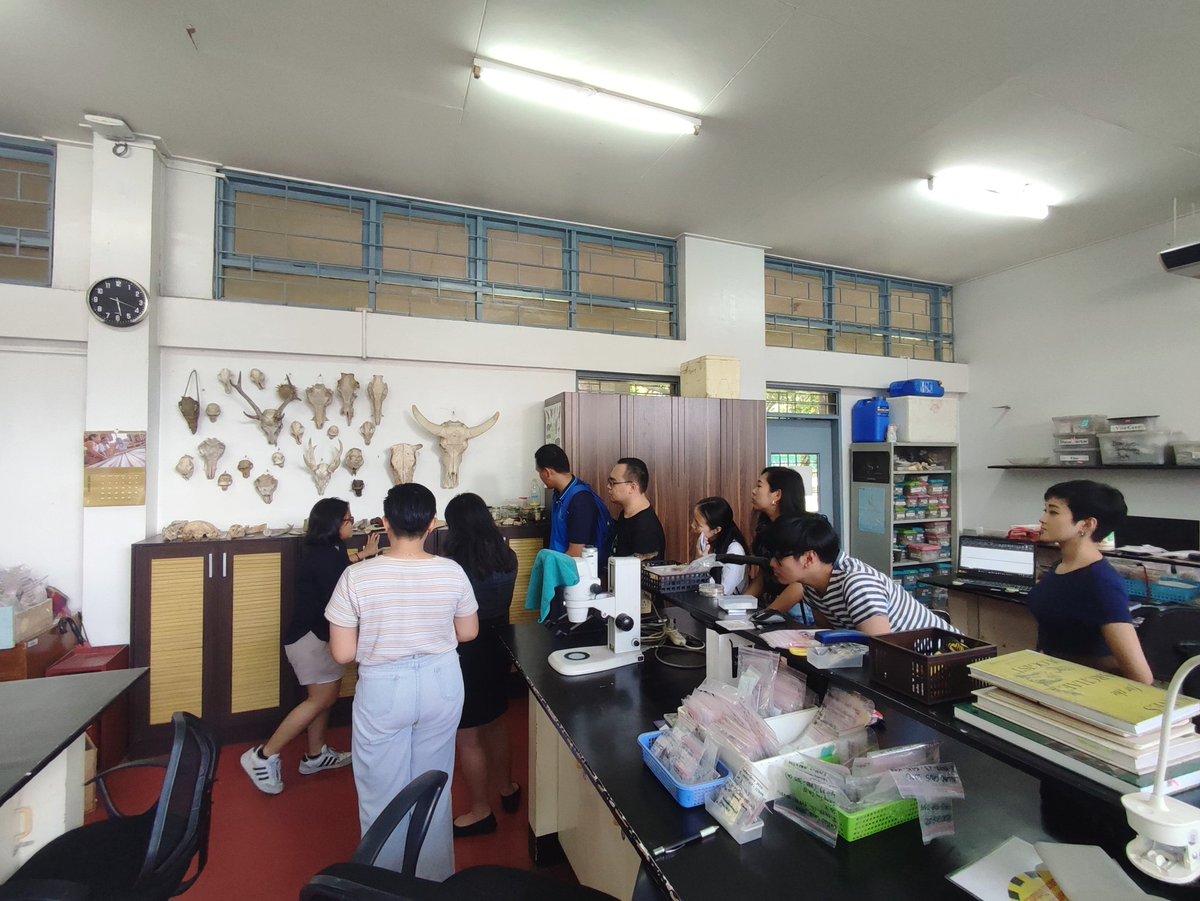
Welcome new students and thank you for visiting our lab! If any of you are interested in studying faunal remains, you know where to go! 😉

Welcome new students and thank you for visiting our lab! If any of you are interested in studying faunal remains, you know where to go! 😉
UPSA Zooarchaeology Lab (@upsazooarchlab) 's Twitter Profile Photo

Ongoing excavation: Dr. Hermine Xhauflair & Taj Vitales are leading the Mission Palawan in Guri Cave, Palawan & Zooarcher Chin Cabrera is part of their team. She is assigned to excavate a column & sieve those sediments as an effective method of recovering microvertebrate remains.

Ongoing excavation: Dr. Hermine Xhauflair & Taj Vitales are leading the Mission Palawan in Guri Cave, Palawan & Zooarcher Chin Cabrera is part of their team. She is assigned to excavate a column & sieve those sediments as an effective method of recovering microvertebrate remains.
UPSA Zooarchaeology Lab (@upsazooarchlab) 's Twitter Profile Photo

This Wednesday, let's join the talk of our very own Quincy Lingao! Join us on 26th July, 12pm at Albert Hall Seminar Room 2 or via Zoom (958 6828 5184, BnltZOOM; scan the QR code found at the bottom of the poster to access the link).

This Wednesday, let's join the talk of our very own Quincy Lingao! 

Join us on 26th July, 12pm at Albert Hall Seminar Room 2 or via Zoom (958 6828 5184, BnltZOOM; scan the QR code found at the bottom of the poster to access the link).
UPSA Zooarchaeology Lab (@upsazooarchlab) 's Twitter Profile Photo

Our Zooarcher, Patricia Cabrera is finally back from two fieldwork experiences in Kalinga and Guri Cave (Palawan)! Aside from participating in the excavations, in Guri Cave, she was in charge of the wet sieving of sediments for the recovery of small vertebrate remains.

Our Zooarcher, Patricia Cabrera is finally back from two fieldwork experiences in Kalinga and Guri Cave (Palawan)! Aside from participating in the excavations, in Guri Cave, she was in charge of the wet sieving of sediments for the recovery of small vertebrate remains.
UPSA Zooarchaeology Lab (@upsazooarchlab) 's Twitter Profile Photo

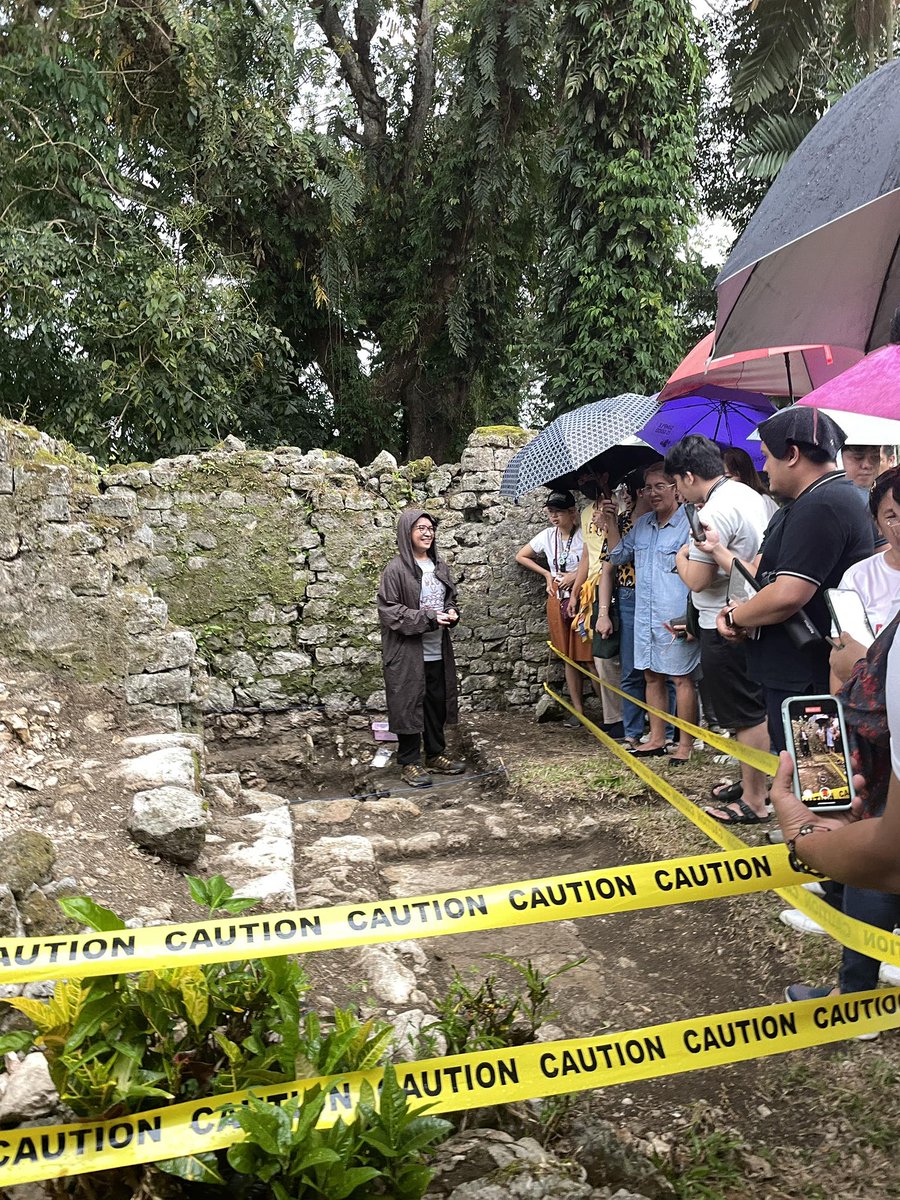
Our Zooarcher, Quincy Lingao, is back from her three-week (August 1-20, 2023) journey as a fieldwork volunteer at Fort Almonte, a 19th century Spanish structure located in Bacolod, Lanao del Norte. Congratulations Quincy and to the Fort Almonte Archaeology Team in this endeavor!

Our Zooarcher, Quincy Lingao, is back from her three-week (August 1-20, 2023) journey as a fieldwork volunteer at Fort Almonte, a 19th century Spanish structure located in Bacolod, Lanao del Norte. Congratulations Quincy and to the Fort Almonte Archaeology Team in this endeavor!
UPSA Zooarchaeology Lab (@upsazooarchlab) 's Twitter Profile Photo

📢 New publication alert!! 📢 Congratulations Dr. Rofes on this new paper! "CAN SMALL VERTEBRATES TELL US SOMETHING ABOUT PALAEOLITHIC ROCK ART? To know the answer, you have to read this fantastic paper published in Scientific Reports. nature.com/articles/s4159…

UPSA Zooarchaeology Lab (@upsazooarchlab) 's Twitter Profile Photo

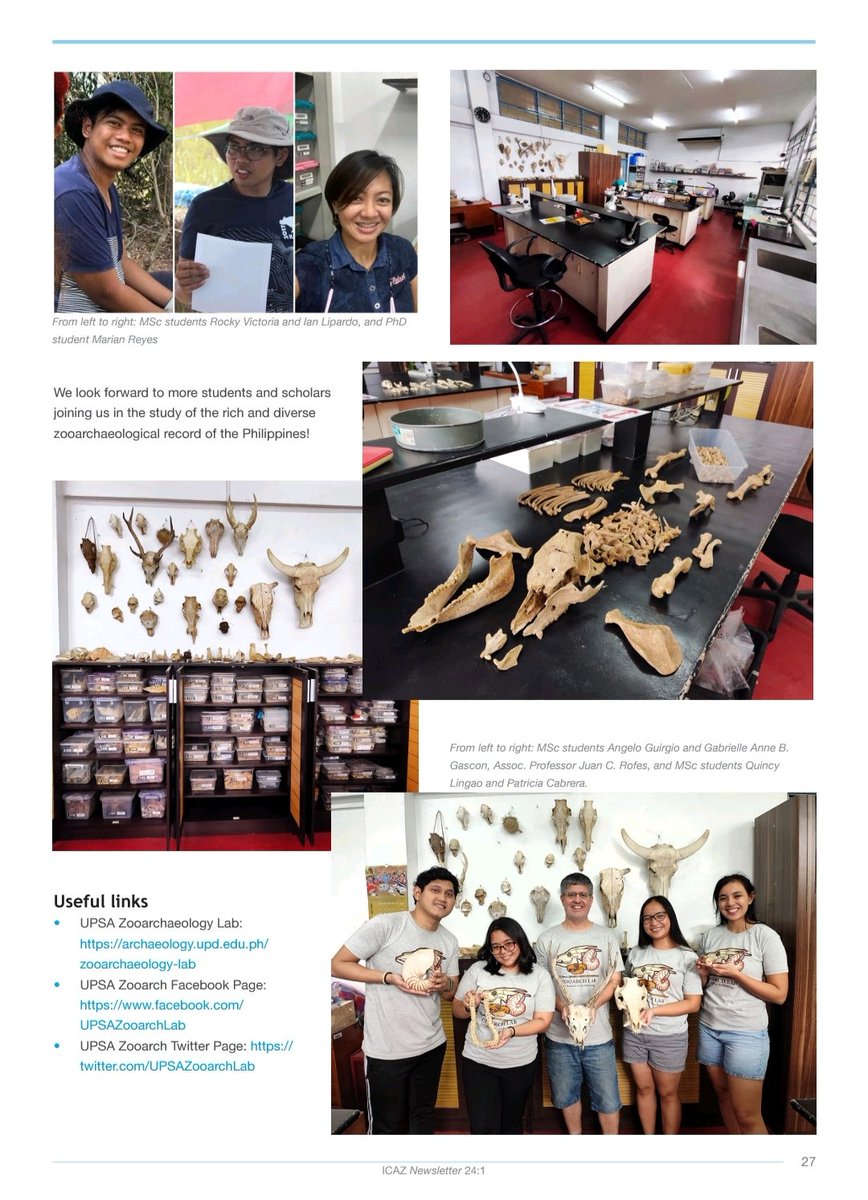
The latest issue of the ICAZ Newsletter is here and Zooarcher Gabrielle Gascon contributed a wonderful article about the UPSA Zooarchaeology Lab! 🤓🔬🦴 Read the full article here (p. 26 of 2024 Volume 24, no. 1): alexandriaarchive.org/icaz/publicati… #ICAZNewsletter

The latest issue of the ICAZ Newsletter is here and Zooarcher Gabrielle Gascon contributed a wonderful article about the UPSA Zooarchaeology Lab! 🤓🔬🦴

Read the full article here (p. 26 of 2024 Volume 24, no. 1):  alexandriaarchive.org/icaz/publicati…

#ICAZNewsletter
UPSA Zooarchaeology Lab (@upsazooarchlab) 's Twitter Profile Photo

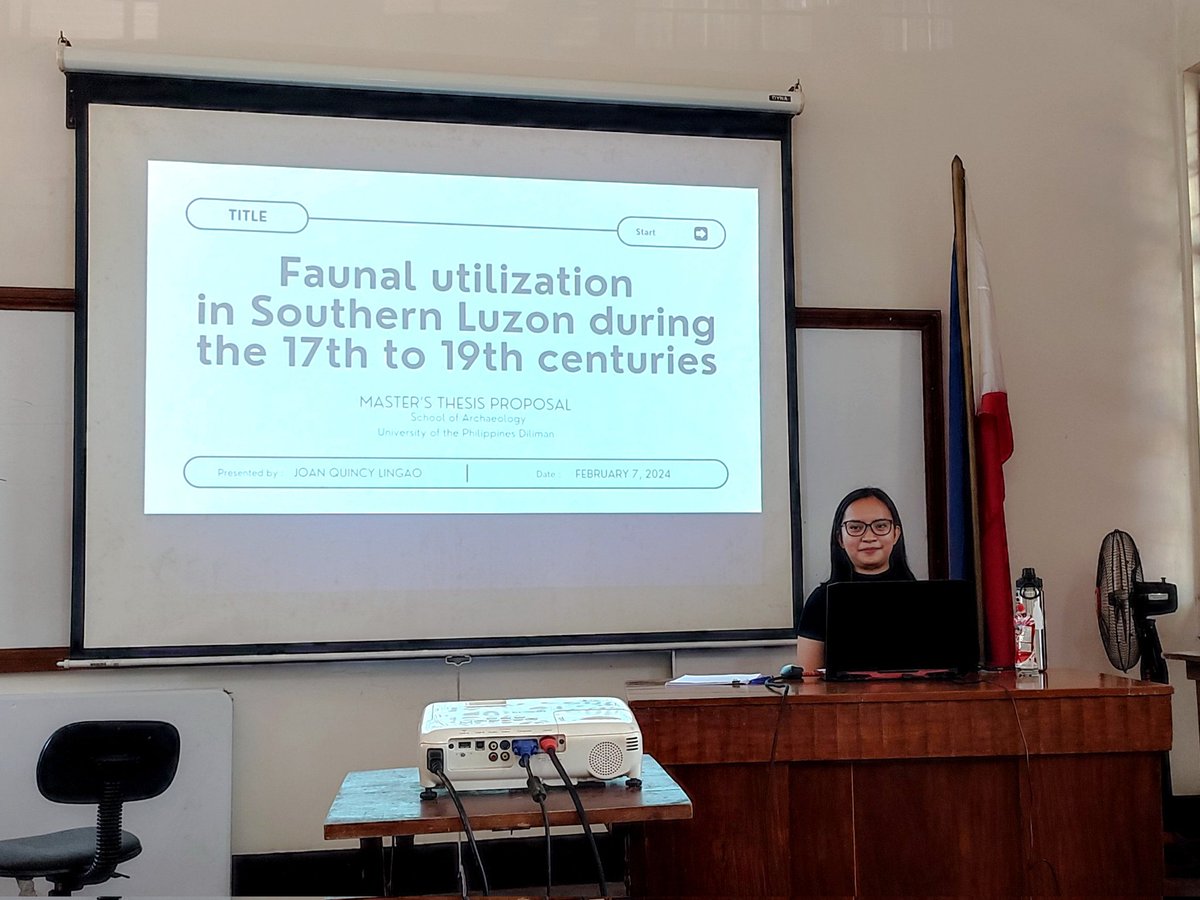
Last Monday, our Zooarcher, Joan Quincy Lingao, successfully defended her Master's thesis proposal entitled "Faunal Utilization in Southern Luzon during the 17th to 19th Centuries." Congratulations, Quincy, we are proud of you!! 🎉✨

Last Monday, our Zooarcher, Joan Quincy Lingao, successfully defended her Master's thesis proposal entitled "Faunal Utilization in Southern Luzon during the 17th to 19th Centuries." 

Congratulations, Quincy, we are proud of you!! 🎉✨
UPSA Zooarchaeology Lab (@upsazooarchlab) 's Twitter Profile Photo

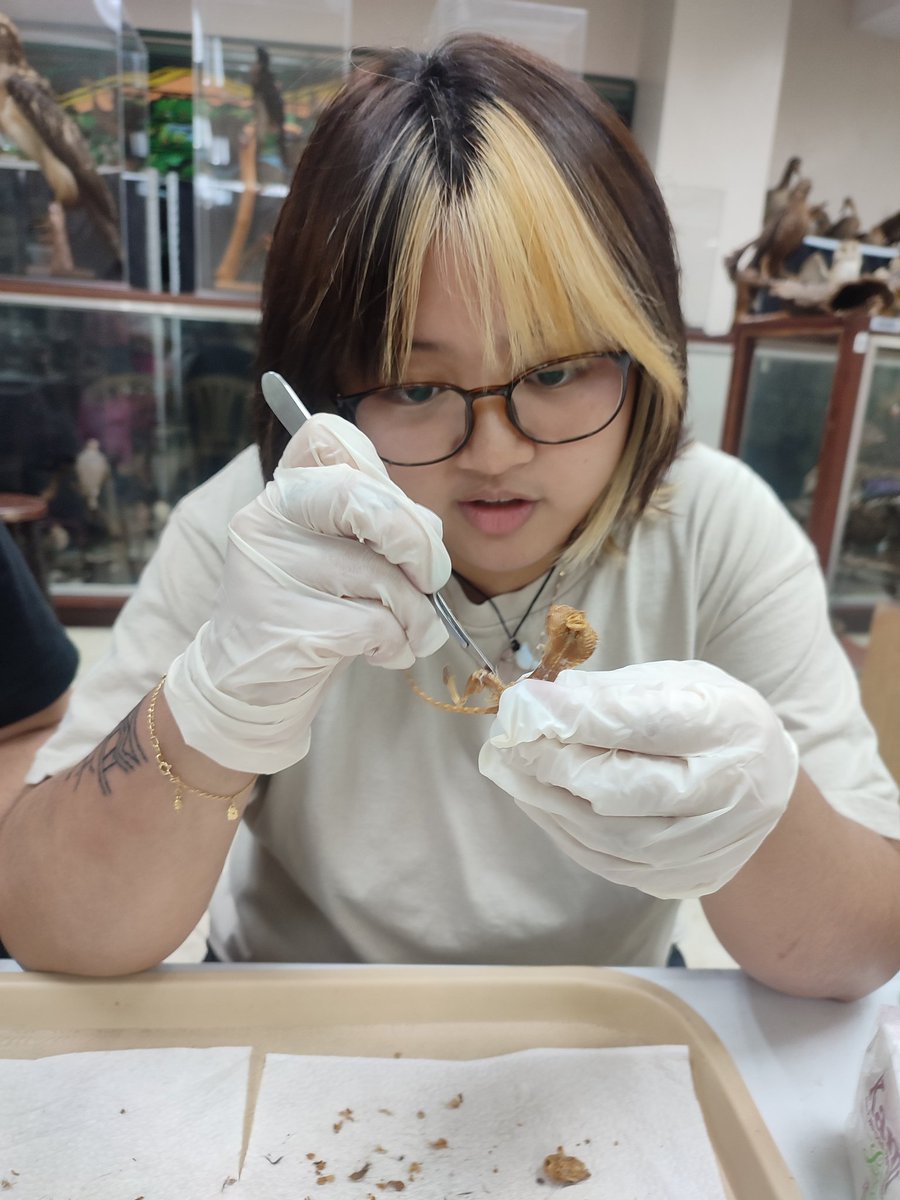
Last June 27, Dr. Rofes & 2 Zooarchers received training from Mr.Paulo Kim of IB.We were taught how to dissect wet specimens which is essential to create skeletal reference collections. We are grateful to Dr. Aloy Duya & the Biodiversity Research Laboratory for facilitating this!

Last June 27, Dr. Rofes & 2 Zooarchers received training from Mr.Paulo Kim of IB.We were taught how to dissect wet specimens which is essential to create skeletal reference collections. We are grateful to Dr. Aloy Duya & the Biodiversity Research Laboratory for facilitating this!