Tina Tuerlings (@tuerlingstina) 's Twitter Profile
Tina Tuerlings

@tuerlingstina

Dr. in Bioscience engineering @UGent, researched wild bee parasites & climate associations. Now developing biodiversity indicators on climate change @ INBO

ID: 1143857279709696000

calendar_today26-06-2019 12:23:22

39 Tweet

108 Takipçi

143 Takip Edilen
Sheila Colla, Ph.D (@savewildbees) 's Twitter Profile Photo

Pollinator conservation, for better or worse, is one if the public's top concerns right now. It's an issue deeply intertwined with the climate crisis, food security & sustainabilitu of ecosystems. Using bees to garner support to do work in the broader issues is smart.

Tina Tuerlings (@tuerlingstina) 's Twitter Profile Photo

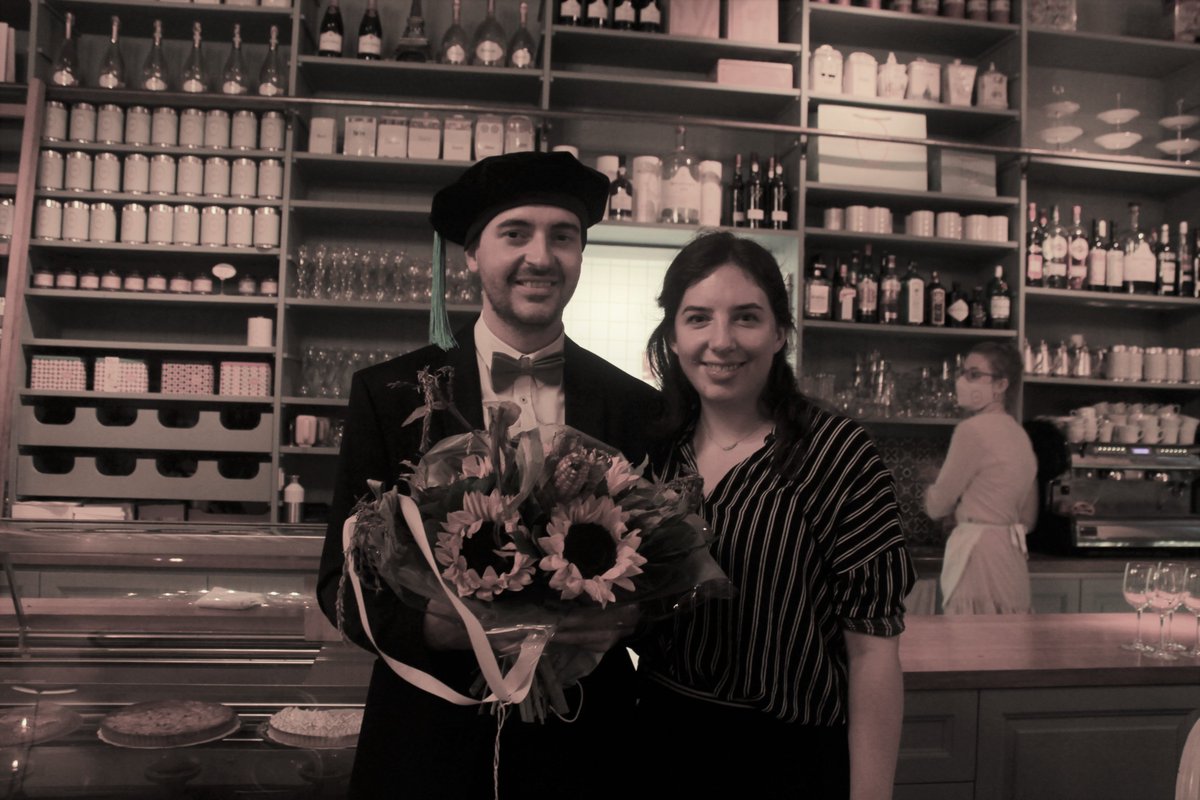
Yesterday, my boyfriend has obtained his PhD of Bioscience engineering, with a topic of mycotoxins in maize. To quote the jury: 'The thesis and presentation are of superior quality'. Couln't be more proud! You inspire me to try to reach as high in my PhD ❤️ @jonasvandicke

Yesterday, my boyfriend has obtained his PhD of Bioscience engineering, with a topic of mycotoxins in maize. To quote the jury: 'The thesis and presentation are of superior quality'. Couln't be more proud! You inspire me to try to reach as high in my PhD ❤️ @jonasvandicke
Tina Tuerlings (@tuerlingstina) 's Twitter Profile Photo

a PhD can be very versatile. For example: I just called to Manhattan NY from Belgium, on a friday evening, to order a dry ice delivery to an adress in Brooklyn, NY. 🤷‍♀️

Tina Tuerlings (@tuerlingstina) 's Twitter Profile Photo

I am currently structuring my data from a citizen science project that I organised in the summer of 2020; and I just discovered that one of the bees was caught next to Broadway Street in NYC! Crazy how bees can nest in the craziest places, if they want to.

Tina Tuerlings (@tuerlingstina) 's Twitter Profile Photo

This week i'm in Marseille catching the Asian (and invasive) bee species Megachile sculpturalis! It's quite challenging to see them foraging because they often fly quite high on (non-native) trees. Here is a male flying on a 'goldenrain' tree, native to eastern Asia.

This week i'm in Marseille catching the Asian (and invasive) bee species Megachile sculpturalis! It's quite challenging to see them foraging because they often fly quite high on (non-native) trees. Here is a male flying on a 'goldenrain' tree, native to eastern Asia.
Tina Tuerlings (@tuerlingstina) 's Twitter Profile Photo

Love it or hate it, but social media is a great tool for science! I could try to ID a bee for hours without succes, or post it in a bee facebook group and get the right answer within minutes. Sharing knowledge is so important! And 'non-scientists' sometimes even know better!

Tina Tuerlings (@tuerlingstina) 's Twitter Profile Photo

My very first paper as first (co)-author! This opinion/review was an interesting dive into a few of the many ways agriculture affects bees, and a big step towards the realization of my PhD 🐝 The impact of mass-flowering crops on bee pathogen dynamics sciencedirect.com/science/articl…

Tina Tuerlings (@tuerlingstina) 's Twitter Profile Photo

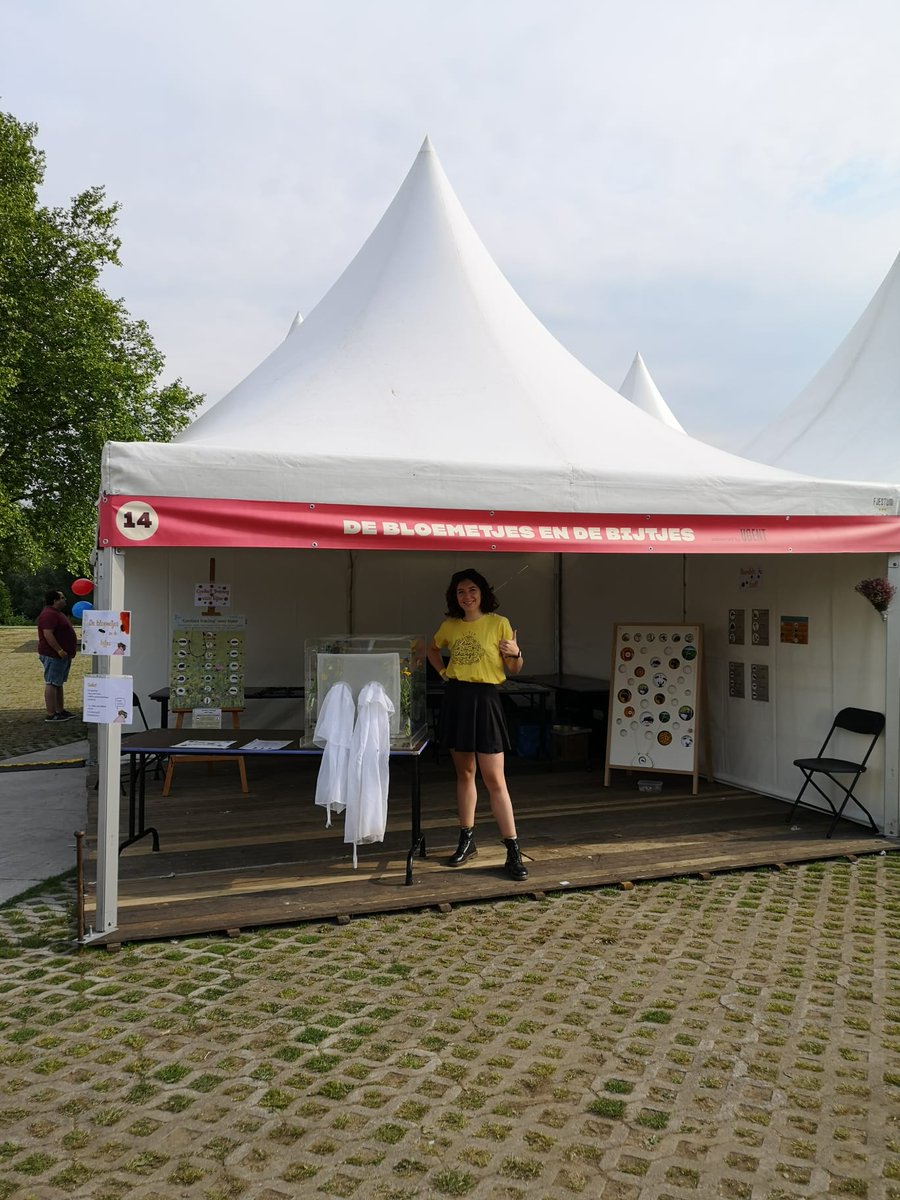
Last weekend, I got the chance to take kids and adults into the miraculous world of bees, at the 'Nerdland' science festival. Together with some colleagues, i developed games showing the diversity of bees and flowers, and the many ways bees are threatened.