

René Rejón
@rrejonp
Research Fellow @ArtsUnimelb
Investigating structural injustice and its impact of political representation.
ID: 768054114047692804
http://www.renerejon.com 23-08-2016 11:55:45
125 Tweet
154 Takipçi
297 Takip Edilen

🐣 🔓 René Rejón examines the ethno-racial composition of the Mexican Chamber of Deputies and finds that positions of leadership are unproportionally restricted to legislators with light skin colour. Faculty of Arts Read this #ERSNew #OpenAccess paper here: doi.org/10.1080/014198…


Ayudemos a nuestro amigo René Rejón a contestar esta encuesta sobre pigmentocracia en las/os representantes de elección popular… 👇🏾👇🏾👇🏾
Delighted to announce that "Interest convergence in the Land of the Cosmic Race", my latest article, will be published in Ethnic and Racial Studies soon!
Is there a way out of stalemate in the struggle for racial justice in Mexico? In this paper, just published by Ethnic and Racial Studies , I argue there is. Article is Open Access and fully available.
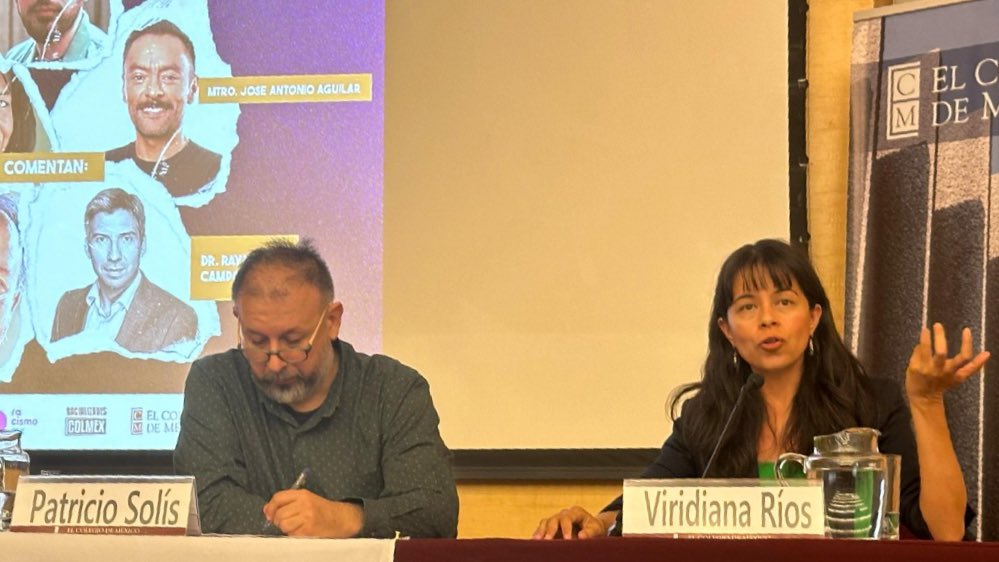
Colab con @RacismoMX :) Este reporte resume los hallazgos de mi investigación sobre representación política y tono de piel en México. El reporte será presentado en El Colegio de México, con comentarios de Pepe Aguilar 🍉, Viri Ríos, Patricio Solís 🥑 y Raymundo Campos V. Transmisión en vivo vía FB.

Chulada! Estuvimos en El Colegio de México presentando “El color del congreso” — una investigación de René Rejón de University of Melbourne en colaboración con RacismoMX 🤚🏾 y Racializades COLMEX. Nos acompañó Raymundo Campos V, Patricio Solís 🥑, Pepe Aguilar 🍉 y Ana Elsa Pérez 🤜🏽🤛🏽💕 El estudio —> racismo.mx
Never got to share this article, were Sarah Ball and I test the frequent assumption that co-design leads to policy success. After we published this paper, she's was awarded with a DECRA from the Australian Research Council. I tell myself our article had something to do with it 😂 (it didn't).
Happy to share that my article with University of Melbourne's Bina Fernandez and Louise Olliff on how/why diasporas in Australia engage in humanitarian responses is finally out. Here's to the amazing (though often invisible) humanitarian work that diasporas make! doi.org/10.1007/s11266…
To test the aptness of skin color classification algorithms (so popular these days!), I asked humans and "robots" to classify 1000s of pics, and compared their results. This Ethnicities paper presents the findings. SPOILER: it’s good news for antiracist research!
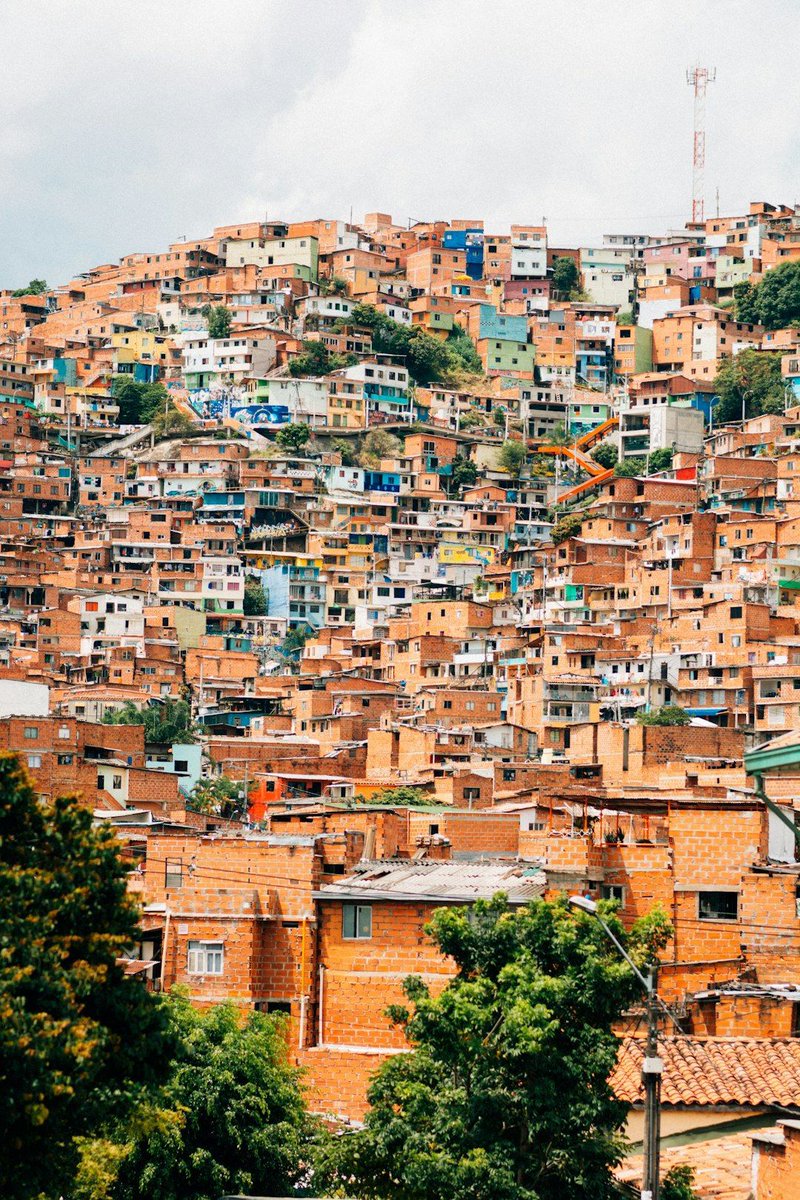
#ERSNew 🐣🔓 Ethnoracial legislative quotas promised to wedge doors open to historically marginalized groups, normalizing their (re)election. Have they? René Rejón (Faculty of Arts) and Ewig (Humphrey School) found that, in Colombia, the answer is no: doi.org/10.1080/014198…
In this Political Studies paper, @data_serch and I find that dark-skinned lawmakers in Mexico are prevented from producing important legislation at the same rate than their peers, partially because they are marginalised from leadership posts. Open Access in link below.