Planet Hunters (@planethunters) 's Twitter Profile
Planet Hunters

@planethunters

Official account of Planet Hunters TESS 🛰 With your help, we're searching for exoplanets in NASA data 🪐 Join the hunt for undiscovered worlds!

ID: 201870414

linkhttp://planethunters.org calendar_today12-10-2010 20:19:55

3,3K Tweet

13,13K Followers

371 Following

NASA Citizen Science (@donasascience) 's Twitter Profile Photo

Where is the water? Scientists studying Earth’s water from space need your help here on the ground documenting water in your landscape and mapping mosquito habitats. Join the GLOBE Observer Data challenge May 1st - 31st to lend a hand and do some science: observer.globe.gov/water-challeng…
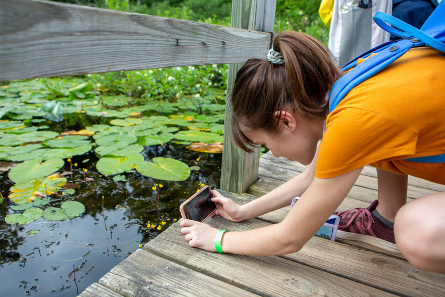

Where is the water? Scientists studying Earth’s water from space need your help here on the ground documenting water in your landscape and mapping mosquito habitats. Join the GLOBE Observer Data challenge May 1st - 31st to lend a hand and do some science: observer.globe.gov/water-challeng…
European Space Agency (@esa) 's Twitter Profile Photo

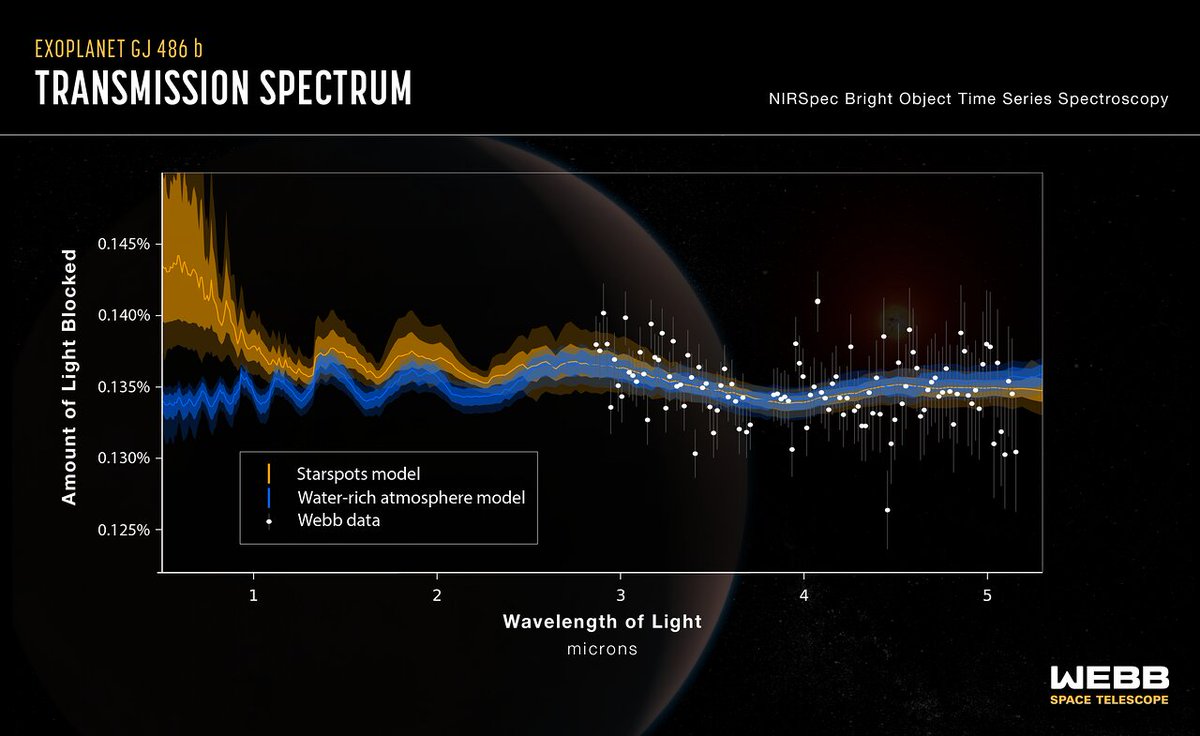
📷 The NASA/ESA/CSA James #Webb Space Telescope has found hints of water vapor around the rocky exoplanet GJ 486 b. 💧 If the water vapor is associated with the planet, it could indicate that it has an atmosphere despite its scorching temperature and close proximity to its

📷 The NASA/ESA/CSA James #Webb Space Telescope has found hints of water vapor around the rocky exoplanet GJ 486 b. 

💧 If the water vapor is associated with the planet, it could indicate that it has an atmosphere despite its scorching temperature and close proximity to its
NASA Exoplanets (@nasaexoplanets) 's Twitter Profile Photo

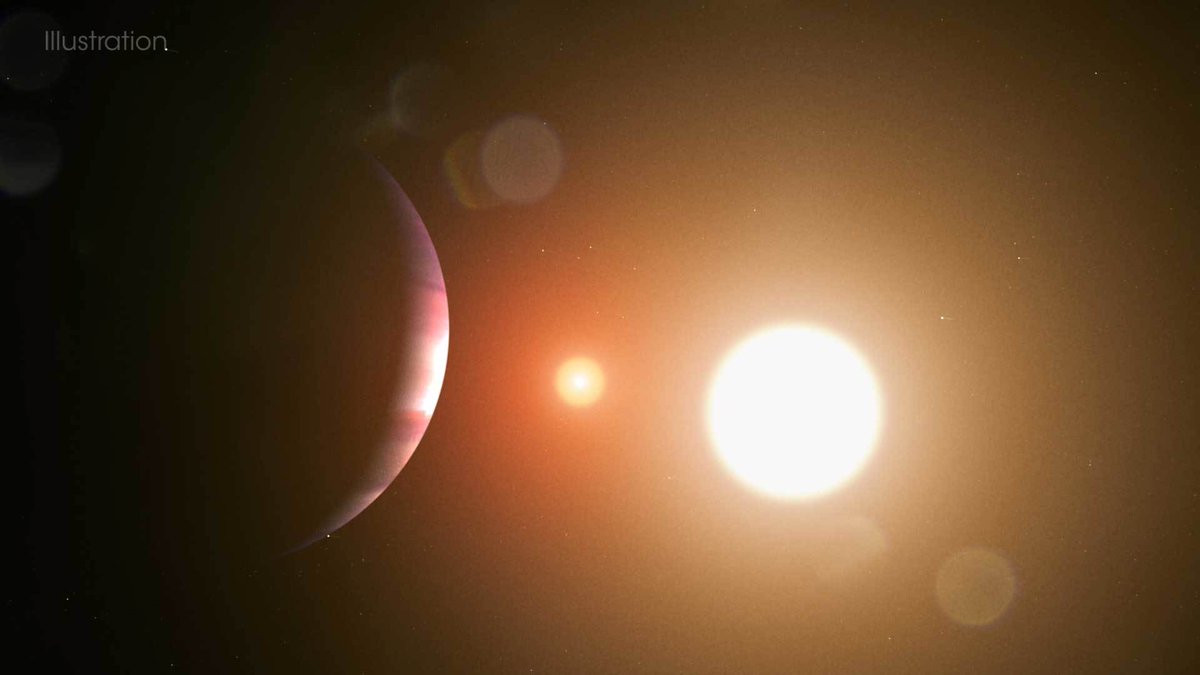
Could a water signature be coming from a star?! When NASA Webb Telescope studied the exoplanet GJ 486 b and its host star, it saw H2O. On the planet, it would indicate an atmosphere. The water could also be vapor lingering in a cooler sunspot of its red dwarf star! go.nasa.gov/40UaRy1
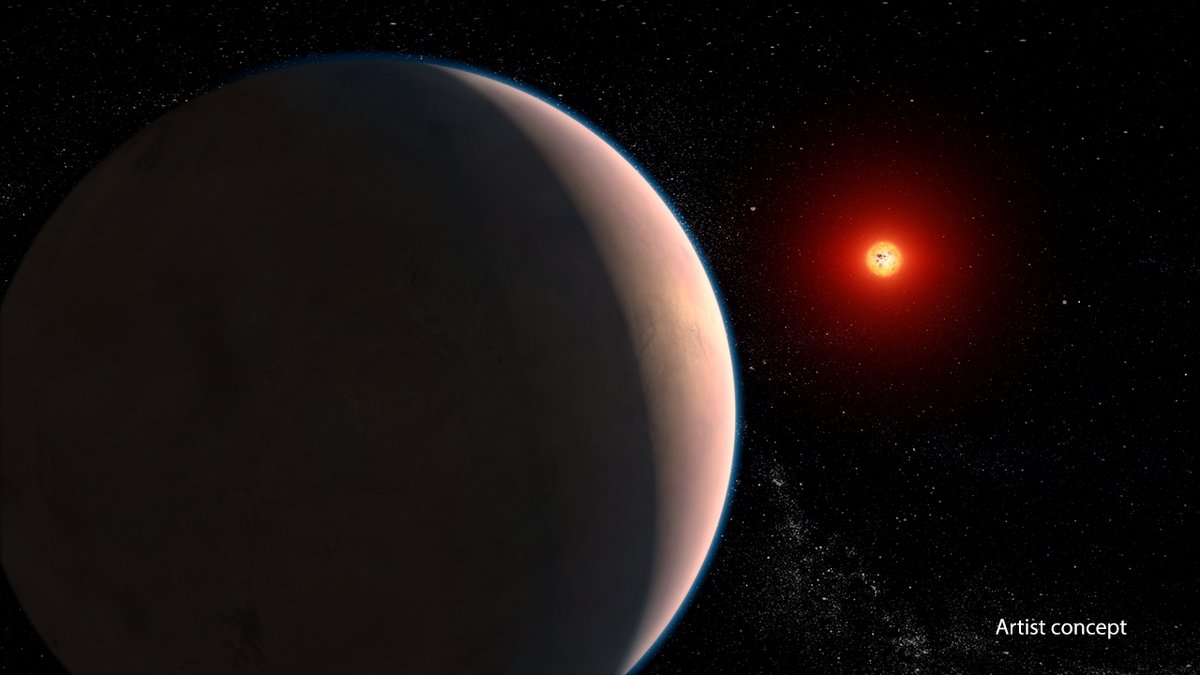
Could a water signature be coming from a star?! When <a href="/NASAWebb/">NASA Webb Telescope</a> studied the exoplanet GJ 486 b and its host star, it saw H2O. On the planet, it would indicate an atmosphere. The water could also be vapor lingering in a cooler sunspot of its red dwarf star! go.nasa.gov/40UaRy1

NASA Citizen Science (@donasascience) 's Twitter Profile Photo

Educators, mark your calendars! From May 8th-12th, #NASAScience will celebrate #TeacherAppreciationWeek with Digital Learning Week, a virtual event designed with you in mind. Access the ready-to-use resources, live events, & on-demand programming you need: go.nasa.gov/41ZUikX

Educators, mark your calendars! From May 8th-12th, #NASAScience will celebrate #TeacherAppreciationWeek with Digital Learning Week, a virtual event designed with you in mind. Access the ready-to-use resources, live events, &amp; on-demand programming you need: go.nasa.gov/41ZUikX
NASA Exoplanets (@nasaexoplanets) 's Twitter Profile Photo

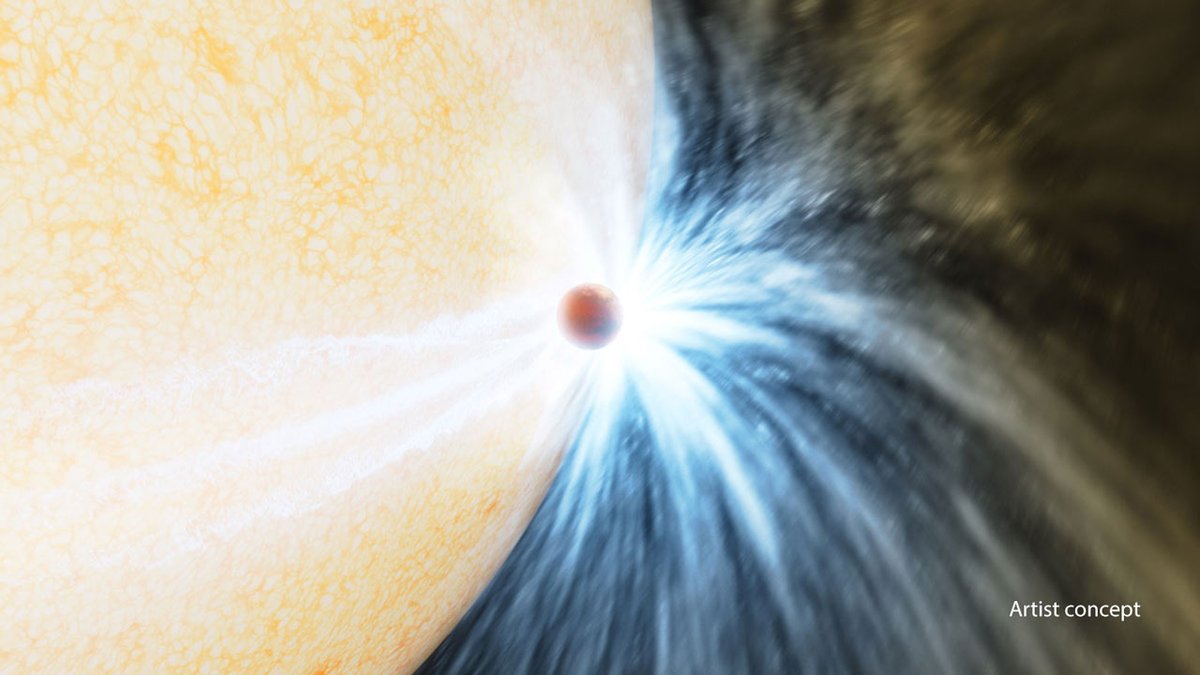
We've long thought that, at the end of their lives, stars like our Sun swell up to 100 times their former diameter and consume surrounding planets. Now, we've seen it. 15,000 light-years away, a hungry star consumed a nearby planet. go.nasa.gov/42fREYs

NASA STEM (@nasastem) 's Twitter Profile Photo

Looking for an easy way to find the latest #NASASTEM opportunities for teachers & students? Plus new resources to spark STEM learning? 👀 Look no further than the weekly EXPRESS! This week's edition is out now. conta.cc/3NS1cFt

Looking for an easy way to find the latest #NASASTEM opportunities for teachers &amp; students? Plus new resources to spark STEM learning? 

👀 Look no further than the weekly EXPRESS! 

This week's edition is out now.
conta.cc/3NS1cFt
NASA Exoplanets (@nasaexoplanets) 's Twitter Profile Photo

We’ve found exoplanets with two, or even three, suns. What could conditions on those planets be like? We checked in with exoplanet scientists to see: exoplanets.nasa.gov/news/1430/eart…

We’ve found exoplanets with two, or even three, suns. What could conditions on those planets be like? We checked in with exoplanet scientists to see: exoplanets.nasa.gov/news/1430/eart…
NASA Citizen Science (@donasascience) 's Twitter Profile Photo

Whether you make freshwater ice observations in your Alaska hometown, collect phytoplankton in the Antarctic, or classify coral reefs on your iPad, there are many ways each of us can enhance NASA's Earth science data collection. Make an impact: go.nasa.gov/3HB5oWb

Whether you make freshwater ice observations in your Alaska hometown, collect phytoplankton in the Antarctic, or classify coral reefs on your iPad, there are many ways each of us can enhance <a href="/NASA/">NASA</a>'s Earth science data collection. Make an impact: go.nasa.gov/3HB5oWb
NASA Citizen Science (@donasascience) 's Twitter Profile Photo

We❤️educators! So #TeacherAppreciationWeek is the perfect time to thank you with ready-to-use resources, live events, & on-demand programming to finish the year strong. Join us this week for #NASAScience Digital Learning Week virtual event, happening now: go.nasa.gov/41ZUikX

We❤️educators! So #TeacherAppreciationWeek is the perfect time to thank you with ready-to-use resources, live events, &amp; on-demand programming to finish the year strong. Join us this week for #NASAScience Digital Learning Week virtual event, happening now: go.nasa.gov/41ZUikX
NASA Exoplanets (@nasaexoplanets) 's Twitter Profile Photo

A bright star, visible in Earth’s Southern sky, has a secret. The well known Fomalhaut debris disk, imaged by NASA Webb Telescope, has inner rings and an undulating structure that hints at unseen planets. go.nasa.gov/42dH7h6
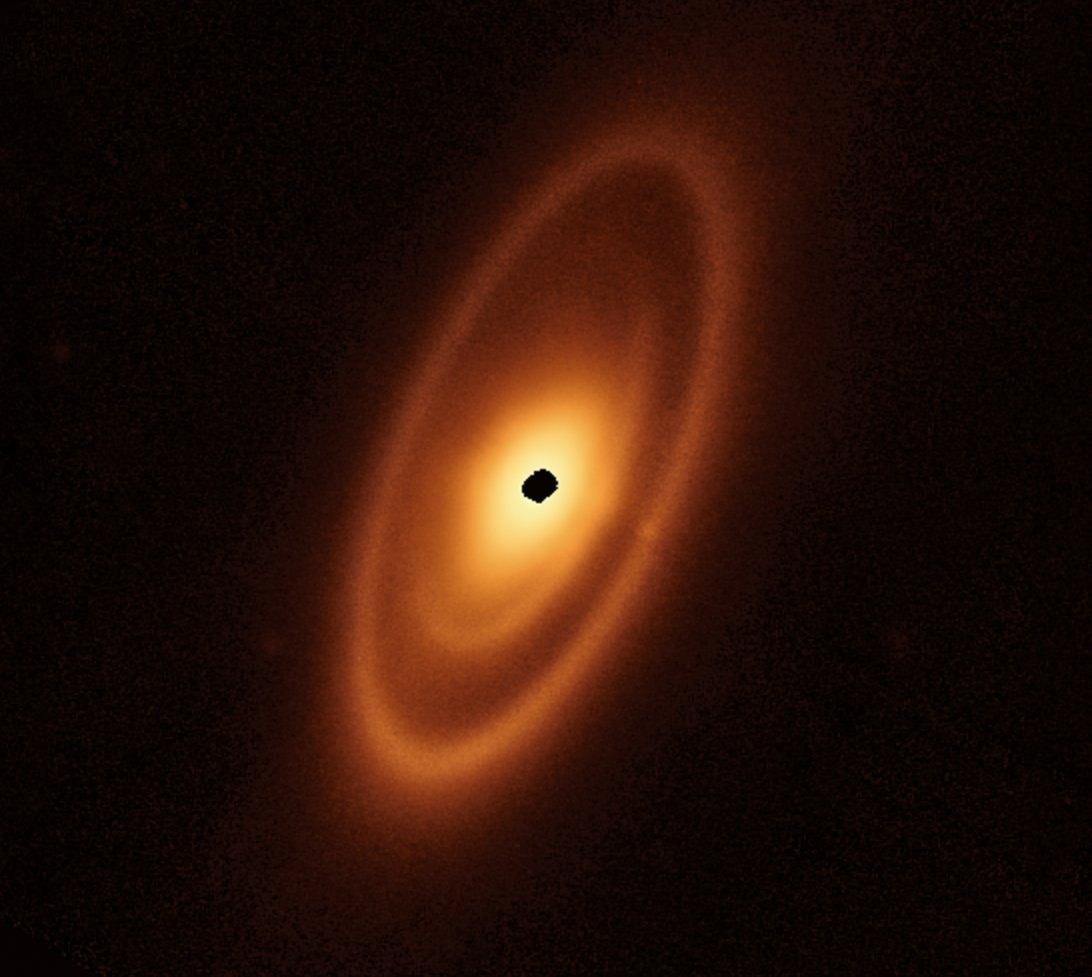

A bright star, visible in Earth’s Southern sky, has a secret. The well known Fomalhaut debris disk, imaged by <a href="/NASAWebb/">NASA Webb Telescope</a>, has inner rings and an undulating structure that hints at unseen planets. go.nasa.gov/42dH7h6
NASA Exoplanets (@nasaexoplanets) 's Twitter Profile Photo

What's YOUR favorite planet? There are eight in our solar system and billions beyond, and we've confirmed 5,347 of them. So, if you don't have a favorite yet, stay tuned! Maybe we're still looking for it? Exoplanets.nasa.gov

NASA Exoplanets (@nasaexoplanets) 's Twitter Profile Photo

Five planets are locked in a rhythmic dance around their Sun-like star. It's one of the best examples we have of orbital resonance, where the planets move in synchronicity. There's also evidence of a sixth world in this cosmic ballroom!💃🏾 go.nasa.gov/42L7DOJ

Five planets are locked in a rhythmic dance around their Sun-like star. It's one of the best examples we have of orbital resonance, where the planets move in synchronicity. There's also evidence of a sixth world in this cosmic ballroom!💃🏾 go.nasa.gov/42L7DOJ
NExScI: Exoplanet Science Institute Caltech IPAC (@nexsci_ipac) 's Twitter Profile Photo

Don't miss the next #ExoExplorers Science Talks this Friday, May 12 at 11am PDT! MITKavli's Michelle Kunimoto discusses a more automated solution for finding TOIs in TESS data, followed by Junellie Perez of JHU Earth & Planetary Sciences on carbon cycling on the #TRAPPIST-1 planets. exoplanets.nasa.gov/exep/exopag/ex…
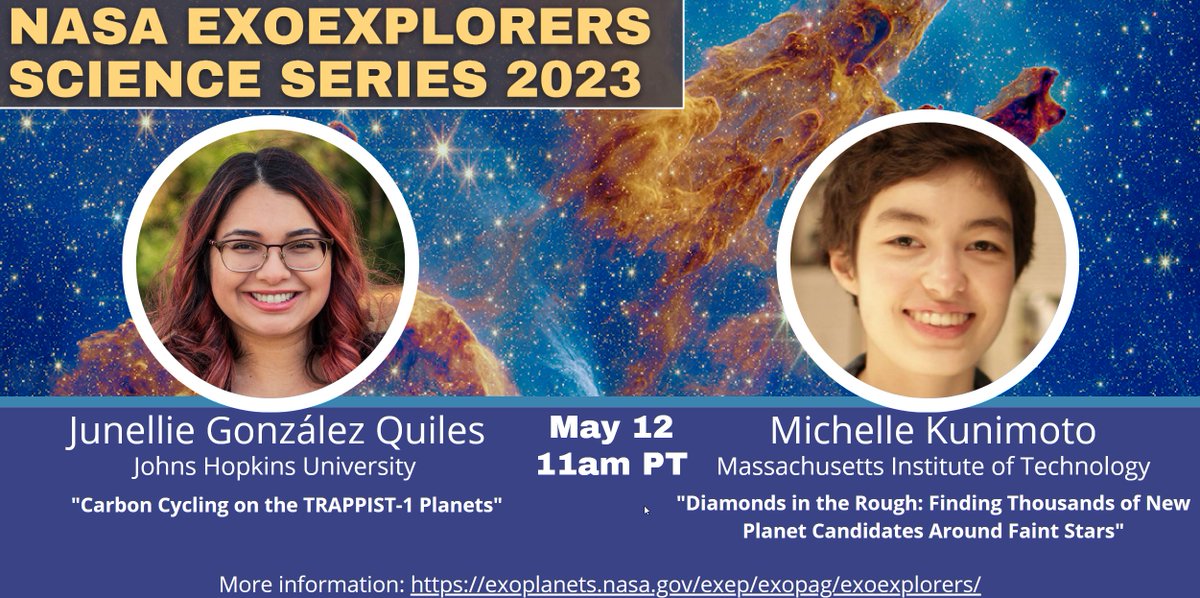
Don't miss the next #ExoExplorers Science Talks this Friday, May 12 at 11am PDT! <a href="/MITKavli/">MITKavli</a>'s <a href="/astro_mkuni/">Michelle Kunimoto</a> discusses a more automated solution for finding TOIs in TESS data, followed by <a href="/JunellieG/">Junellie Perez</a> of <a href="/JHUEPS/">JHU Earth & Planetary Sciences</a> on carbon cycling on the #TRAPPIST-1 planets. 
exoplanets.nasa.gov/exep/exopag/ex…
NASA Exoplanets (@nasaexoplanets) 's Twitter Profile Photo

A distant planet outside our solar system – and unlike anything in it – gets a look by NASA Webb Telescope. It’s the closest look yet at the mysterious world, a “mini-Neptune” that was largely impenetrable to previous observations! go.nasa.gov/42IoS2V
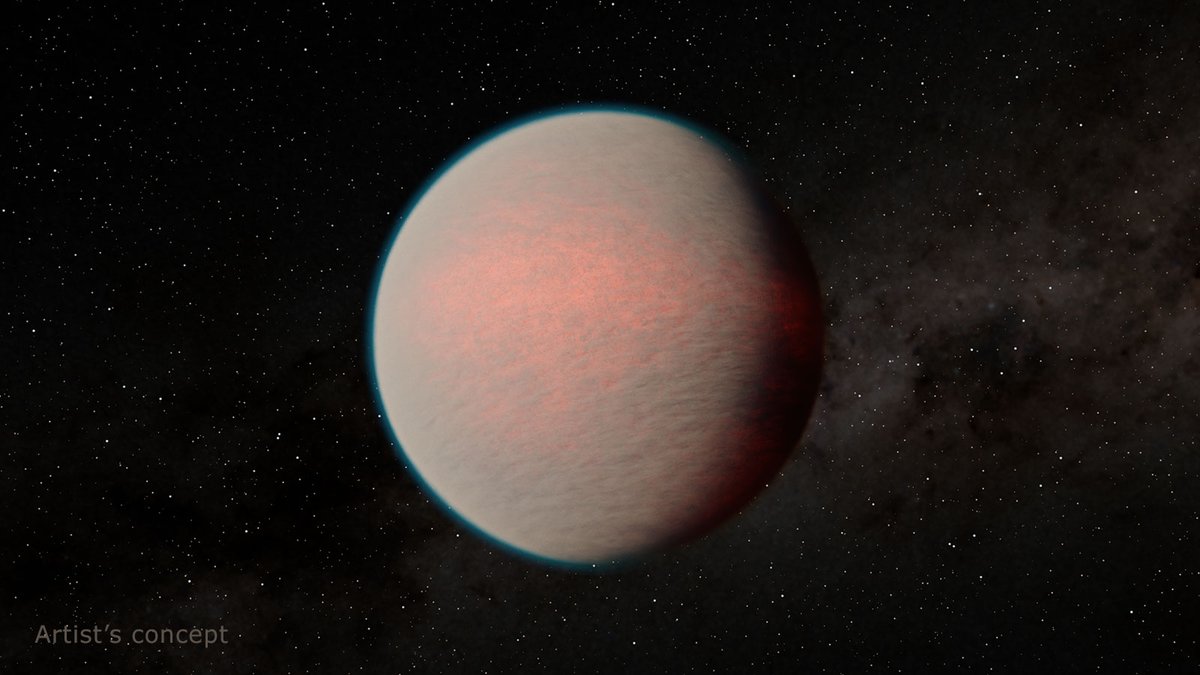
A distant planet outside our solar system – and unlike anything in it – gets a look by <a href="/NASAWebb/">NASA Webb Telescope</a>. It’s the closest look yet at the mysterious world, a “mini-Neptune” that was largely impenetrable to previous observations! go.nasa.gov/42IoS2V
NASA Exoplanets (@nasaexoplanets) 's Twitter Profile Photo

A blip in brightness & a world's demise Astronomers saw a flash in a sky survey, and found it again in infrared: the first direct observation of a star devouring a planet. Our Sun, and perhaps our planet, will face a similar fate in 5 billion years. go.nasa.gov/42fREYs

A blip in brightness &amp; a world's demise  
Astronomers saw a flash in a sky survey, and found it again in infrared: the first direct observation of a star devouring a planet. Our Sun, and perhaps our planet, will face a similar fate in 5 billion years. go.nasa.gov/42fREYs
NASA Exoplanets (@nasaexoplanets) 's Twitter Profile Photo

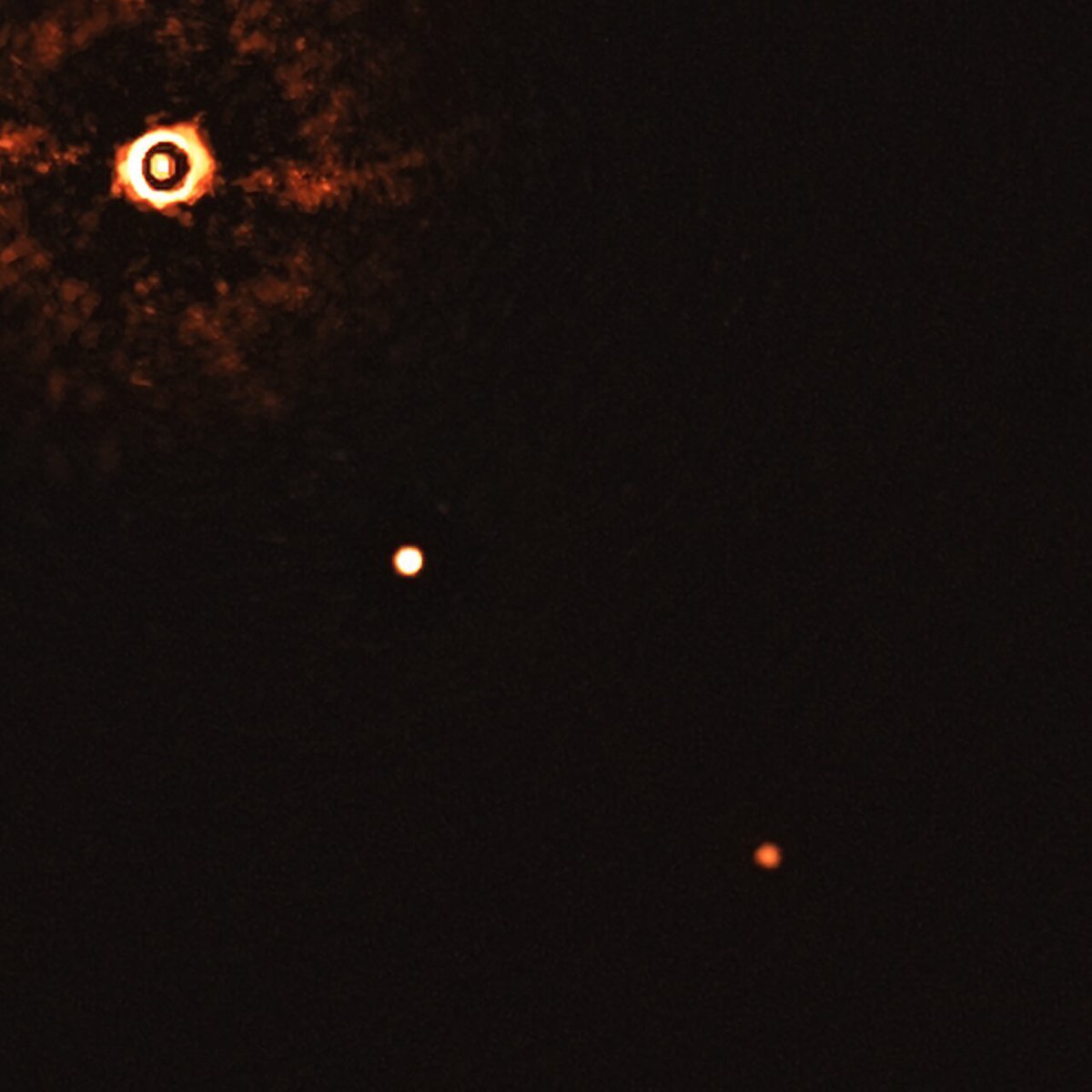
300 light-years from Earth, two planets still glowing from formation 17 million years ago, were directly imaged. We can't see exoplanets beyond a few pixels of light because of the distances. But what glorious light! (Seen with the star, at upper left.) go.nasa.gov/41wPxin

300 light-years from Earth, two planets still glowing from formation 17 million years ago, were directly imaged. We can't see exoplanets beyond a few pixels of light because of the distances. But what glorious light! (Seen with the star, at upper left.) go.nasa.gov/41wPxin
NASA Exoplanets (@nasaexoplanets) 's Twitter Profile Photo

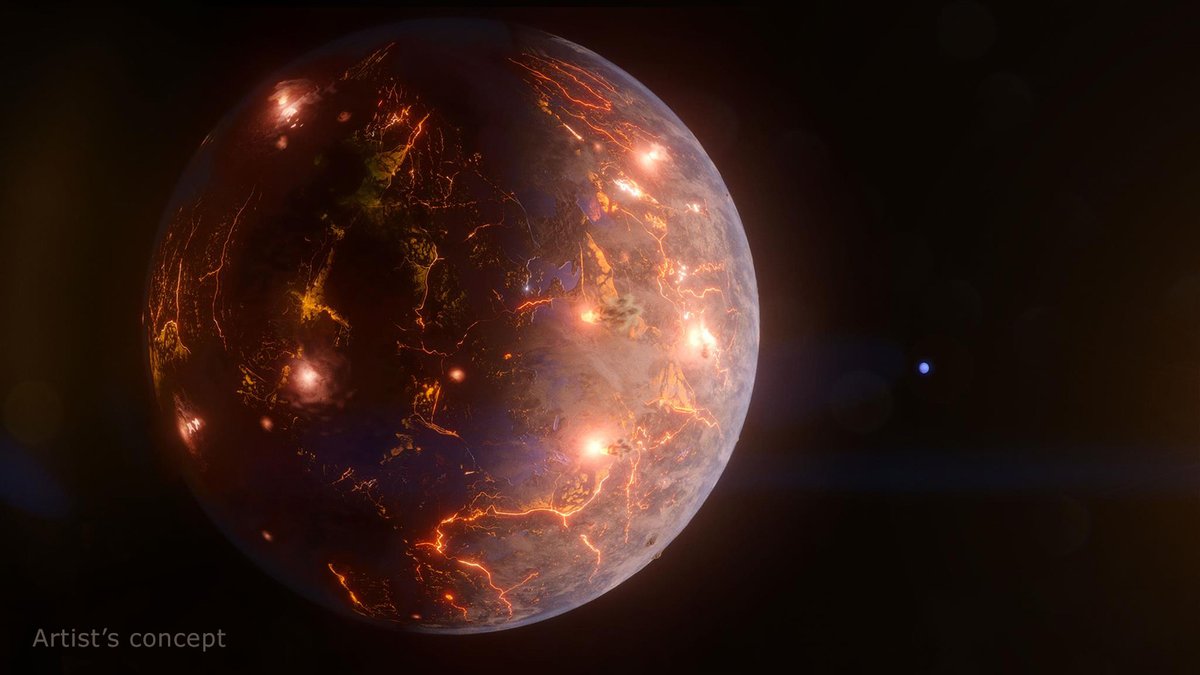
Earth-size exoplanet LP 791-18 d may have volcanic outbursts as often as Jupiter’s moon Io, the most volcanically active body in our solar system! That activity could help the planet maintain an atmosphere.

NExScI: Exoplanet Science Institute Caltech IPAC (@nexsci_ipac) 's Twitter Profile Photo

72 New Planets, Including a World Covered in Volcanoes 🌋🌋🌋 We've added LP 791-18 d, a newly discovered world that may be as volcanically active as Jupiter's moon Io, and a new #JWST emission spectrum for GJ 1214 b. exoplanetarchive.ipac.caltech.edu

72 New Planets, Including a World Covered in Volcanoes 🌋🌋🌋

We've added LP 791-18 d, a newly discovered world that may be as volcanically active as Jupiter's moon Io, and a new #JWST emission spectrum for GJ 1214 b. exoplanetarchive.ipac.caltech.edu