NYU Psychology
@nyupsych
Research, news, & ideas from the New York University Department of Psychology
ID: 1650489126
http://www.psych.nyu.edu 06-08-2013 14:54:32
4,4K Tweet
4,4K Takipçi
96 Takip Edilen

New research led by Alexandra Wormley suggests that using a Bifactor model can improve moral foundations theory. This model accounts for two kinds of items in the Moral Foundations Questionnaire: judgment and relevance. Read more in #PSPB: ow.ly/zKPC50PAQyt


Are we basically selfish or generous ? Here's a link directly to the study that is the subject of my latest in the WSJ, fascinating research where people across multiple countries got 10,000.00 each. They spent much of it on others, including strangers. journals.sagepub.com/doi/pdf/10.117…
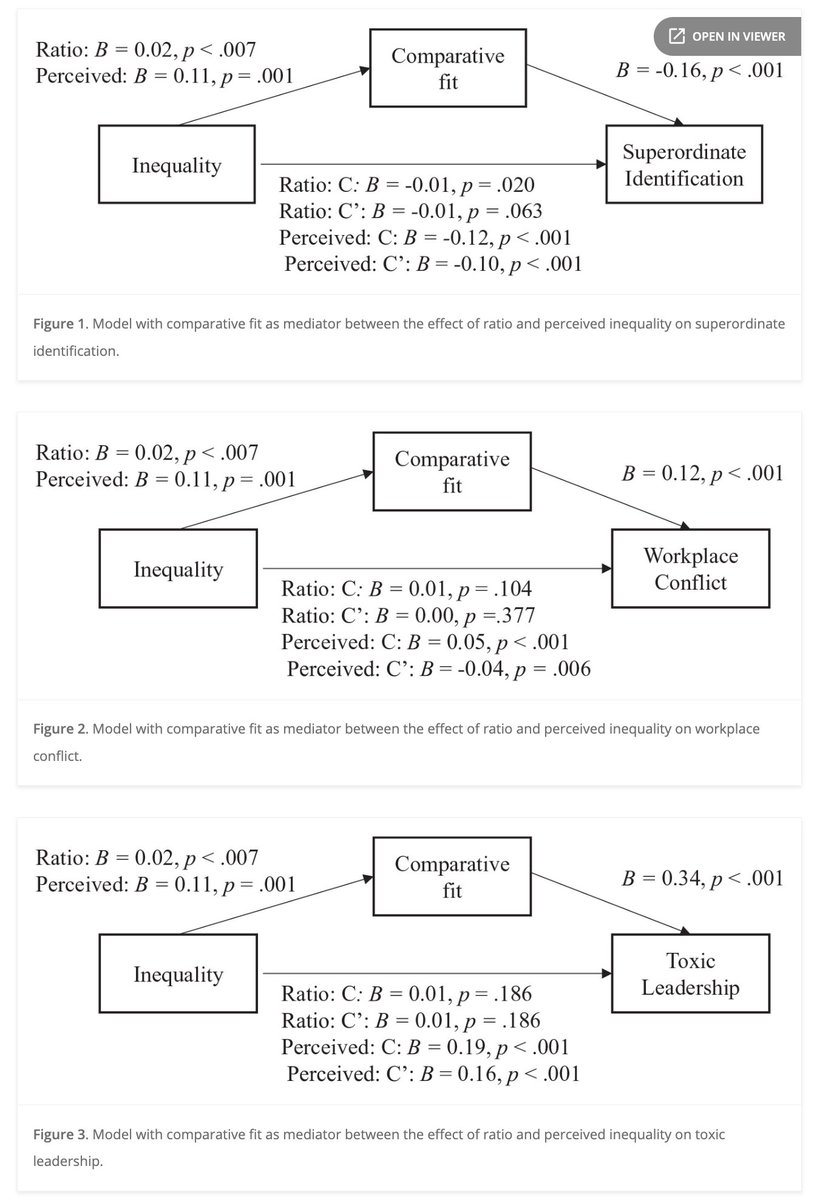
Lovely interview with the amazing @rach_lesh time.com/6308910/kids-b… about our recent work on how kids think about structural inequality. Thank you Janell Ross!
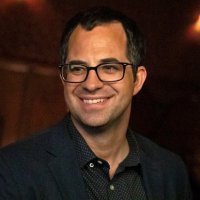
TOMORROW (Tuesday) at 4 PM: Growing Up in Science (NYU but public) with Kenway Louie Kenway Louie. Register on growingupinscience.org. Kenway's unofficial stories are here: cns.nyu.edu/events/growing…

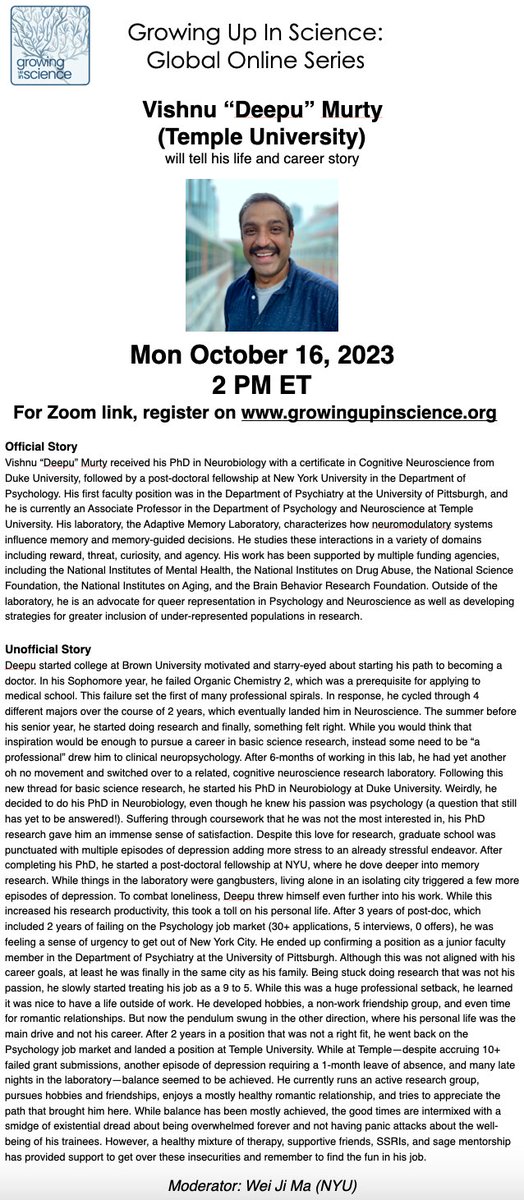
MONDAY at 2 PM: Growing up in Science Global, with Deepu Murty Vishnu Murty. Online only. Register and read unofficial stories on growingupinscience.org.
I’m recruiting PhD students to help launch the Exploration, Learning, and Mind Lab at University of New Hampshire Psych in Fall 2024! Check out our lab website at liquinlab.github.io for more info, and feel free to get in touch if you’re interested in applying!
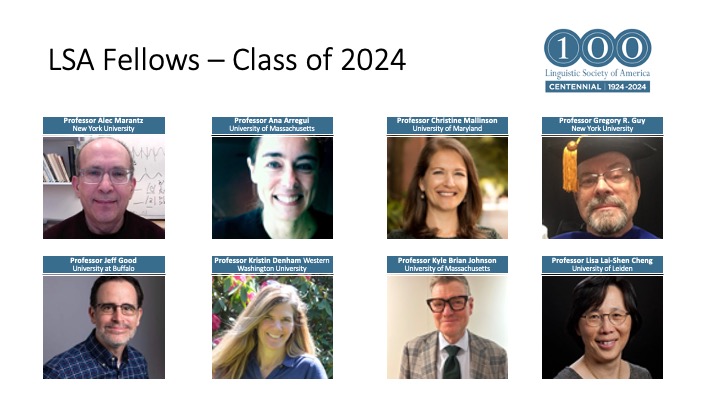
Congratulations to Dr. Alec Marantz (Alec Marantz) who was inducted as a Fellow of the Linguistics Society of America at its 100th anniversary meeting. The organization of the LSA in the US 100 years ago marks the recognition of Linguistics as an independent field of study.
Congratulations to Dr. Emily Balcetis Emily Balcetis who was just awarded an Arts and Science Teaching Innovation Award. This award recognizes new collaborative learning approaches that Emily has implemented in her Research Methods in Social and Personality Psychology class.

An exciting idea in cognitive neuroscience is the brain approximates the Bayesian computations. Is it enough to ask if we follow Bayesian? Our new paper PLOS Comp Biol developed a novel measure to examine patterned deviations from Bayesian Decision Theory journals.plos.org/ploscompbiol/a…