Friends of North Wirral Coastal Park (@nwirralcoastpk) 's Twitter Profile
Friends of North Wirral Coastal Park

@nwirralcoastpk

Assisting with management of North Wirral Coastal Park, including the Gunsite Picnic Area, Leasowe Lighthouse. Volunteer task days every Tuesday at 10 am.

ID: 993080811682443267

linkhttps://www.facebook.com/The-friends-of-north-wirral-coastal-park-139267539450303/ calendar_today06-05-2018 10:51:30

1,1K Tweet

455 Followers

237 Following
Friends of North Wirral Coastal Park (@nwirralcoastpk) 's Twitter Profile Photo

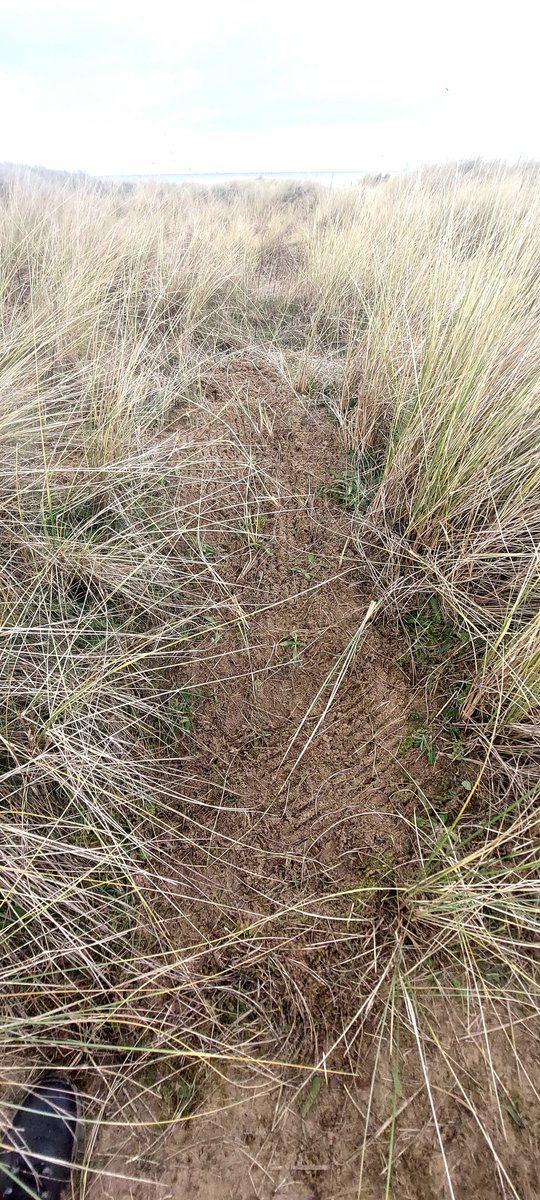
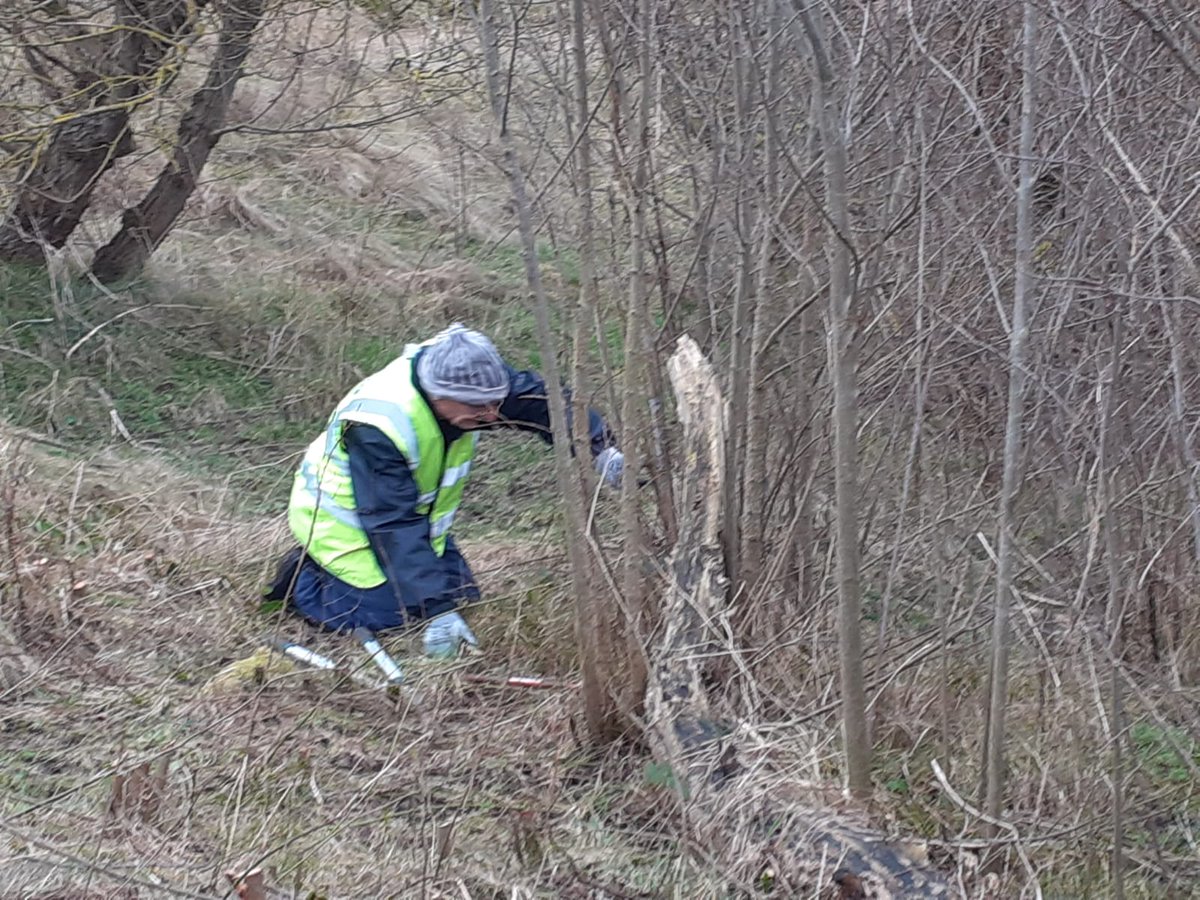
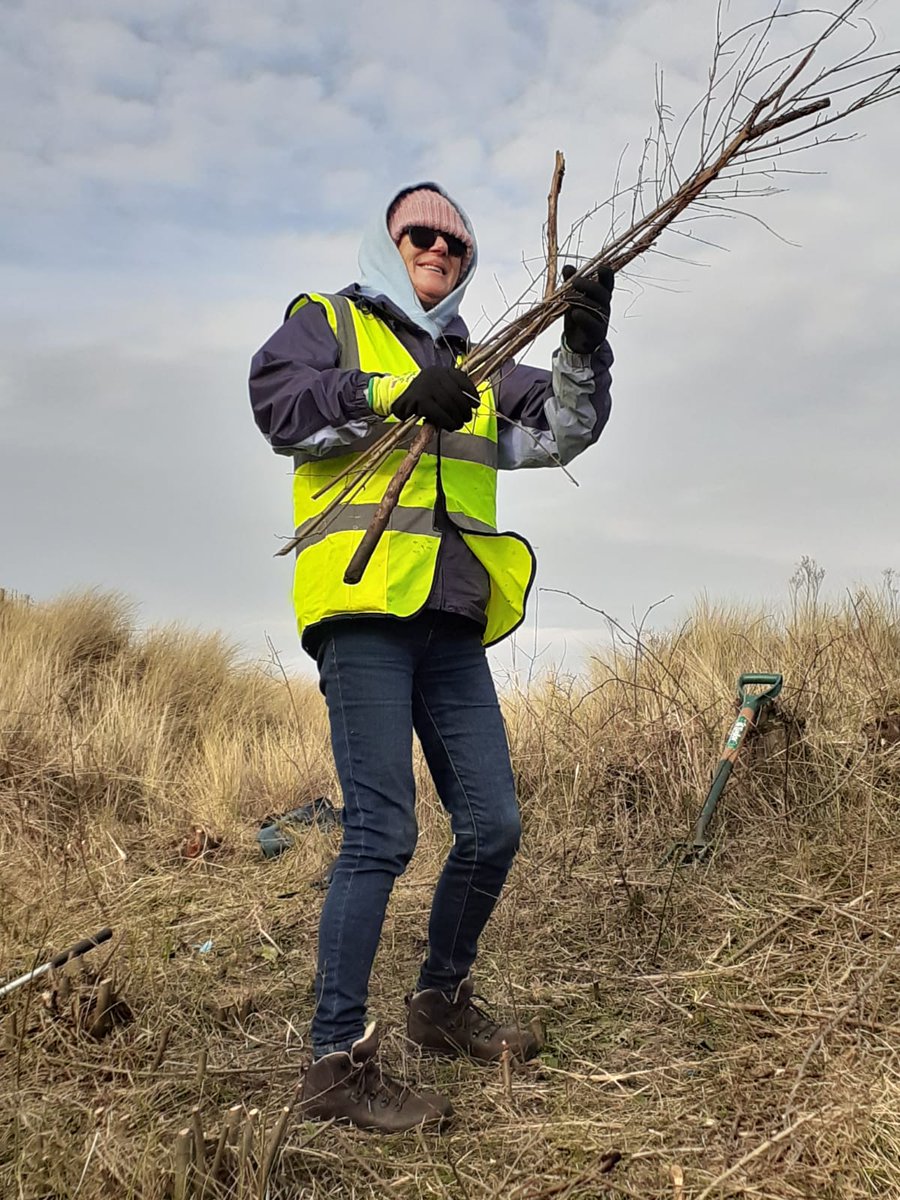
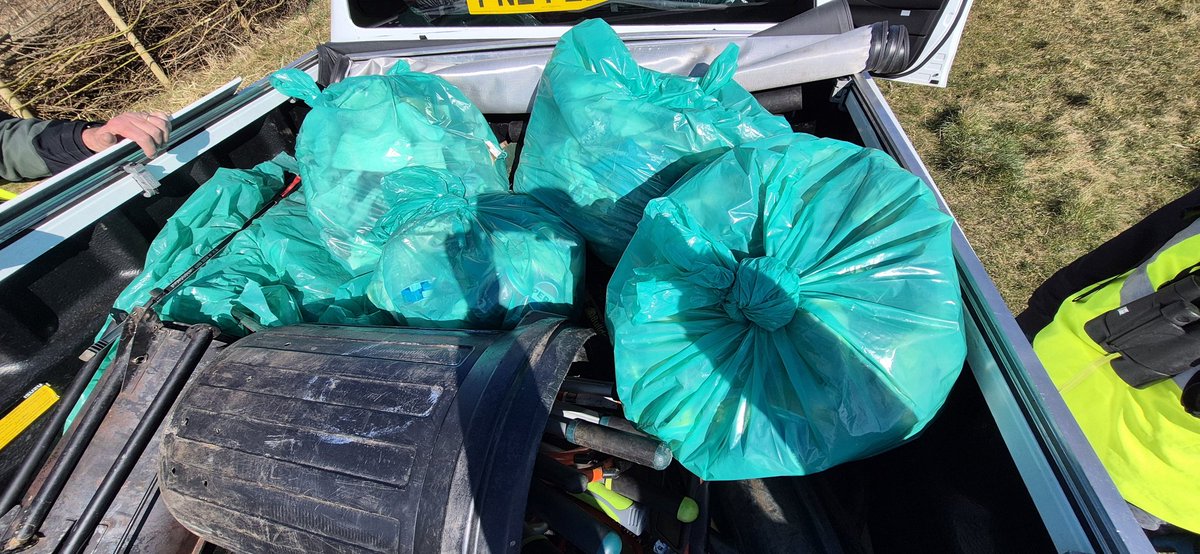
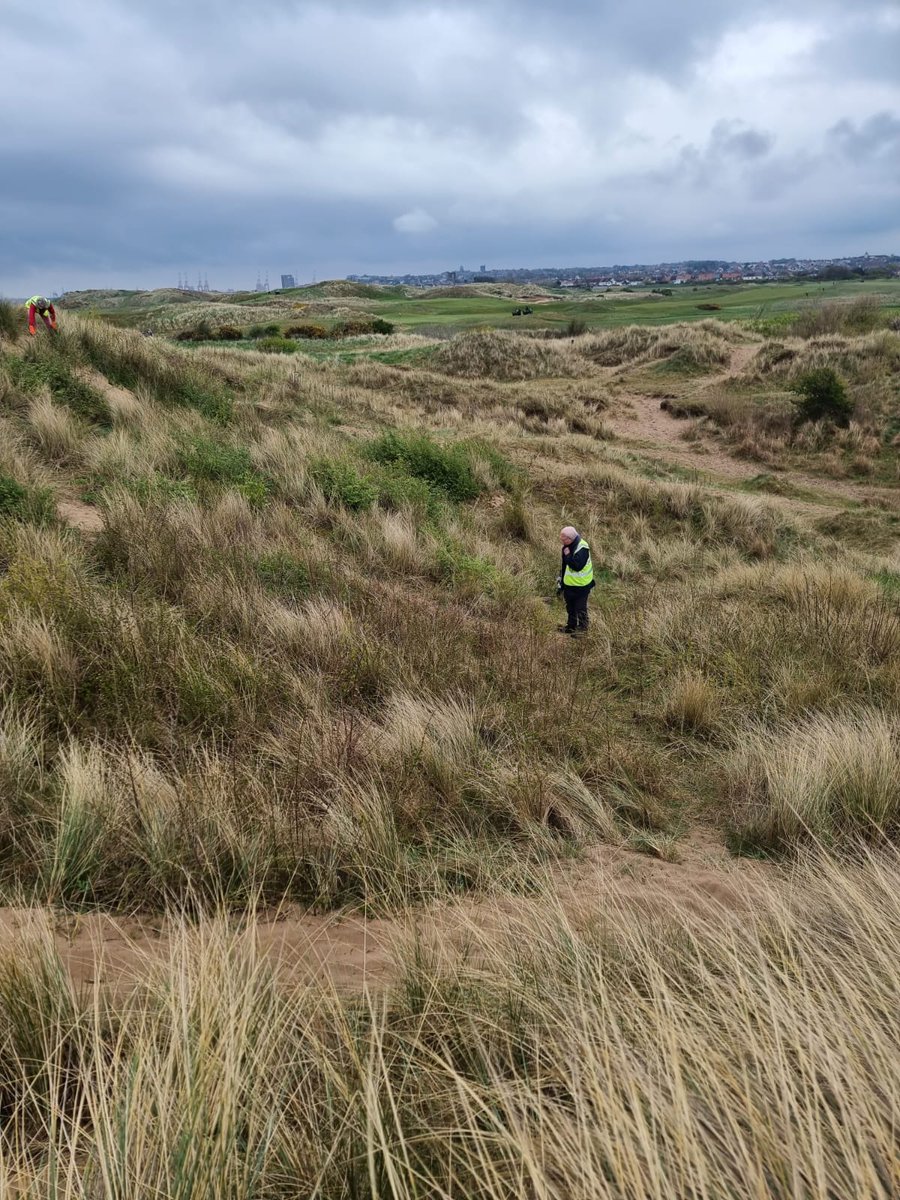
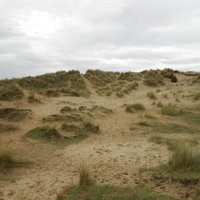
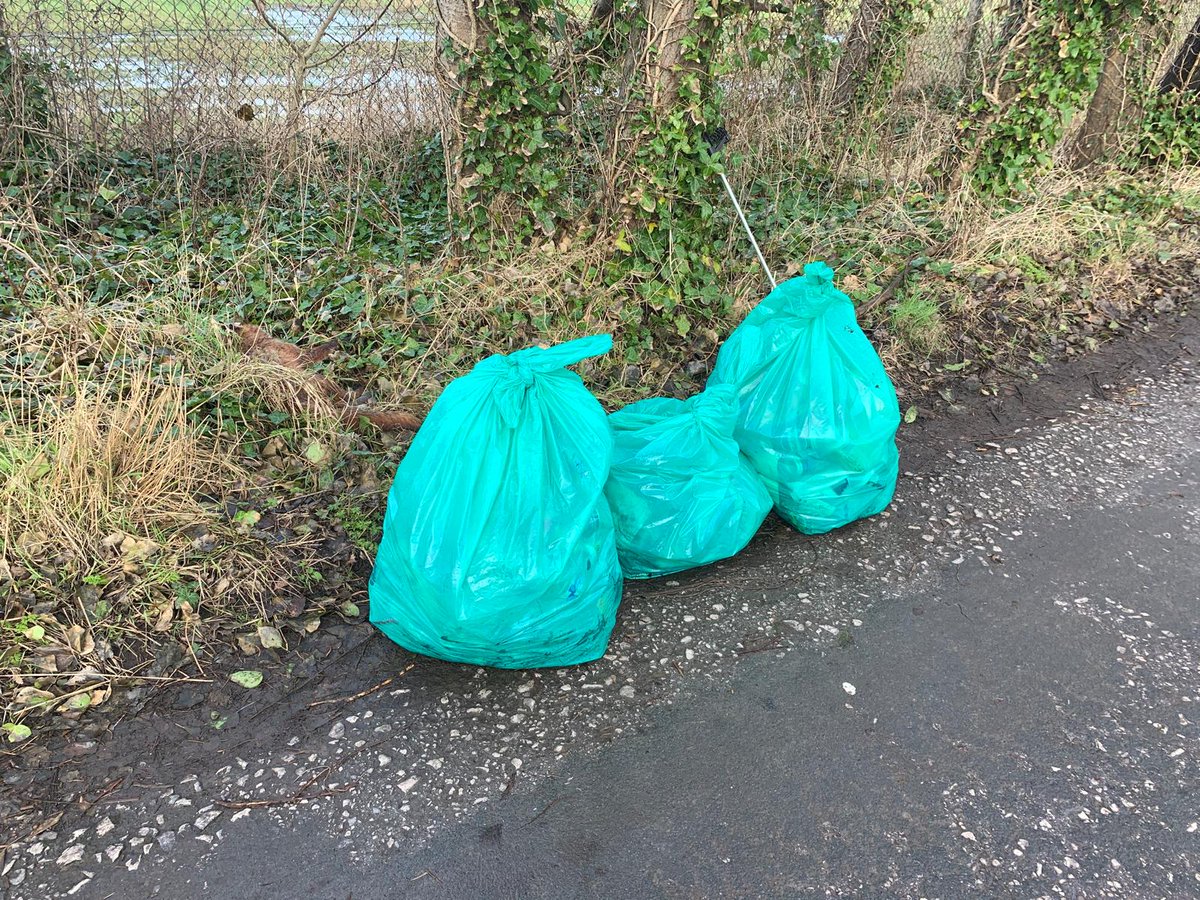
A few photos from today's tasks. Mainly continuing from last week preparing habitat on a south facing dune and cutting back fallen elms and other branches which were meeting the dunes and rooting. Three more bags of litter were also collected!

A few photos from today's tasks. Mainly continuing from last week preparing habitat on a south facing dune and cutting back fallen elms and other branches which were meeting the dunes and rooting. Three more bags of litter were also collected!
Friends of North Wirral Coastal Park (@nwirralcoastpk) 's Twitter Profile Photo

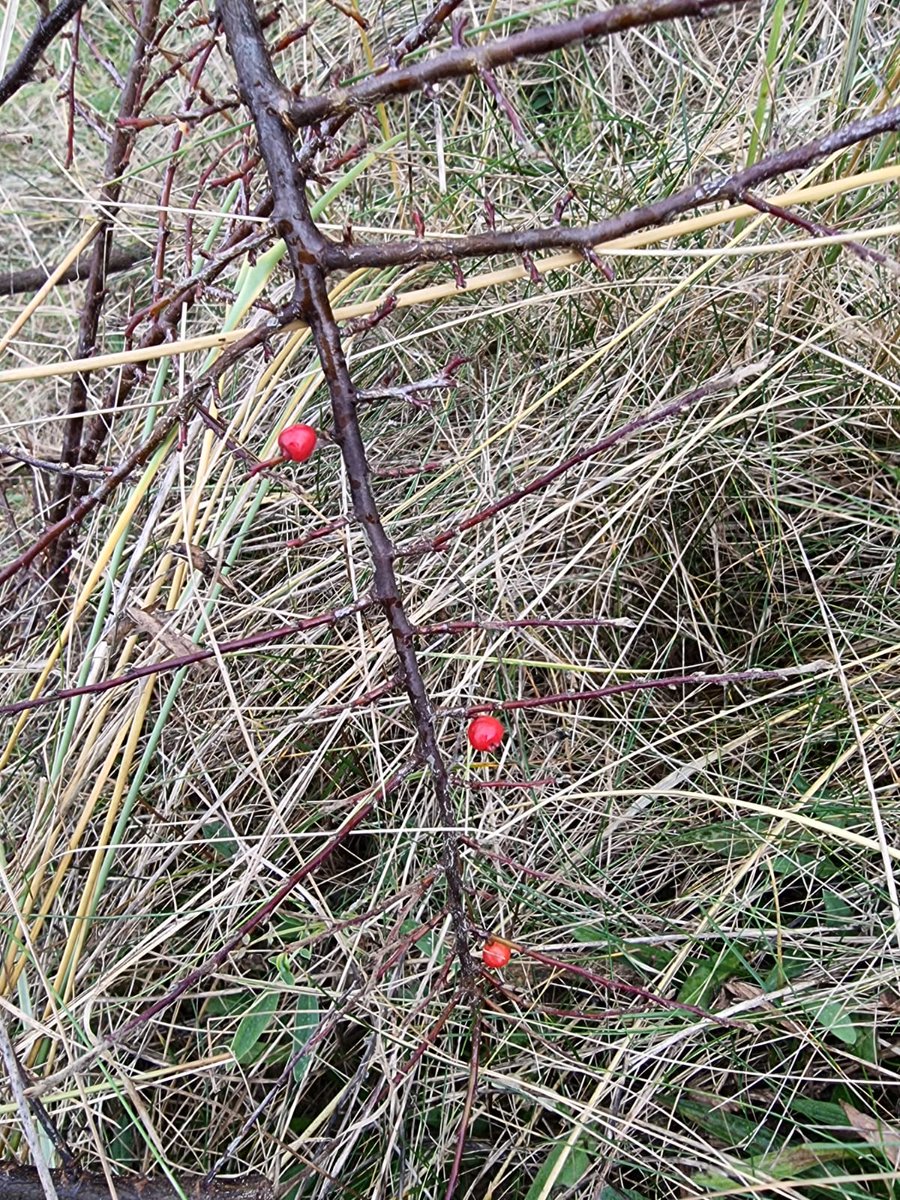
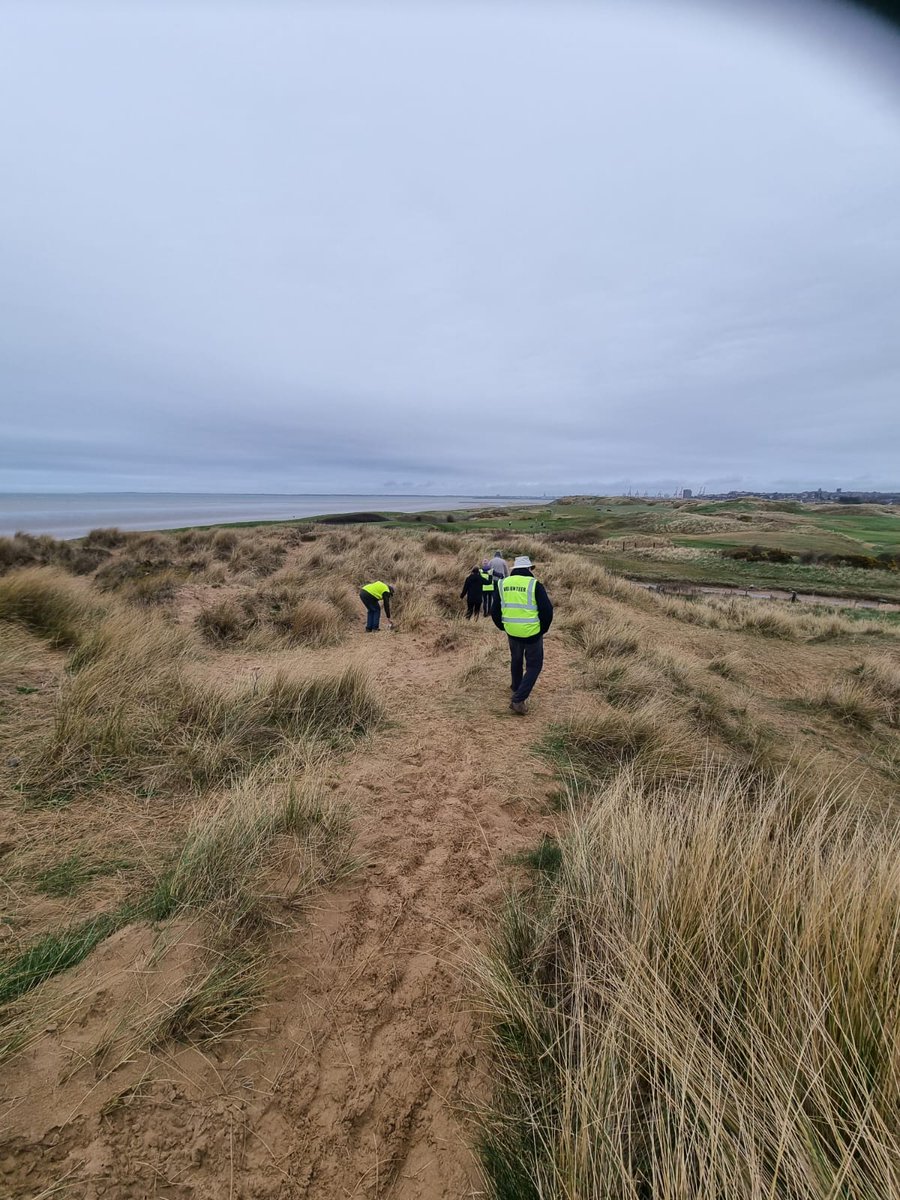
Back to Gunsites today, dodging the rain to continue work on the dunes by cutting back the encroaching Elm, Willow and Dog Rose. The cleared patches of sand will improve habitat for insects, reptiles and butterflies.

Back to Gunsites today, dodging the rain to continue work on the dunes by cutting back the encroaching Elm, Willow and Dog Rose. The cleared patches of sand will improve habitat for insects, reptiles and butterflies.
Friends of North Wirral Coastal Park (@nwirralcoastpk) 's Twitter Profile Photo

Another successful, albeit chilly day yesterday, working on the South facing dunes at the Gunsite, cutting down invasive scrub elm and making more sandy basking patches for butterflies, lizards and mining bees.

Another successful, albeit chilly day yesterday, working on the South facing dunes at the Gunsite, cutting down invasive scrub elm and making more sandy basking patches for butterflies, lizards and mining bees.
Friends of North Wirral Coastal Park (@nwirralcoastpk) 's Twitter Profile Photo

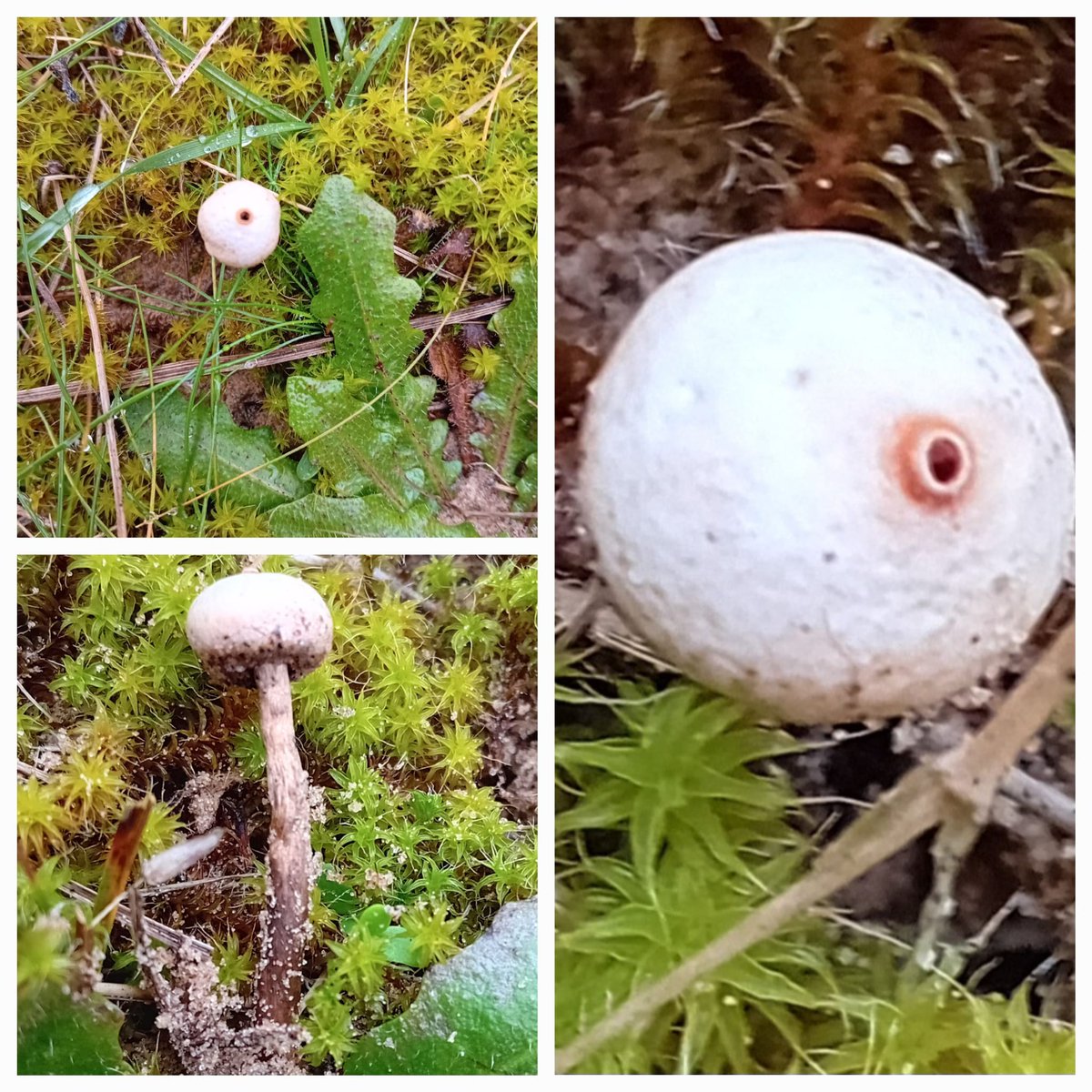
Fascinating little fungus found growing in the moss and short grass on the dune slope. The Winter Stalkball (Tulostoma brumale). You can clearly see the spore release hole on top of the spore sac. Common in coastal sandy areas, it is another good record for the Gunsite dunes.

Fascinating little fungus found growing in the moss and short grass on the dune slope. 
The Winter Stalkball (Tulostoma brumale).  You can clearly see the spore release hole on top of the spore sac.
Common in coastal sandy areas, it is another good record for the Gunsite dunes.
Friends of North Wirral Coastal Park (@nwirralcoastpk) 's Twitter Profile Photo

In spite of the biting cold, the team wrapped up warm to continue work on the dunes, to coppice invasive scrub elm, and clearing sandy basking patches for reptiles and butterflies. We were spoiled with a hot cuppa which went down well, and much appreciated on such a cold day!

In spite of the biting cold, the team wrapped up warm to continue work on the dunes, to coppice invasive scrub elm, and clearing sandy basking patches for reptiles and butterflies. We were spoiled with a hot cuppa which went down well, and much appreciated on such a cold day!
Friends of North Wirral Coastal Park (@nwirralcoastpk) 's Twitter Profile Photo

Glorious sunshine for todays task at Gunsites. We continued to work on the dunes to litter pick, coppice and remove invasive scrub, ready for raking and exposing sunny South facing, sandy areas for reptile and insect species.

Glorious sunshine for todays task at Gunsites. We continued to work on the dunes to litter pick, coppice and remove invasive scrub, ready for raking and exposing sunny South facing, sandy areas for reptile and insect species.
Friends of North Wirral Coastal Park (@nwirralcoastpk) 's Twitter Profile Photo

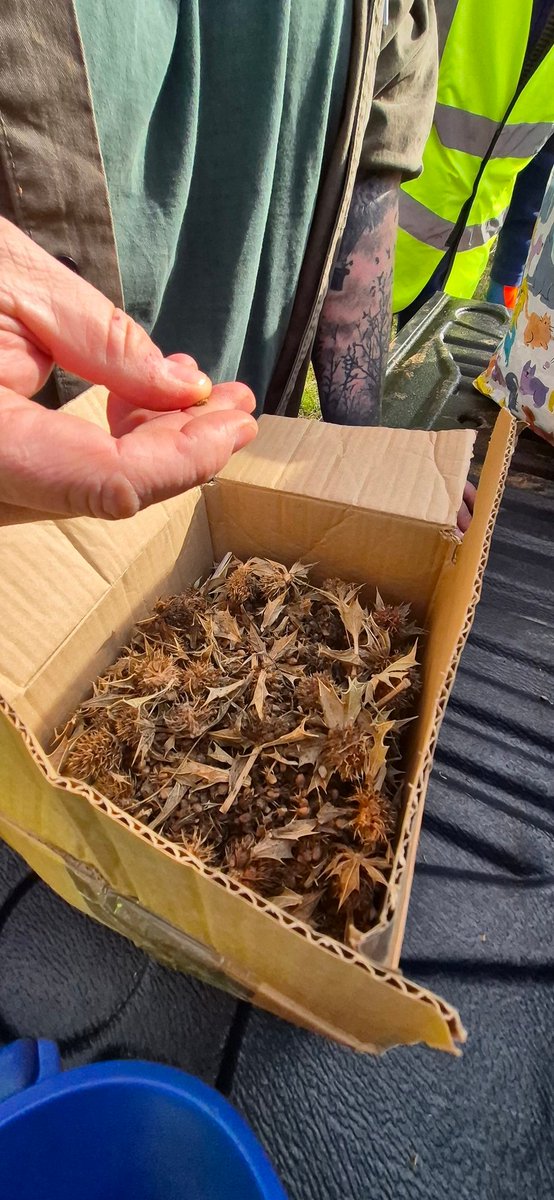
Another day with blue skies and warm sunshine. We split into 2 teams, one continuing dune management and the second improving plant and insect diversity by dispersing harvested Sea Holly seeds around the new butterfly tract. Also a big thankyou to Colin for his litterpicking!

Another day with blue skies and warm sunshine. We split into 2 teams, one continuing dune management and the second improving plant and insect diversity by dispersing harvested Sea Holly seeds around the new butterfly tract. Also a big thankyou to Colin for his litterpicking!
Friends of North Wirral Coastal Park (@nwirralcoastpk) 's Twitter Profile Photo

After several weeks clearing invasive Elm from the dunes to improve habitat for reptiles and insects, phase 2 began today, to use the cuttings to install a habitat fence along the divide between the meadow and the dune area. Another beautiful day, with excellent refreshments!

After several weeks clearing invasive Elm from the dunes to improve habitat for reptiles and insects, phase 2 began today, to use the cuttings to install a habitat fence along the divide between the meadow and the dune area. Another beautiful day, with excellent refreshments!
Friends of North Wirral Coastal Park (@nwirralcoastpk) 's Twitter Profile Photo

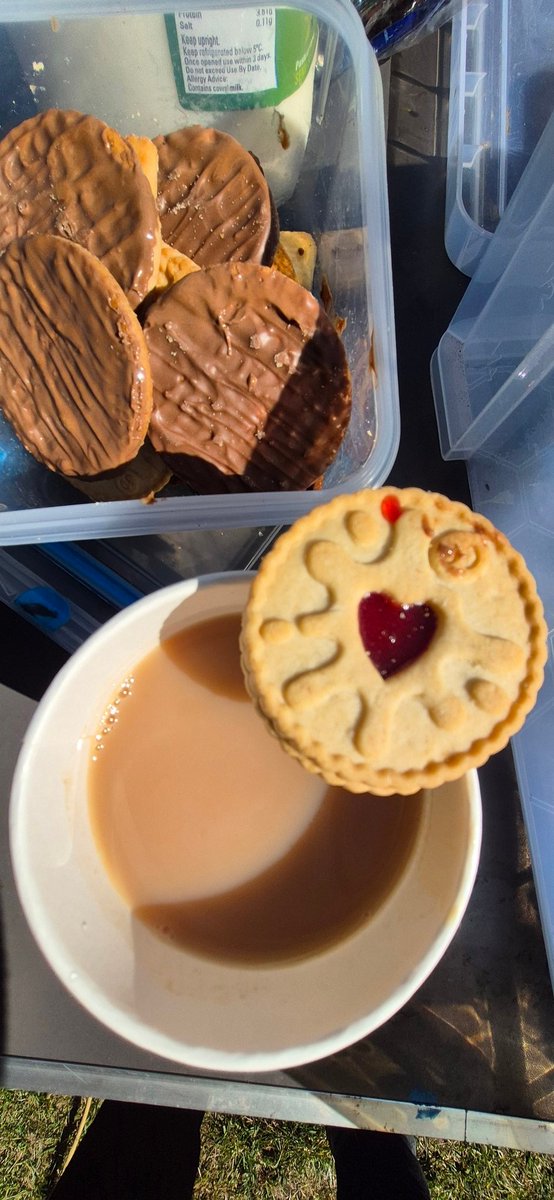
We really have been spoiled with some gorgeous weather over the past few weeks. Today the team continued on the Wildlife Hedge, weaving in willow to help stabilize the cuttings, and undertook a huge litter pick along GreenLane. Hot drinks and biscuits were greatly appreciated!

We really have been spoiled with some gorgeous weather over the past few weeks.  Today the team continued on the Wildlife Hedge, weaving in willow to help stabilize the cuttings, and undertook a huge litter pick along GreenLane. Hot drinks and biscuits were greatly appreciated!
Friends of North Wirral Coastal Park (@nwirralcoastpk) 's Twitter Profile Photo

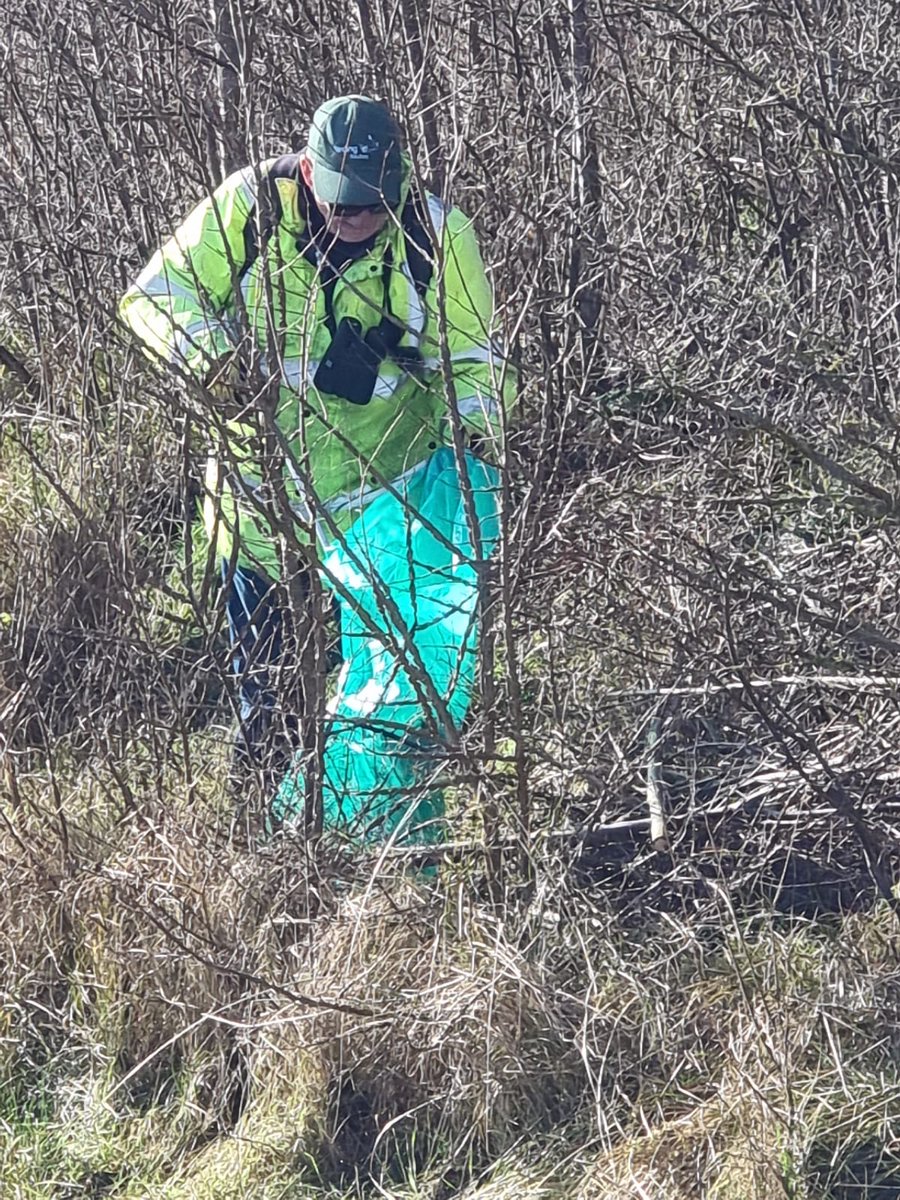
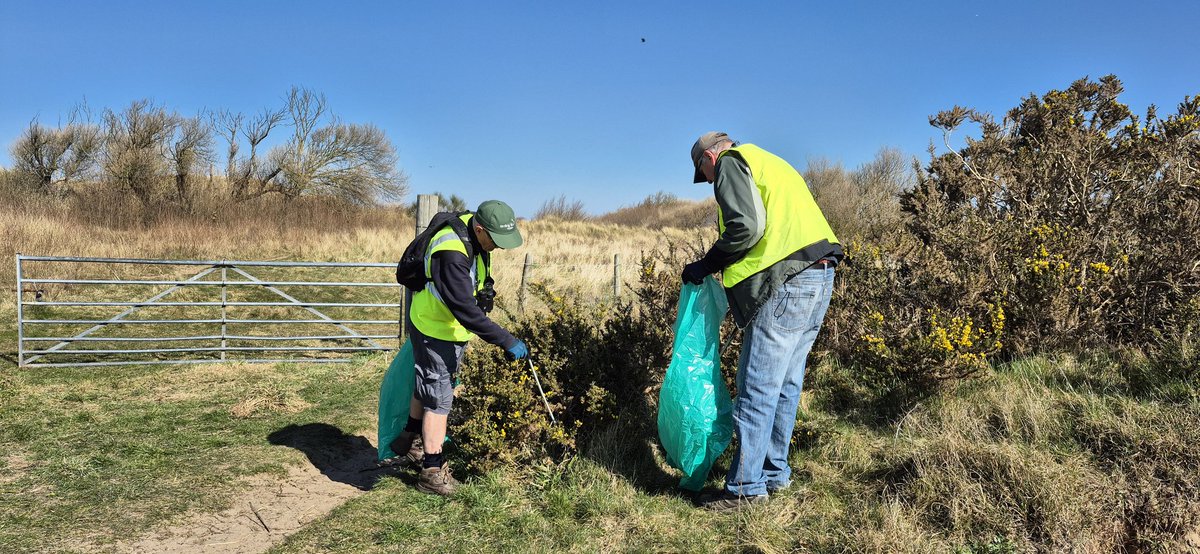
A whopping 5 bags of litter were collected by the team today at Gunsites, working along Green Lane, around the Car Park area and either side of the road towards the Embankment.

A whopping 5 bags of litter were collected by the team today at Gunsites, working along Green Lane, around the Car Park area and either side of the road towards the Embankment.
Friends of North Wirral Coastal Park (@nwirralcoastpk) 's Twitter Profile Photo

This week's task saw us meeting to discuss and walk the new Butterfly transect on the dunes, to monitor Grayling. Graylings are in decline in other North Western coastal areas, so we are excited that the species is present here in North Wirral!

This week's task saw us meeting to discuss and walk the new Butterfly transect on the dunes, to monitor Grayling.  Graylings are in decline in other North Western coastal areas, so we are excited that the species is present here in North Wirral!
Friends of North Wirral Coastal Park (@nwirralcoastpk) 's Twitter Profile Photo

Another warm sunny day at Gunsites, where the team continued to weave brash and willow into our dry hedge, in readiness for planting honeysuckle to attract pollinators and other wildlife. More litter collected to improve the coastal park that we love ❤️.

Another warm sunny day at Gunsites, where the team continued to weave brash and willow into our dry hedge, in readiness for planting honeysuckle to attract pollinators and other wildlife. More litter collected to improve the coastal park that we love ❤️.
Friends of North Wirral Coastal Park (@nwirralcoastpk) 's Twitter Profile Photo

It has been a busy couple of weeks at gunsites continuing to cut back elm brash around the copse in order to access dead trees to provide wood for posts and fences, and brash for the wildlife hedge. Lots of new skills learned!

Friends of North Wirral Coastal Park (@nwirralcoastpk) 's Twitter Profile Photo

This warm sunny weather has provided ideal conditions for the emergence of our rare Vernal Mining Bee (Colletes cunicularius) in the Meols and Gunsite dunes this year. Great to see these bees still thriving after having been first discovered in the Wallasey sandhills in 1855!!

This warm sunny weather has provided ideal conditions for the emergence of our rare Vernal Mining Bee (Colletes cunicularius) in the Meols and Gunsite dunes this  year. 
Great to see these bees still thriving after having been first discovered in the Wallasey  sandhills in 1855!!
Friends of North Wirral Coastal Park (@nwirralcoastpk) 's Twitter Profile Photo

Only a small team were available on site today, to commence the huge task of clearing brash on a slope near the intended butterfly transect. Lots more still to do!

Only a small team were available on site today, to commence the huge task of clearing brash on a slope near the intended butterfly transect.  Lots more still to do!
Friends of North Wirral Coastal Park (@nwirralcoastpk) 's Twitter Profile Photo

An early St. Mark's fly was spotted in the dunes this week, so called as they emerge around St. Mark's day April 25th! Also, several tiny Chrysalis snails under a piece of dead elm, only a few millimetres long. Always something of interest to see when we are elm bashing!

An early St. Mark's fly was spotted in the dunes this week, so called as they emerge around St. Mark's day April 25th!
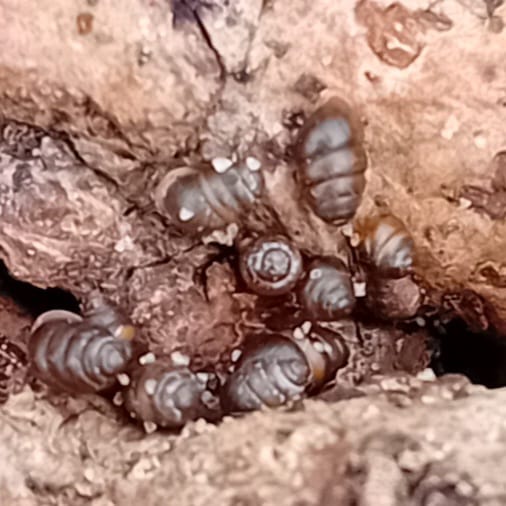
Also, several tiny Chrysalis snails under a piece of dead elm, only a few millimetres long. 
Always something of interest to see when we are elm bashing!
Wirral Amphibian & Reptile Group (WiARG) (@wirralarg) 's Twitter Profile Photo

On the back of the discovery of Natterjack singing on Hoylake beach, we stopped by to have a listen to the ongoing chorus (you might also hear other indigenous Hoylake wildlife, two young gents sat on bench with bottles of beer clinking).

Friends of North Wirral Coastal Park (@nwirralcoastpk) 's Twitter Profile Photo

Another sunny day at Gunsites today. The new Butterfly Transect was walked, but sadly no butterfly sightings. We carried on with some elm cutting and litter picking. While cutting elm, however, a Green Longhorn moth with long whitish antennae and iridescent wings was spotted.

Another sunny day at Gunsites today.  The new Butterfly Transect was walked,  but sadly no butterfly sightings.  We
carried on with some elm cutting and litter picking.
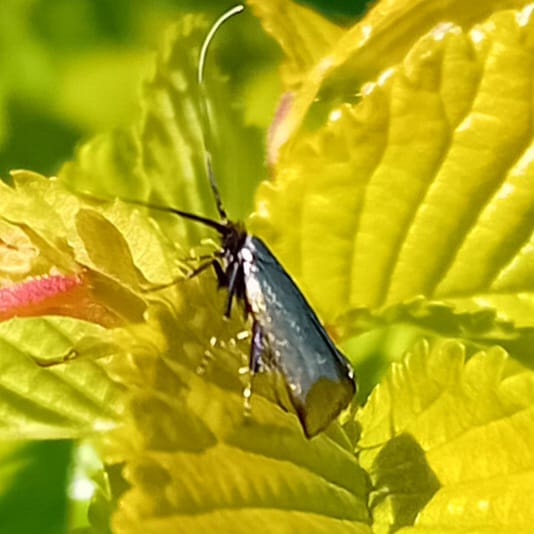
While cutting elm, however, a Green Longhorn moth with long whitish antennae and iridescent wings was spotted.