Lesley Mackenzie (@mackenz13lesley) 's Twitter Profile
Lesley Mackenzie

@mackenz13lesley

Passionate about patient safety, quality improvement & staff empowerment and a member of the Q Community. Views my own, retweet to share.

ID: 2444164456

calendar_today29-03-2014 09:44:52

322 Tweet

83 Followers

186 Following

Jono Broad (@qipatient) 's Twitter Profile Photo

A brilliant opportunity for people to apply for bursary places for the Patient Safety Congress & Awards this year. I really encourage fellow patient leaders with an interest in patient safety to apply for these places. ♿️🏳️‍🌈Cristina Serrão she/her 🇪🇺🇵🇹🇸🇳🇬🇼 get the word out and apply yourself.

NHS Leadership Academy 💙 (@nhsleadership) 's Twitter Profile Photo

Are you looking to improve your #leadership and #management skills in health and social care? Our 6-month #MarySeacoleProgramme covering leadership fundamentals is ideal for first time leaders. Click here to find out more: ow.ly/s0x550JRsci

Are you looking to improve your #leadership and #management skills in health and social care? Our 6-month #MarySeacoleProgramme covering leadership fundamentals is ideal for first time leaders. Click here to find out more: ow.ly/s0x550JRsci
The QI Guy (@theqi_guy) 's Twitter Profile Photo

Change Management vs Continuous Improvement: Which is best for you? Via ⁦Vince Baxter⁩ #QITwitter blog.triaster.co.uk/blog/change-ma…

The QI Guy (@theqi_guy) 's Twitter Profile Photo

PDSA is a core tool used in change. Don’t just think it, ink it. Do you share your experiments with other teams? #QITwitter

PDSA is a core tool used in change. Don’t just think it, ink it. Do you share your experiments with other teams? #QITwitter
Helen Bevan (@helenbevan) 's Twitter Profile Photo

Large scale change is made up of many small scale changes. We never know if a change is going to work, so we have to try it out & amend it multiple times before it works. Small scale experimentation & learning is often the most powerful form of improvement. Graphic: Grant Snider


Large scale change is made up of many small scale changes. We never know if a change is going to work, so we have to try it out &amp; amend it multiple times before it works. Small scale experimentation &amp; learning is often the most powerful form of improvement. Graphic: <a href="/grantdraws/">Grant Snider</a>
Aklak Choudhury (@aklakc) 's Twitter Profile Photo

Are things getting better or worse? Have you ever tried putting your data on a run chart, so you can visualise it over time? A great way to spot 'special cause' variation Can you see any - Trends Shifts Astronomical Points 🚀 Unusual patterns Go on, have a go! Reply tweet👇

The Q community (@theqcommunity) 's Twitter Profile Photo

📣 Have you been thinking of applying to Q? Share ideas, enhance skills and collaborate with a community of over 4,000 people working to improve the safety and quality of health and care across the UK and Ireland. ✍️ Apply now: fal.cn/3qJTi

📣 Have you been thinking of applying to Q?

Share ideas, enhance skills and collaborate with a community of over 4,000 people working to improve the safety and quality of health and care across the UK and Ireland.

✍️ Apply now: fal.cn/3qJTi
Liberating Structures Scotland (@liberatingstru1) 's Twitter Profile Photo

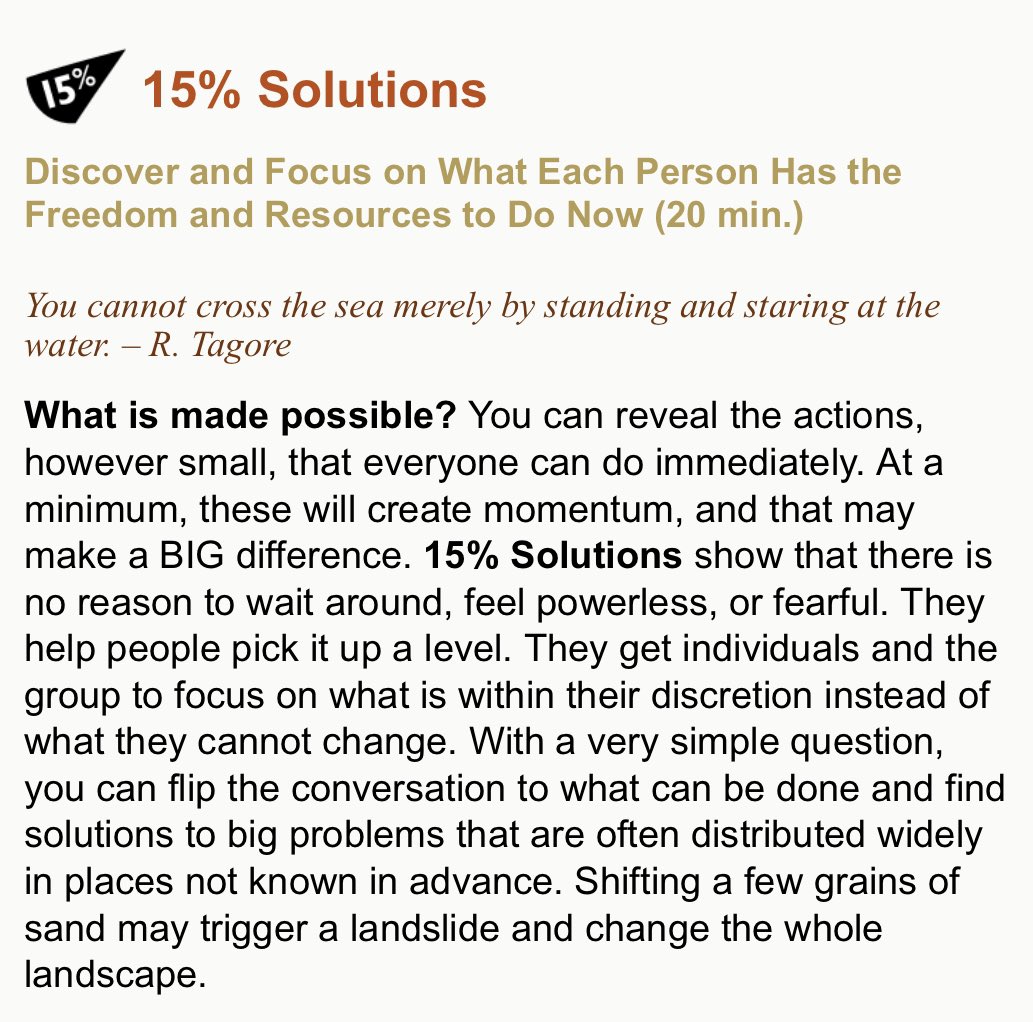
Making changes can often seem impossible. Where do you start? What difference can I make? Use 15% solutions to identify what is in your control. Read more below. #liberatingstructures #QITwitter liberatingstructures.com/7-15-solutions/

Making changes can often seem impossible. Where do you start? What difference can I make? Use 15% solutions to identify what is in your control. Read more below. #liberatingstructures #QITwitter 

liberatingstructures.com/7-15-solutions/
GHC Quality Improvement Hub (@ghcqihub) 's Twitter Profile Photo

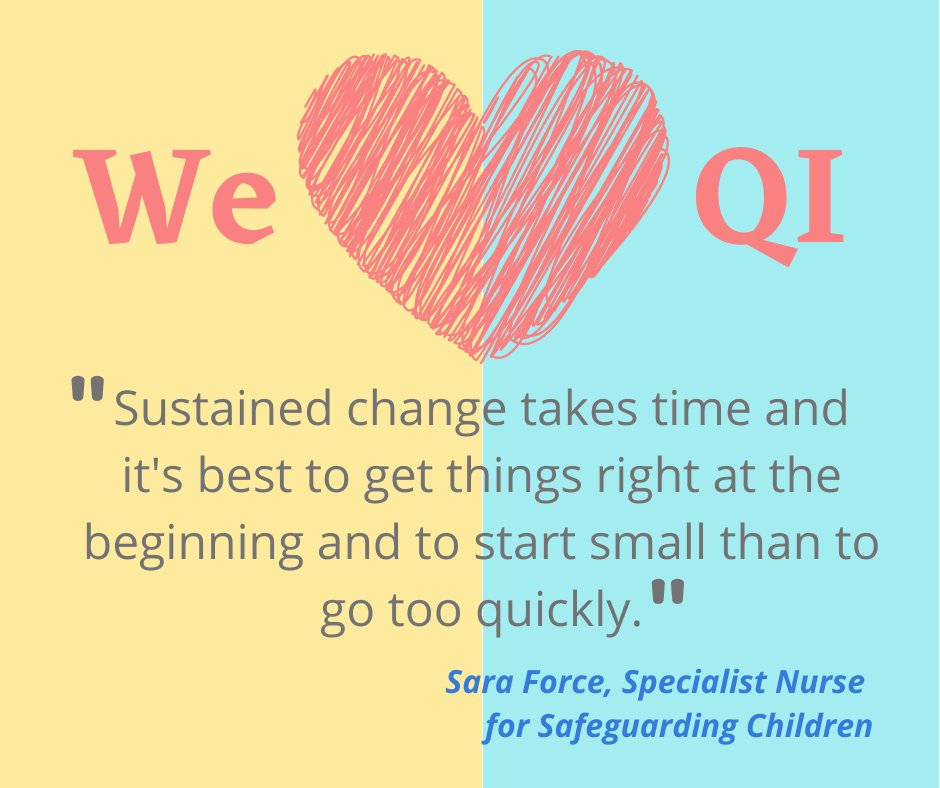
Fantastic quote from one of our Silver QI Cohort 1 participants .... QI takes time, but time spent engaging and involving the right stakeholders in fully understanding the problem and exploring possible change ideas is more likely to result in sustained change #QITwitter #GHCQI

Fantastic quote from one of our Silver QI Cohort 1 participants .... QI takes time, but time spent engaging and involving the right stakeholders in fully understanding the problem and exploring possible change ideas is more likely to result in sustained change #QITwitter #GHCQI
The QI Guy (@theqi_guy) 's Twitter Profile Photo

Determining the skills needed by frontline NHS staff to deliver quality improvement: findings from six case studies | BMJ Quality & Safety #QITwitter qualitysafety.bmj.com/content/31/6/4…

Connie Timmins (@connieptimmins) 's Twitter Profile Photo

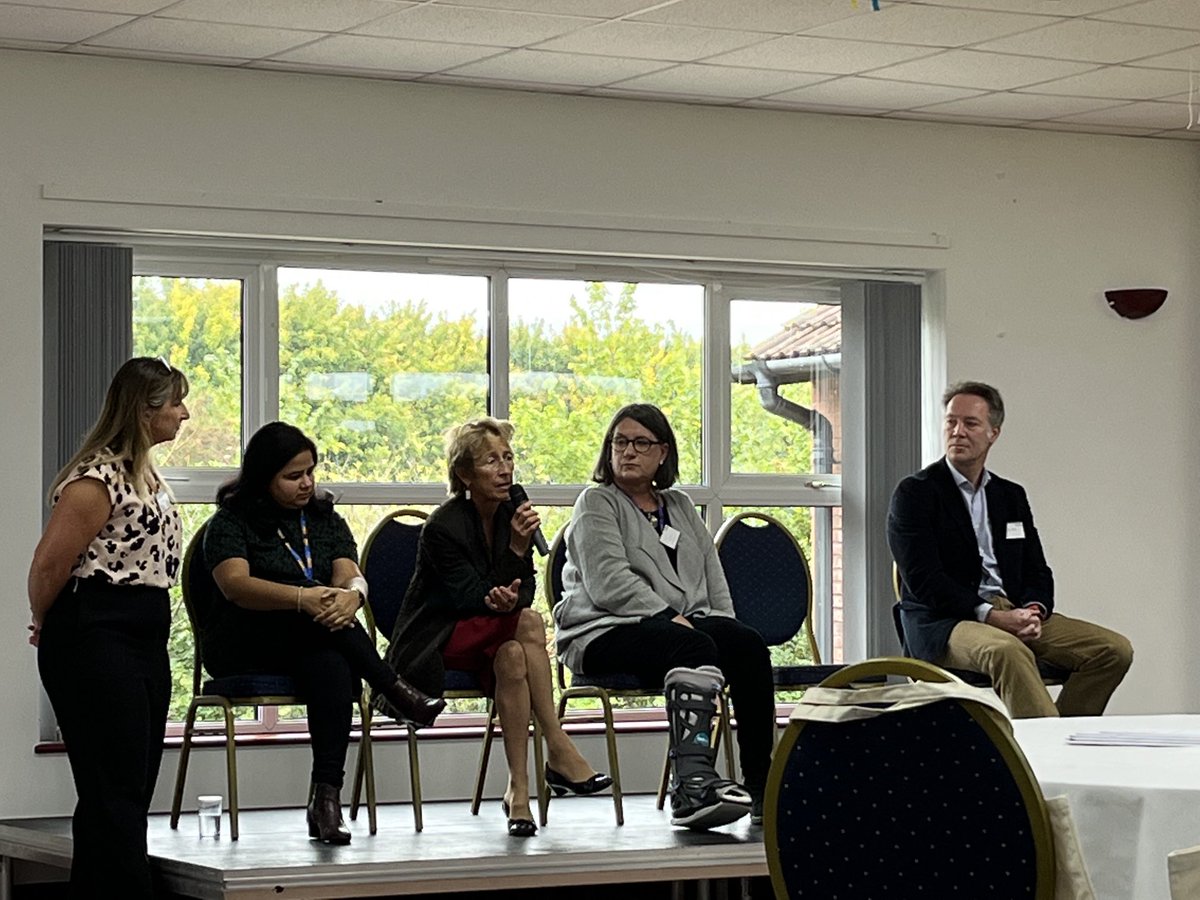
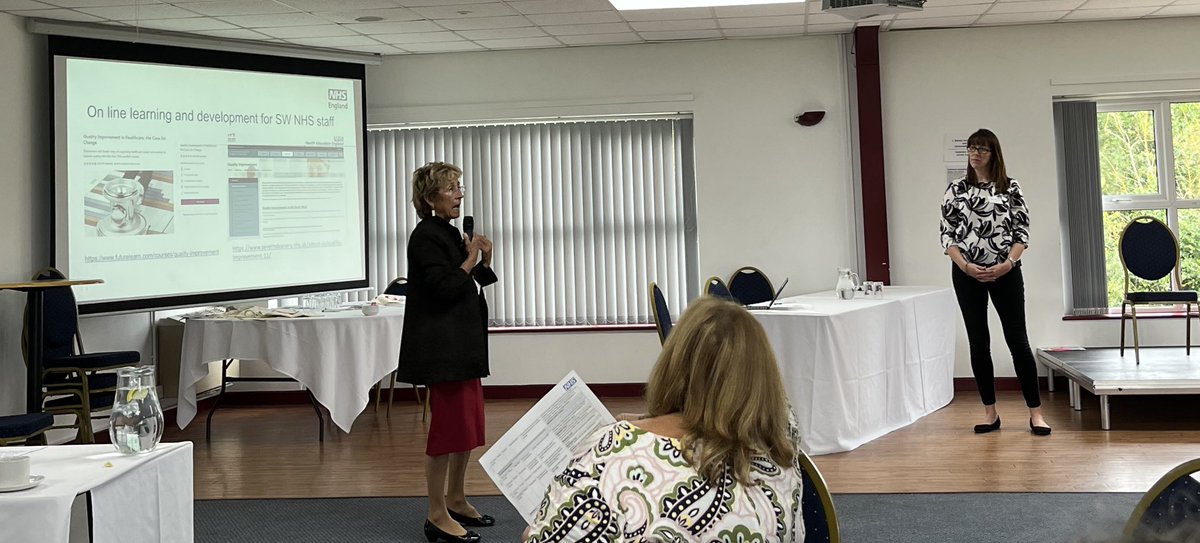
Great to be at the #SWIPCCollaborative today sharing the learning, celebrating success and working out what next! Great to be representing NHSBSWICB and presenting on #systemworking sharing how we have started our journey to #reducehcai in #bsw

Helen Bevan (@helenbevan) 's Twitter Profile Photo

Each of us can help create a culture of psychological safety: 1) Admit our own mistakes 2) Run lots of experiments to try out improvements 3) Make space to speak, be curious & say "I don't know" 4) Be patient - psychological safety takes time/effort/persistence. By Tom Geraghty
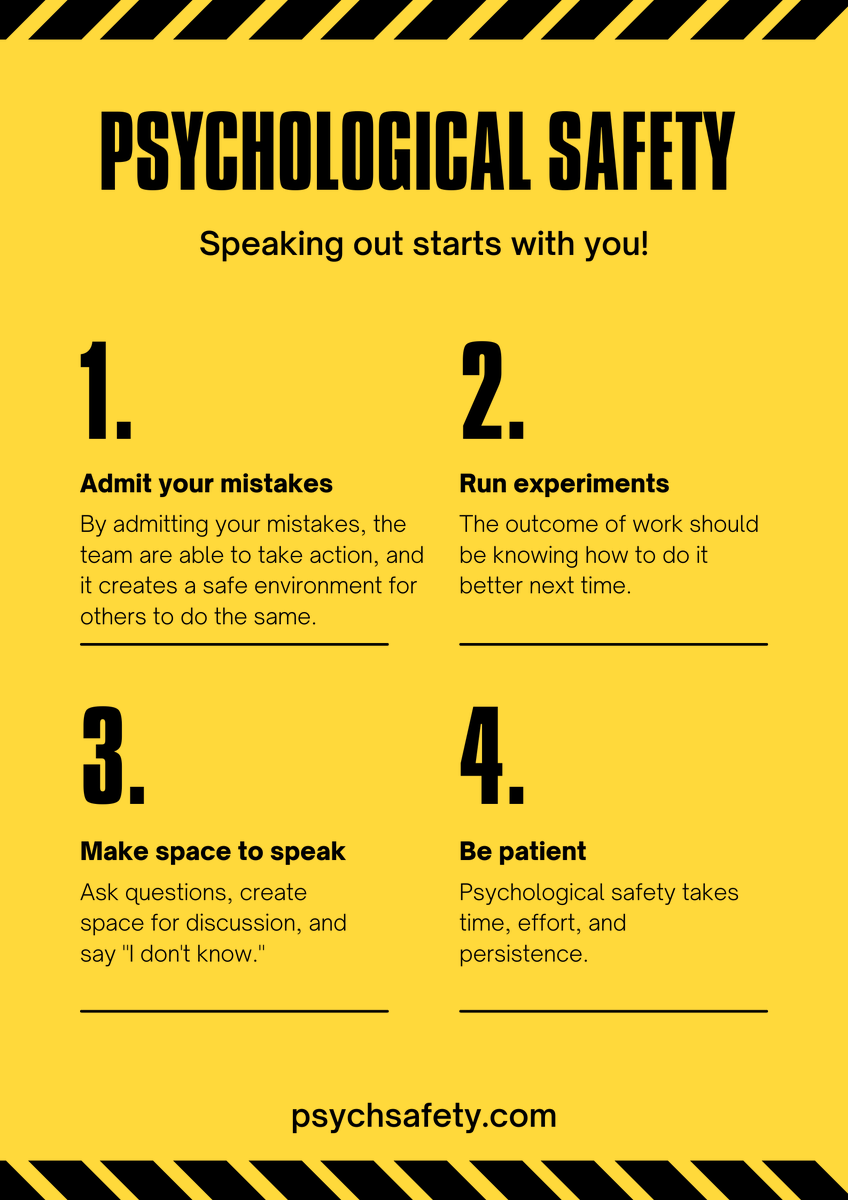

Each of us can help create a culture of psychological safety: 1) Admit our own mistakes 2) Run lots of experiments to try out improvements 3) Make space to speak, be curious  &amp; say "I don't know" 4) Be patient - psychological safety takes time/effort/persistence. By <a href="/tom_geraghty/">Tom Geraghty</a>
Helen Bevan (@helenbevan) 's Twitter Profile Photo

The 6 most important skills to successfully lead from the middle of a system, fed back by 100,000 middle managers globally: 1) Thinking & acting systematically 2) Resiliency 3) Communication 4) Influence 5) Learning agility 6) Self-awareness: ccl.org/articles/leadi… By Center for Creative Leadership
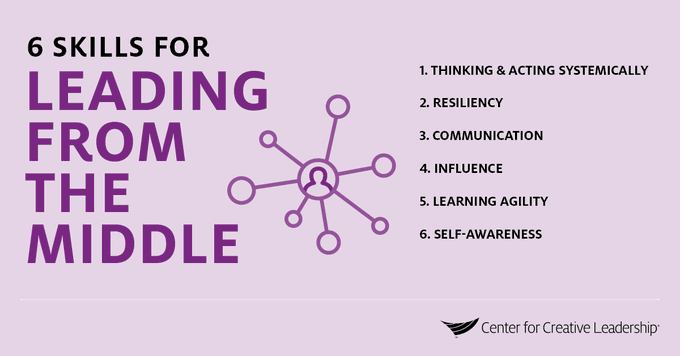
The 6 most important skills to successfully lead from the middle of a system, fed back by 100,000 middle managers globally: 1) Thinking &amp; acting systematically 2) Resiliency 3) Communication 4) Influence 5) Learning agility 6) Self-awareness: ccl.org/articles/leadi… By <a href="/CCLdotORG/">Center for Creative Leadership</a>
Helen Bevan (@helenbevan) 's Twitter Profile Photo

If new learning isn't applied, we forget 75% of it in 6 days. Instead of "traditional" learning: 1) identify the minimum learnable unit (MLU) based on 80/20 thinking 2) apply it to the real world 3) use peer learning 4) offer micro-courses: hbr.org/2019/10/where-… Via Lisa Bodell

If new learning isn't applied, we forget 75% of it in 6 days. Instead of "traditional" learning: 1) identify the minimum learnable unit (MLU) based on 80/20 thinking 2) apply it to the real world 3) use peer learning 4) offer micro-courses: hbr.org/2019/10/where-… Via <a href="/LisaBodell/">Lisa Bodell</a>
Helen Bevan (@helenbevan) 's Twitter Profile Photo

We can't move forward with real, profound change unless we create "space". We need "space" for reflection, re-design, & new forms of emergence. The press of "urgent" sometimes seems to prevent the insight necessary for leading real change. Wisdom: Paul Batalden; Art: The New Happy

We can't move forward with real, profound change unless we create "space". We need "space" for reflection, re-design, &amp; new forms of emergence. The press of "urgent" sometimes seems to prevent the insight necessary for leading real change. Wisdom: Paul Batalden; Art: <a href="/newhappyco/">The New Happy</a>
Helen Bevan (@helenbevan) 's Twitter Profile Photo

It is almost unique in healthcare to carry out a long-term evaluation of a multi-organisation quality improvement (QI) project. That's one factor that makes the study of the NHS - Virginia Mason QI partnership led by Dr Nicola Burgess so special: bit.ly/3CEajlA #LeadingQI

It is almost unique in healthcare to carry out a long-term evaluation of a multi-organisation quality improvement (QI) project. That's one factor that makes the study of the NHS - Virginia Mason QI partnership led by <a href="/DrNicolaBurgess/">Dr Nicola Burgess</a> so special: bit.ly/3CEajlA #LeadingQI