Manuela Hospenthal
@m_hospenthal
Molecular & Structural Biologist. Assistant professor at the Institute of Molecular Biology and Biophysics @ETH. Views are my own.
ID: 1031957038534995968
https://hospenthalgroup.ethz.ch/ 21-08-2018 17:31:45
123 Tweet
571 Takipçi
316 Takip Edilen
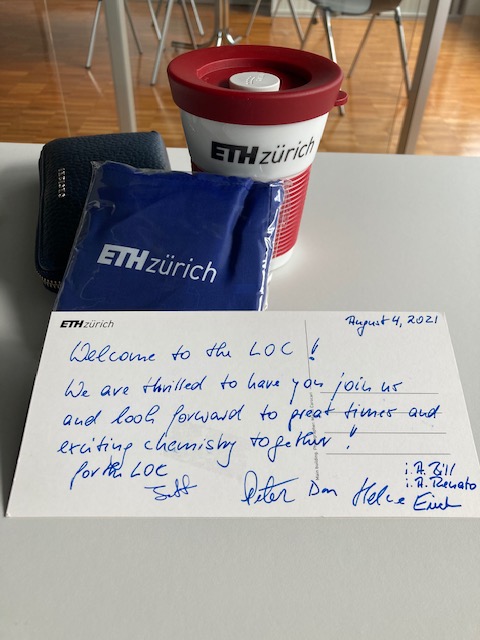
Very happy to share our new paper describing the structure of the catalytic core of the Integrator complex, published today in Molecular Cell . Fantastic work of Moritz Pfleiderer the first PhD student in my group EMBL Grenoble! authors.elsevier.com/sd/article/S10…

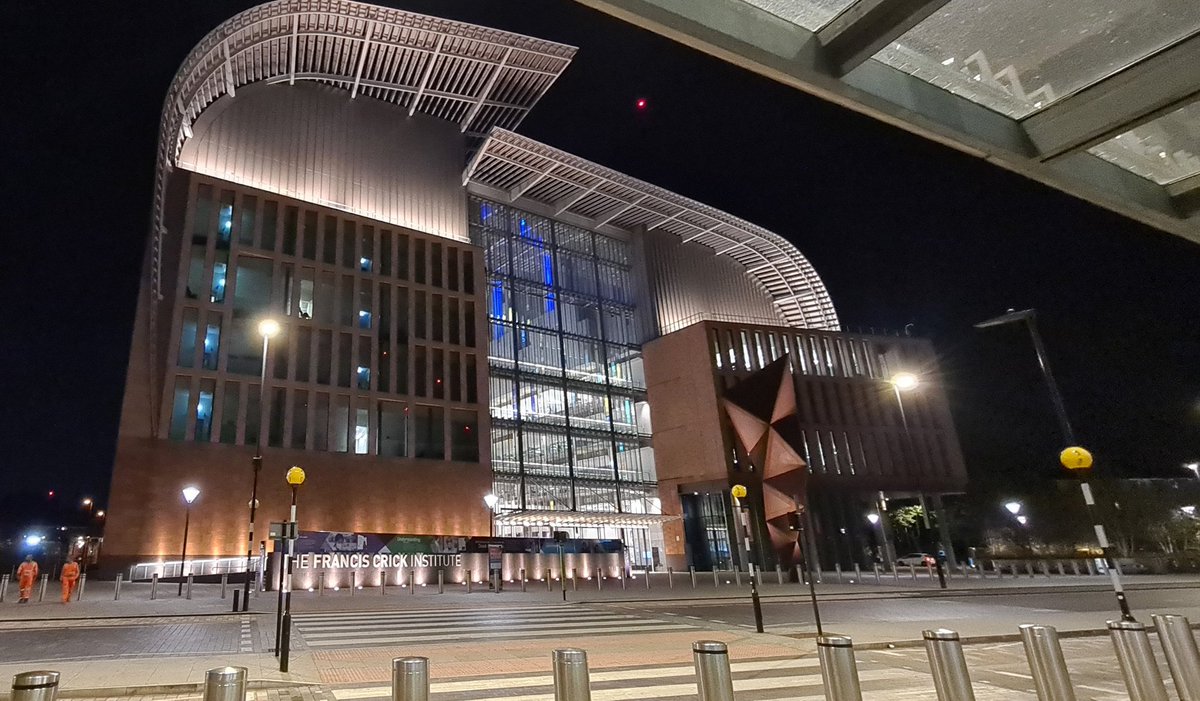
Thanks to everyone The Francis Crick Institute for the last four years, it has been awesome! Now on to the next exciting adventure Københavns Uni. Denmark here I come!
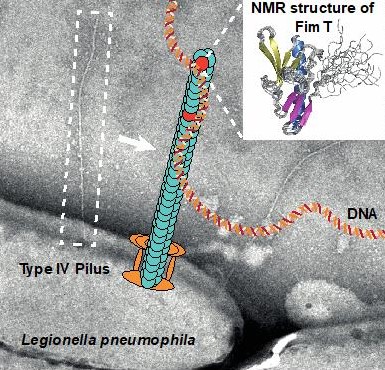
We are really excited to share our new preprint & first contribution to the natural transformation field! Well done & thanks to @SebastianBraus, the whole lab, and our wonderful collaborators, Francesca Short & Alvar Gossert, for making this happen! biorxiv.org/content/10.110…

Molecular Biologist Manuela Hospenthal: In my research I want to understand how bacteria exchange DNA with each other. hospenthalgroup.ethz.ch #WomenInScience Life Science Zurich D-BIOL @ ETH Zurich


FimT is a novel DNA receptor. A study by the Manuela Hospenthal group in collaboration with the Gossert (ETH) and Francesca Short (Monash, Australia) groups shows how FimT’s ability to bind DNA is crucial for bacterial natural transformation. More: biol.ethz.ch/en/news-and-ev…

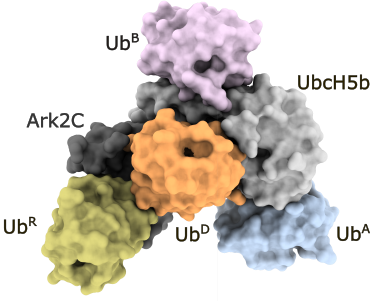
Cool science alert! Otago biochemists led by Prof Day have just published in Nature Communications. They reveal the exact mechanism of how ubiquitin regulates the activity of an E3 ligase. rdcu.be/cIdRR Though small, #ubiquitin is profoundly important to multi-cellular life.1/4

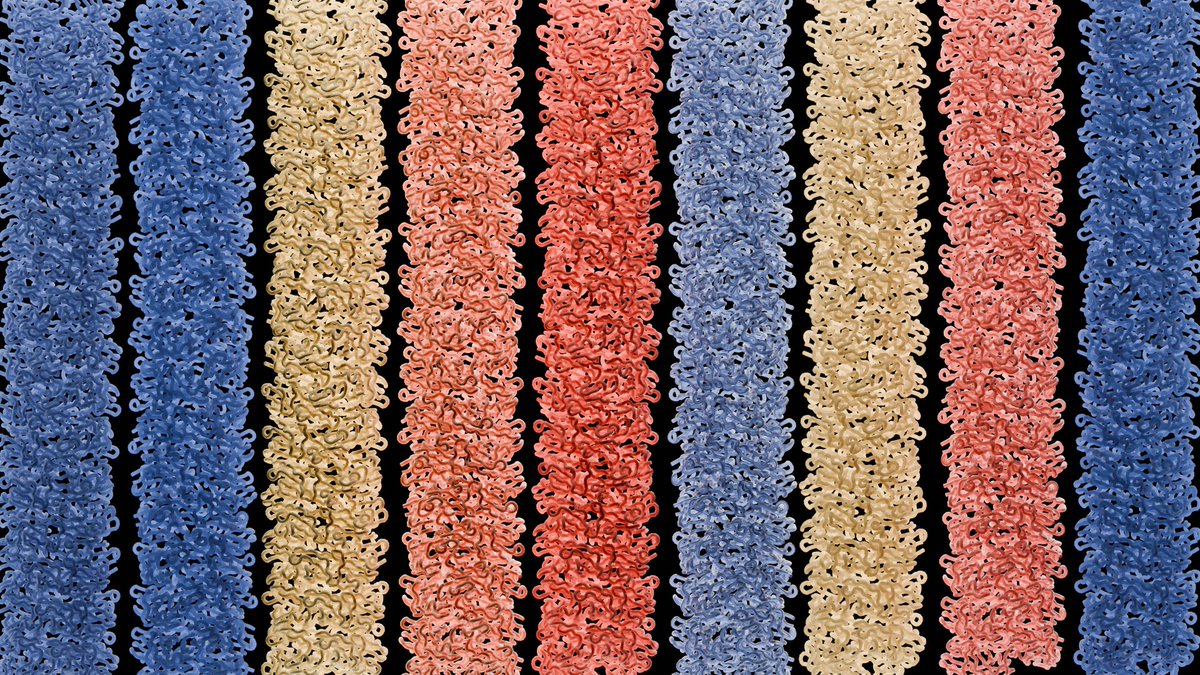
9/9 This work was completed through excellent collaboration with Manuela Hospenthal, Gabriel Waksman, Thomas Wiegand, and Beat Meier, with support from Paul Bachmann, Rafal Zdanowicz, and Christoph Giese. The manuscript is available in open access here: nature.com/articles/s4146…
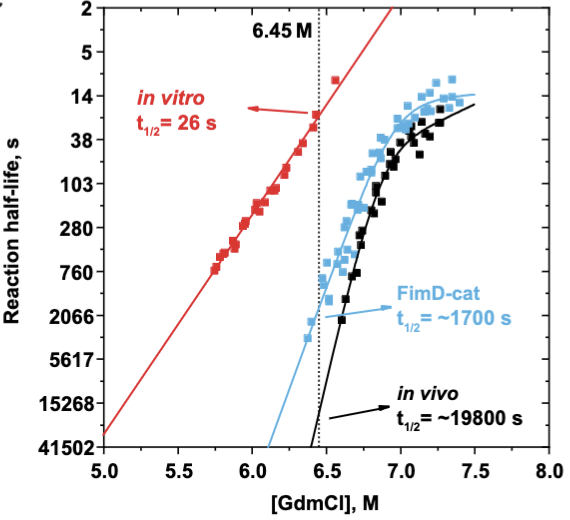
Check out rdcu.be/dD7C6. FimD is needed for type 1 pili to assemble to their most stable quaternary structure. Thanks to all who were involved Dawid Zyla, Thomas Wiegand, Paul Bachmann, Rafał Zdanowicz, Christoph Giese, Beat Meier, Gabriel Waksman & Glockshuber group