linda Ogbuagu (@lindaog_) 's Twitter Profile
linda Ogbuagu

@lindaog_

Clinical Nurse Specialist. “Find your passion and it’s no longer work”

ID: 1345898583657242627

calendar_today04-01-2021 01:03:43

48 Tweet

36 Followers

78 Following

Adam Grant (@adammgrant) 's Twitter Profile Photo

Saying no doesn't always mean you're letting someone down. It might mean you're holding up your own boundaries. You feel guilty when you focus on the costs of falling short of others' expectations. You feel relieved when you consider the benefits of knowing your own limits.

Adam Grant (@adammgrant) 's Twitter Profile Photo

There's nothing wrong with being wrong. To err is human. It becomes a problem when you choose to stay wrong. To deny error is willful blindness. New information is an invitation to question old opinions. The faster you are to recognize your mistakes, the less wrong you become.

Adam Grant (@adammgrant) 's Twitter Profile Photo

A key skill of emotional intelligence is being slow to take offense and quick to take feedback. People are rarely criticizing you. They're critiquing a snapshot of your words or actions. They won't see the full you. You can still learn from their reactions to that image of you.

Adam Grant (@adammgrant) 's Twitter Profile Photo

Being afraid to give someone honest feedback doesn’t mean you lack courage. It means they haven’t created psychological safety. Even if they haven’t silenced you in the past, they haven't given you a voice. If they want the truth, they have to prove they can handle the truth.

AmJNurs (@amjnurs) 's Twitter Profile Photo

The American Journal of Nursing (AJN) is currently seeking article submissions in a number of topic areas and of various types - here's our wish list and how to follow up. ow.ly/E4tN50HEyEc

The American Journal of Nursing (AJN) is currently seeking article submissions in a number of topic areas and of various types - here's our wish list and how to follow up.
ow.ly/E4tN50HEyEc
Adam Grant (@adammgrant) 's Twitter Profile Photo

Helping people who are consistently selfish reinforces the wrong behavior. When you give to takers, you reward them for using you—and encourage them to take advantage of others too. Your time and energy is better spent with people who make the effort to pay it back or forward.

Amy Edmondson (@amycedmondson) 's Twitter Profile Photo

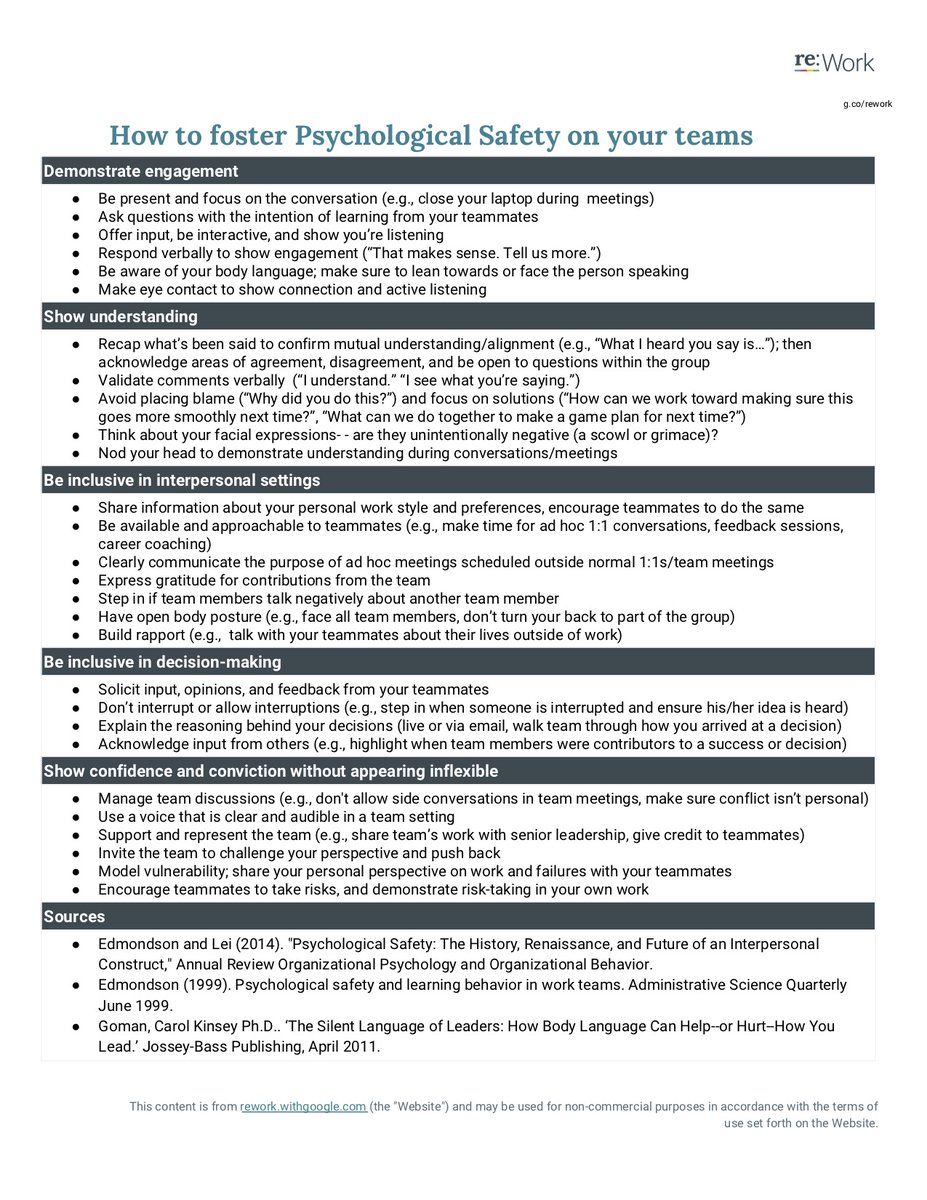
"Make this your own." A math teacher I knew would say this as she was handing out thick packets on conic sections. Decades later, it plays in my head. Here's Google's 1-pager "Manager Actions for #PsychologicalSafety." Make it your own... and try to make it fun too

"Make this your own." 

A math teacher I knew would say this as she was handing out thick packets on conic sections. Decades later, it plays in my head. 

Here's Google's 1-pager "Manager Actions for #PsychologicalSafety."  

Make it your own... and try to make it fun too
Adam Grant (@adammgrant) 's Twitter Profile Photo

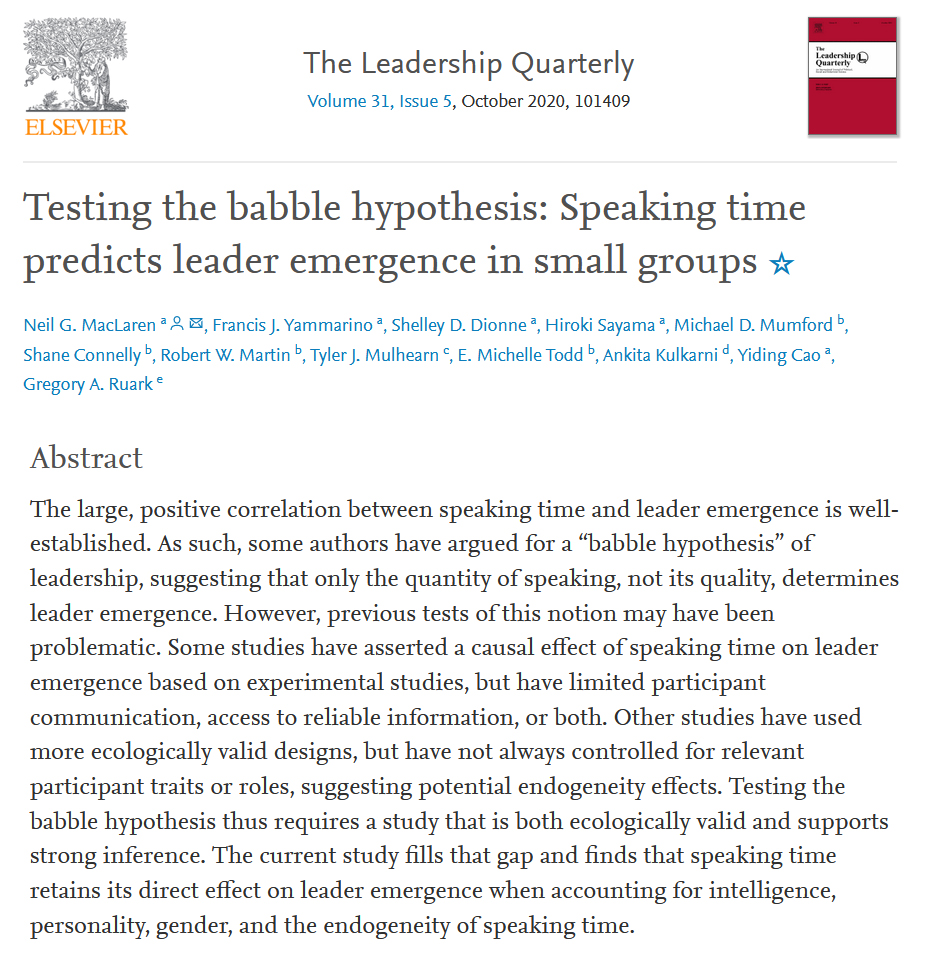
The person who talks the most is the most likely to become the leader. Data: regardless of intelligence and expertise, groups elevate those who command the most airtime. It's time to stop rewarding people for dominating the discussion, and start valuing quality over quantity.

The person who talks the most is the most likely to become the leader.

Data: regardless of intelligence and expertise, groups elevate those who command the most airtime.

It's time to stop rewarding people for dominating the discussion, and start valuing quality over quantity.
Adam Grant (@adammgrant) 's Twitter Profile Photo

"I was under pressure" is not an excuse for toxic behavior. Being stressed doesn't justify hostility. It's not your responsibility to absorb their pain. Being busy doesn't license incivility. No one's calendar is too full to be respectful. Most acts of kindness cost nothing.

Adam Grant (@adammgrant) 's Twitter Profile Photo

The highest form of debate isn't about one person declaring victory. It's about both people making a discovery. The goal isn't to defend your reasons and attack theirs. It's to sharpen your reasoning. Good arguments shift what you think. Great arguments change how you think.

Hopkins Nursing (@jhunursing) 's Twitter Profile Photo

The differences between a nurse practitioner (NP) and a clinical nurse specialist (CNS) can be subtle, but it is important to understand them when making your decision on which track to follow. bit.ly/3FGZ7oR

The differences between a nurse practitioner (NP) and a clinical nurse specialist (CNS) can be subtle, but it is important to understand them when making your decision on which track to follow. bit.ly/3FGZ7oR
NewYork-Presbyterian (@nyphospital) 's Twitter Profile Photo

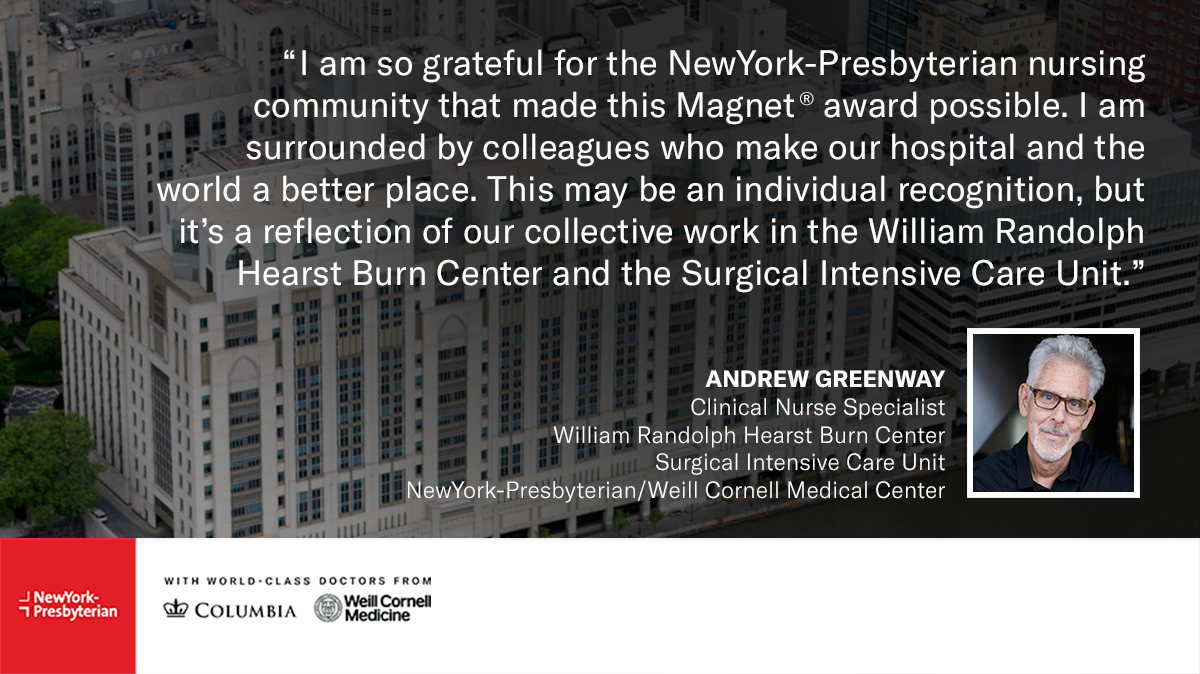
#NYP celebrates Clinical Nurse Specialist Andrew Greenway, winner of a ANCC National Magnet Nurse of the Year® award, which recognizes the outstanding contributions of clinical nurses! Join us in congratulating him on this great accomplishment 🎉 bit.ly/3TmV2MJ

#NYP celebrates Clinical Nurse Specialist Andrew Greenway, winner of a <a href="/anccofficial/">ANCC</a> National Magnet Nurse of the Year® award, which recognizes the outstanding contributions of clinical nurses! Join us in congratulating him on this great accomplishment 🎉 bit.ly/3TmV2MJ
Amy Edmondson (@amycedmondson) 's Twitter Profile Photo

It's undeniable: to err is human. Read #RightKindofWrong to learn more about how to live with it! Plus, ways to pursue #IntelligentFailures, prevent basic ones, & learn from our missteps Grab your copy of Financial Times & @schroders Biz #BookOfTheYear (!) here 👉 bit.ly/RKWBook

It's undeniable: to err is human. Read #RightKindofWrong to learn more about how to live with it! Plus, ways to pursue #IntelligentFailures, prevent basic ones, &amp; learn from our missteps

Grab your copy of <a href="/FT/">Financial Times</a> &amp; @schroders Biz #BookOfTheYear (!) here 👉 bit.ly/RKWBook
Amy Edmondson (@amycedmondson) 's Twitter Profile Photo

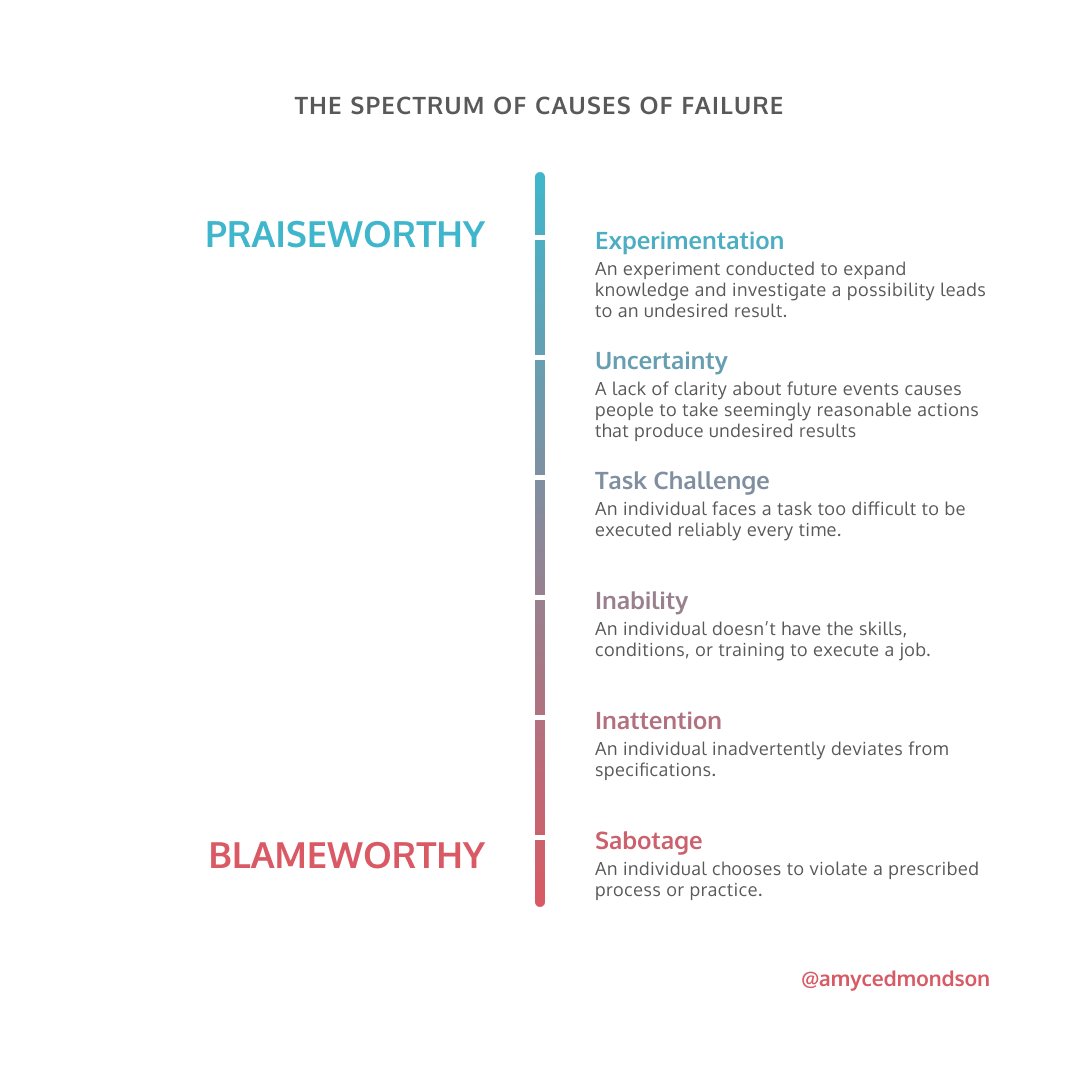
When you look at the spectrum of causes of #failure, ask yourself: What % of the failures in your organization or family can be considered blameworthy (wherever you choose to draw that line)? Then ask: How many of these failures are treated as blameworthy by those who matter?

When you look at the spectrum of causes of #failure, ask yourself: What % of the failures in your organization or family can be considered blameworthy (wherever you choose to draw that line)?

Then ask: How many of these failures are treated as blameworthy by those who matter?