Amy Ouyang (@hanyue_ouyang) 's Twitter Profile
Amy Ouyang

@hanyue_ouyang

Research Associate @MacroPoloChina @PaulsonInst | @NorthwesternU @SAISHopkins alum
Anything from global energy transition to energy policy. Views my own

ID: 950549835077308416

linkhttps://macropolo.org/amy-ouyang/ calendar_today09-01-2018 02:08:35

33 Tweet

100 Takipçi

101 Takip Edilen

MacroPolo (@macropolochina) 's Twitter Profile Photo

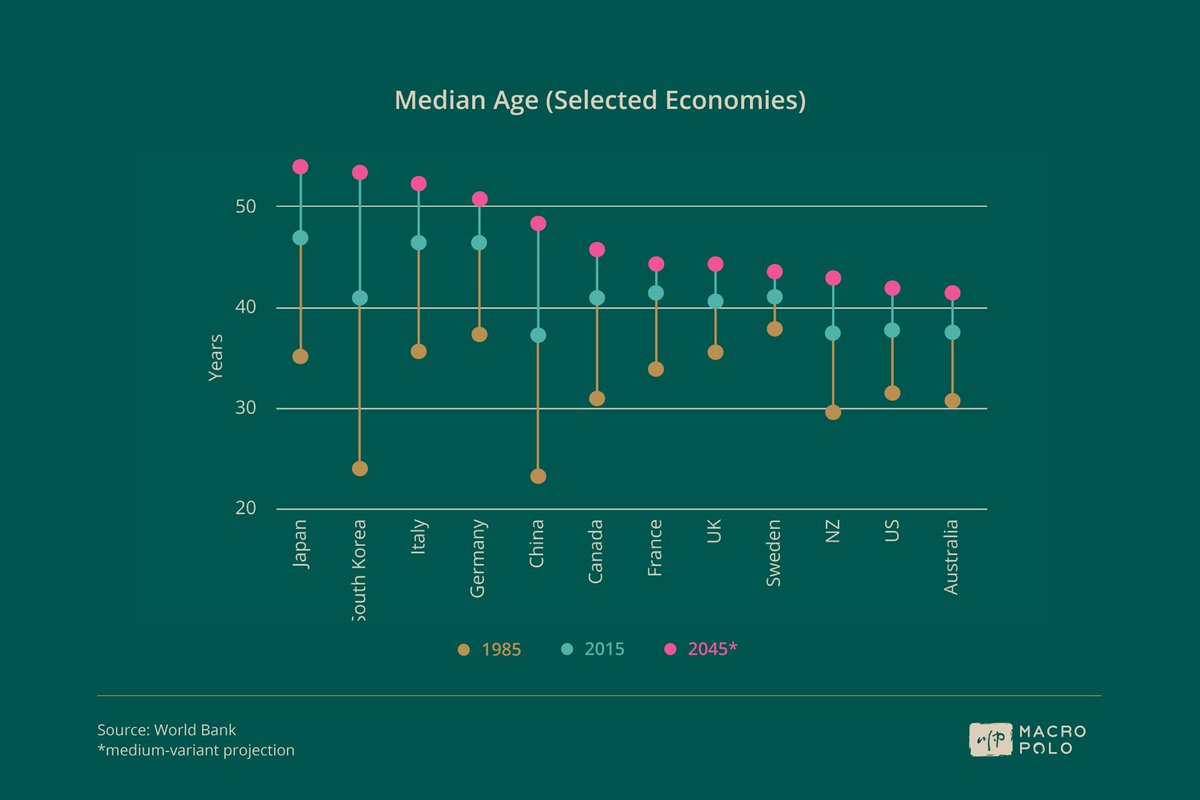
1/From the team that brought you "BRI Tasting Menu" and "USChina@40," we're tackling demographics in the Year of the Dragon. Why? Well, because demographics will be a "drag on" most G20 economies—and China is one prime example.

1/From the team that brought you "BRI Tasting Menu" and "USChina@40," we're tackling demographics in the Year of the Dragon. Why? Well, because demographics will be a "drag on" most G20 economies—and China is one prime example.
Amy Ouyang (@hanyue_ouyang) 's Twitter Profile Photo

As an industry that hasn't seen much change since its debut, nuclear energy seems to be on the cusp of a renaissance now more than ever with emerging business model innovations and technological breakthroughs as well as increasing buy-ins from the private and public sectors.

MacroPolo (@macropolochina) 's Twitter Profile Photo

The coming decade may bring more dynamism in the nuclear power industry than seen in decades. Read Amy Ouyang’s analysis to find out why some of the stubborn limiting factors on unleashing the full power of nuclear energy may be easing. macropolo.org/analysis/a-nuc…

Amy Ouyang (@hanyue_ouyang) 's Twitter Profile Photo

Challenges like high unit cost, extensive regulatory process, and negative public perception restricted the deployment of nuclear energy worldwide. However, we are witnessing a potential nuclear renaissance now more than ever. Follow my upcoming pieces MacroPolo for more!

Amy Ouyang (@hanyue_ouyang) 's Twitter Profile Photo

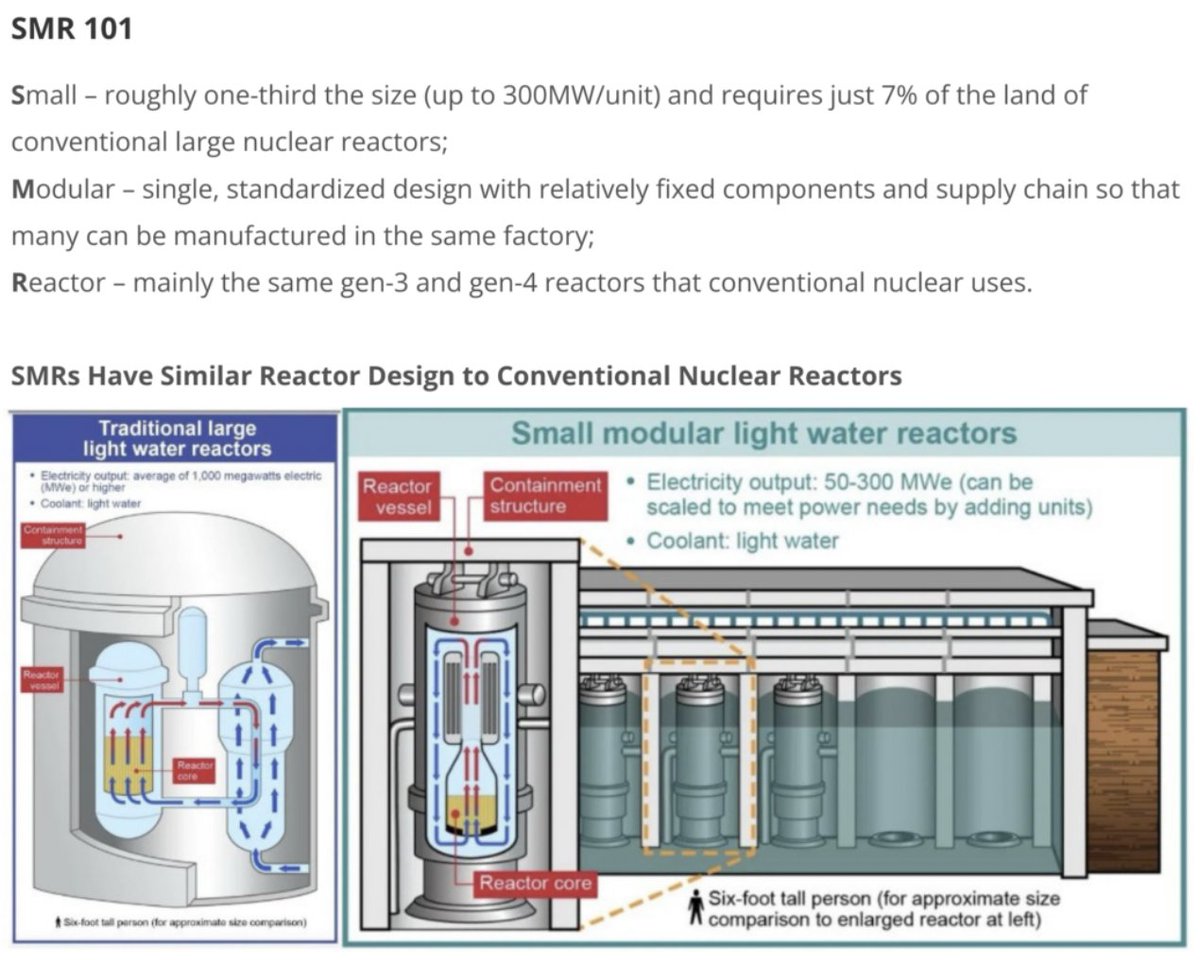
With the burgeoning demand from the AI sector, there should be sufficient demand to jumpstart the small modular reactor (SMR) industry. As a business model innovation that focuses on standardization and scale, SMR could be the medium-term solution to drive down nuclear price tag.

Damien Ma (@damienics) 's Twitter Profile Photo

Can nuclear reactors become a volume business and scale? That's what small modular reactors are intended to achieve, with the help of the data center boom. Second installment of the nuclear renaissance series Amy Ouyang MacroPolo macropolo.org/analysis/nucle…

MacroPolo (@macropolochina) 's Twitter Profile Photo

Small Modular Reactors offer a sustainable pathway to clean energy. They could play a crucial role in phasing out coal and supporting the growing energy demands of AI and data centers. Discover how SMRs could transform the energy landscape: macropolo.org/analysis/nucle…

MacroPolo (@macropolochina) 's Twitter Profile Photo

SMRs, with their small size and modular design, are poised to revolutionize nuclear power. By utilizing standardized manufacturing processes, they promise to cut costs significantly. Dive into our analysis to see how this technology could reshape energy production and drive a new

SMRs, with their small size and modular design, are poised to revolutionize nuclear power. By utilizing standardized manufacturing processes, they promise to cut costs significantly. Dive into our analysis to see how this technology could reshape energy production and drive a new
Damien Ma (@damienics) 's Twitter Profile Photo

Magnets or lasers, the technology choices for fusion are clear. Yet getting to that first pilot plant still isn't easy. But private sector enthusiasm has been the highest in decades, and most of the startups are in America: MacroPolo macropolo.org/analysis/nucle…

Amy Ouyang (@hanyue_ouyang) 's Twitter Profile Photo

Nuclear fusion has long been touted as the holy grail of energy solutions that's always decades away. In this final installment in our nuclear series, I discussed the renewed dynamism and still lingering near-term constraints facing fusion commercialization.

Paulson Institute (@paulsoninst) 's Twitter Profile Photo

In Part 3 of her Nuclear Renaissance series, MacroPolo‘s Amy Ouyang investigates the feasibility of nuclear fusion to deliver carbon-free energy with minimal radioactive waste & the reasons behind the global reawakening of the need for nuclear. macropolo.org/analysis/nucle…

In Part 3 of her Nuclear Renaissance series, <a href="/MacroPoloChina/">MacroPolo</a>‘s <a href="/Hanyue_Ouyang/">Amy Ouyang</a> investigates the feasibility of nuclear fusion to deliver carbon-free energy with minimal radioactive waste &amp; the reasons behind the global reawakening of the need for nuclear.

macropolo.org/analysis/nucle…
MacroPolo (@macropolochina) 's Twitter Profile Photo

Some are optimistic that China might hit peak carbon emissions by 2025, five years ahead of its official 2030 target. However, many remain skeptical due to the continued approval of coal projects and unresolved issues with the power grid. macropolo.org/will-china-rea…

Jonathan Cheng (@jchengwsj) 's Twitter Profile Photo

"While China will…earn plaudits for achieving peak carbon ahead of schedule, what matters…is how fast emissions fall after the peak. If the country’s emissions level stagnates…then hitting that point will quickly lose its punch." MacroPolo macropolo.org/will-china-rea…

Amy Ouyang (@hanyue_ouyang) 's Twitter Profile Photo

What's the parallel between Hefei, a second-tier Chinese city, and Detroit? Read our take here: macropolo.substack.com/p/mp-econ-issu…

Damien Ma (@damienics) 's Twitter Profile Photo

What Chinese province has raced to the top of being the greenest? It might surprise you: macropolo.org/charticle/chin…

Amy Ouyang (@hanyue_ouyang) 's Twitter Profile Photo

Green hydrogen could reshape long-haul trucking with its longer range, lighter weight, and quick refueling capabilities. However, high fuel costs remain a major barrier. Scaling up production and infrastructure buildout are key for mass market adoption of FCETs. Read more here:

Amy Ouyang (@hanyue_ouyang) 's Twitter Profile Photo

As is the case with many other clean tech industries, China once again adopted a state-centric strategy when it comes to the nuclear fusion sector. Will it give Beijing a leg up in the race to fusion commercialization? Read more here in my latest analysis with MacroPolo: