Gaia Vari (@gaiavari) 's Twitter Profile
Gaia Vari

@gaiavari

Gaia Vari is a citizen science project funded by the European Space Agency supporting Gaia Variable stars classification

ID: 1534464906321350656

linkhttp://bitly.ws/BUtX calendar_today08-06-2022 09:19:38

67 Tweet

106 Takipçi

65 Takip Edilen
Gaia Vari (@gaiavari) 's Twitter Profile Photo

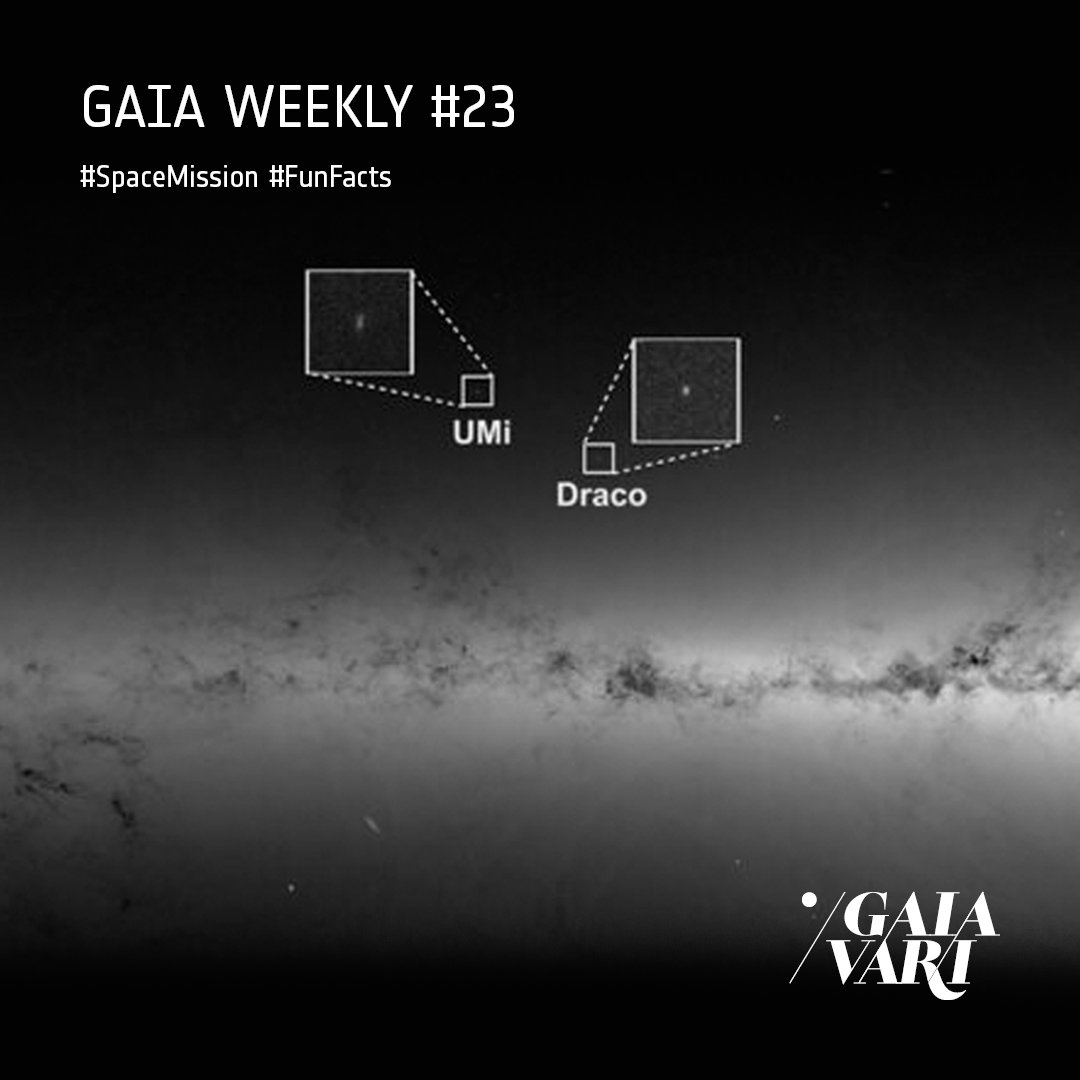
There are about 50 dwarf galaxies around the Milky Way. Recent Gaia data reveal that most of these dwarf galaxies are currently passing the Milky Way for the first time. This prompts astronomers to reevaluate the history of our galaxy and the nature of the dwarf galaxies.

There are about 50 dwarf galaxies around the Milky Way. Recent Gaia data reveal that most of these dwarf galaxies are currently passing the Milky Way for the first time. This prompts astronomers to reevaluate the history of our galaxy and the nature of the dwarf galaxies.
Gaia Vari (@gaiavari) 's Twitter Profile Photo

Gaia's data is monitored for unusual changes in star brightness. When they occur, alerts are posted on the Gaia Photometric Science Alerts website, enabling astronomers to explore a wide range of variable and transient phenomena. Over 23,000 alerts have been published to date!

Gaia's data is monitored for unusual changes in star brightness. When they occur, alerts are posted on the Gaia Photometric Science Alerts website, enabling astronomers to explore a wide range of variable and transient phenomena. Over 23,000 alerts have been published to date!
Gaia Vari (@gaiavari) 's Twitter Profile Photo

✨ The Gaia consortium has just unveiled the Focused Product Release, including detailed investigation of long period variables. 🌟 Watch the video about showcase of LPVs - Mira variables observed by Gaia: youtu.be/kHrqNojDN6k

✨ The Gaia consortium has just unveiled the Focused Product Release, including detailed investigation of long period variables.

🌟 Watch the video about showcase of LPVs - Mira variables observed by Gaia: youtu.be/kHrqNojDN6k
Gaia Vari (@gaiavari) 's Twitter Profile Photo

Recent data from Gaia has changed our understanding of our Milky Way again. It turns out we have less dark matter than we thought. The Milky Way is now considered four times lighter than believed before, and the balance between dark matter and visible matter has shifted. 🤗

Recent data from Gaia has changed our understanding of our Milky Way again. It turns out we have less dark matter than we thought. The Milky Way is now considered four times lighter than believed before, and the balance between dark matter and visible matter has shifted. 🤗
Gaia Vari (@gaiavari) 's Twitter Profile Photo

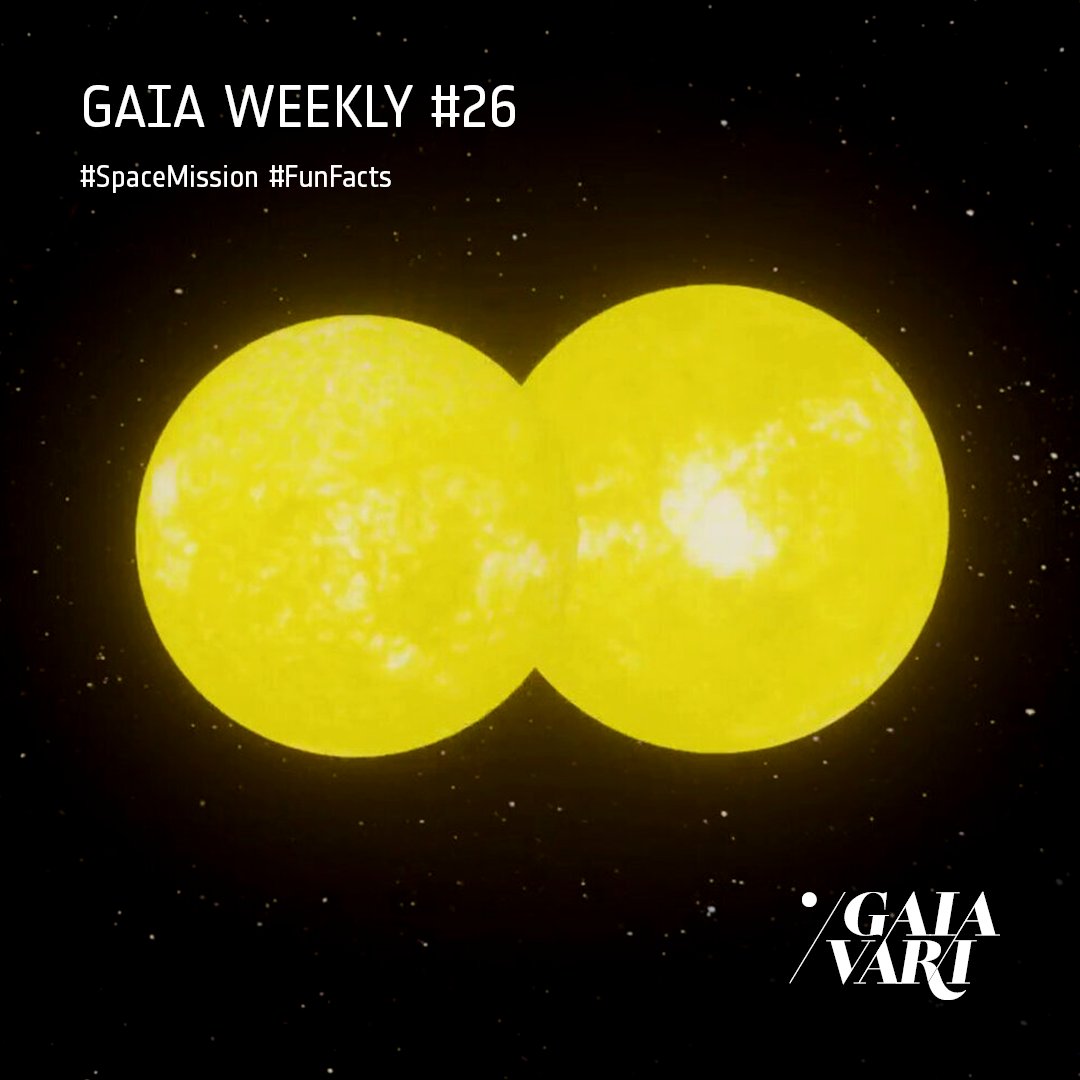
Based on Gaia data scientists have established a precise mass-luminosity relation. This was made possible by studying binary stars, where pairs of stars orbit each other. Now, this relation can be applied to calculate the mass of isolated stars!

Based on Gaia data scientists have established a precise mass-luminosity relation. This was made possible by studying binary stars, where pairs of stars orbit each other. Now, this relation can be applied to calculate the mass of isolated stars!
Gaia Vari (@gaiavari) 's Twitter Profile Photo

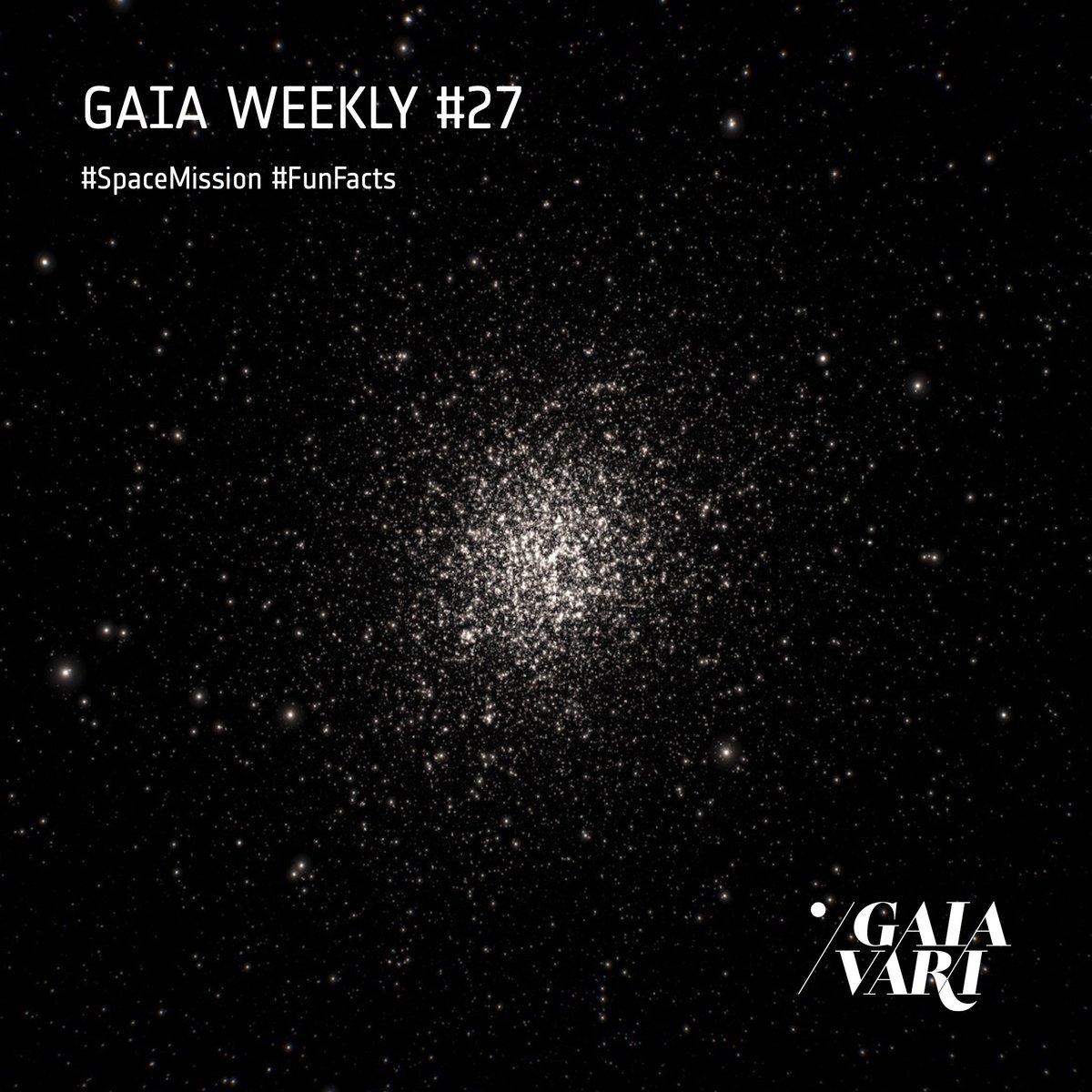
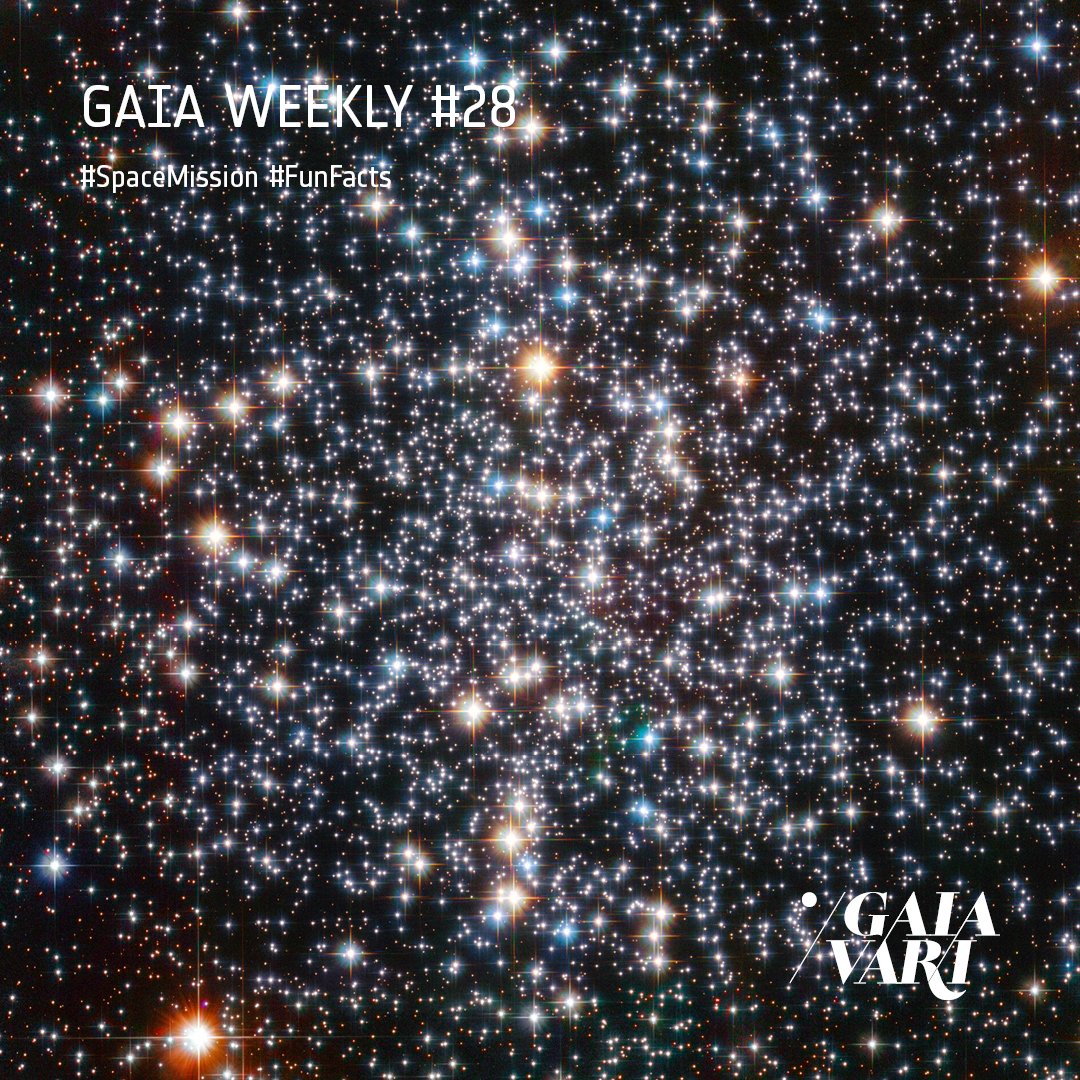
The Gaia mission has unveiled a discovery of over 500,000 previously unseen stars in the heart of Omega Centauri. These stars were unknown to the telescope until now, their study has become possible due to a unique observation mode.

The Gaia mission has unveiled a discovery of over 500,000 previously unseen stars in the heart of Omega Centauri. These stars were unknown to the telescope until now, their study has become possible due to a unique observation mode.
Gaia Vari (@gaiavari) 's Twitter Profile Photo

Did you know that Gaia helps measure space weather! 🌪🌞🌦 The engineers gathered and scrutinized records of solar encounters from seven remarkable ESA spacecraft, and Gaia is among them. This pioneering study aims to deepen our comprehension of the radiation realm in space.

Did you know that Gaia helps measure space weather! 🌪🌞🌦 

The engineers gathered and scrutinized records of solar encounters from seven remarkable ESA spacecraft, and Gaia is among them. This pioneering study aims to deepen our comprehension of the radiation realm in space.
Gaia Vari (@gaiavari) 's Twitter Profile Photo

Gaia revealed that the birth of the Solar System may be the aftermath of a galaxy-scale cosmic collision 💥 between the Milky Way 💫, and a smaller cosmic companion known as Sagittarius - a dwarf galaxy, discovered in the 1990s.

Gaia revealed that the birth of the Solar System may be the aftermath of a galaxy-scale cosmic collision 💥 between the Milky Way 💫, and a smaller cosmic companion known as Sagittarius - a dwarf galaxy, discovered in the 1990s.
Gaia Vari (@gaiavari) 's Twitter Profile Photo

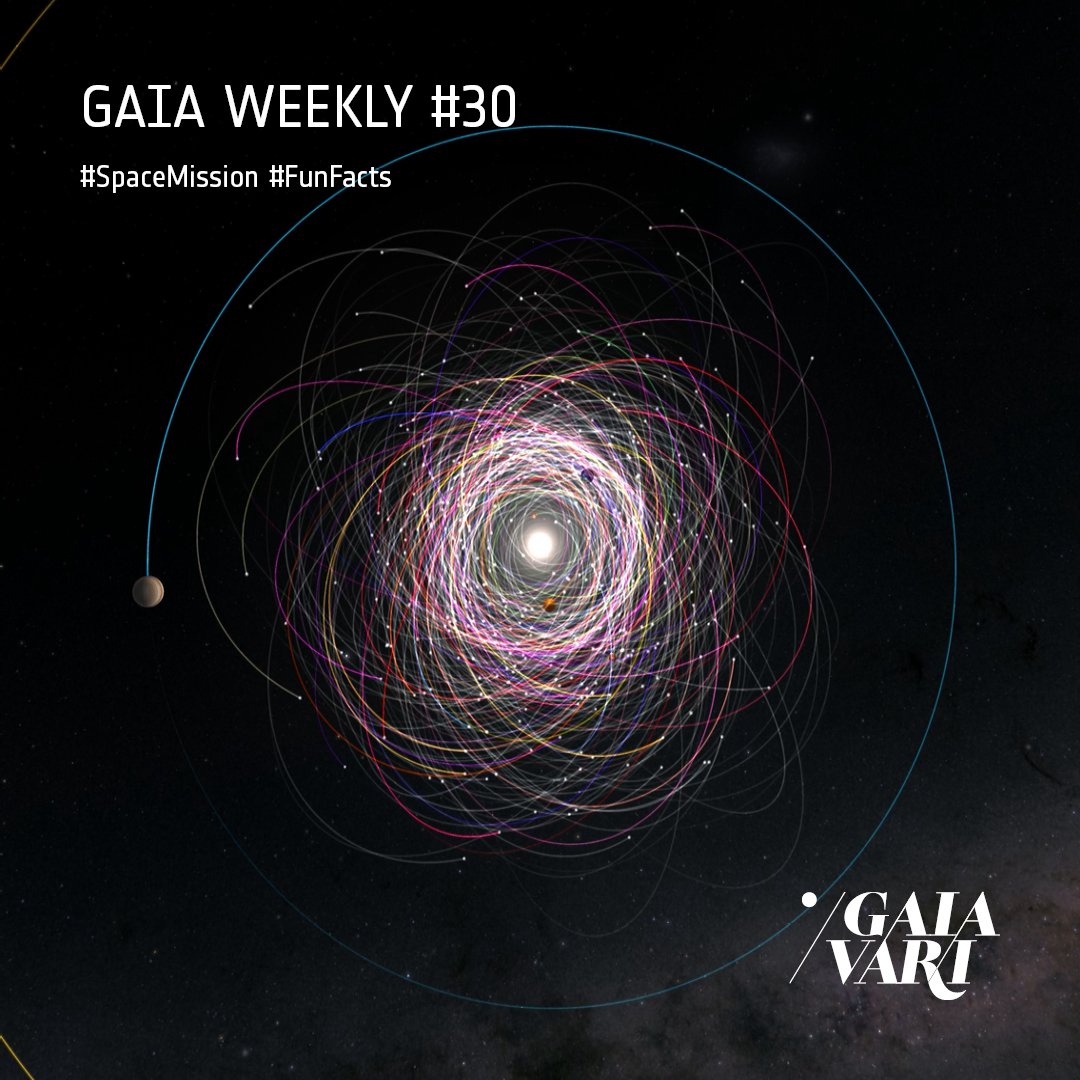
Using Gaia observations alone, over 150,000 orbits of asteroids have been mapped. In the future, Gaia DR4 is expected to complete this set by including data on comets, planetary satellites, and doubling the number of asteroids observed, enhancing our knowledge of small bodies! 🤩

Using Gaia observations alone, over 150,000 orbits of asteroids have been mapped. In the future, Gaia DR4 is expected to complete this set by including data on comets, planetary satellites, and doubling the number of asteroids observed, enhancing our knowledge of small bodies! 🤩
Gaia Vari (@gaiavari) 's Twitter Profile Photo

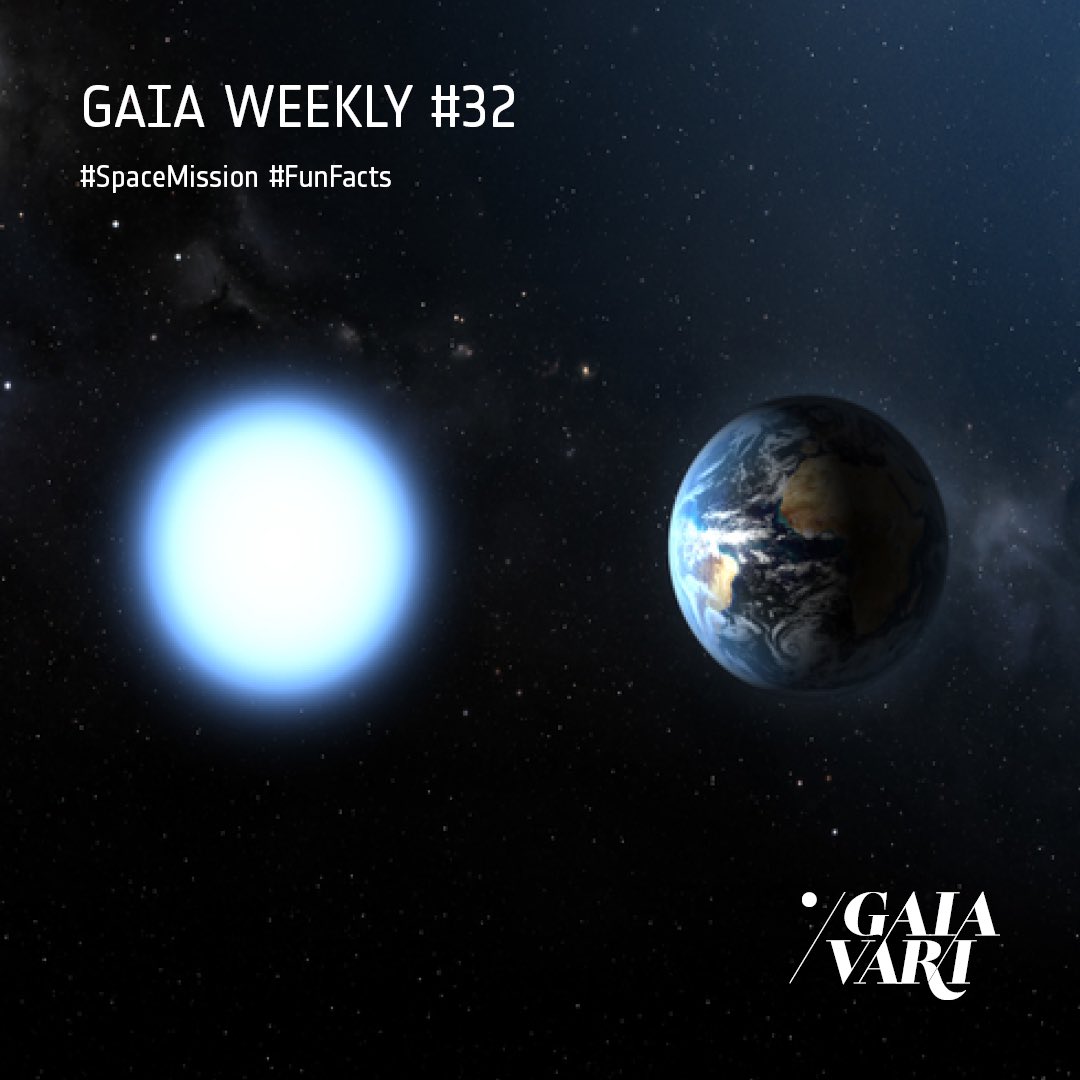
🌠Gaia unveils the secrets of white dwarfs! Before Gaia, our understanding was limited to around 30,000 known white dwarfs. With Gaia's precision, the cosmic census has expanded, revealing over 400,000 white dwarf candidates!🛰

🌠Gaia unveils the secrets of white dwarfs! Before Gaia, our understanding was limited to around 30,000 known white dwarfs. With Gaia's precision, the cosmic census has expanded, revealing over 400,000 white dwarf candidates!🛰
Gaia Vari (@gaiavari) 's Twitter Profile Photo

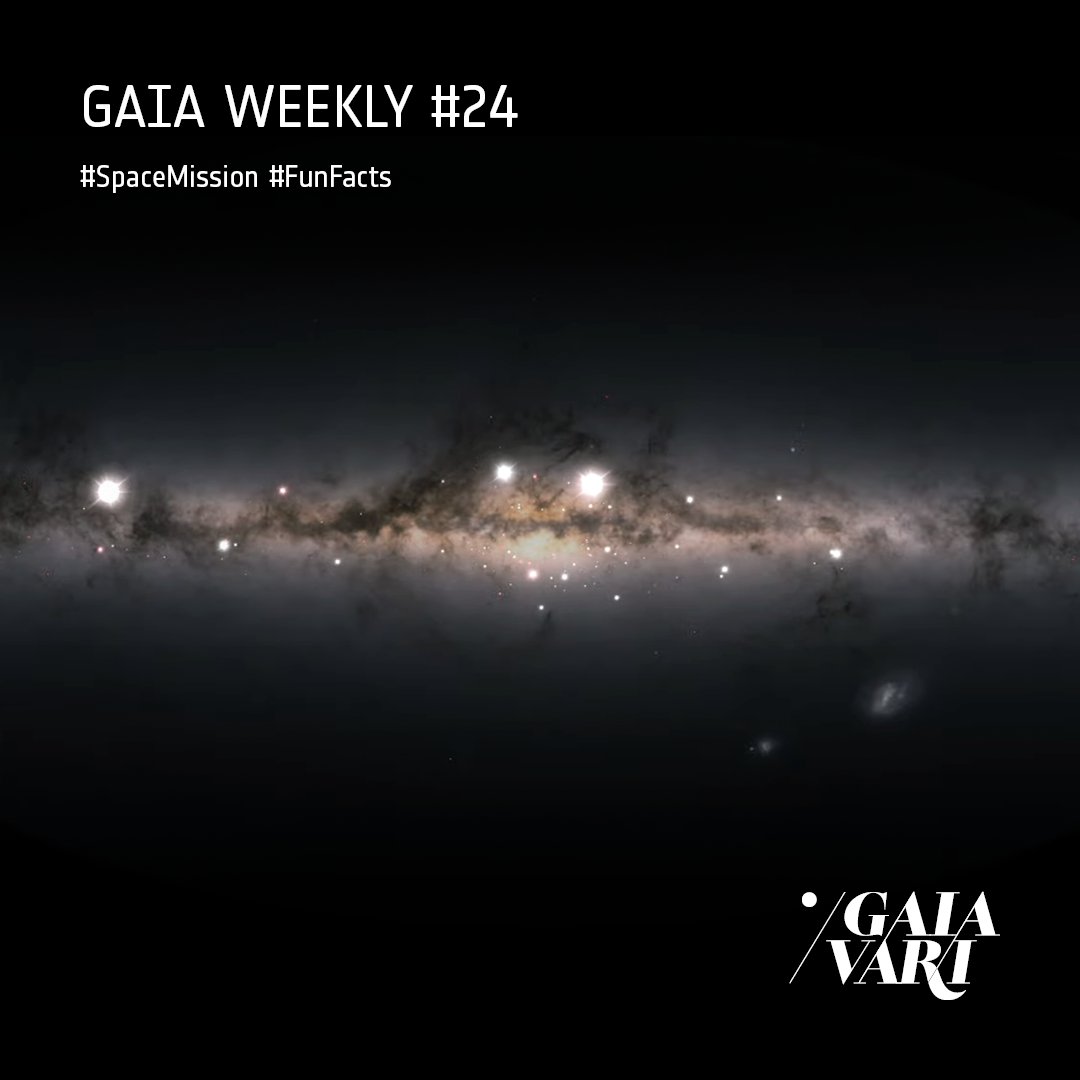
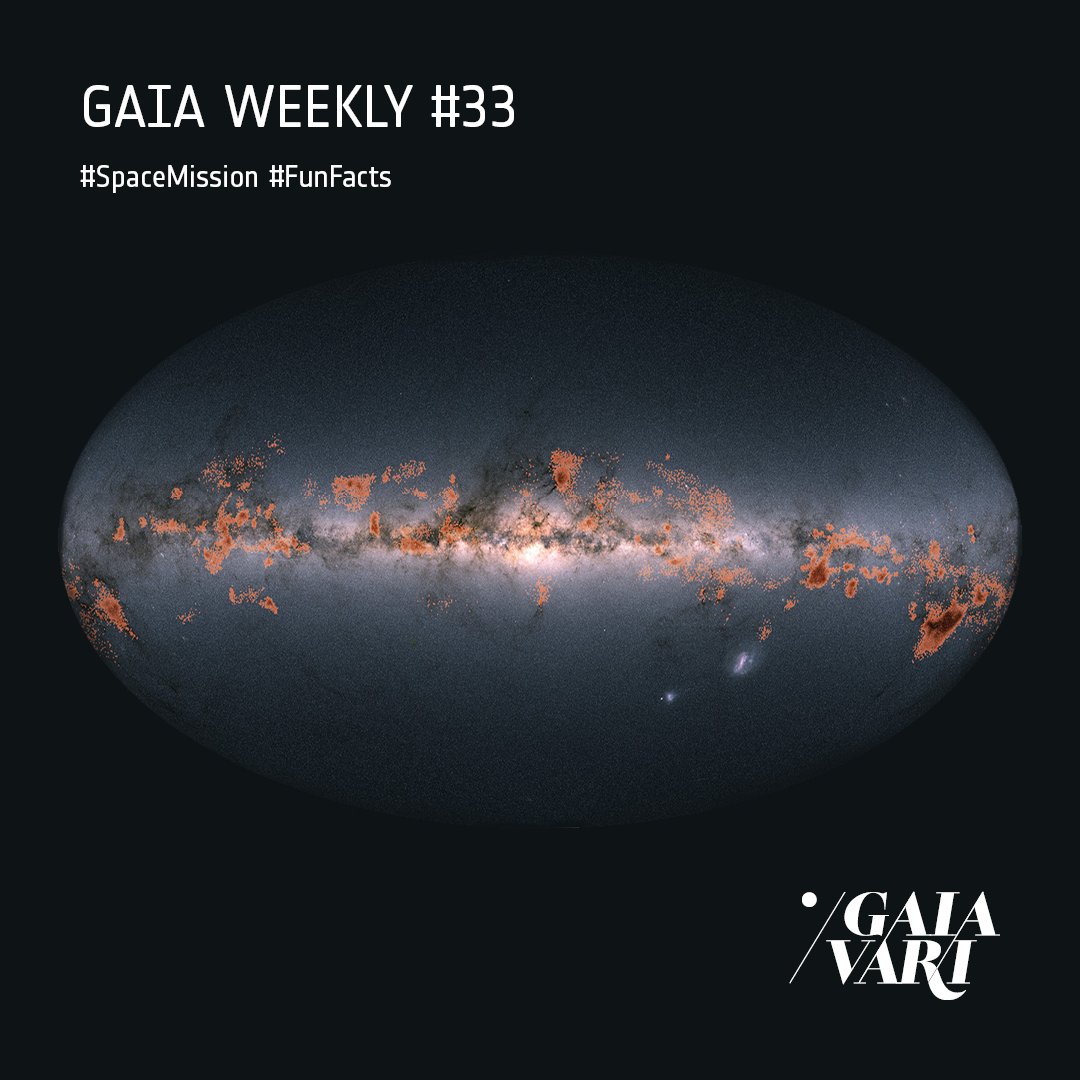
This image unveils the fascinating world of stellar 'families' residing within our Milky Way. Highlighted in vibrant orange are group of stars younger than 30 million years, on top of an all-sky view based on Gaia observations.

This image unveils the fascinating world of stellar 'families' residing within our Milky Way. Highlighted in vibrant orange are group of stars younger than 30 million years, on top of an all-sky view based on Gaia observations.
Gaia Vari (@gaiavari) 's Twitter Profile Photo

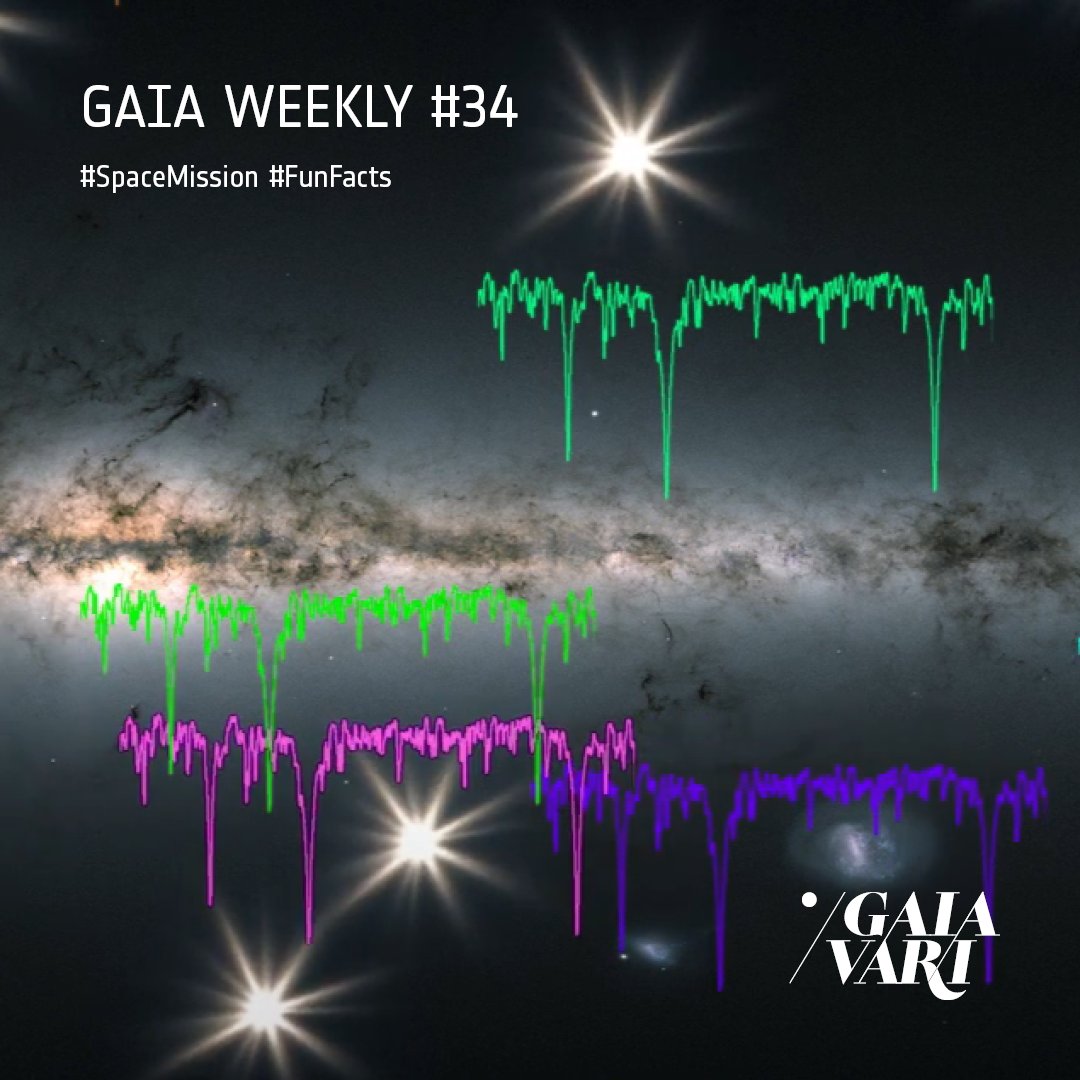
Gaia's cosmic gaze extends beyond stars, unraveling the larger tapestry of our Milky Way. 💫 Yet, its capabilities don't stop there — Gaia offers a unique lens to study macromolecules in interstellar space. These macromolecule contribute significantly to cellular functions.

Gaia's cosmic gaze extends beyond stars, unraveling the larger tapestry of our Milky Way. 💫

Yet, its capabilities don't stop there — Gaia offers a unique lens to study macromolecules in interstellar space. These macromolecule contribute significantly to cellular functions.
Gaia Vari (@gaiavari) 's Twitter Profile Photo

Today we are celebrating the 10th anniversary of Gaia Vari mission! 🥳 Since the launch on 19th of December 2013 the mission has revolutionized our comprehension of the Milky Way by uncovering its shape and structure.

Today we are celebrating the 10th anniversary of Gaia Vari mission! 🥳

Since the launch on 19th of December 2013 the mission has revolutionized our comprehension of the Milky Way by uncovering its shape and structure.
Gaia Vari (@gaiavari) 's Twitter Profile Photo

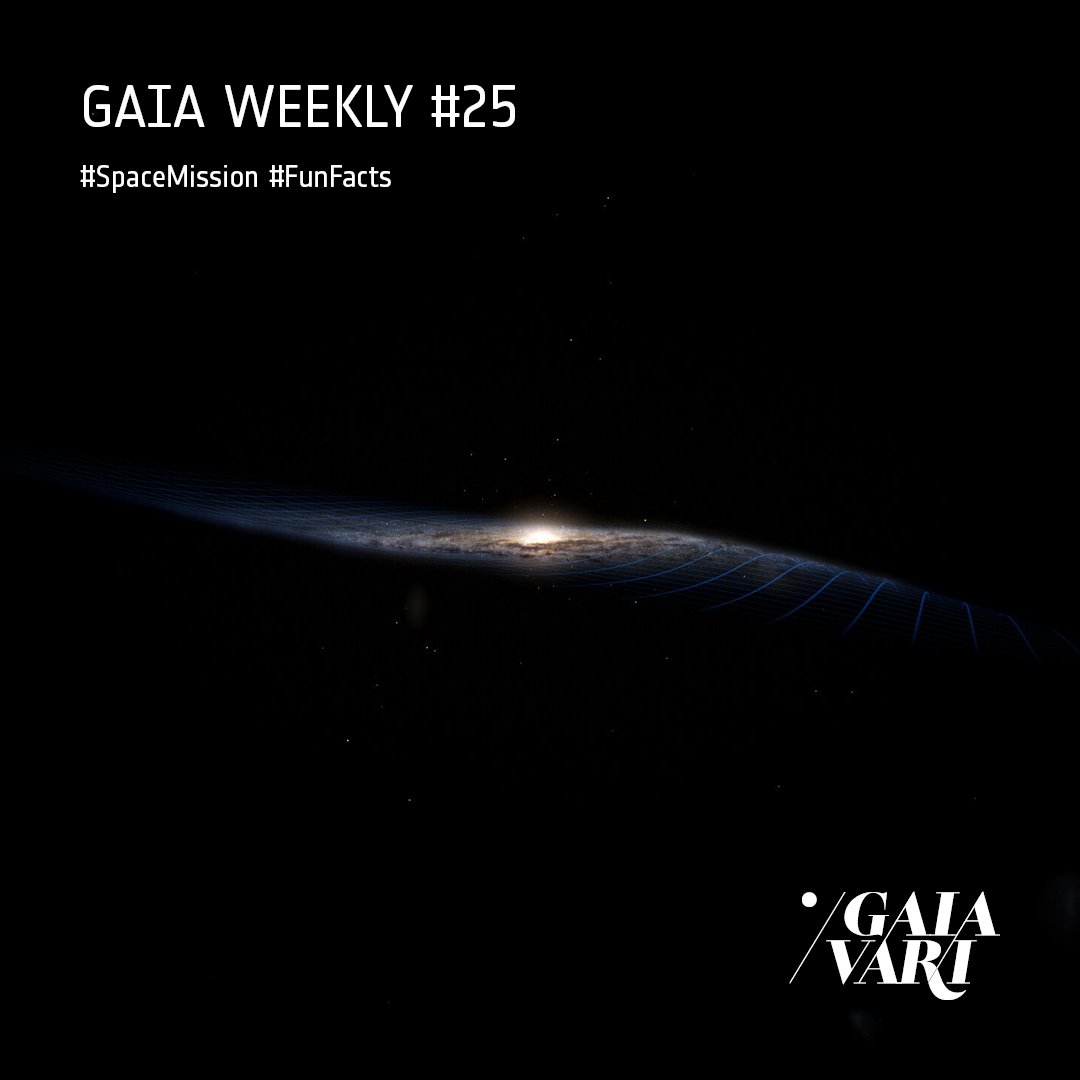
New data from Gaia suggest that a distinctive warp in our galaxy may be linked to an ongoing interaction with a smaller neighboring galaxy. The effect resembles ripples spreading through a pond after a stone is tossed. ✨

Gaia Vari (@gaiavari) 's Twitter Profile Photo

Gaia entangles starry strings of the Milky Way! A recent study using data from ESA's Gaia spacecraft reveals that stellar 'siblings' opt for enduring companionship, forming resilient, string-like groups.👫This unexpected behavior sheds light on the intricacies of star formation.

Gaia entangles starry strings of the Milky Way! A recent study using data from ESA's Gaia spacecraft reveals that stellar 'siblings' opt for enduring companionship, forming resilient, string-like groups.👫This unexpected behavior sheds light on the intricacies of star formation.
Gaia Vari (@gaiavari) 's Twitter Profile Photo

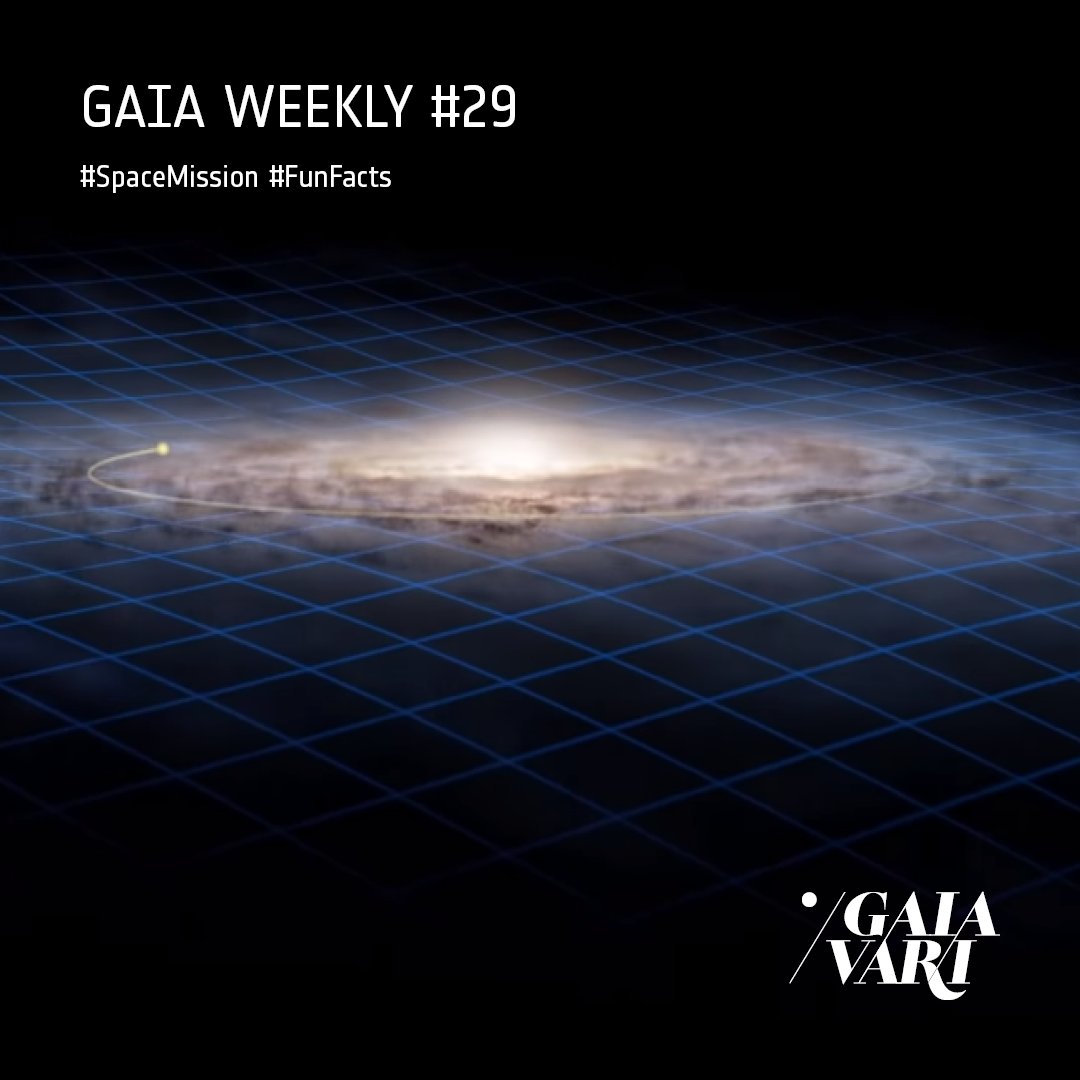
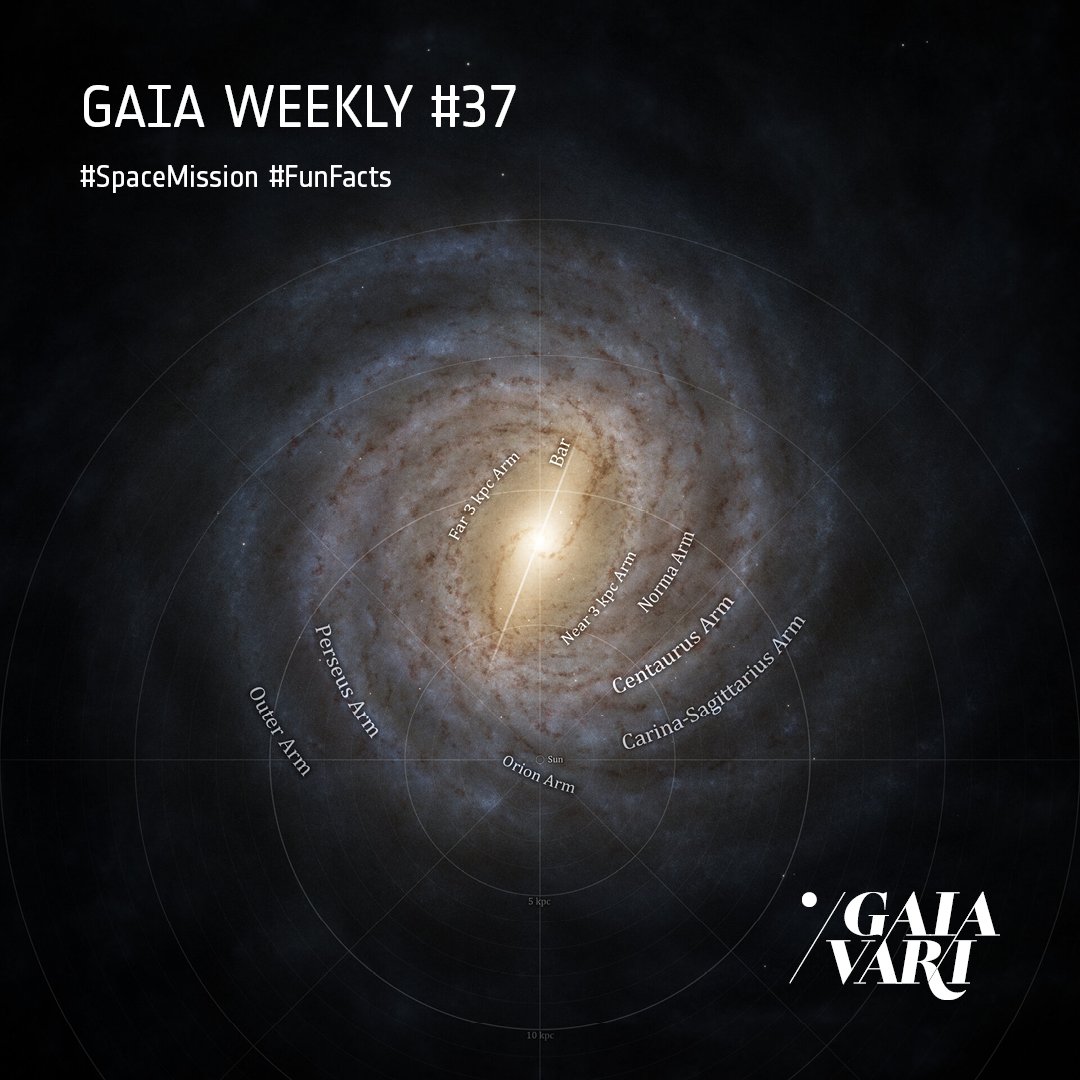
Through the lens of ESA's Gaia mission, we gain a new perspective on our galaxy. In this most recent updated image 📸, Gaia's precise measurements enable scientists to model captivating top-down views of the Milky Way. In this image youc an see the grand spiral structure.💫

Through the lens of ESA's Gaia mission, we gain a new perspective on our galaxy. In this most recent updated image 📸, Gaia's precise measurements enable scientists to model captivating top-down views of the Milky Way. In this image youc an see the grand spiral structure.💫
Gaia Vari (@gaiavari) 's Twitter Profile Photo

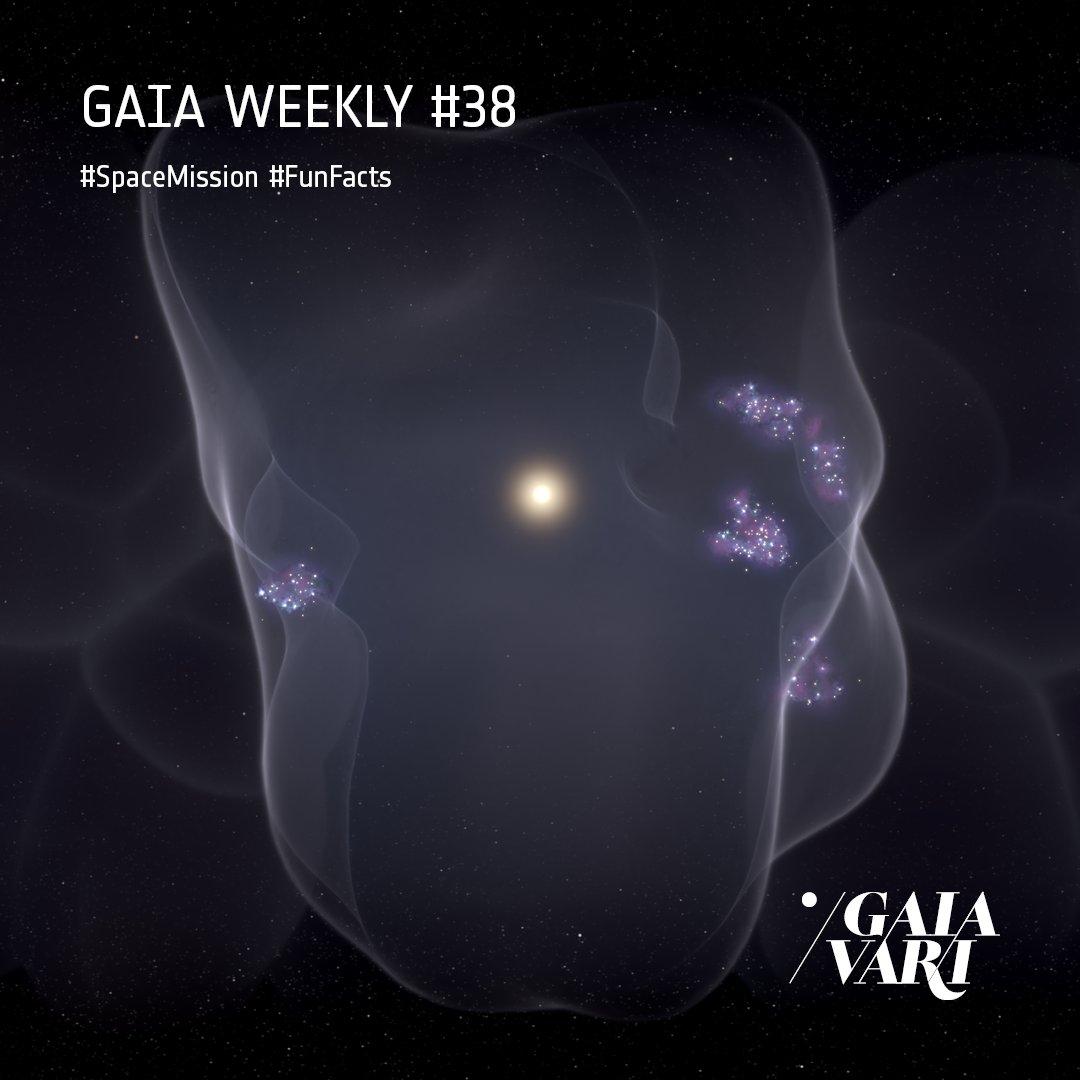
Ever heard of the Local Bubble? 🫧 Shaped like a peanut 🥜and filled with dust and gas 💨, it's a celestial wonder surrounding the Sun, less dense than other stellar neighborhoods, orbiting the Milky Way center alongside the Sun.

Ever heard of the Local Bubble?  🫧 Shaped like a peanut 🥜and filled with dust and gas 💨, it's a celestial wonder surrounding the Sun, less dense than other stellar neighborhoods, orbiting the Milky Way center alongside the Sun.
Gaia Vari (@gaiavari) 's Twitter Profile Photo

In the recent Gaia focused data release, scientists unveiled a staggering 381 lensed quasar candidates—the largest set ever released at once! These quasars, located at significant distances and fueled by black holes, exhibit intense brightness.

In the recent Gaia focused data release, scientists unveiled a staggering 381 lensed quasar candidates—the largest set ever released at once! These quasars, located at significant distances and fueled by black holes, exhibit intense brightness.