Geography and Sustainability (@geosus_journal) 's Twitter Profile
Geography and Sustainability

@geosus_journal

Promote Sustainable Development through an Integrated Geography Perspective. | Impact Factor (2023) 8.0; CiteScore 2023 16.7 | Editor-in-Chief: Bojie FU

ID: 1222776612631920640

linkhttp://www.journals.elsevier.com/geography-and-sustainability calendar_today30-01-2020 07:00:44

248 Tweet

53 Followers

88 Following
Geography and Sustainability (@geosus_journal) 's Twitter Profile Photo

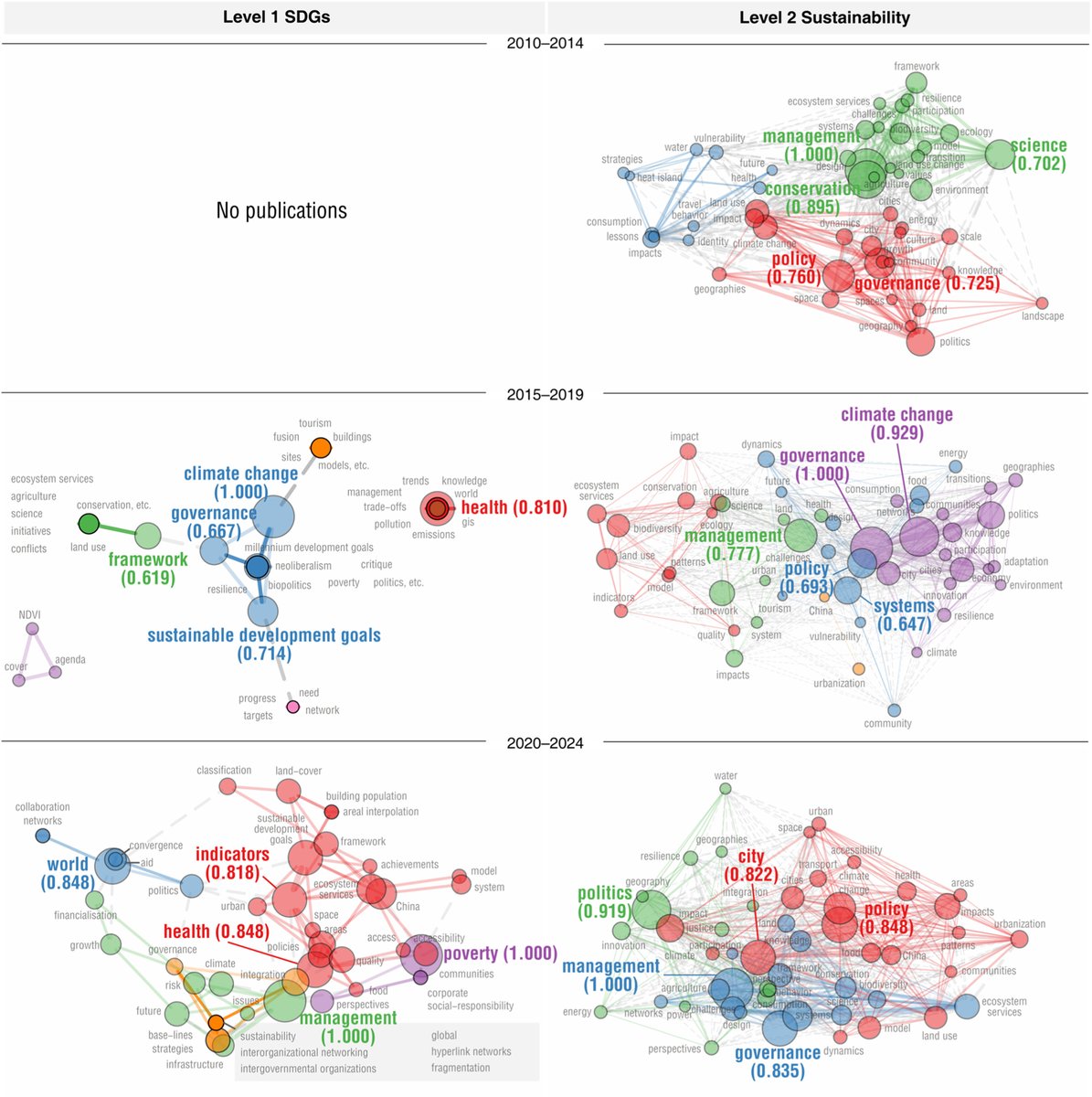
Fig. 4 shows SDG & sustainability research becoming far more interconnected after 2020. Themes cluster around indicators, ecosystem services, climate change, governance & urban issues. Six major thematic areas emerge across 70k+ papers. doi.org/10.1016/j.geos…

Fig. 4 shows SDG & sustainability research becoming far more interconnected after 2020.
Themes cluster around indicators, ecosystem services, climate change, governance & urban issues.
Six major thematic areas emerge across 70k+ papers.

doi.org/10.1016/j.geos…
Geography and Sustainability (@geosus_journal) 's Twitter Profile Photo

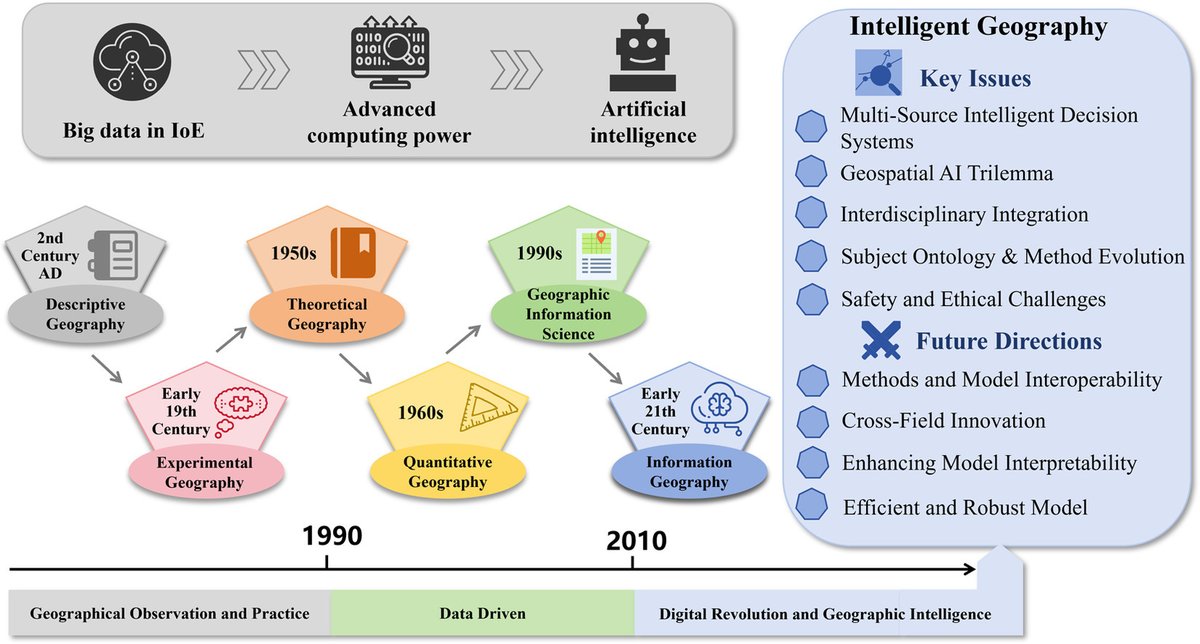
Intelligent Geography integrates AI, big data & HPC into adaptive sensing–prediction–learning cycles. It extends beyond GeoAI by embedding domain theory & feedback loops. Key challenges: data integration, interpretability & ethical governance. doi.org/10.1016/j.geos… #GeoSus

Intelligent Geography integrates AI, big data & HPC into adaptive sensing–prediction–learning cycles.
It extends beyond GeoAI by embedding domain theory & feedback loops.
Key challenges: data integration, interpretability & ethical governance.

doi.org/10.1016/j.geos…
#GeoSus
Geography and Sustainability (@geosus_journal) 's Twitter Profile Photo

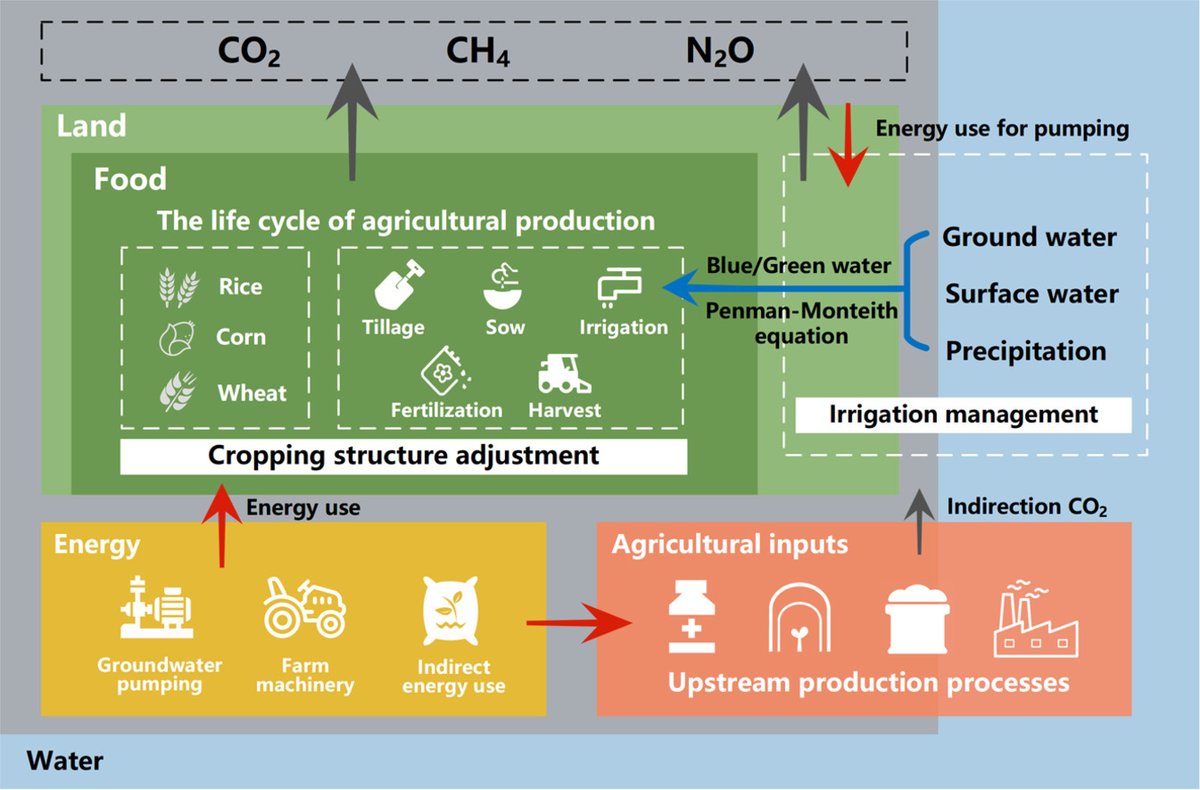
A new land–water–energy–GHG nexus for the North China Plain shows strong mitigation potential. Crop optimisation cuts 1.96 Mt CO₂e; integrated groundwater–fertilizer–energy control cuts emissions by 15.38%. doi.org/10.1016/j.geos… #Agriculture #ClimateChange #GHG #GeoSus

A new land–water–energy–GHG nexus for the North China Plain shows strong mitigation potential.
Crop optimisation cuts 1.96 Mt CO₂e; integrated groundwater–fertilizer–energy control cuts emissions by 15.38%.

doi.org/10.1016/j.geos…
#Agriculture #ClimateChange #GHG #GeoSus
Geography and Sustainability (@geosus_journal) 's Twitter Profile Photo

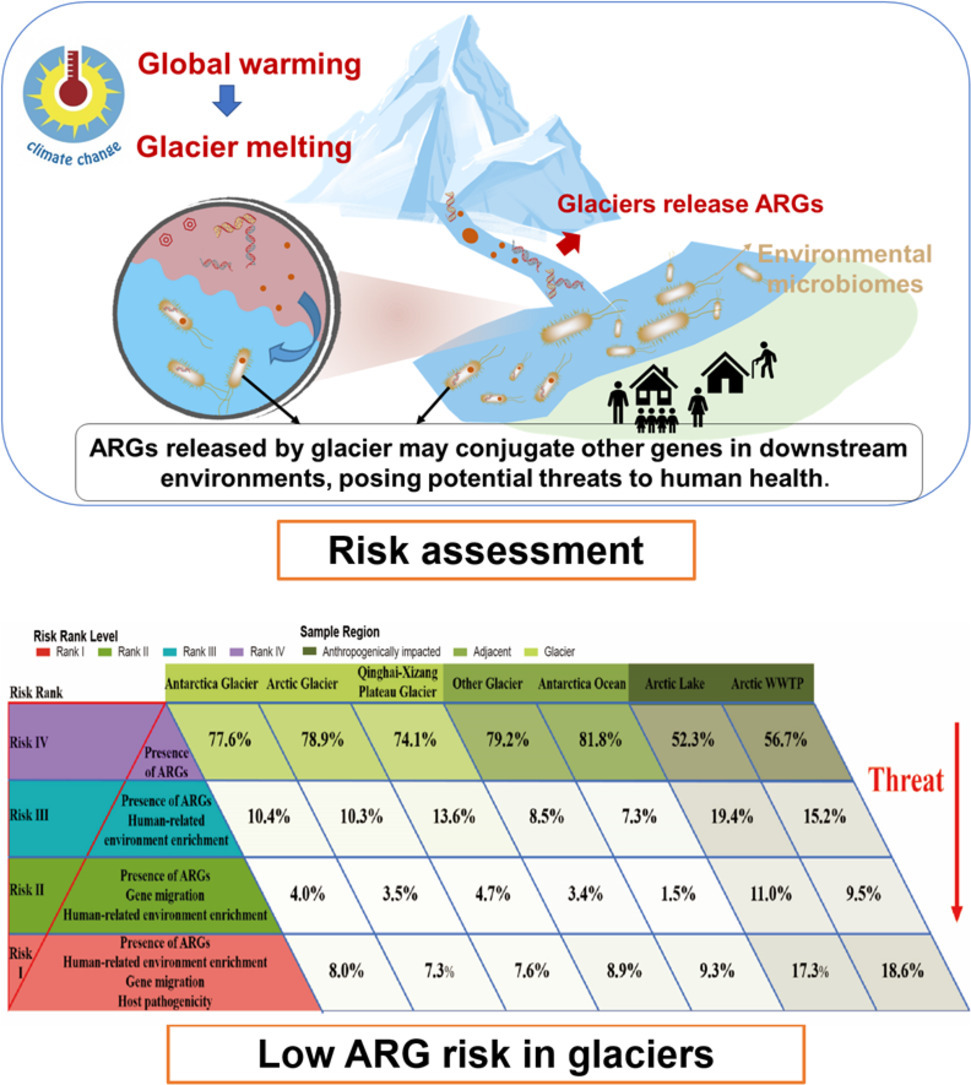
Glaciers carry antibiotic resistance genes that can be released as they melt. Qinghai–Xizang Plateau shows the highest ARG abundance; 7–8% are high-risk with HGT potential. doi.org/10.1016/j.geos… #AntibioticResistance #Cryosphere #ClimateChange #GeoSus

Glaciers carry antibiotic resistance genes that can be released as they melt.
Qinghai–Xizang Plateau shows the highest ARG abundance; 7–8% are high-risk with HGT potential.

doi.org/10.1016/j.geos…
#AntibioticResistance #Cryosphere #ClimateChange #GeoSus
Geography and Sustainability (@geosus_journal) 's Twitter Profile Photo

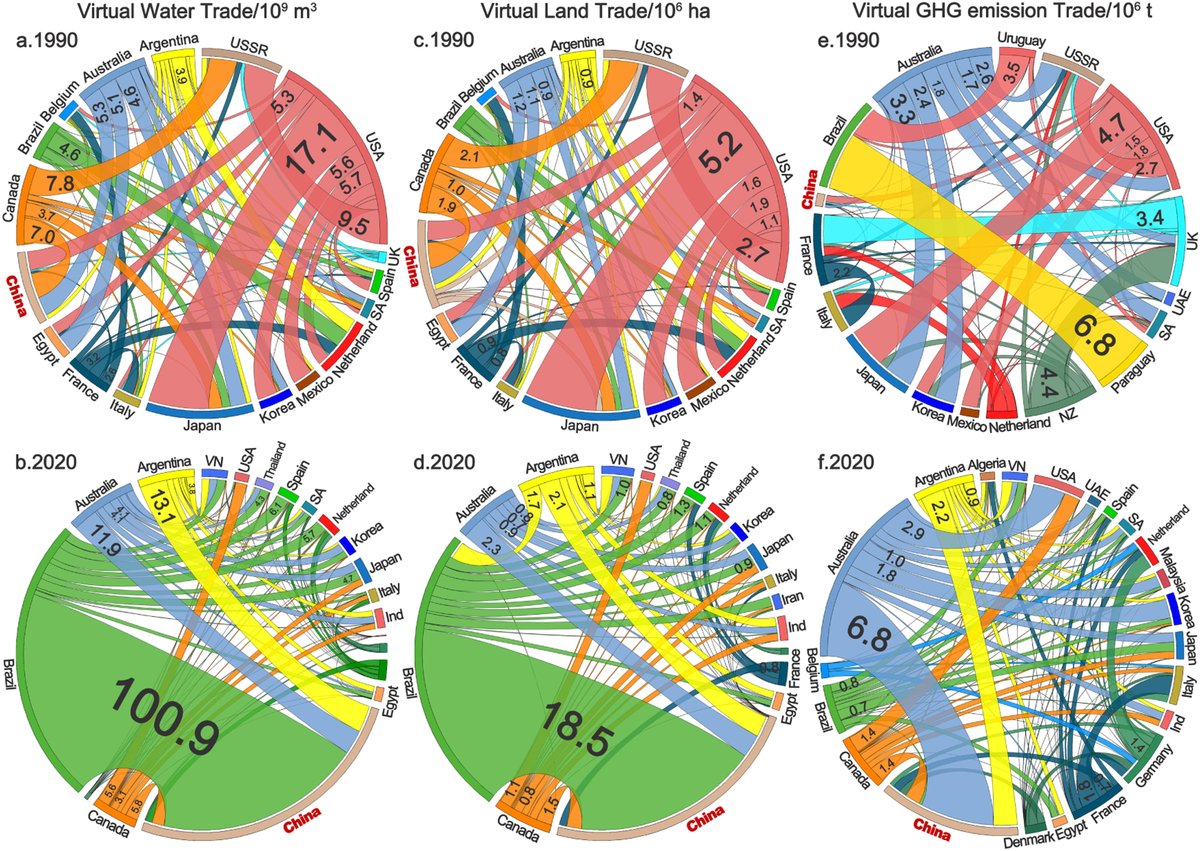
China’s food imports save global resources—119.5 × 10⁹ m³ water and 29.5 Mha land—but add 13 Mt CO₂-eq in virtual GHGs. doi.org/10.1016/j.geos… #FoodTrade #Sustainability #VirtualWater#GeoSus

China’s food imports save global resources—119.5 × 10⁹ m³ water and 29.5 Mha land—but add 13 Mt CO₂-eq in virtual GHGs.

doi.org/10.1016/j.geos…

#FoodTrade #Sustainability #VirtualWater#GeoSus
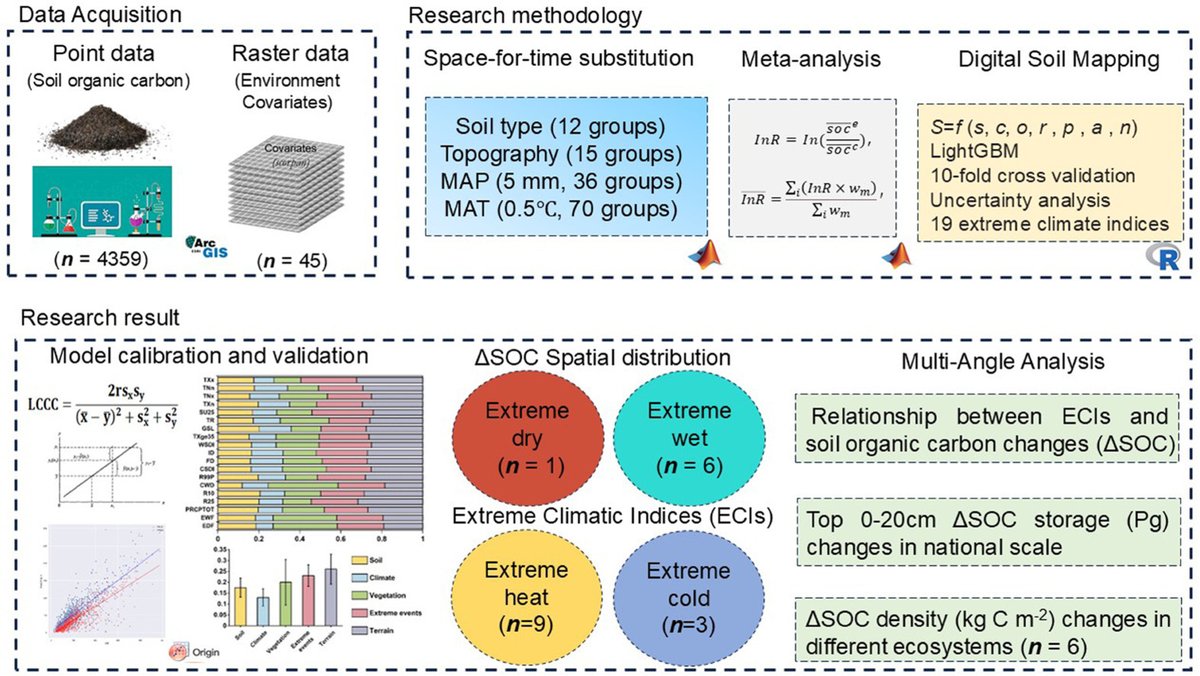
Geography and Sustainability (@geosus_journal) 's Twitter Profile Photo

Extreme heat/dry reduce SOC sharply in North China (>5%), while cold/wet events boost SOC in the Northeast (~3%). Forests & grasslands are most sensitive to climate extremes. doi.org/10.1016/j.geos… #SoilCarbon #ClimateChange #China #GeoSus

Extreme heat/dry reduce SOC sharply in North China (>5%), while cold/wet events boost SOC in the Northeast (~3%).
Forests & grasslands are most sensitive to climate extremes.

doi.org/10.1016/j.geos…
#SoilCarbon #ClimateChange #China #GeoSus
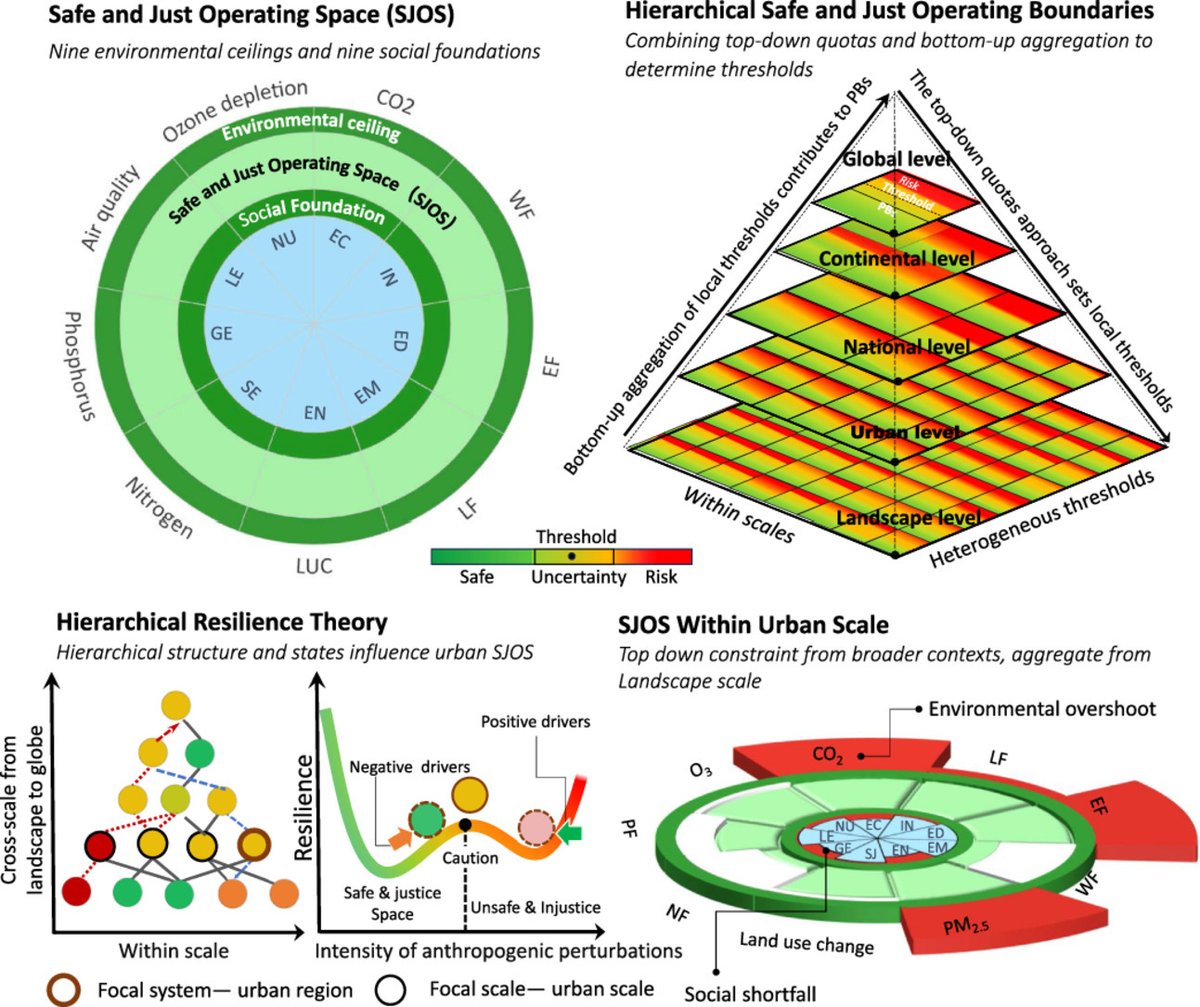
Geography and Sustainability (@geosus_journal) 's Twitter Profile Photo

Urban safe & just operating space depends on cross-scale interactions. National drivers + local landscape heterogeneity shape outcomes; strong trade-offs persist between social justice & environmental safety. doi.org/10.1016/j.geos… #UrbanSystems #Sustainability #GeoSus

Urban safe & just operating space depends on cross-scale interactions.
National drivers + local landscape heterogeneity shape outcomes; strong trade-offs persist between social justice & environmental safety.

doi.org/10.1016/j.geos…

#UrbanSystems #Sustainability #GeoSus
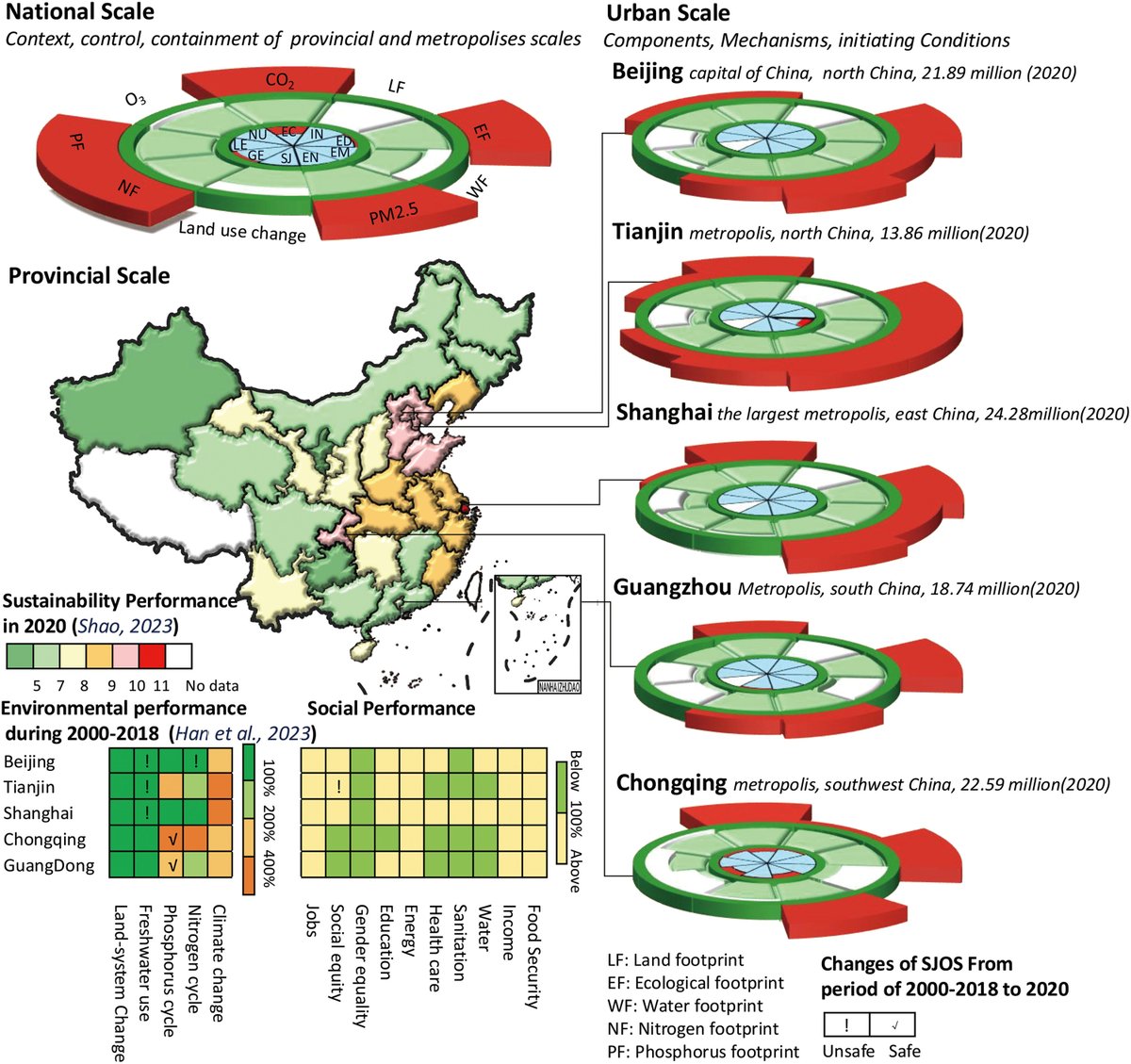
Geography and Sustainability (@geosus_journal) 's Twitter Profile Photo

...continued China’s cities face a clear trade-off: •Environmental ceilings (CO₂, EF, PM₂.₅) are widely exceeded •Social targets are strongest in Beijing & Shanghai, weakest in Chongqing Urban SJOS depends on cross-scale & landscape context. doi.org/10.1016/j.geos… #GeoSus

...continued
China’s cities face a clear trade-off:
•Environmental ceilings (CO₂, EF, PM₂.₅) are widely exceeded
•Social targets are strongest in Beijing & Shanghai, weakest in Chongqing
Urban SJOS depends on cross-scale & landscape context.

doi.org/10.1016/j.geos…
#GeoSus
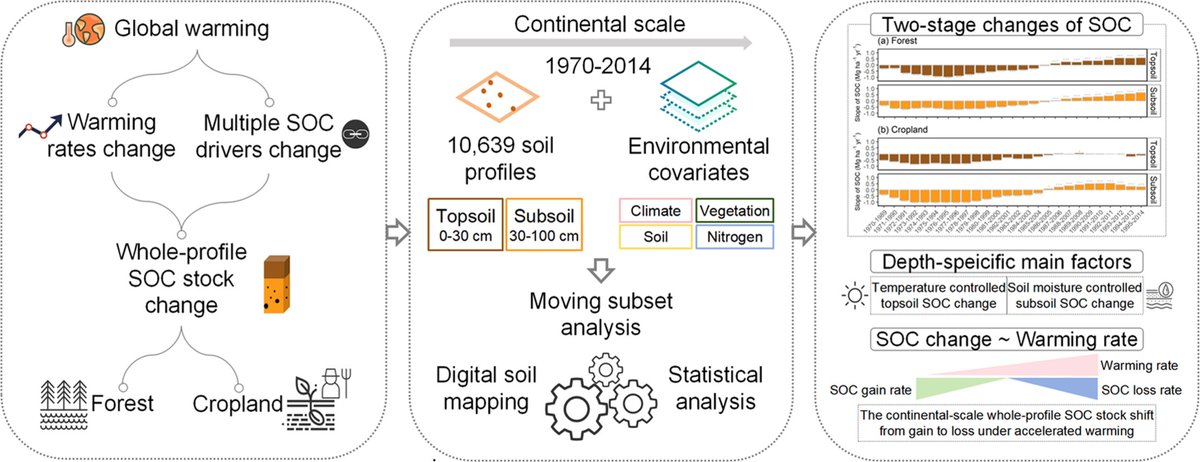
Geography and Sustainability (@geosus_journal) 's Twitter Profile Photo

45 years of data show US soil carbon responds to warming in two stages. Early warming drove SOC losses; later warming slowdown coincided with halted decline. Topsoil SOC tied to temperature, subsoil SOC to soil moisture. doi.org/10.1016/j.geos… #SoilCarbon #CarbonSequestration

45 years of data show US soil carbon responds to warming in two stages.
Early warming drove SOC losses; later warming slowdown coincided with halted decline.
Topsoil SOC tied to temperature, subsoil SOC to soil moisture.

doi.org/10.1016/j.geos…

#SoilCarbon #CarbonSequestration
Geography and Sustainability (@geosus_journal) 's Twitter Profile Photo

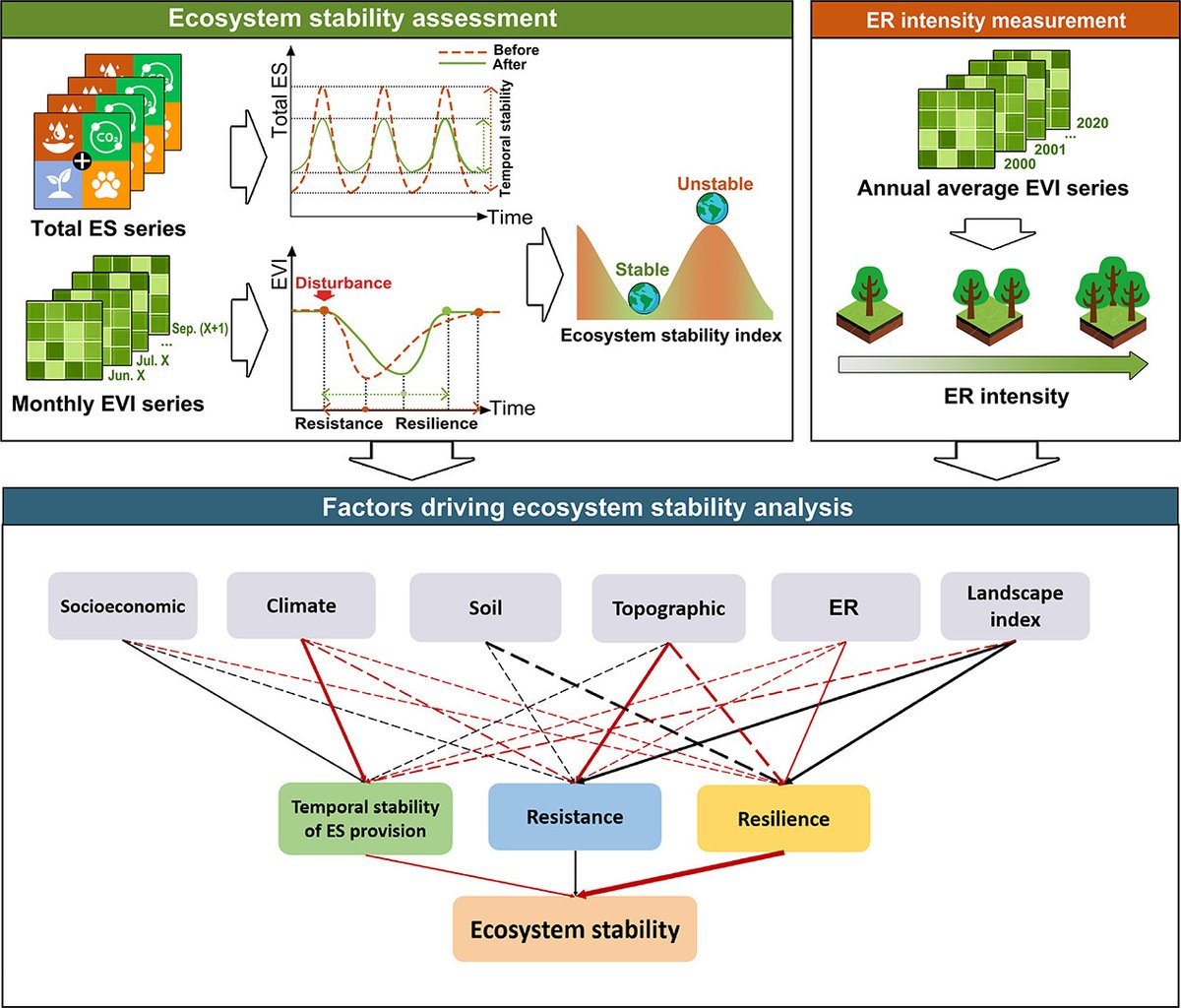
Ecological restoration boosts ecosystem stability mainly by improving resilience, not resistance. Forests show highest stability; farmlands strongest resistance. Fragmentation & land-use intensification weaken stability. doi.org/10.1016/j.geos… #Resilience #Ecosystems #GeoSus

Ecological restoration boosts ecosystem stability mainly by improving resilience, not resistance.

Forests show highest stability; farmlands strongest resistance.

Fragmentation & land-use intensification weaken stability.

doi.org/10.1016/j.geos…
#Resilience #Ecosystems #GeoSus
Geography and Sustainability (@geosus_journal) 's Twitter Profile Photo

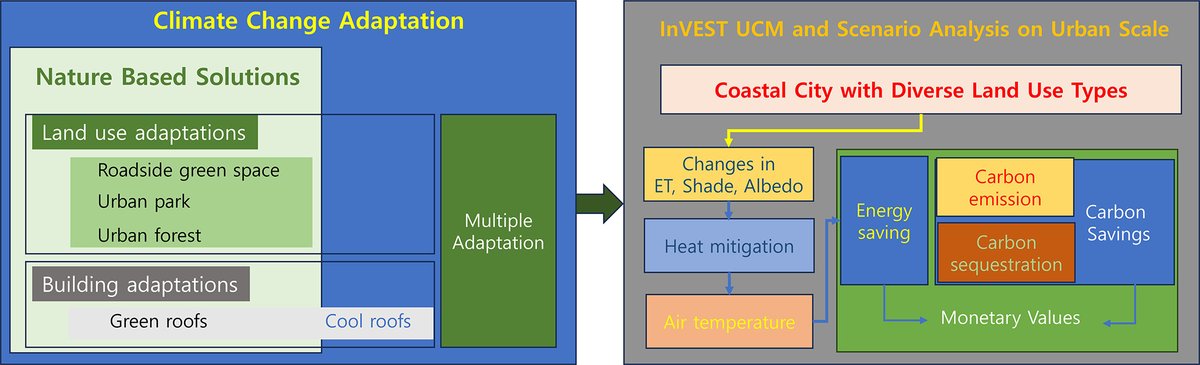
Nature-based solutions can outperform building tech for urban cooling. Urban parks deliver up to 15× more energy savings than green roofs, and forest restoration beats 100% cool roofs for carbon benefits. doi.org/10.1016/j.geos… #NbS #UrbanHeat #CarbonNeutrality #GeoSus

Nature-based solutions can outperform building tech for urban cooling.
Urban parks deliver up to 15× more energy savings than green roofs, and forest restoration beats 100% cool roofs for carbon benefits.

doi.org/10.1016/j.geos…
#NbS #UrbanHeat #CarbonNeutrality #GeoSus
Geography and Sustainability (@geosus_journal) 's Twitter Profile Photo

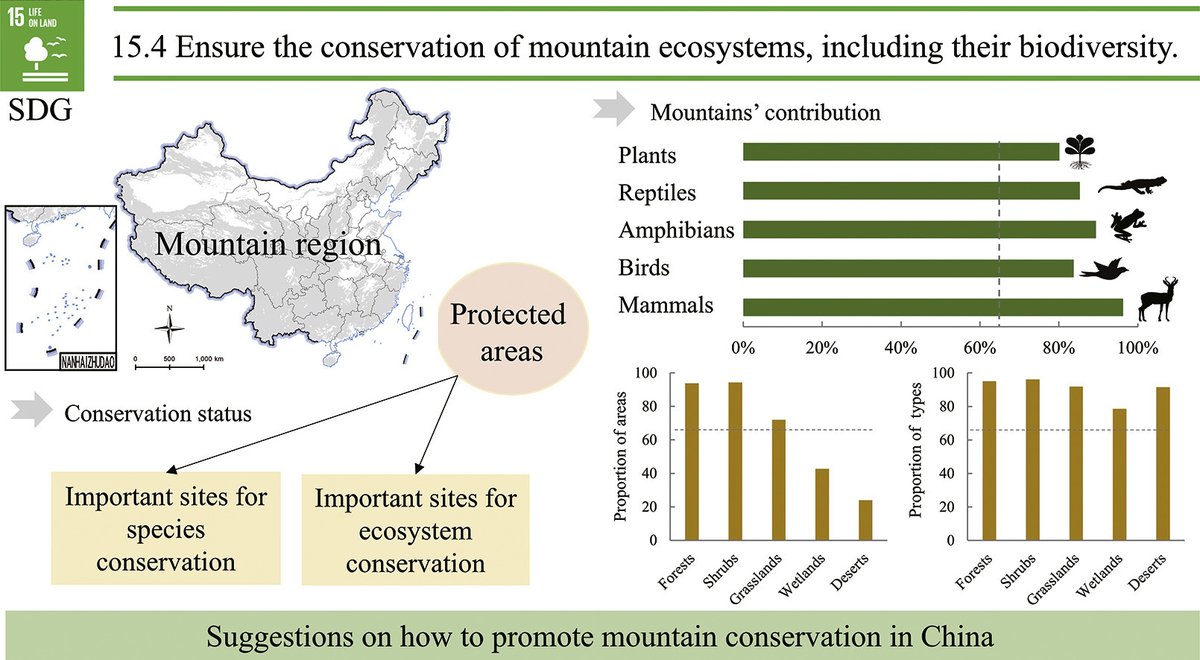
China’s mountains host most of the country’s biodiversity—95% of mammals and >85% of birds, reptiles & amphibians—but only ~25% of key sites are protected. Conservation gaps persist in the Hengduan & SE China mountains. doi.org/10.1016/j.geos… #Biodiversity #China

China’s mountains host most of the country’s biodiversity—95% of mammals and >85% of birds, reptiles & amphibians—but only ~25% of key sites are protected.

Conservation gaps persist in the Hengduan & SE China mountains.

doi.org/10.1016/j.geos…
#Biodiversity  #China
Geography and Sustainability (@geosus_journal) 's Twitter Profile Photo

Global surface water stress has intensified since the 1980s, driven mainly by rising VPD and declining rainfall. By 2100, stressed areas may expand to 24.3% of land under SSP5–8.5. 🔗 doi.org/10.1016/j.geos… #WaterStress #ClimateChange #Hydrology

Global surface water stress has intensified since the 1980s, driven mainly by rising VPD and declining rainfall.

By 2100, stressed areas may expand to 24.3% of land under SSP5–8.5.

🔗 doi.org/10.1016/j.geos…
#WaterStress #ClimateChange #Hydrology
Geography and Sustainability (@geosus_journal) 's Twitter Profile Photo

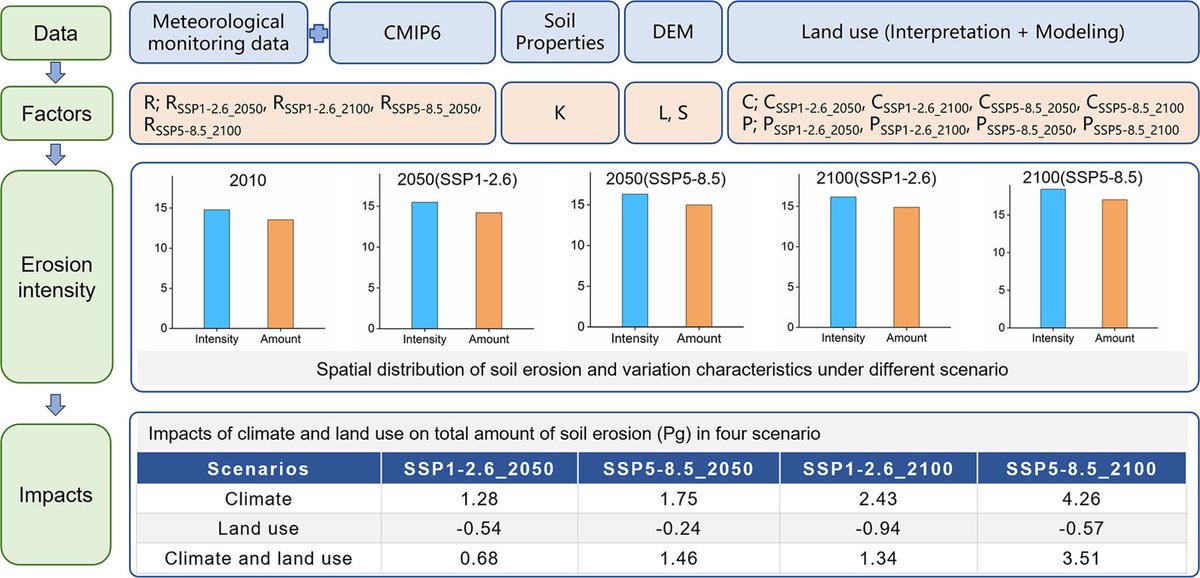
China currently loses ~14 Pg of soil per year to water erosion. By 2100, erosion may rise up to 26%, driven mainly by climate change—not land use. Conservation tillage & revegetation could offset most losses. doi.org/10.1016/j.geos… #SoilErosion #ClimateChange #LandDegradation

China currently loses ~14 Pg of soil per year to water erosion.

By 2100, erosion may rise up to 26%, driven mainly by climate change—not land use.

Conservation tillage & revegetation could offset most losses.
doi.org/10.1016/j.geos…
#SoilErosion #ClimateChange #LandDegradation
Geography and Sustainability (@geosus_journal) 's Twitter Profile Photo

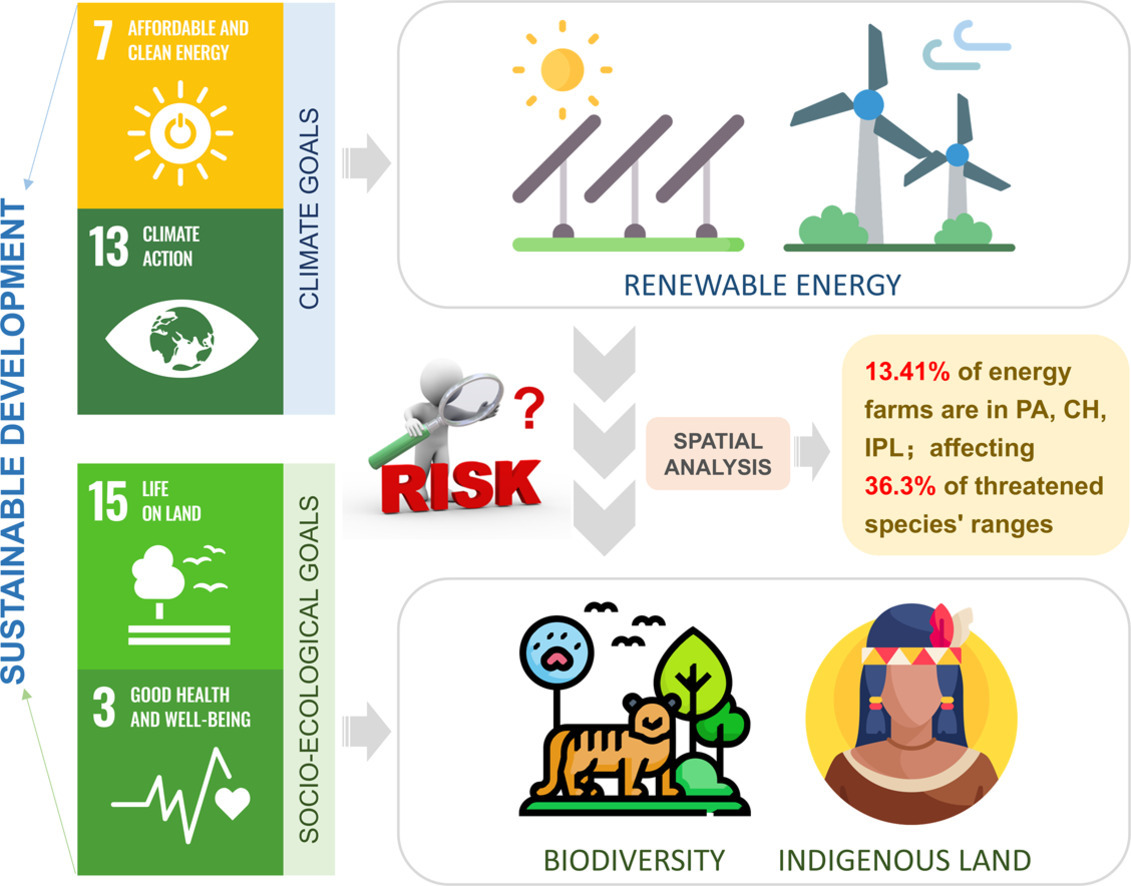
14.4% of global solar & wind farm footprints overlap with protected areas, critical habitats or Indigenous lands—affecting ranges of 2,310 threatened species. Solar farms pose higher risks than wind. doi.org/10.1016/j.geos… #RenewableEnergy #Biodiversity #IndigenousRights

14.4% of global solar & wind farm footprints overlap with protected areas, critical habitats or Indigenous lands—affecting ranges of 2,310 threatened species.
Solar farms pose higher risks than wind.

doi.org/10.1016/j.geos…
#RenewableEnergy #Biodiversity #IndigenousRights
Geography and Sustainability (@geosus_journal) 's Twitter Profile Photo

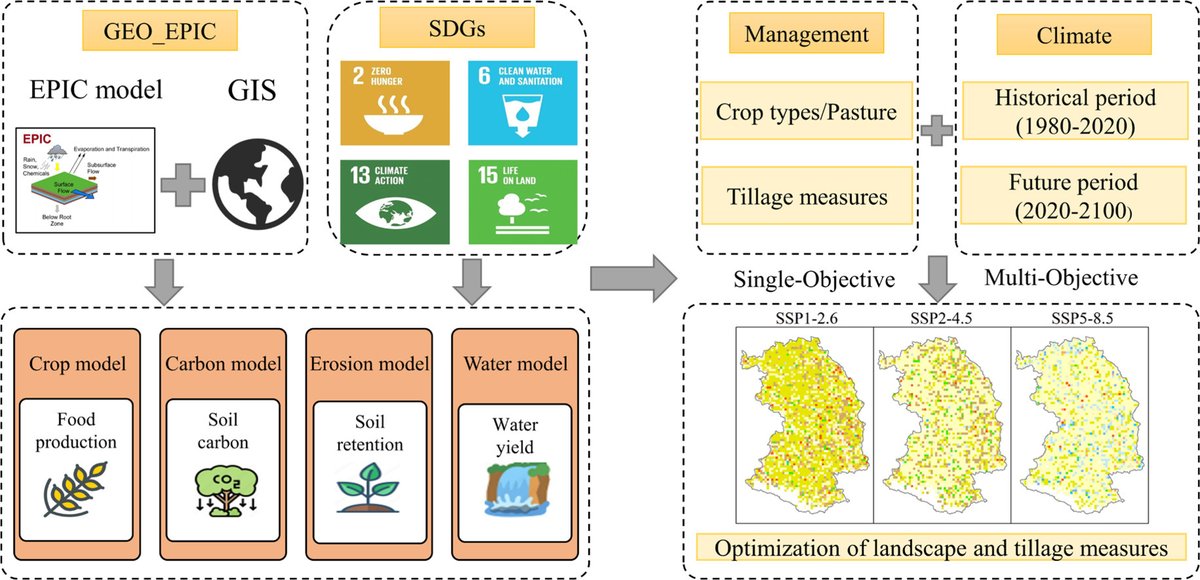
Climate change threatens agro-pastoral systems—especially under SSP5–8.5. A spatial GEO_EPIC study shows no-till corn and conservation tillage best enhance agroecosystem services and resilience in northern China. doi.org/10.1016/j.geos… #ClimateAdaptation #Agroecosystems

Climate change threatens agro-pastoral systems—especially under SSP5–8.5.
A spatial GEO_EPIC study shows no-till corn and conservation tillage best enhance agroecosystem services and resilience in northern China.

doi.org/10.1016/j.geos…

#ClimateAdaptation #Agroecosystems
Geography and Sustainability (@geosus_journal) 's Twitter Profile Photo

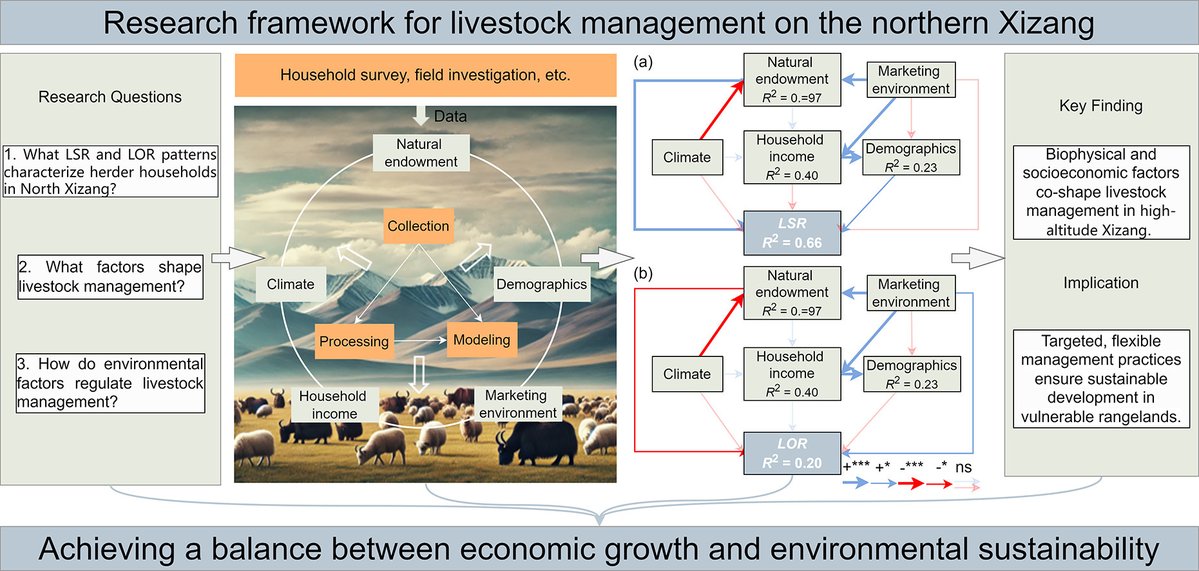
Livestock management in high-altitude Xizang is driven mainly by climate & rangeland conditions, not economics. Low offtake (~12%) reveals an underutilized pastoral economy. 🔗 doi.org/10.1016/j.geos… #Pastoralism #Rangelands #Sustainability #GeoSus

Livestock management in high-altitude Xizang is driven mainly by climate & rangeland conditions, not economics.

Low offtake (~12%) reveals an underutilized pastoral economy.

🔗 doi.org/10.1016/j.geos…
#Pastoralism #Rangelands #Sustainability #GeoSus
Geography and Sustainability (@geosus_journal) 's Twitter Profile Photo

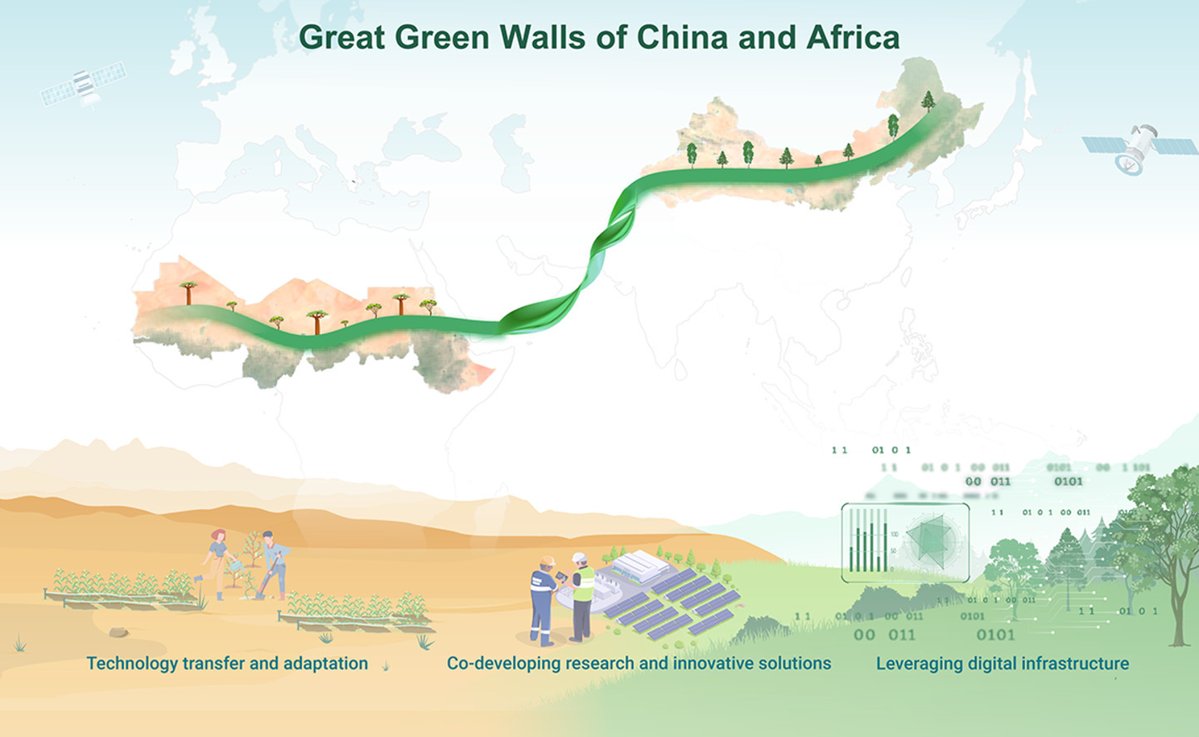
Africa’s Great Green Wall can leapfrog by learning from China’s 50-year dryland restoration experience. Technology transfer, co-developed research & digital tools are key to reaching Land Degradation Neutrality by 2030. 🔗 doi.org/10.1016/j.geos… #GeoSus #Restoration

Africa’s Great Green Wall can leapfrog by learning from China’s 50-year dryland restoration experience.

Technology transfer, co-developed research & digital tools are key to reaching Land Degradation Neutrality by 2030.

🔗 doi.org/10.1016/j.geos…
#GeoSus #Restoration
Geography and Sustainability (@geosus_journal) 's Twitter Profile Photo

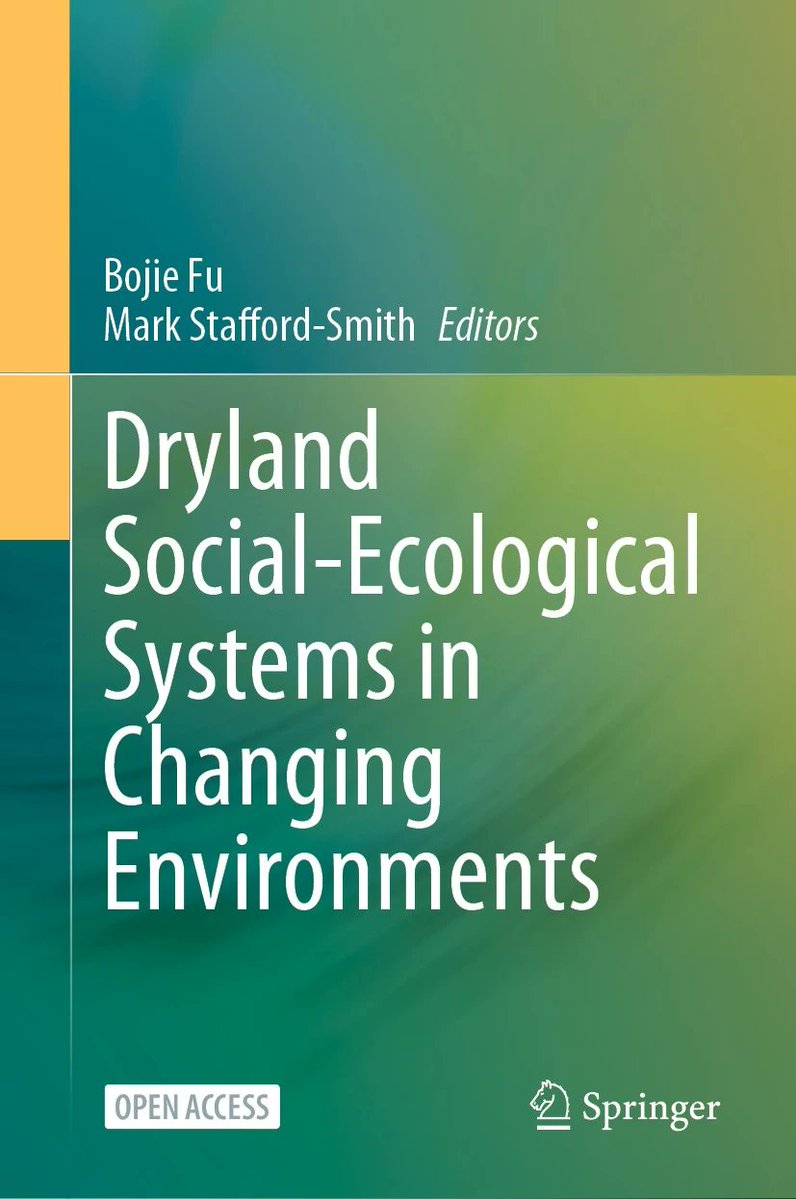
📘Dryland Social-Ecological Systems in Changing Environments Edited by Bojie Fu & Mark Stafford-Smith, this open-access book reframes drylands as integrated social–ecological systems, linking ecosystems, livelihoods & governance under climate change. 🔗 link.springer.com/book/10.1007/9…

📘Dryland Social-Ecological Systems in Changing Environments

Edited by Bojie Fu & Mark Stafford-Smith, this open-access book reframes drylands as integrated social–ecological systems, linking ecosystems, livelihoods & governance under climate change.

🔗 link.springer.com/book/10.1007/9…
Geography and Sustainability (@geosus_journal) 's Twitter Profile Photo

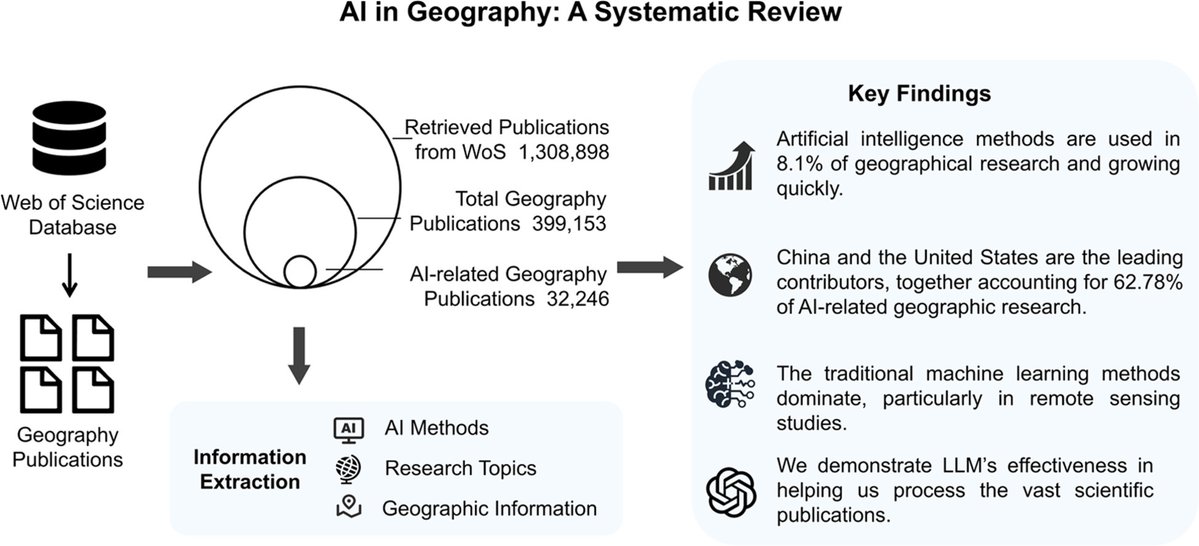
A review of 400,000 geography papers shows AI is used in 8.1% of studies, with a 20-fold growth since 1990. Most rely on traditional ML; remote sensing & spatial analysis dominate. China & the US lead (~63%). doi.org/10.1016/j.geos… #AI #Geography #GIScience

A review of 400,000 geography papers shows AI is used in 8.1% of studies, with a 20-fold growth since 1990.
Most rely on traditional ML; remote sensing & spatial analysis dominate.
China & the US lead (~63%).

doi.org/10.1016/j.geos…
#AI #Geography #GIScience