
Evan Butlig (@evanbutlig) 's Twitter Profile
Evan Butlig

@evanbutlig

PhD student studying Alzheimer’s disease using brain organoids at University of South Alabama

ID: 360412205

linkhttps://www.frontiersin.org/articles/10.3389/fnins.2022.915405/full calendar_today23-08-2011 05:00:37

15 Tweet

31 Followers

90 Following

Thoughts of Dog (@dog_feelings) 's Twitter Profile Photo

i was lying on the couch. all snuggled up with the human. when they got up and left the room. it’s like they don’t know. that without attention. i will explode

Joshua Keller (@joshkeller10) 's Twitter Profile Photo

Publication 🚨 🧠 Big collaborative effort to get some more evidence out that there are NUMEROUS health disparities, especially here in our local community (AL, USA)! How do these disparities lead to disproportionate neurodegeneration? Read -> frontiersin.org/articles/10.33…

Joshua Keller (@joshkeller10) 's Twitter Profile Photo

🚨New publication🚨 Miranda Traylor first lead author paper! "...losing skeletal muscle mass may be more disadvantageous to healthy aging compared to the accumulation of fat mass..." doi.org/10.3389/fnagi.…
Elizabeth Crouch, MD/PhD (@elizabetscrouch) 's Twitter Profile Photo

Pleased to announce our paper Cell describing the #endothelial and #mural cells in the prenatal human brain is out today cell.com/cell/fulltext/… 🧵to follow

Momoko Watanabe Lab (@labmomoko) 's Twitter Profile Photo

I am thrilled to announce that our paper got published Ben Novitch ! The state of hPSCs influences the capacity to make cortical organoids efficiently. cell.com/stem-cell-repo…

Evan Butlig (@evanbutlig) 's Twitter Profile Photo

Beyond grateful to have had the opportunity to share my research at #SENDCon23 in Atlanta,GA! Thank you to Alzheimer's Association for the travel fellowship that allowed me to attend. Until next time!
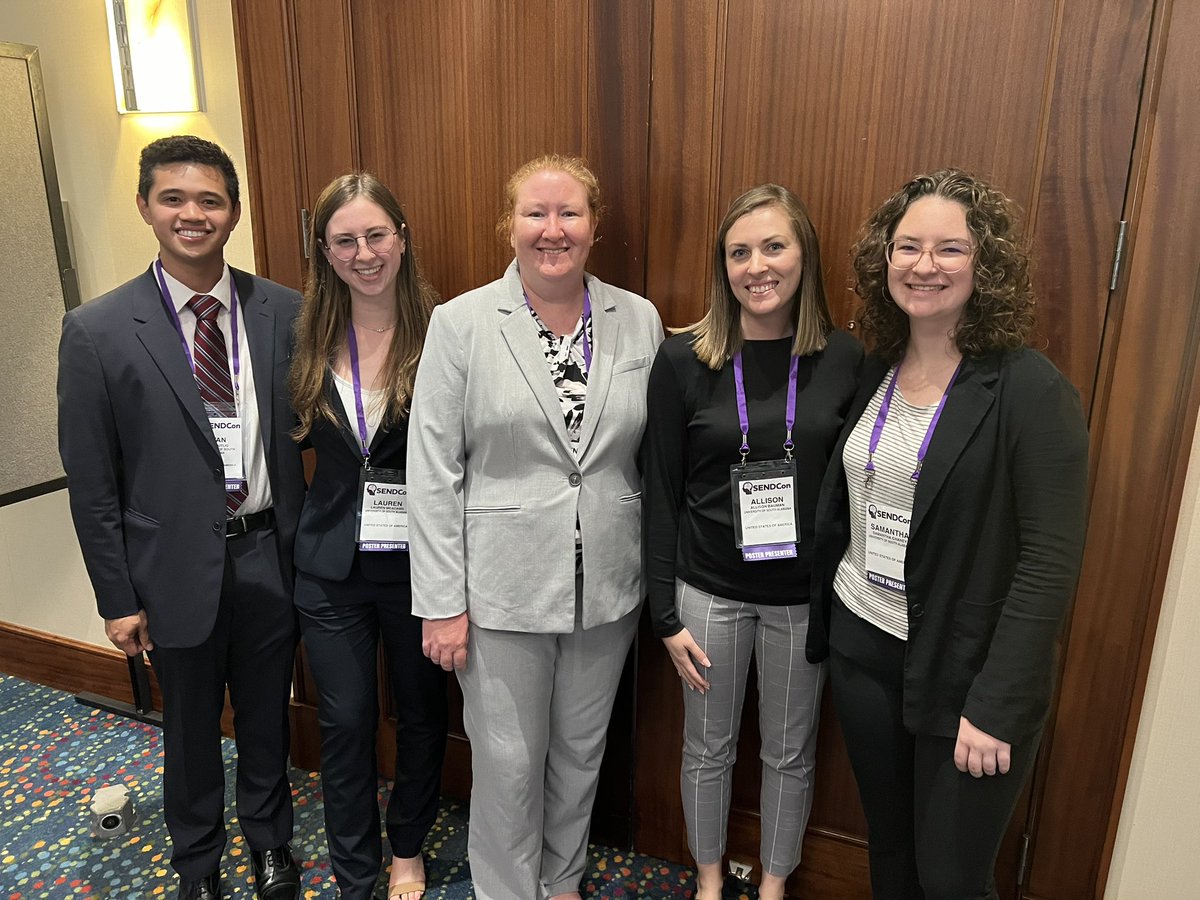
Beyond grateful to have had the opportunity to share my research at #SENDCon23 in Atlanta,GA! Thank you to <a href="/alzassociation/">Alzheimer's Association</a> for the travel fellowship that allowed me to attend. Until next time!
USC Stem Cell (@uscstemcell) 's Twitter Profile Photo

Variants of #SYNGAP1, an autism-linked gene previously thought only to affect synapses, may disrupt early brain development. The findings from the lab of Giorgia Quadrato appear in Nature Neuroscience. SynGAP Research Fund (SRF) USC Stem Cell @KeckSchool_USC stemcell.keck.usc.edu/autism-linked-…
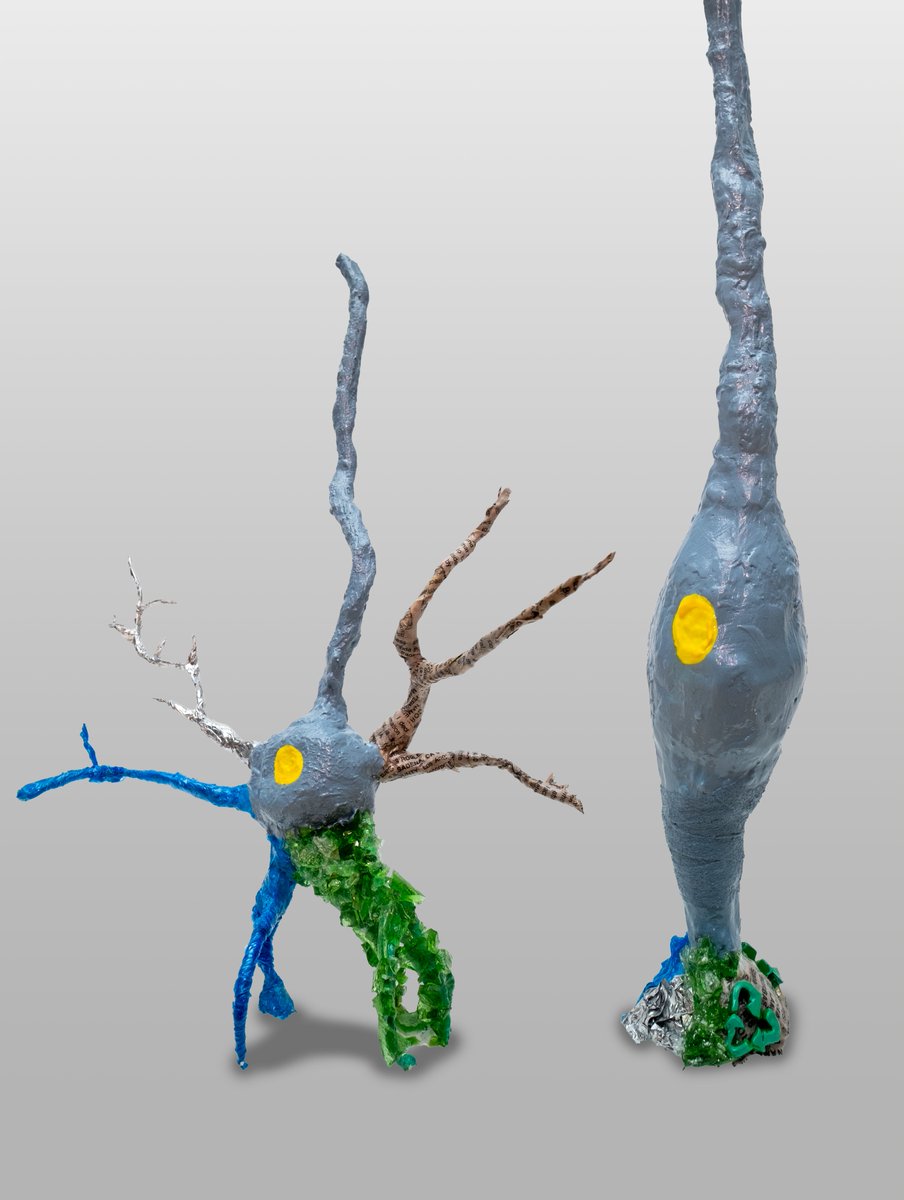
Variants of #SYNGAP1, an autism-linked gene previously thought only to affect synapses, may disrupt early brain development. The findings from the lab of <a href="/GiorgiaQuadrato/">Giorgia Quadrato</a> appear in <a href="/NatureNeuro/">Nature Neuroscience</a>. <a href="/cureSYNGAP1/">SynGAP Research Fund (SRF)</a> <a href="/USCStemCell/">USC Stem Cell</a> @KeckSchool_USC stemcell.keck.usc.edu/autism-linked-…
Sergiu P. Pasca (@sergiu_p_pasca) 's Twitter Profile Photo

This week we welcome the 2025 class of students for our hands-on Stanford Stanford Brain Organogenesis Center course. With students joining from across the globe, this is our most international class yet—diving into cutting-edge neural #organoid and #assembloid methods, ready to bring them back to
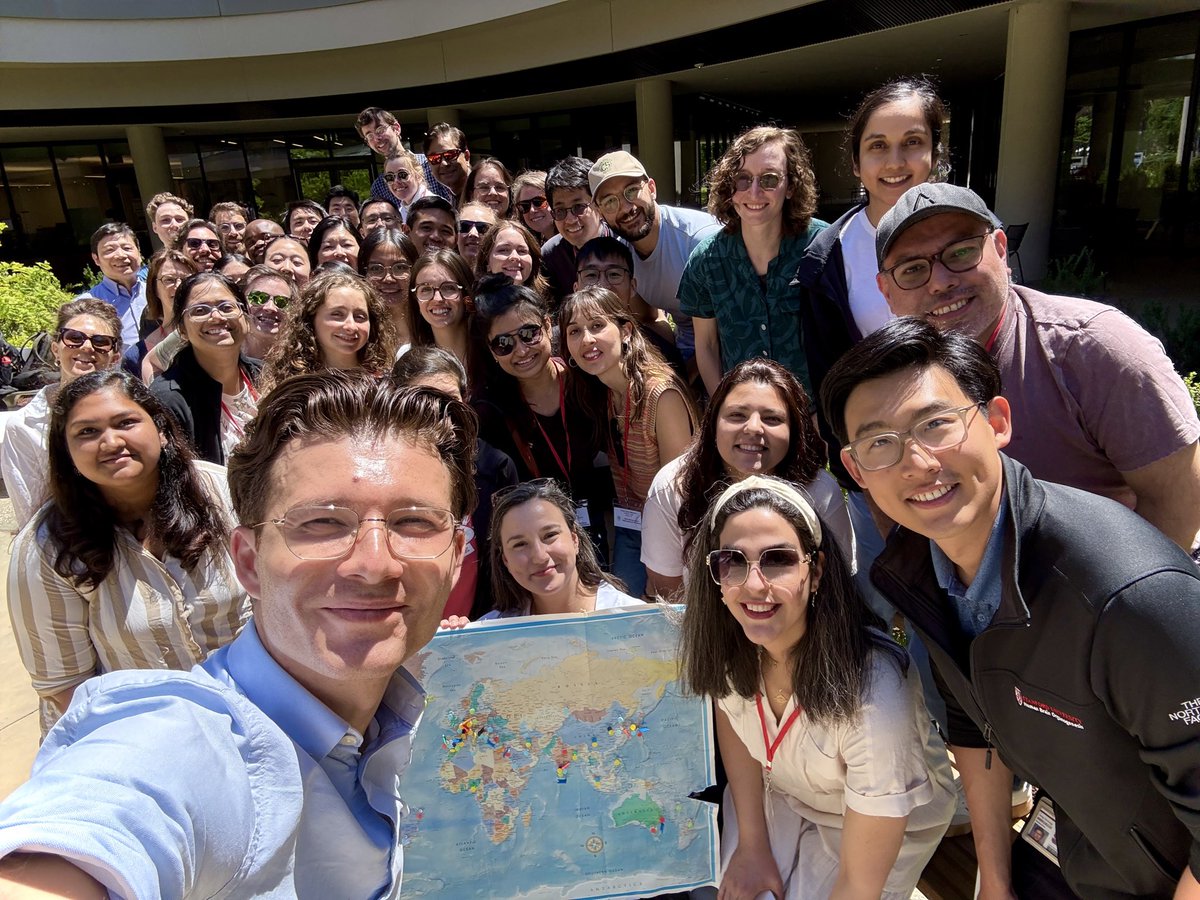
This week we welcome the 2025 class of students for our hands-on Stanford <a href="/BrOrganogenesis/">Stanford Brain Organogenesis Center</a> course.

With students joining from across the globe, this is our most international class yet—diving into cutting-edge neural #organoid and #assembloid methods, ready to bring them back to
Sergiu P. Pasca (@sergiu_p_pasca) 's Twitter Profile Photo

By popular demand — the next edition of our hands-on Stanford University Stanford Brain Organogenesis Center course is coming in 2026! This year, the focus turns to neural #assembloids, reflecting the growing movement toward modeling circuit-level and complex cell-cell interactions in brain disease. The

By popular demand — the next edition of our hands-on <a href="/Stanford/">Stanford University</a> <a href="/BrOrganogenesis/">Stanford Brain Organogenesis Center</a> course is coming in 2026!

This year, the focus turns to neural #assembloids, reflecting the growing movement toward modeling circuit-level and complex cell-cell interactions in brain disease.

The