Emilie H. (@emiliehadjiev) 's Twitter Profile
Emilie H.

@emiliehadjiev

PhD student in Microbiology 🦠🔬🧫

ID: 1062454548617400320

calendar_today13-11-2018 21:17:58

9 Tweet

3 Takipçi

36 Takip Edilen
A. Murat Eren (Meren) (@merenbey) 's Twitter Profile Photo

Scenes from the 5ᵗʰ #EBAME, one of the most comprehensive and cutting-edge microbial 'omics workshops organized by Loïs Maignien loimai.bsky.social, Julie Reveillaud et al, hosted by @IUEM_Brest & UBO - Univ. Brest, and taught by many scientists at beautiful Brest🇫🇷 Keep this one in mind for the next year.

Scenes from the 5ᵗʰ #EBAME, one of the most comprehensive and cutting-edge microbial 'omics workshops organized by <a href="/LoiMai/">Loïs Maignien loimai.bsky.social</a>, <a href="/JulieReve/">Julie Reveillaud</a> et al, hosted by @IUEM_Brest &amp; <a href="/UBO_UnivBrest/">UBO - Univ. Brest</a>, and taught by many scientists at beautiful Brest🇫🇷

Keep this one in mind for the next year.
Rich Davis, PhD, D(ABMM), MLS🧫🦠 (@richdavisphd) 's Twitter Profile Photo

What does a mask do? Blocks respiratory droplets coming from your mouth and throat. Two simple demos: First, I sneezed, sang, talked & coughed toward an agar culture plate with or without a mask. Bacteria colonies show where droplets landed. A mask blocks virtually all of them.
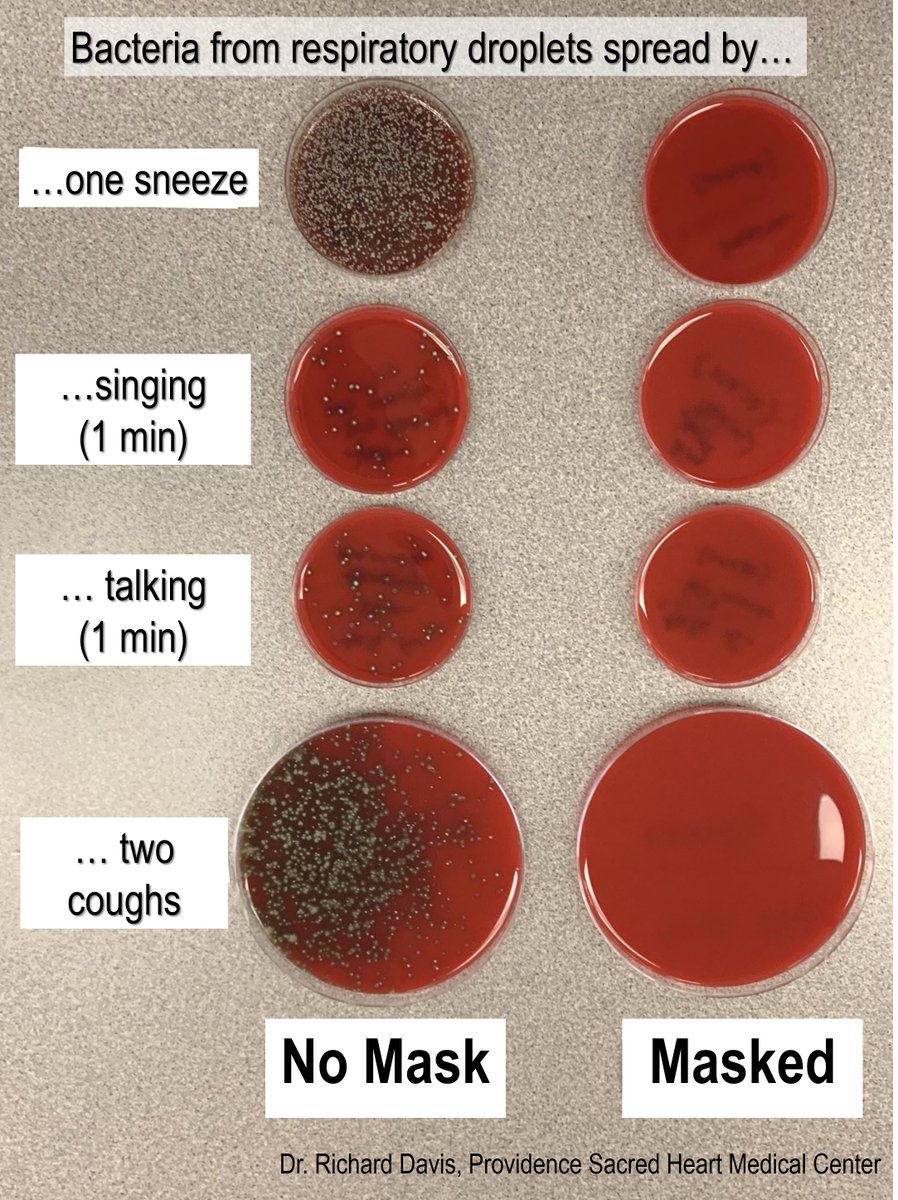
What does a mask do? Blocks respiratory droplets coming from your mouth and throat.

Two simple demos:

First, I sneezed, sang, talked &amp; coughed toward an agar culture plate with or without a mask. Bacteria colonies show where droplets landed. A mask blocks virtually all of them.
Rich Davis, PhD, D(ABMM), MLS🧫🦠 (@richdavisphd) 's Twitter Profile Photo

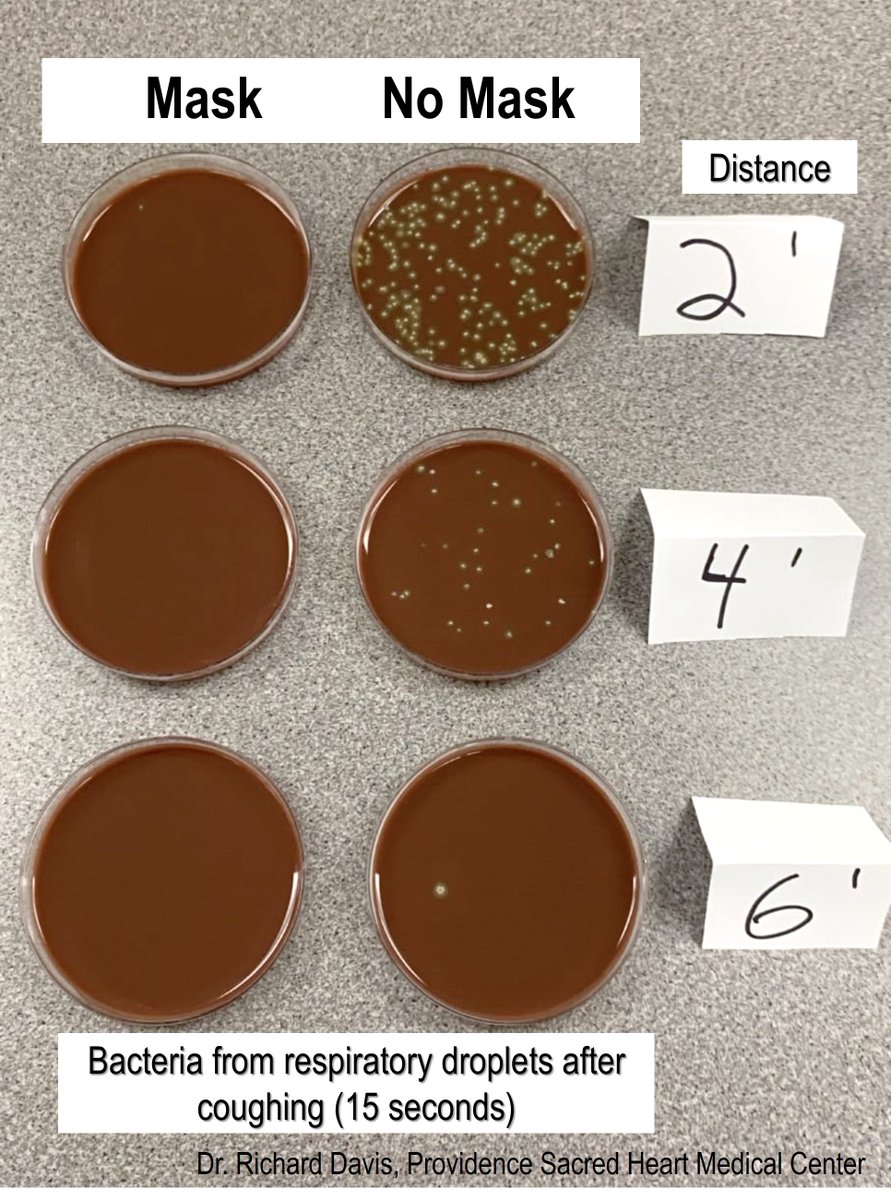
What about keeping your distance? Second demo: I set open bacteria culture plates 2, 4 and 6 feet away and coughed (hard) for ~15s. I repeated this without a mask. As seen by number of bacteria colonies, droplets mostly landed <6 ft, but a mask blocked nearly all of them.

What about keeping your distance?

Second demo: I set open bacteria culture plates 2, 4 and 6 feet away and coughed (hard) for ~15s. I repeated this without a mask.

As seen by number of bacteria colonies, droplets mostly landed &lt;6 ft, but a mask blocked nearly all of them.
The Nobel Prize (@nobelprize) 's Twitter Profile Photo

Why do you want to be a scientist? Françoise Barré-Sinoussi was awarded the 2008 Medicine Prize "for the discovery of human immunodeficiency virus (HIV)."

The Nobel Prize (@nobelprize) 's Twitter Profile Photo

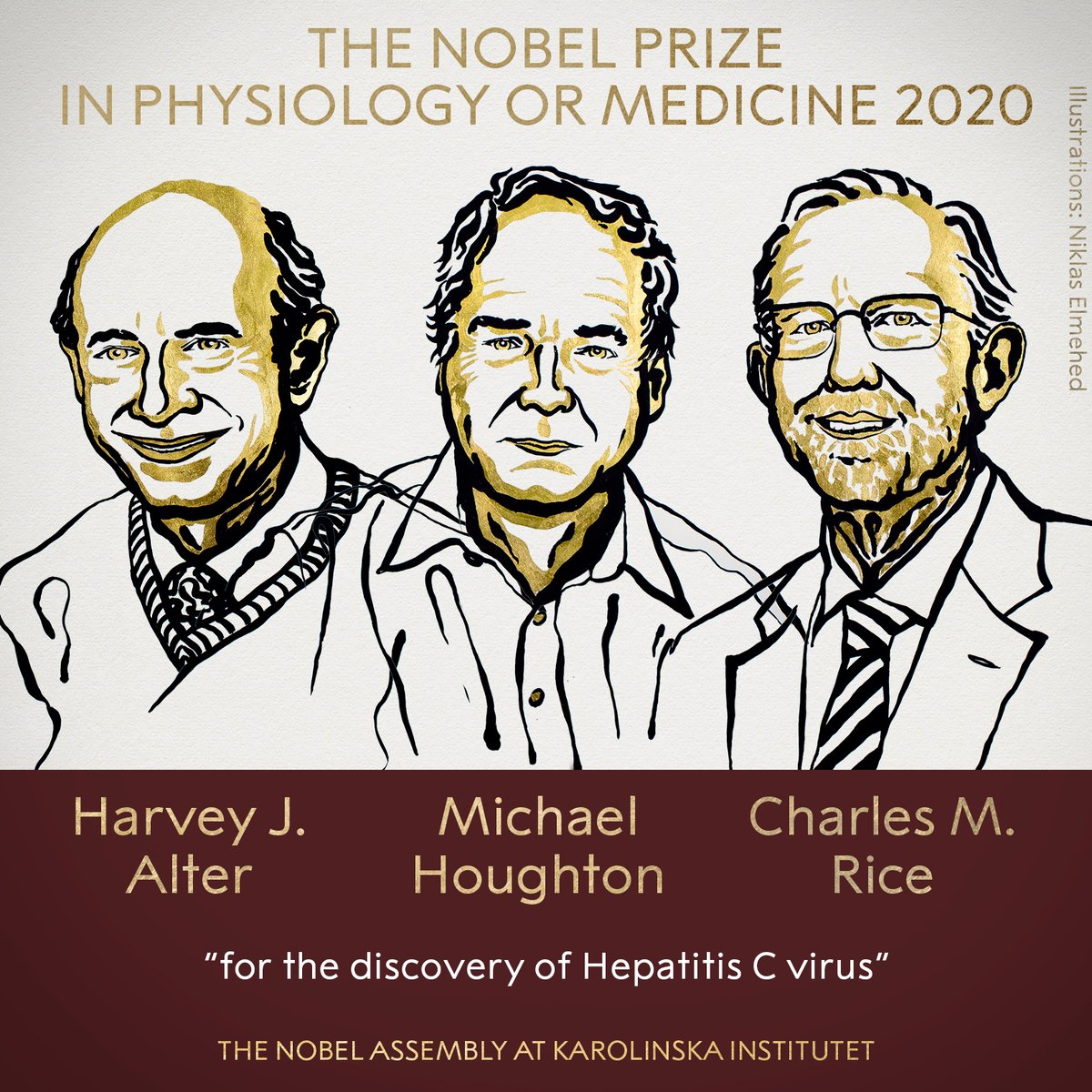
BREAKING NEWS: The 2020 #NobelPrize in Physiology or Medicine has been awarded jointly to Harvey J. Alter, Michael Houghton and Charles M. Rice “for the discovery of Hepatitis C virus.”

BREAKING NEWS: 
The 2020 #NobelPrize in Physiology or Medicine has been awarded jointly to Harvey J. Alter, Michael Houghton and Charles M. Rice “for the discovery of Hepatitis C virus.”
The Nobel Prize (@nobelprize) 's Twitter Profile Photo

BREAKING NEWS: The 2020 #NobelPrize in Chemistry has been awarded to Emmanuelle Charpentier and Jennifer A. Doudna “for the development of a method for genome editing.”

BREAKING NEWS: 
The 2020 #NobelPrize in Chemistry has been awarded to Emmanuelle Charpentier and Jennifer A. Doudna “for the development of a method for genome editing.”
The Nobel Prize (@nobelprize) 's Twitter Profile Photo

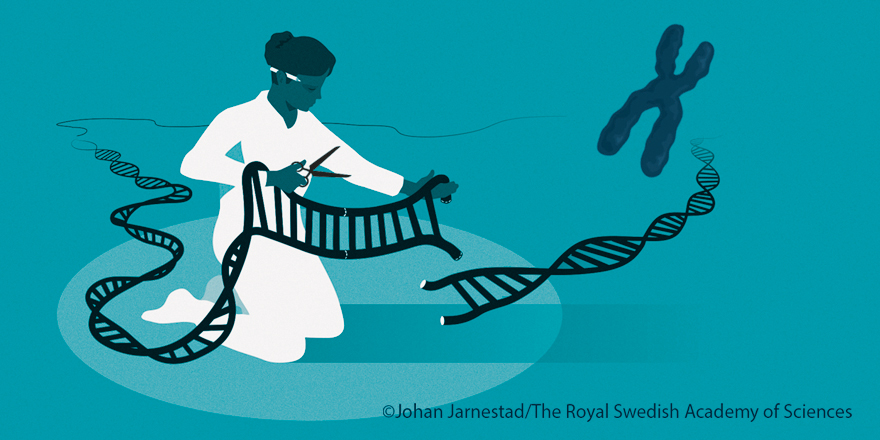
2020 Chemistry Laureates Emmanuelle Charpentier and Jennifer Doudna discovered one of gene technology’s sharpest tools: the CRISPR/Cas9 genetic scissors. Using these, researchers can change the DNA of animals, plants and microorganisms with extremely high precision. #NobelPrize

2020 Chemistry Laureates Emmanuelle Charpentier and Jennifer Doudna discovered one of gene technology’s sharpest tools: the CRISPR/Cas9 genetic scissors. Using these, researchers can change the DNA of animals, plants and microorganisms with extremely high precision.

#NobelPrize
The Nobel Prize (@nobelprize) 's Twitter Profile Photo

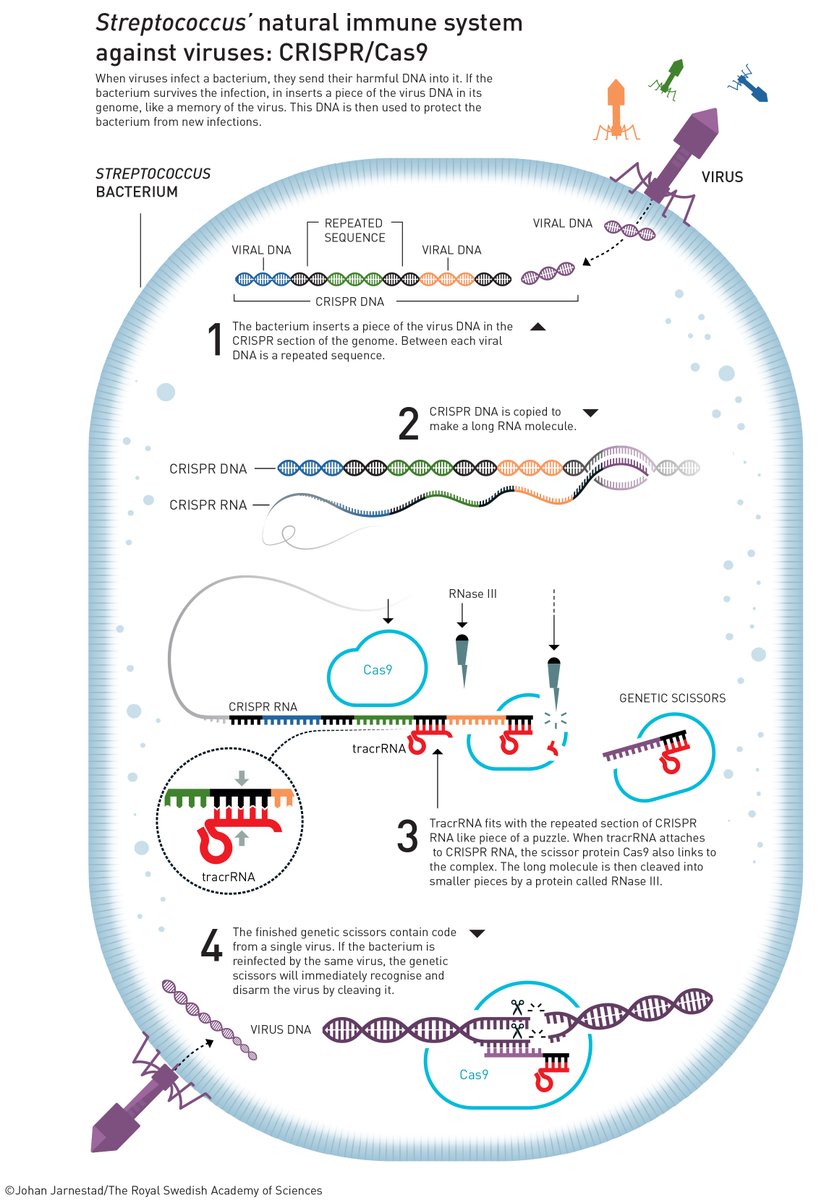
When #NobelPrize laureates Emmanuelle Charpentier and Jennifer Doudna investigated the immune system of a Streptococcus bacterium they discovered a molecular tool that can be used to make precise incisions in genetic material, making it possible to easily change the code of life.

When #NobelPrize laureates Emmanuelle Charpentier and Jennifer Doudna investigated the immune system of a Streptococcus bacterium they discovered a molecular tool that can be used to make precise incisions in genetic material, making it possible to easily change the code of life.
The Nobel Prize (@nobelprize) 's Twitter Profile Photo

In their natural form, the CRISPR/Cas9 genetic scissors recognise DNA from viruses, but Emmanuelle Charpentier and Jennifer Doudna – awarded this year’s #NobelPrize in Chemistry – proved that they could be controlled so that they can cut any DNA molecule at a predetermined site.

In their natural form, the CRISPR/Cas9 genetic scissors recognise DNA from viruses, but Emmanuelle Charpentier and Jennifer Doudna – awarded this year’s #NobelPrize in Chemistry – proved that they could be controlled so that they can cut any DNA molecule at a predetermined site.