David Fideler (@davidfidelerphd) 's Twitter Profile
David Fideler

@davidfidelerphd

I write about how classical and Renaissance ideas can contribute to today’s world. Editor: Living Ideas Journal • Author: “Breakfast with Seneca” (16 languages)

ID: 3522672077

linkhttps://livingideasjournal.com/ calendar_today02-09-2015 11:18:55

1,1K Tweet

862 Followers

291 Following

David Fideler (@davidfidelerphd) 's Twitter Profile Photo

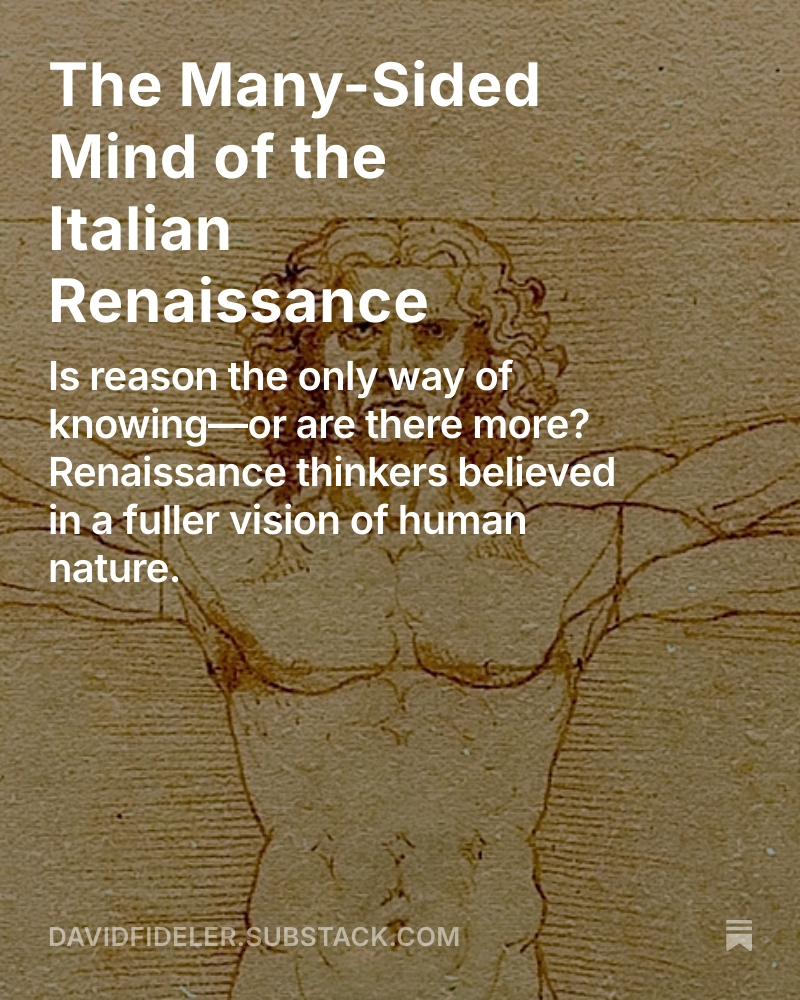
The Renaissance didn’t just revive art and learning. It rediscovered “the human” — and with it, the dignity, depth, and potential of every person: open.substack.com/pub/davidfidel…

The Renaissance didn’t just revive art and learning. It rediscovered “the human” — and with it, the dignity, depth, and potential of every person:

open.substack.com/pub/davidfidel…
Physics In History (@physinhistory) 's Twitter Profile Photo

We have to remember that what we observe is not nature herself, but nature exposed to our method of questioning. -- W. Heisenberg (Physics and Philosophy, 1958)

We have to remember that what we observe is not nature herself, but nature exposed to our method of questioning.

-- W. Heisenberg 
(Physics and Philosophy, 1958)
David Fideler (@davidfidelerphd) 's Twitter Profile Photo

You can create interesting things with your rational mind alone. But to create something truly great, something deeper is required — oftentimes, a spark of love or devotion.

You can create interesting things with your rational mind alone.

But to create something truly great, something deeper is required — oftentimes, a spark of love or devotion.
David Fideler (@davidfidelerphd) 's Twitter Profile Photo

Goethe was not only a real polymath, he was the first person to state (in a poetic way) the idea of “epistemological pluralism” — that there are many different ways of knowing, and that it’s possible to shift between them. That’s a key insight for people who want to become

Goethe was not only a real polymath, he was the first person to state (in a poetic way) the idea of “epistemological pluralism” — that there are many different ways of knowing, and that it’s possible to shift between them.

That’s a key insight for people who want to become
David Fideler (@davidfidelerphd) 's Twitter Profile Photo

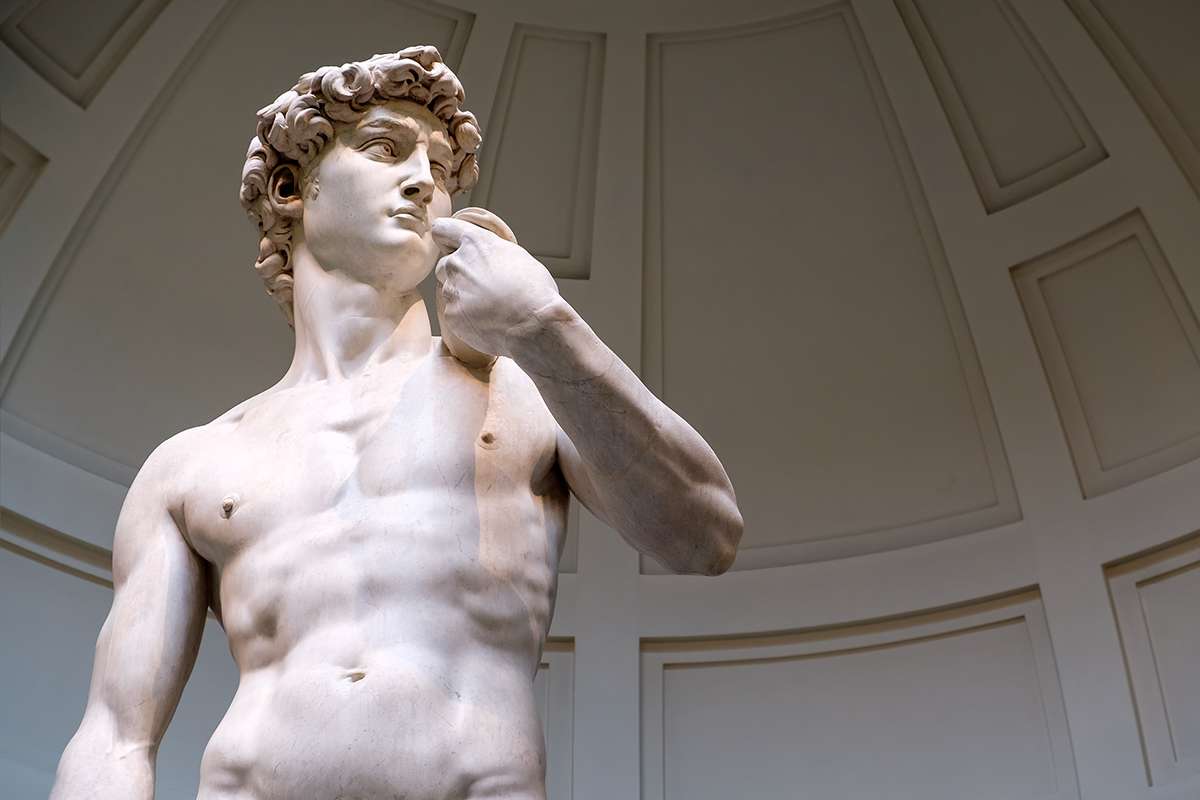
As a young man, Michelangelo knew Marsilio Ficino and Pico della Mirandola — philosophers of human dignity. Their vision of human potential lives on in his David, one of the greatest sculptures ever created. livingideasjournal.com/michelangelos-…

As a young man, Michelangelo knew Marsilio Ficino and Pico della Mirandola — philosophers of human dignity.

Their vision of human potential lives on in his David, one of the greatest sculptures ever created.

livingideasjournal.com/michelangelos-…
David Fideler (@davidfidelerphd) 's Twitter Profile Photo

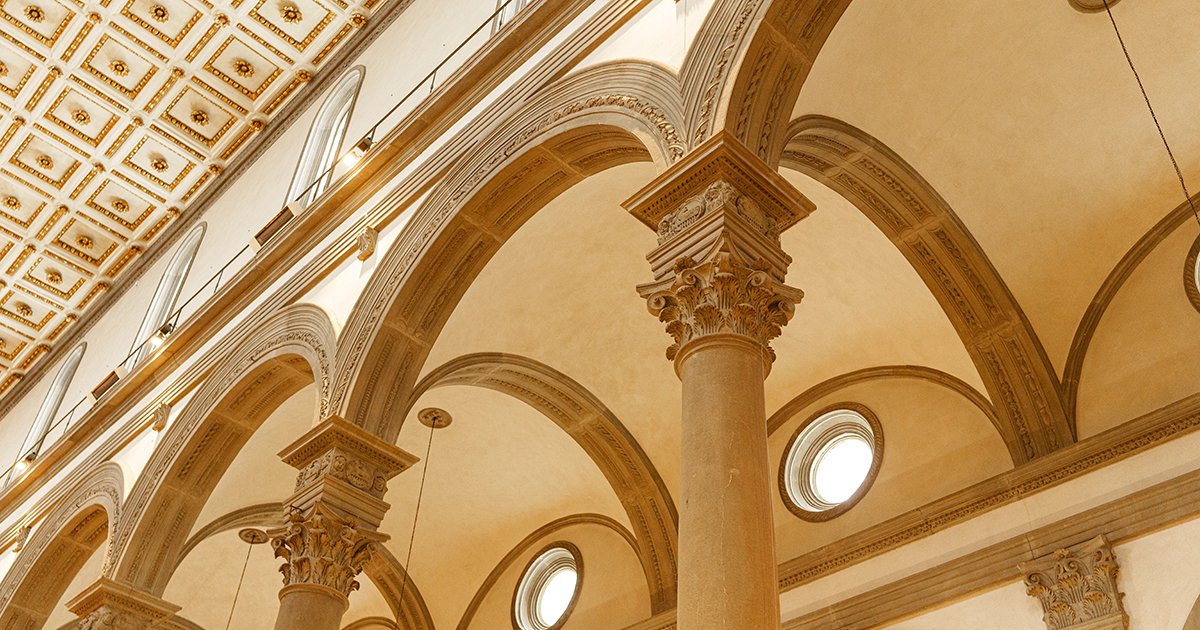
The Man Who Invented Renaissance Architecture — The Renaissance began as an “inner” project of humanist ideas. But Brunelleschi gave it an “outer” form. His architecture turned humanist values into stone, light, and harmony. livingideasjournal.com/brunelleschi-i…

The Man Who Invented Renaissance Architecture —

The Renaissance began as an “inner” project of humanist ideas. But Brunelleschi gave it an “outer” form.

His architecture turned humanist values into stone, light, and harmony.

livingideasjournal.com/brunelleschi-i…
David Fideler (@davidfidelerphd) 's Twitter Profile Photo

Died on this date (October 1, 1499 — 65 years): Marsilio Ficino, Renaissance philosopher and translator. He was the first to translate the complete works of Plato into Latin and carried on the Platonic tradition in Florence, Italy.

Died on this date (October 1, 1499 — 65 years): Marsilio Ficino, Renaissance philosopher and translator.

He was the first to translate the complete works of Plato into Latin and carried on the Platonic tradition in Florence, Italy.
David Fideler (@davidfidelerphd) 's Twitter Profile Photo

The belief in many ways of knowing is why the Renaissance produced so many polymaths — or well-rounded “Renaissance men” — individuals with the ability to engage and contribute to many fields. substack.com/home/post/p-17…

The belief in many ways of knowing is why the Renaissance produced so many polymaths — or well-rounded “Renaissance men” — individuals with the ability to engage and contribute to many fields.

substack.com/home/post/p-17…
David Fideler (@davidfidelerphd) 's Twitter Profile Photo

We are pleased to announce that the upcoming Renaissance Program in Florence is almost full. At the moment, only two spaces remain. Participants are traveling from the United States, Singapore, the United Kingdom, Norway, Romania, Australia, Taiwan, and the Netherlands. The

We are pleased to announce that the upcoming Renaissance Program in Florence is almost full. At the moment, only two spaces remain.

Participants are traveling from the United States, Singapore, the United Kingdom, Norway, Romania, Australia, Taiwan, and the Netherlands.

The
David Fideler (@davidfidelerphd) 's Twitter Profile Photo

Petrarch’s View on the Fall of Rome and How Societies Collapse When Petrarch, the founder of Renaissance humanism, first visited the city of Rome in the 1300s, it consisted of classical ruins that were still being looted for building materials. In the first century, Rome had

Petrarch’s View on the Fall of Rome and How Societies Collapse

When Petrarch, the founder of Renaissance humanism, first visited the city of Rome in the 1300s, it consisted of classical ruins that were still being looted for building materials.

In the first century, Rome had
David Fideler (@davidfidelerphd) 's Twitter Profile Photo

Esmé Partridge on where King Charles, the philosophy of harmony, and Renaissance humanism intersect. Esmé Partridge engelsbergideas.com/reviews/charle…