Voices of the Civil Rights Movement (@civrightsvoices) 's Twitter Profile
Voices of the Civil Rights Movement

@civrightsvoices

@Comcast NBCUniversal's Voices of the Civil Rights Movement platform honors the legacy and impact of America's civil rights champions.

ID: 4827618171

linkhttp://CivRightsVoices.com calendar_today19-01-2016 21:22:58

840 Tweet

70,70K Followers

523 Following
Voices of the Civil Rights Movement (@civrightsvoices) 's Twitter Profile Photo

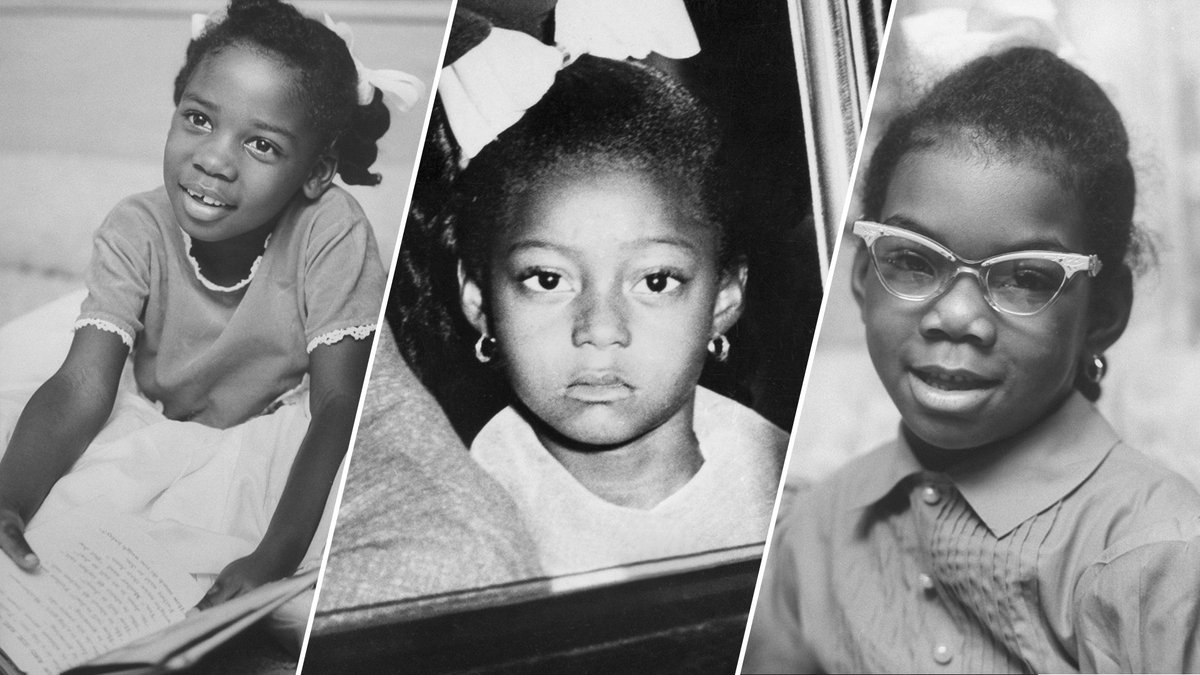
Four girls were killed in the bombing of 16th St. Baptist Church. A fifth girl, 12-year-old Sarah Collins Rudolph, survived the attack that killed her sister, Addie Mae. Here, Collins Rudolph reflects on childhood memories with her sister. Watch her story: comca.st/3xAuK1o

Voices of the Civil Rights Movement (@civrightsvoices) 's Twitter Profile Photo

In 1960, 6-year-old Ruby Bridges began first grade in New Orleans — one of four Black students to desegregate the city's schools. Despite threats against her, Bridges advanced to second grade, becoming an iconic figure in school desegregation. Learn more: comca.st/3dttx4W

Voices of the Civil Rights Movement (@civrightsvoices) 's Twitter Profile Photo

In 1960, school desegregation in New Orleans began with four little girls. Ruby Bridges' story is well-known, but the other girls' accounts remained untold for years. These are their stories: comca.st/3BHLtAT

In 1960, school desegregation in New Orleans began with four little girls. Ruby Bridges' story is well-known, but the other girls' accounts remained untold for years. These are their stories: comca.st/3BHLtAT
Voices of the Civil Rights Movement (@civrightsvoices) 's Twitter Profile Photo

Gail Etienne recalls scenes from her first day at McDonogh 19 Elementary – including her view of protestors from the backseat of a U.S. Marshal's car. Watch Gail's story: comca.st/3CaJsP6

Voices of the Civil Rights Movement (@civrightsvoices) 's Twitter Profile Photo

As a child, Tessie Prevost attended her first day of first grade at McDonogh 19 escorted by her father and U.S. Marshals. She remembers her confusion at the crowd gathered outside. Watch Tessie's story: comca.st/3BQCBsN

Voices of the Civil Rights Movement (@civrightsvoices) 's Twitter Profile Photo

Dorothy Prevost's six-year-old daughter, Tessie, was one of the first children to desegregate New Orleans schools. Mrs. Prevost shares her hope for future generations. Watch the full interview now: comca.st/3E9glxd

Voices of the Civil Rights Movement (@civrightsvoices) 's Twitter Profile Photo

Sixty years after Leona Tate, Gail Etienne, and Tessie Prevost desegregated McDonogh 19 Elementary, Leona formed a plan to acquire the building. Watch Leona's story: comca.st/3M2KMae

Voices of the Civil Rights Movement (@civrightsvoices) 's Twitter Profile Photo

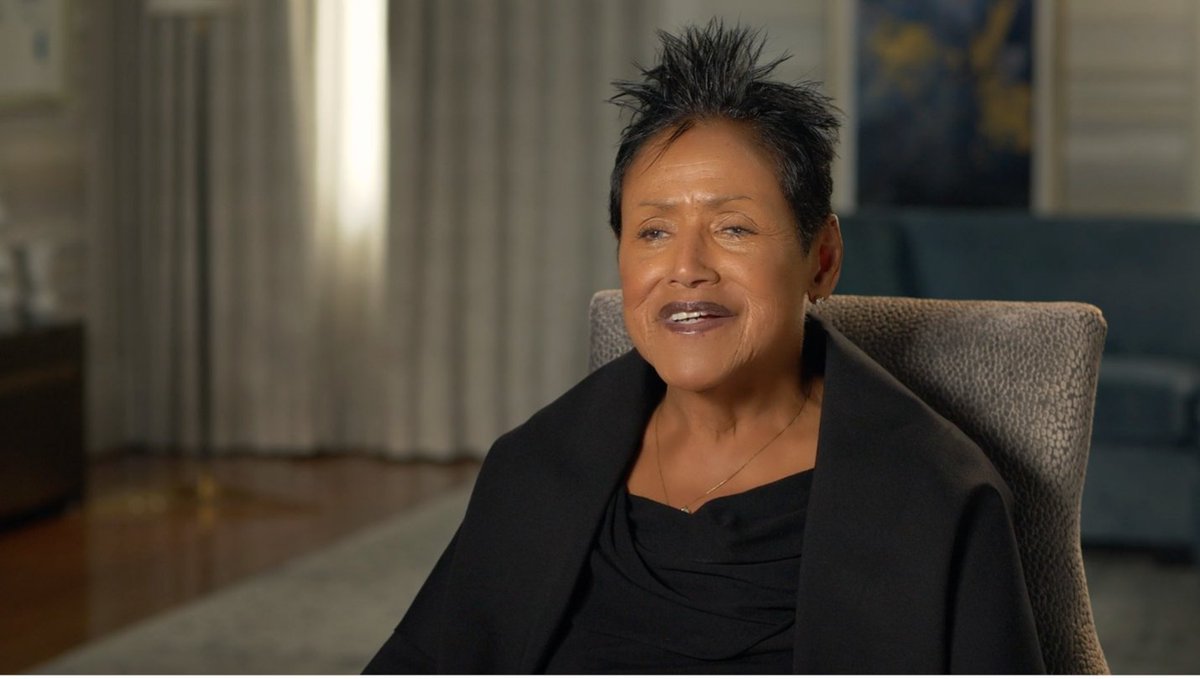
Before Elaine Brown became the first and only woman to lead the Black Panther Party, she moved to Los Angeles to pursue dreams of becoming a songwriter. There, a meeting with a leading California Panther forever reshaped her life. Watch the interview: comca.st/3THd9NV

Voices of the Civil Rights Movement (@civrightsvoices) 's Twitter Profile Photo

After leaving the Black Panther Party, Elaine Brown co-founded several organizations for criminal justice reform — Mothers Advocating Juvenile Justice, the National Alliance for Radical Prison Reform, and Oakland & the World Enterprises Inc. Learn more: comca.st/3eD67uC

After leaving the Black Panther Party, Elaine Brown co-founded several organizations for criminal justice reform — Mothers Advocating Juvenile Justice, the National Alliance for Radical Prison Reform, and Oakland & the World Enterprises Inc. Learn more: comca.st/3eD67uC
Voices of the Civil Rights Movement (@civrightsvoices) 's Twitter Profile Photo

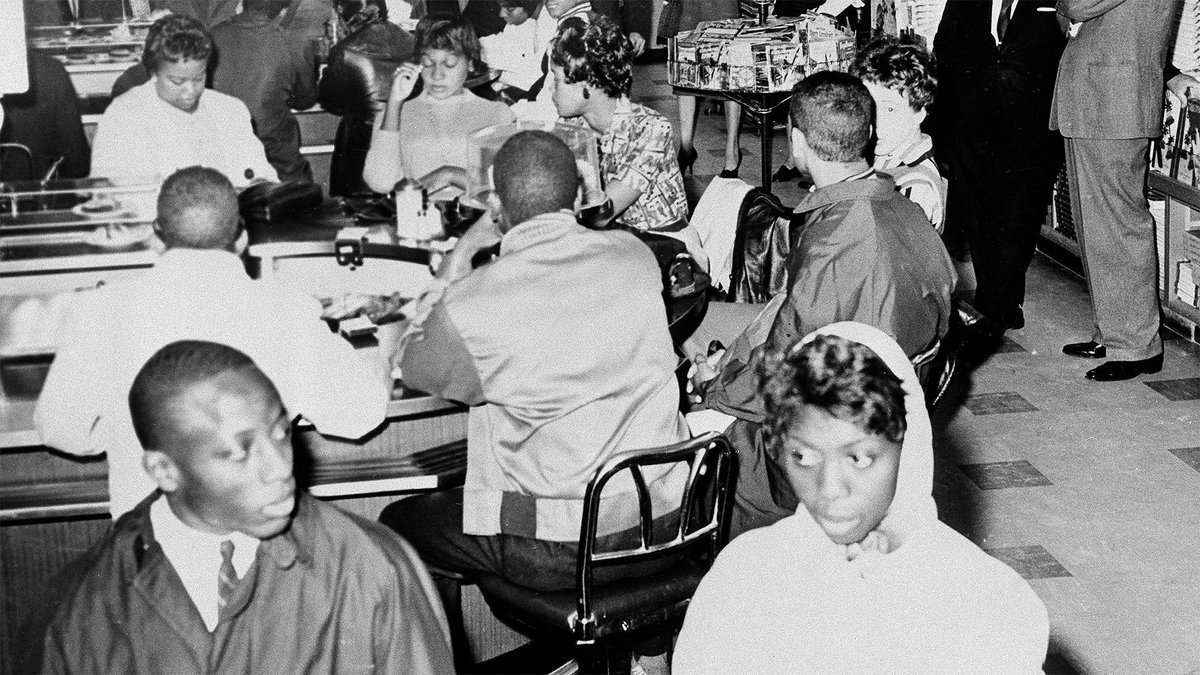
On Oct. 19, 1960, Dr. Martin Luther King and 51 fellow protestors were arrested in Atlanta for refusing to leave their seats at downtown lunch counters – part of the pivotal sit-in movement that began in Greensboro, N.C. eight months earlier. Learn more: comca.st/3TkA6Xn

On Oct. 19, 1960, Dr. Martin Luther King and 51 fellow protestors were arrested in Atlanta for refusing to leave their seats at downtown lunch counters – part of the pivotal sit-in movement that began in Greensboro, N.C. eight months earlier. Learn more: comca.st/3TkA6Xn
Voices of the Civil Rights Movement (@civrightsvoices) 's Twitter Profile Photo

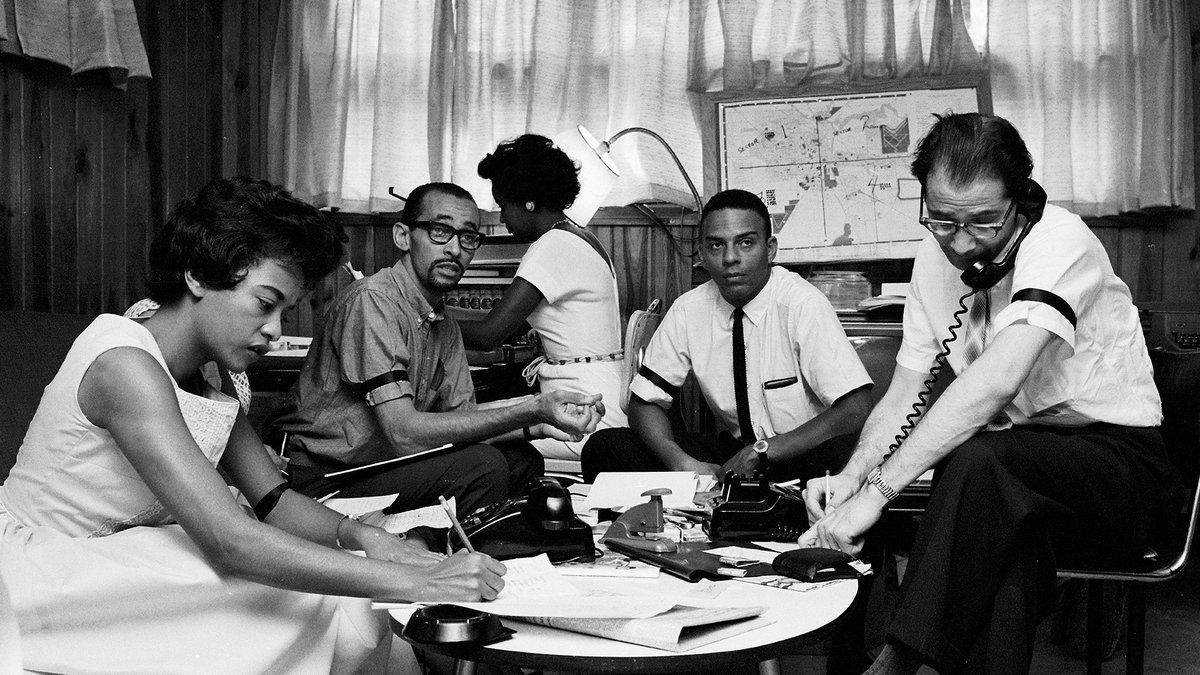
In 1963, Andrew Young, Dr. King, and other leaders in the civil rights movement came together to protest segregation laws in Birmingham, Ala., where racial tensions ran high. Here, Young reflects on the 'Birmingham Campaign': comca.st/3gpdZQK

In 1963, Andrew Young, Dr. King, and other leaders in the civil rights movement came together to protest segregation laws in Birmingham, Ala., where racial tensions ran high. Here, Young reflects on the 'Birmingham Campaign': comca.st/3gpdZQK
Voices of the Civil Rights Movement (@civrightsvoices) 's Twitter Profile Photo

In our interview with the late Ovide Duncantell, he reflected on different philosophies within the civil rights movement: "When Malcolm [X] started talking with Dr. King, we had a little better understanding ... that our goals were the same." Watch now: comca.st/3FhxZ26

Voices of the Civil Rights Movement (@civrightsvoices) 's Twitter Profile Photo

In 1948, an Executive Order mandated desegregation of U.S. Armed Services. Six years later, the last segregated Black military unit disbanded — but racial disparities persisted in treatment and advancement opportunities. Learn more: comca.st/3UMU64W #MilitaryFamilyMonth

Voices of the Civil Rights Movement (@civrightsvoices) 's Twitter Profile Photo

In our interview with Tuskegee Airman Dr. Eugene Richardson, he reflects on the contributions of Black military pilots during World War II, and shares advice for the next generation. Watch now: comca.st/3NXCSzV #VeteransDay #MilitaryFamilyMonth

Voices of the Civil Rights Movement (@civrightsvoices) 's Twitter Profile Photo

Dr. Edith P. Mitchell, a retired U.S. Air Force brigadier general, was a young girl when a family decision inspired her to work toward eliminating racial disparities in health care. Watch Dr. Mitchell's story: comca.st/3hM7zfn #MilitaryFamilyMonth

Voices of the Civil Rights Movement (@civrightsvoices) 's Twitter Profile Photo

On Nov. 20, 1962, President John F. Kennedy issued an Executive Order banning federally funded housing programs from discriminating on the basis of race. However, housing discrimination persisted until the Fair Housing Act of 1968. Learn more: comca.st/3AvqAJg

Voices of the Civil Rights Movement (@civrightsvoices) 's Twitter Profile Photo

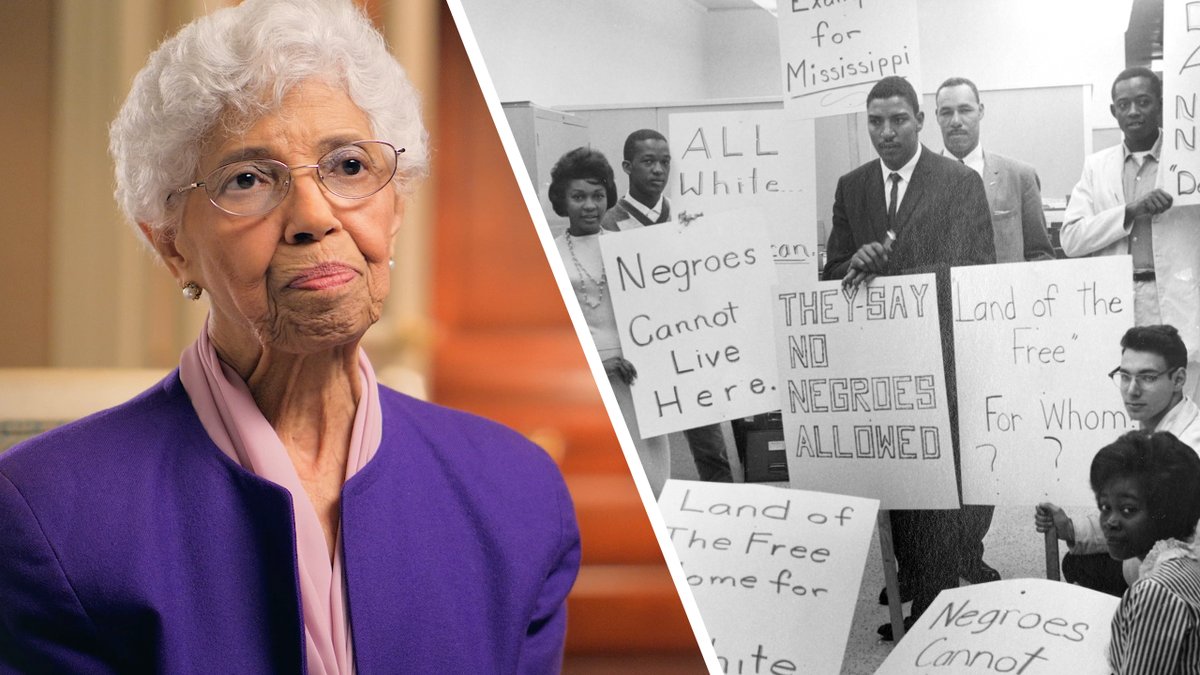
In 1962, lobbying on behalf of the League of Women Voters (League of Women Voters of the US), civil rights activist Dr. Josie R. Johnson worked to strike down "redlining" in Minnesota. Learn more about Johnson's pivotal role in passing the first fair housing law in the country: comca.st/3XkiixH
In 1962, lobbying on behalf of the League of Women Voters (<a href="/LWV/">League of Women Voters of the US</a>), civil rights activist Dr. Josie R. Johnson worked to strike down "redlining" in Minnesota. Learn more about Johnson's pivotal role in passing the first fair housing law in the country: comca.st/3XkiixH
Voices of the Civil Rights Movement (@civrightsvoices) 's Twitter Profile Photo

Bishop Theodore L. Brooks remembers a feeling of excitement in the air about changes happening in 1963, as a result of nonviolent tactics used during the civil rights movement. Watch his full account: comca.st/3XqoFzJ

Voices of the Civil Rights Movement (@civrightsvoices) 's Twitter Profile Photo

Two pivotal events — the March on Washington and the assassination of Pres. John F. Kennedy — accelerated the passage of the Civil Rights Act of 1964. Here, Thomas Putnam, former director of @JFKLibrary, reflects on the role of the Kennedy administration: comca.st/3inlicE

Voices of the Civil Rights Movement (@civrightsvoices) 's Twitter Profile Photo

We mourn the loss of civil rights leader Mamie King-Chalmers, whose presence at the 1963 Birmingham Children's March was captured in an iconic photograph that propelled the movement. In 2018, we honored King-Chalmers, pictured here. Watch our interview: comca.st/3VVGi8P

We mourn the loss of civil rights leader Mamie King-Chalmers, whose presence at the 1963 Birmingham Children's March was captured in an iconic photograph that propelled the movement. In 2018, we honored King-Chalmers, pictured here. Watch our interview: comca.st/3VVGi8P