Secrets in Stone (@cassiecmartin) 's Twitter Profile
Secrets in Stone

@cassiecmartin

ID: 1588619299257810945

calendar_today04-11-2022 19:49:03

83 Tweet

392 Takipçi

284 Takip Edilen

Secrets in Stone (@cassiecmartin) 's Twitter Profile Photo

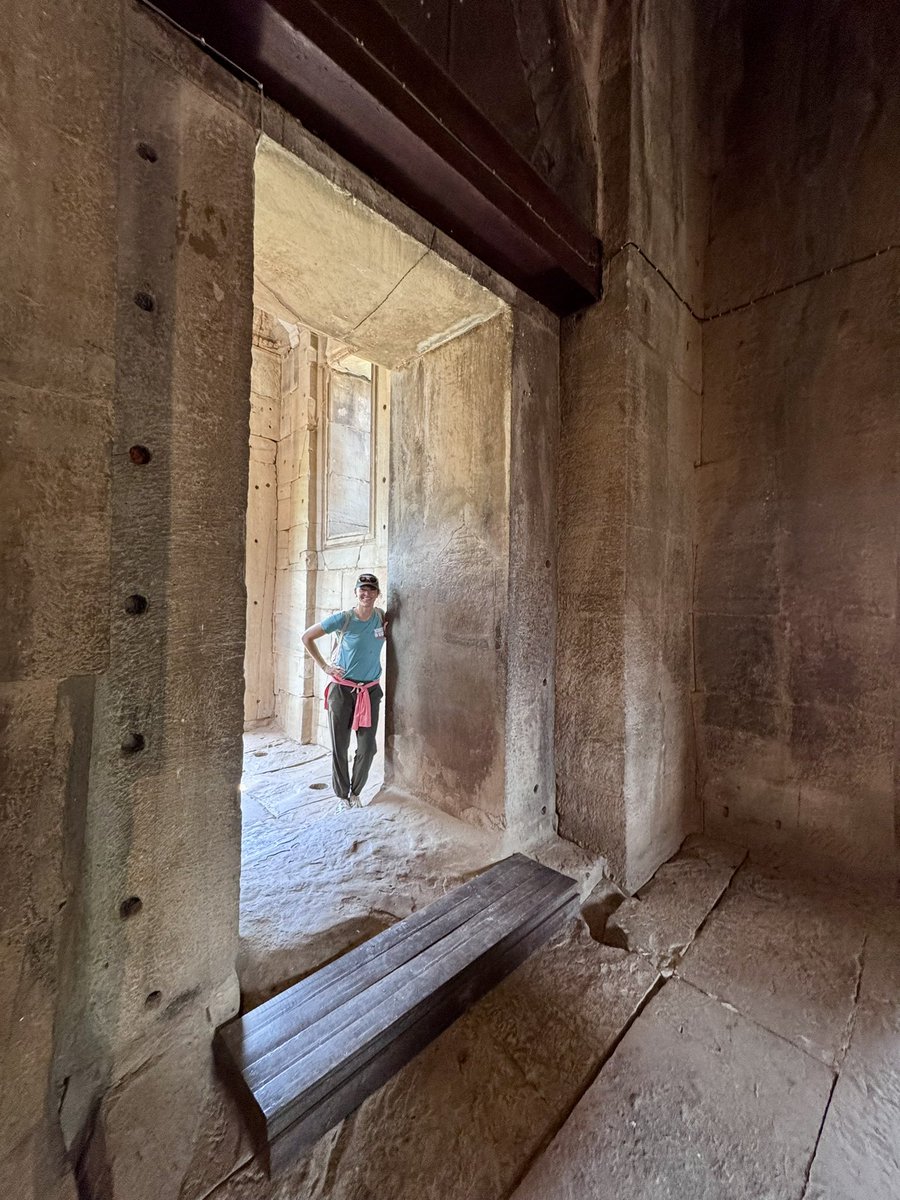
Why did the ancients use such complex stonework when building stairs? This photo is from the Hong Nag Sida temple in southern Laos. Compare these to our modern day stone stair construction - it’s just on a whole different level.

Why did the ancients use such complex stonework when building stairs? This photo is from the Hong Nag Sida temple in southern Laos. Compare these to our modern day stone stair construction - it’s just on a whole different level.
Secrets in Stone (@cassiecmartin) 's Twitter Profile Photo

LiDAR scans of Angkor Thom in Cambodia revealed a curious feature to the west the famous Baphuon Pyramid. Tourists never go there, tour guides never mention it and it’s almost fully obscured with overgrowth. What on earth is it? For scale, the moat around Angkor Thom (the large

LiDAR scans of Angkor Thom in Cambodia revealed a curious feature to the west the famous Baphuon Pyramid. Tourists never go there, tour guides never mention it and it’s almost fully obscured with overgrowth. What on earth is it? 

For scale, the moat around Angkor Thom (the large
Secrets in Stone (@cassiecmartin) 's Twitter Profile Photo

Clovis points are a masterfully engineered technology dating back to 13,400 years ago. What do they have to do with megalithic sites all over the world? I’m going to answer this question and many more in my new video coming out later this week!

Clovis points are a masterfully engineered technology dating back to 13,400 years ago. What do they have to do with megalithic sites all over the world? I’m going to answer this question and many more in my new video coming out later this week!
Secrets in Stone (@cassiecmartin) 's Twitter Profile Photo

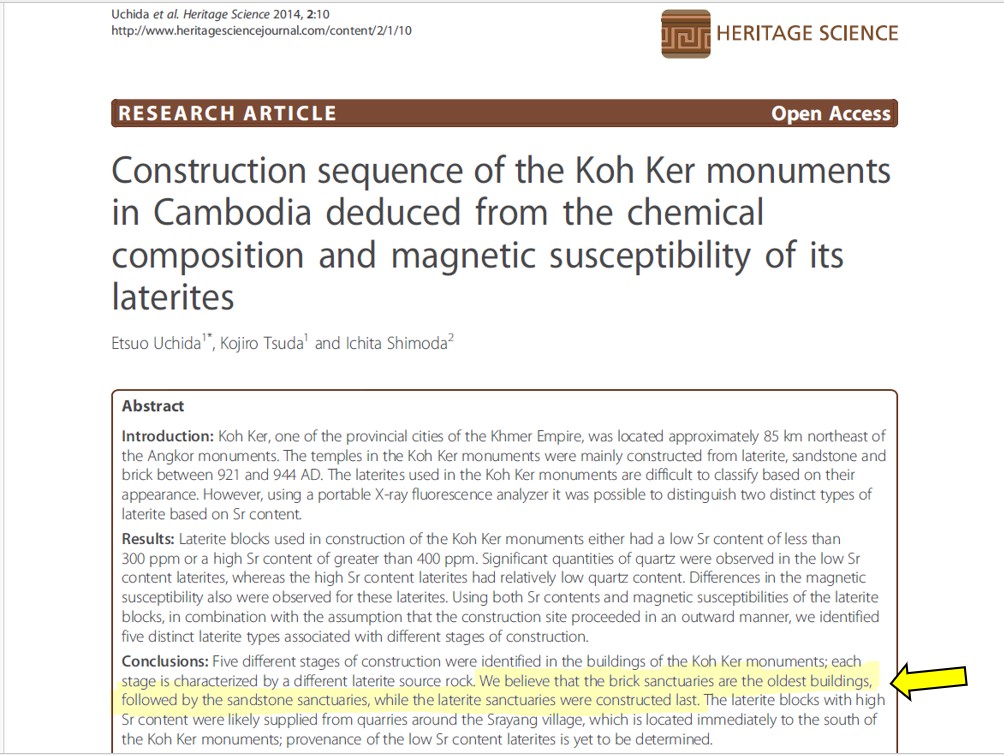
One of the major archaeological assumptions behind dating Cambodian temples is that BRICK CAME FIRST - followed by sandstone and laterite. I believe this assumptions is entirely incorrect, as supported by these historic and modern photos from Cambodia. What do you think?

One of the major archaeological assumptions behind dating Cambodian temples is that BRICK CAME FIRST - followed by sandstone and laterite. I believe this assumptions is entirely incorrect, as supported by these historic and modern photos from Cambodia. What do you think?
Secrets in Stone (@cassiecmartin) 's Twitter Profile Photo

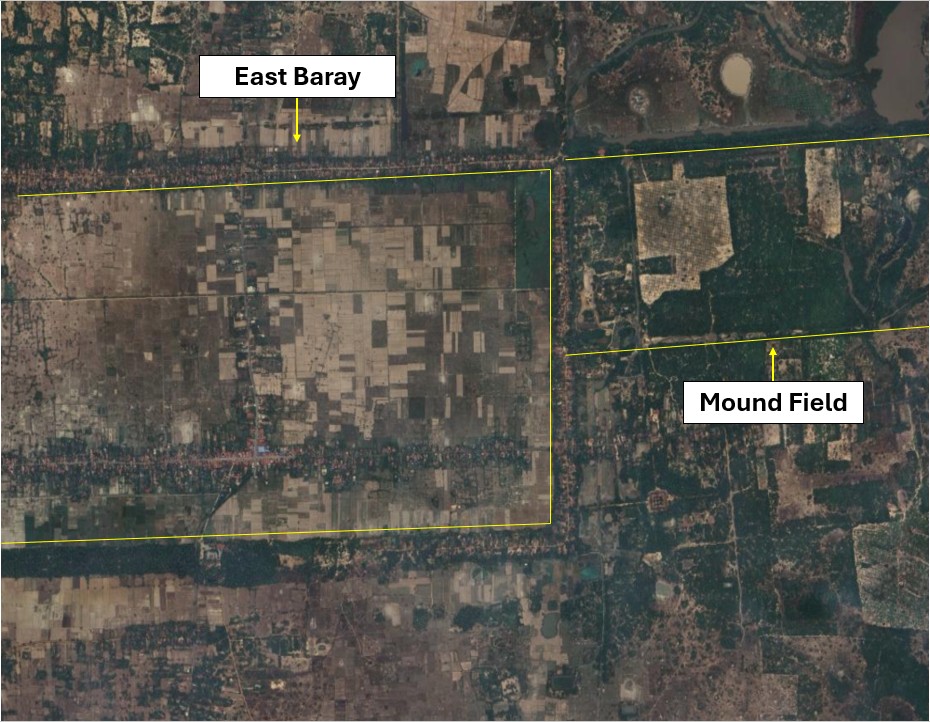
LiDAR scans in Cambodia discovered a mile-long mound field - arranged in a precise 10x10 grid pattern. Interestingly, this mound field lies immediately adjacent to the East Baray - a 4.7 mile-long man made water feature. This was a massive engineering project and its purpose is

LiDAR scans in Cambodia discovered a mile-long mound field - arranged in a precise 10x10 grid pattern. Interestingly, this mound field lies immediately adjacent to the East Baray - a 4.7 mile-long man made water feature. This was a massive engineering project and its purpose is
Secrets in Stone (@cassiecmartin) 's Twitter Profile Photo

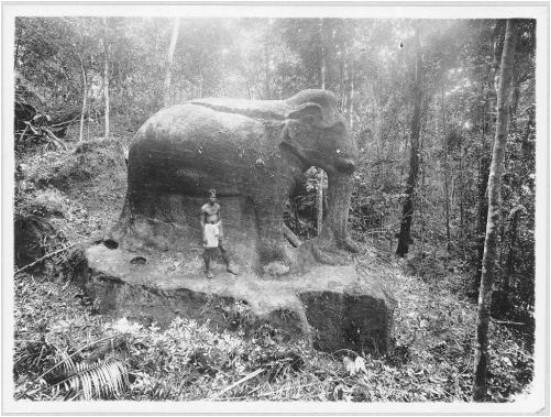
Massive monolithic lions and elephants were documented near the remote Cambodian mountain temple of Damrei Krap in the 1930s. They represent a stark stylistic departure from the more typical statues found around Cambodia. Who built these and when?

Massive monolithic lions and elephants were documented near the remote Cambodian mountain temple of Damrei Krap in the 1930s. They represent a stark stylistic departure from the more typical statues found around Cambodia. Who built these and when?
Secrets in Stone (@cassiecmartin) 's Twitter Profile Photo

If you pay attention as you travel around Cambodia, you can find evidence of what appears to be lathing technology at almost all of the OLDER sites. This particular pillar was found at Preah Ko Temple - one of my absolute favorites!

Secrets in Stone (@cassiecmartin) 's Twitter Profile Photo

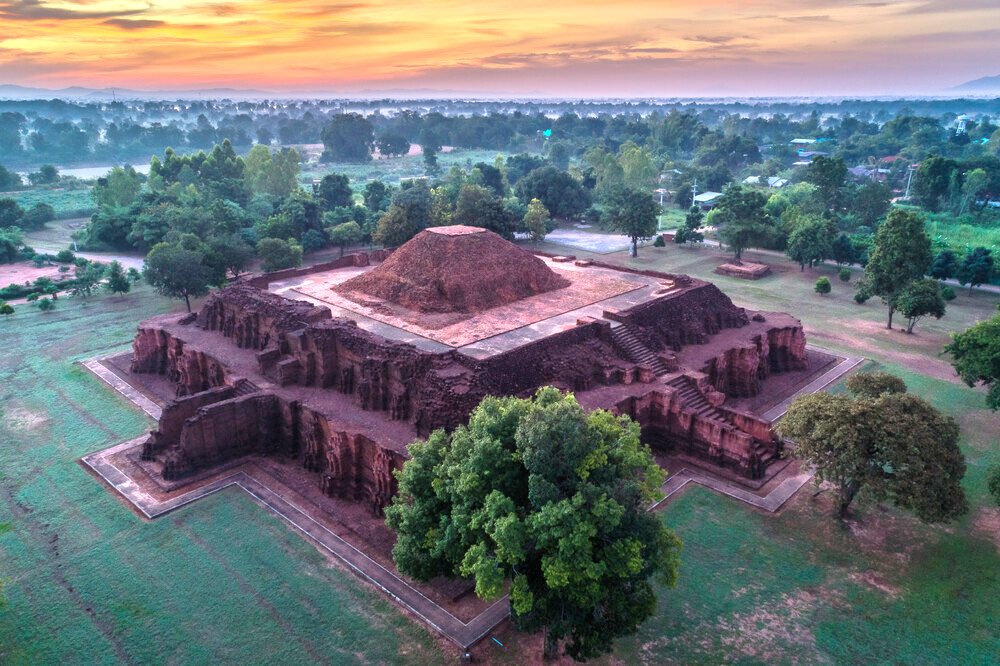
The UNESCO site of Si Thep in Thailand has a double-walled layout that measures 3km east to west, but it is most known for its PYRAMID - Khao Klank Nok. Officially dated to the 6th century AD, this site is described in the UNESCO text as “entirely unique” and “totally different

The UNESCO site of Si Thep in Thailand has a double-walled layout that measures 3km east to west, but it is most known for its PYRAMID - Khao Klank Nok. Officially dated to the 6th century AD, this site is described in the UNESCO text as “entirely unique” and “totally different
Secrets in Stone (@cassiecmartin) 's Twitter Profile Photo

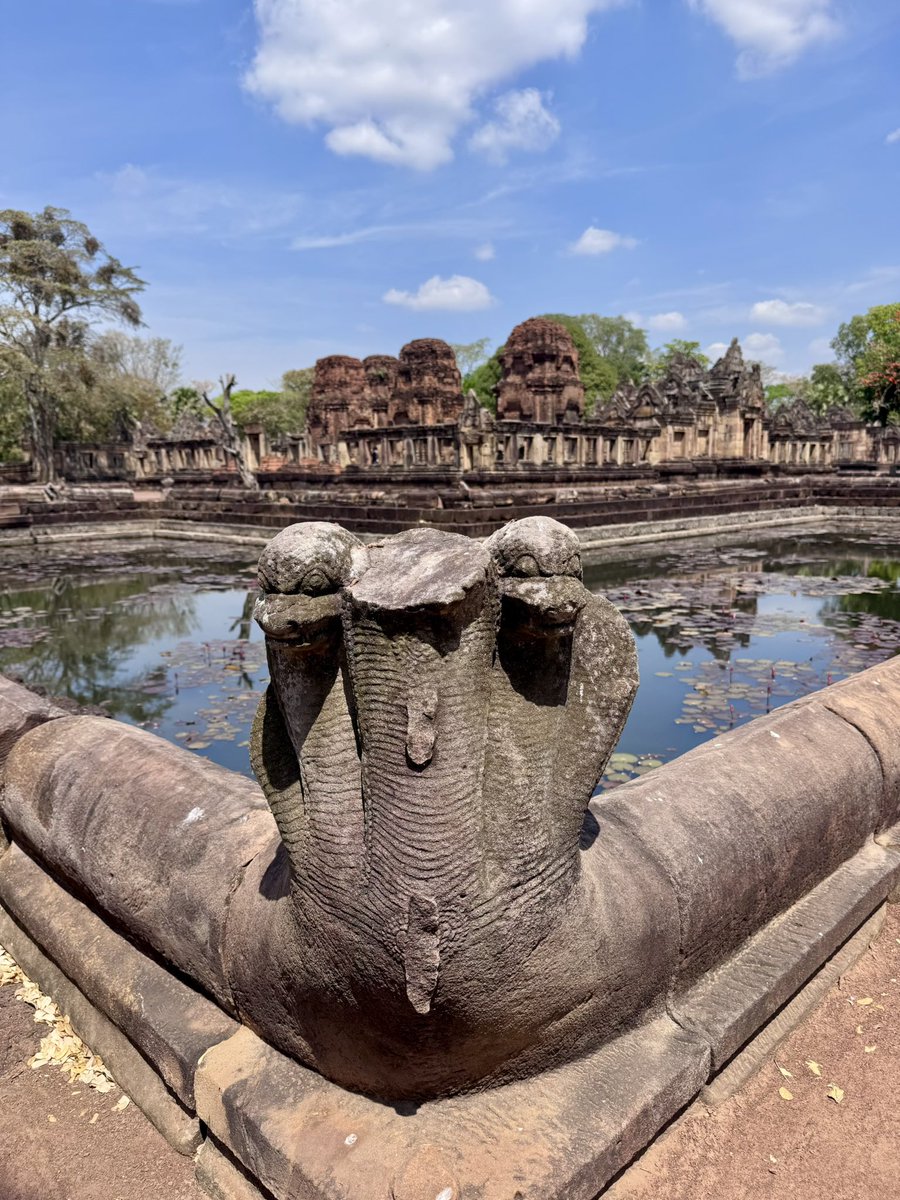
I had the opportunity to visit Phimai temple today. Located in eastern Thailand, Phimai was connected to Angkor by an ancient royal road that stretched 250 km. Its main sanctuary faces south — toward Angkor — not east like most Hindu temples.

I had the opportunity to visit Phimai temple today. Located in eastern Thailand, Phimai was connected to Angkor by an ancient royal road that stretched 250 km. Its main sanctuary faces south — toward Angkor — not east like most Hindu temples.
Secrets in Stone (@cassiecmartin) 's Twitter Profile Photo

I visited two Thai temples today that deserve more love - Phanom Rung sits on top of a dormant volcano, and is intentionally aligned so the sun rises straight through all 15 doorways on specific days of the year. Just below it, Prasat Muang Tam is laid out around four L-shaped

I visited two Thai temples today that deserve more love - Phanom Rung sits on top of a dormant volcano, and is intentionally aligned so the sun rises straight through all 15 doorways on specific days of the year. 

Just below it, Prasat Muang Tam is laid out around four L-shaped
Secrets in Stone (@cassiecmartin) 's Twitter Profile Photo

Every once in a while you get the opportunity to visit an ancient site that just blows your mind. The Khao Klang Nok pyramid at Si Thep in Thailand did that for me this week. There’s so much more to this site and its artifacts than were being told.