Starboy (@briantoups) 's Twitter Profile
Starboy

@briantoups

Fantasy author and astrophotographer | Deep Space NFTs 👾 superrare.com/briantoups | foundation.app/@briantoups

ID: 285082407

linkhttps://linktr.ee/briantoups calendar_today20-04-2011 14:04:39

23,23K Tweet

5,5K Followers

1,1K Following

🔭AstroBackyard (@astrobackyard) 's Twitter Profile Photo

The Triangulum Galaxy 🌌 I took over 500 images of M33 using the Seestar S50 under dark skies! Using the standard tracking mode (not EQ), I poured the exposure time on this beautiful spiral galaxy. Each exposure lasted just 10 seconds, but after 1.5 hours of photon collecting,

The Triangulum Galaxy 🌌

I took over 500 images of M33 using the Seestar S50 under dark skies!

Using the standard tracking mode (not EQ), I poured the exposure time on this beautiful spiral galaxy.

Each exposure lasted just 10 seconds, but after 1.5 hours of photon collecting,
jay (@jubbishjay) 's Twitter Profile Photo

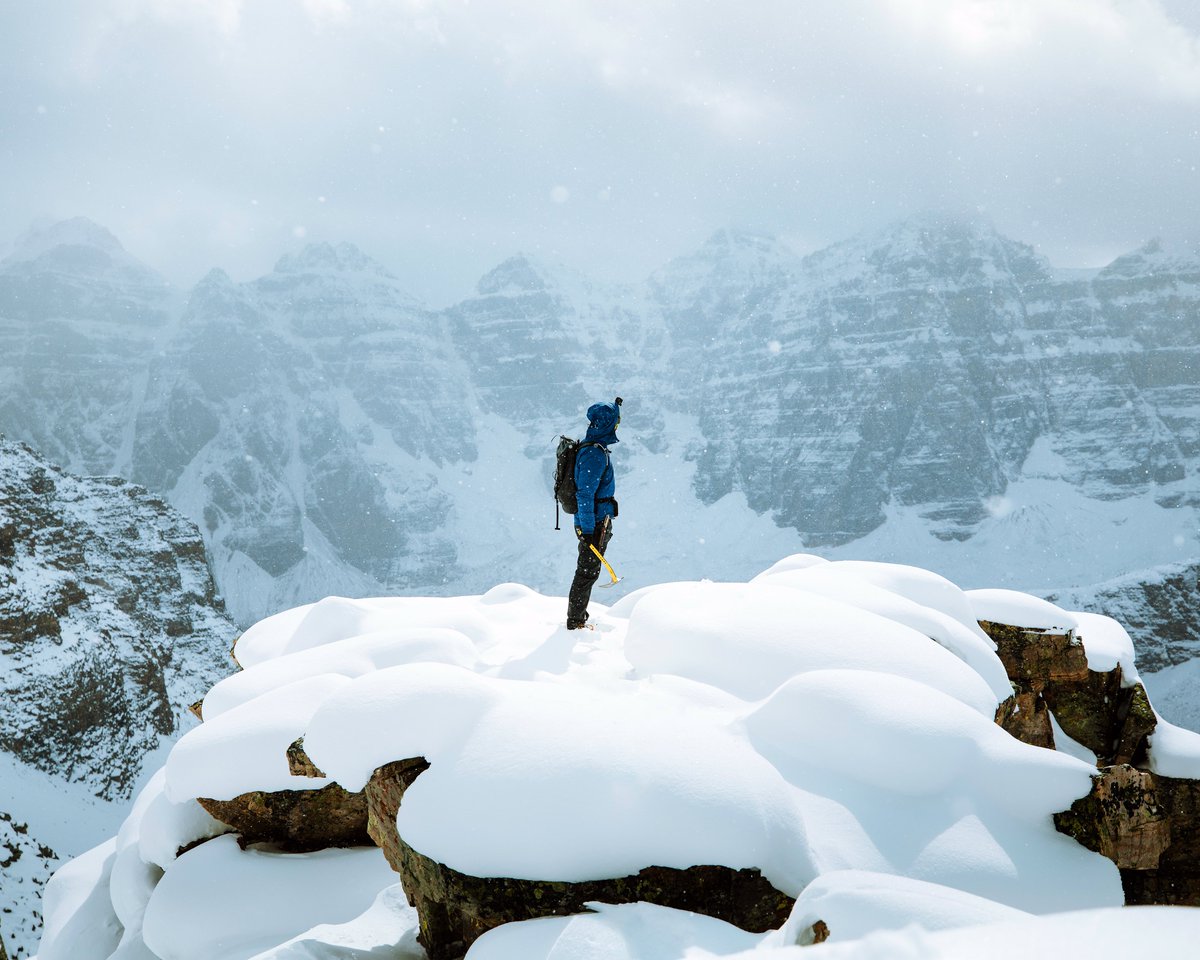
Arctic light moves fast, and the glow on these peaks only lasted for a few minutes. Really lucky to have been here at the right time.

Swetilein (@swetilein1) 's Twitter Profile Photo

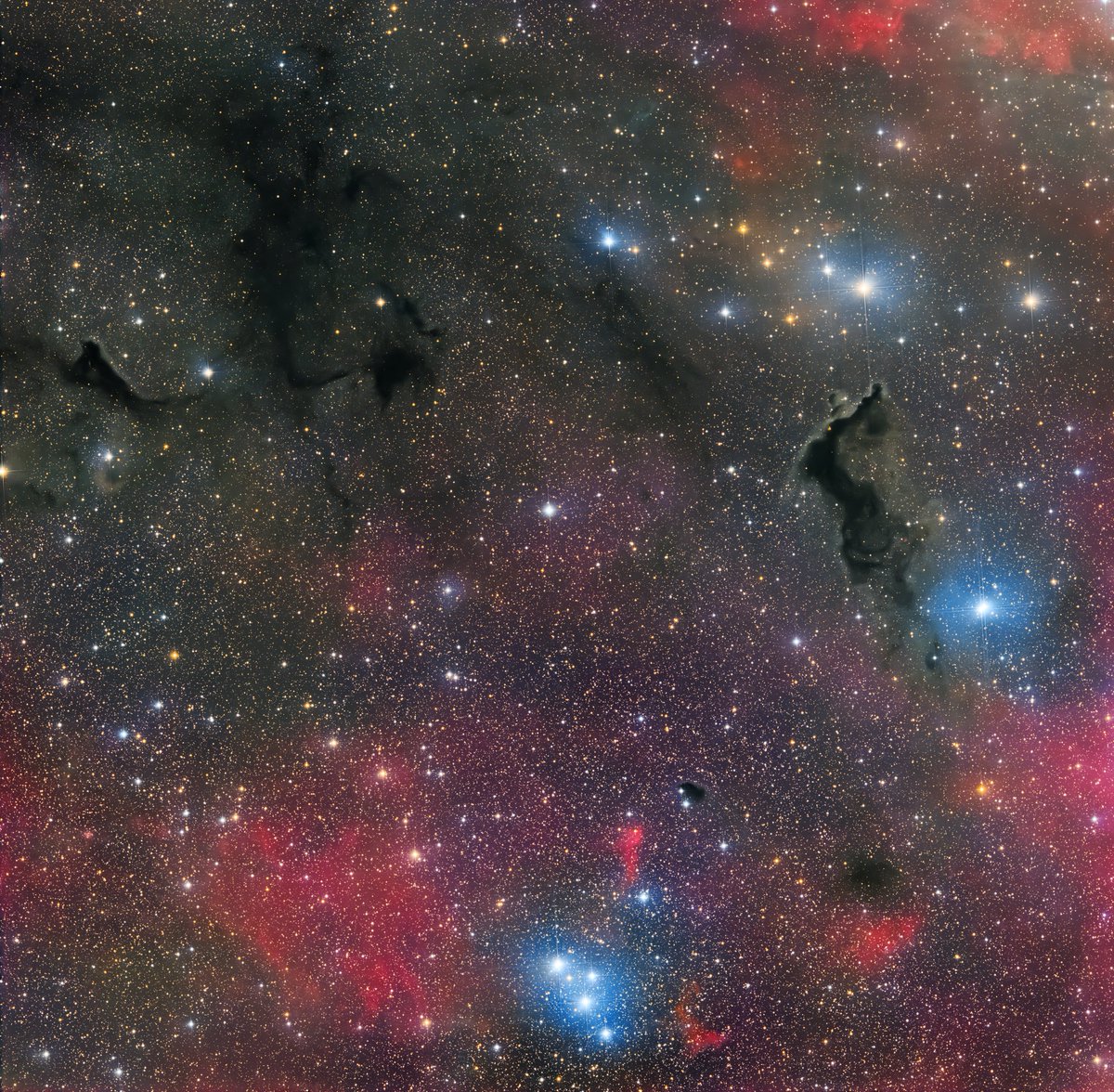
'Chamaeleon Dark Nebulas' Image Credit & Copyright: Xinran Li & Houbo Zhao apod.nasa.gov/apod/ap251119.… #space #astronomy

'Chamaeleon Dark Nebulas'
Image Credit & Copyright: Xinran Li & Houbo Zhao
apod.nasa.gov/apod/ap251119.…
#space #astronomy
Chuck's Astrophotography (@chucksastropho1) 's Twitter Profile Photo

M74 - it's a "grand-design" spiral face-on galaxy, 32 million light-years away. It is only slightly smaller in both size and the number of stars than our own Milky Way galaxy. Captured with my Celestron RASA telescope, ZWO ASI533MC camera, and an Antlia L-Filter.

M74 - it's a "grand-design" spiral face-on galaxy, 32 million light-years away.  It is only slightly smaller in both size and the number of stars than our own Milky Way galaxy.  Captured with my Celestron RASA telescope, ZWO ASI533MC camera, and an Antlia L-Filter.
Chuck's Astrophotography (@chucksastropho1) 's Twitter Profile Photo

My latest capture - a dark nebula (LDN 1165) and lots of red hydrogen gas. It's not precisely known how far away LDN 1165 is from Earth, but it is located in the constellation Camelopardalis. Captured with my Celestron RASA telescope, ZWO ASI533MC camera, and an Antlia L-Filter

My latest capture - a dark nebula (LDN 1165) and lots of red hydrogen gas.  It's not precisely known how far away LDN 1165 is from Earth, but it is located in the constellation Camelopardalis.  Captured with my Celestron RASA telescope, ZWO ASI533MC camera, and an Antlia L-Filter
NASA Universe (@nasauniverse) 's Twitter Profile Photo

The salt on your table is made of sodium and chlorine. Both of these elements were made by large stars that exploded before our solar system formed. #MondayMotivation

The salt on your table is made of sodium and chlorine. 

Both of these elements were made by large stars that exploded before our solar system formed. #MondayMotivation
NASA Marshall (@nasa_marshall) 's Twitter Profile Photo

Feast on these new space images this Thanksgiving! 🍽️ This collection of fall-inspired images comes from data collected by NASA's Chandra Observatory and its telescopic family including NASA Webb Telescope, Hubble, and more. Have a happy holiday! 🦃 🔗 chandra.harvard.edu/photo/2025/fal…
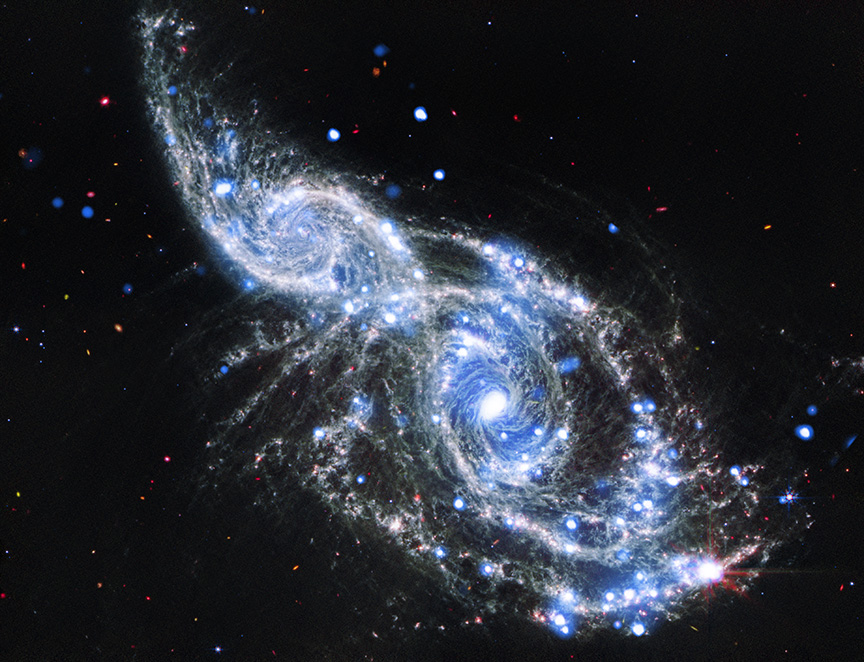
Feast on these new space images this Thanksgiving! 🍽️

This collection of fall-inspired images comes from data collected by NASA's <a href="/chandraxray/">Chandra Observatory</a> and its telescopic family including <a href="/NASAWebb/">NASA Webb Telescope</a>, <a href="/NASAHubble/">Hubble</a>, and more.

Have a happy holiday! 🦃 

🔗 chandra.harvard.edu/photo/2025/fal…
🔭AstroBackyard (@astrobackyard) 's Twitter Profile Photo

The Orion Nebula! 📷 My latest picture is the brilliant Orion Nebula, captured through a small telescope in the backyard. This nebula is visible to the naked eye as the “middle star” in Orion’s sword, hanging below Orion’s Belt. You can also see the “Running Man Nebula” just

The Orion Nebula! 📷

My latest picture is the brilliant Orion Nebula, captured through a small telescope in the backyard.

This nebula is visible to the naked eye as the “middle star” in Orion’s sword, hanging below Orion’s Belt.

You can also see the “Running Man Nebula” just
Tom Williams (@tw__astro) 's Twitter Profile Photo

Jupiter yesterday morning, with the GRS nicely on view. A brief spell of above-average seeing conditions. 24" Dob, P1 Uranus-C/M cameras at 8800mm focal length.

Jupiter yesterday morning, with the GRS nicely on view. A brief spell of above-average seeing conditions.

24" Dob, P1 Uranus-C/M cameras at 8800mm focal length.
🔭AstroBackyard (@astrobackyard) 's Twitter Profile Photo

The Rosette Nebula 💫 Here's an astrophotography target that delivers the 'Wow Factor' every time - the dynamic 'Rosette Nebula' in the constellation Monoceros. To capture this image, I used a compact refractor telescope and narrowband filters to isolate the intense gases

The Rosette Nebula 💫

Here's an astrophotography target that delivers the 'Wow Factor' every time - the dynamic 'Rosette Nebula' in the constellation Monoceros.

To capture this image, I used a compact refractor telescope and narrowband filters to isolate the intense gases
HUBBLE (@hubble_space) 's Twitter Profile Photo

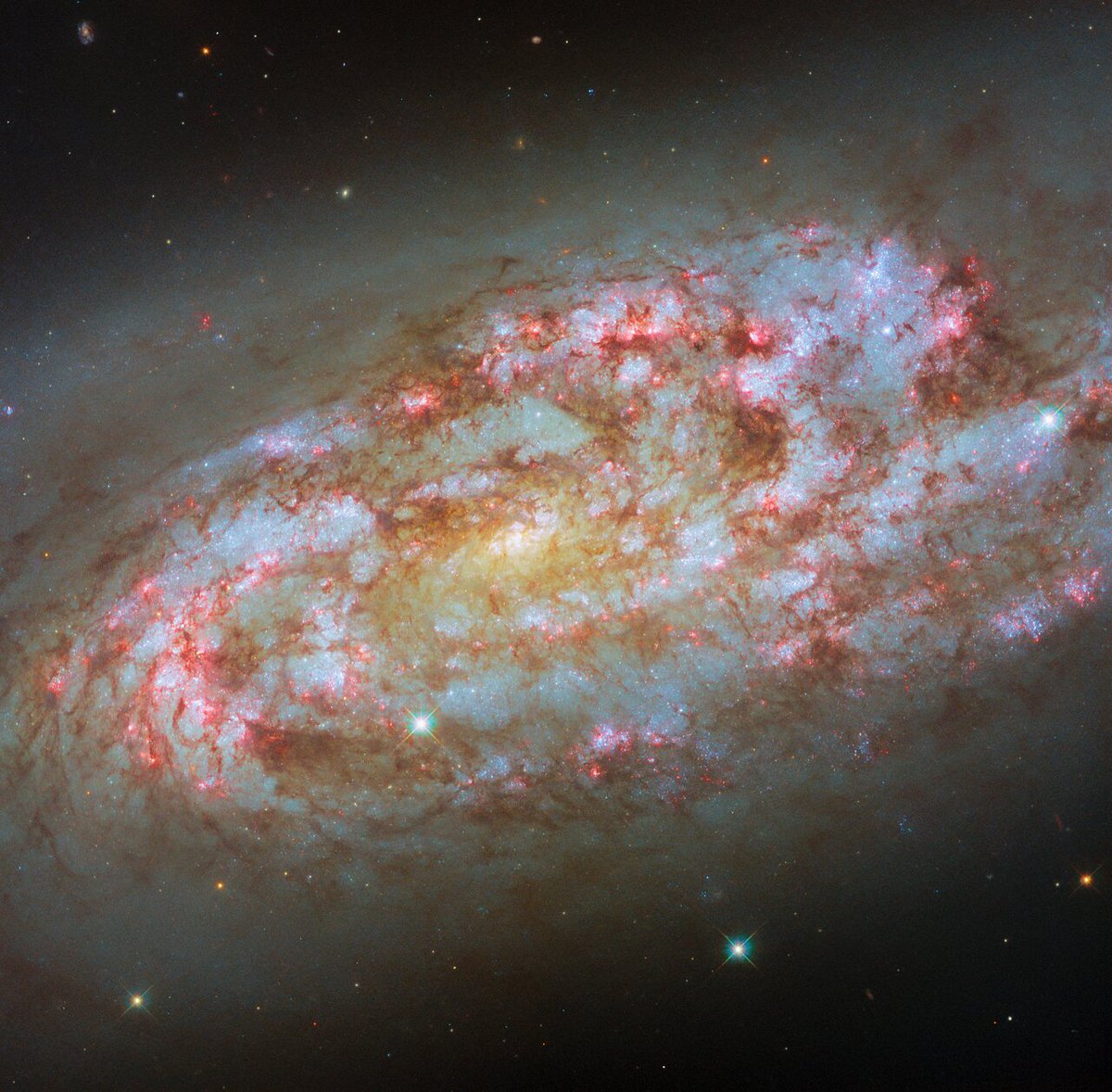
Our ESA/Hubble Picture of the Week features a stormy spiral galaxy ⛈️ NGC 1792 is a starburst galaxy 🌟 with its spiral arms rich in star-forming regions. It is close to a larger neighbour, NGC 1808, and their gravitational interaction is believed to have stirred up the gas in

Our ESA/Hubble Picture of the Week features a stormy spiral galaxy ⛈️

NGC 1792 is a starburst galaxy 🌟 with its spiral arms rich in star-forming regions. It is close to a larger neighbour, NGC 1808, and their gravitational interaction is believed to have stirred up the gas in