The Bees In Your Backyard (@beesbackyard) 's Twitter Profile
The Bees In Your Backyard

@beesbackyard

Interest in protecting bees is growing worldwide, but people's knowledge about bees is quite limited. Before we can #SaveTheBees we need to #KnowTheBees.

ID: 3303761749

linkhttp://beesinyourbackyard.com calendar_today01-08-2015 23:17:42

1,1K Tweet

7,7K Followers

225 Following
The Bees In Your Backyard (@beesbackyard) 's Twitter Profile Photo

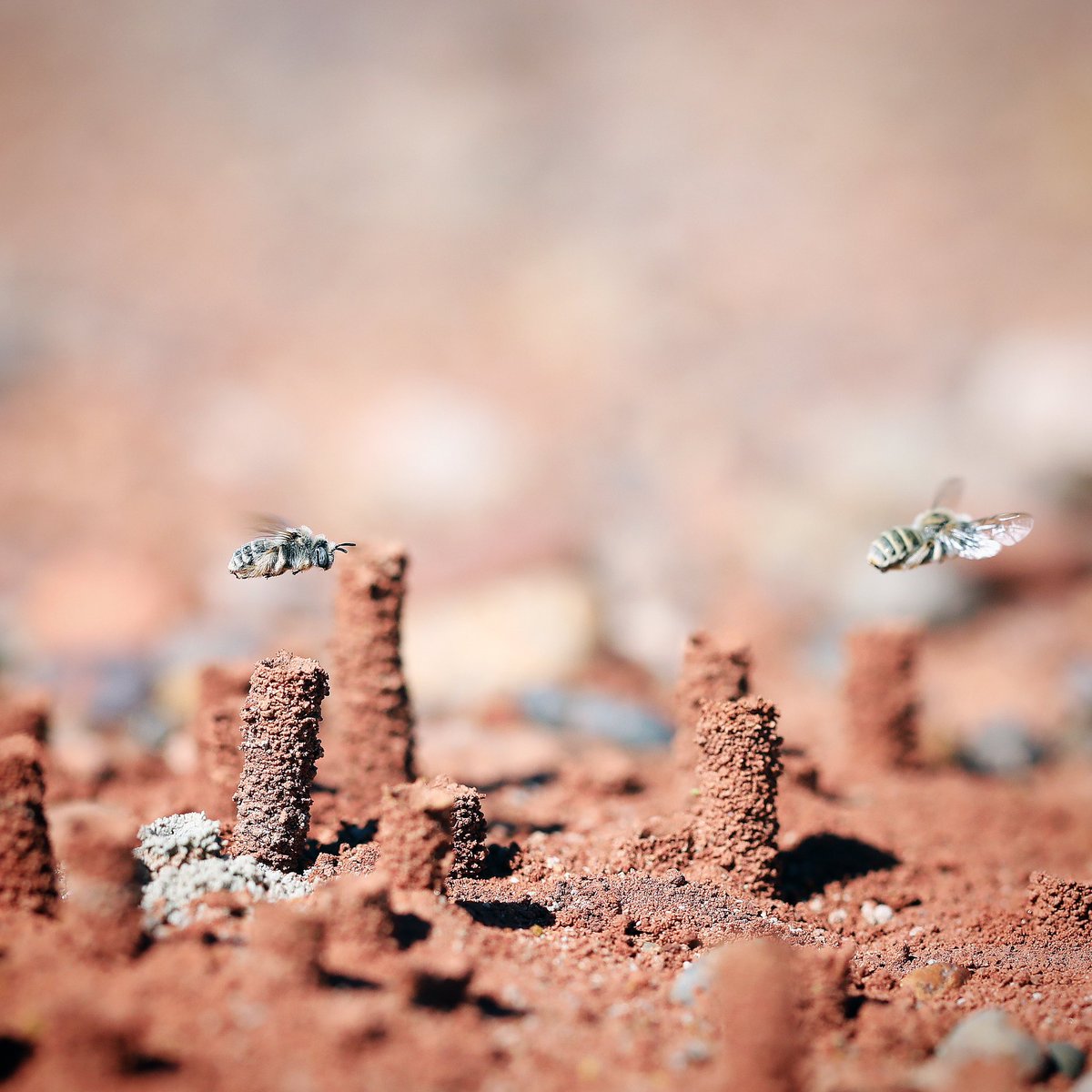
Happy world bee day! Did you know the vast majority of bees in the world nest alone on the ground (no hive, queen or workers). Many species, like these Diadasia, build nests in large aggregations I like to call bee neighborhoods

Happy world bee day! Did you know the vast majority of bees in the world nest alone on the ground (no hive, queen or workers). Many species, like these Diadasia, build nests in large aggregations I like to call bee neighborhoods
The Bees In Your Backyard (@beesbackyard) 's Twitter Profile Photo

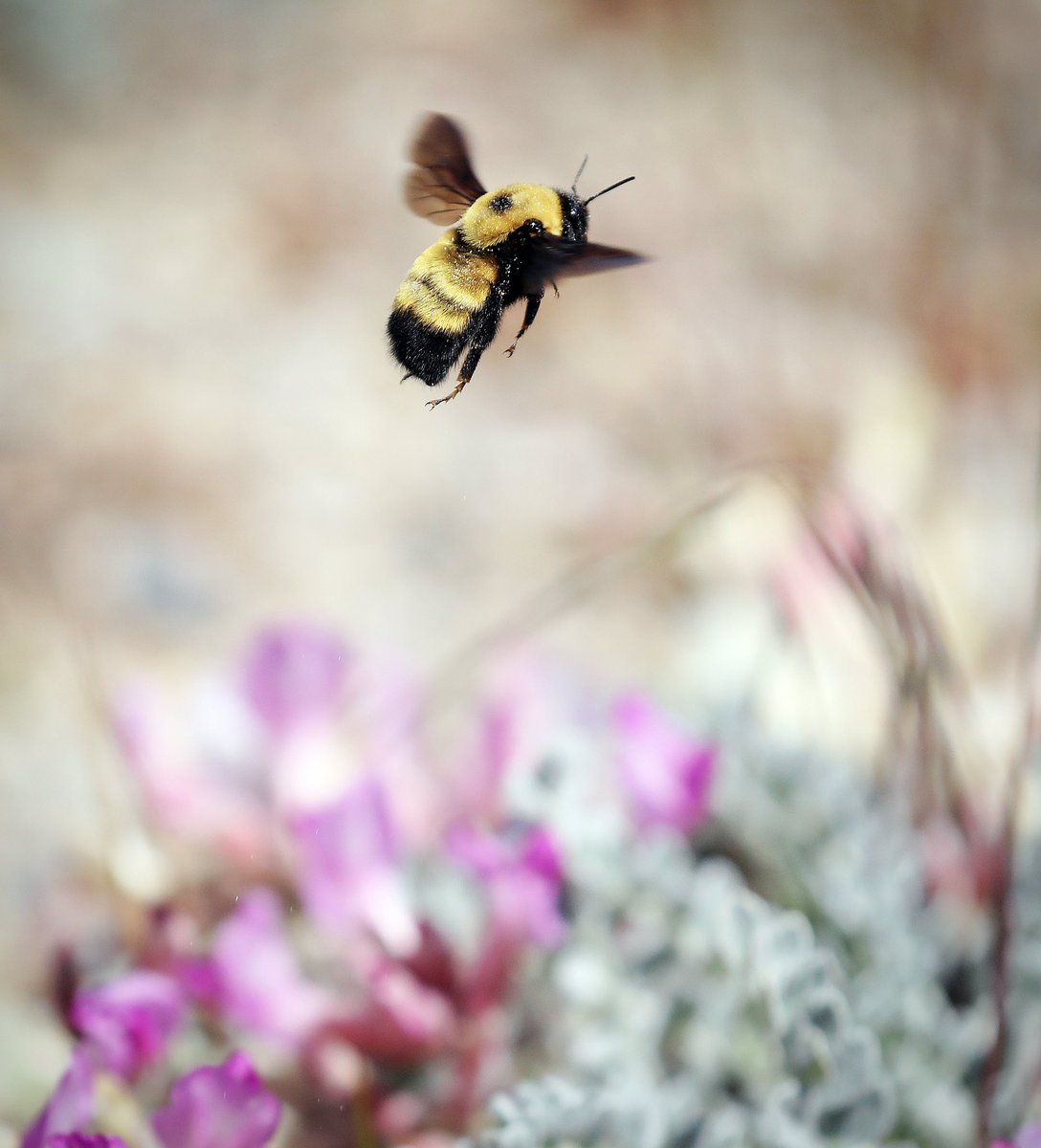
The large bumble bees we see out in the spring are often queens, getting their nests ready for their daughters to take over, soon these fuzzy bees will stay underground and their smaller worker daughters will be buzzing around collecting pollen for their sisters as they develop.

The large bumble bees we see out in the spring are often queens, getting their nests ready for their daughters to take over, soon these fuzzy bees will stay underground and their smaller worker daughters will be buzzing around collecting pollen for their sisters as they develop.
The Bees In Your Backyard (@beesbackyard) 's Twitter Profile Photo

Cuckoo bees, like cuckoo birds, don’t make their own nest. Instead they hide their egg in the nest of another bee. Many cuckoo bees, like this Nomada, look a lot like wasps.

Cuckoo bees, like cuckoo birds, don’t make their own nest. Instead they hide their egg in the nest of another bee. Many cuckoo bees, like this Nomada, look a lot like wasps.
The Bees In Your Backyard (@beesbackyard) 's Twitter Profile Photo

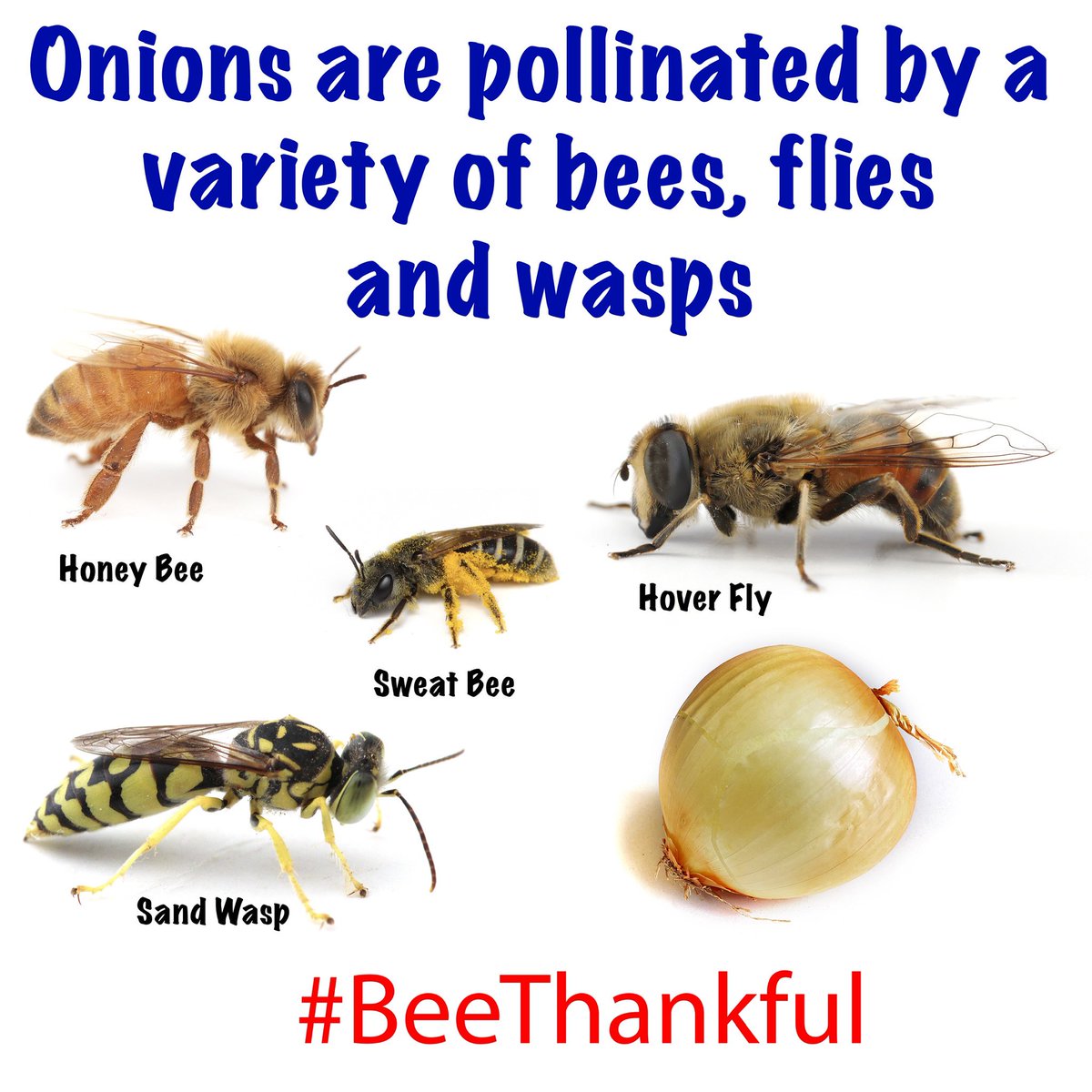
Onions might not be the first crop that comes to mind when you think of pollination, but studies show that various bees flies and wasps are beneficial for onion pollination in order to produce onion seeds. #beethankful

Onions might not be the first crop that comes to mind when you think of pollination, but studies show that various bees flies and wasps are beneficial for onion pollination in order to produce onion seeds. #beethankful
Princeton Nature (@princetonnature) 's Twitter Profile Photo

We're thrilled to announce that Common Bees of Eastern North America by Olivia Messinger Carril and Joseph S. Wilson is the winner of the Nature Guidebook Award awarded by National Outdoor Book Awards! The Bees In Your Backyard hubs.ly/Q01vSPtD0
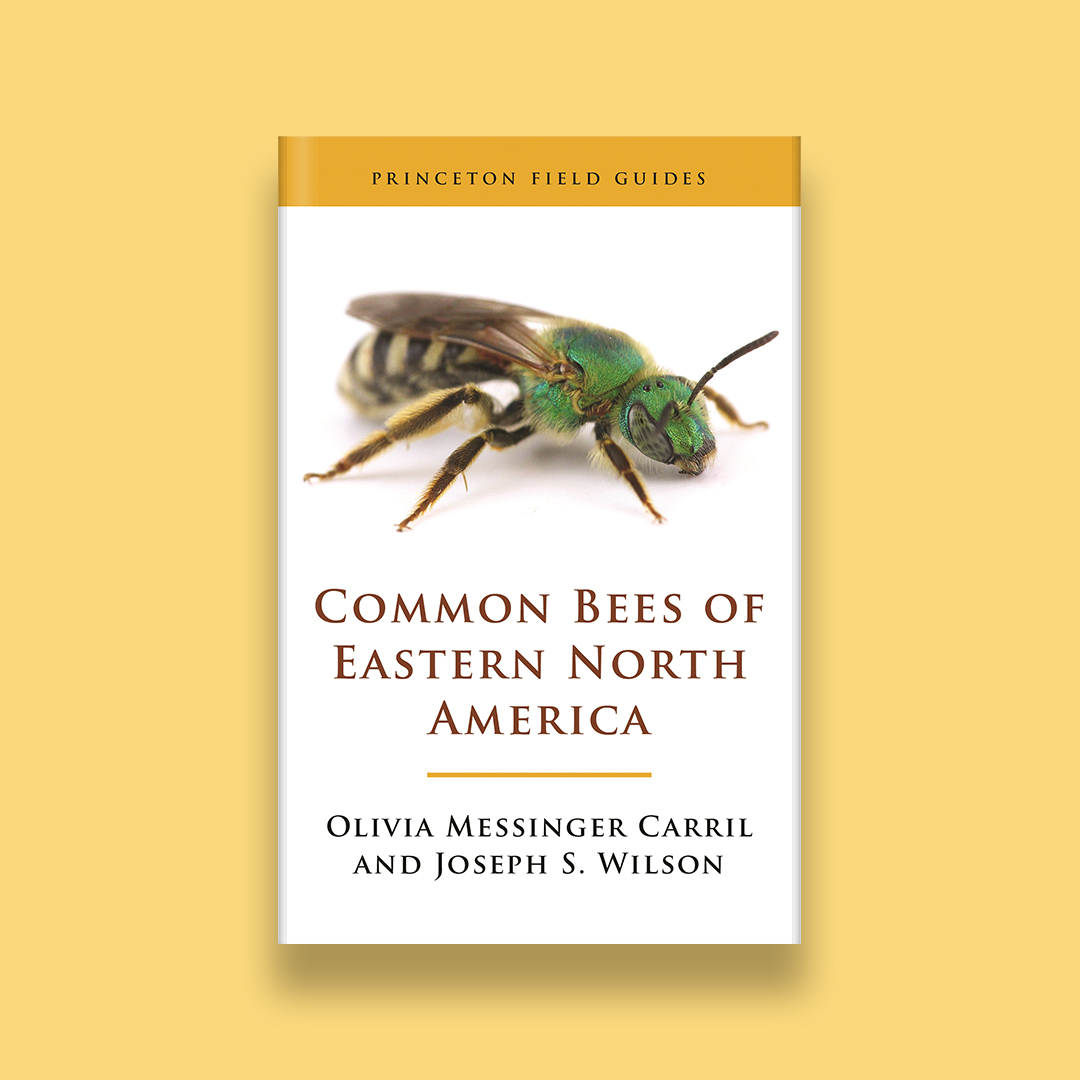
We're thrilled to announce that Common Bees of Eastern North America by Olivia Messinger Carril and Joseph S. Wilson is the winner of the Nature Guidebook Award awarded by <a href="/NOBA_Books/">National Outdoor Book Awards</a>! <a href="/BeesBackyard/">The Bees In Your Backyard</a> hubs.ly/Q01vSPtD0
The Bees In Your Backyard (@beesbackyard) 's Twitter Profile Photo

Winter is in full sing across much of North America. Spring is coming soon. I have seen small sweat bees (Lasioglossum subgenus Dialictus) as early as February in the Mojave Desert. I photographed this little bee several years ago visiting desert mistletoe in mid February.

Winter is in full sing across much of North America. Spring is coming soon. I have seen small sweat bees (Lasioglossum subgenus Dialictus) as early as February in the Mojave Desert. I photographed this little bee several years ago visiting desert mistletoe in mid February.
The Bees In Your Backyard (@beesbackyard) 's Twitter Profile Photo

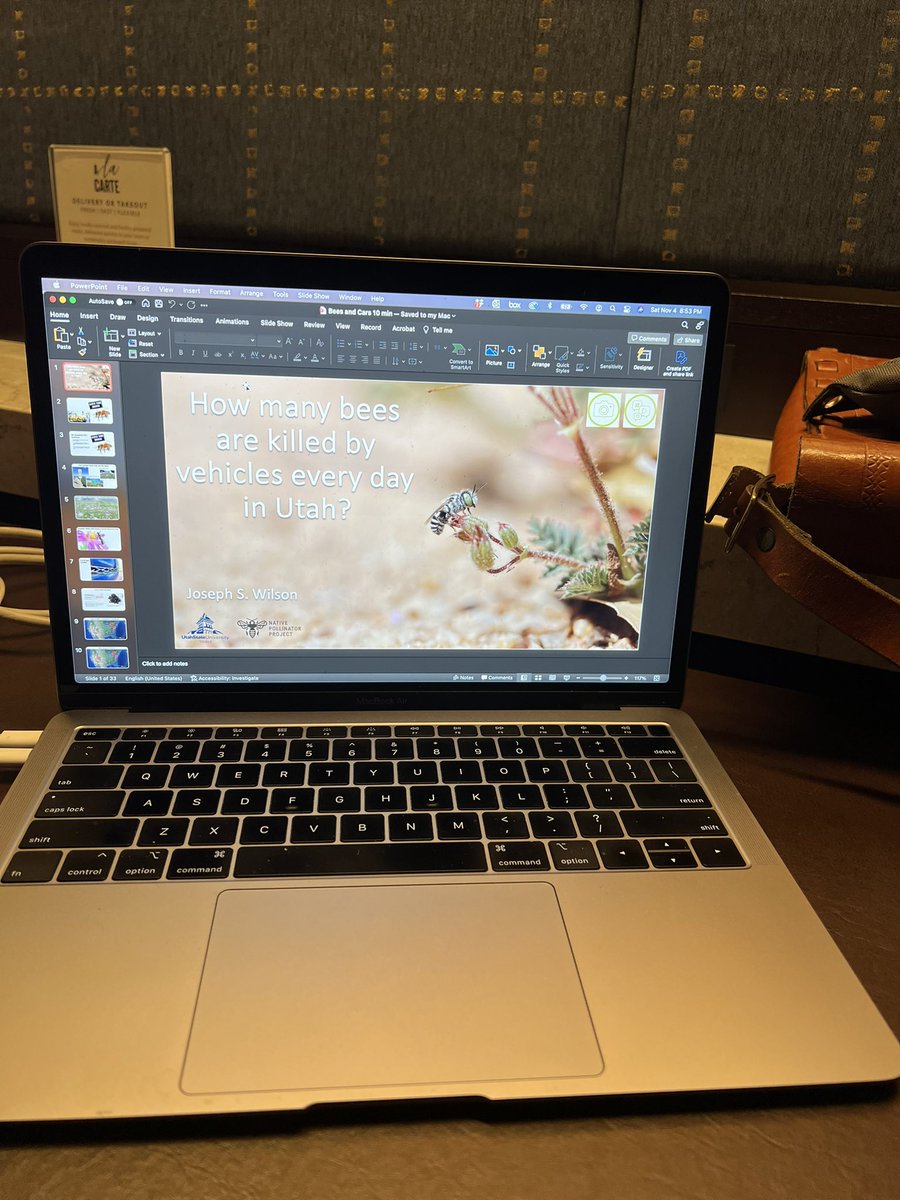
I’m giving a talk this morning at 9 am at #EntSoc23 If you are here come check it out How many bees are killed by cars? Answer: a lot

I’m giving a talk this morning at 9 am at #EntSoc23 
If you are here come check it out
How many bees are killed by cars? Answer: a lot
The Bees In Your Backyard (@beesbackyard) 's Twitter Profile Photo

There are hundreds of species of native bee that are known as cuckoo bees. A cuckoo bee sneaks into the nests of a host bee and lays an egg. When the cuckoo bee egg hatches, its larva kills the host bee larva, and eats the pollen that was left for it. 😔

The Bees In Your Backyard (@beesbackyard) 's Twitter Profile Photo

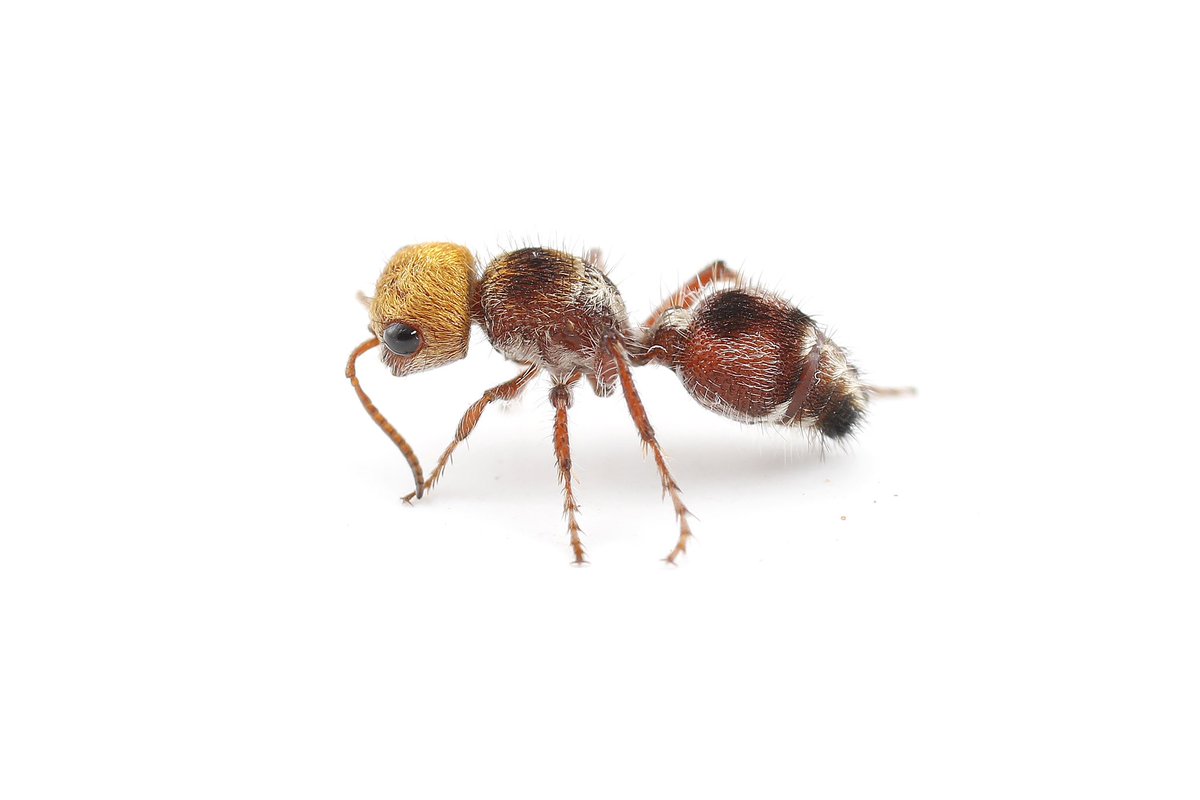
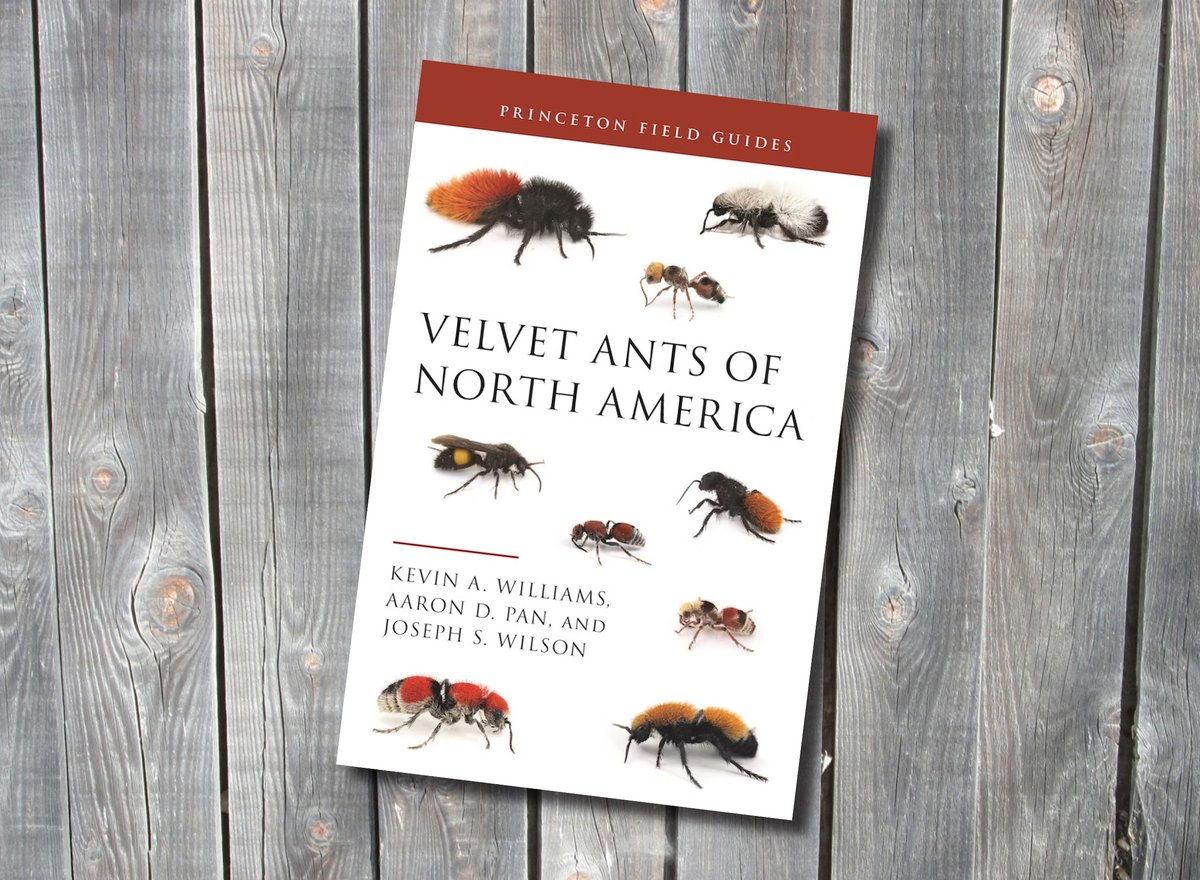
Did you know there are over 400 species of velvet ants in the US? Despite their name they are actually not ants they are wingless wasps and the new field guide to velvet ants of North America is available starting tomorrow at your favorite bookstore.

Did you know there are over 400 species of velvet ants in the US? Despite their name they are actually not ants they are wingless wasps and the new field guide to velvet ants of North America is available starting tomorrow at your favorite bookstore.
The Bees In Your Backyard (@beesbackyard) 's Twitter Profile Photo

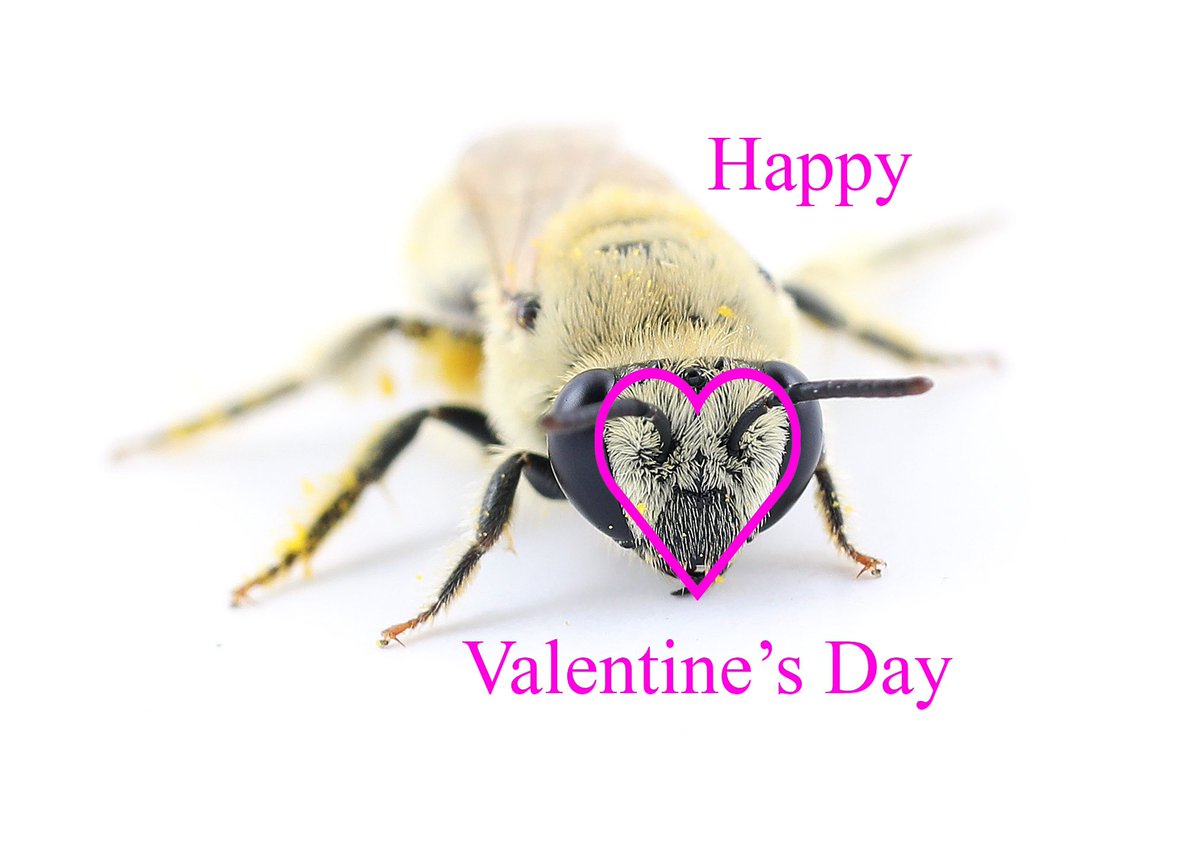
Colletes bees remind me of Valentine’s Day. Why do they make me think of Valentine’s Day? It’s because one of the identifying characteristics of this genus is that they have a heart shaped face. ❤️🐝

Colletes bees remind me of Valentine’s Day. Why do they make me think of Valentine’s Day? It’s because one of the identifying characteristics of this genus is that they have a heart shaped face. ❤️🐝
The Bees In Your Backyard (@beesbackyard) 's Twitter Profile Photo

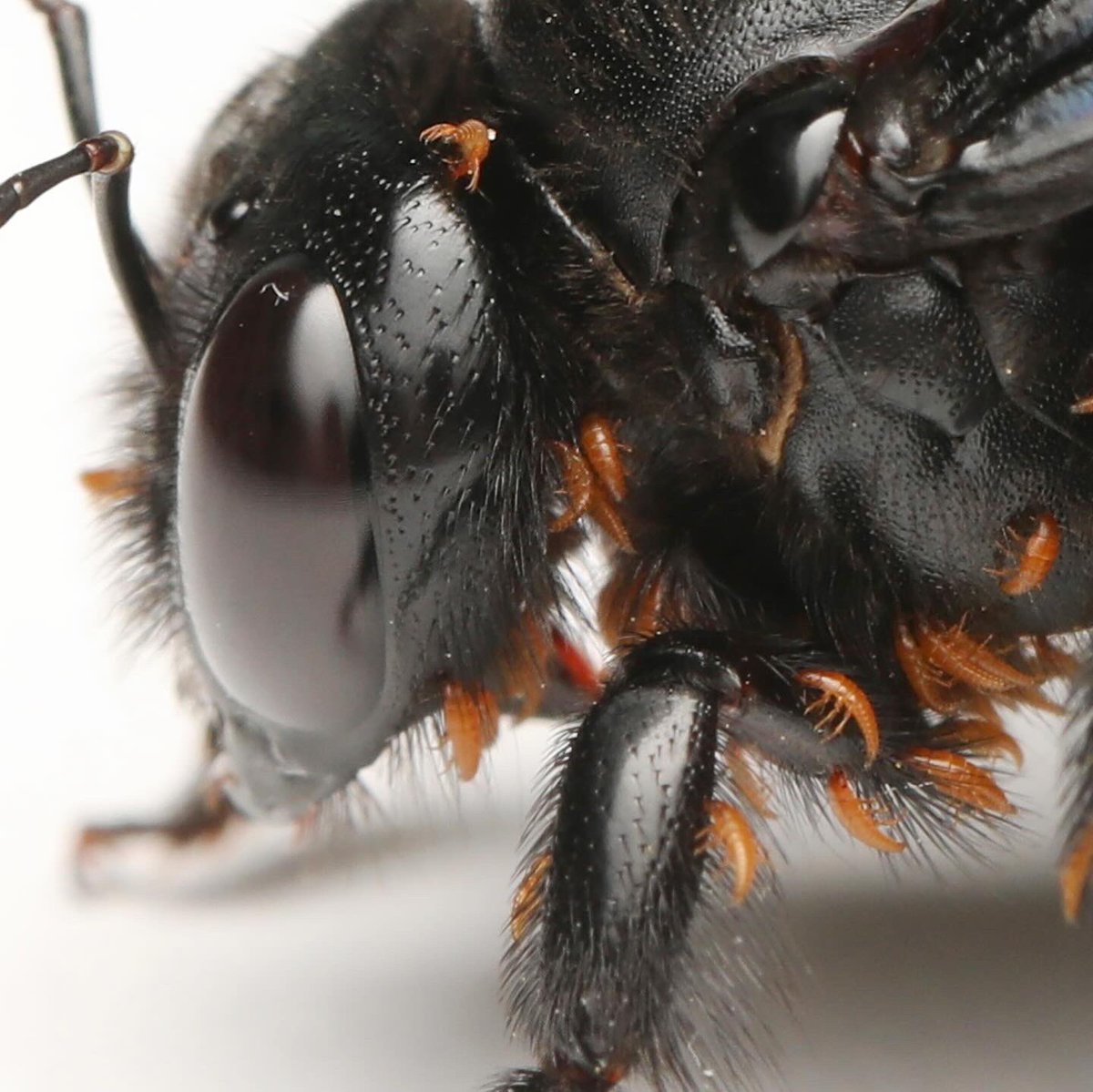
When I first saw this Xylocopa I thought it had orange pollen on its body. After a closer look, it’s not pollen, but parasitic triungulin larvae. These beetle larvae don’t directly harm the adult bee, they hitch a ride back to the nest and feed on the pollen and eggs. creepy

When I first saw this Xylocopa I thought it had orange pollen on its body. After a closer look, it’s not pollen, but parasitic triungulin larvae. These beetle larvae don’t directly harm the adult bee, they hitch a ride back to the nest and feed on the pollen and eggs. 

creepy