Dave Malowski (@bbgetbuckets) 's Twitter Profile
Dave Malowski

@bbgetbuckets

ID: 777568770755747840

calendar_today18-09-2016 18:03:36

4,4K Tweet

474 Followers

578 Following

The Sport Parent (@thesportparent) 's Twitter Profile Photo

The GREATEST sports parents are those who let the coaches coach, the officials officiate, are their children’s biggest support system, and spend more time and energy focusing on their child’s character, work ethic, and education, than anything else. ~from Coach Hines 🇺🇸


Todd Beane (@_toddbeane) 's Twitter Profile Photo

Stop Yelling Hosted players from 🇺🇸 and 🇨🇦 to ask what they wished coaches would do less of and what coaches should do more of. ❌ Stop yelling. ✅ Positive instruction. #TOVO

Coach Mac 🏀 (@bballcoachmac) 's Twitter Profile Photo

Parents: If a coach is willing to volunteer their time to coach your son or daughter, please let them do the coaching. If you really want to voice your opinion from the sideline all game, wait a few months and put your hand up to coach next season.

Kyle Collinsworth (@collinsworth55) 's Twitter Profile Photo

Youth basketball in America needs more skill work/practices + 3 on 3 and less games per week. Way too many games are played. The real growth is in the skill work and 3 on 3 allows more reads/decision making. European youth basketball has mastered this formula

Justin Dehm (@justindehm) 's Twitter Profile Photo

Kids in 3rd-8th grade play more games in a year than HS teams…We have it all backwards…9-12 year olds running around shooting on a rim too high with a ball too big, playing zone, and scoring in the 20s.

Sports Psychology (@sportpsychtips) 's Twitter Profile Photo

Average coaches mainly use rewards and punishments to motivate their players. Great coaches inspire their players from the inside out.

William Payne (@tweetsbycoachp) 's Twitter Profile Photo

IF it were REALLY about the kids, you’d see: HS coaches working w/ travel coaches Parents and Teachers working together And all of them having the KIDS best interests ahead of their own. But we all know, it’s really rarely about the kids.

Transforming Basketball (@transformbball) 's Twitter Profile Photo

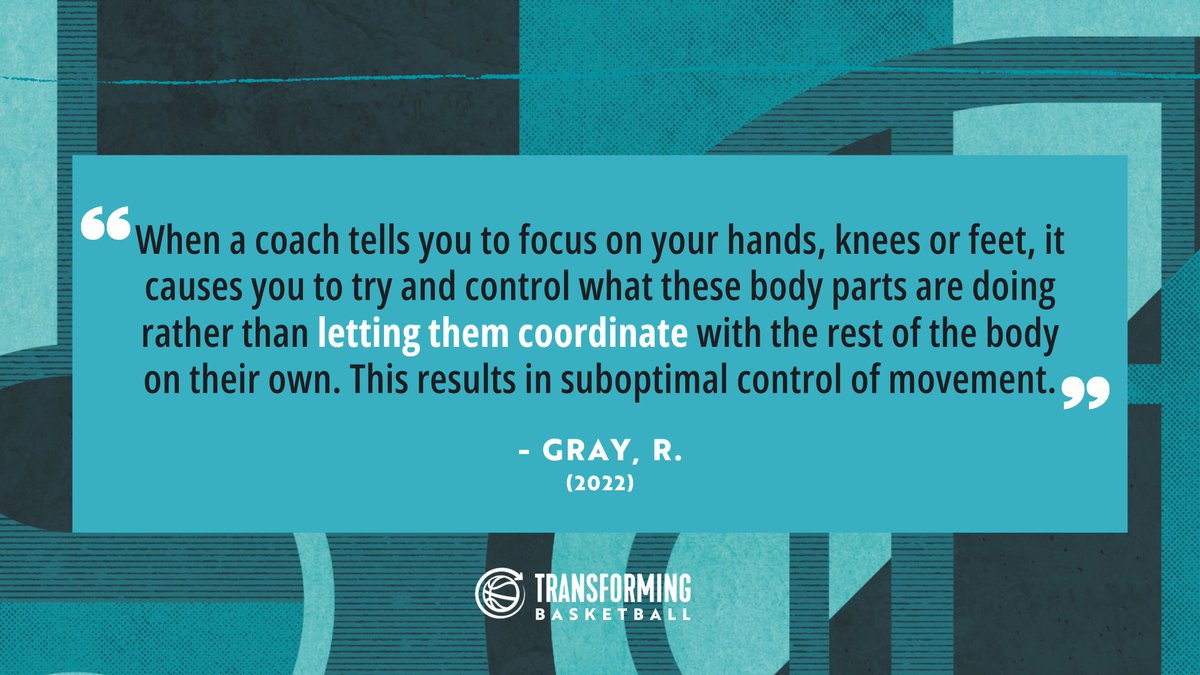
This is why it is important for coaches to consider moving away from using internal feedback, as frequently seen within the dominant approach.

This is why it is important for coaches to consider moving away from using internal feedback, as frequently seen within the dominant approach.
Joe Eisenmann PhD (@joe_eisenmann) 's Twitter Profile Photo

During #MarchMadness 🏀 recovery will be vital. 🔋 Clearly, recovery, including #nutrition, hydration and #sleep, from the fatiguing demands of the sport and schedule is critical to performance in the Big Dance! Insights and links to 19 review papers👇 joeeisenmann.substack.com/p/empty-tanks-…
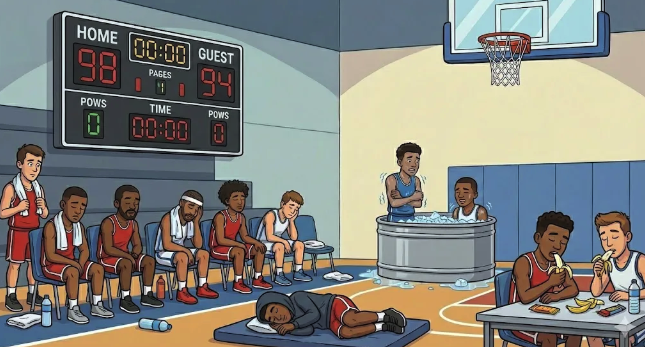
During #MarchMadness 🏀 recovery will be vital. 🔋  Clearly, recovery, including #nutrition, hydration and #sleep, from the fatiguing demands of the sport and schedule is critical to performance in the Big Dance!

Insights and links to 19 review papers👇

joeeisenmann.substack.com/p/empty-tanks-…
180 Shooter (@180shooter) 's Twitter Profile Photo

#1 Talking too much. #2 Correcting too quickly. #3 Believing in a perfect technique. #4 Trying to fit the player into their method of shooting.

Chris Steed (@steeder10) 's Twitter Profile Photo

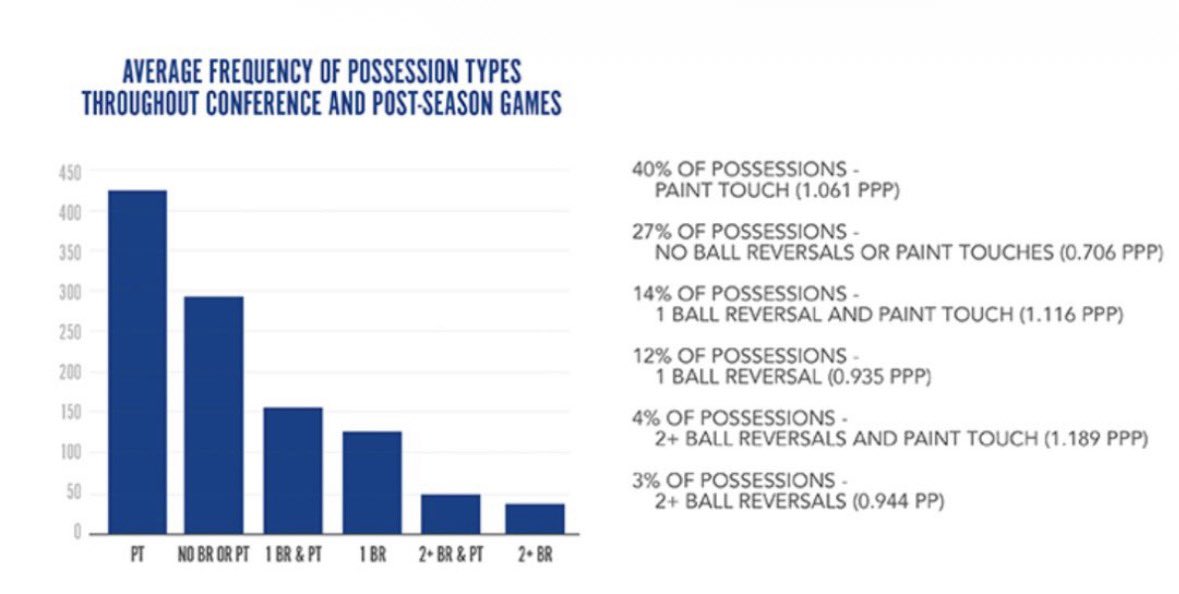
Ball Reversals 🤝 Paint Touches Arizona and Michigan EPITOMIZE this in their tourney runs this season. Both teams are putting so much pressure on the rim - Michigan with ball movement and Arizona with rebounding dominance. Schematically, very different, but the shot quality

Ball Reversals 🤝 Paint Touches 

Arizona and Michigan EPITOMIZE this in their tourney runs this season.  Both teams are putting so much pressure on the rim - Michigan with ball movement and Arizona with rebounding dominance.  

Schematically, very different, but the shot quality
Brian Kight (@tbriankight) 's Twitter Profile Photo

If you’re a coach who wants to challenge players while building awesome relationships, you should read this. The problem is . . . challenging players in uncomfortable ways is absolutely necessary for excellence but risks turning them off, damaging trust, and undermining