The Magazine ANTIQUES (@antiquesmag) 's Twitter Profile
The Magazine ANTIQUES

@antiquesmag

America’s premier fine and decorative arts publication since 1922. 📚
Producer of #CuriousObjectsPodcast 🪑
and #TMAexplains video series 🎬

ID: 317275486

linkhttp://www.themagazineantiques.com calendar_today14-06-2011 17:59:36

7,7K Tweet

3,3K Followers

490 Following
The Magazine ANTIQUES (@antiquesmag) 's Twitter Profile Photo

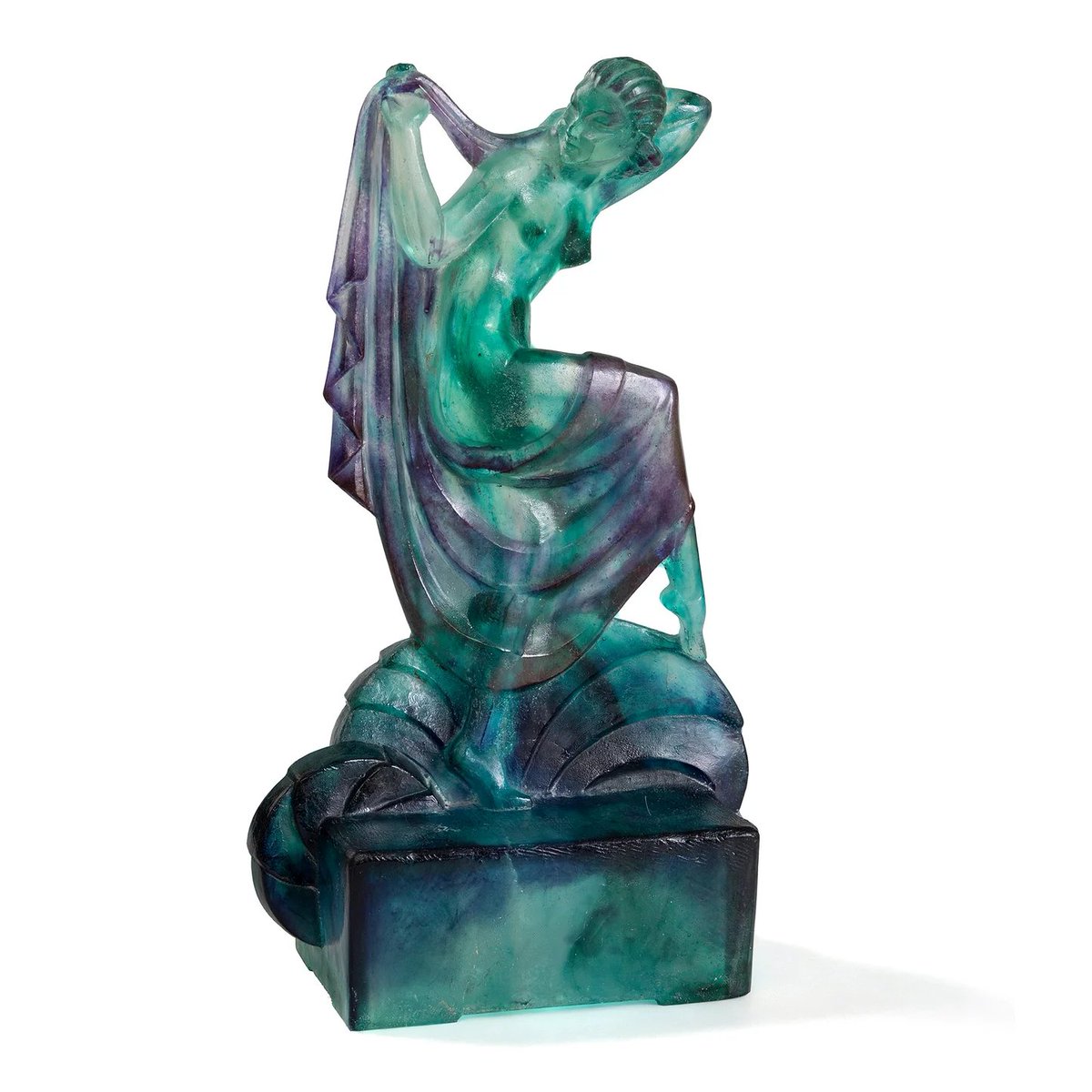
The stunning colors of this sculpture were produced by pressing different shades of glass powders together (a technique known as pate de verre). Marcel Bouraine and Gabriel Argy-Rousseau, Danseuse, c. 1920, @macklowegallery #AntiqueOfTheDay

The stunning colors of this sculpture were produced by pressing different shades of glass powders together (a technique known as pate de verre).

Marcel Bouraine and Gabriel Argy-Rousseau, Danseuse, c. 1920, @macklowegallery 

#AntiqueOfTheDay
The Magazine ANTIQUES (@antiquesmag) 's Twitter Profile Photo

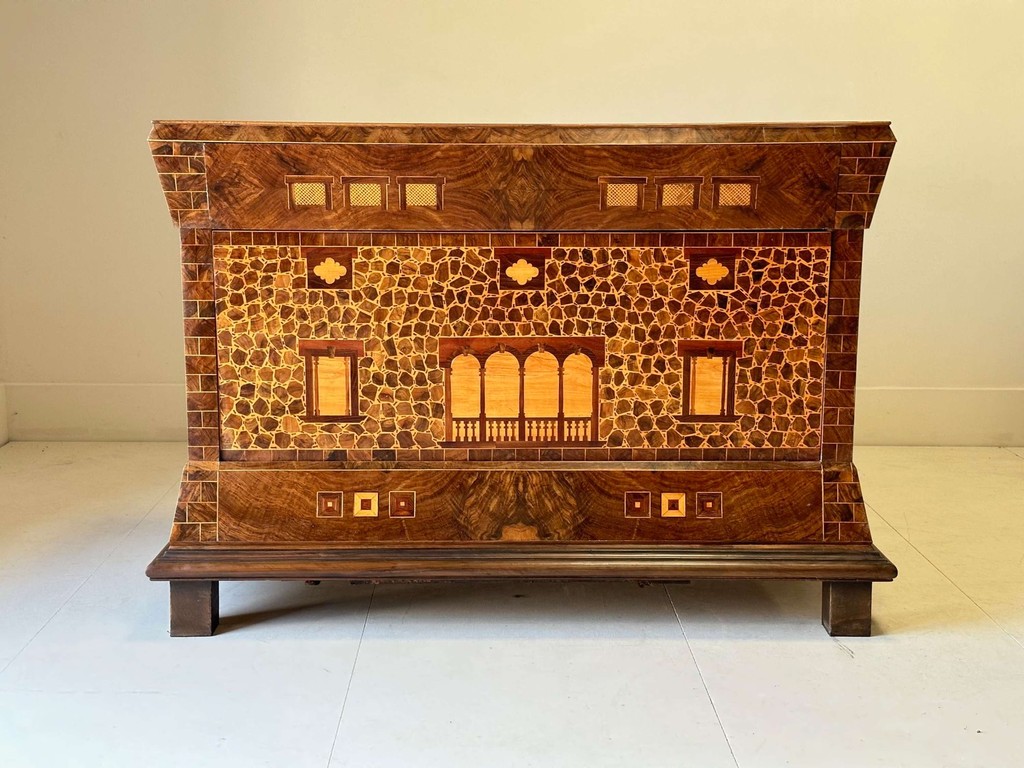
This Spanish-made chest is likely a one-off, made for a family to mirror their own house. The exquisite inlay mimics brickwork and masonry with a fine blend of boxwood, satinwood, rosewood, and some burr woods. Spanish commode, c. 1850, @nick_jones_antiques #AntiqueOfTheDay

This Spanish-made chest is likely a one-off, made for a family to mirror their own house. The exquisite inlay mimics brickwork and masonry with a fine blend of boxwood, satinwood, rosewood, and some burr woods.

Spanish commode, c. 1850, @nick_jones_antiques

#AntiqueOfTheDay
The Magazine ANTIQUES (@antiquesmag) 's Twitter Profile Photo

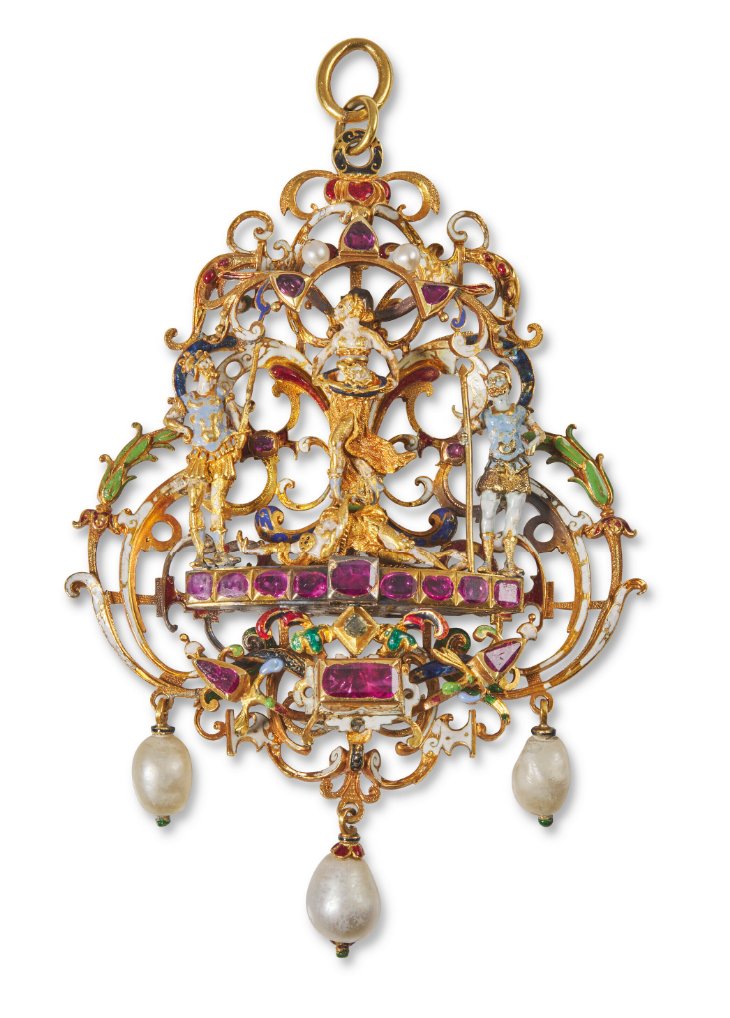
Talk about spectacular gems – this narrative pendant depicts Salome with the head of John the Baptist. Salome brooch, Pendant, Gold, rubies, pearls, enamel, c. 1600-1650, @christiesinc #AntiqueOftheDay

Talk about spectacular gems – this narrative pendant depicts Salome with the head of John the Baptist.

Salome brooch, Pendant, Gold, rubies, pearls, enamel, c. 1600-1650, @christiesinc 

#AntiqueOftheDay
The Magazine ANTIQUES (@antiquesmag) 's Twitter Profile Photo

This isn’t your average pewter teapot: it is a creation of Léon Kann, a French designer of the art nouveau period who modeled everyday objects on plants and creatures from the natural world. Léon Kann, Gourd teapot, Cast pewter, c. 1900, Samovar Tea.museum #AntiqueOfTheDay
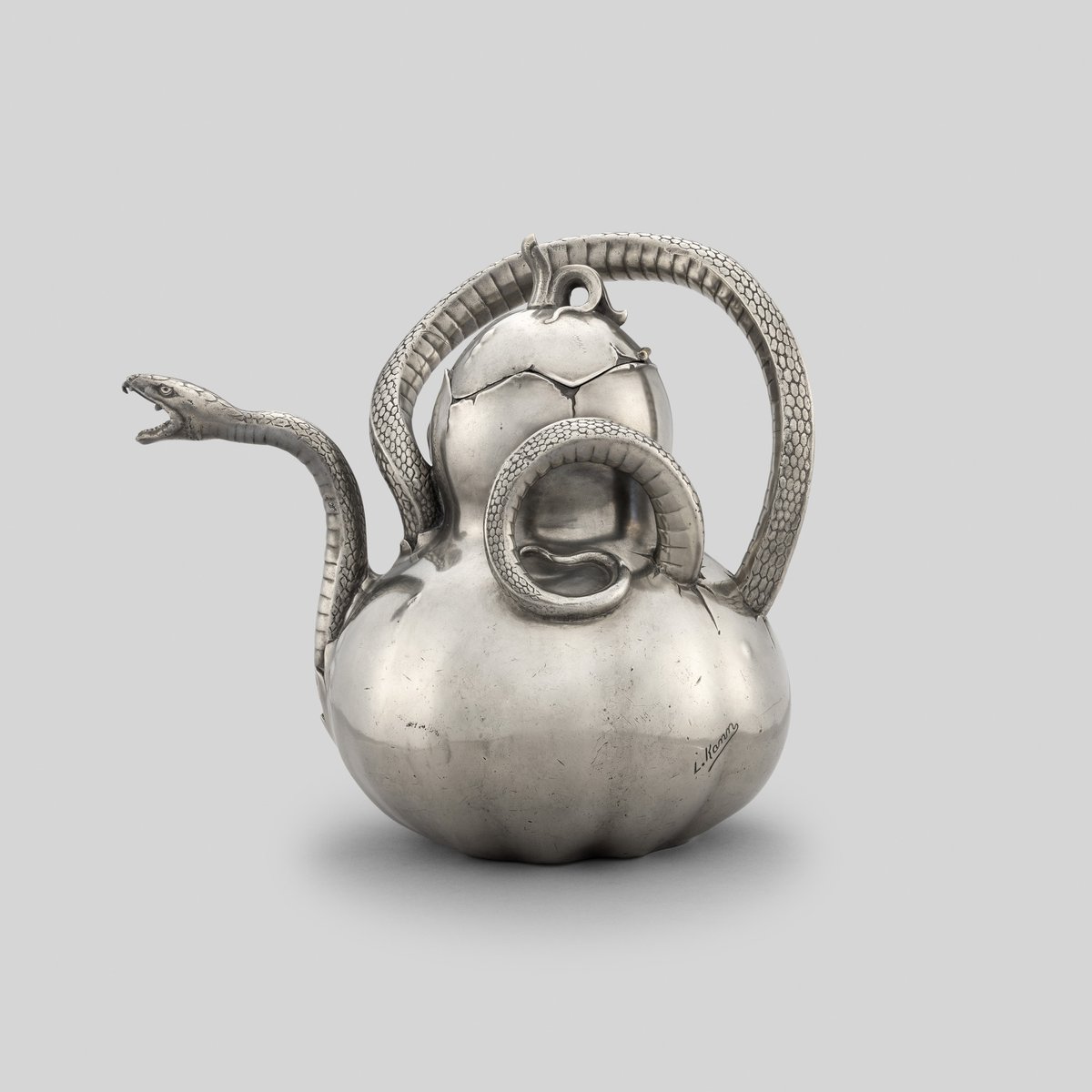
This isn’t your average pewter teapot: it is a creation of Léon Kann, a French designer of the art nouveau period who modeled everyday objects on plants and creatures from the natural world.

Léon Kann, Gourd teapot, Cast pewter, c. 1900, <a href="/tea/">Samovar Tea</a>.museum

#AntiqueOfTheDay
The Magazine ANTIQUES (@antiquesmag) 's Twitter Profile Photo

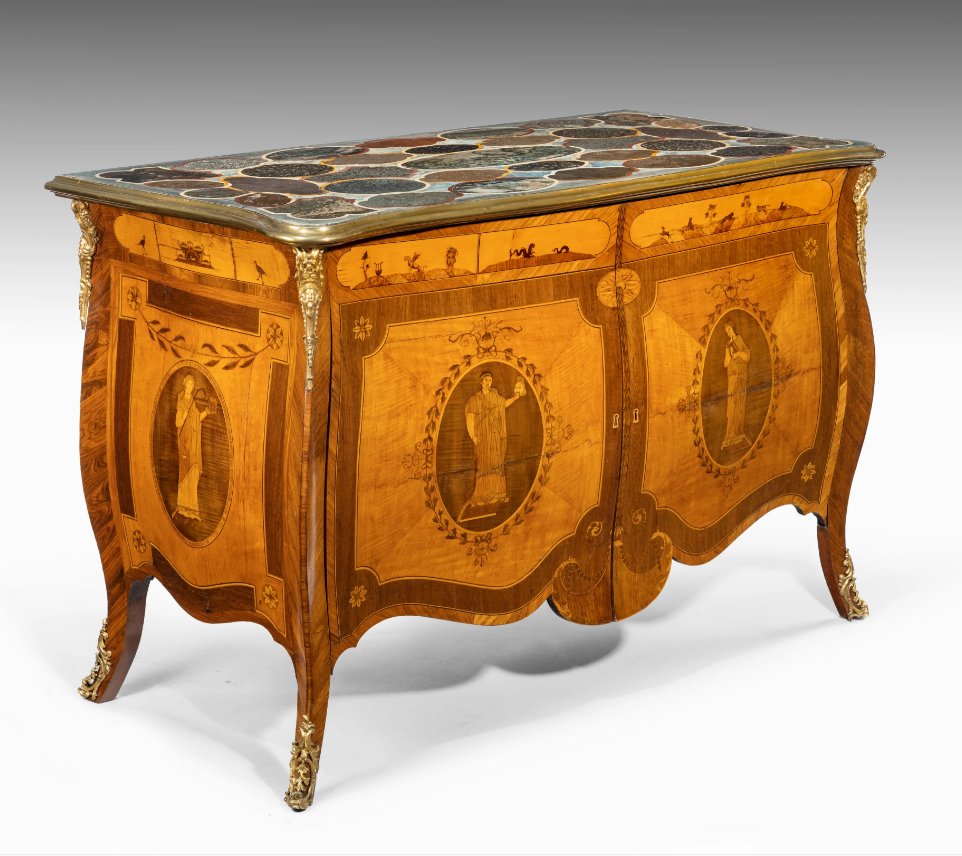
This elegant commode features engraved inset panels designed after plates in Tommaso Piroli’s Le Antichità di Ercolano Esposte (a volume of images of objects from the excavation of Herculaneum). Townley commode, c. 1770, @thomascoulborn #AntiqueOfTheDay

This elegant commode features engraved inset panels designed after plates in Tommaso Piroli’s Le Antichità di Ercolano Esposte (a volume of images of objects from the excavation of Herculaneum).

Townley commode, c. 1770, @thomascoulborn

#AntiqueOfTheDay
The Magazine ANTIQUES (@antiquesmag) 's Twitter Profile Photo

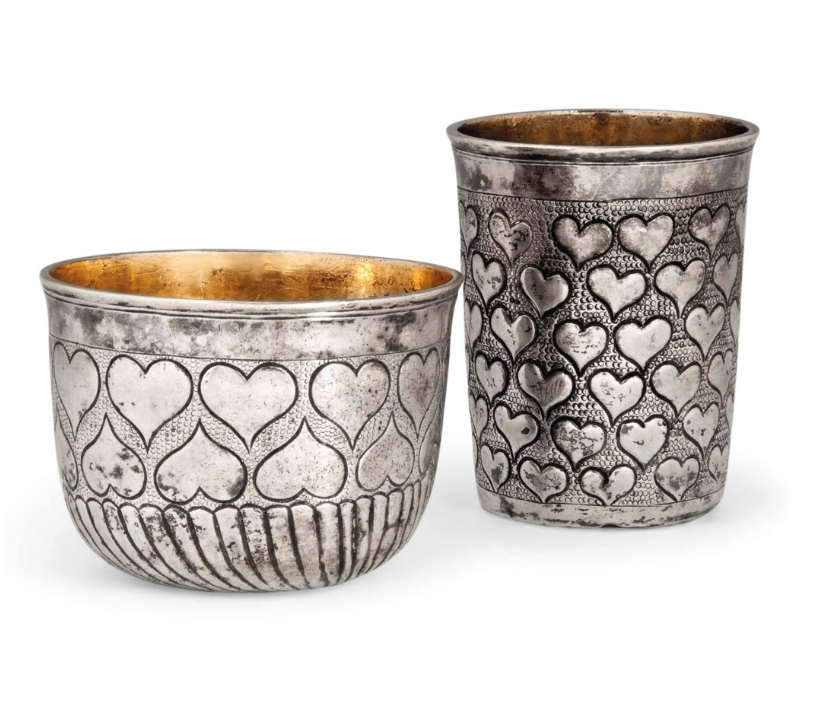
These silver cups are paragons of ornament and texture. The heart motifs sit atop a snakeskin ground, and each cup is decorated with a gilded interior. Gavrila Grigoriev Serebrenikov and Ivan Schagin, Silver cups, c. 1752/1757, @christiesinc #AntiqueOfTheDay

These silver cups are paragons of ornament and texture. The heart motifs sit atop a snakeskin ground, and each cup is decorated with a gilded interior.

Gavrila Grigoriev Serebrenikov and Ivan Schagin, Silver cups, c. 1752/1757, @christiesinc 

#AntiqueOfTheDay
The Magazine ANTIQUES (@antiquesmag) 's Twitter Profile Photo

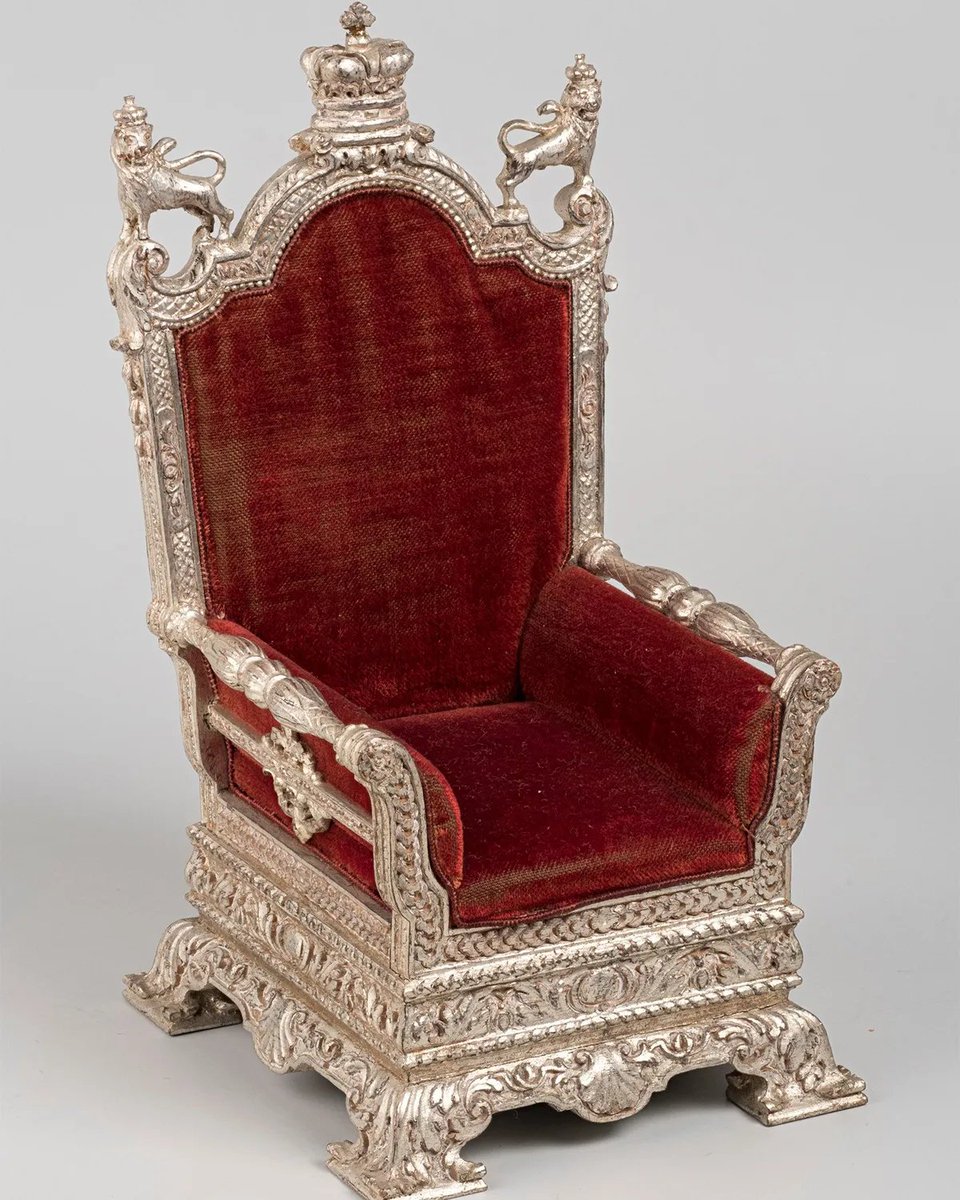
In 1920, Queen Mary commissioned Sir Edwin Lutyens to produce a replica of London townhouse, in dollhouse form. The tiny townhouse included a miniature throne. Edwin Lutyens, Miniature throne, c. 1920, @royalcollectiontrust #AntiqueOfTheDay

In 1920, Queen Mary commissioned Sir Edwin Lutyens to produce a replica of London townhouse, in dollhouse form. The tiny townhouse included a miniature throne.

Edwin Lutyens, Miniature throne, c. 1920, @royalcollectiontrust

#AntiqueOfTheDay
The Magazine ANTIQUES (@antiquesmag) 's Twitter Profile Photo

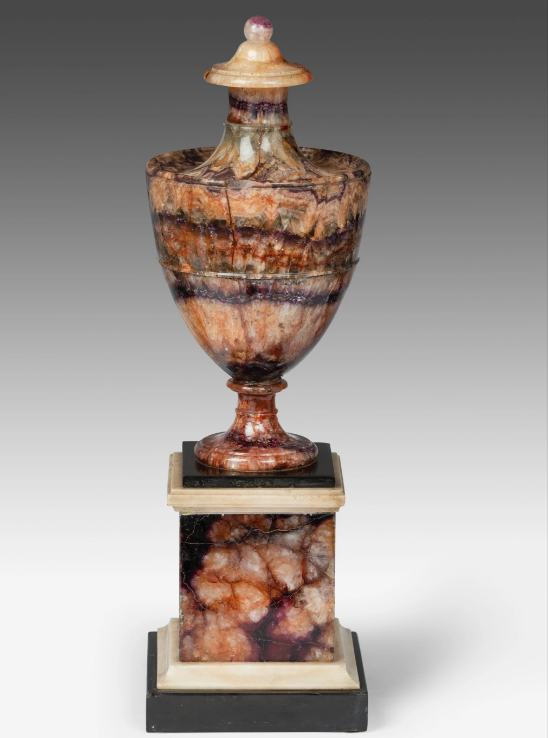
The coloration of this Derbyshire vase is known as Blue John, and comes from the French “bleu-jaune". This spectacular urn is mounted in an elegant Blue John pedestal with alabaster and black marble base and cornice. Blue John vase, c. 1780, @thomascoulborn #AntiqueOfTheDay

The coloration of this Derbyshire vase is known as Blue John, and comes from the French “bleu-jaune". This spectacular urn is mounted in an elegant Blue John pedestal with alabaster and black marble base and cornice.

Blue John vase, c. 1780, @thomascoulborn
#AntiqueOfTheDay
The Magazine ANTIQUES (@antiquesmag) 's Twitter Profile Photo

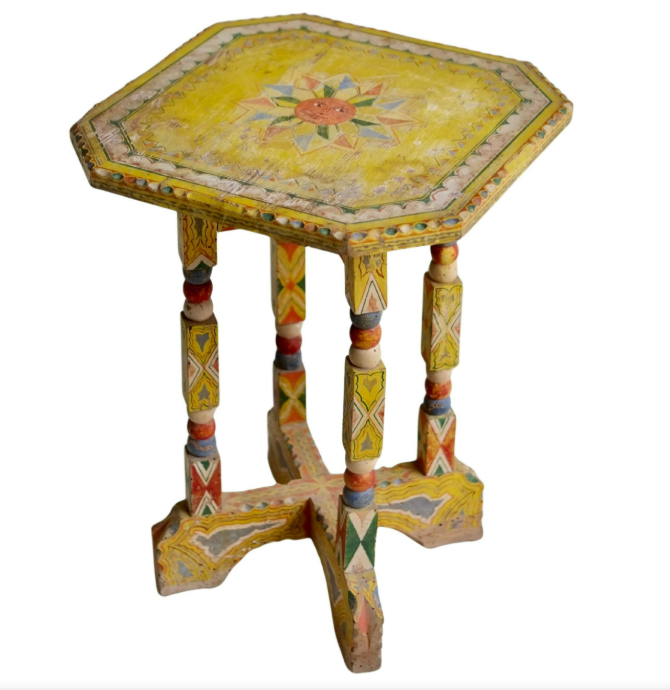
An exuberant piece of painted furniture can make the maximalist in anyone come to life. This table features a vibrant sun motif characteristic of the folk art of Sicily. ⁠ Painted wood table, c. 1880, @punchtheclock⁠ #AntiqueOfTheDay

An exuberant piece of painted furniture can make the maximalist in anyone come to life. This table features a vibrant sun motif characteristic of the folk art of Sicily.
⁠
Painted wood table, c. 1880, @punchtheclock⁠
#AntiqueOfTheDay
The Magazine ANTIQUES (@antiquesmag) 's Twitter Profile Photo

In the 17th century this functional accessory became a social marker of status that communicated beauty, elegance, and wealth. This pair of gloves is one of the oldest objects in Phoenix Art Museum fashion collection #AntiqueOfTheDay #PhoenixArtMuseum Phoenix Art Museum
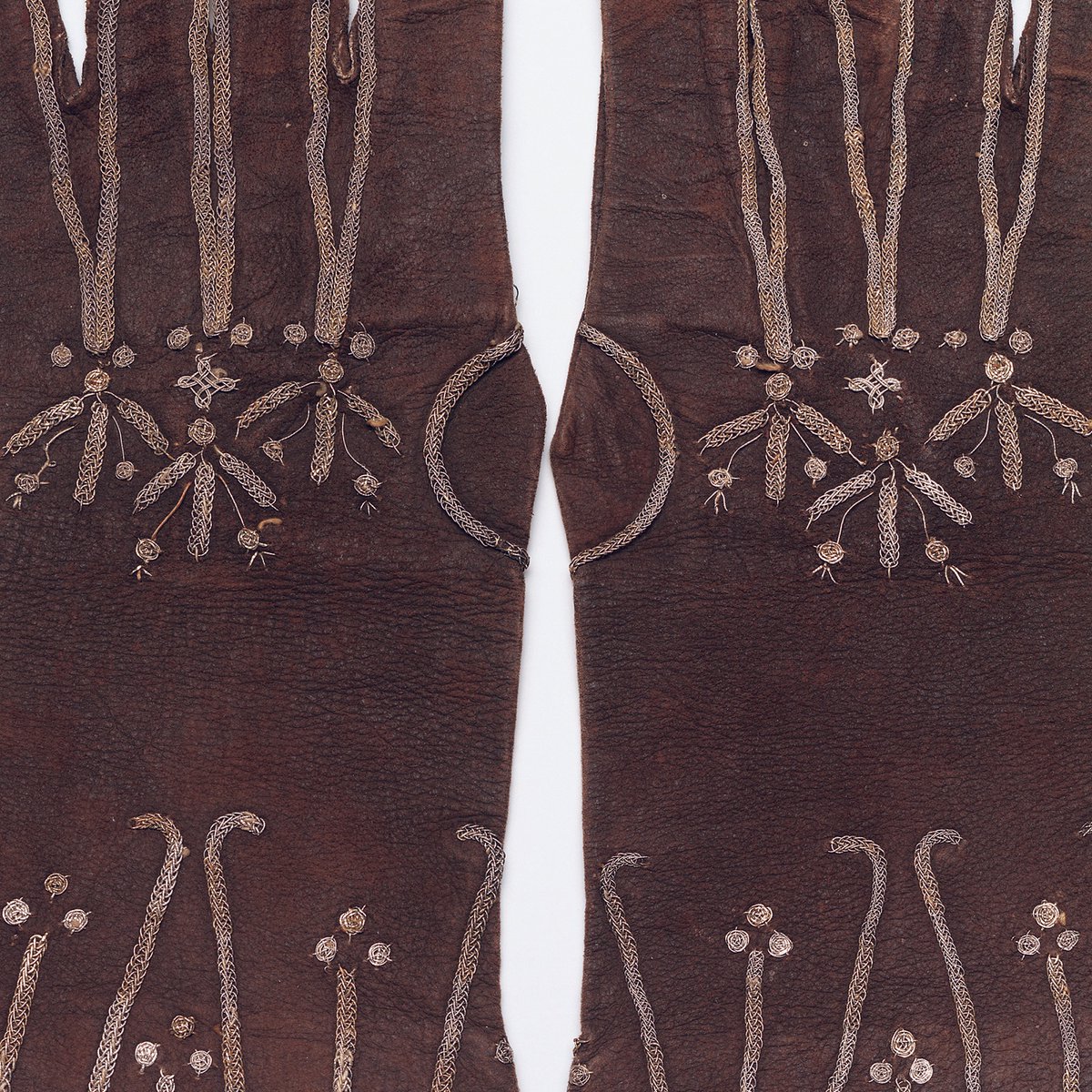
In the 17th century this functional accessory became a social marker of status that communicated beauty, elegance, and wealth. This pair of gloves is one of the oldest objects in <a href="/phxart/">Phoenix Art Museum</a> fashion collection

#AntiqueOfTheDay #PhoenixArtMuseum <a href="/phxart/">Phoenix Art Museum</a>
The Magazine ANTIQUES (@antiquesmag) 's Twitter Profile Photo

The production and use of fans rose across all European social classes in the 18th century. At the center of this fan from 1780, the god Hermes observes a group of earthly women while Mount Olympus looms in the background. #AntiqueOfTheDay #PhoenixArtMuseum Phoenix Art Museum
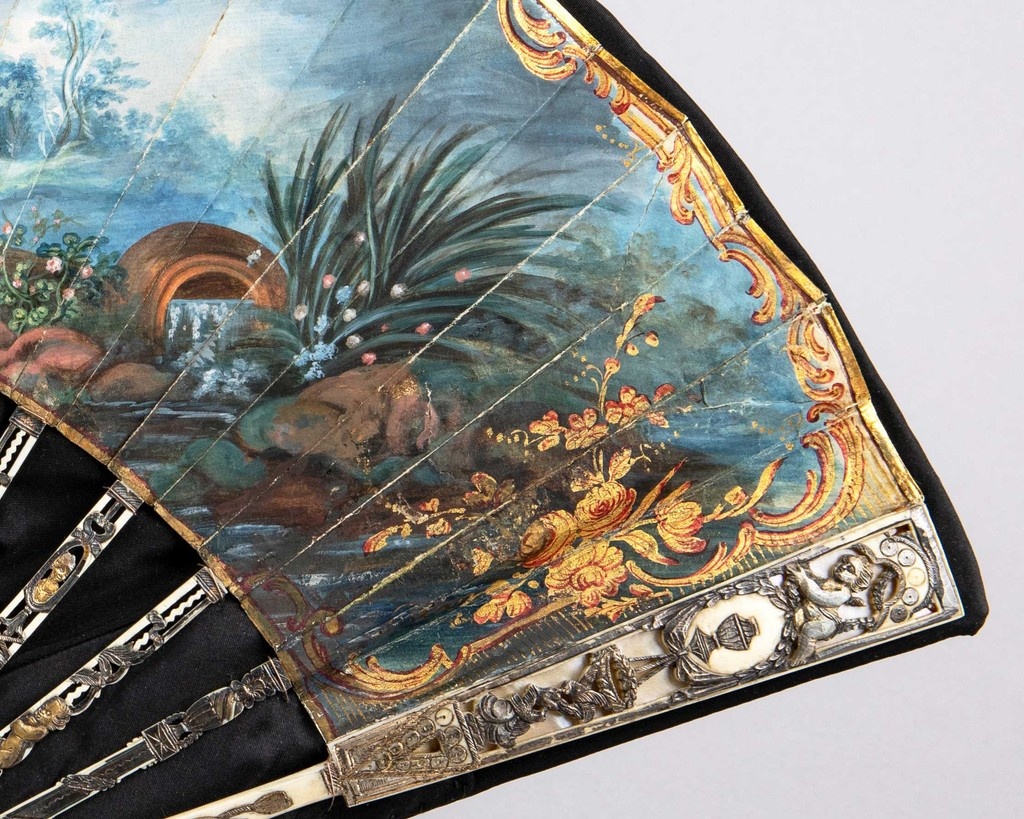
The production and use of fans rose across all European social classes in the 18th century. At the center of this fan from 1780, the god Hermes observes a group of earthly women while Mount Olympus looms in the background.

#AntiqueOfTheDay #PhoenixArtMuseum <a href="/phxart/">Phoenix Art Museum</a>
The Magazine ANTIQUES (@antiquesmag) 's Twitter Profile Photo

This 18th-century gown is embroidered with a floral and vine pattern. Due to its grandiose shape, women wearing this dress would have to slide sideways through a doorway. #AntiqueOfTheDay #PhonixArtMuseum Phoenix Art Museum

This 18th-century gown is embroidered with a floral and vine pattern. Due to its grandiose shape, women wearing this dress would have to slide sideways through a doorway.

#AntiqueOfTheDay #PhonixArtMuseum <a href="/phxart/">Phoenix Art Museum</a>
The Magazine ANTIQUES (@antiquesmag) 's Twitter Profile Photo

Clients of Paris-based British dressmaker Charles Frederick Worth could choose a design and have it tailored specifically to them at his workshop. Worth popularized this method, earning him the title “the father of haute couture.” #AntiqueOfTheDay Phoenix Art Museum
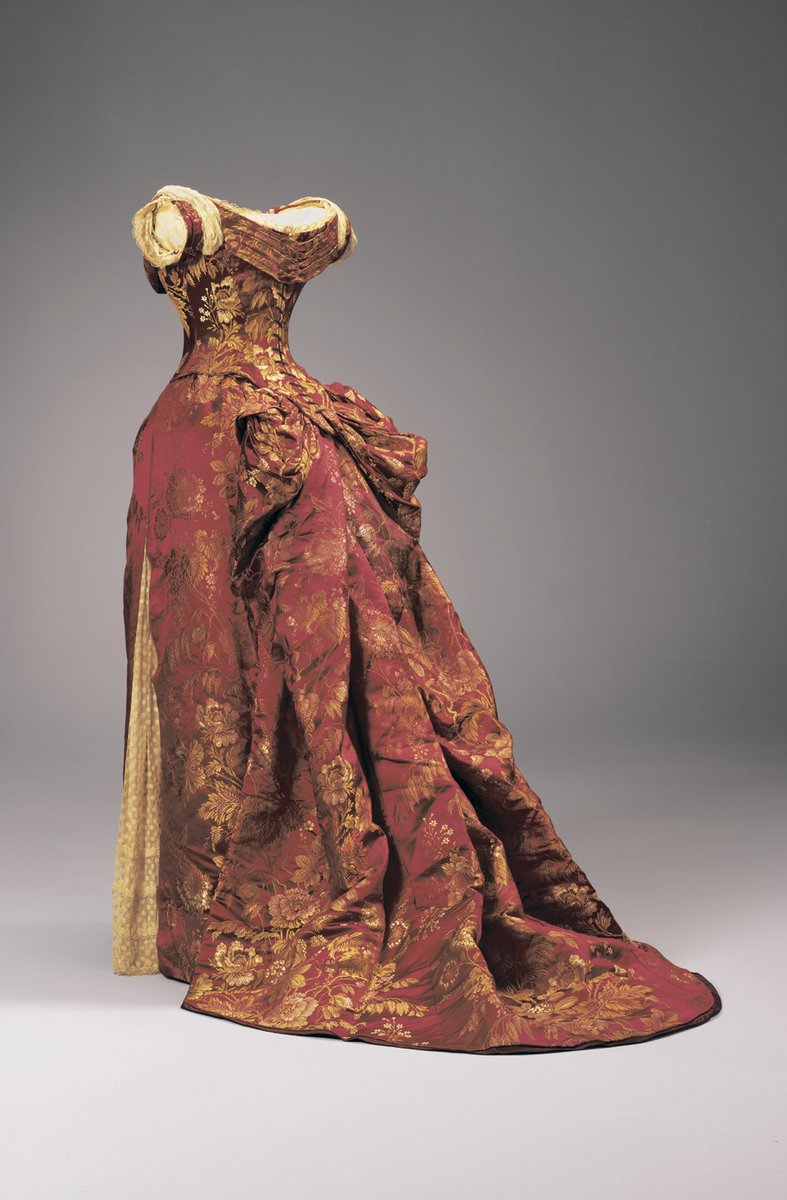
Clients of Paris-based British dressmaker Charles Frederick Worth could choose a design and have it tailored specifically to them at his workshop. Worth popularized this method, earning him the title “the father of haute couture.” 

#AntiqueOfTheDay <a href="/phxart/">Phoenix Art Museum</a>
The Magazine ANTIQUES (@antiquesmag) 's Twitter Profile Photo

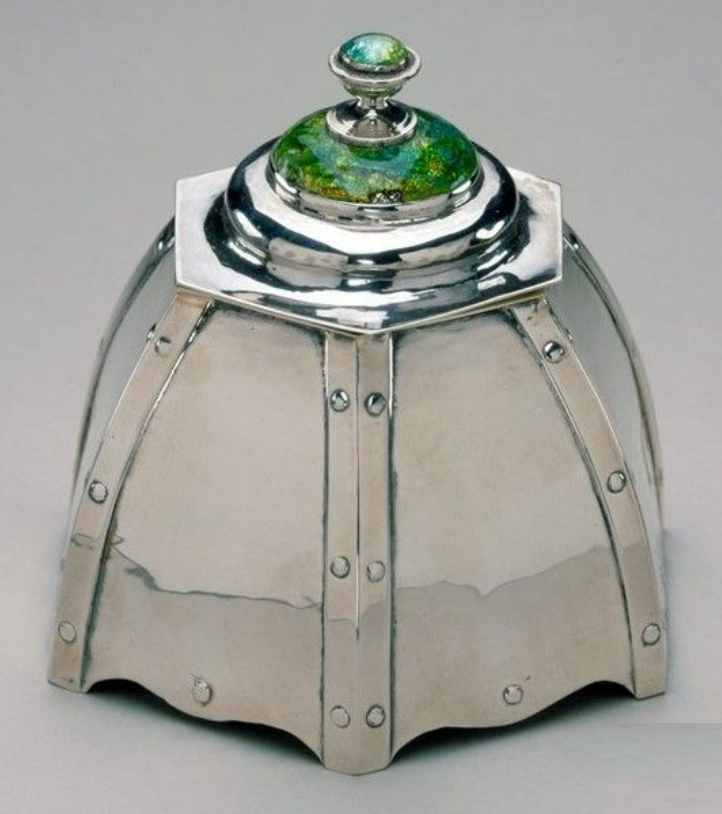
Charles Robert Ashbee produced “honestly” made objects, with exposed rivets and screws, echoing the ethos of the Guild of Handicraft, Ashbee’s crafts cooperative founded in 1888. ⁠ Charles Robert Ashbee, Inkwell, 1907, Minneapolis Institute of Art⁠ #AntiqueOfTheDay

Charles Robert Ashbee produced “honestly” made objects, with exposed rivets and screws, echoing the ethos of the Guild of Handicraft, Ashbee’s crafts cooperative founded in 1888.
⁠
Charles Robert Ashbee, Inkwell, 1907, <a href="/artsmia/">Minneapolis Institute of Art</a>⁠
#AntiqueOfTheDay
The Magazine ANTIQUES (@antiquesmag) 's Twitter Profile Photo

This stunning velvet dress is fit for a first lady – and, indeed, it was worn by a prominent one. The dress was made by African American dressmaker Elizabeth Keckly for First Lady Mary Todd Lincoln, in 1861. Elizabeth Keckley, Dress, 1861, National Museum of American History #AntiqueOfTheDay

This stunning velvet dress is fit for a first lady – and, indeed, it was worn by a prominent one. The dress was made by African American dressmaker Elizabeth Keckly for First Lady Mary Todd Lincoln, in 1861.

Elizabeth Keckley, Dress, 1861, <a href="/amhistorymuseum/">National Museum of American History</a>
#AntiqueOfTheDay
The Magazine ANTIQUES (@antiquesmag) 's Twitter Profile Photo

This decorative and unusual visor would have been substituted for a more utilitarian original, to be worn during festivals of Shrovetide (the period before Lent). Attributed to Kolman Helmschmid, Helmet visor, c. 1515, The Metropolitan Museum of Art #AntiqueOfTheDay #ArmsAndArmor #Helmets
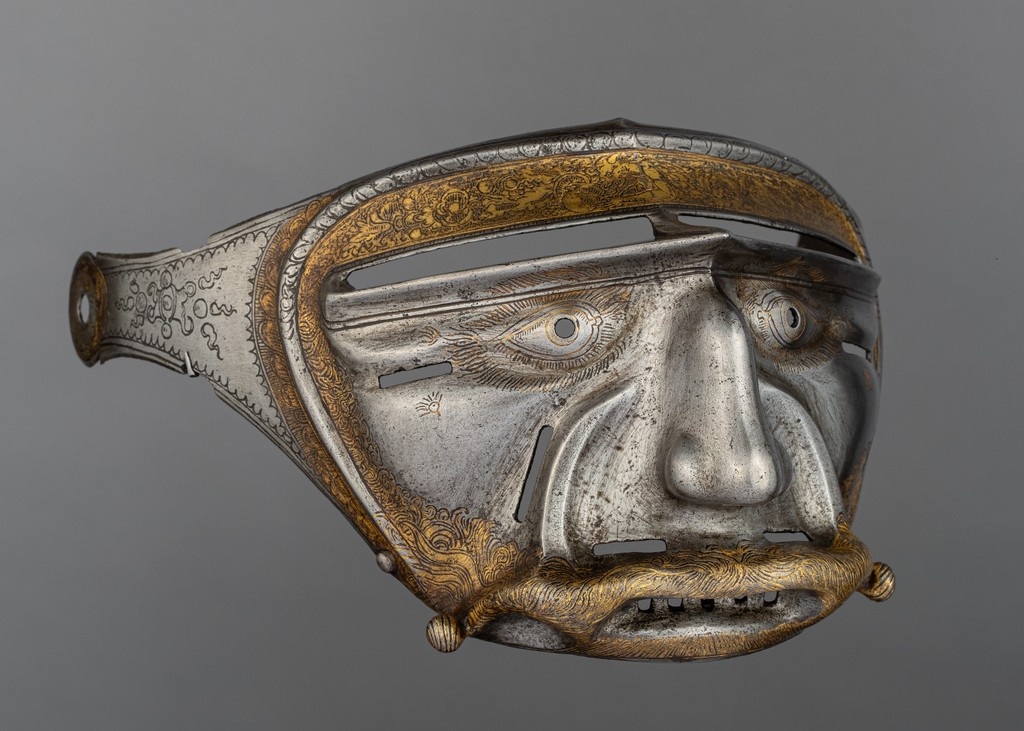
This decorative and unusual visor would have been substituted for a more utilitarian original, to be worn during festivals of Shrovetide (the period before Lent).

Attributed to Kolman Helmschmid, Helmet visor, c. 1515, <a href="/metmuseum/">The Metropolitan Museum of Art</a> 
#AntiqueOfTheDay #ArmsAndArmor #Helmets
The Magazine ANTIQUES (@antiquesmag) 's Twitter Profile Photo

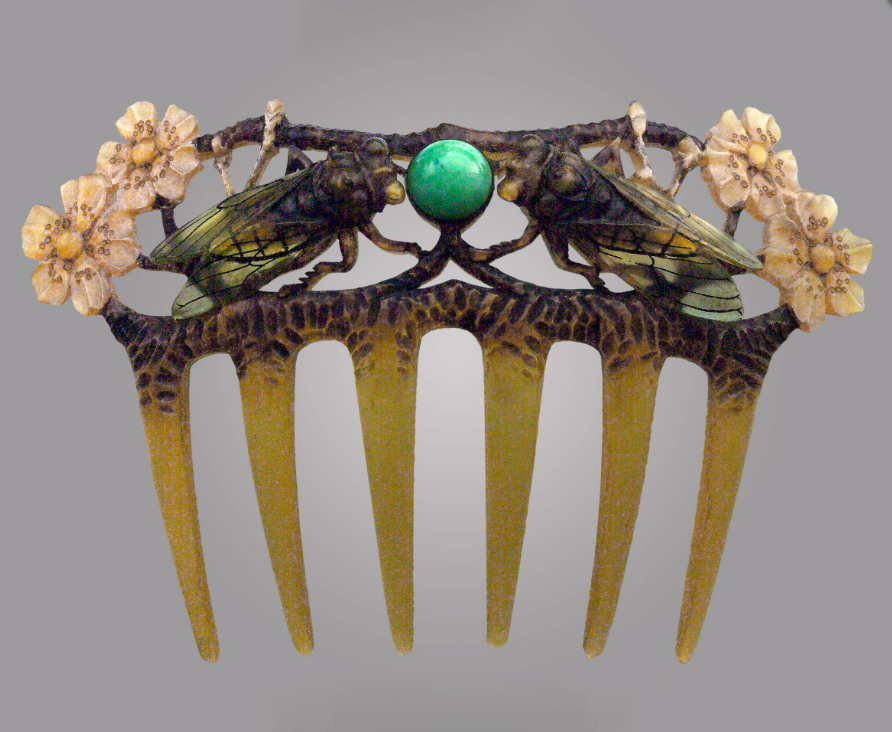
This engraved horn hair comb, attributed to art nouveau designer Georges Pierre, features two cicadas with delicately decorated translucent wings. Attributed to Georges Pierre, Hair comb, c. 1900, Tadema Gallery #AntiqueOfTheDay

This engraved horn hair comb, attributed to art nouveau designer Georges Pierre, features two cicadas with delicately decorated translucent wings.

Attributed to Georges Pierre, Hair comb, c. 1900, Tadema Gallery
#AntiqueOfTheDay
The Magazine ANTIQUES (@antiquesmag) 's Twitter Profile Photo

The chubby little figures on this chest are known as “putti” (an Italian word for “cherubs”) and are a common theme in classical art. Attributed to Colin Nouailher, Chest featuring putti and mottoes of courtly love, Painted enamel on copper, The Frick Collection #AntiqueOfTheDay
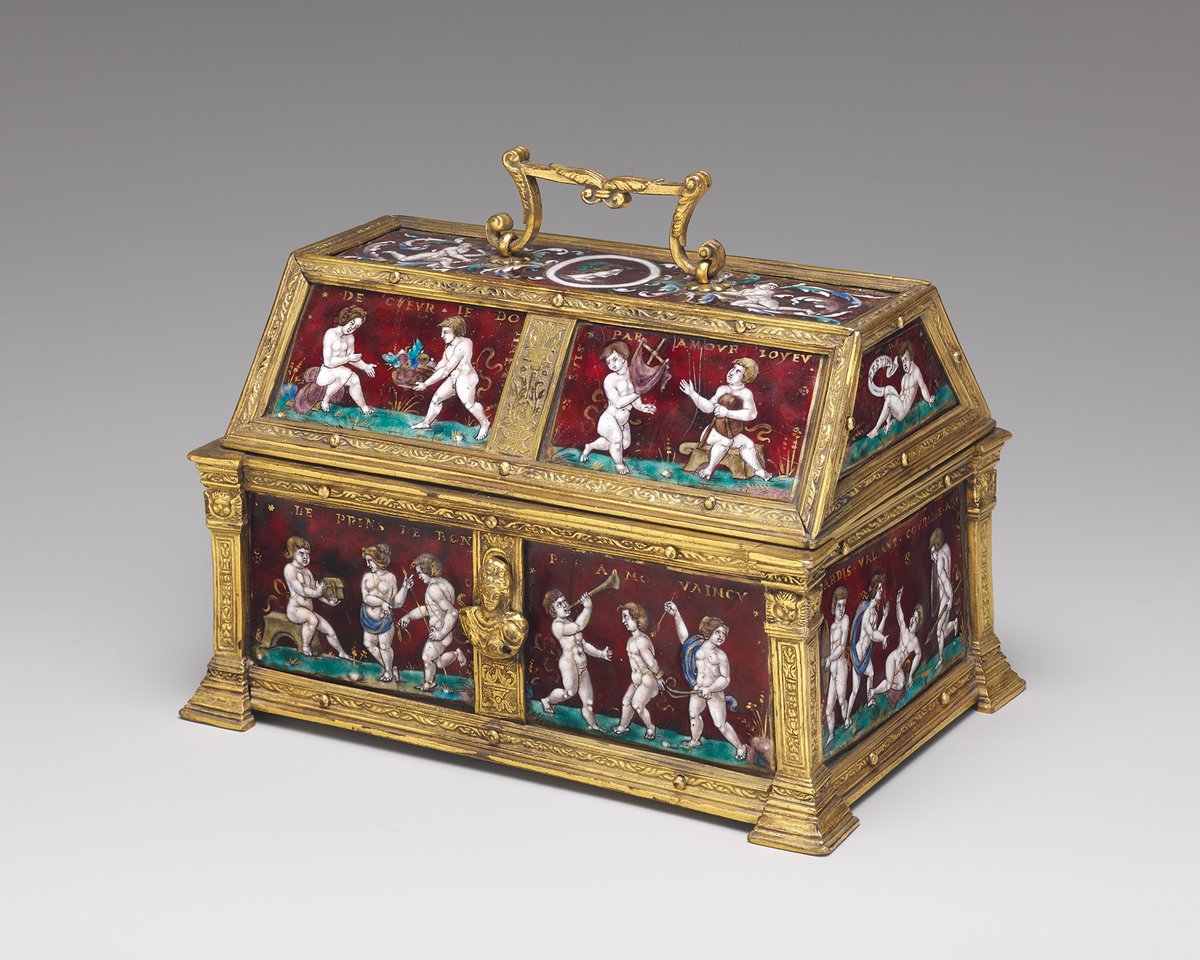

The chubby little figures on this chest are known as “putti” (an Italian word for “cherubs”) and are a common theme in classical art.

Attributed to Colin Nouailher, Chest featuring putti and mottoes of courtly love, Painted enamel on copper, <a href="/frickcollection/">The Frick Collection</a> 
#AntiqueOfTheDay
The Magazine ANTIQUES (@antiquesmag) 's Twitter Profile Photo

Fernando Cassetta produced a number of animal-form lamps for the firm Tacman Manara, also including a penguin and a toucan. “Rufus” dog lamp, Plastic, c. 1970-1979, @natavintage_ #AntiqueOfTheDay

Fernando Cassetta produced a number of animal-form lamps for the firm Tacman Manara, also including a penguin and a toucan.

“Rufus” dog lamp, Plastic, c. 1970-1979, @natavintage_
#AntiqueOfTheDay
The Magazine ANTIQUES (@antiquesmag) 's Twitter Profile Photo

You may know Emile Gallé for his art glass, made in Nancy, France. But, he also applied his craft to everyday objects like this perfume bottle. Emile Gallé, Perfume bottle, Acid-etched and enameled cameo glass, c. 1900, Museum of Fine Arts, Boston #AntiqueOfTheDay
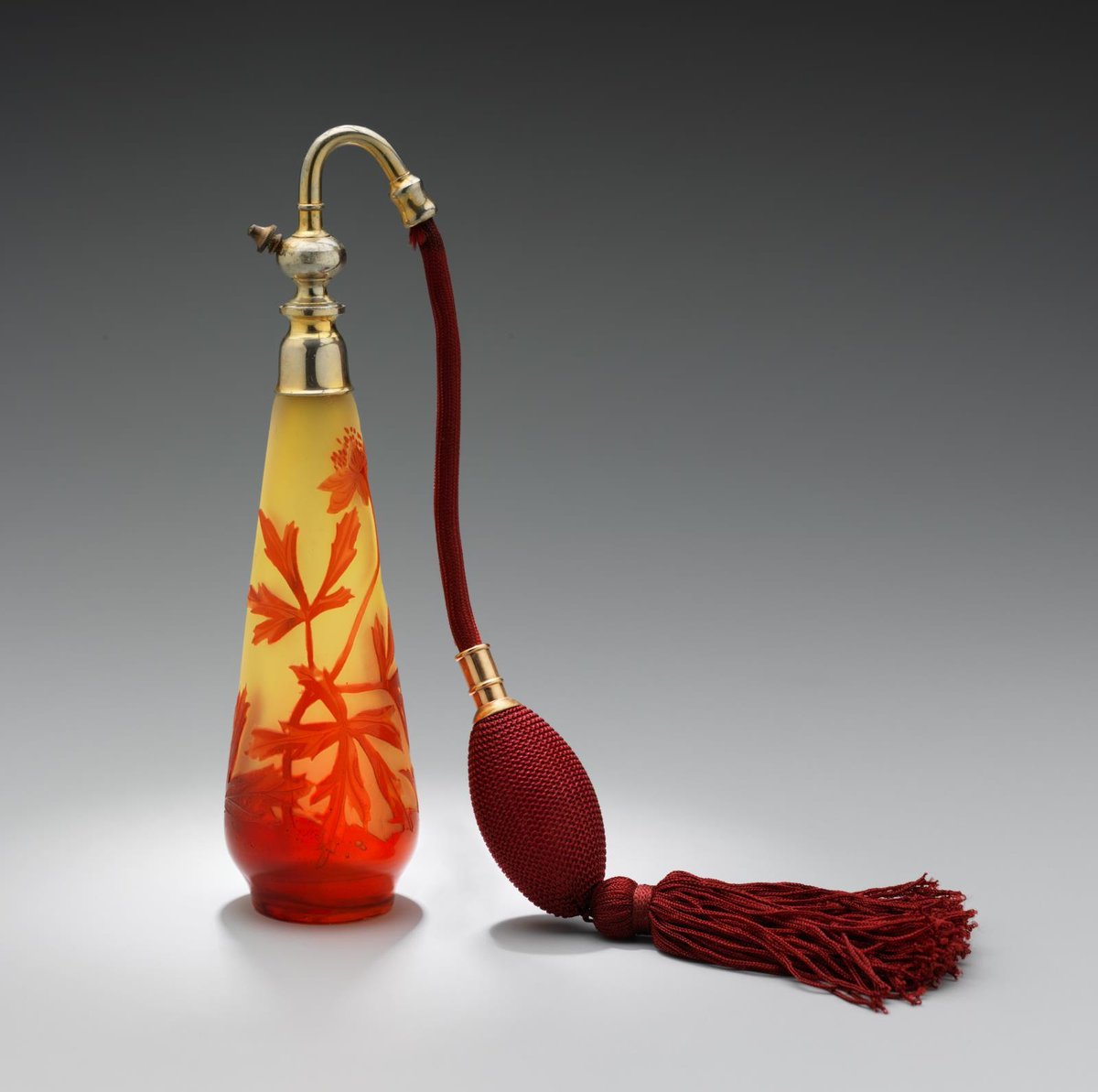
You may know Emile Gallé for his art glass, made in Nancy, France. But, he also applied his craft to everyday objects like this perfume bottle.

Emile Gallé, Perfume bottle, Acid-etched and enameled cameo glass, c. 1900, <a href="/mfaboston/">Museum of Fine Arts, Boston</a>
#AntiqueOfTheDay