Amhar Iqbal (@amhar_47) 's Twitter Profile
Amhar Iqbal

@amhar_47

22, 3rd year Med student, Proud Muslim, Alhamdulillah

ID: 1934151707799531520

calendar_today15-06-2025 07:33:25

185 Tweet

30 Takipçi

641 Takip Edilen

Milan Koštek (@kostekmilan) 's Twitter Profile Photo

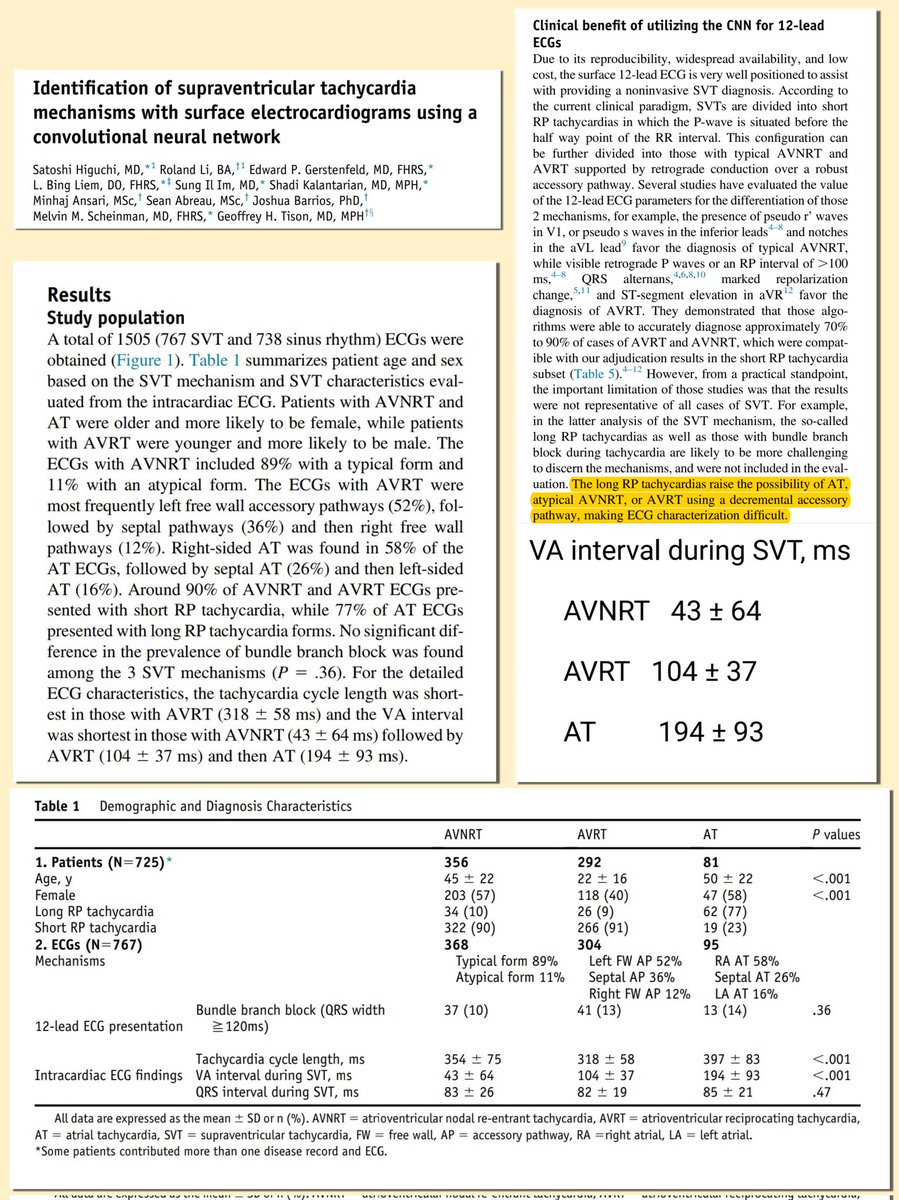
First things first. Long RP or short RP tachycardia? The term is counterintuitive with regards to atrial tachycardia. AT drives ventricles in one direction and PR interval is relevant to be used. Click the picture to see the results here.

First things first. Long RP or short RP tachycardia? The term is counterintuitive with regards to atrial tachycardia. AT drives ventricles in one direction and PR interval is relevant to be used.  Click the picture to see the results here.
Milan Koštek (@kostekmilan) 's Twitter Profile Photo

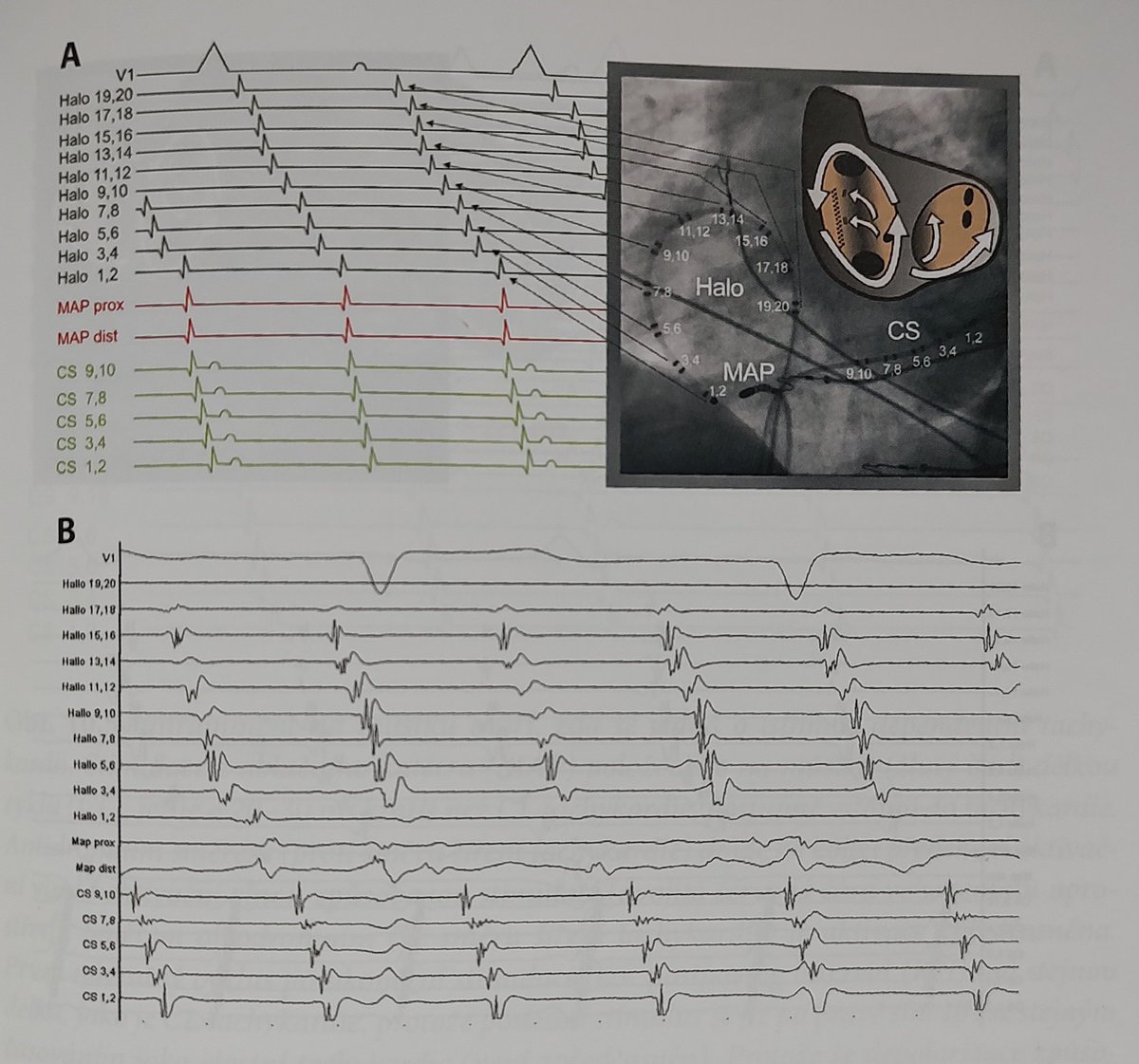
ABC of the flutter wave in typical counterclockwise (CCW) flutter. Then normal activation from a book by Czech EP experts and the last pic is their excellent depiction of CCW flutter. Since reentry has its head and tail plus direction there's a puppy video to show it for some ...

ABC of the flutter wave in typical counterclockwise (CCW) flutter. Then normal activation from a book by Czech EP experts and the last pic is their excellent depiction of CCW flutter. Since reentry has its head and tail plus direction there's a puppy video to show it for some ...
Milan Koštek (@kostekmilan) 's Twitter Profile Photo

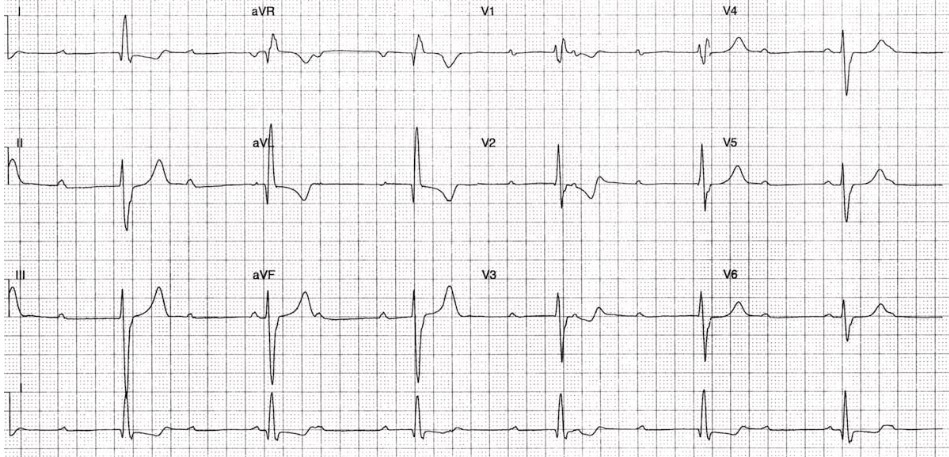
🟡 arrhythmogenic cardiomyopathy 🟡 Abnormal negative T waves, epsilon waves, terminal activation delay TAD in the right chest leads. Negative T waves in the left and inferior leads indicate LV involvement. Epsilon waves may be missing. Negative T waves in V1-V2 till only 14 yrs

🟡 arrhythmogenic cardiomyopathy 🟡
Abnormal negative T waves, epsilon waves, terminal activation delay TAD in the right chest leads. Negative T waves in the left and inferior leads indicate LV involvement. Epsilon waves may be missing. Negative T waves in V1-V2 till only 14 yrs
色々自粛中復活🌟 (@makkyecg) 's Twitter Profile Photo

Dr. Andreas Roeschl •1st and 2nd beats are junctional rhythm with RBBB and LPFB •3rd beat is preexcitation ➡️Conduction rate is AVN>AP(accessory pathway) •4th〜8th beats are preexcitation ➡️Conduction rate is AVN<AP •Therefore RBBB is complete hided •AP located right AL

Andreas Roeschl, MD (@ecgandrhythmroe) 's Twitter Profile Photo

Answewr: SR with 2nd degree AVB type 1 Wenckebach, interupted by an atrial run (non-conducted), followed by a ventricular escape beat, then SR with Wenckebach again

Answewr: SR with 2nd degree AVB type 1 Wenckebach, interupted  by an atrial run (non-conducted), followed by a ventricular escape beat, then SR with Wenckebach again
nervemed (@nervemed) 's Twitter Profile Photo

Drugs Requiring Therapeutic Drug Monitoring (TDM) Mnemonic: DATLAAT MC D → Digoxin A → Anti-arrhythmics T → Theophylline L → Lithium A → Aminoglycosides A → Anti-epileptics T → Tricyclic Antidepressants M → Methotrexate C → Calcineurin inhibitors

心電図が趣味 (@xkeit5stod53218) 's Twitter Profile Photo

#気まぐれ心電図クイズ 〘その28〙 失神で来院 次の中で最も可能性が高いのはどれでしょうか?🤔 1️⃣3枝ブロック 2️⃣心室補充調律は左脚前枝起源 3️⃣Wenckebach型Ⅱ度房室ブロック 4️⃣不整脈原性右室心筋症 5️⃣心サルコイドーシス

#気まぐれ心電図クイズ
〘その28〙

失神で来院

次の中で最も可能性が高いのはどれでしょうか?🤔

1️⃣3枝ブロック
2️⃣心室補充調律は左脚前枝起源
3️⃣Wenckebach型Ⅱ度房室ブロック
4️⃣不整脈原性右室心筋症
5️⃣心サルコイドーシス
KagawaECG (@kagawaecg) 's Twitter Profile Photo

⏩ 左上肺静脈起源のPAC(V1誘導のP波について) . 心房細動のきっかけになるPACは肺静脈起源が多いことが知られています . その中でも頻度が高い『左上肺静脈起源PAC』のP波のかたちを知っておくと,臨床にもつながると思うので, 良かったらイメージと一緒に覚えてみて下さい🙇

Milan Koštek (@kostekmilan) 's Twitter Profile Photo

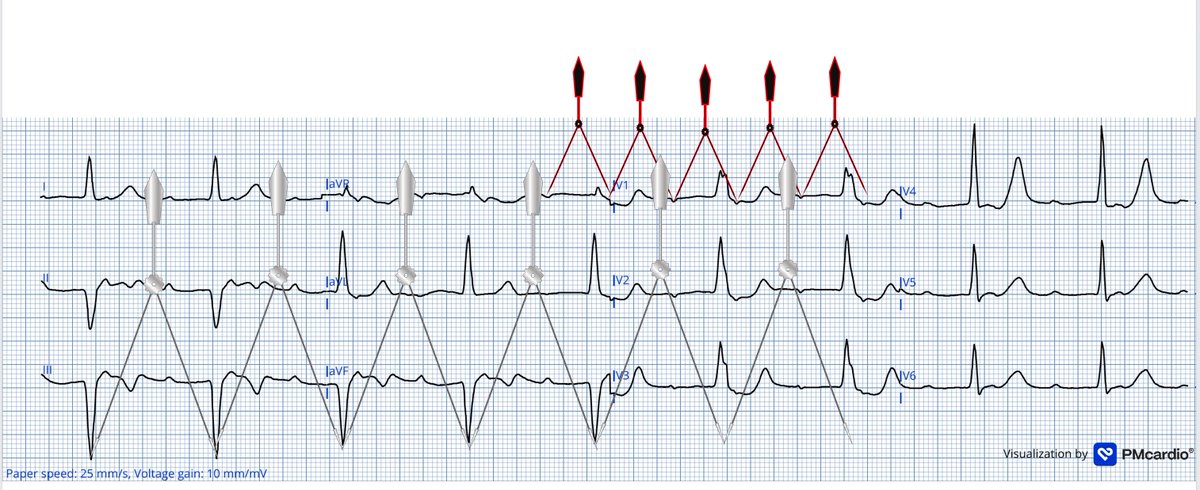
CardiovascularCorner The impulse from sinus node reaches AV node after 0.10 sec slightly before the ending of P wave. The middle part of the septum is activated a little earlier than the apex.


Andreas Roeschl, MD (@ecgandrhythmroe) 's Twitter Profile Photo

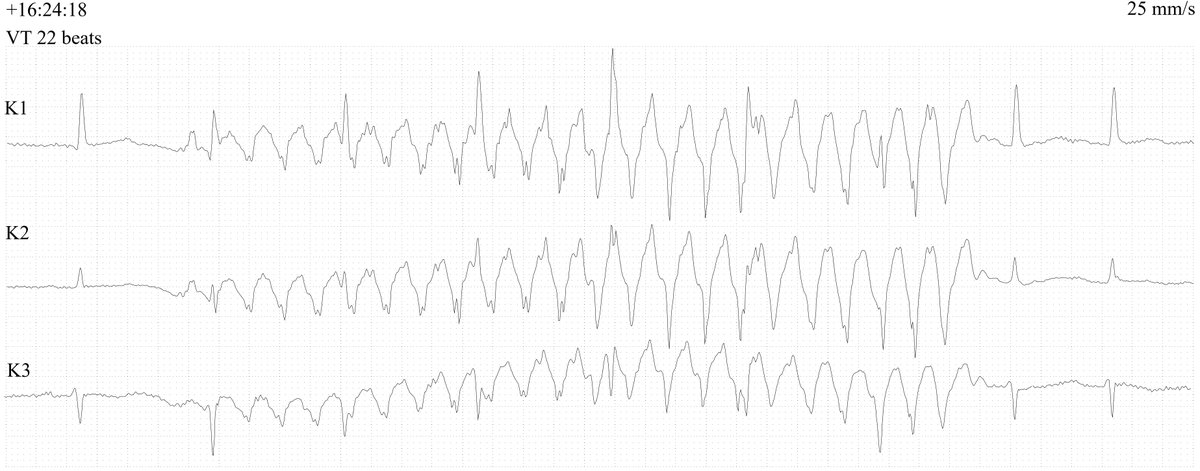
A young man with paroxysmal tachycardia experiences tachycardia during a Holter recording, which lasts for approximately 5 minutes and terminates spontaneously. What do you see? Cciari1 Jana Borucka Irma Milan Koštek 心電図が趣味 شهد🫀. -

A young man with paroxysmal tachycardia experiences tachycardia during a Holter recording, which lasts for approximately 5 minutes and terminates spontaneously. What do you see?
<a href="/Frances98392343/">Cciari1</a> <a href="/koggelnoggel/">Jana Borucka</a> <a href="/IrmaMDv/">Irma</a> <a href="/KostekMilan/">Milan Koštek</a> <a href="/XkeiT5stoD53218/">心電図が趣味</a> <a href="/Shahadomar_J/">شهد🫀.</a> <a href="/ghwamasoob/">-</a>
Dr Abdul Hameed (@drabdulhameed07) 's Twitter Profile Photo

CardiovascularCorner 🔴In WPW with a left-sided accessory pathway, ventricular activation begins on the left side. 🔴This causes delayed right ventricular activation mimicking RBBB morphology. 🔴The electrical forces shift toward the right, resulting in right axis deviation on ECG. 🔴Therefore,

Milan Koštek (@kostekmilan) 's Twitter Profile Photo

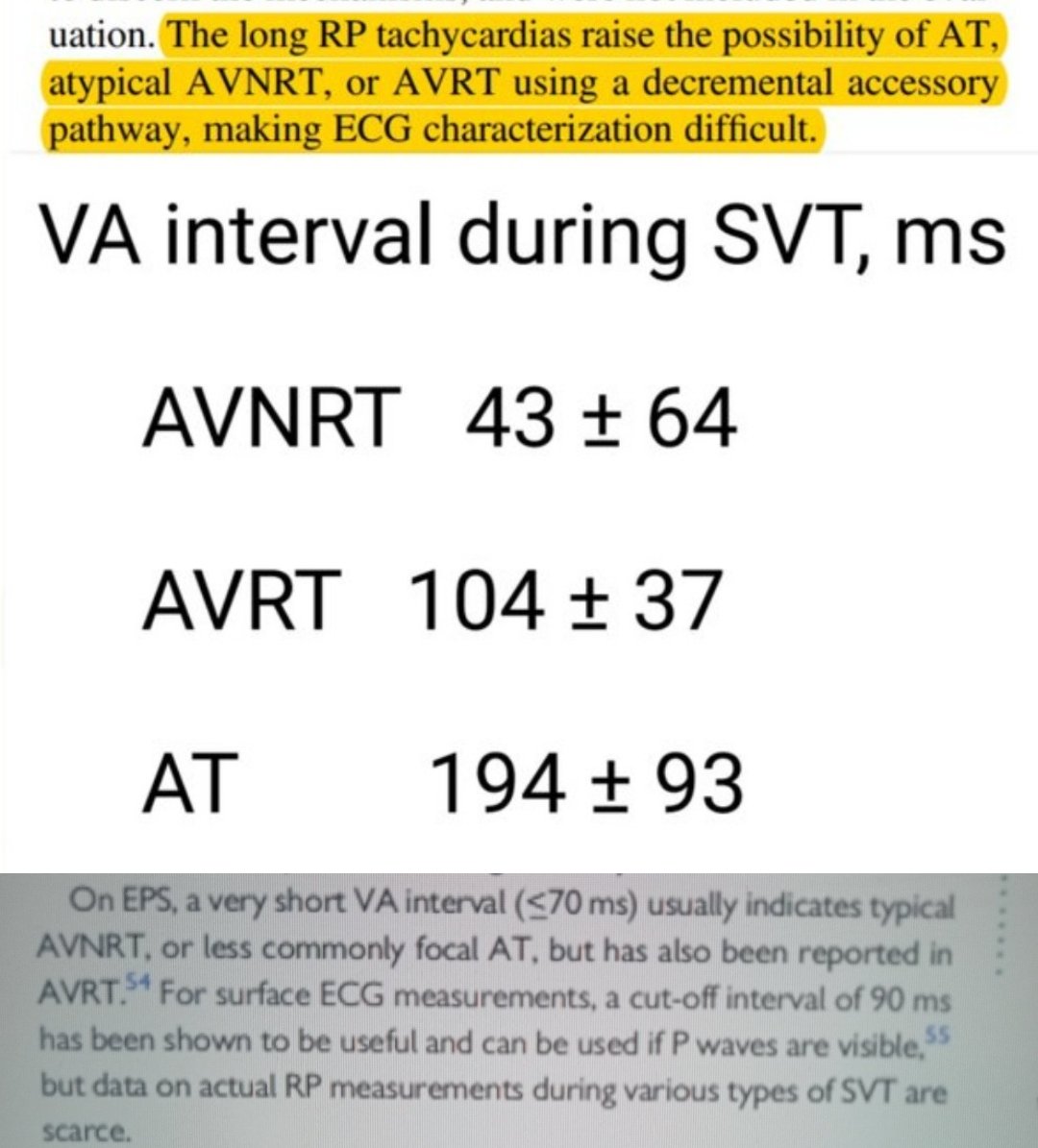
VA intervals reflect the anatomy of reentry circuits. 🟢 43 msec - AVNRT the reason P is often burried in QRS. 🟡 104 msec - AVRT the reason the impulse gets to AP after the QRS is activated. 🔴 194 msec - AT no reentry; more A to V patterns of conduction. x.com/KostekMilan/st…

VA intervals reflect the anatomy of reentry circuits.
🟢 43 msec - AVNRT the reason P is often burried in QRS.
🟡 104 msec - AVRT the reason the impulse gets to AP after the QRS is activated.
🔴 194 msec - AT no reentry; more A to V patterns of conduction.
x.com/KostekMilan/st…